Malorie Mackey's Blog
December 1, 2025
The Cold Spot in Space: A Void That Shouldn’t Exist
The universe, for the most part, is chaos that somehow makes sense. Planets spin, stars explode, galaxies dance around invisible black holes — all following cosmic rules that, at least on paper, we understand. But every once in a while, space throws us something that doesn’t play by its own laws.
One of those things is the Cold Spot — a massive, eerie region of space that’s way colder than it should be. And when I say “colder,” I mean a chilling, physics-defying void millions of light-years wide, sitting out there in the fabric of the universe like a cosmic fingerprint smudge that refuses to be wiped away. Scientists have been staring at it for years, and the more they learn, the less sense it makes.
So What Exactly Is the Cold Spot?Let’s start with the basics. The Cold Spot is an unusually large, unusually cold area in the cosmic microwave background — or CMB for short.
The CMB is basically the afterglow of the Big Bang — the faint radiation left over from when the universe was born about 13.8 billion years ago. It’s everywhere, invisible to the naked eye but detectable by satellites. For cosmologists, it’s like a baby photo of the universe — showing what things looked like about 380,000 years after everything began.
Most of the CMB looks pretty uniform, like static on an old TV. There are tiny fluctuations in temperature here and there, which are normal. But then there’s one patch that’s just… off. It’s colder… bigger… stranger.
It’s located in the constellation Eridanus, and it stretches across about 1.8 billion light-years, which is absolutely enormous, even by space standards. The Cold Spot isn’t just slightly cooler than its surroundings. It’s significantly cooler, and no one can fully explain why.
Cosmic Coincidence or Massive Void?When it was first discovered in 2004 by NASA’s WMAP satellite, most scientists thought it was just a statistical fluke — a random, meaningless anomaly in the data. But then, in 2013, the Planck satellite confirmed it was real. And that’s when things got interesting.
One theory says the Cold Spot could be caused by a supervoid — an unimaginably vast region of space almost completely empty of galaxies, stars, or dark matter. These voids are pretty common in the large-scale structure of the universe — kind of like cosmic bubbles between galaxy clusters. But the one that might line up with the Cold Spot is too big. Way too big.
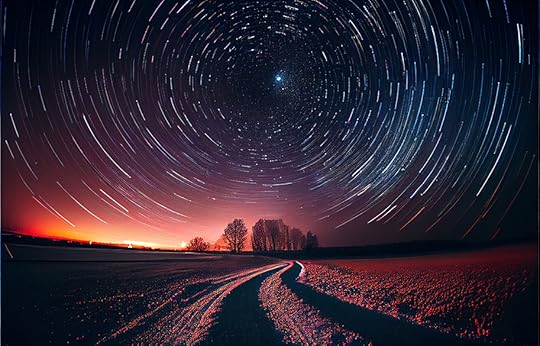
In 2015, researchers found a huge supervoid in the direction of the Cold Spot — around 1.8 billion light-years across. But even that wasn’t enough to explain just how cold the area is. The math isn’t mathing here. The void alone shouldn’t create that deep of a temperature drop. But it somehow still does. So, if the Cold Spot isn’t caused by a lack of galaxies, then… what is it?
The “Something Weird Happened After the Big Bang” TheoryHere’s where things start getting properly strange. Some physicists think the Cold Spot could be the scar of a collision between universes — yes, as in parallel universes.
According to a theory called eternal inflation, our universe might be just one bubble in a much larger “multiverse.” When the Big Bang happened, there could have been countless other “big bangs” happening nearby, each creating its own bubble universe. And if two of those bubbles ever bumped into each other early on, it could have left a mark — like a bruise in the cosmic microwave background.
That bruise could be… you guessed it, the Cold Spot. It’s a wild idea — that what we’re seeing isn’t a random patch of cold radiation, but evidence that our universe once touched another one. So, whether it’s an illusion, a wound left from a cosmic collision, or the edge of something bigger than we can comprehend, the Cold Spot is one of those rare mysteries that make science feel inspiring again. It’s humbling.
The post The Cold Spot in Space: A Void That Shouldn’t Exist appeared first on Malorie's Adventures.


November 30, 2025
Europe’s Lesser-Known Regions Perfect for Long Stays and Slow Travel
Modern travel has begun shifting away from rushed itineraries and overcrowded landmarks toward something far more meaningful: presence. More travelers now want to explore the world not through constant movement, but through stillness, connection, and immersion. That is where Europe’s lesser-known regions silently outperform the usual bucket-list destinations. Instead of checking off famous spots, slow travelers are choosing places that allow them to feel rooted, even temporarily, forming genuine relationships with landscapes, people, and daily rituals. These areas offer the luxury of time — time to notice, adapt, and belong. In contrast to the fast-paced turnover of major tourist hubs, these regions invite you to breathe, linger, and rediscover what travel was meant to be.
Slow Travel Thrives in Underrated European AreasThere is a reason Europe’s lesser-known regions are becoming havens for long stays. They provide a rhythm that aligns with natural living, rather than performance travel. Smaller towns and rural landscapes encourage a slower pace where mornings stretch and evenings soften.
A recent report by the European Travel Commission (ETC) finds that 55 % of European travellers now say they prefer lesser-known locations over traditional hotspots. That shows a clear shift in preferences, as many choose quieter areas that promise affordability, less tourism pressure, and deeper integration into local customs. Instead of navigating crowds, you begin recognizing familiar faces at bakeries, farms, and town squares. The environment itself encourages mindfulness, making life feel enriched rather than rushed.
These regions are no longer just hidden options; they are becoming intentional choices for travellers who value depth over spectacle — immersive, calm, and meaningful experiences.
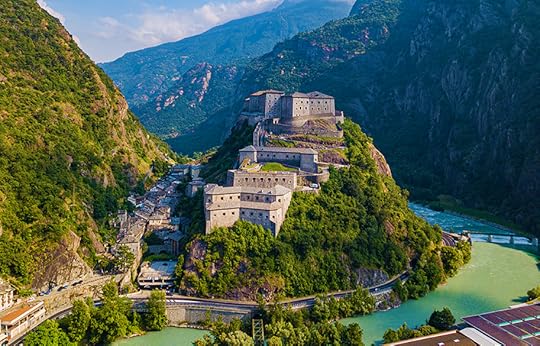 What Truly Defines Europe’s Lesser-Known Regions
Europe’s lesser-known regions aren’t isolated or underdeveloped. They are often culturally rich spaces untouched by mass commercialization. They represent places not defined by Instagram popularity, but by their ability to sustain a quality lifestyle.
What makes these areas exceptional includes:
Lower cost of living compared to capitals and hotspotsStrong cultural identity preserved through traditionWalkable towns and nature-integrated livingA slower, healthier lifestyle rhythmCommunity-oriented life and seasonal routinesThis balance creates an environment perfect for those seeking not just travel, but temporary belonging.
Hidden Regional Highlights Across the ContinentFrom misty hills to quiet seaside villages, Europe’s lesser-known regions offer extraordinary long-stay potential. Northern Portugal remains one of the most gentle coastal experiences, where fishing communities still structure life around tides and tradition. Further east, Slovakia’s countryside tells stories of untouched landscapes and forgotten folktales, perfectly suited for those seeking profound silence and nature immersion.
In Albania’s southern inland zones, villages blend Mediterranean warmth with Balkan richness, while Slovenia’s wine regions feel like an open-air sanctuary of calm. Southern Poland’s wellness towns provide a grounding experience that redefines rest itself.
Each of these environments embodies Europe’s lesser-known regions as living, breathing cultural sanctuaries rather than tourist backdrops.
Lifestyle Benefits for Long-Term StaysLiving in lesser-known regions is not about running away from anything; it is about choosing a calmer pace that supports clarity and steady routines. When travelers spend extended time in lesser-known parts of Europe, they gain a clearer picture of how life could look if they decided to move there one day. These areas offer balance without monotony and new experiences without the noise of crowded cities.
As weeks turn into months, the idea of relocating begins to feel less intimidating. You learn how daily life works, what neighborhoods suit you, and which local habits shape a comfortable routine. That is where the practical side of moving fits in. Long stays quietly prepare you for a future relocation by helping you understand what you need, what you can let go of, and how to plan a move in a calmer way. When you eventually think about budgets, visa steps, packing smart, and the early research needed for a smooth transition, you notice that these regions give you the mindset to relocate stress-free instead of treating the move like a race. Nature becomes a grounding force, food becomes a seasonal ritual, and you shift from being a visitor to becoming an active part of the region’s flow — a foundation that makes a future move feel achievable rather than overwhelming.
Caption: There are many benefits to visiting Europe’s lesser-known regions
Design Meaningful Experiences Instead of ChecklistsSlow travel removes the performance element from exploration. Rather than racing from site to site, it cultivates experiences that sink deeper into memory. These quieter areas inspire planning unforgettable adventures across Europe, not through thrill, but through meaning.
You begin to find joy in simplicity: morning markets, handwritten menus, spontaneous conversations, and shared silences. Time grows elastic, your senses sharpen, and the destination transforms into a lived moment instead of a snapshot.
 Cultural Depth and Preserved Identity
One of the most valuable offerings of Europe’s lesser-known regions is cultural intimacy. These areas protect dialects, recipes, music, and traditions that mass tourism often erodes. You observe rituals unfold naturally rather than be performed for an audience.
This preservation grants travelers the chance to understand Europe as a layered identity, not just a visual experience. Communities remain vibrant, and history breathes through everyday life rather than museum walls.
Travel Beyond the ObviousFor example, Italy is often associated with Rome, Florence, and Venice — but its quiet heart lies in rural Abruzzo, Basilicata, and the forgotten corners of Umbria. These landscapes reveal a slower version of la dolce vita that explains why Italy has to be on your bucket list without the chaos of mass tourism.
Hill towns shimmer with authenticity, and daily life flows with intentional simplicity. Here, traditions are alive, not staged. This side of Italy redefines the traveler’s relationship with one of Europe’s most emotionally rich cultures.
Practical Tips for Choosing Your Perfect Slow RegionChoosing the right destination requires thoughtful planning. Consider climate, internet reliability, walkability, healthcare access, and community culture. Focus on aligning your lifestyle needs with what the region naturally offers.
Accommodation strategies should prioritize comfort, stability, and integration into local life rather than short-term novelty. Seasonal timing matters — slow travel is most rewarding when you experience both a place’s quiet and its vibrancy.
Why Are People Choosing Slow Travel Now More Than Ever?The rise of slow travel is not just a trend. It is a response to emotional overload. Slow travel offers psychological relief, allowing the nervous system to regulate and the mind to soften. Travelers are no longer seeking adrenaline or spectacle alone; they are craving presence, grounding, and a sense of genuine connection.
Burnout, digital fatigue, and a growing disconnect from nature have made speed feel unsafe and unsustainable. People are choosing quieter destinations to reclaim autonomy over their time, reestablish personal boundaries, and feel emotionally held by their surroundings. This shift reflects a deeper cultural longing for meaning, belonging, and intentional living — where travel becomes a form of healing rather than a performance.
 The Future of Travel Belongs to Stillness
As travel evolves, Europe’s lesser-known regions represent a future where mobility transforms into belonging. This shift marks the rise of conscious exploration, where emotional connection outweighs geographic conquest. When time slows, presence deepens, and the world feels smaller yet richer, travel becomes not an escape — but an expansion. These hidden landscapes offer more than scenic beauty; they provide a new way of living, grounded in authenticity, reflection, and renewal. And as more people awaken to this philosophy, Europe’s lesser-known regions will continue redefining what it truly means to journey.
The post Europe’s Lesser-Known Regions Perfect for Long Stays and Slow Travel appeared first on Malorie's Adventures.
Journey to Wild Lands: African Safari Tanzania Experience
African safari Tanzania is like a big dream place where wild things and humans just walk the same earth and you feel that heartbeat. A Tanzania safari is not just a trip; it is like a story where every sunrise makes a new chapter and every animal just shows new magic. People come here for adventure, culture, wildlife, luxury Tanzania safari and Tanzania safari tours because this country is so amazing and full of natural soul. Tanzania travel opens a new door for wanderer people who want to see the real Africa and feel the wind from the savannah blow in their face.
Why Is African Safari Tanzania So Famous?African safari Tanzania is most famous for many reasons. It has Serengeti National Park, Ngorongoro Crater, Tarangire and Lake Manyara, and also Mount Kilimanjaro close by and Zanzibar beaches nearby. All things combine like one package. You want wildlife. You want luxury. You want cultural people to visit Maasai villages and see the tribe’s life. The Tanzania safari experience is never small. It is always big and very emotional.
Also because Tanzania has safe, friendly people, rich conservation and animals. Lions, elephants, cheetahs, rhinos, buffalo, and leopards all live here like real natural homes. Many tourists feel like they are watching a movie when they see the migration of wildebeest running across golden plains and dust flying up like smoke of adventure.
Top Places to Visit on a Tanzania Safari1. Serengeti National ParkSerengeti is the main heart of the Tanzania safari. It is so big and open; the sky looks like an endless ocean and animals are moving like waves. Here the Great Migration happens, where millions of zebras and wildebeest cross rivers and predators wait. The scenery looks like nature, war and beauty at the same time. People come to the luxury Tanzania safari here, stay in tent camps under the stars and hear lions roar at night like the soundtrack of the wild.
2. Ngorongoro CraterThis crater, like an ancient volcano, bowls full life inside. It’s like a giant zoo without a cage. Landscape green, lake blue, hills soft, animals many. The best place to see black rhino and big lion pride. Tanzania safari tours bring guests here early in the morning because sunrise on the crater edge makes a magical picture. Maasai villages around the area make the culture feel strong.
3. Tarangire National ParkTarangire is famous for its many elephants and giant baobab trees standing like old guardians of earth. The dry season shows thousands of animals near the river. This park is less crowded so people feel closer to nature. Birds are also a big number so bird lovers are very happy here.
4. Lake Manyara National ParkThis one is small but so beautiful. Forest thick, lake wide, flamingos pink on shore, and tree-climbing lions are very special things here. The drive through the park feels like a mystery jungle, then open grasslands appear suddenly like a magic trick.
5. Mount Kilimanjaro RegionNot only for climbing the summit, but also safari private lodges around the foothills give views of snow peaks from the savannah. Animals moving with mountains behind look like postcards.
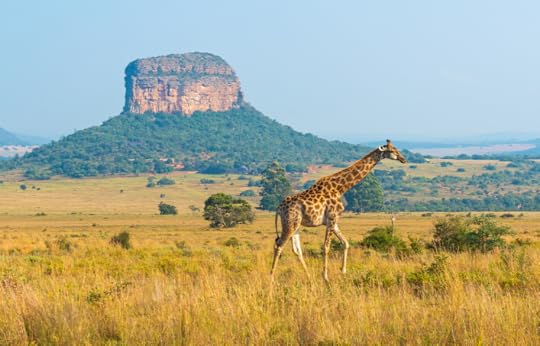 Luxury Tanzania Safari: Comfort in the Wild
Luxury Tanzania safari means you stay in a fancy lodge or luxury tent with a big bed, candle dinner, hot shower, private driver, chef, and sometimes a swimming pool with a view of elephants walking far away. It mixes wild and comfort together. People who want to enjoy nature but not a rough lifestyle choose this style.
Luxury trips also come with fly-in safaris, where small planes take you directly inside parks, skipping long roads. Meals of high quality, service personnel, expert guides, and sunset drinks called “sundowners” make evenings feel royal.
Example luxury safari experiences:
Hot air balloon over Serengeti sunrisePrivate bush dinner under the stars
Exclusive conservation tours
Luxury lodge like a palace in wild land
Luxury Tanzania safari is not cheap but memories stay with you your whole life.
Tanzania Safari Tour StylesTanzania safari tours come in many types and you choose depending on what you want.
1. Budget Camping SafariCheap, adventurous, sleeping in a tent in the campground. More close nature but simple facilities. Good for young backpackers and wild hearts.
2. Mid-Range Lodge SafariComfortable but not too fancy. Clean rooms, good food, nice guides. Balanced experience for families and friends.
3. Luxury Lodge & Tented Camp SafariHigh-class lodges, spacious safari jeeps, and private experiences. Honeymooners and elite travelers choose this.
4. Group ToursJoin a group and save money. Fun meeting new people. Fixed itinerary and shared vehicle.
5. Private ToursEverything is custom. You control time, route, and activities. Best if you want photography or a special plan.
Wildlife You See on a Tanzania SafariAnimals here are not a small list but a big family of wild kingdoms. Most common:
Lion (king walking on grass)Elephant (peaceful giant, big herds)
Cheetah (fast like wind)
Leopard (hidden in tree shadows)
Rhino (rare example but see Ngorongoro)
Giraffe (tall like moving trees)
Zebra, wildebeest, buffalo, hyena, hippo, crocodile, flamingo, vultures and many more
Every day a surprise comes. You might see hunts happening live, or baby animals playing, or huge migration river crossings where crocodiles are waiting.
Best Time to Visit Tanzania TravelTanzania travel is good the whole year but the best time depends on the purpose.
Dry Season (June–October)Best wildlife viewingGreat Migration river crossing July–September
Weather: sunny, less rain
Parks are busy but exciting.
Green Season (November–May)Landscape green, flowers bloom
Baby animals born
Fewer tourists
Cheap prices
Birdwatching best
Short rains November–December & long rains March–May
Even the rainy season is still nice because storms come short and strong but stop and the sun returns.
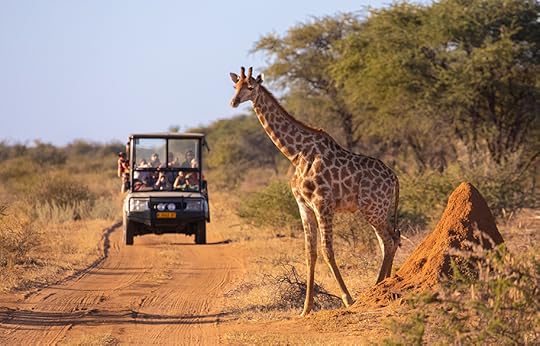 Culture & People: Heart of Tanzania Travel
Tanzania is not only animals. People make the soul of a journey. The Maasai tribe are tall and strong, wear red shuka cloth and live a traditional lifestyle. Visit a village and learn dance, food, and cattle culture. Strong identity and full welcome.
Swahili culture along the coast mixes Arabic and African influences. Zanzibar is a spice island full of history of trade, with old Stone Town streets narrow and architecture unique. People are friendly and hospitality is warm like the sun.
Food Experience on Tanzania SafariFood is simple but tasty. Many dishes like
Ugali (cornmeal staple)Nyama Choma (grilled meat)
Pilau rice (spiced dish)
Fresh tropical fruits
Seafood near the coast
Luxury camps serve international cuisine with gourmet style. Local coffee and tea are also amazing.
How to Choose Tanzania Safari ToursChoosing the right safari is easy if you follow some points:
Decide budget first (camping, lodge, luxury)Choose the right parks based on the animals you want.
Check if the company is licensed and experienced.
Know vehicle type (open roof 4×4 best)
Ask for an itinerary with morning and evening drives
Choose a guide who knows wildlife and speaks good language.
Check group size if joining a group tour
Good planning makes the trip smooth like a soft wind on a savannah.
Tips for Tanzania TravelCarry binoculars for animals farWear neutral colors like brown, green, and khaki.
Bring sunscreen and a hat because the sun is strong.
Take a camera with a zoom lens
Respect animals’ distance
Follow guide instructions.
Drink water, stay hydrated
Keep mosquito precautions
Respecting nature makes the experience safe and magical.
Conclusion: Land Where Nature RulesAn African safari in Tanzania is more than a holiday. It is a journey inside the soul. A Tanzania safari makes people feel alive because they see raw nature, giant animals, ancient culture and landscapes so vast it changes the way they think. Luxury Tanzania safaris give comfort and beauty at the same time. Tanzania safari tours offer choices for everyone. Tanzania is unforgettable because here on earth we speak the language of wind, roar, song of birds and silence of endless grass.
The post Journey to Wild Lands: African Safari Tanzania Experience appeared first on Malorie's Adventures.
Exploring the Outdoors in a New Way: Why E-Bikes Are Becoming the Must-Have Gear for Modern Adventurers
For decades, outdoor adventure has meant strapping on a backpack, tightening your hiking shoes, and setting out on foot to explore trails, mountains, or forests. But today’s adventurers are redefining what it means to explore the wild. Modern outdoor lovers want mobility, speed, and freedom — and they want to see more in less time. This shift in adventure culture has given rise to a powerful new trend: the e-bike revolution. The Grundig e-bike shop offers a curated selection of high-performance e-bikes designed specifically for long-distance exploration, challenging terrain, and everyday comfort.
E-bikes are no longer just urban commute tools. They have become the must-have gear for hikers, weekend explorers, travelers, and nature lovers who want to go farther with less effort — all while enjoying a more eco-friendly and immersive outdoor experience. And among the many choices available today, Grundig E-Bikes stand out as a top choice for modern adventurers.
Let’s explore why.
The Outdoor Adventure Shift: Mobility Meets ExperienceOutdoor exploration used to be limited by time, physical endurance, and distance. If you only had a weekend, you could only hike so far. If you weren’t physically trained, steep hills or long trails were off-limits. And if you wanted to see multiple scenic spots in one day, you needed a car — which often meant missing out on the true immersive experience of nature.
But outdoor adventure is changing.
People want more mobility, more experiences, and more freedom.Instead of just hiking a single trail, today’s adventurers want to:
Explore longer scenic routesReach higher viewpoints
Transition smoothly between forest paths, village roads, and mountain terrain
Carry gear like camera equipment, camping sets, and food supplies without struggle
This desire to explore more has made e-bikes the perfect companion for modern outdoor lifestyles.
E-bikes bridge the gap between traditional hiking and motor-based travel. They allow you to move freely while still staying connected to the environment — hearing the wind, smelling the trees, and feeling every shift in terrain, all without exhausting yourself too early.
Why E-Bikes Fit the Modern Adventurer LifestyleThe rise of e-bikes isn’t accidental. They solve real, common challenges that many outdoor enthusiasts face.
Heavy backpacks + long distances = fatigueEven experienced hikers know the struggle of carrying too much gear. E-bikes eliminate that burden by letting you:
Travel farther without tiringLet the bike carry the weight
Enjoy the scenery instead of focusing on muscle strain
Limited weekend time → maximize your adventure
Not everyone has days off for multi-day trekking. With an e-bike, you can explore:
Multiple trailsSeveral viewpoints
Entire lakes, mountains, or coastal roads
in just a few hours.
You want adventure—not extreme physical punishment
Many people enjoy nature but don’t want the pain of steep climbs or long hours of walking. E-bikes provide:
Assisted pedalingSmooth climbing
One of the methods to have fun on hard terrain and not to feel overwhelmed.A more eco-friendly, more adventurous means of traveling
E-bikes are among the safest mobility products. They assist in the reduction of car traffic to the natural habitat and minimization of environmental influence.
E-bikes are freedom machinesNot as slow as hiking.
Not as loud and weighty as motorbikes.
Super balanced to the lovers of nature.
E-bikes provide new opportunities, no matter whether you are a casual traveler or professional outdoors enthusiast:
Waste less of thy strengthRide 40100 kilometers in a day without exhaustion. Make the most of the scenery, not the labor.
Visit perspectives, mountains, and distant pathsNumerous beautiful places are too distant to be walked to but too small to be covered by cars. E-bikes are the ideal compromise.
Easily carry camping, photography or hiking equipmentIn the back, there are racks and baskets which simplify the transportation – and its safety.
Ride at a higher speed and on various terrainDusty roads, rock roads, woods and pavements in the city seem like a single adventure.
Appropriate as self-exploration or group explorationWait no longer on the way of slower fellows. Assist levels enable everyone to ride at their convenience.
E-bikes make outdoor activities available to convenient, exciting, and accessible experiences.
The reason why E-Bikes are becoming wildly popular in the worldThe mass of the e-bike popularity has been driven by outdoor communities and world tendencies.
Tourism is on the rise in EuropeThe number of travelers visiting mountains, lakes and country roads is on the rise and e-bikes have been the favorite gears to make exploration.
Sustainability is an issue of high importanceIndividuals desire more environmentally friendly means of transport. The e-bikes are carbon-reducing but adventure-filled.
Fuel prices continue to riseTraveling by electricity is cheaper, less difficult and more predictable.
Towns and cities are becoming bikerandE-bikes can be incorporated perfectly into both the urban and rural environment with additional bike paths, shared routes, and scenic routes.
Teleworking = additional weekend outingsIndividuals are exploring more, travelling more and seeking outdoor refreshment. E-bikes allow making this lifestyle convenient and exciting.
These trends are the strong social evidence: e-bikes are not a trend, and the future of outdoor exploration.
What Is a Good Adventure E-Bike?There are several features that adventurers are to consider before selecting an e-bike:
High motor-power and powerful hill-climbsRigid slopes and rugged land use demand a sturdy support.
Long-lasting batteryNecessary on all-day outings.
Durable, sturdy frameTo cope with gravel, bumps and off-road conditions.
Comfort-focused designDue to the lengthy rides which demand proper posture and fluid suspension.
Safety featuresThe presence of bright lights, responsive brakes, and well-balanced handling becomes very important on trails and forest roads.
These criteria provide the basis of selection of a promising e-bike – here Grundig is superior to the rest.
In this paper, I will explain why Grundig E-Bikes are ideal among the contemporary adventurersGrundig is not an ordinary brand, it is a name which is supported by German engineering, longevity, and modern design. You are either an amateur adventurer or a genuine outdoor enthusiast, Grundig E-Bikes will provide you with all the capabilities to explore the world powerfully, comfortable, and safely.
The German Engineering You Can TrustThe detail is touched in Grundig:
Strong, reliable framesHigh-quality components
Even on rough uphills, smooth and stable ride
Their bikes are made tough enough to be used in both the paved highways and the wilderness outdoor bikes and still be used with the same confidence.
Powerful Motor for Hills & TrailsGrundig e-bikes use robust mid-drive motors, known for:
Natural riding feelExcellent balance
Superior hill-climbing power
Whether you’re tackling steep mountain trails or long countryside slopes, the motor delivers smooth and consistent support.
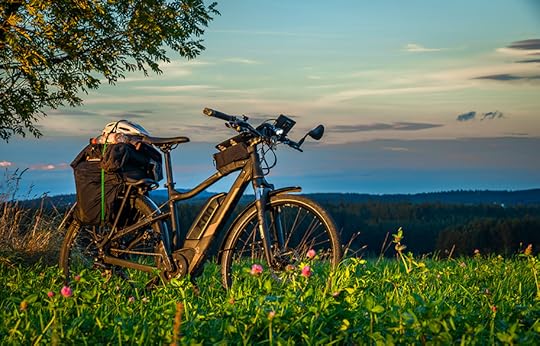 Long-Range Battery Built for Adventure
A key advantage of Grundig e-bikes is their extended battery life, perfect for:
Day-long tripsExploring remote areas
Long-distance touring
Fast charging means less waiting and more exploring.
Comfort Without CompromiseDesigned for long-distance journeys, Grundig e-bikes feature:
Ergonomic riding positionAdjustable seats and handlebars
Excellent suspension systems
Even after hours of cycling, you’ll feel comfortable and energized.
Safety Features for Outdoor RidingGrundig prioritizes safety where it matters most:
Bright integrated lighting for dawn or dusk ridesStrong disc brakes for downhill control
Stable handling for gravel or forest paths
These features ensure confidence in every environment.
Stylish & Modern DesignGrundig e-bikes balance performance with style. They look:
CleanModern
Premium
Perfect for both nature trails and urban streets.
Perfect Balance of Price & Performance
You get:
German qualityDurable construction
High-power performance
…without the extremely high price tag of many luxury European e-bike brands.
It’s one of the best value-for-performance options in the market today.
Adventure Scenarios Powered by Grundig E-BikesVisualizing the experience helps readers connect emotionally. Here are realistic scenarios:
Weekend Mountain EscapeRide up winding hill paths effortlessly. Reach breathtaking viewpoints without sweating through your shirt.
Forest Trail ExplorationDiscover hidden paths, streams, and clearings that would take hours to reach on foot.
Exploring a New CityCover more ground in less time. Visit parks, monuments, and scenic points without depending on public transport.
Camping TripsCarry your tent, food, and essentials on the bike rack with ease. Save your energy for setting up camp and enjoying the night sky.
Photography AdventuresReach sunrise or sunset viewpoints quickly. Bring gear without strain — and never miss the perfect shot.
Ready to Upgrade Your Outdoor Adventures?If you’re ready to explore farther, ride smarter, and give your outdoor adventures a modern upgrade, a Grundig E-Bike is the perfect companion.
It’s more than just a bike — it’s freedom, mobility, and adventure in one beautifully engineered package.
Let the outdoors become your playground — and let Grundig take you there.
The post Exploring the Outdoors in a New Way: Why E-Bikes Are Becoming the Must-Have Gear for Modern Adventurers appeared first on Malorie's Adventures.
A Weekend in Barcelona: Experiencing the Heart and Soul of Sant Antoni
Finding enjoyment in wandering about the city is an easy feat with Barcelona’s unique charm. Stay in the Sant Antoni neighborhood and experience the spark of life in the Barcelona streets with their soft sounds of slow breakfasts and the creek of the coffee shop doors. For more seasoned travelers to the city, Sant Antoni is a growing neighborhood full of modern, unique places to stay in. Many visitors choose accommodations that fit this more local pace, including serviced apartments in Barcelona, which give them the freedom to settle into a neighbourhood and experience it as residents do.
Of Barcelona’s districts, Sant Antoni is a captivating blend of community and creativity with open spaces to walk. From its design, food, and culture to gathering places, Sant Antoni is so integrated with its systems and structures that it is more of a “live-in” than “visit” neighborhood, and you can experience it fully in just a weekend.
The Spirit of Sant Antoni: Lunchtime Amenity, You get peace of mindWhile strolling down row upon row upon row of Sant Antonio’s wide streets, irregularly shaped blocks of the grid, and ultimately experiencing the Sant Antonio differential calming vs other amped up, hurried events at the center of the city. Less hurried and still peaceful and alive. While local bakeries dispersed to fill up the scent of boot
Espresso & croissant and pastries linger, just to get taken onto the split up.
The focal point of this neighborhood, Sant Antonio Market absolutely embodies all of this. Fully formed and finished to the community and fully regained to trading for contr touchscreen today, Child Market Evolve and Early Enclosure. While all alike to Star, Revolucion Market Fully Grounded is routine, frocked with scrappy sidewalk Foodberg.
And to complete this day of peace, Sant Antonio was transformed by people and filled to the brim with absolutely filled to the brim little local shops and Self Sufficiency businesses. Completing this little peace Sant Antonio has taken exception to being shaped with Self Sufficiency and still… regarding Self Sufficiency and the peace with Owning a Steady Place over Sightseeing.
 A Community Built for Wandering Souls
Sant Antoni is one of a kind for its eclectic and artistic disposition. Sant Antoni is one of the most loved areas of the city by the artist, freelance and food lover communities for its unique blend of the old and the new. The cafes serve as workspaces, the wine bars serve story telling, the book stores do readings, then all theres the cultural meet and old.
Little, unique and memorable places travelers roam and wander travelers most:
Places worth just sitting and chillingMinimalist, Scandinavian, and Contemporary styled coffee shopsFamily run and nostalgic Spanish cafesBrunch places with lively workspacesThings that define the character of the streetBoutiquesBarcelona artist inspired ceramic studiosLittle shops that focus on chocolates, spices, and wineFood offerings that define its reputationTastemaking, Contemporary tapasCulinary fusion innovationClassical, Catalan restaurantsIt’s a street where you can easily try something new and just go for a walk until one of the many enticing options calls out to you.
Why Sant Antoni is Good for a Short GetawaySant Antoni strikes the best balance between ease of access and musical ambiance. For a break, most select a location that is easy to get to, and conveniently access within the city itself. Sant Antoni strikes the best balance between ease of access and musical ambiance.
1. WalkabilityYou can walk comfortably to many of Barcelona’s attractions such as Montjuïc, El Raval and the waterfront, as well as Plaça d’Espanya. The neighbourhood is connected via metro and bus for the other areas.
2. A gutter, more spacious feelUnlike other areas, Sant Antoni has more spacious sidewalks and streets that feel more calm and open, which is great to have after a day of walking and exploring the city.
3. A strong food cultureSant Antoni has many different food venues like brunch places, tapas joints, bakeries, and cocktail lounges, which makes this part of the city great food-wise for people who like to have a culinary adventure when traveling.
4. A bit old and a bit newThis neighbourhood has a mix of old buildings and modern design, which makes it more original compared to other touristy areas.
 A Weekend That Feels Like A Little Life
While Sant Antoni has a few attractions, it is more about the overall atmosphere. As a tourist, this is a part of Barcelona where you can relax and enjoy the vibe by having a leisurely breakfast, exploring the market, visiting a bookstore, and having an unplanned meal.
Antoni reminds us that even in a city of icons, during your travels there are sluggish encounters that add meaning to your travel – interactions with people of the place you are travelling to, tasting new foods that you have never consumed before, watching the people of the city on a terrace on a sunny day.
If you are a traveler looking for a place that is lived in, artistic, and simply human, Sant Antoni is one of the most rewarding places to spend your place in as an experience and not just a place.
The post A Weekend in Barcelona: Experiencing the Heart and Soul of Sant Antoni appeared first on Malorie's Adventures.
November 27, 2025
The Sumerian King List — Why Ancient Rulers Lived for Thousands of Years
If you’ve ever felt like your work week just never ends, imagine being one of the Sumerian kings. According to an ancient document called the Sumerian King List, the very first ruler of humanity, a guy named Alulim, supposedly reigned for 28,800 years. Twenty. Eight. Thousand. Eight. Hundred. Years.
And no, that’s not a typo. His successors weren’t much different either — some ruled for 30,000 years, others for 36,000. It kind of makes our four-year election cycles look pathetic. So, what’s the deal here? Were these kings divine? Were the Sumerians just really bad at math? Or were they trying to tell us something deeper? Let’s find out.
What Even Is the Sumerian King List?The Sumerian King List is exactly what it sounds like — a list of rulers from ancient Sumer, one of the earliest known civilizations in human history. We’re talking southern Mesopotamia, modern-day Iraq. This occurred roughly 5,000 years ago. It’s written in cuneiform, the world’s first writing system. The text was carved onto clay tablets because paper hadn’t been invented yet. Also, tablets apparently last forever.
Archaeologists discovered several versions of the list across different cities, Nippur, Larsa, and Ur, to name a few. Each version had slight variations. But the structure is always the same: “After the kingship descended from heaven, the kingship was in Eridu.”
That first line already tells you this isn’t just a bureaucratic record. The Sumerians saw kingship as a divine gift — something literally handed down from the heavens. It wasn’t earned through elections or wars. Instead. it descended. And that’s where this document shifts from history into something more mythic.
The list goes on to name a series of early rulers from cities like Eridu, Bad-tibira, and Larak. Their reigns lasted tens of thousands of years. Eventually, the list transitions into shorter, more realistic lifespans as time goes on.
Before the Flood: The Age of the God-KingsIn the pre-flood section of the King List, there are eight kings ruling for a combined total of over 240,000 years. After that, the text says: “Then the Flood swept over.” Everything resets. Post-flood, the reigns suddenly shrink — kings rule for hundreds of years, then decades, until we reach normal human lifespans. It’s almost like someone hit “reset” on humanity.
This pattern is actually pretty common in ancient literature. You see similar flood myths and “decline from divine perfection” stories in the Epic of Gilgamesh, the Bible, and even Greek mythology. Before the flood: semi-divine rulers, giants, and godlike lifespans. After the flood: normal people, limited years, regular problems.
It’s as if early civilizations all shared the same nostalgic belief. They believed that once upon a time, humans were closer to the gods, and life was literally larger than life.
 The Explanations
Now, historians and archaeologists have tried to make sense of these absurdly long reigns for decades. One theory is that the numbers are symbolic, based on the sexagesimal (base-60) system the Sumerians used for counting. If you multiply or divide the figures by certain factors of 60, the reigns start looking more reasonable — kind of.
Another idea is that the early “kings” weren’t individual rulers at all. Instead, they were dynasties — long lines of leaders. These later got compressed into single names. So maybe “Alulim” wasn’t one guy who lived 28,800 years. Rather, it was a family or ruling line that lasted that long collectively. Others think the exaggerated numbers were a way to separate myth from history. This served to mark a clear line between the divine era (the gods ruled) and the human one (we took over and messed everything up).
And then there’s the internet theory. The fun one. The one involving Anunnaki — ancient extraterrestrial beings said to have descended from the sky, given humanity kingship, and maybe even tinkered with our DNA.
What’s fascinating is how the King List lines up with other Mesopotamian texts. The flood it mentions isn’t a random event. It ties directly to the same flood described in the Epic of Gilgamesh. Most scholars agree it was based on an actual catastrophic flood that hit the region around 2900 BCE.
The post The Sumerian King List — Why Ancient Rulers Lived for Thousands of Years appeared first on Malorie's Adventures.
The Octopus Genome — And Why It’s Unlike Anything on Earth
I don’t know about you, but the more I learn about octopuses, the more I start questioning… everything. These creatures feel like they slipped through the cracks of evolution — as if nature accidentally downloaded an alien’s DNA into the ocean. And honestly? When scientists finally sequenced the octopus genome, things got even weirder. Because it turns out, the octopus isn’t just smart. It’s biologically bizarre.
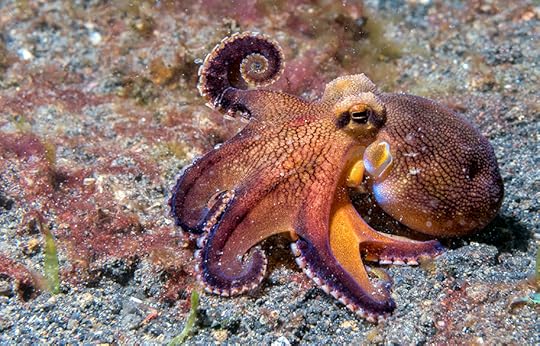
Not Just a Weird-Looking FishLet’s get this straight — octopuses aren’t fish, and they’re not like any other marine creature you can think of. They’re cephalopods, in the same family as squids and cuttlefish, but even among their relatives, they’re total outliers.
They’ve got three hearts, blue blood, and the ability to taste through their skin. They can solve puzzles, open jars, and recognize human faces. Some scientists even call them “the closest thing to an alien on Earth,” and honestly, that doesn’t feel like an exaggeration. But the real mystery lies in why they’re like this. What makes their brains, and their bodies, so unlike anything else we’ve seen in the animal kingdom? That’s what led researchers to crack open their genetic code.
Cracking the Octopus CodeWhen scientists first sequenced the octopus genome back in 2015, they were expecting… well, something normal. Maybe a few genes that explained their intelligence or color-changing abilities. Instead, what they found was a genetic system so chaotic and unusual that one researcher described it as “the genomic equivalent of a Picasso painting.”
For starters, the octopus has about 33,000 protein-coding genes — that’s more than humans. And those genes aren’t neatly arranged or predictable. They’re scattered, rearranged, duplicated, and spliced in ways we don’t see anywhere else in the animal world. It’s as if someone took the blueprint of life, threw it into a blender, and the result was… an octopus.
A Brain That Rewrites ItselfOne of the most mind-blowing things about octopus genetics is their ability to edit their own RNA. To put it simply: most creatures rely on DNA as the master blueprint for everything their body does. RNA just reads those instructions and carries them out. But octopuses? They rewrite their RNA — meaning they can change how their genes are expressed on the fly.
It’s like if your body could edit your DNA’s code in real-time because you needed to survive a different temperature or change your camouflage pattern. Humans can’t do this. Almost no animals can. But octopuses do it all the time. This ability might explain how they adapt so quickly to new environments, or how they can control each arm semi-independently — like eight separate little brains working together in perfect sync.
The Brain That FeelsSpeaking of brains, let’s talk about how strange theirs actually is. An octopus has around 500 million neurons, about as many as a dog, but here’s the catch: more than two-thirds of those neurons aren’t in the head. They’re spread throughout its arms.
That means when an octopus touches something, each arm can process that information on its own, without consulting the central brain first. They’re capable of learning, remembering, and even feeling sensations independently. It’s kind of like having eight smaller brains that all check in with the main one when needed.
Imagine your hand being able to decide what to grab, or your foot learning how to dance without your brain’s permission. That’s the level of autonomy an octopus arm has.
 Alien, or Just Exceptionally Earthly?
Because of all this, it’s no wonder people joke about octopuses being extraterrestrial. In fact, there’s an actual (and highly debated) theory in the scientific community suggesting that octopus ancestors could’ve originated from frozen alien cells delivered by a comet. It’s called panspermia, and while it’s not widely accepted, it does tell you how otherworldly these creatures seem.
But maybe the truth is even cooler: they’re not alien — they’re just proof of how creative evolution can be when left alone for millions of years. The octopus genome shows us that life doesn’t have to follow one rulebook. Intelligence can evolve underwater, in silence, with tentacles instead of thumbs. Maybe it doesn’t even need a spine. Maybe it just needs curiosity.
The Mystery Isn’t Solved — It’s Just BeginningEven with all the research, there’s still so much we don’t understand about these animals. Their behavior constantly defies logic — from escaping through impossibly tiny cracks to mimicking other sea creatures with eerie accuracy. Some species can edit their own RNA more in colder water, suggesting they literally “recode” themselves depending on the climate.
And when they die? Their bodies dissolve in a kind of graceful self-destruction called senescence, as if their biology was never meant to last too long — just enough to leave us wondering how something so intelligent could exist for so briefly.
The more we study the octopus, the more it feels like we’re peering into an entirely separate branch of evolution — one that evolved consciousness in a completely different way than we did. Maybe the octopus doesn’t need to fit into our definitions of “smart” or “human-like.” Maybe it’s reminding us that the universe doesn’t run out of ways to create brilliance — it just hides it in unexpected forms.
The post The Octopus Genome — And Why It’s Unlike Anything on Earth appeared first on Malorie's Adventures.
The Neuroscience of Gut Feelings: Why Your Stomach Has a “Mind” of Its Own
We’ve all had that gut feeling before: that strange, almost physical sense that something’s off before we can even explain why. Maybe it’s that uneasy twist in your stomach when you meet someone you don’t trust, or the flutter of nerves that hits before a big decision. We usually brush it off as intuition or instinct, but here’s the wild part: that “gut feeling” isn’t just in your head. It’s actually coming from your gut, literally. Let’s discuss the neuroscience of gut feelings.
Science now knows that your digestive system is more than just a tube that turns food into energy. It’s an entire nervous system of its own, packed with over 100 million neurons — more than your spinal cord. It even has a name: the enteric nervous system, or ENS. And it’s so powerful that scientists sometimes call it your second brain.
A Brain in Your BellyHere’s the wild part — your gut has over 100 million neurons. That’s more than your spinal cord. It can process information, send signals, and make decisions about what’s happening in your body, all without checking in with your actual brain. It’s like an autonomous control center running the parts of you that keep you alive.
The gut communicates with the brain through the vagus nerve, a kind of neural expressway that moves messages up and down constantly. It’s not just your brain bossing your gut around either — about 90% of the communication goes from the gut to the brain. That’s a pretty stunning reversal of what we usually assume.
So when you’re nervous and your stomach flips, it’s not just anxiety happening in your head. Your gut is literally reacting — and then it sends feedback to your brain, reinforcing the emotion. It’s a feedback loop that we can feel.
The Gut’s Hidden UniverseIf you zoom in deeper, you’ll find that your gut is basically an entire planet of its own, home to trillions (yes, trillions) of bacteria, fungi, and other microscopic organisms collectively known as the gut microbiome. These tiny residents don’t just help you digest food — they produce neurotransmitters like serotonin and dopamine, the same chemicals that regulate your mood and happiness. In fact, about 90% of your body’s serotonin is made in your gut, not your brain. Let that sink in.
When your gut bacteria are balanced and thriving, you feel better — mentally, emotionally, and physically. But when that ecosystem gets thrown off by stress, diet, antibiotics, or sleep deprivation, it can seriously mess with your mental health. You can end up anxious, foggy, irritable, or just off.
When Your Gut Talks, Your Brain ListensThe communication between your gut and brain isn’t metaphorical. It’s an actual two-way biochemical conversation. The vagus nerve acts like a hotline, but there are also hormonal and immune pathways involved. When you’re stressed, your brain floods your body with cortisol — and your gut reacts by slowing digestion or tightening up, which is why you might lose your appetite or feel nauseous under pressure.
Flip it around, though, and the gut can trigger emotions too. Certain gut bacteria can send signals that affect how you perceive stress, how you sleep, even how social you feel. It’s not a coincidence that when your stomach’s in knots, your thoughts spiral too. I read once that people with anxiety and depression often have different microbiome compositions than people without. That hit me hard. It’s not about “positive thinking” or “mind over matter” — sometimes, it’s literally matter over mind.
The Ancient Wisdom Hidden in Our PhrasesIt’s funny — we’ve been talking about the mind-gut connection for centuries without realizing it. “Butterflies in your stomach.” “Gut-wrenching.” “Trust your gut.” These phrases didn’t come out of nowhere. Humans have always known, instinctively, that the body feels before the brain understands.
Those “gut feelings” we get when something doesn’t sit right — that’s not magic. It’s your body’s early warning system. Your nervous system picks up subtle cues, processes them unconsciously, and delivers that tight, uneasy feeling to your gut as a signal: hey, something’s off. And because it happens faster than conscious reasoning, it feels instinctive. That’s why gut feelings can be so eerily accurate. Your rational mind catches up later, but your gut? It’s already known.
 Anxiety, Diet, and the Feedback Loop from Hell
Here’s the catch: the gut-brain connection is powerful, but it can also work against you. If your gut microbiome is off, from too much sugar, too little fiber, or constant stress, your gut can start sending “danger” signals to your brain even when nothing’s wrong. It becomes a loop: your gut triggers anxiety, your brain reacts with more stress hormones, which further mess up your gut. It’s a vicious cycle, and most of us don’t even realize it’s happening.
That’s why fixing your gut can sometimes help with anxiety or depression. It’s not a quick fix, but it’s proof that mental health isn’t just about your thoughts. It’s a full-body conversation.
Listening to the Gut You’ve Been IgnoringSo what does this all mean in real life? It means that when your gut is off, you’re not just dealing with digestion, you’re dealing with your entire emotional balance. That heaviness after fast food, that clarity after a smoothie, that gut punch when something feels wrong — those aren’t random. They’re signals. Your body is constantly trying to talk to you. You just have to stop long enough to listen.
Eating more fiber, staying hydrated, getting enough sleep, and reducing stress might sound cliché, but those small habits literally change the ecosystem inside you. You’re not just improving digestion — you’re reprogramming your emotional baseline. And maybe that’s what “trusting your gut” really means. Not just listening to your instincts, but taking care of the part of your body that creates them.
The post The Neuroscience of Gut Feelings: Why Your Stomach Has a “Mind” of Its Own appeared first on Malorie's Adventures.
The Ars Goetia: The Demonology Text That Inspired Every Occult Movie Ever
There’s something about forbidden books that has always fascinated me. You know that weird, almost magnetic pull some old texts seem to have, the ones written in cramped handwriting on yellowed pages, bound in cracked leather, smelling like dust and danger? The kind of book you’d expect to find in the back of a museum? Yeah. That’s basically what The Ars Goetia is.
It’s one of those things that sits at the intersection of myth and history. It is a text that shouldn’t exist, but somehow does. And even though it was written hundreds of years ago, it still feels alive in a way. Like it’s not just a book but a doorway into a mindset that’s equal parts terrified and fascinated by the unknown.
A Book Straight Out of a Horror MovieIf you’ve ever seen a horror movie where some clueless character opens a dusty old tome and accidentally summons a demon — congrats, you’ve basically seen the Ars Goetia in action. It’s the original “forbidden grimoire,” the playbook for every cinematic possession, summoning ritual, or “don’t-read-that-out-loud” scene we’ve all screamed at. But here’s the thing: it’s real.
The Ars Goetia is part of a larger 17th-century text called The Lesser Key of Solomon. It’s essentially a guidebook to dealing with demons — 72 of them, to be exact. Each one has a name, rank, job description, and even a little personality profile. It’s like some nightmarish version of a corporate org chart. It reads like an ancient Pokémon guide — except instead of catching them, you’re supposed to summon them. You control them, and hopefully not die in the process.
The text claims these rituals came from King Solomon himself — the biblical king who supposedly had a magic ring that allowed him to command spirits. Whether you believe that or not, it’s hard not to be intrigued. There’s something about the blend of religion, mysticism, and raw human curiosity that makes it feel more like a psychological artifact than just a myth.
How to Summon a Demon (According to a 400-Year-Old Book)What’s wild is how detailed it gets. The Ars Goetia doesn’t just name the demons — it tells you how to safely talk to them. There are instructions on drawing protective circles, reciting incantations, and using specific seals and symbols that are supposed to trap the spirit. The idea is that as long as you stay inside the circle, you’re safe. The demon can’t touch you. You can command it, question it, maybe even make a deal with it.
It sounds insane now, but in the 1600s, this wasn’t fringe stuff. Scholars, priests, and so-called magicians genuinely believed they were interacting with real entities. It was not out of evil intent, but as a way of understanding creation. For them, “demon” didn’t necessarily mean “monster.” It meant an intelligent, powerful force that could teach or reveal something about the universe.
Still, the stakes were high. The text makes it very clear that one mistake — one wrong word, one shaky line in your magic circle — could ruin you. There’s this constant underlying tone of both awe and fear. And honestly, I think that’s what makes it so compelling. It’s like reading an ancient science experiment that could destroy the lab if done wrong.
The Men Who Brought It Back to LifeFor a while, the Ars Goetia existed in the shadows — hidden away in private collections and whispered about in secret societies. Then, in the late 1800s, a man named Aleister Crowley — arguably one of the most controversial figures in occult history — resurrected it.
Crowley, who called himself “The Great Beast 666” (subtle, right?), republished the text with his own annotations. He claimed to have personally summoned some of the spirits. Whether or not that’s true, it gave the book new life. It became the cornerstone of modern occultism and an endless source of inspiration for secret orders, artists, and eventually, filmmakers.
And if you think this stuff sounds niche, think again — echoes of the Ars Goetia are everywhere. Movies like Hereditary, The Conjuring, The Nun — even shows like Supernatural and American Horror Story — all borrow from its imagery. Those intricate sigils, the chalk circles, the idea of binding a demon and commanding it by name? That’s all straight out of the Goetia.
 More Than Just a Scary Story
What gets me, though, is how much humanity there is behind it. For all its darkness, the Ars Goetia isn’t just about fear — it’s about control. It’s about wanting to understand the things that scare us.
Think about it. People back then didn’t have science the way we do. They didn’t have psychology or physics or therapy. The world was this mysterious, unpredictable place full of disease, war, and death. And when something bad happened, it felt personal — like something was behind it. So of course they tried to name it, to define it, to face it on their own terms.
That’s what the Goetia really represents — the human instinct to map out the darkness. To say, “Okay, I don’t understand this, but maybe if I study it, maybe if I write it down, I can make sense of it.” It’s kind of poetic, in a morbid way.
The Ars Goetia TodayFast forward to now — and you can literally download the Ars Goetia as a PDF. That blows my mind every time. What people once risked their souls (and lives) to even read, we now casually scroll through on our phones. It’s like it’s just another internet curiosity. But the fascination hasn’t died. There are still online communities dissecting the text, artists incorporating its symbols into fashion, and modern occultists claiming to practice its rituals (hopefully safely).
Even if you don’t buy into any of it, there’s no denying how it’s shaped our collective imagination. It’s the reason we still think of demons as ranked generals with names and seals instead of just vague evil presences. It’s why ritual scenes in horror movies feel so familiar. They’ve been recycled straight from this 17th-century manuscript.
The post The Ars Goetia: The Demonology Text That Inspired Every Occult Movie Ever appeared first on Malorie's Adventures.
November 26, 2025
The Bloop: The Ocean Sound That Freaked Out Scientists for a Decade
There’s something about the ocean that feels… unknowable. Like no matter how much tech we throw at it, submarines, sensors, satellites, it’s still got the upper hand. You could spend your whole life trying to understand it, and it would still have secrets it’s not ready to share. The ocean doesn’t care about your curiosity. It’ll give you a little bit, just enough to keep you hooked, and then go back to being 70% of a planet-sized mystery.
And every once in a while, it makes a noise. So, in 1997, the ocean made one that freaked scientists out so much that it became one of the biggest modern mysteries for almost a decade. They called it The Bloop. And if that name sounds a little too cute for what might’ve been the sound of something massive lurking deep below the surface… well, yeah, that’s part of the charm.
The Sound That Shouldn’t ExistSo, picture this: it’s the late ‘90s, Titanic is in theaters, dial-up internet is screaming in the background, and a bunch of scientists at NOAA (that’s the National Oceanic and Atmospheric Administration, for anyone who doesn’t speak “government acronym”) are listening to underwater recordings from these Cold War-era hydrophones — basically giant underwater microphones.
Originally, they were built to spy on Soviet submarines, but once the Cold War ended, NOAA started using them to study ocean sounds. Whales, underwater earthquakes, volcanic eruptions, that sort of thing. Pretty normal stuff. Then one day, they hear something. A sound, low and rumbling, that lasted over a minute and was so loud that sensors more than 3,000 miles apart picked it up. That’s like something screaming underwater in Chile, and you’re still hearing it in New Zealand.
Whatever made that noise wasn’t small. It wasn’t even whale-sized. It had to be something huge — way beyond what scientists thought could exist down there. And here’s the kicker: it didn’t sound mechanical. It wasn’t an explosion, or a ship, or tectonic movement. It had this weird, organic tone to it — like the groan of a living thing. They didn’t know what to make of it.
Cue the Internet Conspiracy MachineBy the time word of “The Bloop” got out, the internet was already becoming this weird mix of nerdy curiosity and absolute chaos. So when people found out that a mysterious, biological-sounding noise had come from the deepest part of the ocean, and scientists had no idea what it was, they went nuts.
You had people saying it was some unknown whale species. Some said it was a prehistoric creature. Others, and this is my personal favorite, swore it was Cthulhu waking up from his nap under the Pacific. (And the wildest part? The coordinates of The Bloop are not that far from where H.P. Lovecraft set R’lyeh, Cthulhu’s supposed resting place. Coincidence? Sure. But still creepy.)
There were early-2000s forums dedicated to it, late-night radio shows speculating about it, even early YouTube conspiracy clips layering it over grainy ocean footage. It became this perfect mix of science mystery and internet myth — half legitimate research, half nightmare fuel.
The Scientists vs. the StoryNow, scientists weren’t ready to jump to the “sea monster” conclusion (because, you know, science), but even they couldn’t explain it at first. They analyzed the waveform, the pitch, the duration, everything pointed to something alive. The Bloop’s frequency was similar to that of whale calls, but the amplitude, the sheer volume, was way beyond any living creature we know. Even the biggest blue whale on record couldn’t come close.
So the question was simple and haunting: if it wasn’t geological, and it wasn’t a whale… then what was it? For nearly ten years, that question hung in the air.
The Real Answer (That Nobody Wanted)Fast forward to the mid-2000s. NOAA had expanded its underwater sound library and was starting to recognize certain “signatures” — patterns of sound that matched different ocean phenomena. And one day, someone noticed something familiar. It turned out that “The Bloop” had a match. Not with an animal. Not with a machine. But with something called icequakes.

Basically, when massive chunks of Antarctic ice break off and slide around, they create these low, booming sounds that travel for thousands of miles through water. To a hydrophone, it can sound almost… alive. So yeah — The Bloop wasn’t a sea monster. It was just ice cracking.
And look, that’s not the worst explanation in the world. It makes sense scientifically. But still, it’s kind of like someone telling you Bigfoot was just a guy in a costume. Rational? Sure. Satisfying? Not really.
The Thing About DisappointmentWhen scientists finally confirmed the “icequake” explanation in 2005, it killed the mystery — but not the fascination. Because even though the truth wasn’t supernatural, the feeling behind it remained the same.
The Bloop was a reminder of how alien our own planet can be. That something as simple as shifting ice can make a noise so massive and strange that the smartest people on Earth thought it might be a living creature.
And honestly, that’s what I love about it. We always act like we’ve figured everything out, every map filled in, every mystery explained, but then the ocean goes and does something like this, and it reminds you: no, we really haven’t seen it all. Not even close.
The post The Bloop: The Ocean Sound That Freaked Out Scientists for a Decade appeared first on Malorie's Adventures.