Greg Brisendine's Blog
September 15, 2023
The Role of Ego in Leadership
Everyone has an ego and that’s a good thing!
Like many words that get popular attention, the definition of "ego" has been distorted and diluted.
In psychological terms, our ego begins as an awareness of ourself as a separate (from our mother) person. After that our ego becomes the liaison between our internal world (our mind) and the external world (other people).
Much of that liaison work is the ego acting as an interpreter between those two worlds, although it also (especially as we get older) acts as a shield that protects sensitive parts of us.
Self-esteem and ego are often talked about together since they tend to rise and fall together. When my self esteem is threatened, it’s my ego that reacts and responds.
 Photo by Valiantsin Konan: https://www.pexels.com Recognizing When Your Ego is in Control Our ego’s job is to either prevent or justify social defeat. That is to say, its job is to prevent our beliefs about ourself from being disproved or disrupted by the outside world. For example, I believe that I know a lot about The Lord of The Rings until I meet someone who knows more than I do. This is (at least for me) a pretty low-stakes belief, so my response to the disruption is similarly low-stakes. I might do some more research, might justify the difference by saying that I know more about the books, and the other person knows more about the movies, or I might just update my own belief about myself.
I also believe that I’m really good at my job, but then maybe I get passed over for a promotion. This is a more high-stakes disconnect between my internal belief and the external world, so my ego is going to step up and help me manage this social defeat. I may decide the process was unfair, may decide to work harder, or may decide to seek another position or another company. All of those responses are positive actions (compared with taking no action and just feeling bad) which give me and my ego a sense that we have some control.
Social Defeat In an article in Psychology Today called “8 Ways to Overcome a Blow to Your Ego” (2016) the author writes about levels of stress experienced by smaller mice that are bested by a larger, more aggressive mouse.
Obviously, mice are not people. Obviously, a small mouse getting beaten up by a larger mouse isn’t the same as me getting passed over for a promotion that I thought I deserved. However, the research does suggest that we are more susceptible to stress when belief about ourself is disproved or disrupted as adults than we were as children. And that increased susceptibility suggests that this is a learned response which means it can also be unlearned. Getting Triggered The good news is that your ego isn’t bad! And a little bit of self-knowledge on your part can prevent it from taking control in interactions where you would rather take a more measured approach.
In all these examples, your ego impulse will be to protect your existing belief. If your direct report went to your manager for advice, they are in the wrong. If your manager thinks they’re going to teach you something you’re an expert in, they’re definitely in the wrong. And if someone (who you believe is) less qualified gets a promotion instead of me, then the entire organization is corrupt. This has happened to everyone, right? No? Just me, then? Good times.
And of course, when our ego defends our existing belief in this way, it doesn’t leave room for new or updated information. These are the moments we react with defensiveness or anger.
Recognize Your Reactions OK, so what do you do to prevent this? First, recognize the signs of an ego-driven response in your body. Those include:Clenched fists, clenched teeth, or other muscle tensionFlushed complexionIncreased heart rateSharper mental focus
All of these responses, and others as well, are your body’s preparation for fight, flight, or freeze. And the great news is that once you recognize that you’re having that reaction, you get to make a different choice.
For example, if I have a dose of imposter syndrome (many of us do), being passed over for promotion is going to hit the “I’m qualified, I deserve it” button, and will also hit the “I’m not good enough” button that lurks beneath the first one. This double-whammy is tough to over come in the moment.
So when I know that I have some imposter syndrome reactions, I can recognize those when they come up and choose a different reaction. The key here is to avoid getting surprised by your reaction.
Lean Into Curiosity Leaning into curiosity is simple, although simple doesn’t mean easy.
"I don't think I'm seeing that like you are, can you tell me more?
Be genuine in your question, find a place of curiosity in you and ask from there. Over time, this will become your default reaction and you'll spend less time heading off your ego.
References:
E. Greaves, C., Zacher, H., McKenna, B. and Rooney, D. (2014), "Wisdom and narcissism as predictors of transformational leadership", Leadership & Organization Development Journal , Vol. 35 No. 4, pp. 335-358. https://doi.org/10.1108/LODJ-07-2012-...
Henriques, Gregg. (2018). What Is The Ego? The ego is the part of you that is engaged in self-justification. https://www.psychologytoday.com/us/bl...
Humensky, J. L., Guerrero, C. D., Park, H. L., & Loewenstein, G. (2010). Brief report: physician narcissism, ego threats, and confidence in the face of uncertainty. Journal of Applied Social Psychology, 40(4), 947-955. https://doi.org/10.1111/j.1559-1816.2...
Like many words that get popular attention, the definition of "ego" has been distorted and diluted.
In psychological terms, our ego begins as an awareness of ourself as a separate (from our mother) person. After that our ego becomes the liaison between our internal world (our mind) and the external world (other people).
Much of that liaison work is the ego acting as an interpreter between those two worlds, although it also (especially as we get older) acts as a shield that protects sensitive parts of us.
Self-esteem and ego are often talked about together since they tend to rise and fall together. When my self esteem is threatened, it’s my ego that reacts and responds.
 Photo by Valiantsin Konan: https://www.pexels.com Recognizing When Your Ego is in Control Our ego’s job is to either prevent or justify social defeat. That is to say, its job is to prevent our beliefs about ourself from being disproved or disrupted by the outside world. For example, I believe that I know a lot about The Lord of The Rings until I meet someone who knows more than I do. This is (at least for me) a pretty low-stakes belief, so my response to the disruption is similarly low-stakes. I might do some more research, might justify the difference by saying that I know more about the books, and the other person knows more about the movies, or I might just update my own belief about myself.
I also believe that I’m really good at my job, but then maybe I get passed over for a promotion. This is a more high-stakes disconnect between my internal belief and the external world, so my ego is going to step up and help me manage this social defeat. I may decide the process was unfair, may decide to work harder, or may decide to seek another position or another company. All of those responses are positive actions (compared with taking no action and just feeling bad) which give me and my ego a sense that we have some control.
Social Defeat In an article in Psychology Today called “8 Ways to Overcome a Blow to Your Ego” (2016) the author writes about levels of stress experienced by smaller mice that are bested by a larger, more aggressive mouse.
Of Mice and Men“One key finding in the mouse study is that prior to puberty, no mice seem susceptible to the stresses of social defeat. It’s only in adulthood that it becomes apparent. Young mice can handle defeat seemingly well, but the experience takes its toll on the more vulnerable ones.” Vulnerable mice in this study were the post-puberty - which is to say - adult mice.
Obviously, mice are not people. Obviously, a small mouse getting beaten up by a larger mouse isn’t the same as me getting passed over for a promotion that I thought I deserved. However, the research does suggest that we are more susceptible to stress when belief about ourself is disproved or disrupted as adults than we were as children. And that increased susceptibility suggests that this is a learned response which means it can also be unlearned. Getting Triggered The good news is that your ego isn’t bad! And a little bit of self-knowledge on your part can prevent it from taking control in interactions where you would rather take a more measured approach.
Our ego gets activated when external evidence doesn't match our internal beliefsYou’re likely to have an ego-driven response when presented with external circumstances that don’t match your internal belief system.Your direct report goes to your manager for advice, when you believe you should be the first contact for your directs.Your manager schedules time to teach you about something you’re already an expert in, when you believe they should know more about your areas of expertise.You’re passed over for promotion in favor of someone (you believe is) less qualified, when you believe you’ve got the qualifications and deserve the promotion.
In all these examples, your ego impulse will be to protect your existing belief. If your direct report went to your manager for advice, they are in the wrong. If your manager thinks they’re going to teach you something you’re an expert in, they’re definitely in the wrong. And if someone (who you believe is) less qualified gets a promotion instead of me, then the entire organization is corrupt. This has happened to everyone, right? No? Just me, then? Good times.
And of course, when our ego defends our existing belief in this way, it doesn’t leave room for new or updated information. These are the moments we react with defensiveness or anger.
Recognize Your Reactions OK, so what do you do to prevent this? First, recognize the signs of an ego-driven response in your body. Those include:Clenched fists, clenched teeth, or other muscle tensionFlushed complexionIncreased heart rateSharper mental focus
All of these responses, and others as well, are your body’s preparation for fight, flight, or freeze. And the great news is that once you recognize that you’re having that reaction, you get to make a different choice.
Fight, Flight, or FreezeThe first necessary steps are know where your buttons are, and admit when you’ve taken a hit. You don’t have to admit it to anyone but yourself, although talking to someone you trust can be a great way to build your reaction skill.
For example, if I have a dose of imposter syndrome (many of us do), being passed over for promotion is going to hit the “I’m qualified, I deserve it” button, and will also hit the “I’m not good enough” button that lurks beneath the first one. This double-whammy is tough to over come in the moment.
So when I know that I have some imposter syndrome reactions, I can recognize those when they come up and choose a different reaction. The key here is to avoid getting surprised by your reaction.
Lean Into Curiosity Leaning into curiosity is simple, although simple doesn’t mean easy.
Ask a QuestionFeel your pulse speed up, or feel your teeth clench? Ask a question. “What should I know about that, that I don't already?”"That's not the conclusion I came to, can tell me how you got there?"
"I don't think I'm seeing that like you are, can you tell me more?
Be genuine in your question, find a place of curiosity in you and ask from there. Over time, this will become your default reaction and you'll spend less time heading off your ego.
References:
E. Greaves, C., Zacher, H., McKenna, B. and Rooney, D. (2014), "Wisdom and narcissism as predictors of transformational leadership", Leadership & Organization Development Journal , Vol. 35 No. 4, pp. 335-358. https://doi.org/10.1108/LODJ-07-2012-...
Henriques, Gregg. (2018). What Is The Ego? The ego is the part of you that is engaged in self-justification. https://www.psychologytoday.com/us/bl...
Humensky, J. L., Guerrero, C. D., Park, H. L., & Loewenstein, G. (2010). Brief report: physician narcissism, ego threats, and confidence in the face of uncertainty. Journal of Applied Social Psychology, 40(4), 947-955. https://doi.org/10.1111/j.1559-1816.2...


July 6, 2023
Job Searching is an Unnatural Act
Some of my coaching clients are searching for jobs right now. Some apply but get no response, some are deciding what work they want to do, and some are just tired. All are frustrated, which leads to I'm-not-good-enough feelings, which lead to self-recrimination, which leads to less effective job searching.
The constant refrain: Why am I not better at this job search business? First: it's not you. Conducting a job search is an unnatural act masquerading as a simple process. But it's not simple and it's not you.
Recognize that this is exhausting work, remember that you're awesome, and be gentle with yourself during this process.
The constant refrain: Why am I not better at this job search business?
First: it's not you. Conducting a job search is an unnatural act masquerading as a simple process. But it's not simple and it's not you. Being good AT a job doesn't make you good at SEARCHING for that job.You're perky. ALWAYS perky. Talking about your experience, asking (you hope) smart questions, talking about yourself like you're writing marketing copy.Recruiters are SO BUSY. They're listening for key words because they're also tired. So they engage as much as they can, but they preserve their energy because there are other job seekers they have to talk to. Sometimes, with nothing but the best intentions, their plate overflows and they ghost you. One more unclosed loop that takes up residence in your brain-space.The skill of being a self-sales-person is probably NOT the skill you're interviewing for, but you're still being evaluated on it. You might be amazing at this potential new job and still not good at the job search part. This is normal.
Recognize that this is exhausting work, remember that you're awesome, and be gentle with yourself during this process.
May 16, 2023
Performance Management: Not Just for Line Managers
I'm working on a book about performance management, so I'm reading articles and other books about the subject to see what's out there. Overall I'm finding a focus on front-line managers, and on achieving organizational results. What about more senior leaders?
If asked, I suspect the executives in most organizations would believe everyone learns good performance management skills as a front line leader and takes that skill into higher level roles.
But based on anecdotes and my review of articles and books so far, my hypothesis is that this is a gap for mid- and senior-level leaders. A part of the whole
If we assume (and I do) that a performance management cycle includes goal setting, periodic performance reviews, positive reinforcement, and course correction (as needed), then the smallest percent of time should be spent on the "tough conversations" of course correction.
Most often, "performance management" is interpreted as those conversations no one wants to have about under-performance. But - and stay with me here - building skill in goal setting and positive reinforcement makes that difficult conversation dramatically easier when it is needed.
Aiming for an outcome
Like building any skill, get clear on your desired outcome for the conversation. Although it sees obvious, aim for the employee leaving the conversation motivated and engaged rather than immediately cruising the job boards. So think about the kind of conversation that will encourage the right prioritization or the best results.
In the middle of the last century, B.F. Skinner defined a model of human motivation called operant conditioning. Yeah, Skinner did a lot of research with pigeons (not known for their business acumen) but stick with me.
The most commonly repeated portion of his theory is positive reinforcement, which is the addition of a positive stimulus to encourage repetition of positive behavior. Imagine leaving a meeting and your manager casually says "nice job in there". That's positive reinforcement. The behavior was your performance in the meeting, and her comment was the introduction of a positive stimulus. Skinner's theory, and what has played out in study after , is that you're more likely to repeat that meeting performance because of that comment.
There are other parts of Skinner's operant conditioning model that I'll save for future posts. For now I'll say that even senior leaders benefit from feedback that they're on the right track and and that feedback doesn't need to be elaborate. And as a bonus, regular use of positive reinforcement starts to build a strength-based culture which is likely to lead to greater employee engagement.
Below is a brief poll about your most recent performance conversation. As I explore this hypothesis, I'd love your input. All responses are completely confidential as no names will be associated with the responses. How was your last performance conversation? * Indicates required field What's your level? * Front lineFront line people managerMid-level people managerSenior people managerExecutive How frequently does your manager provide feedback about your performance? * Less than yearlyOnce yearlyTwice yearlyQuarterlyMonthlyMore often than monthly How frequently are you engaged or motivated by those conversations? * NeverRarelySometimesOftenAlways Submit
If asked, I suspect the executives in most organizations would believe everyone learns good performance management skills as a front line leader and takes that skill into higher level roles.
But based on anecdotes and my review of articles and books so far, my hypothesis is that this is a gap for mid- and senior-level leaders.
A part of the wholeIf we assume (and I do) that a performance management cycle includes goal setting, periodic performance reviews, positive reinforcement, and course correction (as needed), then the smallest percent of time should be spent on the "tough conversations" of course correction.
Most often, "performance management" is interpreted as those conversations no one wants to have about under-performance. But - and stay with me here - building skill in goal setting and positive reinforcement makes that difficult conversation dramatically easier when it is needed.
Reading about performance management is like reading about bungee jumping.Note that I said "building skill" just now. There are TONS of learning resources available for goal setting, positive reinforcement, and having difficult conversations. But reading about performance management conversations is like reading about bungee jumping. The way to get good at those conversations is to have those conversations. Thankfully practice in performance conversations is easier than practice in bungee jumping.
Aiming for an outcome
Like building any skill, get clear on your desired outcome for the conversation. Although it sees obvious, aim for the employee leaving the conversation motivated and engaged rather than immediately cruising the job boards. So think about the kind of conversation that will encourage the right prioritization or the best results.
Pigeons are people too.Keep it positive
In the middle of the last century, B.F. Skinner defined a model of human motivation called operant conditioning. Yeah, Skinner did a lot of research with pigeons (not known for their business acumen) but stick with me.
The most commonly repeated portion of his theory is positive reinforcement, which is the addition of a positive stimulus to encourage repetition of positive behavior. Imagine leaving a meeting and your manager casually says "nice job in there". That's positive reinforcement. The behavior was your performance in the meeting, and her comment was the introduction of a positive stimulus. Skinner's theory, and what has played out in study after , is that you're more likely to repeat that meeting performance because of that comment.
There are other parts of Skinner's operant conditioning model that I'll save for future posts. For now I'll say that even senior leaders benefit from feedback that they're on the right track and and that feedback doesn't need to be elaborate. And as a bonus, regular use of positive reinforcement starts to build a strength-based culture which is likely to lead to greater employee engagement.
What do you think?I'd love hearing from you
Below is a brief poll about your most recent performance conversation. As I explore this hypothesis, I'd love your input. All responses are completely confidential as no names will be associated with the responses. How was your last performance conversation? * Indicates required field What's your level? * Front lineFront line people managerMid-level people managerSenior people managerExecutive How frequently does your manager provide feedback about your performance? * Less than yearlyOnce yearlyTwice yearlyQuarterlyMonthlyMore often than monthly How frequently are you engaged or motivated by those conversations? * NeverRarelySometimesOftenAlways Submit
March 13, 2023
Where Do You Want to Go?
Y'all it's been a minute.
But I've got no time for pandemic musings today, I want to talk about tomorrow. I'm on the cusp of a pretty epic career change and it's got me thinking about journeys and destinations.
I'm a data guy and a KPI guy and folks like me aren't always the ones talking about woo woo stuff like journeys and destinations. But stick with me.
 How Will You Know When You Get There?When I sat down to write a book about KPIs, I figured the most important thing was to get to the data. But the more I wrote and the more I thought about what I was writing, the more I realized what was most important. So the first chapter is all about missions. I start with some easily accessible missions, including Microsoft's from their website, and the American Red Cross's from their site. I wrote about how to break down those missions into something measurable.
What I think I've never dug into and what I'm faced with right now is: How do I write a personal career mission? How do I write something that, at it's core, describes what I want to give my time to?
I recently stepped away from my day job and am working right now to develop a coaching and consulting practice. My impulse, having had a job since I was somewhere in my mid-teens, is to take any and all work that comes my way. If I follow that impulse, I'm throwing metaphoric spaghetti against the wall to see what sticks. In that version of my future, I'm reactive. Responding to the needs and requests that come my way.
Sounds exhausting.
So I sit at my desk at 10AM on a Tuesday realizing that I simultaneously have nothing to do and everything to do. And just like that I'm down in the data. I'm defining consulting packages and developing marking plans. I'm down in a project management software assigning tasks to myself and writing copy for a website launch.
This has gone on for about three weeks and it's remarkably (and not surprisingly) UN-inspiring.
I realized this morning that I was doing the thing I have advised so many others not to do. I was running down the track without spending a minute on the destination. I still don't (as of this writing) know where my destination is, but before I get any farther down the details, I will. Here are the questions I'm working on, and maybe these work for you:What do I want to be true at the end of this year that isn't true now?What work do I resonate with so strongly that I lose myself in it?What work can I do that the world needs?
Those are start and I'll keep you posted. What are the questions that get you to your destination?
But I've got no time for pandemic musings today, I want to talk about tomorrow. I'm on the cusp of a pretty epic career change and it's got me thinking about journeys and destinations.
I'm a data guy and a KPI guy and folks like me aren't always the ones talking about woo woo stuff like journeys and destinations. But stick with me.
How Will You Know When You Get There?When I sat down to write a book about KPIs, I figured the most important thing was to get to the data. But the more I wrote and the more I thought about what I was writing, the more I realized what was most important. So the first chapter is all about missions. I start with some easily accessible missions, including Microsoft's from their website, and the American Red Cross's from their site. I wrote about how to break down those missions into something measurable.What I think I've never dug into and what I'm faced with right now is: How do I write a personal career mission? How do I write something that, at it's core, describes what I want to give my time to?
I recently stepped away from my day job and am working right now to develop a coaching and consulting practice. My impulse, having had a job since I was somewhere in my mid-teens, is to take any and all work that comes my way. If I follow that impulse, I'm throwing metaphoric spaghetti against the wall to see what sticks. In that version of my future, I'm reactive. Responding to the needs and requests that come my way.
Sounds exhausting.
So I sit at my desk at 10AM on a Tuesday realizing that I simultaneously have nothing to do and everything to do. And just like that I'm down in the data. I'm defining consulting packages and developing marking plans. I'm down in a project management software assigning tasks to myself and writing copy for a website launch.
This has gone on for about three weeks and it's remarkably (and not surprisingly) UN-inspiring.
I realized this morning that I was doing the thing I have advised so many others not to do. I was running down the track without spending a minute on the destination. I still don't (as of this writing) know where my destination is, but before I get any farther down the details, I will. Here are the questions I'm working on, and maybe these work for you:What do I want to be true at the end of this year that isn't true now?What work do I resonate with so strongly that I lose myself in it?What work can I do that the world needs?
Those are start and I'll keep you posted. What are the questions that get you to your destination?
January 23, 2021
The Least I Could Do
Disclaimer: I write non-fiction (Measuring Success), short stories, plays, and pretty much everything else based on my inspiration. This blog post is not about measurement, so opt in or out as you're inspired.
Like many people in the US and around the world, I watched George Floyd get murdered on television in the summer of 2020. It was awful, as was the murders on video of other Black people last year. And in other years, and those not caught on video. I just assumed there was nothing I could do, and so for a couple weeks I did nothing. Then I started talking about it.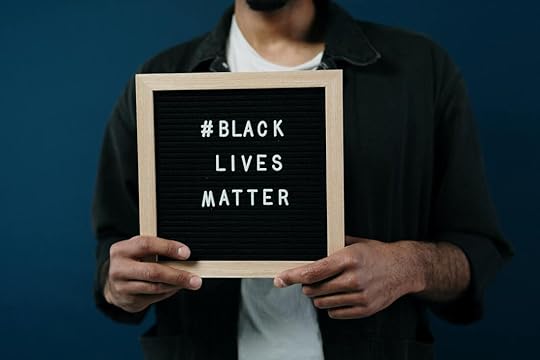 Photo credit cottonbro from PexelsWho Owns This Conversation? In 2020, in addition to a global pandemic, the United States saw horrific examples of the racism that's endemic in our culture. In addition to George Floyd, I also watched Ahmaud Arbery get murdered on video which impacted me even more. Because it wasn't until the video surfaced that any kind of justice was served. There are countless (literally) other examples (like Breonna Taylor) that I won't try to capture here because they're well captured in other places and that's not my point here. What, you may ask, is my point then? I'm glad you asked.
I currently work in customer service a large US-based corporation. In my career I've been a leader in a public utility, in a software company, in a telecom company, in a learning services company, and a youth services agency. In each of these roles I was (I am) also white, male, cisgender, and (increasingly) middle-aged. I learned early on that it was important to leave my personal life at home, and I've tried to do that. In the days following my father's death from cancer, I went to work, wanting something to occupy my mind. I was proud of my ability to work as if nothing had happened and I realize now that pride was misplaced.
So cut to summer 2020, when I watched George Floyd get murdered and watched the Black Lives Matter protests around the country including some large protests in my own city of Seattle. I did what lots of white people get to do: I was appalled at the state of our country, then I went to work (well, it was the pandemic, so "going" to work meant turning on my computer at home) figuring this was just another horrible thing to get past.
OK so to recap so far: 1) I had learned years ago that personal life intrudes on professional life, 2) I had watched blatant and deadly racism on television, 3) I had Black friends and colleagues who had watched blatant and deadly racism through their entire lives, and 4) I had concluded (as I had before) that there was nothing I could do.
Update on #4 above: that conclusion only lasted a few moments because what I COULD do is call out what I saw. Now I'll say that I love where I work for lots of reasons. One of those reasons is that about this time, leaders way above my pay grade began sending emails to their broad organizations talking about how this was abhorrent.
Since mid-2020, my co-facilitator and I have held 11 of these meetings. In 2021 we're going to train more people to facilitate difficult conversations in hopes that more conversations happen.
Like many people in the US and around the world, I watched George Floyd get murdered on television in the summer of 2020. It was awful, as was the murders on video of other Black people last year. And in other years, and those not caught on video. I just assumed there was nothing I could do, and so for a couple weeks I did nothing. Then I started talking about it.
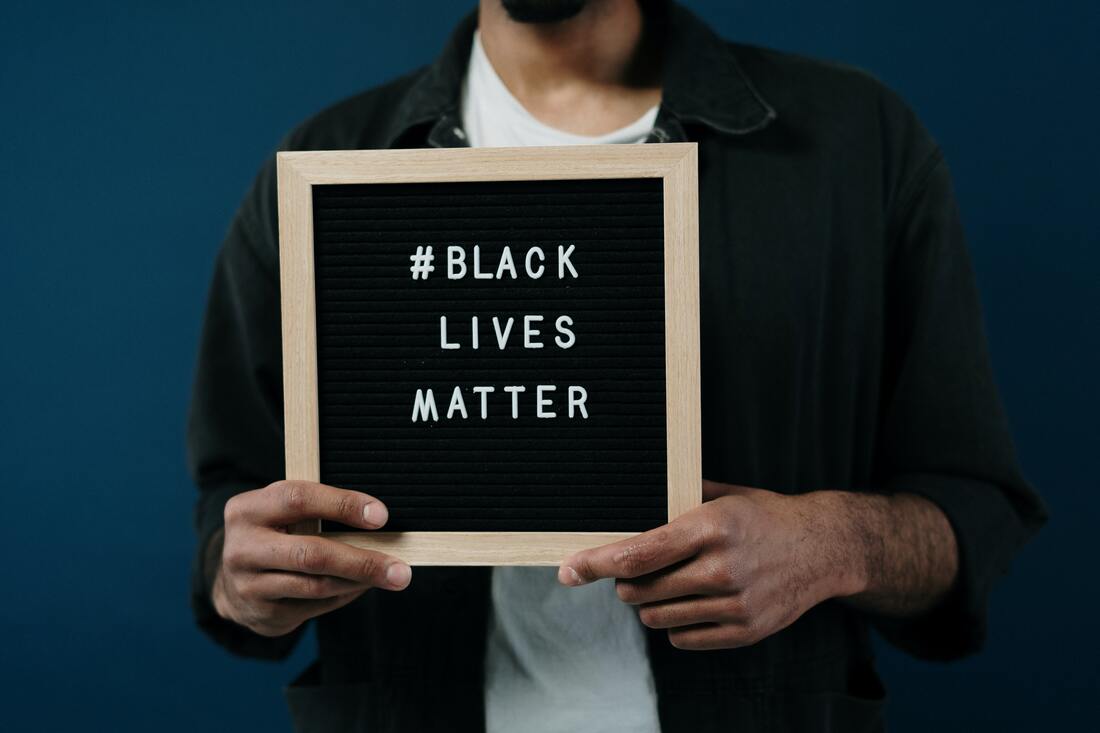 Photo credit cottonbro from PexelsWho Owns This Conversation? In 2020, in addition to a global pandemic, the United States saw horrific examples of the racism that's endemic in our culture. In addition to George Floyd, I also watched Ahmaud Arbery get murdered on video which impacted me even more. Because it wasn't until the video surfaced that any kind of justice was served. There are countless (literally) other examples (like Breonna Taylor) that I won't try to capture here because they're well captured in other places and that's not my point here. What, you may ask, is my point then? I'm glad you asked.
I currently work in customer service a large US-based corporation. In my career I've been a leader in a public utility, in a software company, in a telecom company, in a learning services company, and a youth services agency. In each of these roles I was (I am) also white, male, cisgender, and (increasingly) middle-aged. I learned early on that it was important to leave my personal life at home, and I've tried to do that. In the days following my father's death from cancer, I went to work, wanting something to occupy my mind. I was proud of my ability to work as if nothing had happened and I realize now that pride was misplaced.
I wanted to be a better leader. I still do.There are no hard boundaries between my personal life and my professional life and believing there are has prevented me from being the best leader I could be. I never hesitated to bring my work stress home, why was I fooling myself that I could leave my home stress out of work? And of course, I wasn't. Feeling proud that I was able to carry on normally at work after my father's passing said a lot about how much I was paying attention to my ability to carry on during the day. And of course, mental energy spent assessing my state of stress took energy away from my work. Of course my work was impacted by my father's passing. Of course it was.
So cut to summer 2020, when I watched George Floyd get murdered and watched the Black Lives Matter protests around the country including some large protests in my own city of Seattle. I did what lots of white people get to do: I was appalled at the state of our country, then I went to work (well, it was the pandemic, so "going" to work meant turning on my computer at home) figuring this was just another horrible thing to get past.
Then a smart, brave Black man in my organization sent a broad email to leaders challenging us (frankly more gently than he should have had to) to DO something or at the very least to SAY somethingI thought about what I knew about leaving personal life at home (that it's not possible) and I started to think about the lived experience of Black people in the United States, especially during that time, and that these were my friends and colleagues and they were showing up in meetings and trying to talk about project deadlines, and training, and customer service. And I thought about how ridiculous that was.
OK so to recap so far: 1) I had learned years ago that personal life intrudes on professional life, 2) I had watched blatant and deadly racism on television, 3) I had Black friends and colleagues who had watched blatant and deadly racism through their entire lives, and 4) I had concluded (as I had before) that there was nothing I could do.
Update on #4 above: that conclusion only lasted a few moments because what I COULD do is call out what I saw. Now I'll say that I love where I work for lots of reasons. One of those reasons is that about this time, leaders way above my pay grade began sending emails to their broad organizations talking about how this was abhorrent.
I started talking about it.So I did what I do all the time: I scheduled a meeting. I invited a lot of people and made it optional but at least for my own team, strongly encouraged. A Black colleague asked if she could co-facilitate with me. We played a wonderful video about white privilege. I said out loud that I believed this was a conversation that was mostly needed between white people in America because this is our problem to solve. Being treated equally isn't something an American citizen should have to fight for. As a white person, I believe I and other white people should own this conversation.
Since mid-2020, my co-facilitator and I have held 11 of these meetings. In 2021 we're going to train more people to facilitate difficult conversations in hopes that more conversations happen.
Literally the least I could do.Now as I say at the top, having a conversation was literally the least I could do, but it was something and it was a beginning. I don't know what you have bandwidth for, or tolerance for, or the energy for. I don't know what else I can do, but I'm going to find out.
December 27, 2020
It's Been a Year. Now What?
I just looked and saw that my last blog post was March 23, 2020. Back then, COVID-19 was mere weeks old and we were facing the possibility of a 30-day lockdown to get it under control. 30 whole days, can you believe it?
A lot has happened since then that you don't need me to tell you about. So instead, I want to talk about New Year's Resolutions, and you are invited to join me. The Only Way is Forward> I started this blog right after I published my book, mostly because I could honestly talk about measurement all the time. I find it (at least so far) endlessly interesting. In fact my blog post just prior to this one was about how viruses are measured which I found fascinating in the very early days of this pandemic. Remember when the whole message was to wash our hands? There seemed to be a lot to talk about in a measurement blog in those early days.
Then I stopped writing for a while. For me, this is a big deal. I write about measurement, I write about interpersonal communications, and I write poetry, plays, and short stories. I usually have at least 3 separate writing projects going at a time and move between them. Then in the early days of the pandemic, I stopped. I didn't have ideas, I didn't have motivation, and I didn't have the discipline to sit and write. I was hard on myself for that, and like lots of people I learned the lesson of being gentle with myself in the face of the pandemic.
And not just the pandemic. I saw the results of climate change, I saw Black Lives Matter protests, and I saw a political environment I wouldn't have believed possible a few years ago. But I'm not going to rehash 2020 in America others will do that more comprehensively elsewhere. On the flip side, I met more of my neighbors than ever before, I bake sourdough bread at home every week, and I'm lucky to easily work from home. All that said, don't look here for memes about how awful 2020 was and how much I'm glad it's nearly over. Like most things, it's all more complicated than what a meme can convey.
So instead of talking here about what went wrong, I'm taking this space to talk about what I'm going to do in the coming year. Resolutions, if you will. But specifically resolutions that are achievable and value the person I want to be. And I invite you to share your own versions and to get that ball rolling, here are mine:Family. My family is disbursed across the US and being safe this year has meant travel restrictions, so I haven't seen them. My resolution is to see some member of my family once per quarter. Some of you who live close (or with) members of your family think this is a pretty low bar and you might be right. but it will be 4 visits more in 2021 than I made in 2020. Writing. I'm going to continue to write things. I'm going to give myself deadlines but the goal will be consistency rather than volume. I resolve to write at least one sentence on four out of seven days on one of my projects. You may scoff at this one sentence goal, but I tell you that sitting down in front of the computer is usually the biggest obstacle. Committing to one sentence a day gets me there and it's almost certain that I'll get more than one sentence in, but I'm only committing to the one.Work. I've been reading Malcolm Gladwell and Brene Brown lately and there are approaches to work and leadership that appeal to me in their various works. My resolution is to share one new way of thinking from one of these (or interesting other) thought leaders with my team each month.Exercise. One of my pandemic acquisitions has been a dog and dogs (it turns out) like to go for walks. Since dog acquisition I'm already getting about 2 - 3 miles a day in dog walking, so my exercise goal is 10 miles a week. The good news is that I'm already beating this, so this resolution is about keeping it up. My dog, for purposes of illustration, is a 6 year old chocolate Labrador Retriever named Charlie Brown.Personal growth. I like learning new things and related to my #2 resolution above, I'm going to work to integrate new ways of thinking by reading at least one non-fiction book by a thought leader each quarter.
So that's all of them, more or less in the order that I want to focus on them. As I read (and re-read) these, they seem to strike the right balance of forward motion and time to smell the roses (so to speak). I may not provide an update here on my progress, but if I'm doing it well, some of this will make its way into these regular blog posts.
I hope that wherever you are, you are finding your own balance in this pandemic and I hope that you and your loved ones are as safe and healthy as possible.
Greg
A lot has happened since then that you don't need me to tell you about. So instead, I want to talk about New Year's Resolutions, and you are invited to join me.
The Only Way is Forward> I started this blog right after I published my book, mostly because I could honestly talk about measurement all the time. I find it (at least so far) endlessly interesting. In fact my blog post just prior to this one was about how viruses are measured which I found fascinating in the very early days of this pandemic. Remember when the whole message was to wash our hands? There seemed to be a lot to talk about in a measurement blog in those early days.Then I stopped writing for a while. For me, this is a big deal. I write about measurement, I write about interpersonal communications, and I write poetry, plays, and short stories. I usually have at least 3 separate writing projects going at a time and move between them. Then in the early days of the pandemic, I stopped. I didn't have ideas, I didn't have motivation, and I didn't have the discipline to sit and write. I was hard on myself for that, and like lots of people I learned the lesson of being gentle with myself in the face of the pandemic.
And not just the pandemic. I saw the results of climate change, I saw Black Lives Matter protests, and I saw a political environment I wouldn't have believed possible a few years ago. But I'm not going to rehash 2020 in America others will do that more comprehensively elsewhere. On the flip side, I met more of my neighbors than ever before, I bake sourdough bread at home every week, and I'm lucky to easily work from home. All that said, don't look here for memes about how awful 2020 was and how much I'm glad it's nearly over. Like most things, it's all more complicated than what a meme can convey.
So instead of talking here about what went wrong, I'm taking this space to talk about what I'm going to do in the coming year. Resolutions, if you will. But specifically resolutions that are achievable and value the person I want to be. And I invite you to share your own versions and to get that ball rolling, here are mine:Family. My family is disbursed across the US and being safe this year has meant travel restrictions, so I haven't seen them. My resolution is to see some member of my family once per quarter. Some of you who live close (or with) members of your family think this is a pretty low bar and you might be right. but it will be 4 visits more in 2021 than I made in 2020. Writing. I'm going to continue to write things. I'm going to give myself deadlines but the goal will be consistency rather than volume. I resolve to write at least one sentence on four out of seven days on one of my projects. You may scoff at this one sentence goal, but I tell you that sitting down in front of the computer is usually the biggest obstacle. Committing to one sentence a day gets me there and it's almost certain that I'll get more than one sentence in, but I'm only committing to the one.Work. I've been reading Malcolm Gladwell and Brene Brown lately and there are approaches to work and leadership that appeal to me in their various works. My resolution is to share one new way of thinking from one of these (or interesting other) thought leaders with my team each month.Exercise. One of my pandemic acquisitions has been a dog and dogs (it turns out) like to go for walks. Since dog acquisition I'm already getting about 2 - 3 miles a day in dog walking, so my exercise goal is 10 miles a week. The good news is that I'm already beating this, so this resolution is about keeping it up. My dog, for purposes of illustration, is a 6 year old chocolate Labrador Retriever named Charlie Brown.Personal growth. I like learning new things and related to my #2 resolution above, I'm going to work to integrate new ways of thinking by reading at least one non-fiction book by a thought leader each quarter.
So that's all of them, more or less in the order that I want to focus on them. As I read (and re-read) these, they seem to strike the right balance of forward motion and time to smell the roses (so to speak). I may not provide an update here on my progress, but if I'm doing it well, some of this will make its way into these regular blog posts.
I hope that wherever you are, you are finding your own balance in this pandemic and I hope that you and your loved ones are as safe and healthy as possible.
Greg
March 23, 2020
How do I measure the spread of a virus?
COVID-19, the infectious disease caused by the newly discovered novel coronavirus, is (as I write this) a growing global pandemic. It's also measurable in several different ways including R0, a measure of how many people will be newly infected by a contagious person, essentially measuring the spread of the virus.  It's All In The VariablesI'm writing this on April 2, 2020 and given how fast the novel coronavirus (the virus that causes COVID-19) is spreading, what is true today will definitely not be true tomorrow. There are plenty of reliable sources to find out how to react to the virus in your area (in the US, I recommend the CDC which has easily accessible information for non-scientists). So I won't attempt here what those more knowledgeable people are doing, but I will add something for people who like learning how things are measured.
In epidemiology, R0 expresses the average number of individuals in a susceptible population who will be infected by a contagious individual***.If the R0 is less than 1 each infected person will, on average, infect fewer than one person which means the virus will die out on its own. If R0 equals 1 each infected person will infect one other person. The virus will stay alive and stable, but there won’t be an outbreak or an epidemic.If R0 is more than 1, each infected person will infect more than one susceptible person. So the virus spreads and there may be an outbreak or epidemic, or in this case a pandemic.
Now anyone who knows more about medicine or epidemiology than I do (there are a lot of them) may start picking apart my use of R0 and that's fair. But my point here isn't to talk about the relative benefits and drawbacks of the measure itself (there is a better discussion of that here). Instead my point is to use this example to talk about how critical it is to know the variables that make up any measure.
The variables in this case areInfectious period - how long an infected person remains contagious. Part of the problem with COVID-19 is that reports vary on how long a person can be contagious. But evidence has shown that someone with few or no symptoms may still infect others.Contact rate - the number of susceptible people with whom an infected person will come in contact. This is the whole reason for social distancing. While we're learning the infectious period, the length of time with the virus but without symptoms means the higher the contact rate the higher the immediate risk. Transmission mode - whether through the air (the flu) or through bodily fluids (Ebola, HIV). We know that COVID-19 is transmitted through the air like any other flu virus. Testing accuracy - While not a variable in the actual virus spread (and not in any of the definitions of R0 I read), it's important to call out COVID-19 testing accuracy anyway. All of the statistics that go into estimating R0 include the number of cases and number of cases is reliant on people with the virus getting tested. Because some people who are capable of passing on the virus may not show symptoms for up to two weeks, and some may never show symptoms. Additionally, states in the US are just now getting access to enough tests, so it's certain that there are contagious people in the world who have no idea they're infected.
**Since beginning work on this blog post, the estimate changed from 1.9 in one study to 1.32 in another one, as more data was available.
***Limited evidence supports the applicability of R0 outside the region where the value was calculated
References:
Bates Ramirez, Vanessa. "What is R0?: Gauging Contagious Infections." Healthline.com, medically reviewed by University of Illinois-Chicago, College of Medicine, June 24, 2016, https://www.healthline.com/health/r-nought-reproduction-number#rsubsubvalues
Delamater, P. L., Street, E. J., Leslie, T. F., Yang, Y., & Jacobsen, K. H. (2019). Complexity of the Basic Reproduction Number (R0). Emerging Infectious Diseases, 25(1), 1-4. https://dx.doi.org/10.3201/eid2501.17....
Du Z, Xu X, Wu Y, Wang L, Cowling BJ, Ancel Meyers L. Serial interval of COVID-19 among publicly reported confirmed cases. Emerg Infect Dis. 2020 Jun [cited March 30, 2020]. https://doi.org/10.3201/eid2606.200357
Porter, Kelly A., Tuel, Kelley R., "Have You “Herd”? Modeling Influenza’s Spread", CDC Science Ambassador Workshop 2014 Lesson Plan, 2014, https://www.cdc.gov/careerpaths/scienceambassador/documents/hs-have-you-herd-modeling-influenza-2014.pdf
It's All In The VariablesI'm writing this on April 2, 2020 and given how fast the novel coronavirus (the virus that causes COVID-19) is spreading, what is true today will definitely not be true tomorrow. There are plenty of reliable sources to find out how to react to the virus in your area (in the US, I recommend the CDC which has easily accessible information for non-scientists). So I won't attempt here what those more knowledgeable people are doing, but I will add something for people who like learning how things are measured. Everything is measurable. Even a virus.COVID-19 is being regularly compared to SARS (Severe Acute Respiratory Syndrome), H1H1 (commonly called the swine flu), as well as the seasonal flu for which many people get vaccinated every year. In those comparisons, I've seen arguments on social media about which of these is "worse" based on how quickly they spread, the mortality rate, or the presence (or absence) of medications. Heaven knows I don't object to getting my medical news from memes , but I wanted to know more about how a pandemic is measured and that led me to read about R0* (pronounced "R naught").
Describing disease outbreaksNow remember that any measurement is always a measure of what has already happened. Customer satisfaction is a measure of last month's customer interactions, sales is a measure of last quarter's sales. These rear-view-mirror measurements are usually intended to inform what future we see out of the front windshield and R0 is no different. The problem in this case is that as this pandemic grows and more data is available, the numbers change. This means that we can't draw many conclusions based on the R0 value itself, but perhaps can understand it better based on the underlying variables.
Sporadic - infrequent or irregular
Endemic - constant in a geographic area
Epidemic - sudden, unexpected increase in a geographic area
Pandemic - sudden, unexpected increase globally
In epidemiology, R0 expresses the average number of individuals in a susceptible population who will be infected by a contagious individual***.If the R0 is less than 1 each infected person will, on average, infect fewer than one person which means the virus will die out on its own. If R0 equals 1 each infected person will infect one other person. The virus will stay alive and stable, but there won’t be an outbreak or an epidemic.If R0 is more than 1, each infected person will infect more than one susceptible person. So the virus spreads and there may be an outbreak or epidemic, or in this case a pandemic.
Now anyone who knows more about medicine or epidemiology than I do (there are a lot of them) may start picking apart my use of R0 and that's fair. But my point here isn't to talk about the relative benefits and drawbacks of the measure itself (there is a better discussion of that here). Instead my point is to use this example to talk about how critical it is to know the variables that make up any measure.
The variables in this case areInfectious period - how long an infected person remains contagious. Part of the problem with COVID-19 is that reports vary on how long a person can be contagious. But evidence has shown that someone with few or no symptoms may still infect others.Contact rate - the number of susceptible people with whom an infected person will come in contact. This is the whole reason for social distancing. While we're learning the infectious period, the length of time with the virus but without symptoms means the higher the contact rate the higher the immediate risk. Transmission mode - whether through the air (the flu) or through bodily fluids (Ebola, HIV). We know that COVID-19 is transmitted through the air like any other flu virus. Testing accuracy - While not a variable in the actual virus spread (and not in any of the definitions of R0 I read), it's important to call out COVID-19 testing accuracy anyway. All of the statistics that go into estimating R0 include the number of cases and number of cases is reliant on people with the virus getting tested. Because some people who are capable of passing on the virus may not show symptoms for up to two weeks, and some may never show symptoms. Additionally, states in the US are just now getting access to enough tests, so it's certain that there are contagious people in the world who have no idea they're infected.
Estimated R0 valuesCOVID-19 R0 is estimated at 1.9** based on early analysis done on cases in Wuhan, China between December 2019 and January 2020, although it's likely that we won't know the final R0 value until after the pandemic is under control. *Because I'm a perfectionist and this website text editor doesn't make it easy to express "R naught" correctly throughout this text, I'll show you here that it should look like R0 when typed.
COVID-19 - 1.32**
SARS - 3
H1N1 - 1.5
HIV - 4
Measles - 18
**Since beginning work on this blog post, the estimate changed from 1.9 in one study to 1.32 in another one, as more data was available.
***Limited evidence supports the applicability of R0 outside the region where the value was calculated
References:
Bates Ramirez, Vanessa. "What is R0?: Gauging Contagious Infections." Healthline.com, medically reviewed by University of Illinois-Chicago, College of Medicine, June 24, 2016, https://www.healthline.com/health/r-nought-reproduction-number#rsubsubvalues
Delamater, P. L., Street, E. J., Leslie, T. F., Yang, Y., & Jacobsen, K. H. (2019). Complexity of the Basic Reproduction Number (R0). Emerging Infectious Diseases, 25(1), 1-4. https://dx.doi.org/10.3201/eid2501.17....
Du Z, Xu X, Wu Y, Wang L, Cowling BJ, Ancel Meyers L. Serial interval of COVID-19 among publicly reported confirmed cases. Emerg Infect Dis. 2020 Jun [cited March 30, 2020]. https://doi.org/10.3201/eid2606.200357
Porter, Kelly A., Tuel, Kelley R., "Have You “Herd”? Modeling Influenza’s Spread", CDC Science Ambassador Workshop 2014 Lesson Plan, 2014, https://www.cdc.gov/careerpaths/scienceambassador/documents/hs-have-you-herd-modeling-influenza-2014.pdf
February 11, 2020
How Do I Measure Sales?
You probably think this is easy, and it kind of is, but there are some details worth poking at. If you sell a product for $10, that's $10 in gross sales. If the product cost you $8 to make, then you have $2 in net sales. All done, right? Well, mostly. The purpose of collecting data is to drive action. So what action can you take with the data above? Not much, it turns out. Like other measures, sales should should be expressed in terms of your sales strategy. The Devil is in The DetailsWe measure things to take action, so we measure sales to increase sales. This usually means getting at least one layer below total sales and look at what you sold, who made the sale, and who made the purchase. At that point, taking action means having a strategy that will guide how much you weight one set of results over another.
What you sell
In addition to increasing revenue, sales feed a strategy in which some products are more strategically important than others. So a company that sells coffee may develop a strategy to sell tea, meaning that tea sales become more strategically important than coffee for a while and therefore will be weighted more heavily. This is particularly important if (for example) the cost of the coffee beans you buy has made it difficult to compete and your expansion into tea is meant to offset that rising coffee cost.
Who you sell to
Selling to existing customers is great. They're usually cheaper to find than new customers and selling to them often reflects success in brand or product loyalty, or customer service. Selling to new customers is also great because it expands your overall customer base (assuming you keep the existing ones, too). You may also have a strategy to sell into a new customer segment, so sales to a new age group or geographic area can show the success of that strategy.
Who makes the sale
The largest part of your cost of good sold (COGS*) is probably the cost of labor to sell your products and services, including the payroll and other costs associated with your sales teams. One organization I worked for tried to move sales from the more expensive (in salary and bonuses) sales team to the less expensive customer service team. The logic seemed solid: there were more customer service agents, they were paid less than sales people, and if they made product recommendations during their regular customer service calls, that was a much lower cost of sales. In this organization's case it failed because the ability to recommend a product or service based on customer need was a specific skill that those customer service agents lacked. But as a way to lower the cost of goods sold, it had promise.
So how do we improve?
Improving sales results overall is all about margin. That is to say, increasing the gap between gross sales and the COGS. Reducing costs while maintaining revenue is a popular approach (same results, less effort). Key measures to track and reduce are lead quality, cycle time, and conversion rate .
Lead conversion is the proportion of leads that become sales. Your marketing department is finding ways to find potential buyers who will become actual buyers. A higher quality lead is has been well matched to your company's products and services so is more likely to convert to a sale. The flip side of that is lower quality leads, which still cost money to collect, but have a much lower return on that investment. Improving lead conversion will lower your COGS and improve your margins.
Sales conversion (the proportion of sales attempts that succeed) is a subset of lead conversion, but is specifically a measure of the performance of your sales people. Within the range of conversion percentages, some sales people will get sales more frequently, allowing them to move on to another sale. Like lead conversion overall, this improves your margin by reducing COGS. Sales training, a solid sales methodology, and hiring experienced salespeople are all levers to pull in improving sales conversion.
Cycle time is the length of time it takes to complete a sale. If you're an online retailer, this time might be measured in minutes (while shoppers consider your product compared to others) and if you're an enterprise software company, the cycle time might be measured in months. In either case, the faster you can get a buyer from considering your product to buying your product, the better your margins. There are (at least) two reasons for this: 1) Your sales people can move on to another sale, wasting less of their time on actions that don't produce value and, 2) Your cash flow is improved.
Sales - bringing revenue into your company - is the engine that drives your success. Having a strategy for what sales are more important and then spending less and less money on getting those sales is how to measure and improve your sales processes.
*Cost of goods sold is the accounting term for adding the materials, labor, and allocated overhead for something your company sells. Let's assume first that you have already priced your product (or service) to include the cost of delivering it and have also added some margin to enable your company to both continue operating and make a profit.
The Devil is in The DetailsWe measure things to take action, so we measure sales to increase sales. This usually means getting at least one layer below total sales and look at what you sold, who made the sale, and who made the purchase. At that point, taking action means having a strategy that will guide how much you weight one set of results over another.
What you sell
In addition to increasing revenue, sales feed a strategy in which some products are more strategically important than others. So a company that sells coffee may develop a strategy to sell tea, meaning that tea sales become more strategically important than coffee for a while and therefore will be weighted more heavily. This is particularly important if (for example) the cost of the coffee beans you buy has made it difficult to compete and your expansion into tea is meant to offset that rising coffee cost.
Who you sell to
Selling to existing customers is great. They're usually cheaper to find than new customers and selling to them often reflects success in brand or product loyalty, or customer service. Selling to new customers is also great because it expands your overall customer base (assuming you keep the existing ones, too). You may also have a strategy to sell into a new customer segment, so sales to a new age group or geographic area can show the success of that strategy.
Who makes the sale
The largest part of your cost of good sold (COGS*) is probably the cost of labor to sell your products and services, including the payroll and other costs associated with your sales teams. One organization I worked for tried to move sales from the more expensive (in salary and bonuses) sales team to the less expensive customer service team. The logic seemed solid: there were more customer service agents, they were paid less than sales people, and if they made product recommendations during their regular customer service calls, that was a much lower cost of sales. In this organization's case it failed because the ability to recommend a product or service based on customer need was a specific skill that those customer service agents lacked. But as a way to lower the cost of goods sold, it had promise.
So how do we improve?
Improving sales results overall is all about margin. That is to say, increasing the gap between gross sales and the COGS. Reducing costs while maintaining revenue is a popular approach (same results, less effort). Key measures to track and reduce are lead quality, cycle time, and conversion rate .
Lead conversion is the proportion of leads that become sales. Your marketing department is finding ways to find potential buyers who will become actual buyers. A higher quality lead is has been well matched to your company's products and services so is more likely to convert to a sale. The flip side of that is lower quality leads, which still cost money to collect, but have a much lower return on that investment. Improving lead conversion will lower your COGS and improve your margins.
Sales conversion (the proportion of sales attempts that succeed) is a subset of lead conversion, but is specifically a measure of the performance of your sales people. Within the range of conversion percentages, some sales people will get sales more frequently, allowing them to move on to another sale. Like lead conversion overall, this improves your margin by reducing COGS. Sales training, a solid sales methodology, and hiring experienced salespeople are all levers to pull in improving sales conversion.
Cycle time is the length of time it takes to complete a sale. If you're an online retailer, this time might be measured in minutes (while shoppers consider your product compared to others) and if you're an enterprise software company, the cycle time might be measured in months. In either case, the faster you can get a buyer from considering your product to buying your product, the better your margins. There are (at least) two reasons for this: 1) Your sales people can move on to another sale, wasting less of their time on actions that don't produce value and, 2) Your cash flow is improved.
Sales - bringing revenue into your company - is the engine that drives your success. Having a strategy for what sales are more important and then spending less and less money on getting those sales is how to measure and improve your sales processes.
*Cost of goods sold is the accounting term for adding the materials, labor, and allocated overhead for something your company sells. Let's assume first that you have already priced your product (or service) to include the cost of delivering it and have also added some margin to enable your company to both continue operating and make a profit.
February 4, 2020
How Do I Measure Safety?
The problem with measuring safety is that you're actually measuring the absence of something (injury). You can take no measurable action and get lucky by having no workplace injuries, or you can take tons of measurable actions and get tons of injuries. We improve processes by using past patterns to take future action, but "past patterns" in safety means someone got hurt, or worse. So the trick is looking for the patterns that took place before the injury and measuring (and improving) those.  The Problem with ReportingMost organizations have some focus on safety, the intensity of which depends on the kind of organization (manufacturing orgs are generally less safe than an office building). So measuring and improving safety is all about establishing and measuring enabling indicators - that is to say, those behaviors and circumstances that have a pattern of leading to injuries.
This is also true of safety and other kinds of compliance (e.g. workplace harassment). Most organizations offer safety training and awareness campaigns as a way to reduce safety incidences and injuries (common measures of safety). However, training people about what and how to report often results in an increase in reported incidences. In this very common situation, reports of safety violations (like a spill that could cause a slip-and-fall) usually increase after safety training. The logic is pretty solid here:Reported safety incidences (e.g. spills) are a common method of identifying patterns in circumstances that could lead to injury.A higher count of reported predictors (e.g. spills) increases the likelihood of an injury and so decreases the measurable safety of the environment.Actions taken to ensure a safe environment includes reminding (often through training) employees about what and how to report those incidences so they can be prevented.Reminding / training employees about what and how to report will increase the likelihood that they will report something that may otherwise have not been reported.This last point is the key. An increase in reported incidences doesn't mean there was an increase in actual incidences, just reports. But it stings because you spend money on safety training and your reported safety incidences goes up.
All of that said, don't let the false positive of an increase in reporting keep you from measuring those enabling indicators (like the spills) because those continue to be the right predictors of a safe work environment.Greg Brisendine is a business leader, author, playwright, and poet. His book Measuring Success: A Practical Guide to KPIs is available on Kindle, in paperback, and on Audible.
The Problem with ReportingMost organizations have some focus on safety, the intensity of which depends on the kind of organization (manufacturing orgs are generally less safe than an office building). So measuring and improving safety is all about establishing and measuring enabling indicators - that is to say, those behaviors and circumstances that have a pattern of leading to injuries.Safety awareness often increases reports of safety incidences.The Hawthorne effect describes how observation changes outcomes. In various studies, individuals being observed altered their behavior because they knew they were being observed. Other versions of this concept show up in physics as well (the observer effect), where observation (by a person or instrument) alters the behavior of a particle. In short, when we pay attention to something, we often influence its behavior by our attention.
This is also true of safety and other kinds of compliance (e.g. workplace harassment). Most organizations offer safety training and awareness campaigns as a way to reduce safety incidences and injuries (common measures of safety). However, training people about what and how to report often results in an increase in reported incidences. In this very common situation, reports of safety violations (like a spill that could cause a slip-and-fall) usually increase after safety training. The logic is pretty solid here:Reported safety incidences (e.g. spills) are a common method of identifying patterns in circumstances that could lead to injury.A higher count of reported predictors (e.g. spills) increases the likelihood of an injury and so decreases the measurable safety of the environment.Actions taken to ensure a safe environment includes reminding (often through training) employees about what and how to report those incidences so they can be prevented.Reminding / training employees about what and how to report will increase the likelihood that they will report something that may otherwise have not been reported.This last point is the key. An increase in reported incidences doesn't mean there was an increase in actual incidences, just reports. But it stings because you spend money on safety training and your reported safety incidences goes up.
All of that said, don't let the false positive of an increase in reporting keep you from measuring those enabling indicators (like the spills) because those continue to be the right predictors of a safe work environment.Greg Brisendine is a business leader, author, playwright, and poet. His book Measuring Success: A Practical Guide to KPIs is available on Kindle, in paperback, and on Audible.
January 14, 2020
How Do I Measure Leadership?
When my whole job was measuring things, I used to say anything is measurable (I still do). "Yes", people would say, "but what about LEADERSHIP, everyone knows you can't measure that!" they would chortle, thinking they had caught me and that my obvious response would be a sheepish "Yeah, you're right about that one!"
I never said that. Why Does Leadership Matter?The problem with measuring leadership is that people want to measure its attributes rather than its results. I get that, I really do. Knowing the attributes allows you to build and reinforce those attributes in leaders and potential leaders. Similarly, the presence of flour, sugar, eggs, and chocolate chips is much more likely to result in cookies than if you don't have those things on hand. However, if I can simply measure the presence of the cookies themselves, I can work backward to figure out how they got there.
Employee retention: Most organizations spend good time and money measuring employee engagement and employee satisfaction. These are useful measures because engaged and satisfied employees are much more likely be productive employees. But more importantly, low engagement and satisfaction is a clear predictor of turnover. And while all employees go through ups and downs in productivity, it's guaranteed that when an employee leaves, the time between their departure and their replacement becoming fully productive is usually measured in weeks or months.
So the most obvious measure of leadership is employee engagement and satisfaction, then ultimately retention. And if retention is one of the chocolate chip cookies of leadership, the ingredients are rapport with employees, a culture that makes room for fun, and individual growth opportunities. There are more ingredients, and those are the ones assessed by your engagement or satisfaction survey.
Oh and by the way, in the case where a leader has high retention because her employees keep getting promoted, that's also a positive measure of leadership because she's building leaders.
Organizational results: Every team, department, division, and company has organizational results to achieve. This could be improving throughput, improving customer satisfaction, improving sales, or improving some other key performance indicator. Most senior leaders are paying attention to organizational results, but the people hiring and training leaders often focus on softer skills (employee engagement) and neglect organizational results.
Organizational results come from either incremental improvement or from innovation, both of which are important, but are taught and reinforced differently. So in measuring organizational results, look closely at whether leaders are good at continuously improving something, or good at introducing something new that gets results (or both).
Financial rigor: It's less glamorous than employee retention and organizational results (which ARE glamorous, trust me) but there is specific value in managing to a budget. When I was developing leadership training, I often asked how good leaders were at reading a profit and loss statement. Financial acumen isn't often included as a leadership skill, but leaders who regularly miss their budget are going to have a tough time growing in an organization. So in measuring leadership, look for those leaders who meet their budgets. That said, budget adherence in the absence of organizational results and employee retention may tell a story of static leadership.
Vision: I've left vision for the last, not because it's less important, but because it's what I want to leave you with. Having and executing a vision is often the difference between a leader and a manager. No shade cast on managers here...I believe that leading and managing are different skills and good leaders are good at both. I also believe that some managers are in leadership positions despite a lack of vision and over time that shows.
Vision is an idea for what the organization (department, division, etc) CAN be, but isn't yet. Admittedly, this is tougher to measure because by nature a vision is aspirational. So it comes back to innovation, which is one of the key building blocks of a vision. Measure a leader's ability to express an innovative solution to a problem, including a problem no one has thought of yet. Look at how that innovation fits into that leaders's expressed vision and that will give you a sense of their ability to turn vision into reality.
I never said that.
Why Does Leadership Matter?The problem with measuring leadership is that people want to measure its attributes rather than its results. I get that, I really do. Knowing the attributes allows you to build and reinforce those attributes in leaders and potential leaders. Similarly, the presence of flour, sugar, eggs, and chocolate chips is much more likely to result in cookies than if you don't have those things on hand. However, if I can simply measure the presence of the cookies themselves, I can work backward to figure out how they got there. Measure the results of leadership rather than its attributes.So what are the results of leadership?
Employee retention: Most organizations spend good time and money measuring employee engagement and employee satisfaction. These are useful measures because engaged and satisfied employees are much more likely be productive employees. But more importantly, low engagement and satisfaction is a clear predictor of turnover. And while all employees go through ups and downs in productivity, it's guaranteed that when an employee leaves, the time between their departure and their replacement becoming fully productive is usually measured in weeks or months.
So the most obvious measure of leadership is employee engagement and satisfaction, then ultimately retention. And if retention is one of the chocolate chip cookies of leadership, the ingredients are rapport with employees, a culture that makes room for fun, and individual growth opportunities. There are more ingredients, and those are the ones assessed by your engagement or satisfaction survey.
Oh and by the way, in the case where a leader has high retention because her employees keep getting promoted, that's also a positive measure of leadership because she's building leaders.
Organizational results: Every team, department, division, and company has organizational results to achieve. This could be improving throughput, improving customer satisfaction, improving sales, or improving some other key performance indicator. Most senior leaders are paying attention to organizational results, but the people hiring and training leaders often focus on softer skills (employee engagement) and neglect organizational results.
Organizational results come from either incremental improvement or from innovation, both of which are important, but are taught and reinforced differently. So in measuring organizational results, look closely at whether leaders are good at continuously improving something, or good at introducing something new that gets results (or both).
Financial rigor: It's less glamorous than employee retention and organizational results (which ARE glamorous, trust me) but there is specific value in managing to a budget. When I was developing leadership training, I often asked how good leaders were at reading a profit and loss statement. Financial acumen isn't often included as a leadership skill, but leaders who regularly miss their budget are going to have a tough time growing in an organization. So in measuring leadership, look for those leaders who meet their budgets. That said, budget adherence in the absence of organizational results and employee retention may tell a story of static leadership.
Vision: I've left vision for the last, not because it's less important, but because it's what I want to leave you with. Having and executing a vision is often the difference between a leader and a manager. No shade cast on managers here...I believe that leading and managing are different skills and good leaders are good at both. I also believe that some managers are in leadership positions despite a lack of vision and over time that shows.
Vision is an idea for what the organization (department, division, etc) CAN be, but isn't yet. Admittedly, this is tougher to measure because by nature a vision is aspirational. So it comes back to innovation, which is one of the key building blocks of a vision. Measure a leader's ability to express an innovative solution to a problem, including a problem no one has thought of yet. Look at how that innovation fits into that leaders's expressed vision and that will give you a sense of their ability to turn vision into reality.