Mayra Calvani's Blog - Posts Tagged "family"
Interview with Beverly Stowe McClure, Author of LIFE ON HOLD
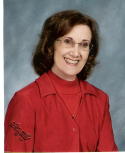 When Beverly was a child she hated to read. Even though her eighth-grade teacher sent her poem “Stars” to a high school anthology and it was published in Young America Sings she hated to write. In spite of her rocky relationship with books, she managed to graduate from high school then attended Midwestern State University, where she read more books than she could count. After four years, she graduated cum laude with, you guessed it, a teaching degree. And somewhere along the way, perhaps reading to her sons or reading great Newbery winners with her students, she discovered what she’d been missing: reading was fun. Now she reads most every day. She also writes stories and articles for children and teens.
Beverly lives in the country with her husband, two cats, and a variety of wild critters that stop by for a handout or just to peek in the door. Besides writing, she plays the piano, searches for her ancestors, and teaches a women’s Sunday school class. She also has the most beautiful grandchildren in the world.
Website: http://beverlystowemcclure.wordpress.com
Blog: http://beverlystowemcclure.blogspot.com
Facebook: http://facebook.com/beverlysmcclure
Twitter: http://twitter.com/beverlymcclure
Goodreads: http://www.goodreads.com/author/show/11462.Beverly_Stowe_McClure
Congratulations on yet another book release, Beverly! How do you keep yourself so productive?
Thank you, Mayra. It is fun to see a new book, after so many months of writing and editing, finally in the hands of readers. As for being productive, I think as an older writer, realizing I’m in those supposedly “golden years” motivates me to stay busy. Each hour of every day is precious to me. I hate to waste time. Maybe my years as a teacher helps too, since I’m used to a schedule. Even though I retired years ago, I still write out my plans for each day, not that I always stick to them, but I try. Also, my sons are grown and away, leaving me time for myself, which is rare when you have children at home. I do not see how writers with young kids and even teens manage to write.
I write at least two hours every morning except Saturday, which is catch up day, and Sunday, church day. Sometimes, my words are not worth keeping. Other times, they flow onto the screen and a story forms.
What was your inspiration for Life on Hold? Sounds like a compelling mystery.
 One day, I read an article in the local newspaper about a young couple that had a baby while they were still in high school. The girl’s parents made her give the child away. The teens eventually went their separate ways, married others, and had other children. Years later, a chance conversation between the boy or girl (I forget which one) and a friend mentioned an 18-year-old boy they knew that had been adopted when a baby. The article went on to tell how the former boyfriend and girlfriend, who no longer were married to their spouses, found each other again and decided to search for the son they’d given up. And, you guessed it, the teen mentioned was their son. They went on to have a wonderful relationship with him. I love stories with happy endings. I also imagine this story happens quite often.
Could you share with us what your process was like during the creation of this novel?
Most of the time, my stories start from something I read about, or sometimes a little voice speaks to me, or an event begs to be told. With Life on Hold, I basically started with the plot of a teen discovering her father really was her stepfather. At first, I wasn’t sure how the story would end or even how we’d get there. The characters carried me along, occasionally as confused as I was; other times knowing exactly where they were going. I’m pretty stubborn when it comes to my writing and try to write a little every day, as I mentioned earlier. My schedule is flexible, but mornings are my best writing time. It took me a bit over two years to write the story, including many revisions and then more edits with my great editor. Yes, I’m slow, but like the turtle I eventually reach my destination.
Did you hit any walls while writing the book? If yes, what did you do to overcome them?
Not walls exactly, but the final version had many changes from the original as I got to know the characters better. I keep each draft on the chance an earlier edition might have a scene I’d want to add back in. When a scene wasn’t working, I rewrote it in different ways to see what worked best. Many times the first thought was the best.
Did you celebrate when you typed ‘The End?’
I didn’t do anything special, but the words The End are two of my favorite words. They give me a sense of accomplishment, because many times in a story, I’ll wonder if it will ever end or if I should scrap the whole thing.
What do you want readers to get out of this book?
I’d like for children/teens who are adopted or those that are step children to realize that bringing a child into the world does not make a man a father. (Or a mother, a mother) Holding, rocking, and whispering gentle words to a child when she’s sick make a father. Attending her programs at school, helping her with spelling, taking her to the movies make a father. A father and mother show their love by actions: love, discipline when necessary, and always being there when the child has a crisis, whether big or small.
What do you enjoy most about being a children’s book author?
The most exciting thing about writing for children to me is when a child or teen says he/she likes my books. What greater reward can an author wish for?
Do you have any tips for aspiring authors?
You’ve heard it before, but it’s true. Hang in there. Never give up. I have enough “No thank you” letters to paper my whole writing room, but some of them also contain a word of encouragement. Cling to those comments. Use them to improve your story. Keep writing. Learn more. Attend conferences, Online ones if you can’t get to live ones. Keep writing. Yes, I’m repeating myself, but if you stop writing when times are tough, you’ll never be published. If you’re persistent, one day, you’ll succeed. Hint: Don’t expect to get rich, unless you write a blockbuster. Enjoy the writing. For me, the finished story is the reward.
What’s on the horizon?
My chapter book, Kate, Little Angel Sometimes (title will be changed) is scheduled for a May/June 2013 release from 4 RV Publishing. January 2013 is the release date of my Tween paranormal A Pirate, a Blockade Runner, and a Cat, MuseItUp Publishing. My orphan train story, Scattered to the Winds, is under contract with Twilight Times, and Guardian Angel has Weird Noises in the Night, no dates set yet.
Is there anything else you’d like to share with my readers?
Thanks to everyone who takes the time to read my thoughts. I hope they help you in some way. Visit me on my blogs. I love comments. If you read my books, please let me know what you think.
Thank you, Beverly!


Talking Craft with M.D. Moore, author of ‘Waiting for the Cool Kind of Crazy’

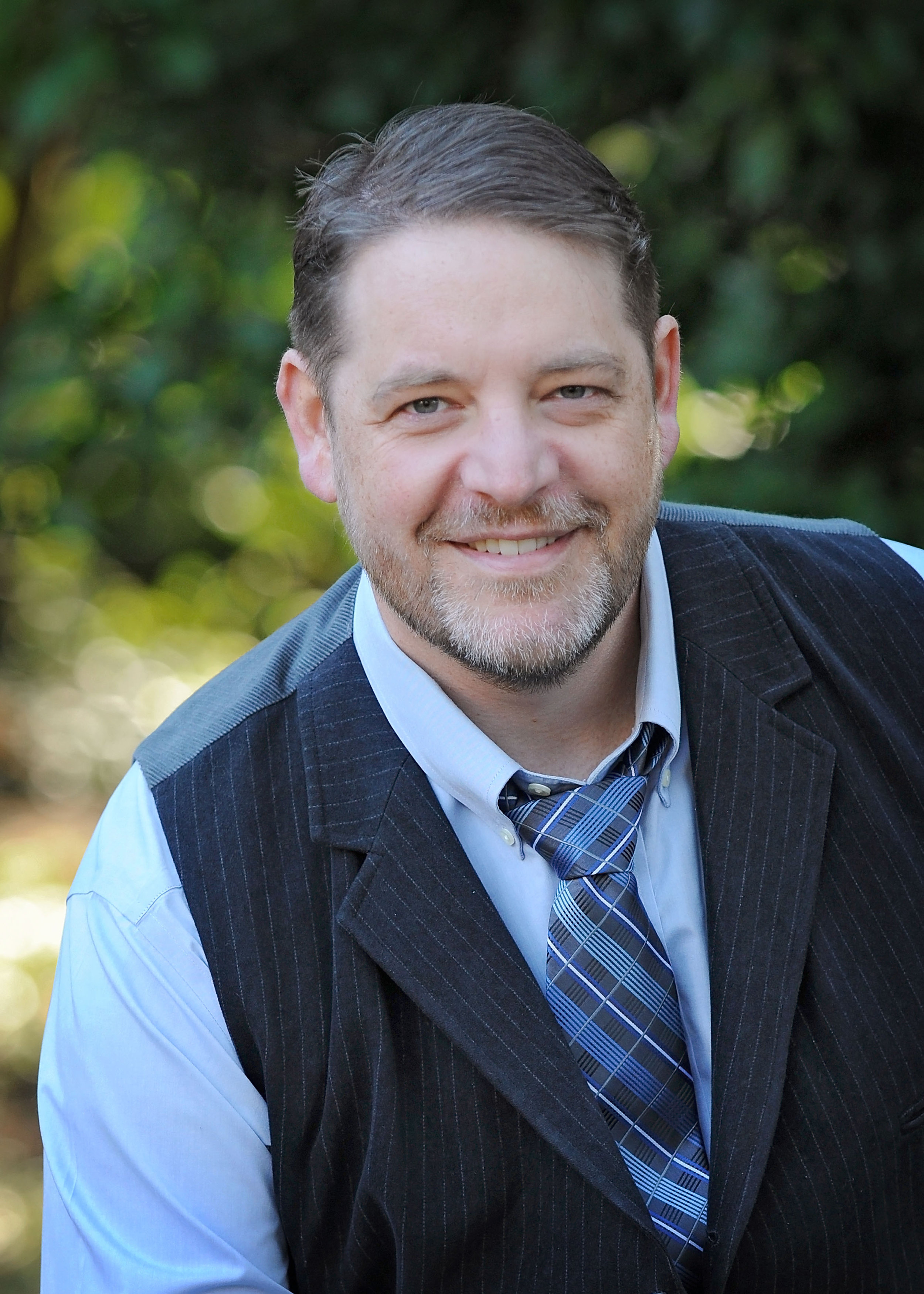 A native of Tacoma, Washington, M.D. Moore worked as a therapist in Washington State’s most acute psychiatric hospital. Moore currently serves as a rehab director at a long term care facility serving veterans and their families. A member of the Pacific Northwest Writers Association, M.D. Moore lives in Gig Harbor, Washington with his wife and sons. Waiting for the Cool Kind of Crazy is his debut novel. Visit M.D. Moore online at: www.mdmooreauthor.com.
Q: Congratulations on the release of your book, Waiting for the Cool Kind of Crazy. To begin with, can you give us a brief summary of what the story is about and what compelled you to write it?
A: My story is about a middle-aged son of a paranoid schizophrenic mother who has the problems of the world on his shoulders, but doesn’t have the skills to navigate them all successfully. He has a mentally ill mother who still is the cause of chaos in his life, a life threatening illness, a failing business, and a host of people who want to see him fail on all fronts. He also has two legal strikes (a third would result in a sentence of mandatory life in prison without parole) and anger issues. He is forced to see a therapist against his better advice who seems to have as many issues as he has. The only bright spot in his life is his reunion with his high school sweetheart, but even she is just recently divorced from his high school adversary who has the power to destroy what Harmon has worked to build. The story focuses on how he navigates and untangles the messes of his life to a logical conclusion.
I worked in my state’s largest psychiatric hospital for several years and one of the patients had a husband and two teenage boys which was very unusual. Most of the patients had never been married or if they had been, had been divorced. The family’s dedication to their wife and mother was very touching, but I always felt sorry for all of them realizing how hard it must be for each one for their own reasons. It inspired this story of a man and his schizophrenic mother and the life they have shared.
Q: What do you think makes a good family saga? Could you narrow it down to the three most important elements? Is it even possible to narrow it down?
A: I think the single most important element of a family saga is it has to feel real. Many of the occurrences in my book would be far fetched to readers who are not familiar with the mentally ill and what struggles they face, but I believe the reader could still see the plausibility of the events. Now, this may sound somewhat contradictory to condition one, but you must also make it exciting enough that it doesn’t sound so real, that it could just happen to anyone, especially the reader. I’ve judged several writing contests and one of the biggest flaws I’ve seen is that people make their stories sound so real, they could’ve easily happened to the reader. Ok, your protagonist is buried in bills – been there. Oh no, your protagonist had a fight with their wife or kids – done that. Shoot, your protagonist is fat and needs to lose weight – it would be a bigger stretch if that person was in shape. Make real world problems, just make them someone else’s real world problems. The last element in a family saga, or for any realistic fiction for that matter, is to make your characters relatable. Make your protagonist someone like your Uncle Paul or your grandfather with maybe a little scar here or there – make your person someone who could exist.
 Q: How did you go about plotting your story? Or did you discover it as you worked on the book?
A: I tried the free-flowing method and I ended up making a mess all over myself. There were pieces of book all over the place and a story that got me more lost than my first version of Mapquest. Unfortunately, and I say unfortunate because I wish I had the skill to just “let the story happen,” I am a meticulous plotter. My chapter summaries are almost as long as the chapters themselves. I need to know where I’m going so I don’t waste too much energy trying to find my way with a sundial. Give me a programmed GPS and just let me write.
Q: Tell us something interesting about your protagonist and how you developed him or her. Did you do any character interviews or sketches prior to the actual writing?
A: My protagonist, Harmon, is actually a combination of a lot of people. He shares character traits of a couple of family members and friends and physically, he’s also a combination of several people. I actually had a little photo album, the type you’d get as a kid, that had several pictures in it that I would reference on occasion when describing Harmon. In the editing process, however, I ended up taking a lot of physical description out as I like to let the reader develop their own image of the characters based on their own experiences. As for behaviors, in the end, Harmon basically did what I would do. I’d like to write a character someday that is a far departure from me, but with this being my first novel, decided to stick with what I know.
Q: In the same light, how did you create your antagonist or villain? What steps did you take to make him or her realistic?
A: He was a little easier. Since Harmon had known Frank (the antagonist) since childhood, I just thought of kids that I didn’t like when I was young and used them for the childhood antagonist and as Frank aged, I just created a history that would put him on a path to continue being an asshole. I have known enough of those in my lifetime that I had some folks to draw from.
Q: How did you keep your narrative exciting throughout the novel? Could you offer some practical, specific tips?
A: I think exciting narrative comes from exciting characters. Having motorcycle gang members, chronically mentally ill patients, outlaw therapists and the like in the book made for easy, fun narratives. I had the hardest time keeping Harmon interesting because his character was the most real of the bunch and real life isn’t typically that exciting. The only tip I have is to really pay attention to narrative during your rewrites/edits. Write it all during the first draft, but try to weed out the garbage the second and subsequent rewrites. Better yet, have a trusted reader go through and tell you what doesn’t work or where your work really starts to slow down. Another reader is a super valuable tool.
Q: Setting is also quite important and in many cases it becomes like a character itself. What tools of the trade did you use in your writing to bring the setting to life?
A: Again, make the setting as interesting as you can. The type of story you write will dictate how interesting that will be. A sci-fi set in space will definitely be more interesting than a family drama set in Washington. One of the most helpful things I did for myself was to really pay attention to my surroundings before and while I was writing the book. I worked at our states largest mental hospital and it still had some of the old, creepy buildings from when the grounds were an army fort in the 1800’s. This was easy to make interesting. Harmon’s business and home were a combination of this old antique store in Tacoma, WA and the residence of an acquaintance who lives over a bar whose home used to be used as a hotel (which I then turned into a brothel). Pay attention to your surroundings, even going for a drive and taking notes, and you’ll find plenty of places that will work (given your story is not set in space or underwater!)
Q: Did you know the theme(s) of your novel from the start or is this something you discovered after completing the first draft? Is this theme(s) recurrent in your other work?
A: My theme is the oft-used, love conquers all. Since this was a story about a man and his chaotic relationship with his mentally ill mother and since I wanted there to be redemption in the end, I always knew that this would be a book that would get wrapped up by the end between a father and mother who come to realize that they do love each other even if they didn’t necessarily get each other.
Q: Where does craft end and art begin? Do you think editing can destroy the initial creative thrust of an author?
A: This is a tough one. I guess if I had to try and name this, I’d say that craft is what makes an author’s writing readable, art is what makes it memorable. I believe that anyone can learn the craft of writing. There are all kinds of resources – classes, books, workshops, critique groups – to learn the craft of writing. One can learn to write very well by learning the craft of writing. I’d go so far as to say that a lot of what we find on the shelves of our local bookstores are books that display good writing craft. It’s the books that we keep on our shelves and are stingy about passing around that have nailed the art of writing. I don’t believe that you can teach the art of writing – you either have it or you don’t. Luckily for most of us, I think we all get a little lucky and show a little art mixed in with our craft.
Q: What three things, in your opinion, make a successful novelist?
A: First, I think it’s important to study the craft of writing. There are many writers who believe that just because they can craft a good sentence or write a good paper for a class, they have what it takes to write a novel. I know because I was one of them. It wasn’t until I read some of the crap that I initially wrote that I realized that I didn’t know the first thing about writing a novel. Sure, I could write a good sentence, I just couldn’t write enough of the them in the right order to complete a book. Take classes, read books, join critique groups, etc, and then practice, practice, practice to learn how to do it right.
Second, listen to the advice of others. Find someone you trust and have them proofread your work. The writer gets too close to their own work and they always know what they were talking about. “My dog is really protective.” Did you picture a german shepherd? a pitbull? a Doberman? A Chihuahua? You know you were thinking about your yappy Pomeranian but your reader did not. If it matters, a good editor will help you clarify or tell you when something is missing or has awkward structure.
The third trait needed is perseverance. This is a long and grueling and highly competitive business and for the most part, only the those who persevere reach their goals. If you’re not finding the success you believe is coming to you, you must do some soul searching and find out why. If you’ve done everything you can, it’s time you just put your head down and keep sending out queries.
Q: A famous writer once wrote that being an author is like having to do homework for the rest of your life. What do you think about that?
A: I’d say that that author either loved doing homework or was in the wrong profession. I hate homework, but I love to write. I also do woodworking and beekeeping, both of which took considerable work to get good at, but it was an enjoyable learning experience for both. Homework is what I did for school and it sucked. Work at home is what I do for me and I love it.
Q: Are there any resources, books, workshops or sites about craft that you’ve found helpful during your writing career?
A: There are a couple of excellent books on writing that provide a good roadmap towards writing fiction. The first and best is Dean Koontz’s book How to Write Best Selling Fiction. It doesn’t so much teach the mechanics of writing as much as it teaches about what goes into a great story. It’s a little pricey if you can even find it. It’s been out of print for a long time, but if you can track one down, it’s well worth having in your library. The second is Stephen King’s On Writing. It’s very similar to Koontz’s book, but just not quite as direct. As for resources on the craft of writing, my best lessons came at writing conferences and from critiques. I also read a ton of books (almost literally) about writing. I thought I knew what I was doing until I tried to do it. When I failed miserably, I began to read books on how to write books and everything started to come together.
Q: Is there anything else you’d like to share with my readers about the craft of writing?
A: I really believe that this is an endeavor worth pursuing. It takes way more work than you think it’s going to take, but ultimately, if you work hard, listen to others who’ve done it before you, and learn, learn, learn all you can about writing and the writing industry, you can find success. You may need a little luck along the way, but I do believe, more so than any other part of the entertainment industry, that hard work and perseverance are rewarded.
A Chat with Sophia Bar-Lev, Author of ‘The Silver Locket’

 A native of Massachusetts, Sophia Bar-Lev divides her time between the Fort Worth, Texas area and Israel. A former school teacher and adult education lecturer, Bar-Lev now devotes the majority of her time to writing. Sophia Bar-Lev is also the author of Pasta, Poppy Fields, and Pearls and Pizza and Promises. The Silver Locket is her latest novel.
Connect with the author on the web:
http://www.sophiabarlev.com/
http://www.sophiabarlev.com/#!blog/cnf7
https://www.facebook.com/SophiaBarLevAuthor
Q: Congratulations on the release of your latest book, THE SILVER LOCKET. To begin with, can you gives us a brief summary of what the story is about and what compelled you to write it?
A: This novel is celebrates the triumph of the human spirit over tragedy and heartache. It chronicles the lives of two women whose lives are linked by a child that belongs to both of them but in different ways. Their common devotion to motherhood and family ultimately leads to a powerful and fulfilling reunion. The power of a sensitive and difficult decision years earlier is realized as two families join their hearts and lives because of one special daughter they share. My inspiration came from the true story of a friend who wanted her story told and was delighted that I would write it for her.
Q: What do you think makes a good contemporary novel? Could you narrow it down to the three most important elements? Is it even possible to narrow it down?
A: A novel doesn’t deny reality; it interprets reality. The novels I appreciate and enjoy reading relates to the contemporary reader in a way that adds value to his/her life. This what I endeavor to do in my writing. The importance of character development cannot be overstated. Imagination must blend seamlessly with realism to produce for the reader a sense of connection or identification with the personalities in the book.
Q: How did you go about plotting your story? Or did you discover it as you worked on the book?
A: In the case of THE SILVER LOCKET, I knew the basic story ahead of time so my primary task was to follow the real life plot as told to me by my friend. However, in my other novels, I start with an idea which morphs into an overview but as I write, very often the characters pull me into directions I didn’t anticipate when I started the project. Personally, I’ve never outlined a book ahead of time. I tend to write more spontaneously and, as they say, ‘go with the flow’.
 Q: Tell us something interesting about your protagonist and how you developed him or her. Did you do any character interviews or sketches prior to the actual writing?
A: For this novel I invested considerable time in learning everything I could about the two women who are the primary characters throughout the novel. My friend’s descriptions and insights into her birth mother and adopted mother were very helpful and gave me a solid basis for building the narrative. Yes, I did write up two character interviews while I was writing the book and later revised them after the book was finished. I found the practice very helpful not only for this novel but for my other novels as well.
Q: In the same light, how did you create your antagonist or villain? What steps did you take to make him or her realistic?
A: This took a bit more imagination than the development of the protagonists. Actual information about this person was sketchy so I did some research into the general traits of the kind of person he needed to be in the story and received some advice from a local police officer as well, not only regarding the criminal but also about the types of laws applicable at the time.
Q: How did you keep your narrative exciting throughout the novel? Could you offer some practical, specific tips?
A: To keep a reader turning the pages requires enough mystery or suspense to create continual curiosity. As a writer moves through the chapters, unexpected twists to the story act like bait to ‘hook’ the reader to keep going. In this novel, I inserted events and conversations at strategic intervals to create or increase the suspense and add depth to the story.
Q: Setting is also quite important and in many cases it becomes like a character itself. What tools of the trade did you use in your writing to bring the setting to life?
A: Descriptions must be written in such a way that the reader can paint a picture in his/her mind of the various settings in the course of the novel. Carefully chosen words, similies, analogies and references will all contribute to dynamic settings so that – in a manner of speaking – the book becomes a movie in the mind of the reader.
Q: Did you know the theme(s) of your novel from the start or is this something you discovered after completing the first draft? Is this theme(s) recurrent in your other work?
A: In this case, yes I knew the theme from the beginning. In my other novels, I had a general idea but the themes developed as I wrote so that by the time I completed each novel, the theme was clear and distinct.
Q: Where does craft end and art begin? Do you think editing can destroy the initial creative thrust of an author?
A: Craft and art – art and craft: which comes first? Hard to say. I think the most successful novel is the result of free-flowing ‘art’ or creativity, which is later reviewed, revised and edited so that the level of the craft enhances the art contained within the novel itself.
Q: What three things, in your opinion, make a successful novelist?
A: Persistence, diligence and a passion for excellence are imperative for any writer to become a successful novelist. Actually, I think these three qualities are essential for success in any area of life but as we’re discussing authors, I would add that every author has to be willing to throw away as much or more than they actually publish. Writing is a ‘practice’ as well as an art. I write every day and much of it ends up in the dust bin but it’s not wasted time; it’s practice and practice makes perfect.
Q: A famous writer once wrote that being an author is like having to do homework for the rest of your life. What do you think about that?
A: I love writing so if this is homework for the rest of my life, bring it on! I’m a firm believer in the maxim that if you love what you do, you won’t ‘work’ for the rest of your life. Your ‘work’ becomes your joy.
Q: Are there any resources, books, workshops or sites about craft that you’ve found helpful during your writing career?
A: Yes I regularly read postings from Writers’ Digest and subscribe to their magazine as well. I attend writers’ workshops as often as I can and read books about writing. I found Stephen King’s book, ON WRITING and BIRD BY BIRD by Anne Lamott helpful and inspiring. I’m also a great fan of the series of books for writers by Julia Cameron. Her works continue to be a resource I go back to frequently.
Q: Is there anything else you’d like to share with my readers about the craft of writing?
A: I have a small book on my desk which a friend recently sent me. It’s entitled, YOU’RE A WRITER SO ACT LIKE IT. I haven’t read the book yet but I love the title. Anyone who aspires to be a writer needs to put in the time to develop the skills that a creative imagination requires in order to marry ideas to effective expression. I daresay there are many potential writers who are not lacking in ideas but in the will and persistence to do the work required to turn their imaginations into printed material. Great ideas are not enough; the mechanical skills for producing a winning manuscript are essential. And that, my friends, takes work.
////////////////////////////////////////////////
Title: THE SILVER LOCKET
Genre: Women’s Fiction
Author: Sophia Bar-Lev
Website: www.sophiabarlev.com
Purchase on Amazon
About the Book:
When The Silver Locket opens, it’s July 1941 in Boston, Massachusetts. War is raging in Europe and the Pacific. But for two young women in a small town in New England waging their own personal battles, the struggle is way too close to home.
When extraordinary circumstances bring these two women together, one decision will alter the course of their lives. And with that one decision, their lives will be forever changed…and forever intertwined.
Were these two women thrust together by happenstance—or fate? A tragedy. A decision. A pact. Lives irretrievably changed. A baby girl will grow up in the shadow of a secret that must be kept at all costs. But will this secret ever see the light of day? And what happens when—or if—a promise made must be broken?
Adopting a child is not for the feint of heart—but neither is being adopted…
A sweeping and suspenseful story that unfolds in a different time and a different place, The Silver Locket explores universal themes that ring true even today. Secrets. Unbreakable bonds. The healing power of love. Deception. Anguish. Redemption.
In this touching and tender tale, novelist Sophia Bar-Lev weaves a confident, quietly moving story about adoption, finding hope in the face of hopelessness, and how true love can overcome any obstacle. With its brilliant juxtaposition of the wars fought both on the battlefield and internally, The Silver Locket is a poignant novel, resplendent with drama. Featuring an exceedingly real and relatable plot, and characters that will stay with readers long after the final page is turned, The Silver Locket is a sterling new read.