
Sharad P. Paul's Blog
September 18, 2025
What you don’t know about AI (but must)
 (Photo by Eren Yıldız on Unsplash)
First, they took our liberty by attaching us to trackable mobile devices; next, they destroyed our attention spans with social media. And now, they are after our brains!
Artificial Intelligence (AI) can be aptly described as the next big thing. Everywhere since the advent of ChatGPT, tech bros have been outdoing each other in releasing new AI businesses. From medicine, pharmaceuticals, education, politics, scamming or marketing, AI is being used everywhere. “We have followed traditional human thinking,” everyone seems to say, “But now there is a smarter way.”
Inspiration and original thought are underappreciated aspects of human life. But at its core, these are what makes us human. Scientists, storytellers and saints have come up with creations—real and imagined—enthralling thousands of people to act differently, develop social movements, and change lives. But now, everyone wants AI to do the thinking for us. Dismiss its supreme importance and you are a heretic or troglodyte. We are now at the crossroads—with a choice between human experience through evolution or computerised conception.
As I write this blog, I am in London for events to do with my new book, Biohacking Your Genes (Beyond Words, an imprint of Simon and Schuster, NYC) and soon to deliver a lecture at University College, London—at the population health department which hosts UCL-Lancet Commissions and collaborates with The Lancet, the prestigious medical journal. President Trump has been visiting here, and the UK government has announced a major investment by US tech companies in AI. “US tech giants pledge billions for UK AI infrastructure during Trump visit” screamed a headline in the Financial Times.
My publishers tell me that I am the only person to have written literary fiction, non-fiction, medical textbooks and poetry. My agent tells me not to mention that I write fiction when discussing non-fiction with publishers’ as it becomes too much to take in. We live in a compartmentalised, increasingly siloed world. I must say I don’t watch a lot of television. On the 24-hour long air travel from New Zealand, I did some writing, napped, ate some food and did some thinking. “Raw dogging” became a recently repurposed term for those only watching the flight path on the airplane’s TV screen. I must be the record holder, my daughter thinks, as that has been me on any flight for the past two decades! But has my productivity been because of this? Cede too much authority to AI to do your thinking while writing, and although it may not be apparent at the time, I believe there are downstream effects with respect to our decision making. I was therefore interested in a study that came out of the highly-ranked MIT university that studied cognitive brain function with people that used AI a lot.
This study from MIT’s Media Lab is one of the first to study the neuroscience of how regenerative AI affects us. See, essentially the brain remembers what it actively performs. If you write something by hand, you’ll remember it better than if you type it. This has been even recommended by mindfulness gurus for manifesting our wishes! When you use AI to write your document, your brain effectively outsources the tasks of memory, effort and ultimately cognitive engagement.
The MIT study was conducted over 4 months involved 50 subjects. Brain scans (functional MRI and EEG) to track neural activity were arranged along with memory tests (immediate recall of written text) and writing sample quality assessment (by experienced educators). The participants were divided into three streams: (A) No assistance, just the human brain (B) Google Search Engine to help the project (C) ChatGPT i.e. AI writing your essay based on your prompts. The findings: Memory loss in Chat GPT users (83% of ChatGPT users could not recall a single sentence that had been written by AI, even if directed by them); Loss of brain connectivity (fell from 79 to 42 points in ChatGPT users which translates to a 47% reduction in neural connectivity); Essays written with ChatGPT were called “robotic,” “soulless,” and “lacking depth” by educators. Things like spelling and diction may not matter much these days, but what concerned me was that those that wrote without AI assistance had a stronger memory, better brain activity, and higher quality outputs. AI does save us time, but perhaps the message is we need our brains to do the thinking. “Use it or lose it” comes to mind. You can use AI as a research-assistant, as I do, but rely on it at your peril. New technology can be exciting, but we must beware of surrendering our thinking minds, things that make us protest, love and reminisce. This study about brain depowerment caused by AI suggests that tech billionaires–especially the five horsemen of cognitive doom: OpenAi, Meta, Google, X and Apple– may have arrived at a new disturbing way to rule us. As Martin Luther King said during his sermon “Love in Action” on April 3, 1960, in Atlanta, Georgia: Nothing in the world is more dangerous than sincere ignorance and conscientious stupidity.
THE END
End note: AI was not used to write this blog.
Note: This blog is about science-communication, education, interesting science, and new medical research to do with (mostly) health and skin. It is not individual one-on-one medical advice. Please do not stop any medications without consulting your own doctor.


June 28, 2025
What Serial Killers and Golfers may Have in Common
 Photo by mk. s on Unsplash
In measuring environmental impacts on health, we sometimes can confuse morality and science. About ten years ago, Jessica Wolpaw Reyes, an Associate Professor in the Department of Economics, Amherst College, MA, wrote an article about the effects of lead exposure on population health. Higher amounts of lead in the water supply unfolded a series of adverse behaviours—aggression, teen pregnancy and violent crime. In many places in America, levels of lead in water declined after 1980s when water pipes were replaced, and unleaded fuel became available. Tacoma, near Seattle, in America’s Washington State was particularly affected with lead “goosenecks” that connected plumbing to the mains. These were commonly used in the 1900-1940 period to connect the water main to customers’ service lines, and to this day there have been reports of Tacoma’s water supply having higher than acceptable lead levels. Outside of these lead pipes, Tacoma was also known for its industry, especially iron-ore smelters. These smelters infused heavy metals into the region’s air and water, and toxins such as lead and arsenic were known to be found in high levels in the blood of Tacoma’s children.
As someone who is interested in preventative and personalized healthcare, my mission is trying to help people achieve their best and fullest life. I am all about healthspan, rather than lifespan. My latest book, Biohacking Your Genes (Beyond Words, an imprint of Simon and Schuster, NY)—that at one stage reached No. 1 on Amazon among healthcare industry books—is all about this, as I say in the introduction: “Learning to take charge of your health requires a change of perspective. For example, if one considered our genes to be unmodifiable, then we are trapped inside our biological bodies and there is no reason to try and struggle against them. But genes are just protein makers, and half of the game is in understanding the power of your actions and educating yourself constantly about new insights. Each chapter of this book has specific rules that help us do this better”
Therefore, as a doctor and scientist, I feel if we fail to address our environment—be it external pollution or excessive UV damage, or internal diseases from processed, fast foods or contaminated water—the social and economic consequences for healthcare will be massive. I was therefore intrigued by a new theory about Tacoma proposed by Caroline Fraser in her new book, Murderland (Penguin) who writes, almost casually: “The Pacific Northwest is known for five things: lumber, aircraft, tech, coffee, and crime. Weyerhaeuser, Boeing, Microsoft and Amazon, Starbucks, and serial killers.”
Fraser’s hypothesis centres around how serial killer numbers went up dramatically and then declined equally quickly in parallel with environmental lead levels. She notes that the serial killer numbers went like this: 1940 (55), 1950 (72), 1960 (217), 1970 (605), 1980 (768), 1990s (669). Then a dramatic drop 2000s (371), 2010s (117). If you ever wondered why serial killers seem to be more common in America, Fraser narrows it down further: “It’s August of 1961. I’m seven months old. There are three males who live in what you might call the neighborhood, within a circle whose center is Tacoma. Their names are Charles Manson, Ted Bundy, and Gary Ridgway. What are the odds?”
Alongside this theory about environmental pollution being somewhat responsible for a serial killer-crime epidemic, I was recently interested to come across this article in the prestigious Journal of the American Medical Association (JAMA) about the increased incidence of Parkinson’s Disease among golfers in some parts of America and these researchers studied those people living within proximity to a golf course.
Golf has a plethora of characters from business-networkers, lunching ladies, amateurs and professionals. As a sport, it is not propulsive or fast moving such as soccer, tennis or rugby, but that’s OK. That’s how golfers like it. Golf is really where one plays against oneself, fighting nerves and anatomical limitations. Perfect golf may be devoted to a symmetry of clock-like circular movements, with repetitive movements studied, videoed and recorded into human patterns against a background of manicured greens and sand-trap bunkers.
The USA has over 40 percent of the golf courses in the world, over 16,750 according to some estimates. Japan comes in second at over 3000 golf courses. Americans love their manicured golf courses and private clubs, and reports show that pesticide use—to maintain these courses in pristine condition—is much higher in America. Because many anecdotal reports linked Parkinson’s Disease to golf courses, the authors of this JAMA study decided to explore the association between the incidence of Parkinson’s Disease and proximity to 139 golf courses within a 16,119 square mile radius in southern Minnesota and Western Wisconsin. The researchers had a theory that they would find a higher number of Parkinson’s Disease in individuals living within water service areas associated with a golf course, or on adjacent vulnerable groundwater regions. They were right; still, the findings were alarming. Individuals living within water service areas with a golf course attached had nearly twice the odds of developing Parkinson’s Disease compared with individuals in water service areas without golf courses. And further, these odds were 49% higher compared with individuals with private wells that did not use the local water supply. Of course, the study—like the Tacoma study—is not conclusive. Critics point out that in the golf course studies, no analysis was made of the drinking water pesticide levels. This lessens the validity of the claim of pesticide exposure because the studies have not been carefully controlled. But still, the findings are interesting. In New Zealand, I have not been able to find any information about pesticide use on our golf courses.
Contaminated water has affected golfers and created criminals. According to Caroline Fraser, the main culprits in the serial killer capital, Tacoma, were two of the biggest business families: the Rockefellers and the Guggenheims. The Rockefellers built the American Smelting and Refining Company (ASARCO) and in 1901 the Guggenheims assumed its ownership. ASARCO controlled almost all American lead production—a big chunk of it being at the massive Tacoma plant. Today, Silicon Valley technology companies rule the roost. And ironically the change in business leadership has brought with it a certain sameness when it comes to environmental disregard. Silicon Valley remains one of the most polluted places in America when it comes to water supply. The semiconductor industry’s historical use of toxic chemicals like TCE and benzene in chip manufacturing led to groundwater pollution in the 1980s and as a report in The Atlantic suggested, the clean-up is still not complete four decades later. Ironically, as these tech bros seek to colonize space, they still look for water as a sign of life, or to establish the feasibility of human colonies.
It is clear that we are on a precipice of a surge of environmental diseases or health issues related to water pollution. Even in supposedly clean, green, New Zealand. I just looked at the “safe swim” website and majority of beaches around my medical practice showed a red pin (high risk of illness) or black pin (do not get in because wastewater has been detected in the water) today.
 Polluted beaches in Auckland today
How bad does it have to get before we address the mismatch of global clean water needs and the supply? Water for most part, is quiet and hovers at the edge of our lives. Yet it has a cumulative power over all plant and animal life on our planet that we have to listen to this message before the science gets evaporated by media algorithms, and lives are further obliterated.
THE END
IMPORTANT: This blog is about science-communication, education, interesting new science, and medical research to do with (mostly) health and skin. It is not individual one-on-one medical advice. Please do not stop any medications without consulting your own doctor.
May 24, 2025
Dreams and Nightmares may lead to a Medical Diagnosis
 Image by Siobhan Flannery on Unsplash
Whenever I drink Bailey’s Irish cream, irrespective if it is the original version or one of the new-fangled flavoured versions, I have nightmares. Therefore at home I call it “nightmare Baileys” and avoid the damn drink! What I also know is that it was the creation of a guy called David Gluckman, a South African from Cape Town who had moved to London in 1961 to take up a job at an advertising agency. Their brief was to create a new drink that reflected Ireland. The team decided to combine cream (after all Ireland is full of green pastures) and whiskey (what would Ireland be without alcohol?). They first combined Jamesons Irish Whiskey and a tub of single cream and added sugar to make it taste sweeter. It tasted awful. They then added Cadbury’s Powdered Drinking Chocolate and as Gluckman recalls, “Hugh and I were taken by surprise. It tasted really good. Not only this, but the cream seemed to have the effect of making the drink taste stronger, like full-strength spirit. It was extraordinary.” A new legend was born. There was no person called Bailey involved in the production, so the signature you see on the bottles is simply made up artwork. The team was paid 3000 pounds, which seemed a lot of money for a concoction that didn’t take involve technological advances. However, it must be noted that on December 3rd, 2007, Diageo, the new owners announced that they had sold the billionth bottle of Baileys since it was first introduced in 1973! I thought my bad dreams on consuming Gluckman’s mixture may be a coincidence but and few personal randomized trials later, I know it does not agree with my body. Maybe it is because of the cream content and my lactose intolerance genes. What I know is, it is no good for me!
Speaking of dreams and nightmares, Sigmund Freud was 44 when he published Die Traumdeutung, better known to readers in English as The Interpretation of Dreams. 600 copies were published in the year 1900, which took 8 years to sell! It was not even reviewed by the scientific community and largely ignored. As Freud’s other work became known, the book became more widely available, translated into English, and now considered one of the classics of psychoanalysis.
“Dreams are the royal road to the unconscious,” Freud wrote, suggesting that our dreams were paths into our psyche—deepest desires, distressing fears and inner conflicts. In other words, Freud’s assertions were that dreams were a window into our unconscious minds. This was magical thinking with a difference. He wasn’t suggesting that wishing something makes it so. Instead Freud was asserting that that dreams are almost always expressions of our unfulfilled wishes.
One of my biggest contributions to medicine or the science of skin is in the field of skin tension. My book, Biodynamic Excisional Skin Tension (BEST) Lines for Cutaneous surgery, published in 2018 was considered “the first major concept in skin tension lines since Langer’s cleavage lines in 1861” by the publisher, Springer Nature. One of the chapters in the book is titled “Patterns, Biomechanics and Behaviour” where I discuss how our anatomy of our physical and the physiology of our mental worlds collide. I became interested in this when I was asked to operate on animals, primarily apes, that had skin tumours, and noticed that these creatures did not have scalp whorl patterns. The hair whorl becomes visible on the “crown” of the human head between the 10th and the 18th week of gestation in the womb. In other experiments, I had established that the golden spiral pattern—that abounds in galaxies, flowers, pinecones, and on human scalp whorls—is nature’s pattern for rapid expansion. Why are humans the only primates to have whorls on the scalp? People suffering from schizophrenia have been noted to have abnormal scalp whorl patterns. Does this indicate maternal factors, possibly dietary or deficiency related, during weeks 10–17 of pregnancy? These physical manifestations on our bodies suggested an underlying altered thinking. All these areas are avenues for further research as I mentioned in my lecture at the Grand Rounds at the Mayo Auditorium in America in 2017.
Maybe many doctors grapple with their professional preoccupations over years of practice until the mystique ceases to be interesting. The problem with me is I am an eternal student, which means the energy of curiosity doesn’t get exhausted. There are still plenty of things I am figuring out. I had decided to undertake a second research degree—all while running a busy medical practice—and part of that research led to this book on skin tension. But in addition to studying skin tension using external devices, there was an internal tension created by my observations: the spectre of evolved interconnectedness of our physical and mental being that was causing diseases significantly more than I had envisaged. In medicine, as specialties have become increasingly divided into silos there is a tendency to separate the biomechanics (physical) from behaviour (mental). All this may sound abstract, and some random riff, but his has some relevance to our inner thoughts and dreams. We ignore the mind-body connection at our peril. Mind and body: unknown to each other, these anthropological autodidacts share molecular and genetic pathways. And when considered together they do affect our thinking in ways that are only now becoming apparent. A recent study conducted by Cambridge University along with King’s College, London, published in The Lancet, analysed dreams and nightmares of participants. Over 600 people with lupus or other autoimmune diseases such as rheumatoid arthritis were studied. About 60 percent had graphic nightmares of being attacked, trapped, or falling that had begun occurring over a year prior to the actual diagnosis of autoimmune disease. Some of these patients had daymares i.e., waking hallucinations. The authors concluded that if you are suddenly having intense nightmares or hallucinations on a regular basis—unexplained by any substance abuse (or Baileys: No, they didn’t say this bit!)—they may be a prodrome i.e., an indicator of impending autoimmune disease, especially if you have other symptoms or there is a family history of autoimmune disorders.
So if you are troubled by disturbing visions at night, it might be your immune system creating some mind-bending mischief that may need investigating.
THE END
IMPORTANT: This blog is about science-communication, education, interesting newscience, and medical research to do with (mostly) health and skin. It is not individual one-on-one medical advice. Please do not stop any medications without consulting your own doctor.
March 16, 2025
Why having a Cat may Make your Children Unemployed!
Cats have been pets or living around humans for around 10,000 to 12,000 years ago. This first began in the fertile crescent, a moon-shaped grouping of countries that include the Levant, Mesopotamia, and Ancient Egypt. In modern geography, this includes countries like Lebanon, Turkey, Israel and Iraq.
 Photo by Jan Kopřiva on Unsplash
As nomadic humans left Africa, their turning to agriculture and dairy farming happened initially in this fertile crescent. Farming grain meant granaries, and thereby rodents that were attracted to a new readily accessible food source. But with food sources come a biological truism—a food chain. It’s the sobering set piece of life—the hunter for food becomes the hunted. Into this world entered happy felines with a disregard for rodent life or any respect for the scavenging utility of their would-be victims.
In the 1950s in New Zealand, Toxoplasma gondii, a protozoan parasite was found to be the cause of sheep abortions. Even in pregnant women, we now know that when mothers are infected in the first trimester, about 15–20% of babies become infected, compared to about 30% in the second trimester. It can lead to brain or eye problems in the newborn. How did sheep in New Zealand get this parasite?
This dastardly parasite had been discovered by scientists in North Africa and Brazil a century ago. However, the finding of this parasite in new world New Zealand in the 1950s led to a meticulous search for a definitive host. In the 1960s, cats were finally identified as the culprit. T. gondii is shed in the faeces of infected cats and is a source of infection for many intermediate hosts like humans. This explained Toxoplasma infections in herbivorous animals as well as people with a vegetarian diet. Today we know that the cat-human cohabitation has led to approximately a third of all human beings of the world i.e., over 2.5 billion people are infected globally! Crazily, latent toxoplasmosis has been linked to behavioural changes and implicated in suicides and driving accidents! These changes have been attributed to the parasite’s ability to synthesize tyrosine hydroxylase, an enzyme involved in the production of dopamine. The parasite also affects serotonin, glutamate and other neurotransmitters. We know that if dopamine-mediated neurotransmission is affected, it leads to more addictive and obsessive behaviours. And of course, serotonin is linked to mood changes. Therefore, increasingly scientists have been studying the psychological aspects of underlying and undiagnosed latent Toxoplasmosis.
Now let’s look at the science behind a recent study that you can read for yourselves. Firstly, latent toxoplasmosis is known to cause longer response times in part of the population, and such response times are easy to account for in research methodology. Another interesting scientific fact about this parasite is that people with Rhesus-negative blood types become slower when afflicted by toxoplasmosis, while Rhesus-positive individuals do not experience a change in response times. Using large population samples, and accounting for all these variables, researchers not only looked at behavioural changes previously reported in the literature for infected individuals but also searched for new insights on the any long term effects of latent infection. Other than the psychological effects, they also investigated socioeconomic consequences such as annual income and unemployment probability. Their findings: Other than the already known psychiatric diseases and risky behaviours, latent toxoplasma infection causes, on average, a reduction in yearly income of 2500 British Pounds, and an 11% increase in unemployment! Science can be a mystery when researchers’ probing intellect is combined with middle-aged subjects who may be suspicious of their motives. When I first looked at the project it looked overproduced, but the results appear grounded in good methodology and not gimmicky, even with this cat-astrophic conclusion.
Therefore, if you find you child slacking off after school or university studies and not finding or keeping a job, they may have a moggy excuse.
THE END
December 23, 2024
Uber v. London Taxis: Only One is Good for Your Brain!

Photo by Sam Kimber on Unsplash
No city is perhaps prouder of its taxis than London—alright, New York’s yellow cabs may disagree—with its black automobiles for hire. Still officially called The Hackney Carriage, these were horse-drawn since the 17th century and became petrol-powered in 1903. Never mind that in the spirit of globalisation, it is now wholly owned by Geely, the Chinese corporation because the cabs are still made in Ansty Park near Coventry, England. The late King of Tonga even used the London taxi as his official vehicle. King George Tupou V loved British military uniforms was driven around his tiny island kingdom in a London taxi.
It is the dream of any corporation to become uber-big enough that their name becomes the first thing people think of when one hears the German word for “over” (although means “super”). Uber has had a love-hate relationship with London. In 2019, Uber was banned (again, after previous bans had been successfully appealed and overturned) in London after it was clear that the business was plagued with drivers’ using fake IDs. In fact, it was reported that over 10,000 trips were taken using services provided by such individuals. In 2022, Uber managed to overturn the ban and Uber was granted a two-and-a-half year licence to operate private hire vehicles in London.
London’s taxi service is considered legendary because its drivers are required to memorise thousands of streets and landmarks within a 6 mile radius of Charing Cross. All of them! The so-called “Knowledge of London” was introduced as a requirement for taxi drivers in 1865. It typically takes three or four years before one manages to pass the examination and become an official London cabbie. In contrast, Uber drivers follow the map on their App and do not need any specialised knowledge. Manhattan’s streets are arranged in a user-friendly grid so any tourist or taxi can navigate easily. In Paris, the arrondissements form a spiral around the Seine River. So what’s the point of all this London Knowledge—what one might consider useless information? It may be better for your brain!
A study done of over 8 million people with different occupations found that London cabbies had among the lowest rates of Alzheimer’s disease-related deaths. Taxi drivers and ambulance drivers in London, being occupations involving frequent navigational processing and memorised knowledge of London streets, had the lowest proportions of deaths attributed to Alzheimer’s disease of all occupations. Taxi drivers had the lowest proportion of deaths due to Alzheimer’s disease of all major occupations at around 1%. For the rest of us, including those moonlighting as Uber drivers, it was almost 4% (3.88%)!
I have a special interest in Alzheimer’s Disease because my father, once an eminent surgeon, developed this later on in life. Unfortunately, research into Alzheimer’s Disease got derailed for various reasons, including fraud. So why do London cabbies have lower Alzheimer’s disease rates? Or is it that they simply die earlier of other causes?
Deep down in the brain, on the floor of the lateral ventricles and right next to the medial temporal lobe (that controls memory for facts and events) lies the hippocampus. The name hippocampus has Greek origins (hippos, meaning “horse,” and kampos, meaning “sea monster”) because anatomists felt it resembles a seahorse.
Eleanor Maguire, a neuroscientist from University College, London studied the brain of London taxi drivers. London taxi drivers essentially had more grey matter in their posterior hippocampi than non-taxi driving people of similar age, education and intelligence, Cabbies essentially had chubbier memory centres. Further, studies showed that the longer someone had been driving a taxi, the larger his brain’s seahorse. Studying the London Knowledge ends up a veritable brain gym. The hippocampus grows new neurons, and these neurons make more connections with one another. Non-neuronal cells called glial cells, which help support and protect neurons, may also contribute somewhat to this improvement. Maguire’s team didn’t know how long the effects would take to appear on an MRI scan as they studied new taxi trainees, both successful and unsuccessful. For successful trainees, the MRI showed improvements within the five years it took them to pass the tests and also complete the research study. Interestingly, these cabbies did not do so well at memory to do with visual memory of complex shapes. For example, they would probably not be better than you are reproducing a Picasso or a Gaudi drawing from memory. But it turns out the London Knowledge training process does cause beneficial growth in the brain. And that is a big deal when it comes to lowering your Alzheimer’s disease risk! It turns out that turning off the GPS is not the ignoring of technology it would seem, but the reduction of potential catastrophe. Uber v. London Taxi: the battle is for the shadow and the soul of our remembrances. The latter based on developing deeply focused, street-smart memory elevates your brain to maestro level, perhaps without meaning to.
THE END
IMPORTANT: This blog is about science-communication, education, interesting new science, and medical research to do with (mostly) health and skin. It is not individual one-on-one medical advice. Please do not stop any medications without consulting your own doctor.
October 27, 2024
Can your Choice of Chardonnay or Sauvignon Blanc Cause Skin Cancer?
 Photo by Engin Akyurt on Unsplash
In Greek mythology, Daedalus was an inventor. His inventions—in various iterations from Homer to Pliny—include the axe, plumbline (architectural tool to measure how “plumb” or vertical a line was), glue (fish glue or isinglass, from the floating bladders of fish like sturgeon), and even a colourful dance floor (for Princess Ariadne). However his creative genius was considered too big for a mortal, and he was imprisoned. He attempted to flee the isle of Crete with his son Icarus by designing waxen wings. He instructed his son that the flying altitude was all important—if he flew too low, his wings would get wet in the ocean and curtail his ability to fly; if he flew too high, the sun would melt his wings because they were made of wax. As the story goes, Icarus—consumed by the exhilaration of his newfound ability to fly, and believing he was a veritable superman—does end up soaring too close to the son and perishes.
Melanoma kills one American every hour, although for most Americans it would not feature in their regular lexicon; unlike down under, in New Zealand and Australia—places where everyone has heard of melanoma, the deadly skin cancer. In New Zealand, the annual death from melanoma (329 in 2019) hovers just around the road toll from motor vehicles accidents (341 in 2023).
I have been in skin cancer practice since 1996. I have been humbled to have one of the largest patient series in the world and was honoured–at APAC, Asia Pacific’s largest health forum—with the Ko Awatea International Excellence Award for Leading Healthcare on a Global Scale, with the citation noting my “role in improving skin cancer management, education and patient-centred care internationally, across several countries.” As I said during that award ceremony, these awards are not for me, they are for my patients—people that have come with me all the way deserve more than gratitude. What gives my large patient numbers more potency is the ability to analyse statistics and scores from big data–ultimately it is the human condition revealed in these brief conversations and interactions.
Skin is a finely crafted sense organ, honed by billions of years of evolution. Our only universal organ; and the only sense organ necessary for being. We can exist without hearing, smell, taste or vision but not without touch. Through my explorations in the field of skin cancer, skin bioengineering and skincare, I have learned that humans and human cells have natural imperfections of every kind that end up enveloped within a flawless instrument that has taught me many life lessons. As I mentioned in my TEDx talk, all humans originated in Africa and our skin colours evolved to become darker (to preserve folate in hotter climes) or lighter (to absorb more vitamin D in sun deficient places). But these changes took thousands of years, such timelines posing a challenge to fickle human memories. We live within a definition of our lifespans, so our remembrances often do not reflect reality. We feverishly confuse “culture” as “race” when homo sapiens are a genetically singular species.
I wrote in a previous book, Skin, a Biography (4th Estate, 2013):
It would be easier to understand the Earth’s tilt, and the radiation (both visible and ultraviolet) it is exposed to from the sun, if we imagine a top spinning at a tilt while orbiting an illuminated ball. If you shone a torch at night straight down at the ground, you’d get a smaller circle of light than if you held it at an incline. When held at an angle, the light falls over a wider, more oval area—which explains why the poles end up getting more radiation. Therefore, at different times, the north and the south poles will selectively receive more light, simply because a top that spins at a tilt tends to wobble. However, the southern hemisphere regions are more vulnerable because the ozone layer over it fluctuates and thins out more easily. Why is there greater ozone depletion at the southern hemisphere? This is because the north and south poles have different characteristics: Antarctica is a snowy mountain, while the Arctic is essentially ice floating on water. Snow reflects between 20 to 100 per cent of all wavelengths (depending on how ‘pure’ it is), whereas water only reflects 6 to 12 per cent of visible light (and half that amount of UVB radiation).
Therefore being located close to Antarctica in the southern hemisphere places us at greater risk of melanoma. Fair Celtic skin from the British Isles was not designed to live down under. Green or blue eyes increase your risk of melanoma when compared to dark eye colours by 50%. Redheads have three times the risk, whereas blondes have twice the risk of melanoma when compared to people with dark hair. So what can someone do to reduce their risk? Therein lie lessons in design incompatibility like the story of Icarus.
From my own practice I know that pilots have twice the risk of melanoma. Being high up exposes someone to more solar radiation. One cannot control occupational exposure other than using measures like sunscreens or shades. But there are some lifestyle factors that can make a difference. Meta analyses shows that chronic exposure—such as occurs in farmers or outdoor workers–is not associated with increased risk of melanoma as it causes some crustiness and thickening of skin; but intermittent acute sun exposure is worse.
Recreational sun exposure such as sunbathing, water sports, and vacations have been documented to cause a 60% elevated relative risk of melanoma. In this regard, I must add that I am referring to the more dangerous melanoma skin cancers (and not non-melanoma skin cancers). If you have ever used a tanning bed, research suggests that you already have an approximately 20% increased risk of melanoma; this risk rises by 1.8% with each additional session per year.
Alcohol now appears to be another factor, and this seems independent of skin type. Bloody booze again! I was teaching an international skin cancer course in Australia and the overseas doctors from Europe and America could not believe how much doctors (and people in general) drank down under.
Research suggests that the highest alcohol intake (>3.08 g/day) was associated with a 47% increased melanoma risk compared with the lowest intake (0–0.13 g/day). White wine was worse than red wine, and beer did not show a higher risk specifically. This was explained by the fact that wine has far higher levels of pre-existing acetaldehyde than beer or spirits. Down under one standard drink is 10g (By the way, countries use different standard drink equivalents: Aus/NZ = 10g. UK = 8g. USA = 14g). Simply having a daily drink or greater than 2-4 drinks of white wine a week can therefore increase your risk of melanoma. Your choice of Chardonnay or savoured Sav may be problematic when consumed too often. We conveniently never tend to mention this when we discuss skin cancer, do we? Even worse, in a case of poetic injustice, these tumours tend to be around your midriff where the drink settles. Studies show a positive association between alcohol intake and melanoma risk on the trunk but not for body sites such as the head, neck or limbs. The importance of having alcohol-free days cannot be overstated.
Ultimately, in an Icarian tale retold, evolutionary design catches up with the overlapping ideas of biology and privilege, asking us how much we are prepared to give up today’s addictions to prevent future suffering.
THE END
IMPORTANT: This blog is about science-communication, education, interesting new science, and medical research to do with (mostly) health and skin. It is not individual one-on-one medical advice. Please do not stop any medications without consulting your own doctor.
July 13, 2024
Food Interactions: Why some Foods are Best Eaten Separately
 Photo by Ana Azevedo on Unsplash
The gastronomic science of the gut is always interesting. Full of science—and sometimes—pseudoscience. Like I was told—when I was in Hong Kong to deliver a lecture a few years ago—that beef and chestnut, two foods considered “warm” in traditional Chinese medicine, could be harmful in summer due to hot body temperatures. I was told that the interactions between these foods would be akin to adding fuel to my body’s fire. I did try looking into this at a molecular level but drew a blank, pointing to the limitations of that narrative. Mangoes were also considered “hot fruits” in Hong Kong i.e., increasing body heat.
I travelled directly from Hong Kong to New Delhi enroute to the Jaipur Literature Festival in India. It is the world’s largest writers and book festival with over 500 thousand attendees! I met someone speaking on Ayurveda and was told mangoes were a summer fruit in India because they were cooling in nature! Go figure.
As an organ, our gut is our grandmother, and eating advice comes from our ancestral origins. These days exciting individual choices, unhealthy corporate forces and globalisation converge within the crucible that also houses our microbiome. Visually and microscopically concealed from the outside, our microbes are housed within havens, yet the human host’s lifestyle, genetic pasts, and modern medicines prove to be constant burdens.
How does one know what happens when foods end up in our gut? Can low calorie mix with high calorie? Do low fat foods have a gastronomic virtuousness over the proximity of highly processed ones? Isn’t the primary job of the stomach just to be an intestinal Insinkerator without any boundary between natural and manufactured foods?
We do know that there are some interactions between medicines and foods. This may be because of decreased absorption or interaction between chemicals in the pharmaceutical formulations and foods. Some examples:
• Grapefruit can potentiate blood pressure medications (especially calcium channel blockers such as felodipine, amlodipine etc) and increase blood pressure to dangerous levels, and also affect blood levels of cholesterol-lowering statins.
• Oatmeal affects the absorption of Digoxin, thereby reducing its effect.
• Leafy vegetables high in vitamin K such as broccoli, Brussels sprouts, spinach, and kale reduce the blood thinning effect of warfarin, and increase the risk of blood clots.
• Calcium-rich foods such as milk affect absorption of antibiotics such as tetracyclines and these drugs must not be taken within two hours of consuming dairy foods.
• Liquorice combines with the same receptors as spironolactone (medication used for blood pressure and heart failure, as well as increased hair growth) and can inactivate its benefit.
In my bestselling book, The Genetics of Health (Simon and Schuster, NYC)—now translated into German and Italian—I have a chapter on “eating for your gene type”. This is from the opening section of that chapter (page 180):
“The old adage about the way to a man’s heart being through the stomach makes food a currency of love—and for humans, a recent religion. The Italians practice it with great gusto, and the French excel in culinary catechism. But certain foods do make us happy, and others may cause illness in certain people due to genetic variations in our gut metabolisms—especially when diets are not balanced. When it comes to food etiquette, genes work on the concept of good and bad, rather than polite and rude.”
While researching for this book, I became interested in food-food interactions. In this article, I am going to specifically discuss berries and bananas.
Berries are superfoods, but the very potency that makes them beneficial means that they can interact with other foods. I was also interested in studying berries for another reason: my work and research in skin cancer, UV-related skin damage and sunscreens. Berries are high in flavonols and flavonoids which have antioxidant effects and are essential for protecting plants from UV radiation. Therefore, in this blog I am going to give you a few berry-useful tips, jumping between nutrition, composition and storage.
The graph (from Liu, Jiyun, Mohammed E. Hefni, and Cornelia M. Witthöft. 2020. “Characterization of Flavonoid Compounds in Common Swedish Berry Species” Foods 9, no. 3: 358) below shows the flavonol content of popular berries, with anthocyanins being the main flavonoids present in them.

Blueberries have almost twice the flavonoids as the other berries. However, we know they also contain the most sugar estimated at around 15g per cup of blueberries. Blackberries are similar to blueberries in antioxidant content. However, blackberries are less farmed and more likely to be closer to their ancestral forms. Raspberries have the least sugar, approximately 5g per cup. I have become increasingly appreciative of the cellular benefits of the above trio, with scientific studies showing a repertory ranging from benefits to cardiovascular health to reducing dementia.
The problem with strawberries is—perhaps underscored by its ascension to the pantheon of an English summer, they are the most tenaciously commercialised—it is very difficult to find them free of sprays and pesticides. In fact, the Environmental Working Group (EWG) lists strawberries at the top of the foods at risk of having pesticide residues. One of the problems is, being devoid of skin, washing strawberries doesn’t help because chemicals used in the soil grow into the berry itself, because it has no protective skin unlike other berries.
Maybe no other fruit is used as a literary device for secondary meanings as much as a banana. Whichever country you go to proverbs or colloquialisms abound about bananas. Downunder calling someone or oneself a “banana” means “silly”. Banana peels are more than slapstick comedy; they are metaphors for embarrassing failures or falls. Bananas are rich in potassium and serotonin, and when green they are full of resistant starch. When bananas are bruised or sliced and exposed to outside air, they turn brown. This is because of enzymatic browning due to oxidation that is mediated by an enzyme, polyphenol oxidase (PPO). But we know that PPO degrades the flavonols in berries. A study was conducted—by the Royal Society of Chemistry, no less—to see if this food interaction between bananas and berries was significant.
Participants were given a banana smoothie which has naturally high PPO activity, and a berry smoothie made with mixed berries, which has low PPO. The control group took a flavonol capsule. The study showed that adding a single banana to a bowl of berries meant a 84% reduction in flavanol levels. In other words, bananas when added to berries almost completely nullify the benefits of berries! It appears that cafes and cereal makers have unwittingly done us in for decades.
Nutritional benefits are a complex cellular artefact, and our human aim of good health has to comply with the reality of the laws of chemistry. Science doesn’t have much is the way of culinary critique other than a loud nutritional message: DO NOT MIX YOUR BANANAS AND BERRIES.
THE END
IMPORTANT: This blog is about science-communication, education, interesting new science, and medical research to do with (mostly) health and skin. It is not individual one-on-one medical advice. Please do not stop any medications without consulting your own doctor.
May 25, 2024
How to take Vitamins to Avoid Death by Cancer
 Photo by Raimond Klavins on Unsplash
Five centuries before Christ, Greece was in its elements. Athens, emboldened after defeating the Persians, was particularly prosperous. With economic comfort, art and literature flourished. But so did philosophy. It was the era of Greek thinkers whose ideas shaped Western civilizations.
Patients who have been to my consulting room often comment on my degree certificates—apart from medicine and skin cancer—in law, ethics, and philosophy. I confess I am full of useless information, much of it superfluous in the real world. However, I must say I do admire the free thinkers of the Greek world such as Aristotle, Socrates, and Plato. Socrates, for example had a heavy face, stub nose, bushy eyebrows, big beard and was usually seen barefooted. He was also a man with no money—in short, he may have been full of great ideas, but was a kind of fellow our immigration department would immediately dismiss, detain or deport.
That was an era in Greece when there were no instruments of precision. Microscopes and telescopes came many centuries later. People like Aristotle were armed only with powers of observation and reasoning. Yet, they came very close to answering many questions posed by physics and biology. But free thinking led to many schools of thought, sometimes different and confusing to the common man. Whom and what to believe? That seems to be a question relevant even today. In today’s world, we have precision instruments, but fake news and AI-generated reality are creating a different kind of battle in medicine—science vs pseudoscience. Charisma, lies, paranoia and elitism confuse people even further, especially as everyone seems to have powers of overconfidence and a disregard for differing opinions.
I have often said that the word “doctor” derives from the Latin word docēre, meaning “to teach.” That suits me just fine as I am a compulsive student anyway and always seeking to learn new things. So I’m doing a bit of weekly reading for you, conducting little studies, and making observations—ignoring unconvincing science but searching for answers to questions many of you ask me. So here we go. A long winded way of explaining why I am talking about vitamins today. Because this is a question you have asked me about.
Vitamins are interesting research topics because results of studies when extrapolated often lead to different conclusions. As a medical doctor, I know—and have joked about this is lectures—that supplements mostly lead to expensive urine i.e., the chemicals are excreted as our bodies can generally obtain all we need from our diet. In my book, The Genetics of Health (Simon and Schuster) and in my upcoming book, Biohacking Your Genes—due to be released later this year—I advocate personalised healthcare for wellness, not illness. One achieves better health by targeting your diet and supplements according to your gene type.
Multivitamins exhibit an extraordinary degree of metabolic incoherence between individuals, with differing effects at cellular and metabolic levels. As we become older, especially from our fifties onwards, we seem to buy more vitamins hoping to recreate our youth as we begin to notice what’s declining. In medicine, we have been slow to understand that many of our patients take supplements anyway. We should be helping them decipher the research available and understanding drug interactions better.
Until now, the results from vitamin-related studies were confusing because some studies suggested that multivitamins could increase a person’s risk of developing bowel cancer, but other studies showed that certain vitamins—especially vitamin C and D—had anti-cancer properties and could be beneficial. So what should we be doing? A recent study—published in the journal, Cancer, tried to answer this question. I must add that because of the study’s observational design, confounding variables include reverse causation and recall bias. Otherwise, it seems to be a better-designed study compared to many others that had tried to answer this question.
The study was conducted on over two thousand patients (2424 patients with stages I-III colorectal cancer), using detailed information from patients in the Nurses’ Health Study and Health Professionals Follow‐Up Study. This study not only looked at the potential association between multivitamin use and bowel cancer-related death rates but also all‐cause mortality. I have summarised the findings for you below.
People were followed up for 11 years, during which 343 died due to cancer, and there were 1512 deaths overall. For patients that were diagnosed with bowel cancer, taking multivitamins three to five times a week—for example, taking them during weekdays and skipping weekends—was associated with a 45% reduced risk of cancer-related mortality. Mortality from all causes was also reduced at doses of six to nine tablets a week, but once someone started taking over 10 tablets per week, it paradoxically increased their risk for cancer-related death by 60%! This may explain the confusing results seen in previous studies where some showed benefits from taking vitamins and others showed an increase in risk. If seems to be how many pills you take, and how often, matters. A simple and effective way may be to take vitamins only on weekdays or have a couple of vitamin-free days a week for maximal benefit.
I am currently reading Plato’s chronicles of the last days of Socrates. A bit depressing read actually. Reading this took me back to a time I visited Athens, a terrible chaotic city full of amazing history. A sharp contrast to the idyllic Greek isles. I remember a trip to the ruins of the Temple of Apollo where the Oracle of Delphi—the shrine where Greeks asked questions about their own, or the world’s future—was preeminent. It is said that Socrates himself received permission for his life’s mission of challenging conventional wisdom and pursuing independent thought from this Oracle. On one side of the building, one can see the inscription: “Know Thyself”. On the other, it reads “All things in Moderation”. It seems that five centuries later, the message is the same. Even for vitamin consumption.
THE END
March 2, 2024
Why Saving the Planet may Save Your Prostate!
Why Saving the Planet may Save Your Prostate!
The link between vegan diets and prostate cancer
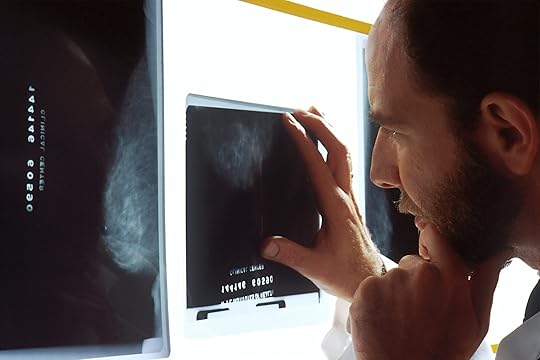
Prostate cancer has affected celebrities like Rod Stewart and Robert De Niro, both of whom made complete recoveries. Prostate cancer is somewhat unusual because these tumours do not rapidly invade other parts of the body as in many other cancers.
In medicine, we know that because it is a very common affliction of older men, most men will die withprostate cancer rather than from prostate cancer. Recently, King Charles was admitted to hospital for treatment for an enlarged prostate. It turned out to be benign. However, while getting his prostate checked, Charles was incidentally diagnosed with a different form of cancer and the King is now undergoing treatment.
But in the King admitting to having a prostate problem, it drove scores of British men to get their prostates checked. The Telegraph newspaper in the UK reported on what Prostate Cancer UK has called the “Charles Effect”. As soon as the monarch’s diagnosis was made public, Prostate Cancer UK’s risk checker received 2,754 visits, compared with 1,703 on the same day the previous week. So over 1,000 more checks, at an increase of over 61 per cent!
In New Zealand, with a population of 5 million people, approximately 4,000 men are diagnosed annually with prostate cancer and around 700 men die from the disease. This is greater than twice the road toll in New Zealand i.e., prostate cancer causes more deaths than motor vehicle accidents every year. According to the Cancer Society in America, prostate cancer is found in almost 300,000 people per year in the USA with an estimated 35,000 men succumbing to the scourge.
This month, the journal Cancer published a study of diets and prostate cancer led by Stacy Loeb, a urologist at NYU Langone Health. Their study concluded that eating a plant-based diet improved the quality of life for people with prostate cancer. Let’s look at the specifics in more detail.
This study from Harvard, sponsored by the Harvard T.H. Chan School of Public Health analysed 3500 men—health professionals defined rather broadly in the group included male dentists, pharmacists, optometrists, osteopaths, podiatrists, and veterinarians—who had been treated for prostate cancer. In this cohort, half had been treated by having their prostates surgically removed, and a third had been treated by radiation as the primary treatment. None of them had metastases.
The researchers looked at three measures following treatment—sexual function (difficulty in maintaining or getting erections), hormone health (mood changes and depression) and urinary symptoms (incontinence or obstruction)—and compared the men’s diets. It turned out that eating a plant-based diet improved sexual function by 11%, mood changes by 13% and urinary symptoms by 14%. They concluded that plant-based diets, improved the quality of life after prostate cancer diagnosis and treatment for men with nonmetastatic prostate cancer.
There are a few limitations in studies such as this. Could it be that a plant-based diet is generally good for cardiovascular and general wellbeing that indirectly influenced the study results? In any case, the results were significant enough to attract attention from the medical community.
A few months ago, I met Suzi Cameron along with her husband, the film director James Cameron of Avatarfame. Suzi was telling me about her book which details the “OMD plan”. OMD is an acronym for one-meal-a-day. Suzi passionately recounted that one person giving up animal products in just one meal a day can save around 750,000 litres of water, or the carbon equivalent of 4800 driving kilometres over a year! For example, you could eat bacon and eggs for breakfast if you wished, but that would be your only meat intake for the day. Essentially, she was saying that eating less meat was better for the planet. Maybe what’s good for the planet could be good for prostates too!
Vincent Van Gogh was supposed to have had a yellow bias in his vision. There is a medical term for this: xanthopsia. Monet was supposed to have had this too, and this is reflected in their paintings. Overdosing on drugs such as santonin, digitalis, phenacetin, and ether can cause this condition. Or even snake venom can. While xanthopsia is known, chloropsia, the green-tinged equivalent is extremely uncommon and an unstudied clinical finding in physical health. But philosophically speaking, people and companies now like to claim some corporate chloropsia. Everyone wants to appear greener than they really are, but who am I to say? However, I will put it like this: When I travel to the USA, “life extension” clinics are everywhere. Maybe when personal longevity is at stake, people might do something for the planet, even if we are among the last generations that will know that we didn’t do enough.
THE END
Prostate cancer has affected celebrities like Rod Stewart and Robert De Niro, both of whom made complete recoveries. Prostate cancer is somewhat unusual because these tumours do not rapidly invade other parts of the body as in many other cancers.
In medicine, we know that because it is a very common affliction of older men, most men will die withprostate cancer rather than from prostate cancer. Recently, King Charles was admitted to hospital for treatment for an enlarged prostate. It turned out to be benign. However, while getting his prostate checked, Charles was incidentally diagnosed with a different form of cancer and the King is now undergoing treatment.
But in the King admitting to having a prostate problem, it drove scores of British men to get their prostates checked. The Telegraph newspaper in the UK reported on what Prostate Cancer UK has called the “Charles Effect”. As soon as the monarch’s diagnosis was made public, Prostate Cancer UK’s risk checker received 2,754 visits, compared with 1,703 on the same day the previous week. So over 1,000 more checks, at an increase of over 61 per cent!
In New Zealand, with a population of 5 million people, approximately 4,000 men are diagnosed annually with prostate cancer and around 700 men die from the disease. This is greater than twice the road toll in New Zealand i.e., prostate cancer causes more deaths than motor vehicle accidents every year. According to the Cancer Society in America, prostate cancer is found in almost 300,000 people per year in the USA with an estimated 35,000 men succumbing to the scourge.
This month, the journal Cancer published a study of diets and prostate cancer led by Stacy Loeb, a urologist at NYU Langone Health. Their study concluded that eating a plant-based diet improved the quality of life for people with prostate cancer. Let’s look at the specifics in more detail.
This study from Harvard, sponsored by the Harvard T.H. Chan School of Public Health analysed 3500 men—health professionals defined rather broadly in the group included male dentists, pharmacists, optometrists, osteopaths, podiatrists, and veterinarians—who had been treated for prostate cancer. In this cohort, half had been treated by having their prostates surgically removed, and a third had been treated by radiation as the primary treatment. None of them had metastases.
The researchers looked at three measures following treatment—sexual function (difficulty in maintaining or getting erections), hormone health (mood changes and depression) and urinary symptoms (incontinence or obstruction)—and compared the men’s diets. It turned out that eating a plant-based diet improved sexual function by 11%, mood changes by 13% and urinary symptoms by 14%. They concluded that plant-based diets, improved the quality of life after prostate cancer diagnosis and treatment for men with nonmetastatic prostate cancer.
There are a few limitations in studies such as this. Could it be that a plant-based diet is generally good for cardiovascular and general wellbeing that indirectly influenced the study results? In any case, the results were significant enough to attract attention from the medical community.
A few months ago, I met Suzi Cameron along with her husband, the film director James Cameron of Avatarfame. Suzi was telling me about her book which details the “OMD plan”. OMD is an acronym for one-meal-a-day. Suzi passionately recounted that one person giving up animal products in just one meal a day can save around 750,000 litres of water, or the carbon equivalent of 4800 driving kilometres over a year! For example, you could eat bacon and eggs for breakfast if you wished, but that would be your only meat intake for the day. Essentially, she was saying that eating less meat was better for the planet. Maybe what’s good for the planet could be good for prostates too!
Vincent Van Gogh was supposed to have had a yellow bias in his vision. There is a medical term for this: xanthopsia. Monet was supposed to have had this too, and this is reflected in their paintings. Overdosing on drugs such as santonin, digitalis, phenacetin, and ether can cause this condition. Or even snake venom can. While xanthopsia is known, chloropsia, the green-tinged equivalent is extremely uncommon and an unstudied clinical finding in physical health. But philosophically speaking, many people and companies are claiming “corporate chloropsia.” Everyone wants to appear greener than they really are, but who am I to say? However, I will put it like this: When I travel to the USA on lecture or book tours, “life extension” clinics are everywhere. Maybe when personal longevity is at stake, people might do something for the planet, even if we are among the last generations that will know that we didn’t do enough.
THE END
February 10, 2024
Wrinkles and Aging: Chicken and Egg?
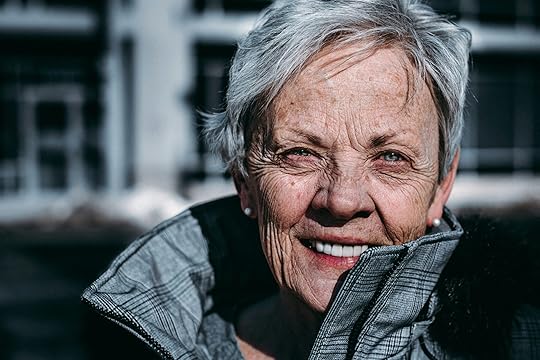 Photo by Ravi Patel from Unsplash
Years may wrinkle the skin, but to give up interest wrinkles the soul. ~ Douglas MacArthur
People who know me have heard me say in several media interviews, “One cannot have bad health and good skin.” As a skin doctor, I have a personal, clinical and research interest in our largest organ.
A few years ago, I developed the concept of biodynamic skin tension lines (BEST lines) that not only help surgeons plan surgery with less scarring, but this research opened my eyes into how skin tension affected so many aspects of health, including mental health. For example, in studying scalp hair-whorl patterns, I found that abnormal patterns indicated suboptimal brain expansion in the womb and could be a predictor of schizophrenia. Therefore, if wrinkles predict ill health, does the reverse apply i.e., can bad skin health indicate underlying disease? It is as if, from a philosophical view, skin decided to reverse the equation on us.
From an applied physics point of view, skin is an elastic solid. If human skin is viewed such a physical membrane, wrinkles fundamentally occur because a keratinocyte-stiffened epidermis (top layer of skin) drapes a softer and thicker dermis (bottom layer of skin). Of course, anatomical sites like knees and elbows have wrinkles that are ‘tension’ wrinkles (two-dimensional, due to geometry and joint action) and in other areas like forehead, muscle action causes ‘compression’ wrinkles (one- dimensional due to muscle action such as frowning). My research into skin lines and wrinkles ended up with a commercial application: Notox, a non-toxin-based skincare range of wrinkle-reducing products.
Tybjærg-Hansen and others studied over 10,000 people in Denmark and found that skin creases in certain locations like ear lobes indicated the body’s biological age and was an indicator for heart disease. My studies also showed that under each new wrinkle we develop (within ±1 mm) lies a lymphatic vessel and its surrounding tube of adipose tissue. So the development of new skin lines many also mean changes beneath. We are only now beginning to understand what this means. This finding fitted in with my original theory of skin merely reflecting what happens underneath, within our body’s organs and metabolic systems. It also mirrored what I see in clinical practice. For example, shingles in older people may indicate health risks beyond what we see on skin. In fact, research shows that for 3–12 months following an attack of shingles that is seen on skin, people older than 50 have a higher risk for stroke or heart attacks.
We know the most common cause of sun damage, especially in New Zealand and Australia is UV damage from the sun. But now we know that sun damage decreases hippocampal neurogenesis i.e., new nerve cell production which in turn increases the risk of dementias such as Alzheimer’s disease.
As we age, our skin develops more senescent cells. This shortened lifespan of skin cells is a preventive mechanism to protect us from cell overgrowths that can end up as skin cancer. But as more of these types of skin cells are produced, they end up affecting adjacent cells metabolically by secreting factors known as the senescence-associated secretory phenotype (SASP). These have paracrine actions i.e., affect adjacent cells as opposed to endocrine actions that affect distant organs via the blood stream.
New research from a group in Portugal led by Cláudia Cavadas suggests that these senescent skin cells can induce or accelerate the age-related dysfunction of other nearby cells irrespective of their different origins. These cells induce changes that cause organ and immune systems to make the whole body age. Therefore, not only does bad health cause aging, but aging skin can cause problems in other organs also. This is an area of research interest for me, but from a practical point of view, it means taking care of one’s skin health is important. My research lab-based skincare company is aptly named the Healthy Skin Lab, and for those interested you can find cleansers, sunscreens, serums, and oils for all your skin’s needs.
As I finish writing this piece, I run my hands on my skin. What I feel is a time machine that has somehow transported ancient biological signals to our messy and vain human bodies that never seem satisfied.
THE END
Note: This blog is about science-communication, education, interesting science, and new medical research to do with (mostly) health and skin. It is not individual one-on-one medical advice. Please do not stop any medications without consulting your own doctor.

