Books, Grief, and #Outlander
Sometimes you just know things. A thought, unbidden, rises with certainty. Not something hoped for. Not something expected. But something Known.
When I heard my mom had a mass in her lung, I knew it was cancer. And before the radiation and chemo and pet scans, I knew–just as sure as autumn’s days grow shorter–that when the season’s chill gave way to cold, she would also give way to something, to whatever comes After.
This brave, wise, and faithful woman taught me to live. Now, as these numbered days march on, she teaches me the Final Lesson. How to die. The one thing that she cannot teach me is how to go on without her. This lesson I must figure out on my own, and a lonely, stumbling journey it is.
Raised with books as I was, I look there for solace: I try to find escape; I try to find guidance. Something to hold onto when I can no longer hold her.
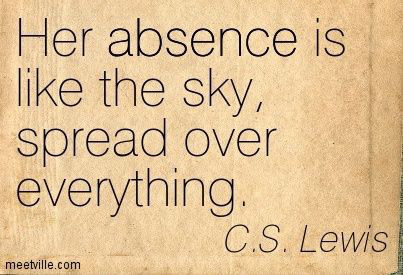
A pile of books waits for me next to my bed. The spines cracked with use. Pages dog-earred. C. S. Lewis shared his own journey in A Grief Observed, and I cling to it like a map out of the abyss. I spare a thought for the repose of his own soul, and in the next ragged breath I say a word of thanks for Diana Gabaldon and her Outlander series. Mere words on paper, to be sure, but words that have helped me untangle thoughts, find hope and faith, soothe both anger and fear… Now I turn to those beloved books in the blind panic of a grief much dreaded.
Considering the span of years (and the time period) which Gabaldon’s books cover, it is only natural that death and loss occurs. Claire’s parents. Jamie’s parents. Murtaugh. Ian Murray. Frank. Mrs. Bug. Faith. Even merely presumed deaths cast a long shadow across the page.
We see death through the eyes of so many characters. And, in them, we see ourselves Every stage of grief is represented: denial, anger, bargaining, depression, then finally…acceptance.
Last night I reread the pages of Ian Murray’s death. I grabbed the book off the pile and took it with me to my son’s football practice. The heat of the day had dissolved into a crisp breeze, and the Oklahoma sun was blazing pink and yellow behind the black of the shadowed tree line. Under dusk’s shadows, I flipped through the pages until I found it.
The death was neither easy nor poetic, but his soul’s final passage was a gentle slipping away.
He didn’t speak again but seemed to settle, his body diminishing as life and breath fled from it. When his last breath came, they waited in dull misery, expecting another, and only after a full minute of silence did they begin to look at one another covertly, stealing glances at the ravaged bed, the stillness in Ian’s face–and realized slowly that it was over at last.
Despite the fact that we know it is coming, we never quite expect it; we wait for a breath that never comes, and glance at one another for confirmation. Is this it? Is this all? We always want there to be more.
They move on. Then we move on. We proceed with preparations. Busy ourselves with What Must Be Done. But realization finds us in the quiet moments. It always does.
When Jamie and Jenny find a quiet moment together, Jenny asks her brother the thought that has lingered in her mind despite her distractions:
“Where d’ye think he is now?” Jenny asked suddenly. “Ian, I mean.”
He glanced at the house, then at the new grave waiting, but of course that wasn’t Ian anymore. He was panicked for a moment, his earlier emptiness returning–but then it came to him, and, without surprise, he knew what it was Ian had said to him.
“On your right side, man.” On his right. Guarding his weak side.
“He’s just here,” he said to Jenny, nodding to the spot between them. Where he belongs.”
This is what I am holding on to…that long after I stop waiting for the breath that never comes, I will always find her, just there, guarding my weak side.