Don't hop, skip or jump away from sexual abuse prevention!
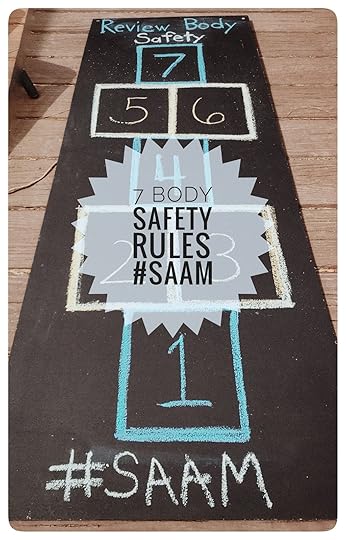 7 Quick Tips on Teaching Body Safety As the end of Sexual Abuse Awareness Month comes to a close, I thought I would share my voice with a closing article on Body Safety for Kids inspired by an Instagram contest run by the National Sexual Violence Resource Center. Below are 7 quick tips for parents to think about as they try to educate and protect their children. Sexual abuse is preventable! It starts with us...1. Talk About Body Parents EarlyName body parts and talk about them early. Use “doctor names” for body parts with children. Knowing the correct names for body parts will help children in the event they need to report an abusive or scary situation. During my first year of teaching a child reported to me that, “my dad touched my cookie”. I had no idea what this student meant. She was persistent in telling me about this situation and eventually we both understood. She didn’t know my word and I didn’t understand her word. We were speaking a different language and that slowed down my understanding of her report. It’s certainly ok to have the nick names/ slang terms for private parts. Just make sure these names go along with “doctor words” all adults understand.2. Establish Body BoundariesIt is key that we have open conversations with our children at an early age to help them learn who is allowed to help take care of them and keep them clean. Kids can be curious, silly, goofy, run around naked, and say all sorts of things. They want to touch and see everything. This is a very healthy and normal stage of development. There is a fine line between making kids paranoid and feeling ashamed of their bodies, versus teaching them with clear and direct information to keep safe and healthy. It is important to teach kids that the private areas are areas for them to touch, and nobody else. Kids need to be taught that they are the boss of their own bodies and they have the right to refuse unwanted touch.3. Review No Secret Policy for Private PartsChildren need to know that it is never ok for anybody to tell them to keep a secret about a private part or activity involving anything that makes them feel uncomfortable, scared or uneasy. Once a person asks to keep this type of secret from your parents it is an automatic red flag. Teach kids to report all red flags to you for safety. Remind kids that no matter what you will listen and believe them. Sexual abuse is never a child’s fault.4. Talk About Emotions and FeelingsHave an open conversation with your child about how to identify their feelings in general.If your child had a wonderful day bring up new words to describe their feelings. Where did they feel happy? Were they excited? What was the best part of their day? When they have a bad day make sure to ask open ended questions. Begin to label feelings with colors red/ green. Sometimes feelings can be hard to understand. Teaching kids to be mindful of their emotions and feelings and share them with you will help them communicate in all aspects of life. An open relationship encourages kids to share their successes, failures, and reach out for help when they need you.5. Online Review of SafetyDiscuss with children the danger of the online world. Kids need to know what to do if they see an inappropriate photo online. Any naked photos or inappropriate websites should be reported to parents or caregivers. Online pornography has become the a new anonymous sexual abuse predator. Kids can see images and videos they are not developmentally able to understand or handle. Kids can repeat behaviors seen online at school without understanding what they are doing. Texting and social media should be discussed and frequently monitored as well. Nobody should ever ask your child to send a picture of their private parts. Nobody should send a picture of private parts. If this happens… Red Flag! Report it to a safe adult. 6. Discuss ConsentIntroduce the topic of consent early. Nobody has the right to touch your child without their permission. It’s ok for kids to say no to a hug from or other forms of affection. Teaching kids the power of no and their rights to privacy and respect will help children stay safe, speak up and tell. Teach kids to ask for consent, listen for a clear answer, and respect the answer.7. Red Flag Code WordIf your child is at a playdate, sporting event, church activity and they want to leave for any reason it is important to establish a no questions asked code word. Your child can call or text you the code word and you can go pick them up immediately. This comes in handy when they may find themselves in an uncomfortable circumstance. A red flag code word can help your child get out or evade an uncertain or scary circumstance before there is a problem with less worry.For more information on sexual abuse prevention please visit darkness2light.orgAccording to D2L.org, “Adult Education is key to preventing childhood sexual abuse”. As sexual abuse awareness month closes, let’s make the balance of the year about sexual abuse prevention.


No comments have been added yet.