Year of the Monarch: The Native Wildflowers Formerly Known as Weeds

I grew up a child of the earth. My paternal grandfather was a farmer, my mother and father more than hobbyists at growing things. Putting hand to earth has been my heritage. I was raised in rhythm with the seasons—the cycles of sowing, tending, and harvesting part of my DNA. Each season had its own celebrations: the waking of spring, a song of wildflowers; summer, catching fireflies; the harvest feasts of the fall, lit by bawdy bonfires; the shut-in-ness of winter, taste of cellared root vegetables on the tongue.
It was my way of life.
butterfly weed, pictured here, is a form of milkweed!
Until it wasn’t. And that thing that happens to most young people when they leave their family of origin and start to make their own life happened to me: I chose a different way. I learned the way of apartment dwelling and side-walked streets. Later, I traded that world of concrete for the way of the suburb—all those tidy squares of fescued lawns.
I forgot the joy of sky-filled days and running barefoot over the earth—one way the holy men and women of old considered that the sacred blessing of the earth enters our bodies. They believed with nothing tangible between our feet and the ground, the sacredness of mother earth flows freely up through the soles of our feet and into our very being. Yet, the skin on the soles of my feet became soft and blind, wiped clean of the memory of the earth’s crust.
In my blindness, the old ways would whisper to me sometimes. The turn of seasons brought inexplicable sadness and a longing to be outdoors. I now know I was experiencing what is known as earth grief in conservation circles. It is part of what Francis Weller, in his book The Wild Edge of Sorrow calls the third gate of grief.
“[A] facet of the third gate is the loss of our connection with nature. We no longer live with a sensuous intimacy with the wind, rivers, rainfall, and birdsong. For many of us, the voices of the wild world have faded, receded in mind and imagination. The philosopher Thomas Berry said that we have become autistic to the world and have ceased to register the songs and moods of the singing planet. Human biologist Paul Shepard said, ‘The grief and sense of loss, that we often interpret as a failure in our personality, is actually a feeling of emptiness where a beautiful and strange otherness should have been encountered.’”
I felt that loss of that beautiful and strange otherness.
So, in a near-miss, I embarked upon that truly suburban ideal of gardening known as landscaping. I traded that soul-connection with mother earth for a pair of rubber-soled garden clogs.
In my neatly manicured suburban world, I scrubbed my lawn clean of “weeds” and all the plant life that spilled over from the meadow behind our house. I waged war on the wild violets and milkweed that sprouted up through my carefully planted daylilies every year. I mulched and edged and pulled up by the root. I tried to make my flower gardens look like the neatly tended beds featured in House Beautiful.
But the meadow fought back. If I looked the other way for any amount of time, the native plants that that grew on my patch of land before it became a subdivided lot stubbornly kept coming back. All it took was a week-long family vacation and when we returned? The back yard had re-wilded itself. Blue mistflower, wingstem, ironweed, Joe pyeweed, the violets (oh, the violets!) and milkweed … all the grasses that used to grow wild when this plot of land where my home stands used to be a meadow for horses.
And then one day everything changed.
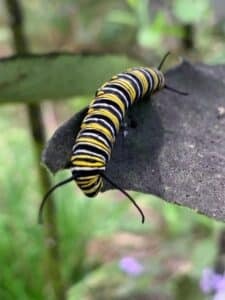
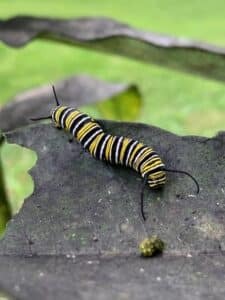
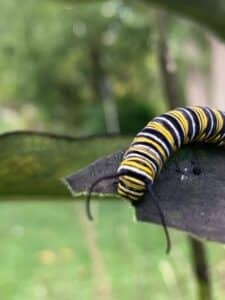
I remember standing over my daylilies, overwhelmed by the milkweed that kept insisting on crowding in. When suddenly, I noticed color and movement among the green. I moved closer. There, making a quick meal of that trespassing milkweed, was a monarch caterpillar—so vibrantly beautiful with its yellow, black, and white bands. I knew what this creature was, but it wasn’t until I did a little research that I understood the value of that encroaching milkweed to a fading population of monarch butterflies. I learned that milkweed is the only food the monarch caterpillar eats. And the disappearance of this food source due to land development and other habitat dangers has led to a drastic reduction in the monarch butterfly population. I had no idea that my backyard exploits could impact a species—even in a small way. But they do. And yours can too.
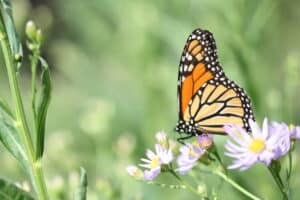
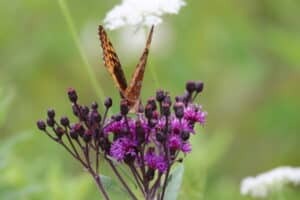
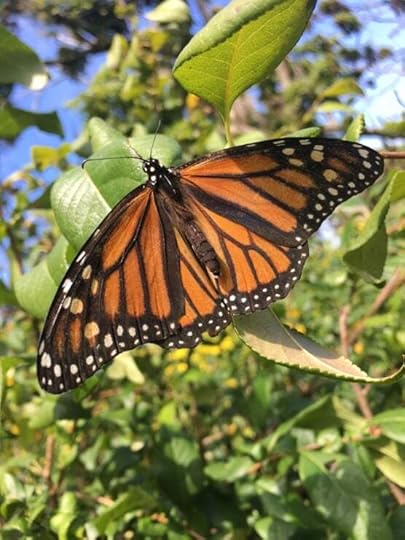
It’s been a few years since I spotted that first monarch caterpillar. I no longer pull up the milkweed in the back yard. In fact, I’ve planted more. My flower beds have gone a little wild. My formerly landscaped plantings now happily co-exist with native wildflowers (formerly known as weeds). It’s not perfect, but with each year my neglectful pruning is rewarded with more diverse wildlife in my small back yard. And increasing numbers of monarch butterflies.
Learn more about the Year of the Monarch and take the pledge!

West Virginia Wildlife Extension Specialist Sheldon Owen recently told a class of budding Master Naturalists, “A wilder backyard is better for wild life.” Here are some tips from Owen to help establish a wild backyard habitat:
Edging. Mow or edge around beds of native growth. This gives a crafted appearance and may delight the neighbors.Plant natives when able. Most communities have native plant societies who will be happy to advise. Native plants attract native pollinators, are usually better sources of nectar and pollen, and provide specific foods for specific caterpillars (like milkweed for the Monarch).Choose plants that flower at different times to provide food throughout the growing season.Use container gardening to plant natives if you are hesitant about letting your yard go wild. Plant in clumps rather than single plants (Owen says it takes 30 stems of milkweed to get one Monarch to Mexico).Plant a variety of colors and shapes.Pay attention to vertical and horizontal space—plant tall and short plants.Try using attractive signage to explain this is a pollinator habitat. This can also go a long way in helping your neighbors understand what you are up to.Contact your state Department of Natural Resources for helpful resources and suggestions, as well as possible programs that may assist you in your pollinator garden endeavor. In West Virginia, we have a Wild Yards program that provides a variety of resources and support, and also certifies qualifying applicants as designated “wild yards.” ( Download the Wild Yards “Book” here )Try It: Native Wildflowers Poetry PromptWhile you’re taking in the tips to grow native wildflowers, try penning a poem to your favorite native wildflower. Poetry thrives on the specificity of names, so feel free to research a little if you’re not sure of the names of the wildflowers in your region!
Photos and post by Laura Boggess, author of Mildred’s Garden, Waiting for Neruda’s Memoirs and serial novel The Honey Field.
The post Year of the Monarch: The Native Wildflowers Formerly Known as Weeds appeared first on Tweetspeak Poetry.