Turtle Bay Terrain: Exploring the terrain of Turtle Bay.
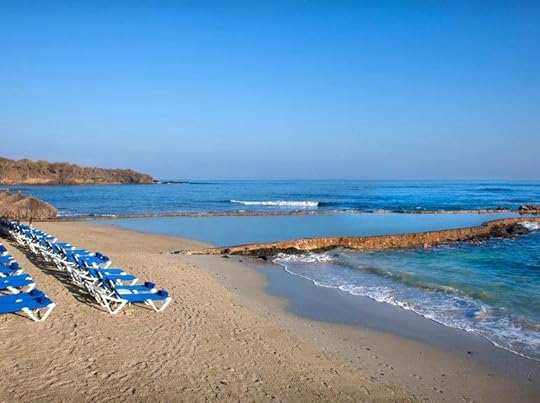
Turtle Bay, located on the North Shore of Oahu, Hawaii, is renowned for its stunning landscapes and diverse ecosystems. From lush green cliffs to sandy beaches, the terrain of Turtle Bay offers an array of natural wonders. In this article, we will explore the geographical features, biodiversity, recreational activities, and how the terrain contributes to the uniqueness of Turtle Bay. We’ll uncover what makes this destination a must-visit for nature lovers and adventure seekers alike.

The geographical features of Turtle Bay are as varied as they are striking, making it a geographic marvel in the Hawaiian archipelago. The area is characterized by its dramatic cliffs, pristine beaches, and verdant valleys that rise sharply from the Pacific Ocean. Notably, the coastal region presents a series of tidal pools that are teeming with marine life, providing ideal spots for snorkeling and exploration. The presence of lush rainforests provides habitats for various bird species and endemic plants. The mix of coastal and inland ecosystems creates a unique biodiversity hotspot that captures the attention of scientists and conservationists alike.
Additionally, Turtle Bay is home to some of the most picturesque lagoons and estuaries in Hawaii. These bodies of water serve not only as tranquil retreats for visitors but also play a key role in the local ecology. The interaction between freshwater and saltwater creates a dynamic environment that nurtures marine habitats. The combination of cliffs, beaches, and wetlands makes Turtle Bay a perfect site for both environmental preservation and recreation.
Biodiversity at Turtle BayThe biodiversity found within the Turtle Bay terrain is noteworthy, offering insights into the complex ecosystems that thrive in this coastal region. A wide variety of seabirds, including the endangered Hawaiian monk seal, can often be spotted in this home away from modern civilization. The rich marine life, including colorful corals and fish species, is a testament to the health of the ocean surrounding Turtle Bay, hence making it an excellent spot for snorkeling and diving.


Furthermore, the preservation efforts in and around Turtle Bay have been crucial in maintaining this biodiversity. Conservation programs focus on protecting native species and restoring habitats, which enhances the natural beauty and ecological integrity of the area. Visitors to Turtle Bay are often awed by the diversity of wildlife they encounter, as it truly reflects the Hawaiian spirit of ‘Aloha’ towards nature.
Recreational Activities in Turtle BayTurtle Bay’s terrain offers a myriad of recreational opportunities. The scenic beaches invite sunbathers and swimmers to enjoy the azure waters, while the varied terrain is perfect for hiking, biking, and horseback riding. Trails winding through the rainforest and along cliff edges provide breathtaking views of the coastline and outlying islands. For those seeking water sports, the bay is ideal for surfing, paddleboarding, and kayaking, with rental facilities available for visitors.
The unique combination of land and sea activities makes Turtle Bay a favored destination for adventure tourism. Kayaking through the lagoons offers an up-close encounter with wildlife, while surf lessons cater to all skill levels, making the waves of Turtle Bay accessible to anyone looking to ride the surf. Evening walking tours of the beach highlight the starry night skies and provide an opportunity to learn more about the local culture and history surrounding Turtle Bay.
Conservation Efforts and Ecological ImportanceConservation efforts in Turtle Bay aim to protect and preserve its diverse ecosystems. Organizations work tirelessly to ensure that the delicate balance between tourism and ecological health is maintained. These efforts include cleaning beach areas, monitoring wildlife populations, and promoting responsible tourism practices. Education programs targeting visitors focus on the importance of sustainability and conservation, providing insights into how they can play a role in protecting this fragile environment.
Additionally, the restoration of native flora is critical in combatting the invasive species that threaten local ecosystems. Projects that involve community participation not only enhance the natural landscape but also foster a deeper connection between visitors and the local community. The engagement with the land helps instill a sense of responsibility for its protection. These conservation initiatives underscore Turtle Bay’s ecological importance as a vital area for biodiversity while ensuring its beauty remains pristine for future generations.
ConclusionIn summary, the terrain of Turtle Bay is a captivating blend of stunning geographical features, rich biodiversity, and recreational opportunities. Its combination of cliffs, beaches, and ecological systems offers unique experiences for adventurers and nature enthusiasts alike. The ongoing conservation efforts play a vital role in preserving this iconic destination, ensuring that its natural beauty is cherished and maintained. Turtle Bay is not just a place to visit; it is a sanctuary that fosters respect for our environment and the diverse life it supports. As you explore Turtle Bay, you will undoubtedly appreciate its enchanting landscape and the importance of preserving its environment.
FAQsAt Turtle Bay, visitors can spot various seabirds, Hawaiian monk seals, and several marine species, including green sea turtles and colorful fish.
2. Are there hiking trails in Turtle Bay?Yes, Turtle Bay offers numerous hiking trails winding through lush forests and along scenic cliffs, providing stunning views of the coastline.
3. What outdoor activities are available in Turtle Bay?Outdoor activities include swimming, snorkeling, surfing, paddleboarding, kayaking, hiking, and horseback riding, catering to varying interests.
4. Is there an entrance fee to access Turtle Bay?While Turtle Bay Resort may have specific facilities with fees, access to public beaches and hiking trails is generally free of charge.
5. How can I support conservation efforts at Turtle Bay?You can support conservation efforts by participating in local clean-ups, respecting wildlife habitats, and following leave-no-trace principles while visiting.
The post Turtle Bay Terrain: Exploring the terrain of Turtle Bay. appeared first on .