Strolling Boston’s Beacon Hill
When people think of walking tours in Boston, what they probably think of is the Boston Freedom Trail, which connects 16 sites relevant to Boston’s colonial history as well as the American Revolution. But what many don’t realize is there is a great walking neighborhood right next to the Freedom Trail, and that’s Beacon Hill.
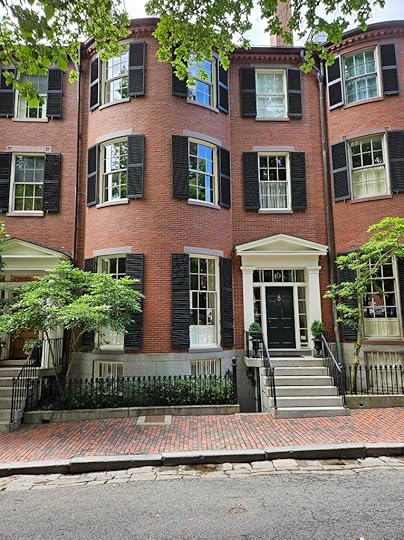
Standing just north of Boston Common, Beacon Hill has always been one of the city’s most high end neighborhoods. It was built primarily in the first couple decades of the 19th century, as Boston expanded following the Revolutionary War. Today, it’s known for its brick homes, cobblestone streets, and gaslit lamps. It’s also a neighborhood rich in African-American, literary, and women’s history. Strolling Beacon Hill, you get to experience the Boston after the Revolution.
My family and I had the opportunity to do a little ‘workcation’ in Boston for about a week over the summer, housesitting for a family traveling overseas. And during that time, I got to explore Beacon Hill over the course of a couple days. Coupled with the Freedom Trail, you really get a good look at central Boston.
A good place to start a walk around Beacon Hill, is the Massachusetts State House, which is also a stop on the Freedom Trail.
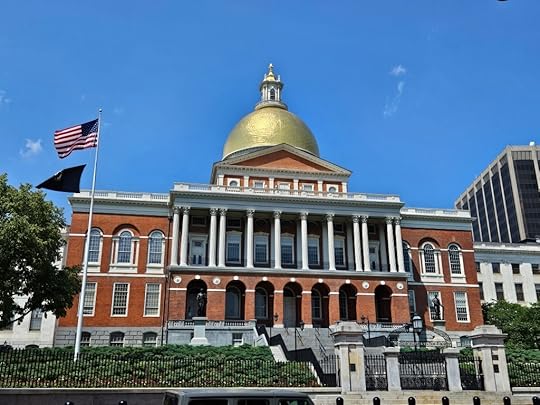
Constructed in 1798, the Massachusetts State House was designed by Boston-bred architect Charles Bulfinch. Bulfinch was part of a group of developers that built much of Beacon Hill, and he would go on to be one of the architects for the US Capitol Building.
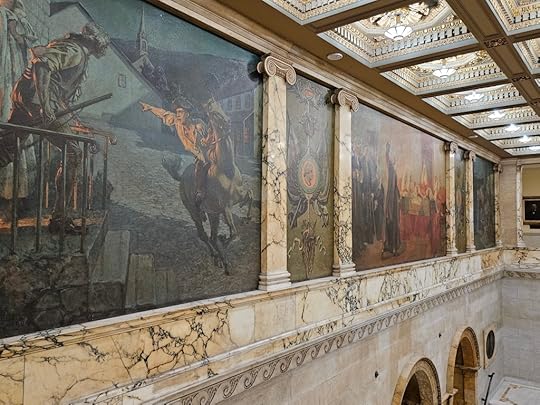
Touring inside the state house is free, and definitely worth the time. The building has been expanded multiple times over the centuries, but the different sections of the interior are stunning. Murals depict some of Boston’s most iconic historical moments, such as Paul Revere’s Ride and the Boston Tea Party.
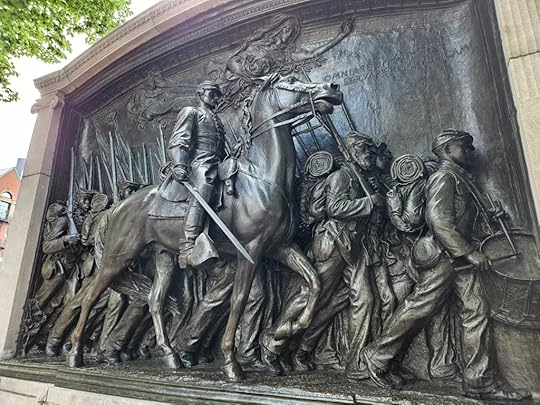
Right across the street from the state house is the Robert Gould Shaw and 54th Regiment Monument. The 54th Massachusetts was an all-black regiment that fought in the Civil War. You may be familiar with their story if you’ve seen the movie Glory, starring Matthew Broderick, Denzel Washington, and Morgan Freeman. The details and depth of the relief are really spectacular to see. Sculptor Augustus Saint-Gaudens based each face on a real person. Shaw, the officer in charge of the 54th, was a resident of Beacon Hill.
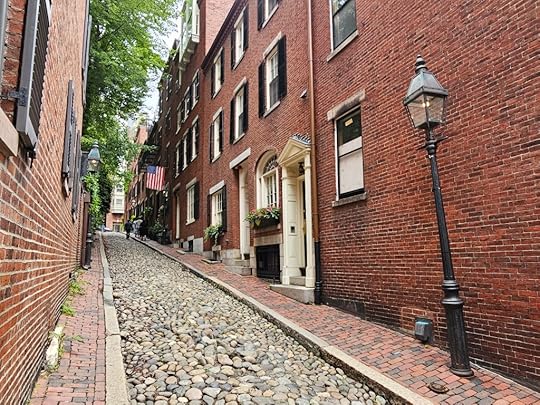
Now, it’s time to head into the neighborhood itself. Beacon Hill is on, appropriately, a hill. And there used to be a beacon on top, as a way to warn the city of danger. But today, it’s all residential. There isn’t much in the way of attractions, or specific stops. This is mostly a place to stroll, take pictures, and enjoy the atmosphere and the architecture.
The most popular place to take pictures in Beacon Hill, and perhaps all of Boston, is Acorn Street. This small cobblestone way attracts photographers and Instagrammers all day long, to the annoyance of the locals. You shouldn’t let that deter you from taking a look, but do respect their space and remember that the road is actually privately owned.
Near Acorn Street is Louisburg Square, the exclusive neighborhood within the exclusive neighborhood. One of the many historical celebrities that lived here was Louisa May Alcott, author of Little Women. 10 Louisburg Square was her last address before entering hospice care and passing away.
One of the few ‘attractions’ of sorts within the neighborhood is the Museum of African-American History. Although the south slope and top of Beacon Hill have always been exclusive, the north slope was working class and, for a long time, predominately African American. The museum coordinates a Black Heritage Trail that visitors can take within the neighborhood. It’s also a partner with the National Park Service, which oversees an assortment of buildings throughout the neighborhood as the Boston African American National Historic Site. These buildings, many of them privately owned today, interpret the neighborhood’s role in the Underground Railroad, as well as the north slope’s historic African American community.
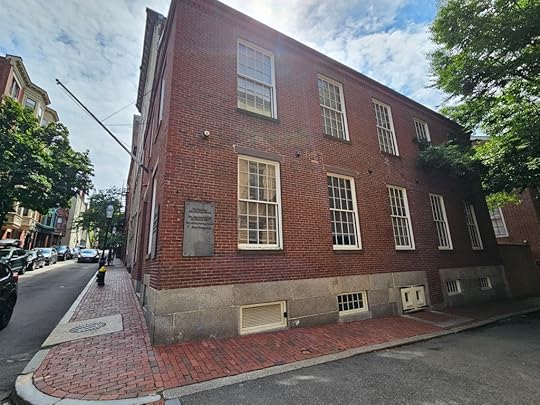
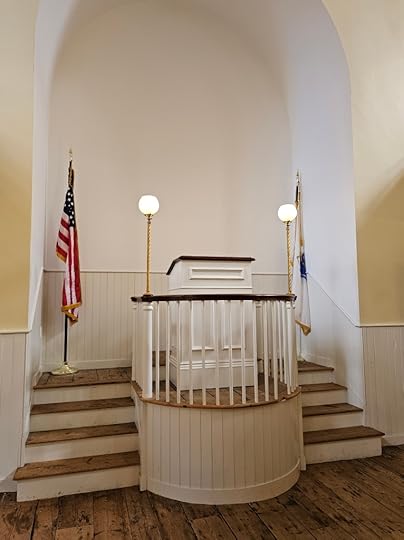
The museum is housed within an old segregated school. The museum itself is pretty small, but the highlight is the building behind it: the African Meeting House. This building not only served as a church, but as a community center and gathering space for the African American community that lived in Beacon Hill’s north slope. It’s also considered the oldest black church still standing in the United States. During the guided tour of the Meeting House, you have the opportunity to stand at the pulpit where abolitionists like Frederick Douglass and William Lloyd Garrison once preached. It’s a pretty moving experience!
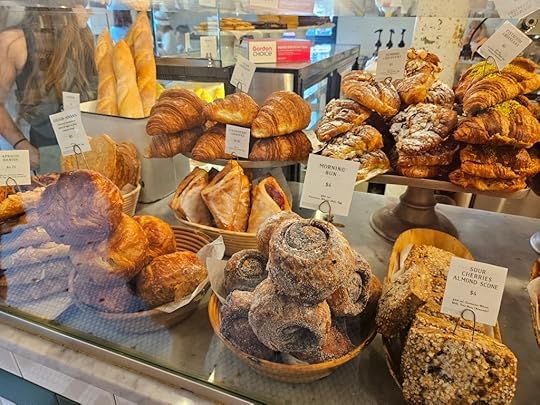
One knock against Beacon Hill is that although there are plenty of good places to walk, there aren’t so many great places to sit. So even though the neighborhood isn’t large, making a stop at a cafe or restaurant is probably in order for a quick breather. Personally, I loved Tatte Bakery and Cafe. There are several locations around the Boston area, but one is conveniently located on Charles Street in Beacon Hill. The coffee’s good, the pastry options are decadent and numerous (good luck making a choice) and I had a fantastic sandwich. And you know what, the prices really aren’t that bad either, considering Boston. So Tatte would be my pick for a quick treat in Beacon Hill.
Lastly, Beacon Hill is adjacent to Boston Common and Boston Public Gardens, two beautiful parcels of parkland in the middle of the city. Boston Public Gardens is especially nice, with the historic swan boat rides, the Make Way for Duckling sculpture, and my favorite hidden gem: the bench from Good Will Hunting.
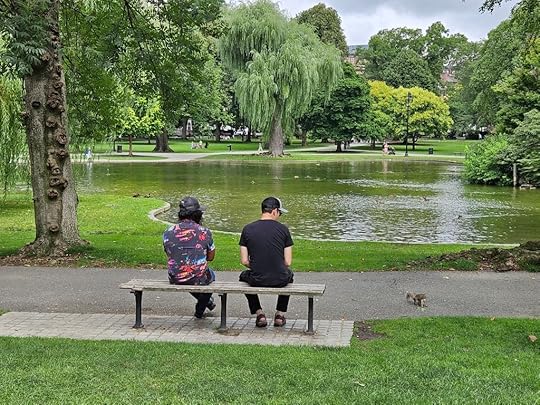
If you’ve seen the movie, you can probably recall the scene where Matt Damon and Robin Williams sit down on this very bench for a heart to heart. The bench is located on the west side of the pond, in a triangle of grass near what Google Maps calls “Duck Island.” And a small distance behind the bench, you’ll see an equestrian statue of George Washington. So if a place to sit is in order, I recommend this spot right here. And it’s also a great place to finish your walking tour of Beacon Hill.
Have you been to Beacon Hill? What’s your favorite thing to see there? Let me know in the comments!