Ancient Chinese Textiles Showing Phoenix Molting Cycles
Ancient Chinese textiles often depict phoenix molting cycles as symbols of renewal, transformation, and resilience. You’ll notice detailed embroidery and vibrant dyes capturing the phoenix’s shedding feathers and rebirth, reflecting cultural values of virtue and hope. These designs highlight the phoenix’s dynamic poses and flowing lines to symbolize change. Exploring further reveals how these motifs embody profound spiritual and societal meanings that have shaped Chinese textile art over centuries.
Key TakeawaysAncient Chinese textiles depict phoenix molting with flowing feathers shedding, symbolizing renewal and transformation.Textile designs often highlight the dynamic phases of a phoenix’s molt through stylized feathers and movement.Natural dye techniques emphasize color gradients to illustrate the shedding process and rebirth symbolism.Embroidered motifs include detailed representations of feathers falling, emphasizing the cycle of renewal.Preservation of these textiles reveals intricate depictions of phoenix molting, reflecting cultural beliefs in rebirth and resilience.The Symbolism Behind Phoenix Imagery in Ancient China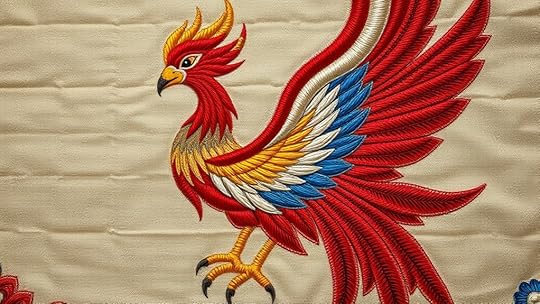
Have you ever wondered why the phoenix is such a prominent symbol in ancient Chinese textiles? The answer lies in its rich phoenix mythology and deep cultural symbolism. In Chinese tradition, the phoenix represents virtue, grace, and renewal, embodying the harmonious balance of yin and yang. It’s seen as a sign of imperial power and auspiciousness, often linked to the Empress and feminine energy. Artists and weavers incorporated phoenix imagery to convey messages of prosperity, longevity, and rebirth. The bird’s vibrant feathers and majestic posture made it an ideal motif for textiles meant to honor gods or royalty. When you see phoenix designs woven into ancient fabrics, you’re witnessing symbols that express hopes for harmony, renewal, and enduring virtue rooted in centuries-old cultural beliefs.
Techniques and Materials Used in Crafting Phoenix Textiles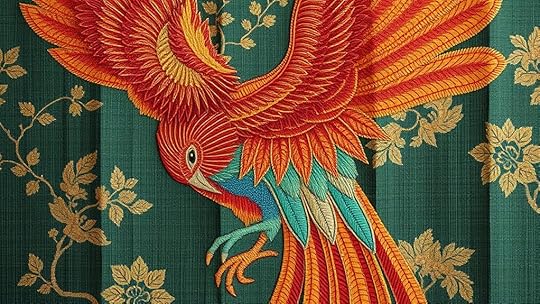
You’ll notice that traditional dyeing methods bring vibrant hues to phoenix textiles, highlighting their symbolic significance. Using silk and natural fibers guarantees the fabrics are both durable and luxurious, reflecting ancient craftsmanship. Exploring these techniques reveals the artistry behind creating these stunning, meaningful textiles.
Traditional Dyeing MethodsWhat ancient techniques did artisans use to achieve the vibrant hues seen in phoenix textiles? They relied on natural dyes extracted from plants, minerals, and insects, carefully selecting materials to obtain rich, lasting colors. Traditional dyeing methods involved multiple dye baths and mordants like alum or iron to enhance dye adherence and improve dye colorfastness. These techniques helped preserve textile quality over centuries, ensuring the colors remained vivid despite time and wear. Artisans also developed methods to control dye penetration, which contributed to textile preservation and consistent coloring. By mastering these dyeing processes, they created textiles that not only showcased striking, vibrant hues but also maintained their beauty, allowing phoenix motifs to symbolize renewal and energy across generations.
Silk and Natural FibersAncient artisans harnessed the luxurious qualities of silk and other natural fibers to craft phoenix textiles that radiate liveliness and elegance. Silk’s sheen and durability made it ideal for capturing intricate phoenix designs and molting cycles. They carefully selected fibers like ramie, hemp, and cotton to enhance texture and color vibrancy. To guarantee textile preservation, they used techniques that minimized deterioration over time, helping these fabrics survive centuries. Today, modern reproduction efforts aim to replicate these iconic textiles, combining traditional methods with advanced preservation techniques. By understanding the materials and craftsmanship, you can appreciate how these natural fibers contributed to the textiles’ resilience and beauty. This knowledge also helps in conserving existing pieces, ensuring their historical significance endures for future generations.
The Significance of Molting Cycles in Chinese Mythology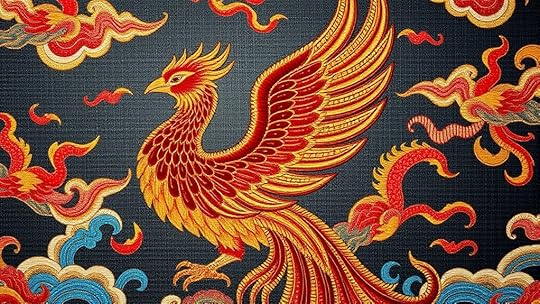
You might notice how molting cycles in Chinese mythology symbolize renewal and transformation. These cycles represent the shedding of old forms to embrace new beginnings. Exploring their mythological significance reveals deep cultural values about growth and rebirth.
Symbolism of RenewalIn Chinese mythology, molting cycles symbolize renewal and transformation, reflecting the natural process of shedding old layers to emerge refreshed. The phoenix symbolism often depicts this renewal, illustrating how the mythical bird undergoes molting to rise anew from ashes. These cycles represent hope, rebirth, and the continuous cycle of life, emphasizing that endings lead to new beginnings. When ancient textiles display phoenix imagery, they convey a message of resilience and renewal, reminding you that change is essential for growth. The concept of molting cycles reinforces the idea that transformation is a crucial part of life’s rhythm. By embracing these cycles, you recognize the power of rebirth and the importance of shedding the past to embrace future possibilities.
Mythological SignificanceMolting cycles in Chinese mythology symbolize profound themes of transformation and renewal that go beyond mere natural processes. The phoenix feather, associated with this cycle, represents rebirth, immortality, and divine power. When the phoenix sheds its old plumage, it signifies a spiritual renewal, emphasizing the importance of continual growth and resilience. This mythological symbolism underscores the belief that destruction precedes creation, inspiring individuals to embrace change as a path to enlightenment. In ancient texts, the phoenix’s molt is seen as a sacred event, reflecting the cycle of life, death, and rebirth. By understanding these mythological themes, you grasp how the phoenix’s molting cycle embodies the enduring human quest for renewal and the eternal hope for transformation.
Artistic Styles Depicting Phoenix Transformation Stages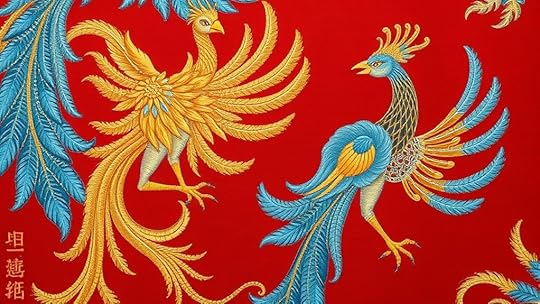
Artists have long captured the transformative stages of the phoenix through vibrant and symbolic imagery, blending mythological significance with refined craftsmanship. In ancient Chinese textiles, these depictions vividly portray the phoenix’s molt, emphasizing feathers shedding and rebirth. The intricate designs often highlight dynamic poses and flowing lines, illustrating different phases of transformation rooted in phoenix folklore. To preserve this delicate artistry, textile conservation efforts focus on maintaining the vivid dyes and detailed embroidery that depict these stages. You might notice how the use of color gradients and stylized feathers convey movement and renewal. These artistic styles serve not only as visual storytelling but also as a testament to the skill of ancient artisans, capturing the myth’s spiritual essence while ensuring the textiles’ longevity for future generations.
Cultural Context and Ritual Use of Phoenix Motifs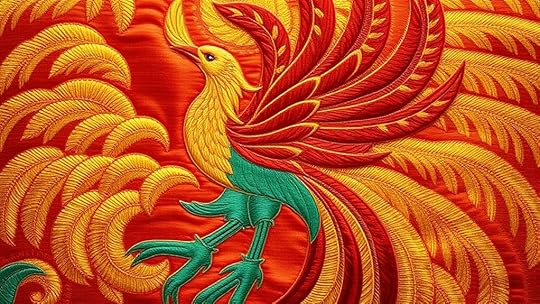
The phoenix motif holds deep symbolic significance in Chinese culture, representing virtues such as virtue, grace, and renewal. In phoenix mythologies, the bird embodies harmony, virtue, and resurrection, making it a powerful symbol in rituals and celebrations. Textile symbolism often reflects these values, with phoenix motifs used in royal garments and ceremonial textiles to convey authority and auspiciousness. During important events like weddings and imperial ceremonies, embroidered phoenix designs serve as protective symbols, believed to bring good fortune and harmony. The recurring presence of phoenix imagery emphasizes its role in affirming social status and spiritual beliefs. As a cultural emblem, the phoenix’s mythological background enriches textile traditions, linking craftsmanship with deeper spiritual and societal meanings.
Iconography and Patterns in Phoenix-Related Textiles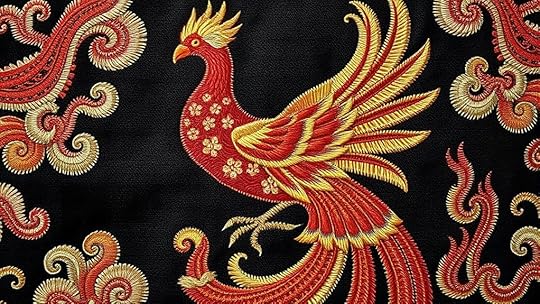
What makes the iconography and patterns of phoenix-related textiles so mesmerizing is their intricate symbolism and stylistic diversity. You notice the detailed imagery of phoenixes with flowing feathers, often intertwined with auspicious symbols like clouds and flames. These textiles showcase masterful tailoring techniques that emphasize the bird’s elegance and movement, highlighting skilled craftsmanship. The patterns often depict multiple phoenixes, symbolizing harmony and renewal, arranged in symmetrical or dynamic compositions. You also see motifs reflecting the phoenix’s molting cycle, representing rebirth. To guarantee these designs endure, textile preservation methods are carefully applied, safeguarding every fine detail. Collectors and artisans alike appreciate how these complex iconographies reveal cultural values while demonstrating the sophistication of ancient Chinese textile artistry.
Preservation and Discovery of Ancient Phoenix Textiles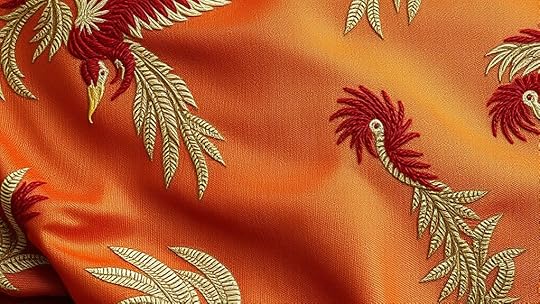
Preserving ancient phoenix textiles requires meticulous techniques to protect their delicate fibers and intricate designs from deterioration over time. Conservators often compare textile preservation to that of ceramic artifacts and calligraphy scrolls, employing specialized cleaning, controlled environments, and gentle handling. Discoveries usually occur during archaeological excavations, where textiles are carefully excavated and stabilized to prevent damage. Preservation efforts focus on maintaining humidity and temperature levels to slow decay, while modern technologies like infrared imaging help identify hidden details without risking harm. When textiles are uncovered, experts document their patterns and context, ensuring accurate historical interpretation. Ongoing research and advanced conservation methods are essential to safeguarding these fragile relics, providing insight into ancient Chinese artistry and the cultural significance of phoenix symbolism.
Comparing Phoenix Depictions Across Chinese Dynasties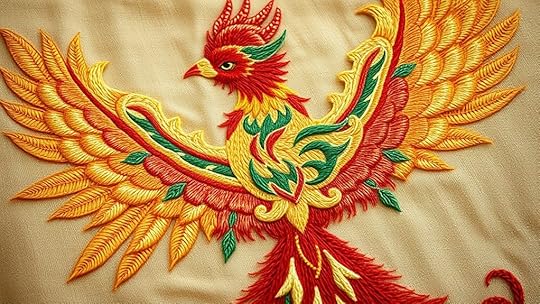
Across Chinese dynasties, phoenix depictions evolved to reflect changing aesthetic ideals, political symbolism, and spiritual beliefs. You’ll notice differences in style, from the intricate, detailed designs of the Han dynasty to the more stylized and simplified forms in later periods. To visualize this, consider:
The use of vibrant colors and elaborate feathers in early textiles, emphasizing phoenix mythology’s grandeur.The shift towards more abstract, symbolic representations during the Tang dynasty, aligning with spiritual beliefs.The increased emphasis on symmetry and formal patterns in Ming dynasty textiles, reflecting political ideals.The impact of textile preservation efforts that reveal how depictions varied while maintaining core symbolic meanings. These changes illustrate how cultural values influenced the artistic portrayal of phoenixes throughout Chinese history.Modern Interpretations and Inspirations From Ancient Phoenix TextilesPhoenix imagery in Chinese art evolved from intricate Han designs to simplified Ming patterns, reflecting shifting cultural values.
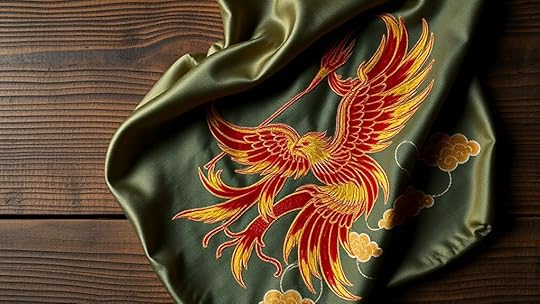
Modern designers draw inspiration from ancient Chinese phoenix textiles to create contemporary art, fashion, and home décor that celebrate cultural heritage. They incorporate phoenix motifs and vibrant colors into modern fashion pieces, blending tradition with innovation. This approach allows for unique, meaningful designs that honor historical craftsmanship while appealing to today’s aesthetic. Additionally, textile conservation efforts focus on preserving these ancient fabrics, ensuring their intricate phoenix representations are maintained for future generations. By studying techniques used in ancient times, designers and conservators find new ways to reinterpret and sustain these textiles. This synergy between modern creativity and historical preservation keeps the myth of the phoenix alive, inspiring fresh expressions rooted in centuries-old symbolism. Ultimately, these efforts bridge past and present, enriching contemporary culture with ancient wisdom.
Frequently Asked QuestionsHow Do Ancient Textiles Illustrate the Molting Cycle of the Phoenix?You see that ancient textiles illustrate the molting cycle of the phoenix through detailed imagery and symbolism. The craftsmanship highlights phoenix symbolism, often depicting the bird shedding feathers to represent renewal. Textile dyeing techniques bring these scenes to life with vibrant colors, emphasizing the cycle of rebirth. By studying these textiles, you can appreciate how ancient artisans captured the myth’s significance, blending artistry with spiritual meaning.
Are There Specific Regions Known for Elaborate Phoenix Textile Designs?You’ll find that regions like Jiangsu and Zhejiang are renowned for their intricate phoenix textile designs. These areas showcase elaborate embroidery that reflects rich cultural influences, often symbolizing rebirth and prosperity. Local artisans dedicate significant skill to capturing the phoenix’s grace and symbolism, making their textiles highly prized. If you explore these regions, you’ll see how regional embroidery traditions beautifully illustrate the cultural importance of the phoenix in local art and fabric.
What Symbols Accompany Phoenix Motifs in Ancient Chinese Textiles?Imagine a vibrant tapestry where phoenix symbolism rises like dawn’s first light. You’ll see textile motifs with dragons symbolizing power, peonies for beauty, and clouds representing celestial domains, all weaving a story of rebirth and harmony. These accompanying symbols enrich the phoenix motifs, creating a layered allegory of renewal. Together, they transform each textile into a vivid narrative, celebrating life’s cyclical nature through intricate, meaningful designs.
How Did the Symbolism of the Phoenix Evolve Over Different Chinese Dynasties?You see that the symbolism of the phoenix evolved considerably across Chinese dynasties. Initially, phoenix mythology represented virtue and harmony, but over time, it became more associated with imperial power and dynastic symbolism. During the Tang and Song periods, it symbolized renewal and rebirth, reflecting changing cultural values. This evolution highlights how the phoenix’s role as a symbol shifted, mirroring the political and spiritual ideals of each era.
Can Modern Techniques Replicate the Ancient Methods of Creating Phoenix Textiles?You can explore modern dyeing techniques and textile preservation methods to replicate ancient phoenix textiles. Advances in dyeing allow you to recreate traditional colors and patterns accurately, while preservation techniques help maintain the delicate fabrics. By combining these modern tools, you can produce textiles that honor the craftsmanship of ancient artisans, ensuring that the phoenix symbolism and artistry are preserved for future generations.
ConclusionSo, next time you spot a phoenix on ancient textiles, remember it’s not just about fiery rebirth but also about the ancient Chinese folks expertly illustrating a bird’s molting cycle. Who knew that a simple feather shed could symbolize so much? Maybe your next wardrobe upgrade should include some myth-inspired fabrics—after all, why settle for ordinary when you can wear centuries of symbolism and a splash of mythical flair?