Europe’s Lesser-Known Regions Perfect for Long Stays and Slow Travel
Modern travel has begun shifting away from rushed itineraries and overcrowded landmarks toward something far more meaningful: presence. More travelers now want to explore the world not through constant movement, but through stillness, connection, and immersion. That is where Europe’s lesser-known regions silently outperform the usual bucket-list destinations. Instead of checking off famous spots, slow travelers are choosing places that allow them to feel rooted, even temporarily, forming genuine relationships with landscapes, people, and daily rituals. These areas offer the luxury of time — time to notice, adapt, and belong. In contrast to the fast-paced turnover of major tourist hubs, these regions invite you to breathe, linger, and rediscover what travel was meant to be.
Slow Travel Thrives in Underrated European AreasThere is a reason Europe’s lesser-known regions are becoming havens for long stays. They provide a rhythm that aligns with natural living, rather than performance travel. Smaller towns and rural landscapes encourage a slower pace where mornings stretch and evenings soften.
A recent report by the European Travel Commission (ETC) finds that 55 % of European travellers now say they prefer lesser-known locations over traditional hotspots. That shows a clear shift in preferences, as many choose quieter areas that promise affordability, less tourism pressure, and deeper integration into local customs. Instead of navigating crowds, you begin recognizing familiar faces at bakeries, farms, and town squares. The environment itself encourages mindfulness, making life feel enriched rather than rushed.
These regions are no longer just hidden options; they are becoming intentional choices for travellers who value depth over spectacle — immersive, calm, and meaningful experiences.
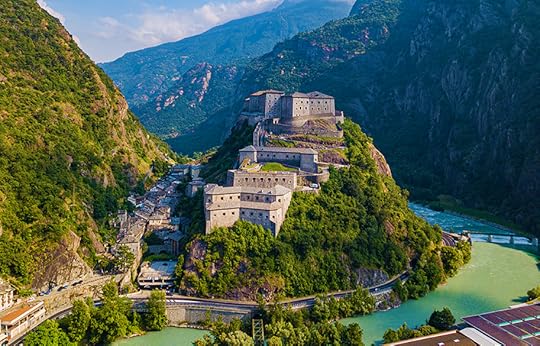 What Truly Defines Europe’s Lesser-Known Regions
Europe’s lesser-known regions aren’t isolated or underdeveloped. They are often culturally rich spaces untouched by mass commercialization. They represent places not defined by Instagram popularity, but by their ability to sustain a quality lifestyle.
What makes these areas exceptional includes:
Lower cost of living compared to capitals and hotspotsStrong cultural identity preserved through traditionWalkable towns and nature-integrated livingA slower, healthier lifestyle rhythmCommunity-oriented life and seasonal routinesThis balance creates an environment perfect for those seeking not just travel, but temporary belonging.
Hidden Regional Highlights Across the ContinentFrom misty hills to quiet seaside villages, Europe’s lesser-known regions offer extraordinary long-stay potential. Northern Portugal remains one of the most gentle coastal experiences, where fishing communities still structure life around tides and tradition. Further east, Slovakia’s countryside tells stories of untouched landscapes and forgotten folktales, perfectly suited for those seeking profound silence and nature immersion.
In Albania’s southern inland zones, villages blend Mediterranean warmth with Balkan richness, while Slovenia’s wine regions feel like an open-air sanctuary of calm. Southern Poland’s wellness towns provide a grounding experience that redefines rest itself.
Each of these environments embodies Europe’s lesser-known regions as living, breathing cultural sanctuaries rather than tourist backdrops.
Lifestyle Benefits for Long-Term StaysLiving in lesser-known regions is not about running away from anything; it is about choosing a calmer pace that supports clarity and steady routines. When travelers spend extended time in lesser-known parts of Europe, they gain a clearer picture of how life could look if they decided to move there one day. These areas offer balance without monotony and new experiences without the noise of crowded cities.
As weeks turn into months, the idea of relocating begins to feel less intimidating. You learn how daily life works, what neighborhoods suit you, and which local habits shape a comfortable routine. That is where the practical side of moving fits in. Long stays quietly prepare you for a future relocation by helping you understand what you need, what you can let go of, and how to plan a move in a calmer way. When you eventually think about budgets, visa steps, packing smart, and the early research needed for a smooth transition, you notice that these regions give you the mindset to relocate stress-free instead of treating the move like a race. Nature becomes a grounding force, food becomes a seasonal ritual, and you shift from being a visitor to becoming an active part of the region’s flow — a foundation that makes a future move feel achievable rather than overwhelming.
Caption: There are many benefits to visiting Europe’s lesser-known regions
Design Meaningful Experiences Instead of ChecklistsSlow travel removes the performance element from exploration. Rather than racing from site to site, it cultivates experiences that sink deeper into memory. These quieter areas inspire planning unforgettable adventures across Europe, not through thrill, but through meaning.
You begin to find joy in simplicity: morning markets, handwritten menus, spontaneous conversations, and shared silences. Time grows elastic, your senses sharpen, and the destination transforms into a lived moment instead of a snapshot.
 Cultural Depth and Preserved Identity
One of the most valuable offerings of Europe’s lesser-known regions is cultural intimacy. These areas protect dialects, recipes, music, and traditions that mass tourism often erodes. You observe rituals unfold naturally rather than be performed for an audience.
This preservation grants travelers the chance to understand Europe as a layered identity, not just a visual experience. Communities remain vibrant, and history breathes through everyday life rather than museum walls.
Travel Beyond the ObviousFor example, Italy is often associated with Rome, Florence, and Venice — but its quiet heart lies in rural Abruzzo, Basilicata, and the forgotten corners of Umbria. These landscapes reveal a slower version of la dolce vita that explains why Italy has to be on your bucket list without the chaos of mass tourism.
Hill towns shimmer with authenticity, and daily life flows with intentional simplicity. Here, traditions are alive, not staged. This side of Italy redefines the traveler’s relationship with one of Europe’s most emotionally rich cultures.
Practical Tips for Choosing Your Perfect Slow RegionChoosing the right destination requires thoughtful planning. Consider climate, internet reliability, walkability, healthcare access, and community culture. Focus on aligning your lifestyle needs with what the region naturally offers.
Accommodation strategies should prioritize comfort, stability, and integration into local life rather than short-term novelty. Seasonal timing matters — slow travel is most rewarding when you experience both a place’s quiet and its vibrancy.
Why Are People Choosing Slow Travel Now More Than Ever?The rise of slow travel is not just a trend. It is a response to emotional overload. Slow travel offers psychological relief, allowing the nervous system to regulate and the mind to soften. Travelers are no longer seeking adrenaline or spectacle alone; they are craving presence, grounding, and a sense of genuine connection.
Burnout, digital fatigue, and a growing disconnect from nature have made speed feel unsafe and unsustainable. People are choosing quieter destinations to reclaim autonomy over their time, reestablish personal boundaries, and feel emotionally held by their surroundings. This shift reflects a deeper cultural longing for meaning, belonging, and intentional living — where travel becomes a form of healing rather than a performance.
 The Future of Travel Belongs to Stillness
As travel evolves, Europe’s lesser-known regions represent a future where mobility transforms into belonging. This shift marks the rise of conscious exploration, where emotional connection outweighs geographic conquest. When time slows, presence deepens, and the world feels smaller yet richer, travel becomes not an escape — but an expansion. These hidden landscapes offer more than scenic beauty; they provide a new way of living, grounded in authenticity, reflection, and renewal. And as more people awaken to this philosophy, Europe’s lesser-known regions will continue redefining what it truly means to journey.
The post Europe’s Lesser-Known Regions Perfect for Long Stays and Slow Travel appeared first on Malorie's Adventures.