
On Becoming Van Gogh
Interesting piece in the NYTimes about the development of Van Gogh's extraordinary ability.
The [Denver Art Museum] show traces van Gogh’s development through the 1880s from a struggling, inhibited neophyte, represented by works like the drawings “Girl Carrying a Loaf of Bread” (1882), to a painter in full flourish who could make the shimmering “Landscape from Saint-Rémy” (1889)….
Mr. Standring said he wanted to give nuance to the popular perception of the artist as sui generis. “People are generally unfamiliar with anything pre-“Sunflowers” or pre-“Wheatfields,” he said, referring to two of van Gogh’s iconic later series. “We’re doing corrective art history.”
Van Gogh’s struggles with illness and the artistic flourishing of his last two years may have warped the public’s perception of his learning curve, Mr. Van Tilborgh said.
“We all think he’s a genius, but he placed a lot of value on craftsmanship. When he started, he had no talent for drawing. If you look at his early drawings, they’re horrible. So how did he develop?”
The answer, Mr. Van Tilborgh said, was persistence. “If he couldn’t do it, he tried it 50 more times. He was one of those rare artists who had the energy to work through the fear of failure.”
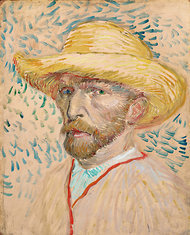
"Van Gogh’s Evolution, From Neophyte to Master"
By Ted Loos
New York Times, October 26, 2012
http://nyti.ms/TuPkGX






No comments have been added yet.


