James Everington’s Top 5 Reads of 2013
Joining me today with his top 5 reads of 2013, is James Everington. An excellent writer, who just gets better and better, James is also an amazing supporter of other writers. An always fun and interesting presence on Twitter etc., he chooses his top 5 here…
James Everington – My Top Five Books Published in 2013
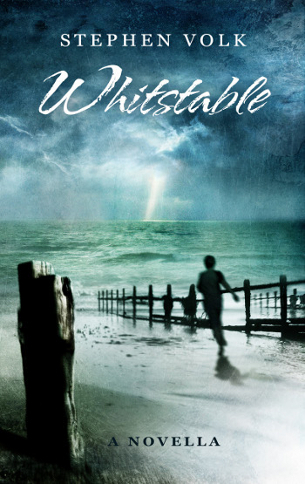
Whitstable – Stephen Volk
Let’s not pussyfoot about here – Whitstable by Stephen Volk, published by Spectral Press, is a triumph. Set in the early Seventies, Whitstable’s central character is Peter Cushing of Hammer Horror fame. Initially he is holed up in his house after the death of his wife. One day on the seafront a boy comes up to him, mistaking Cushing for one of his most famous characters: Van Helsing the vampire hunter. The boy is being fed on by a vampire at night (he claims) and he wants Van Helsing’s help… There is no vampire of course, at least not in any literal sense. But there is darkness to confront and heroism and sacrifice required. Cushing is reluctantly dragged out of his grief and tries to help the boy.
The result is a book that isn’t a horror story, but a one that could only have been written by someone with a deep understanding and love of the genre. Elements of vampire lore and Hammer films are woven through the fabric this realistic story. And the characterisation of Cushing himself is deft, the depiction of his grief deeply moving.
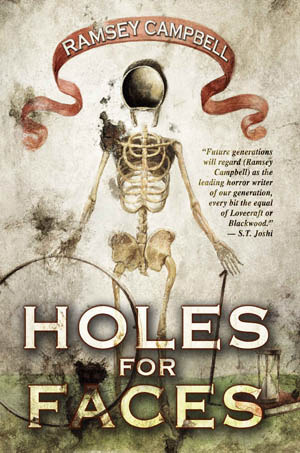
Holes For Faces – Ramsey Campbell
I know I’m not alone in thinking that Ramsey Campbell’s short fiction is some of the best ever written in the horror field – his early ‘best of’ Dark Feasts was probably the book that started me on the path to being a writer myself. And all these years later, Campbell is still at the top of his game and still an inspiration.
If by some chance you are new to Campbell this is as good an introduction to his late style as any. You’ll find all his key traits: the ambiguous imagery, the black humour, the treacherous wordplay. The protagonists of these stories tend to either be children or the elderly – outsiders unable to communicate to their family or colleagues the horrors they see, or think they see. This inability to communicate is key to Campbell’s horror – words are as much foe as friend, slippery and keeping people apart rather than drawing them together. Campbell’s prose is as sharp and intelligent as ever, as is his ability to conjure up a disturbing image in just a couple of sentences. The characters merely glimpse the phantoms and bogeymen in these stories, rather than seeing them straight on, leaving them (and us) unsure of exactly what they’ve seen, and how real it was.
The Side Effects of the Medication – Lauren James
Given all the blather spouted about self-publishing and its impact on the industry, it’s easy to forget that sometimes this happens: a début author bursting into the party from out of nowhere, with one of the best short fiction collections I’ve read all year. The stories in The Side Effects Of The Medication veer between horror, crime, and even science fiction. The tone is equally varied, James handling black comedy and grim horror with equal aplomb. She even writes a story in the second person which isn’t awful.
The first story is called Fences and it sets out the themes that run through this collection: the fear of our neighbours, and of trespass. As the plural title suggests, there are multiple boundaries erected and being crossed here, not just the physical one that marks off one property from another. The idea of lines being crossed – physical, mental, or ethical – and of boundaries being blurred is central to many of the stories here.
The rest of the stories are equally good, with the title one perhaps being the high-point. A stunning collection – take a chance and go buy.
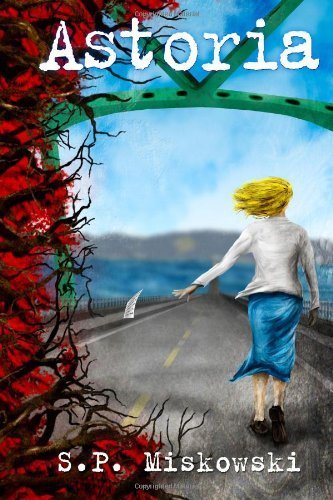
SP Miskowski – Astoria
Astoria is the third book in SP Miskowski’s Skillute Cycle of horror novels and novellas, although it can be read as a standalone story as well. It’s takes as it’s starting point an event from the first book, Knock Knock – Ethel Sanders flees her home town after her daughter’s funeral, and is never heard from again. Astoria tells what happened to Ethel afterwards, and it might just be Miskowski’s best work to date. It’s a hauntingly ambiguous story of doubles and dream-like imagery – dreams as in what we wish for, as well as what wakes us at night. The ending immediately made me want to reread it all over again. I can’t recommend this one highly enough, folks.

Clay – Melissa Harrison
Clay is a beautiful book with a beautiful cover (although I was a twat, and bought it as an ebook) about a group of people all living near the same park in London; it’s a novel about nature and our relationship to it, especially in an urban setting.
Harrison writes about sadness (not trendy angst or cool existential ennui, but simple everyday sadness) exceptionally well, and this is a genuinely moving, lyrical story. A lot of novels, particularly of the kind that get marketed as ‘literary fiction’ (let’s for once not get into the genre vs. literary quagmire, eh?) often seem to falter at the end, as if the writer has run out of fuel before working out how to end the damn thing. Thankfully that’s not the case here. Read it yourself and find out.