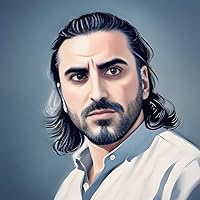
Giddens nega l'avvento di un'epoca sedicente "postmoderna", al contrario quella che stiamo vivendo è una fase di radicalizzazione estrema della modernità,nella quale, da un lato, sono enormemente cresciute le opportunità di un'esistenza sicura, dall'altro sono aumentati di pari passo i rischi e i pericolidel "lato oscuro" della modernità. Nel suo schema ogni cosa si accompagna così al suo ambiguo doppio: la conoscenza aumenta, ma niente è certo e tutto puòessere rivisitato; la globalizzazione dei fenomeni allenta i vincoli con lostato nazionale, ma alimenta il sorgere di sentimenti nazionalistici locali.Questi fenomeni sono prodotti dalla contemporanea trasformazione della soggettività e dall'organizzazione sociale mondiale andatasi modificando.
Anthony Giddens, Baron Giddens (born 18 January 1938) is a British sociologist who is renowned for his theory of structuration and his holistic view of modern societies. He is considered to be one of the most prominent modern contributors in the field of sociology, the author of at least 34 books, published in at least 29 languages, issuing on average more than one book every year. In 2007, Giddens was listed as the fifth most-referenced author of books in the humanities.
Three notable stages can be identified in his academic life. The first one involved outlining a new vision of what sociology is, presenting a theoretical and methodological understanding of that field, based on a critical reinterpretation of the classics. His major publications of that era include Capitalism and Modern Social Theory (1971) and New Rules of Sociological Method (1976). In the second stage Giddens developed the theory of structuration, an analysis of agency and structure, in which primacy is granted to neither. His works of that period, such as Central Problems in Social Theory (1979) and The Constitution of Society (1984), brought him international fame on the sociological arena.
The most recent stage concerns modernity, globalization and politics, especially the impact of modernity on social and personal life. This stage is reflected by his critique of postmodernity, and discussions of a new "utopian-realist"[3] third way in politics, visible in the Consequence of Modernity (1990), Modernity and Self-Identity (1991), The Transformation of Intimacy (1992), Beyond Left and Right (1994) and The Third Way: The Renewal of Social Democracy (1998). Giddens' ambition is both to recast social theory and to re-examine our understanding of the development and trajectory of modernity.
Currently Giddens serves as Emeritus Professor at the London School of Economics.
This guy has been loitering in a series of other books I’ve been reading over the last few years. I’ve been meaning to read him, and now I have. Most notably, he has quite a role in Beck’s Risk Society – which is fairly obvious why, when you have read both books.
In some ways this book probably should be called ‘The Consequences of Post-Modernity’ – except that people have connotations about what post-modern means and these connotations would distract from what the author is really trying to do. This guy isn’t really a post-modernist – you know, if that term is taken to mean post-structuralist – but he does think we live in a time that is after the modern, in that the Enlightenment project needs to be abandoned if by that we think we can 'understand' and control society.
One of the things I often do in these reviews is explain people’s views with reference to Marx. In this case, this guy does much the same, so I feel more justified. Marx basically said that Capitalism was trouble. He said this for many of the reasons that Capitalism has ended up being trouble – crisis prone, unequal, savage to the poor, those sorts of things. But Marx believed in a kind of teleology, that if you got rid of the bad bits of Capitalism you could have a pretty nice society. Socialism – Communism – something directed at human needs, anyway – you know, Marx was never terribly specific about any of this. The point was that overthrowing Capitalism was meant to bring about good times. The point of this book is to look at ideas like risk and mistrust, not as categories that are by-products of the evils of Capitalism, but as products of post-modernity. That risks and issues of trust are not really by-products of Capitalism that can be wished away with the glorious victory of Socialism – but that they are fundamental to the modern condition and not likely to go away under any conceivable set of circumstances.
A lot of this book looks at the problem of trust. The simplest things in our society require a remarkable amount of trust. The example given is flying to LA. There are lots of things we need to know to get to LA on a plane – I would need to know what an airline ticket was, have my passport, how to get to the airport, what is appropriate to wear (you know, no t-shirts with God is Great written on them) or to say to the customs people – but what I wouldn’t need to know even the first thing about is how to fly the plane. I wouldn’t even need to know how the plane flies. There are other people that we call experts that can worry about those sorts of things. But this isn’t quite the same as ‘faith’. Obviously, there is a kind of faith involved, however, in the case of the plane at least, that faith doesn’t really amount to the same sort of thing as believing in the virgin birth, say.
Or does it? We like to think that if we wanted we could go off and learn enough physics to understand how a plane flies and then learn how to fly one. But we certainly couldn’t really do all of that – learn how to make a plane and so on - eventually we come back to having to have trust in someone. And the way science is taught it is generally presented as a series of givens – it is transmitted as a series of truths that must be accepted whole. It is only towards the end of a science degree that the first glimmers of the limits of what we know start to become clear. Faith is a necessary companion of trust, I guess. But trust is difficult to sustain in a post-modern world.
Take global warming, the example given in the book is nuclear war, but for some daft reason we seem to imagine this risk has disappeared. Global warming is hardly a ‘side-effect’ of Capitalism. If Capitalism is inconceivable without constant growth, it is hard to see how global warming isn’t then also a necessary consequence of Capitalism. And if, rather than our hopes that the rise in temperatures will be at the bottom end of predictions, it ends up at the top end – what then? I’ve read estimates that the world will only be able to sustain a population of about half a billion people. Given there is over seven billion here now, that means an over supply of about six and a half billion people. This is truly nightmare stuff. Clearly there is some level of risk that this might happen – but it is in the future and it is a relatively small risk as far as we humans as individuals are able to assess such things. So, we either ignore these risks as much as we can or we make ourselves sick in worrying about things we have no power to fix.
And here is one of the fundamental conditions of late modernity. There are all of these risks and they call into question our trust in those around us, but we can do virtually nothing to address that lack of trust. You know, if you catch your husband in bed with another woman, there is something you can do. Your trust is probably shattered, and so you can leave him. Okay, but you can’t really leave society if you lose trust in it. Where would you go? As he points out brilliantly here – the opposite of trust isn’t really mistrust, that is far too gentle a term – the opposite of trust is anxiety.
Think about that for a while. Think of all of the people who spend so much time in some form of therapy or have some sort of anxiety disorder – how much can that be blamed to a fundamental lack of trust and one we can do literally nothing to avoid?
He makes the point that society isn’t really a car we have control over, but rather a juggernaut. We can sometimes guide where it goes, but it is always on the verge of careening off course or crashing to bits. We want to believe that with a few more modification the whole thing will come under our control – that society is essentially a product of the individual actions of humans and so all that is required is an exercise of our will or free agency and all will be well. But the problem is that society is literally bigger than all of us – even all of us added together.
There is much more to this book than I’ve covered here. I really can recommend this book as well worth reading and thinking about.
قبل از اینکه قرن هفده بشود و سرعت رشد صنعت بترکاند و مدرنیسم شروع شود، «سرنوشت» داشتیم. ولی در دورهی مدرن، «ریسک» داریم؛ حالتی که منافع و ضررهای احتمالی را در نظر میگیریم و بر مبنای این اعتماد، نهایتا خودمان را ملامت میکنیم. یعنی انسان مدرن پذیرفته است که «بیشتر احتمالهایی که بر فعالیت بشری تاثیر میگذارند زاییدهی انساناند و نه خدا یا طبیعت.»
بخش عمدهی کتاب، صرف تشریح ترس انسان از مخاطرات دنیای مدرن، و اعتماد او به این ابزارهای نو شده است.
کتاب بقدری «کلی» بحث میکرد که چیز زیادی دستم را نگرفت.
کتاب بسیار خوبی بود که آنتونی گیدنز درباره ی پیامدهای مدرنیت نوشته است! از جمله پیامدهای مدرنیت جنگ های هسته ای هست که در این کتاب بسیار به آن اشاره می کند. ترممه سلیس و روان مترجم در درک مطالب به خواننده بسیار کمک می کند.
This relatively short book, based on a series of lectures Giddens gave over twenty years ago, still contains fresh insights - although I think it may be difficult to use this an introduction to his thinking, since it rehearses some ideas as well as a theory of modernity that he outlined in greater detail in earlier works, especially his book 'The Nation State and Violence,' which might be my favorite of his writings because it's grounded in history as much as history. Still I liked his discussion here of symbolic tokens and trust and risk (arguments that I think owe a lot to Niklas Luhmann), as well as his multdimensional reading of modern society as formed through a conjunction of overlapping forces - in particular, industrialism, capitalism, militarism, and democracy. It's still a vision of modern society that deserves to be revisited periodically.
1. Güven ve Risk Toplumu: • Giddens, modern toplumların giderek daha fazla “güven” ve “risk” temelli bir yapıya evrildiğini savunur. • Geleneksel toplumlarda güven, yüz yüze ilişkilerle sağlanırken, modern toplumlarda soyut sistemler (bankalar, devlet kurumları, küresel ticaret ağları) üzerinden sağlanır. • Bu durum, bireylerin günlük yaşamlarını güven esasına dayalı soyut sistemlerle kurmasına neden olur. • Aynı zamanda, küreselleşme ile birlikte riskler de globalleşir: Ekonomik krizler, çevresel felaketler ve terörizm, yerel sınırları aşar.
⸻
2. Zaman ve Mekanın Yeniden Düzenlenmesi: • Modernliğin bir diğer sonucu, zaman ve mekan algısının köklü bir şekilde dönüşmesidir. • Endüstriyel devrimle birlikte, saat temelli çalışma düzeni, günlük hayatı belirleyen en önemli unsur haline gelmiştir. • Mekansal sınırlar da teknolojinin ilerlemesiyle birlikte aşılmıştır; iletişim teknolojileri, coğrafi uzaklıkları anlamını yitirecek şekilde yeniden tanımlar. • Giddens, bu süreci “zaman-mekan sıkışması” (time-space compression) olarak adlandırır.
⸻
3. Küreselleşme ve Yerelleşme İlişkisi: • Giddens’a göre, modernleşme aynı anda hem küreselleşmeyi hem de yerelleşmeyi teşvik eder. • Küresel sermaye hareketleri, dünyanın her yerinde benzer ekonomik ve kültürel yapılar yaratırken, yerel kimliklerin korunmasına yönelik bir tepki de doğurur. • McDonald’s gibi küresel markalar her yerde bulunurken, yerel mutfakların korunması gibi kültürel dirençler de artar. • Bu durum, “glokalleşme” (glocalization) olarak adlandırılır.
⸻
4. Kimlik ve Bireysellik: • Modernlik, bireylerin kimliklerini daha özgürce tanımlamalarını sağlar, ancak bu özgürlük aynı zamanda belirsizlik ve risk getirir. • Geleneksel toplumlardaki sabit kimlikler yerini esnek ve değişken kimliklere bırakır. • Modern insan, kimliğini sürekli yeniden inşa etmek zorundadır; kariyer değişiklikleri, yaşam tarzı seçimleri ve toplumsal hareketlilik bu sürecin parçasıdır.
⸻
Eleştiriler ve Tartışmalar: • Giddens, modernliğin sadece ekonomik ve teknolojik bir süreç olmadığını, aynı zamanda sosyal ilişkileri köklü bir şekilde dönüştürdüğünü savunur. • Ancak bazı eleştirmenler, Giddens’ın modernleşmeyi fazla deterministik bir şekilde ele aldığını, toplumsal direnci ve alternatif modernleşme biçimlerini göz ardı ettiğini ileri sürer. • Ayrıca, yerel kültürlerin direncinin ve alternatif ekonomik modellerin modernlik içindeki yerinin yeterince incelenmediği eleştirisi yapılır.
⸻
Sonuç ve Değerlendirme: • Giddens’a göre, modernliğin sonuçları kaçınılmazdır ancak bu dönüşüm süreci sabit ve kesin değildir. • Modernlik, riskler ve fırsatlar yaratır; bireyler ve toplumlar, bu riskleri yönetme becerileri ölçüsünde modernlikle başa çıkabilirler. • Modernliğin getirdiği kimlik esnekliği, bireylerin kendilerini daha özgür ifade etmelerine olanak tanırken, aynı zamanda köklerinden kopmuş bir yabancılaşma yaratabilir.
El libro de Giddens, a pesar de ser una antología de ensayos escritos en un lenguaje más coloquial, resulta un desafío para el lector. De plano, la primera vez lo dejé inconcluso. El gran reto de la lectura es superar un punto límite a partir del cual, si uno logra traspasarlo no tendrá problemas para mantener un ritmo de revisión en los libros y en la comprensión de su contenido. Si no consigue superar aquel límite, los esfuerzos por leer serán infructuosos. El desafío es la constancia.
Debí estudiar este libro por medio de un truco que suelo utilizar: leerlo tanto de adelante para atrás como de atrás hacia adelante hasta converger al centro. Así uno evita llegar a periodos de estancamiento donde es más probable que dejé la lectura por aburrimiento.
"Consecuencias de la modernidad" resultó ( y todavía lo es) un buen análisis de su tiempo. Considero que a partir del rompimiento de las seguridades que nos daba la vaga idea del fin de la Historia, adquieren sus ideas un renovado alcance. A pesar del lenguaje coloquial usado, Giddens no por eso termina por vulgarizar las ideas; la amplitud de los temas por él tratados no lleva a un tratamiento superficial de ellos.
Pienso que si uno escoge alguno de los apartados de su texto, puede fácilmente hacer un diagnóstico del presente y usar cualquiera de sus segmentos para investigar algún aspecto de nuestra vida cotidiana.
Yo me enfoqué en la visión de la Tradición en la modernidad: Aquélla es analizada bajo el tamiz de la eficiencia y de la razón. La modernidad se centra en el futuro, contrario a la Tradición (según la opinión de Giddens) que vive anclada al pasado (es patente que para el sociólogo no hay sabiduría perennis ni eternidad). Donde acierta rotundamente es en el aspecto de que la Tradición y la religión están unidas de tal modo, que cuando la última deja de sancionar la primera, aquélla empieza a diluirse. Este aspecto es relevante por lo que se ve desde el Concilio Vaticano II y en varios intentos de aggiornamiento hechos en varias iglesias y religiones, donde en aras de transigir con la modernidad, viejos modos de vida desaparecen impulsados por los cambios en las jerarquías religiosas. Este fenómeno está en tono con la distinción de Rama (¿o era Ananda, su padre?) Coomaraswamy que la distinción en la mentalidad de las personas no debe ser entre éstas ser ateas o religiosas, sino entre ser tradicionalistas o modernas.
Hay sinnúmero de eventos que analizó Giddens en este libro que merecerían una mención más profunda como la fiabilidad social o la presencia omnipresente del riesgo. Pero dejo al lector que haga este viaje a través de sus páginas. ¡Sumamente recomendable!
"Modernliğin Sonuçları", soyut sistemlerin giderek daha fazla hayatımızın bir parçası olarak ontolojik güvenlik algımızı radikal bir şekilde değiştirmesini konu ediyor. Geleneksel toplumlardaki güvenlik unsurları ve tehditler, bugünün toplumunda artık geçersiz olsa da modern toplumların çok daha farklı güven unsurları ve tehlikeleri mevcuttur. Giddens, tüm bunları postmodernliğe bir geçiş olarak değil de modernliğin radikalleşmesi olarak yorumluyor ve alternatif bir perspektif sunuyor. Dili biraz teorik ve ağır.
Some parts of my review for the class (yes, I cheat the reading challenge).
Giddens’ The Consequences of Modernity gives an interesting take on how we should scrutinize from modernity. He elaborates the reasons behind the dynamism of modernity; the reorganization and/or the separation of time and space, the disembeddedness, and the reflexivity of modernity (p. 53). Rather than jump into the debate whether the situation that we have now is post-modern(ism), thus implies the break from “modernity”, Giddens focuses on the more fruitful discussion on the consequences of modernity, whether they are intended or not. These consequences also signify how knowledge plays role in the process of transition to modernity, until the modernity itself creates those unintended and intended effects. “the circulation of social knowledge… that alters the circumstances to which the knowledge originally referred” (p. 54). In our discussion, I would like to focus on Giddens’ explanation on risk and would like to connect to his historical investigation.
Giddens writes that the most classical thinkers “did not see how extensive the darker side of modernity would turn out to be” (p.7), implying that no one had predicted the “negative” side of modernity. I would like to dig the question to what extend we should do this risk calculation? What gave birth to the risk speculations that fuel our modern need to rigorously calculate risk and danger; using statistics, mega planning, high-modernist development, overcoming existential crisis, etc. And why should we? What systemic benefit that ones could gain by keep predicting the unstable world – especially when the modern knowledge (this means the statistics, modern urban planning, heavy industrialization) contributes to this instability (p.45)? The reason we have risks calculated in certain manners, because we already plan something ahead in a grandiose universal manner. Rather than answering the question, Giddens justifies the spectrums of risk, that we all now have, which are closely tied to modernity. In pre-modern era, risk was already available, but more to “natural causes”, i.e., earthquake or “natural” disasters (p. 102, p. 110) and how it did not evolve to more structured manner, for example systemic risk – a scapegoat that was to blame for the 2008 economic crisis by the British economists.
How was the spectrum of risk different in pre-modern/traditional time? Especially when the tradition, according to Giddens, never really fades away and even co-exists with the modernity (p…). Trust in the abstract system and confidence in risk calculation, for example, have become the replacement of fate/fortuna (p. 111). Giddens says that the risk in modernity tends to have more future-oriented rather than the past. Although it is convincing enough if we look at the current system from Wall Street to Chicago Climate Exchange, it does not really explain the once-existing future-oriented behavior in traditional society, especially in the concept of survivability, e.g., inheritance, food storing, the expectations from offerings for the elder and dead people. Giddens’ take on this, for me, is quite high-modernistic. Although it is true that risk is not just about “danger and peril” (Hacking, p. 199) and more about “probability, eventuality” (ibid), it is still unclear for me what brings to more sophisticated risk management (like insurance).
In the most “acultural” (or material-based) sense, we might investigate this emergence of modern risk through the scale of the constituted risk, or the problem of accumulation – whether it is in the system of capitalism (Weber and Marx) or industrialism (Durkheim). Growth–be it personal (overcoming the existential crisis/ontological security), economic, or cultural (globalization)—has been a key feature in modernity. Growth can mean anything that gradually or not expands, but to put in the definition, growth is an enlarged accumulation (Levebfre, 1981). Although Giddens did not explain anything specific about growth (I assume it is both in the darker and brighter side of modernity), the idea that we need to expand for better or worse (as unintended consequences?) contribute to the modern management of risk. In the spectrum of capitalism, risk is critical in sustaining the system.
In the 2008 financial crash, a lot of economists explained that housing bubble in China and the market crash occurred due to the “systemic risk” – a risk that is in-built within a system that is highly speculative like financial and stock markets. If imaginary investments are the fuel for this systemic risk, that what would it be for general modern spectrums of risk? We did not have this systemic and complicated system to handle risk in pre-modern society because the idea of growth was still rudimentary; a peasant dared not to imagine being a successful merchant whose wealth was as many as the Dutch King, for example—let alone in the colonial society during the colonialization.
This book's greatest contribution (likely what causes it to be cited with such regularity) is in some ways also its biggest drawback. Giddens is doing such high level theorizing that his examples, themselves, are also largely grounded in theory. This makes for a fully understandable and (especially at the time it was published in 1990) a relevant intervention into theories of modernity and postmodernity; nonetheless, it also makes for an argument that is less grounded in specific empirics than it might be. This seems especially relevant as Giddens is most interested in society-level critiques, which both (necessarily) define and situate modernism and modernity as they relate to specific social processes and functions (rather than aesthetics or taste). Giddens is honest about this, and his role as a sociologist certainly justifies the centrality of his critique. However, it is difficult to know how much could be abstracted beyond the large-scale social domains that he defines and describes.
4.5 stars. I was interested in the time and space theme at the beginning and end. When he didn’t go into it in depth I was disappointed. I was happy to read a postmodern book that was easily readable and not so self-consciously brilliant. Sure it was missing some depth here and there but tackling trust, friendship, and other subjective themes as they relate to modern humanity was refreshing.
The atomic bomb stuff was a bit out of character after all the unusually uplifting postmodern content before it. But I like the sentiment that the atomic bomb is an expression of humanities intensity. I like when he discusses socialism and capitalism differently than the typical modern context. Rather than the boring discussion of who’s a democracy and what kind of government distinguishes a country it goes into why a country wants to look like a democracy. Good stuff.
Modernlik hakkında hiçbir şey bilmeden çat diye bunu okursam tabi bir şey anlamam. Tek başına okunabilecek bir kitap değil. Geleneksel toplum ve modernizmin tarihçesi hakkında bilgi sahibi olmak gerekmiş.
Nesta obra, Giddens mantém sua postura crítica em relação não somente à sociologia clássica, como também à sociologia contemporânea. De forma geral, o autor traz diversos escritos sobre a modernidade, que se caracterizaria — segundo Giddens — pelo “descontinuísmo”, ou seja, seria diferente, sob alguns aspectos, completamente diferente tradição. A tradição seria a “cola que une as ordens sociais pré-modernas”, integrando a ação à organização tempo-espacial dessas “sociedades pré-modernas”. Sumariamente, a tradição seria uma orientação contínua ao passado, de modo que tal passado é constituído para ter pesada influência no presente. O descontinuísmo que caracteriza a modernidade, segundo Giddens, é o rompimento com esta tradição genuína, ou seja, com valores vinculados ao passado pré-moderno, “criando” novas tradições. A modernidade apresenta essa descontinuidade como ruptura entre o que se apresenta como “novo” e o que persiste como herança do “velho”. Com isto, ele quer romper com qualquer influência que o evolucionismo social possa ter sobre sua sociologia, de modo que busca fugir das concepções que mostram a história humana como um grande enredo que traz a idéia de organização. Para ele, é importante notar que as descontinuidades que separam as instituições sociais modernas das ordens sociais tradicionais têm peculiaridades próprias à modernidade: (i) o ritmo de mudança — já que a rapidez da mudança em condições modernas é extrema —; (ii) o escopo da mudança, se considerarmos que as transformações na modernidade perpassam todo o globo terrestre; e (iii) a natureza intrínseca das instituições modernas. É válido ressaltar que, nesta concepção de modernidade, já estão inseridos elementos por meio dos quais autores como Lyotard caracterizam uma suposta pós-modernidade, tais como a “evaporação do enredo” por meio do qual somos inseridos na história como tendo um passado perene e um futuro predizível e a “pluralidade de reivindicações heterogêneas de conhecimento”. Para ele, o tema sobre o qual se debruçam os pós-modernas nada são senão as próprias conseqüências da modernidade. A crítica que ele faz à sociologia clássica — de Marx, Durkheim e Weber, essencialmente — se coloca em três pilares: (i) o diagnóstico institucional da modernidade; (ii) a concepção de sociedade para estes autores — que tratavam sociedade como sinônimo do Estado-Nação moderno —; (iii) as conexões entre conhecimento sociológico e as características da modernidade. Outra noção que, para Giddens, parece central para a compreensão da modernidade é a noção de desencaixe. Para ele, nas sociedades pré-modernas — ou tradicionais —, as relações sociais estão encaixadas no eixo espaço-tempo. O tempo, para os indivíduos dessas sociedades, é cíclico e local, de modo que ele orienta toda a organização social, gerando a noção de encaixe. A modernidade seria caracterizada por um tempo social e artificial: um tempo linear, e não cíclico como na pré-modernidade, de modo que não pode servir como referência para previsões. Mais ainda, a noção de tempo na modernidade é universal e não local. Isto gera a impressão de uma diminuição das distâncias entre os espaços, uma vez que o tempo calibra a organização de sociedades espalhadas em diferentes parte do globo. Assim, a modernidade “desencaixa” o indivíduo de sua identidade fixa no tempo e no espaço. Dois trechos da obra elucidam esse mecanismo de desencaixe: “Por desencaixe me refiro ao ‘deslocamento’ das relações sociais de contextos locais de interação e sua reestruturação através de extensões indefinidas de tempo-espaço” (p. 29). “Este [desencaixe] retira a atividade social dos contextos localizados, reorganizando as relações sociais através de grandes distâncias tempo-espaciais” (p. 58).
Hade svårt att komma in i boken, kanske för att den genomgående förhåller sig ganska abstrakt och inte direkt tar exempel eller diskuterar faktiska händelser i någon större utsträckning. Efter att jag läst den är jag lite osäker på vad jag egentligen läst, vad det betyder, och hur jag ska använda detta i min förståelse av samhället. Samtidigt finns vissa observationer, såsom globaliseringens effekter, som är intressanta att diskutera vidare.
This book was outstanding! I finished it one day. I would recommend taking more time, but I was reading it for writing a paper. If you want to get a good idea of how Anthony Giddens thinks, this is a great primer. I highly recommend for any Sociology student interested in the topics of globalism or modernity.
Ersin Kuşdil çevirisini okudum ve bence başarılı bir çeviriydi. Kitabın dili ağır ve bazı yerlerde yazarın tekrara düştüğü de olmuş. Yazarın din ile ilgili küçümseyici ve sığ bakış açısı okuyucuyu rahatsız edecek düzeyde. Yine de konuya ilgisi olanlar tarafından okunması gereken bir eser olduğunu düşünüyorum.
Scholarly work that's written to actually be understood, and that's a nice change...I have more thoughts on the argument itself, but for now I'll just say that it wasn't an absolute misery to read this.
sei que preciso de maior embasamento teórico pra entender algumas partes desse livro, mas deu pra aproveitar bastante devido a escrita simples e fluída