

What do you think?

England, England
Jerry Batson, qui se définit comme un « accoucheur d'idées », va en vendre une assez sensationnelle à sir Jack Pitman, un excentrique milliardaire : créer sur l'île de Wight une sorte de gigantesque parc d'attractions rassemblant tout ce qu'il y a de plus typique, de plus connu en Angleterre. Cela va des blanches falaises de Douvres à Manchester United, de Buckingham Palace à Stonehenge, du mausolée de la princesse Diana au théâtre de Shakespeare.
Le projet est monstrueux, hautement risqué, et voilà qu'il se révèle être un énorme succès. La copie va-t-elle surpasser l'original ? Et qu'adviendra-t-il si c'est elle que les touristes préfèrent visiter ?
Férocement drôle, drôlement impitoyable, impitoyablement au vitriol, voilà un portrait de l'Angleterre comme on n'en avait encore jamais vu.
Le projet est monstrueux, hautement risqué, et voilà qu'il se révèle être un énorme succès. La copie va-t-elle surpasser l'original ? Et qu'adviendra-t-il si c'est elle que les touristes préfèrent visiter ?
Férocement drôle, drôlement impitoyable, impitoyablement au vitriol, voilà un portrait de l'Angleterre comme on n'en avait encore jamais vu.
448 pages, Mass Market Paperback
First published August 1, 1998
About the author
Julian Barnes
146 books7,216 followersJulian Patrick Barnes is an English writer. He won the Man Booker Prize in 2011 with The Sense of an Ending, having been shortlisted three times previously with Flaubert's Parrot, England, England, and Arthur & George. Barnes has also written crime fiction under the pseudonym Dan Kavanagh (having married Pat Kavanagh). In addition to novels, Barnes has published collections of essays and short stories.
In 2004 he became a Commandeur of L'Ordre des Arts et des Lettres. His honours also include the Somerset Maugham Award and the Geoffrey Faber Memorial Prize. He was awarded the 2021 Jerusalem Prize.
In 2004 he became a Commandeur of L'Ordre des Arts et des Lettres. His honours also include the Somerset Maugham Award and the Geoffrey Faber Memorial Prize. He was awarded the 2021 Jerusalem Prize.
Ratings & Reviews
Friends & Following
Create a free account to discover what your friends think of this book!
Community Reviews
Displaying 1 - 30 of 588 reviews

Read
March 1, 2024Жила-була і переклала.
Самодур-бізнесмен (уявіть собі Трампа) вирішує, що йому на схилі віку потрібне одне фінальне велике досягнення, і створює Англію, Англію - парк атракціонів на окремому острові з усіма туристичними принадами Англії, відтвореними у зменшеному масштабі, зі зручним транспортним сполученням і гейміфікацією всіх подвигів і жахів історії, монструозний кітч, винайдений монстром. Парк атракціонів здобуває незалежність - політичну, від моралі, від здорового глузду - і створює окрему чи то корпорацію, чи то державу: ідеальну модель організації спільноти в епоху постіндустріального економічного неолібералізму: консумеристський рай, де ніщо не втручається у зручні стосунки риночку з клієнтом, і все дуже мило (доки ти не хворий і не немічний, скажімо, і твої інтереси ніяк не суперечать інтересам корпорацій). Це, звичайно, кислотне жахіття, навіяне роздумами про Америку - але, думаєте, старій Англії ведеться краще? А ви подумайте уважніше, - каже Барнз, адже спільнота, що втрачає свої старі raison d'être (Англія втрачає свій образ імперії, але не встигає тут навчитися бути просто Англією, бо її символи відбирає цей діснейленд на стероїдах), спільнота з непростими стосунками з минулим і з фантомними болями важкої історії теж завжди знайде спосіб наробити собі біди, просто в інший спосіб. І по якому лезу треба пройти сучасній людині, якщо вона прагне значення і серйозної віри (у ремесло, в мистецтво, в чесність із собою абощо), якщо по один бік чигає комерційний кошмар - а по другий ізоляціоністська старорежимщина? Дуже дотепні роздуми про минуле і традиції, які ми собі винаходимо, дуже мило. Щоправда, це все екзистенційні запитання людини в благополучнішій ситуації, ніж наша - в нас екзистенційні запитання трошки нагальніші - але взагалі це, звичайно, дуже добрий Барнз.
Самодур-бізнесмен (уявіть собі Трампа) вирішує, що йому на схилі віку потрібне одне фінальне велике досягнення, і створює Англію, Англію - парк атракціонів на окремому острові з усіма туристичними принадами Англії, відтвореними у зменшеному масштабі, зі зручним транспортним сполученням і гейміфікацією всіх подвигів і жахів історії, монструозний кітч, винайдений монстром. Парк атракціонів здобуває незалежність - політичну, від моралі, від здорового глузду - і створює окрему чи то корпорацію, чи то державу: ідеальну модель організації спільноти в епоху постіндустріального економічного неолібералізму: консумеристський рай, де ніщо не втручається у зручні стосунки риночку з клієнтом, і все дуже мило (доки ти не хворий і не немічний, скажімо, і твої інтереси ніяк не суперечать інтересам корпорацій). Це, звичайно, кислотне жахіття, навіяне роздумами про Америку - але, думаєте, старій Англії ведеться краще? А ви подумайте уважніше, - каже Барнз, адже спільнота, що втрачає свої старі raison d'être (Англія втрачає свій образ імперії, але не встигає тут навчитися бути просто Англією, бо її символи відбирає цей діснейленд на стероїдах), спільнота з непростими стосунками з минулим і з фантомними болями важкої історії теж завжди знайде спосіб наробити собі біди, просто в інший спосіб. І по якому лезу треба пройти сучасній людині, якщо вона прагне значення і серйозної віри (у ремесло, в мистецтво, в чесність із собою абощо), якщо по один бік чигає комерційний кошмар - а по другий ізоляціоністська старорежимщина? Дуже дотепні роздуми про минуле і традиції, які ми собі винаходимо, дуже мило. Щоправда, це все екзистенційні запитання людини в благополучнішій ситуації, ніж наша - в нас екзистенційні запитання трошки нагальніші - але взагалі це, звичайно, дуже добрий Барнз.

December 31, 2024
Спробуйте уявити, що Рінат Ахметов виявився дещо більш ексцентричним та придуркуватим олігархом, ніж ми звикли, і вирішив зробити з Криму таку собі Україну 2.0: великий парк розваг, типу Діснейленду, який зібрав би у собі всі найпитоміші ознаки українськости. Цікаво, до речі, що це могло б бути?
Із першого, що спадає на думку мені — поселити гуцулів десь у Бахчисараї, щоби з верхівки печерного міста Тепе-Кермен було чутно клич трембіти.
Або запросити Леоніда Кучму, в якості національного спадку та політичного артефакту, стати генерал-губернатором у цій симуляції, а після його смерті — проводити кастинги і наймати якихось відповідних цій ролі акторів.
Потрібно також буде знайти когось, хто зможе зіграти Тараса Шевченка, Лесю Українку, Богдана-Ігора Антонича, Сергія Жадана, Євгена Клопотенка, Андрія Шевченка... Або раптом троє останніх погодяться долучитися особисто.
На Захара Беркута і Степана Радченка треба запросити Роберта Патріка (повторно) та Кілліана Мерфі відповідно, а Клавдія Петрівна просто могла б побути собою.
Для кращої аналогії мабуть варто було обрати для цього прикладу не Крим, а острів Зміїний, але тамтого острова так мало, що це був би не парк розваг, а крінж.
Джуліан Барнз і його роман "Англія, Англія" — це виняткова проза, "висока полиця", як вона є, його не так просто читати, як може здатися після перших сторінок.
Британський олігарх і самодур обирає один з британських островів — острів Вайт — і започатковує там копію Англії, котра, за його задумом, має перевершити оригінал.
Англія, Англія повинна стати магнітом для туристів з всенького світу, які зможуть побачити все найголовніше, що є в оригінальній Англії, але у більш стислі терміни. Букінгемський палац, Біґ-Бен, королівська родина, Шервудський ліс, "Манчестер Юнайтед", Стоунхендж, білі скелі Дувра, найцікавіші витребеньки кулінарії, літературні шедеври, філософські концепції тощо необхідно або перевинайти на колишньому острові Вайт заново (як зараз зі всім роблять зумери), але так, щоби вони виявилися там значно більш англійськими, ніж у власне Англії, або переманити і пов'язати контрактом, як це у романі зробили з королівською сім'єю.
Дуже великі гроші, як показує читачам Джуліан Барнз, здатні зробити все, що завгодно, але чи вийде з цього щось путнє?
Робін Гуд та його "веселі чоловічки", доктор Семюель Джеймс, Олівер Кромвель та всі-всі-всі спершу просто грають ролі, а потім так вживаються у них, що симуляція починає виходити з-під контролю і трансформує реальність. Чуєте, як тут раптом запахло книгою "Часосховище" Ґеоргі Ґосподінова?
І якщо зовсім відверто подивитися у роззявлену пащеку потенційного майбутнього, може постати питання чи не доведеться українцям невдовзі вимушено шукати місце в якомусь закапелку світу для створення України, України, якщо (коли) від оригіналу залишаться лише руїни та пустеля.
Із першого, що спадає на думку мені — поселити гуцулів десь у Бахчисараї, щоби з верхівки печерного міста Тепе-Кермен було чутно клич трембіти.
Або запросити Леоніда Кучму, в якості національного спадку та політичного артефакту, стати генерал-губернатором у цій симуляції, а після його смерті — проводити кастинги і наймати якихось відповідних цій ролі акторів.
Потрібно також буде знайти когось, хто зможе зіграти Тараса Шевченка, Лесю Українку, Богдана-Ігора Антонича, Сергія Жадана, Євгена Клопотенка, Андрія Шевченка... Або раптом троє останніх погодяться долучитися особисто.
На Захара Беркута і Степана Радченка треба запросити Роберта Патріка (повторно) та Кілліана Мерфі відповідно, а Клавдія Петрівна просто могла б побути собою.
Для кращої аналогії мабуть варто було обрати для цього прикладу не Крим, а острів Зміїний, але тамтого острова так мало, що це був би не парк розваг, а крінж.
Джуліан Барнз і його роман "Англія, Англія" — це виняткова проза, "висока полиця", як вона є, його не так просто читати, як може здатися після перших сторінок.
Британський олігарх і самодур обирає один з британських островів — острів Вайт — і започатковує там копію Англії, котра, за його задумом, має перевершити оригінал.
Англія, Англія повинна стати магнітом для туристів з всенького світу, які зможуть побачити все найголовніше, що є в оригінальній Англії, але у більш стислі терміни. Букінгемський палац, Біґ-Бен, королівська родина, Шервудський ліс, "Манчестер Юнайтед", Стоунхендж, білі скелі Дувра, найцікавіші витребеньки кулінарії, літературні шедеври, філософські концепції тощо необхідно або перевинайти на колишньому острові Вайт заново (як зараз зі всім роблять зумери), але так, щоби вони виявилися там значно більш англійськими, ніж у власне Англії, або переманити і пов'язати контрактом, як це у романі зробили з королівською сім'єю.
Дуже великі гроші, як показує читачам Джуліан Барнз, здатні зробити все, що завгодно, але чи вийде з цього щось путнє?
Робін Гуд та його "веселі чоловічки", доктор Семюель Джеймс, Олівер Кромвель та всі-всі-всі спершу просто грають ролі, а потім так вживаються у них, що симуляція починає виходити з-під контролю і трансформує реальність. Чуєте, як тут раптом запахло книгою "Часосховище" Ґеоргі Ґосподінова?
І якщо зовсім відверто подивитися у роззявлену пащеку потенційного майбутнього, може постати питання чи не доведеться українцям невдовзі вимушено шукати місце в якомусь закапелку світу для створення України, України, якщо (коли) від оригіналу залишаться лише руїни та пустеля.

July 3, 2016
As much as I love Julian Barnes, I am divided about England, England. On the one hand, it illustrates in a satirical and sad way why England has such trouble finding its place in the world right now. Julian Barnes undoubtedly has the intelligence and skill to write a poignant satire on the state of Englishness. But maybe my timing is not the best. I found myself constantly thinking that it is not funny anymore, that it is too much to bear. Maybe Julian Barnes, in 1998, understood and captured the feeling of the future "England 2016" and conserved it for me to suffer through at this moment in time.
I read it in a couple of hours, devouring it, waiting for hope to appear and give me a glimpse of a better future.
But there is nothing but a replica of what we have already seen a million times to be expected, more of the same, but condensed to a fun park experience and lived through in fast forward. You choose what sad ingredients of English life you want to consume, and Julian Barnes with all his genius is one of the many options you have. He can not help making the list of the quintessentially English, and neither can he help joking about it. After all, he is English, as one of his characters conveniently states in defence of all his opinions.
It is a very readable book, and very true in all its sarcastic absurdities. It just made a sad and hopeless impression, and I find it hard to apply the dry sense of humour of its content to the review. Too serious a feeling of irrevocable loss!
I read it in a couple of hours, devouring it, waiting for hope to appear and give me a glimpse of a better future.
But there is nothing but a replica of what we have already seen a million times to be expected, more of the same, but condensed to a fun park experience and lived through in fast forward. You choose what sad ingredients of English life you want to consume, and Julian Barnes with all his genius is one of the many options you have. He can not help making the list of the quintessentially English, and neither can he help joking about it. After all, he is English, as one of his characters conveniently states in defence of all his opinions.
It is a very readable book, and very true in all its sarcastic absurdities. It just made a sad and hopeless impression, and I find it hard to apply the dry sense of humour of its content to the review. Too serious a feeling of irrevocable loss!

Read
January 9, 2025мусимо продати наше минуле іншим народам як їхнє майбутнє.
за останні декілька місяців це вже третя книжка, котра поміж інших речей промовляє до мене, що ностальгія — це зброя. все почалося з Ґосподінова та його “Часосховища”, котре підсвідомо мене підбішувало, тільки я не міг зрозуміти чим саме (далі буде). потім я перейшов до Маркеса задля перечитання програмного тексту про сто років самотності в пошуках інших одкровень, але неочікувано натрапив на роздуми про руйнівну силу ностальгії, і ось я вже тут, разом з Джуліаном Барнзом досліджую природу симулякрів в парку розваг Англія, Англія.
рівно рік тому я читав інший роман Барнза, “Елізабет Фінч”, і захоплено зачудовувався subtlety того тексту. так, Барнз — така сама порочна людина і йому, як усім нам, страшно кортить побачити куди приведе кожна окрема стежинка борхесівського саду, але разом із тим він — людина розумна, розʼятрена сумнівами, і тому не дозволяє собі надміру моделювати альтернативну реальність на публіку, бо тоді дуже легко захопитися, помилитися та впасти в сліпу впевненість, що так небезпечно граничитиме з замилуванням власним его. як там було, найкращі книжки — не ті, що дають відповіді, а ті, що ставлять додаткові питання? енівей, саме ця впевненість майже зіпсувала мені “Часосховище” Ґеорґі Ґосподінова, бо в якийсь момент той пан стрибнув в прірву вульгарності та вивалявся в ній, як свиня в багнюці. ну серйозно, сором’язливо сховати обличчя за маскою іронії і з відчуттям уявної безпеки поверхнево проаналізувати шлях кожної країни ЄС назад у майбутнє, ще й подати це як добірку влучних інсайтів та profound lore — занадто навіть для такого master of none, як я. добре, що таких екстраполяцій там лише один розділ, решта присвячена переважно процесингу травми, нанесеної совком, та загальній крихкості пам’яті.
поміж написанням “Англія, Англія” та “Елізабет Фінч” минула майже чверть століття, і виявилось, що в далекому 98-му Барнз ще дозволяв собі трошки помоделювати та попрогнозувати на публіку, тільки от робив це елегантно, пану Ґосподінову таке й не снилося. до того ж вдумливо обмежився речами, про які знав напевно — виключно власною країною. а ще він пречудово розумів (розуміє), що таке поверхневість та невігластво, і це чудово ілюструє епізод з соцопитуванням “культурного, свідомого, розумного, добре поінформованого, білого, середнього класу, англійського походження, чоловіка 49 років” про битву при Гастинґсі, дуже важливій історичній події для кожного англійця. спойлер алерт: чоловʼяга зміг пригадати, що в процесі події король Ґарольд наче як отримав стрілою в око, але що саме було причиною конфлікту і яке все це діло мало наслідки — хер його зна. впевнений, якщо пересічного українця запитати що саме відбулося в Києві в 988 році (точно в 988?), то відповідь буде плюс мінус такою самою і для більшості людей ЦЕ НОРМАЛЬНО, просто важливо такі речі усвідомлювати. зрозумійте, в жодному разі не хочу сказати, що пан Ґосподінов — невіглас абощо, він чудово розуміє, що робить, та й книжка доволі непогана і скоріше навіть хороша, але той конкретний розділ настільки популістично-вульгарний, що аж ніяково. цікаво, що це усвідомлення прийшло до мене тільки зараз, після віртуальної прогулянки симулякром Англії в компанії не дуже приємних персон. закрив такий останню сторінку і питаю в себе самого: “а що, так можна було?” виходить, ще і як можна, і щось мені підказує, що саме так і має працювати добра література. а про такі магістральні речі як міфотворчість, конструювання традицій та дивовижну відсутність артуріани в цьому занадто англійському романі поговоримо якось іншим разом.
гадки не маю хто з вас дочитає цей рант до кінця і тим паче хз що з нього винесе, але дякую за увагу, ви — стійка людина. я ж для себе виніс отаке: відтепер в мене одним улюбленим письменником більше.
🖤
бонус тейк для втаємничених: Джек Пітман — це покруч Маска з Трампом, ті двоє теж хочуть придбати один там острів розташований між північно-льодовитим та атлантичним океаном, тільки з дещо іншими цілями. life imitates art і як же заїбало, що цей буремний лайф імітує виключно сатиричний арт, ще й і з такою лячною точністю.

March 17, 2013
This is the first work by Barnes I've given less than 4 stars, though I thought the first section detailing Martha's childhood and formation of character was great. Then the book went downhill for me, as another character, Sir Jack, took center stage in the second, and longest, section.
I have no problem at all with unlikable characters (I don't need to like a character to enjoy a work), but so many times when readers say they dislike books because there are no "likable" characters, I wonder if what they might really mean is that the characters are boring, which is how I found Sir Jack. I understand he is part of the satirical, farcical nature of this section, but that didn't stop him from boring me, as did some of the rather long passages that lay out the progression of the Isle of Wight's becoming "England, England."
Unfortunately , the third section was also marred by some of that same kind of description, as what happened on the 'mainland' while the Island project was growing takes over. I did like the ending better than the middle because of its metaphors, which stopped me from giving this two stars.
I have no problem at all with unlikable characters (I don't need to like a character to enjoy a work), but so many times when readers say they dislike books because there are no "likable" characters, I wonder if what they might really mean is that the characters are boring, which is how I found Sir Jack. I understand he is part of the satirical, farcical nature of this section, but that didn't stop him from boring me, as did some of the rather long passages that lay out the progression of the Isle of Wight's becoming "England, England."
Unfortunately , the third section was also marred by some of that same kind of description, as what happened on the 'mainland' while the Island project was growing takes over. I did like the ending better than the middle because of its metaphors, which stopped me from giving this two stars.

April 25, 2011
Okay, let me start by saying that Julian Barnes is obviously very intelligent. He is witty and intelligent and well-read. BUT this book is obnoxious. It's not the worst book I've ever read by any means....it is smart and funny in parts and he has a point but the language is pretentious and showy. You have to have an English degree to get through this book (which I am in the process of obtaining). Overall, it is inaccessible. So if his point is that we prefer simulacra over the original and society has become complacent, lazy, etc., with this novel, he is only preaching to people who agree with him because only people who would probably agree with him would take the time to try to understand this novel. Additionally, it was boring. I fell asleep at least 5 times while trying to get through this book. That has never happened to me before with any other book ever. Congratulations, Julian Barnes, you're brilliant but the ironies and the parodies would only reach the highly educated and the book doesn't make me feel anything at all.

June 4, 2020
İngiltere’yi ve İngilizleri hicveden bir roman. Büyük servet sahibi megaloman Sir Jack’in küçük bir adayı satın alarak İngilizliği ve İngiltere’yi temsil eden her çeşit kültürel ve tarihi şeyleri kullanarak, yeni bir İngiltere modeli yaratıp yabancı turistlerin gelip gezeceği, Dolar ve Yen’in su gibi akacağı bir para basma makinesi yaratma hikayesi romanın temel konusunu oluşturuyor.
İngilizlerin muhafazakarlığını, gelenekçiliklerini, soğukluklarını, pragmatik oluşlarını sorgulayan, mizahi öğeleri çok iyi kullanan bir roman. Bunu yapmak için Robin Hood gibi söylencelerden, Kraliçe Victoria veya Lady Godiva gibi tarihi kişiliklerden, Wembley Stadyumu ya da Stonehenge gibi yapılardan, İngilizlere ait çay, pub,kriket, çift katlı otobüs, Harrods Mağazası gibi onlarca değer, yaşanmış olay veya olgulardan yararlanıyor.
Kitabın temel amacı İngiliz tarihine inerek İngilizlerin derin bir kültürel eleştirisini yapmak ve günümüze gelerek eleştirilerinin haklılığını göstermek, İngilizlerin çok önemsediği değerlerin sahiciliğini sorgulamak diye özetlenebilir. Bilgi, ileri teknoloji ve medeniyet üzerine kurulu bir aptallığın cehalet üzerine kurulan aptallıktan daha tehlikeli olabileceğini anlatıyor. Ütopik olarak romanda yarattığı adada hükümet yok, dolayısıyla politikacı ve seçim de yok, arz ve talep yasasının hiç engellenmeden işlediği bir düzen var yani Adam Smith cenneti. Böylece kitabında sıkı bir kapitalizm hatta emperyalizm eleştirisi de yapıyor.
Barnes bu romanını 1998’de yazmış, sanki bugünleri görmüş, romanda İngiltere’nin AB’den ayrılışı var (Brexit), günümüzde AB ile İngiltere arasında yaşananlar tam isabetle anlatılmış 22 yıl önce. İlk sayfalarda romana girmekte zorlansam da sonradan çok akıcı, iyi kurgulanmış ve güldüren bir metin okudum. Öneririm.
İngilizlerin muhafazakarlığını, gelenekçiliklerini, soğukluklarını, pragmatik oluşlarını sorgulayan, mizahi öğeleri çok iyi kullanan bir roman. Bunu yapmak için Robin Hood gibi söylencelerden, Kraliçe Victoria veya Lady Godiva gibi tarihi kişiliklerden, Wembley Stadyumu ya da Stonehenge gibi yapılardan, İngilizlere ait çay, pub,kriket, çift katlı otobüs, Harrods Mağazası gibi onlarca değer, yaşanmış olay veya olgulardan yararlanıyor.
Kitabın temel amacı İngiliz tarihine inerek İngilizlerin derin bir kültürel eleştirisini yapmak ve günümüze gelerek eleştirilerinin haklılığını göstermek, İngilizlerin çok önemsediği değerlerin sahiciliğini sorgulamak diye özetlenebilir. Bilgi, ileri teknoloji ve medeniyet üzerine kurulu bir aptallığın cehalet üzerine kurulan aptallıktan daha tehlikeli olabileceğini anlatıyor. Ütopik olarak romanda yarattığı adada hükümet yok, dolayısıyla politikacı ve seçim de yok, arz ve talep yasasının hiç engellenmeden işlediği bir düzen var yani Adam Smith cenneti. Böylece kitabında sıkı bir kapitalizm hatta emperyalizm eleştirisi de yapıyor.
Barnes bu romanını 1998’de yazmış, sanki bugünleri görmüş, romanda İngiltere’nin AB’den ayrılışı var (Brexit), günümüzde AB ile İngiltere arasında yaşananlar tam isabetle anlatılmış 22 yıl önce. İlk sayfalarda romana girmekte zorlansam da sonradan çok akıcı, iyi kurgulanmış ve güldüren bir metin okudum. Öneririm.

April 5, 2026
Це просто геніальна сатира! Оригінальна ідея зі своєрідним Діснейлендом для багатих у формі симулякра, який згодом перетворюється на таке собі офлайн «шоу Трумана» та ізоляціонізм. Неповторний британський/англійський гумор, буквальне викриття інтриг, секс-скандалів upper class еліт, навіть убивство журналіста, життя людей підпорядковане і тотально контрольоване корпорацією, покроковий сепаратизм та підміна реальності. Ціла ода цинізму та історичним наративам. Барнс катком проїхався по їхній королівській сім’ї, викрив маніпуляції та вплив олігархів, які буквально підкилимно керують країною (знайомо, бо це не лише в Англії), адже «де сила/гроші, там і закон».
А ще це ціла квінтесенція всього найанглійського 🤌 Аж самій захотілося побувати на тому острові 😁 Описаного Шекспіром : “This precious stone set in the silver sea…”
Попри наявність такої концентрованої теми історичності - це дуже сучасний твір, ми живемо в час постправди та викриттів і все, описане Барнсом, насправді реальне і дуже актуальне! Особливо опис регресії до стану малюка одного олігарха: в книзі це рольова гра, а в нашому світі - реальність, при цьому помаранчевий клоун-олігарх став політиком і зі свого манежика тепер керує світом.
Можна, надягнувши окуляри певного снобізму, заявити: «Це книга не для всіх». Чудово розумію, чому читачі шоковані Барнсом, який показав зуби чи оскал інтелектуальної сатири . Дві інші його книги, які я прочитала, тепер виглядають трохи по-дитячому наївними порівняно з «Англія, Англія».
Навіть у самій її структурі (через що читачі часто скаржаться на нудьгу) є певна циклічність, яка відтворює життя людини чи цілої цивілізації: повільне зростання, розквіт( тут сконцентровано всю динаміку стосунків, карʼєри, досягнень) і поступове згасання.
А ще це ціла квінтесенція всього найанглійського 🤌 Аж самій захотілося побувати на тому острові 😁 Описаного Шекспіром : “This precious stone set in the silver sea…”
Попри наявність такої концентрованої теми історичності - це дуже сучасний твір, ми живемо в час постправди та викриттів і все, описане Барнсом, насправді реальне і дуже актуальне! Особливо опис регресії до стану малюка одного олігарха: в книзі це рольова гра, а в нашому світі - реальність, при цьому помаранчевий клоун-олігарх став політиком і зі свого манежика тепер керує світом.
Можна, надягнувши окуляри певного снобізму, заявити: «Це книга не для всіх». Чудово розумію, чому читачі шоковані Барнсом, який показав зуби чи оскал інтелектуальної сатири . Дві інші його книги, які я прочитала, тепер виглядають трохи по-дитячому наївними порівняно з «Англія, Англія».
Навіть у самій її структурі (через що читачі часто скаржаться на нудьгу) є певна циклічність, яка відтворює життя людини чи цілої цивілізації: повільне зростання, розквіт( тут сконцентровано всю динаміку стосунків, карʼєри, досягнень) і поступове згасання.

February 9, 2018
The hardest books for me to review are the ones that I objectively think are quite good, but that, for whatever reason, I didn't actually like very much. This is one of those.
On the one hand, I want to tell people: don't bother with this one, it left me feeling very meh. On the other, I think back on it and it was all very well put-together, filled with fleshed-out characters and unique ideas, and with some parts that bordered on magnificent. Maybe if I'd been in a different mood, maybe if I'd paid it more attention, maybe if I were a little smarter, I would have absolutely loved it. Who knows? In any case, I can't think of anything empirical to complain about.
The big maybe if in this case, is Maybe if I were English, or knew a bit more about England, I would have liked this book better. I've never been to the UK, never been much of an Anglophile. What I know about England has been gleaned from tabloids, fiction, a childhood spent watching Red Dwarf and Mr. Bean, and whatever I picked up in high school history class about King So-and-So and what a jerk he was. So the nuanced satire in this book, which is largely about foreign imbeciles such as myself and our ignorance and apathy about authentic British culture, whooshed right over my head. The one thing I can say for myself is that at least I knew there was a whoosh, that I had missed something. But I still didn't love the book.
The story follows Martha, a woman who is too smart and too cynical for her own good, at three points during her life. Part I is about her childhood, and the aftermath of her parents' divorce. This section, which stands alone very well as a short story, was the highlight of my experience with the book. It's sharp and painful, and it gives the reader a rounded understanding of the character's foundation. Everything that Martha does later on as an adult and as an old woman, makes sense because we've seen her undergo this childhood trauma.
In Part II, the longest and meatiest part of the story, we see Martha in her late 30's, as she begins working for Sir Jack Pitman, a ludicrously pompous business mogul, who has a dream. He knows that tourists come to England to see historical and cultural landmarks, but it's all so inconvenient. Everything's so far apart; you can't see it all in one day. Transportation and money can be confusing; historical sites are often dingy or falling apart; the English people can be so unwelcoming. Tourists want to be dazzled, but reality is just so underwhelming.
Pitman's solution is nothing less than to create a whole new England. He buys the Isle of Wight, a small island in the English Channel, and transforms it into a perfect miniature of everything that England symbolizes - except better.
At first, his employees and the public assume he's building some kind of patriotic theme park, but that's not it at all. Pitman's vision is nothing so artificial. Although the island is filled with half-size reproductions of everything from Stonehenge to Buckingham Palace, and its residents are all hired on as actors (to portray everyone from Robin Hood to "friendly pub patrons"), Pitman sees it as the real deal. Why would anyone want to go to "Old England" - so unfriendly, so unwieldy - when they could go someplace smaller and more accessible, that has everything England ever had and more - but distilled and with the bad bits filtered out?
Sure enough, the tourists flock to the island (which Pitman dubs England, England). And it's not just tourists - celebrities relocate there; landmarks are dismantled and rebuilt there, even the royal family is enticed (bribed, blackmailed, whatever) to make the island's half-sized Buckingham Palace their new home. Pitman is shrewd enough to name himself the island's Governor and then to declare independence from Old England, citing a centuries-old technicality as justification. Within a few years, Old England is rendered totally irrelevant culturally and economically. It's a slum. When people say "England", they now mean England, England.
Martha, originally hired on as a "professional cynic" (whose job functions mainly included shitting all over everyone else's ideas), quickly rises within the company, and ends up overseeing the entire England, England project. But then, things start to go tremendously, hilariously awry, and Martha is left with the blame.
So Barnes's main theme is the question of authenticity. If England, England is a fake - and Pitman pontificates eloquently throughout the book on why it isn't, really - why does that matter? In all apparent ways, it's better than the original. Why mourn the fate of Old England, other than for nostalgia's sake? And if you are feeling nostalgic for Old England, why not go to England, England? It's exactly the same, except better!
In Part III, Martha, now an old woman, finally returns to Old England, which, having spent the last half-century in poverty, isolation and global irrelevancy, has been transformed into a shell of its old self, something totally unfamiliar - but at the same time, something completely, innately English. It has undergone a different distillation, but like England, England, has become a condensed manifestation of an ineffable Englishness. Or maybe not; maybe that's the difference between the two. Old England has reached an ineffable Englishness, while England, England is all too effable.
To Martha, anyway, it's somehow just as fake as the island ever was. Which is Barnes's entire point, and which is depressing as all fuck, if only because it rang so true to me.
This is one of the most unique dystopian novels I have ever read. I wish Barnes had spent more time delving into this faux-divide between "real" and "fake", rather than spending pages and pages on the corrupt exploits of the (fictional) royals or Pitman's, um, very nontraditional sexual proclivities. And I wish I had a better grasp of the general English Weltanschauung - I kept trying to translate it into American, imagining an island full of miniature Statues of Liberty and Mt. Rushmores and flag-waving Uncle Sams, but it's just not analogous for so many reasons - the ineffable "America" is not anything like the ineffable "England".
Having typed up this review, I realize I do think more highly of this book than I'd thought. I didn't love the experience of actually reading it, but looking back - it really was a good book. Which is almost too perfect. The distilled, essentially fake "England, England" in my memory, which is the one I'm really discussing in this review, is better than the real "England, England" that I actually bought and spent many frustrating hours reading. How very meta.
(Original review date: 18 October 2010)
On the one hand, I want to tell people: don't bother with this one, it left me feeling very meh. On the other, I think back on it and it was all very well put-together, filled with fleshed-out characters and unique ideas, and with some parts that bordered on magnificent. Maybe if I'd been in a different mood, maybe if I'd paid it more attention, maybe if I were a little smarter, I would have absolutely loved it. Who knows? In any case, I can't think of anything empirical to complain about.
The big maybe if in this case, is Maybe if I were English, or knew a bit more about England, I would have liked this book better. I've never been to the UK, never been much of an Anglophile. What I know about England has been gleaned from tabloids, fiction, a childhood spent watching Red Dwarf and Mr. Bean, and whatever I picked up in high school history class about King So-and-So and what a jerk he was. So the nuanced satire in this book, which is largely about foreign imbeciles such as myself and our ignorance and apathy about authentic British culture, whooshed right over my head. The one thing I can say for myself is that at least I knew there was a whoosh, that I had missed something. But I still didn't love the book.
The story follows Martha, a woman who is too smart and too cynical for her own good, at three points during her life. Part I is about her childhood, and the aftermath of her parents' divorce. This section, which stands alone very well as a short story, was the highlight of my experience with the book. It's sharp and painful, and it gives the reader a rounded understanding of the character's foundation. Everything that Martha does later on as an adult and as an old woman, makes sense because we've seen her undergo this childhood trauma.
In Part II, the longest and meatiest part of the story, we see Martha in her late 30's, as she begins working for Sir Jack Pitman, a ludicrously pompous business mogul, who has a dream. He knows that tourists come to England to see historical and cultural landmarks, but it's all so inconvenient. Everything's so far apart; you can't see it all in one day. Transportation and money can be confusing; historical sites are often dingy or falling apart; the English people can be so unwelcoming. Tourists want to be dazzled, but reality is just so underwhelming.
Pitman's solution is nothing less than to create a whole new England. He buys the Isle of Wight, a small island in the English Channel, and transforms it into a perfect miniature of everything that England symbolizes - except better.
At first, his employees and the public assume he's building some kind of patriotic theme park, but that's not it at all. Pitman's vision is nothing so artificial. Although the island is filled with half-size reproductions of everything from Stonehenge to Buckingham Palace, and its residents are all hired on as actors (to portray everyone from Robin Hood to "friendly pub patrons"), Pitman sees it as the real deal. Why would anyone want to go to "Old England" - so unfriendly, so unwieldy - when they could go someplace smaller and more accessible, that has everything England ever had and more - but distilled and with the bad bits filtered out?
Sure enough, the tourists flock to the island (which Pitman dubs England, England). And it's not just tourists - celebrities relocate there; landmarks are dismantled and rebuilt there, even the royal family is enticed (bribed, blackmailed, whatever) to make the island's half-sized Buckingham Palace their new home. Pitman is shrewd enough to name himself the island's Governor and then to declare independence from Old England, citing a centuries-old technicality as justification. Within a few years, Old England is rendered totally irrelevant culturally and economically. It's a slum. When people say "England", they now mean England, England.
Martha, originally hired on as a "professional cynic" (whose job functions mainly included shitting all over everyone else's ideas), quickly rises within the company, and ends up overseeing the entire England, England project. But then, things start to go tremendously, hilariously awry, and Martha is left with the blame.
So Barnes's main theme is the question of authenticity. If England, England is a fake - and Pitman pontificates eloquently throughout the book on why it isn't, really - why does that matter? In all apparent ways, it's better than the original. Why mourn the fate of Old England, other than for nostalgia's sake? And if you are feeling nostalgic for Old England, why not go to England, England? It's exactly the same, except better!
In Part III, Martha, now an old woman, finally returns to Old England, which, having spent the last half-century in poverty, isolation and global irrelevancy, has been transformed into a shell of its old self, something totally unfamiliar - but at the same time, something completely, innately English. It has undergone a different distillation, but like England, England, has become a condensed manifestation of an ineffable Englishness. Or maybe not; maybe that's the difference between the two. Old England has reached an ineffable Englishness, while England, England is all too effable.
To Martha, anyway, it's somehow just as fake as the island ever was. Which is Barnes's entire point, and which is depressing as all fuck, if only because it rang so true to me.
This is one of the most unique dystopian novels I have ever read. I wish Barnes had spent more time delving into this faux-divide between "real" and "fake", rather than spending pages and pages on the corrupt exploits of the (fictional) royals or Pitman's, um, very nontraditional sexual proclivities. And I wish I had a better grasp of the general English Weltanschauung - I kept trying to translate it into American, imagining an island full of miniature Statues of Liberty and Mt. Rushmores and flag-waving Uncle Sams, but it's just not analogous for so many reasons - the ineffable "America" is not anything like the ineffable "England".
Having typed up this review, I realize I do think more highly of this book than I'd thought. I didn't love the experience of actually reading it, but looking back - it really was a good book. Which is almost too perfect. The distilled, essentially fake "England, England" in my memory, which is the one I'm really discussing in this review, is better than the real "England, England" that I actually bought and spent many frustrating hours reading. How very meta.
(Original review date: 18 October 2010)

June 22, 2025
Найкраща книжка, яку можна було взяти у відпустку. Найкраща книжка, щоб міркувати про подорожі та їхню природу.
Тут створюють Острів Англія, Англія, який пропонує туристам атракціон із усім, що ви шукаєте у Старій Англії. Сконденсовано, у одному місці, копії, кращі за оригінали, високоякісна альтернатива, вражень до кольору до вибору. Тут показують, що історія — не занудна наука, а «процесія» яскравих моментів. Колись ідейного натхненника, ключового інтвестора та засновника острова, сера Джека Пітмана порівняли з пітардою, яка сипле ідеями, як салют ісрами, тому він створив посаду «ловець ідей», щоби жодна не втекла, щоб кожна була занотована, зафіксована і упорядкована для нащадків. Так, одна з ідей втілюється у життя. Але сер Джек взагалі проста людина, сімʼянин, про нього говорять лиш добре, він створює цю розвагу не для себе, а для людей (гггг). Він любить прості задоволення, навіть був президентом Асоціації блукачів «але водночас він розумів, що простих задоовлень уже не лишилося», тому потрібно все ускладнити і залучити до цього найкращих фахівців та фахівчинь.
«Спогад — це вам не надійна матеріальна штука, яку дотепник час, шкутильгаючи вперед, може з плином років прикрасити вигаданими деталями (тут вирує пелена імли, тут збираються грозові хмари, тут красується корона), однак не стерти. Спогад — за визначенням не предмет, а просто... спогад».
«Вона не знала, як правильно: пам'ятати минуле чи забувати».
«…батьки наробили помилок, тепер тобі час робити власні. Із цього можна було зробити логічний висновок, що став Мартиною заповіддю: після двадцяти пʼяти років уже ні в чому не можна звинувачувати батьків». Після 25 не можна звинувачувати ні батьків, ні роботу.
«І навіть таке начебто просте задоволення, як піша прогулянка, має свої складнощі: логістичні, юридичні, сарторіальні, філософські. Ніхто більше не «гуляє», не крокує просто для того, щоб крокувати, щоб наповнити легені, щоб розрадити тіло. Можливо, ніхто цього ніколи й не робив, крім якихось рідкісних диваків. Так само він сумнівався, чи в давнину справді «подорожували».
« —А я от недавно гуляв за містом. Наголошу: гуляв. Не хочу тиснути авторитетом, але наголошу, що суть заміських просторів не в тому, щоб їх проминути якомога швидше, а в тому, щоб набутися й нагулятися».
«Нам треба, щоб відвідувачам здавалося, наче вони опинилися у задзеркаллі, що покинули свій світ і опинилися в новому, іншому, але дивовижно знайомому, де відбувається все те саме, що в інших населених закутках планети, але мовби в чудернацькому сні».
«Білборди стверджують: Острів — це все, чого ви чекали від Англії, тільки зручніше, чистіше, доброзичливіше й ефективніше».
Тут створюють Острів Англія, Англія, який пропонує туристам атракціон із усім, що ви шукаєте у Старій Англії. Сконденсовано, у одному місці, копії, кращі за оригінали, високоякісна альтернатива, вражень до кольору до вибору. Тут показують, що історія — не занудна наука, а «процесія» яскравих моментів. Колись ідейного натхненника, ключового інтвестора та засновника острова, сера Джека Пітмана порівняли з пітардою, яка сипле ідеями, як салют ісрами, тому він створив посаду «ловець ідей», щоби жодна не втекла, щоб кожна була занотована, зафіксована і упорядкована для нащадків. Так, одна з ідей втілюється у життя. Але сер Джек взагалі проста людина, сімʼянин, про нього говорять лиш добре, він створює цю розвагу не для себе, а для людей (гггг). Він любить прості задоволення, навіть був президентом Асоціації блукачів «але водночас він розумів, що простих задоовлень уже не лишилося», тому потрібно все ускладнити і залучити до цього найкращих фахівців та фахівчинь.
«Спогад — це вам не надійна матеріальна штука, яку дотепник час, шкутильгаючи вперед, може з плином років прикрасити вигаданими деталями (тут вирує пелена імли, тут збираються грозові хмари, тут красується корона), однак не стерти. Спогад — за визначенням не предмет, а просто... спогад».
«Вона не знала, як правильно: пам'ятати минуле чи забувати».
«…батьки наробили помилок, тепер тобі час робити власні. Із цього можна було зробити логічний висновок, що став Мартиною заповіддю: після двадцяти пʼяти років уже ні в чому не можна звинувачувати батьків». Після 25 не можна звинувачувати ні батьків, ні роботу.
«І навіть таке начебто просте задоволення, як піша прогулянка, має свої складнощі: логістичні, юридичні, сарторіальні, філософські. Ніхто більше не «гуляє», не крокує просто для того, щоб крокувати, щоб наповнити легені, щоб розрадити тіло. Можливо, ніхто цього ніколи й не робив, крім якихось рідкісних диваків. Так само він сумнівався, чи в давнину справді «подорожували».
« —А я от недавно гуляв за містом. Наголошу: гуляв. Не хочу тиснути авторитетом, але наголошу, що суть заміських просторів не в тому, щоб їх проминути якомога швидше, а в тому, щоб набутися й нагулятися».
«Нам треба, щоб відвідувачам здавалося, наче вони опинилися у задзеркаллі, що покинули свій світ і опинилися в новому, іншому, але дивовижно знайомому, де відбувається все те саме, що в інших населених закутках планети, але мовби в чудернацькому сні».
«Білборди стверджують: Острів — це все, чого ви чекали від Англії, тільки зручніше, чистіше, доброзичливіше й ефективніше».

October 15, 2021
Δεν μπορώ να πω ότι ενθουσιάστηκα. Ξεκίνησε ωραία, κάπου στη μέση άρχισα να αναρωτιέμαι τι θέλει να μας πει ο ποιητής, γύρω στα μισά κάπως αναθάρρησα, αλλά στο τέλος η ομολογουμένως ωραία σύλληψη σαν να ξεφούσκωσε χωρίς να φτάνει κάπου, χωρίς κορύφωση και χωρίς σαφή κατεύθυνση. Μου αρέσει ο Barnes, αλλά αυτό το βιβλίο κάπως με απογοήτευσε.

November 25, 2015
Considering the fact that I'm being forced to read this for my super dull post-colonialism unit for college, I have reluctantly grown to enjoy it. But of course, I will never admit it to my professor.

January 2, 2014
In the disturbing tradition of Orwell's "1984" and Huxley's "Brave New World," fellow English writer Julian Barnes has produced the first classic dystopia of the 21st century.
"England, England" is an unsettling satire of corporate ambition gone wild in a culture that values convenience above all else.
Sir Jack Pitman thinks big. He rules his financial empire from a worldly cathedral of the most extravagant design. Subjects coming for an audience pass first through the Quote Room, where they can reflect upon a lavish description of Sir Jack chiseled into a monolith of slate.
Having conquered every field, he laments to his sycophantic minions, "What is there left for me?" A secretary's body microphone immediately clicks on to archive Sir Jack's answer: "Perhaps what I need is one last great idea," he muses, "one for the road."
Sir Jack's final idea, the concept worthy of crowning his brilliant career, is to solve the problem of Britain's long, steady decline.
England enjoys the most enviable past, but the bleakest future. Its empire distributed, its wealth depleted, its military reduced, the country desperately needs turning around, and Sir Jack is up to the challenge. "It's a question of placing the product correctly, that's all," he notes.
In passages as brilliant as they are witty, Barnes satirizes the modern world's obsession with imitation. A French intellectual brought in to analyze Sir Jack's plan explains, "Nowadays we prefer the replica to the original" because originals present "a reality which appears more powerful and therefore threatens us."
"Once there was only the world, directly lived. Now there is the representation," he goes on in mock post-structural lingo. "It is not a substitute for the plain and primitive word, but an enhancement and enrichment.... This is where we live today. A monochrome world has become Technicolor, a single croaking speaker has become wraparound sound. Is this our loss? No, it is our conquest, our victory.... It is our intellectual duty to submit to that modernity, and to dismiss as sentimental and inherently fraudulent all yearnings for what is dubiously termed the 'original.' We must demand the replica."
To realize his grand scheme, Sir Jack purchases the entire Isle of Wight and constructs a perfect imitation of what tourists want to see in England.
Soon, wealthy buyers of "Quality Leisure" can experience Big Ben, Buckingham Palace, the white cliffs of Dover, Robin Hood and his Band of (culturally diverse) Merry People, the West End, the class system, Harrods (in the Tower of London), Stonehenge, thatched cottages with sheep in the meadow, snobbery, Devonshire cream, and a robin in the snow - all in a convenient weekend package.
It's expensive, of course, but as a publicist points out, "If you attempted to cover the 'originals' it would take you three or four times as long. We're merely following the logic of the market."
Sir Jack quickly moves to declare the island's political independence and appeals to The Hague for defense against the crumbling motherland. He has no worries: Military invasion would be great publicity.
This "brave new venture" serves as the nation's government, with Sir Jack as its "governor for life." All laws are replaced with corporate rules, rights are transformed to contractual obligations, and civil functions are performed (or eliminated) by the corporation. This is Disney's "Celebration" town extended to its natural, though frightening conclusion.
Beneath the outrageous satire, Barnes spins the sad tale of Martha Cochrane, an ambitious young woman determined to climb the corporate ladder of this faux nation.
Her struggle to determine what matters and what love means in this hall of mirrors provides the novel with a degree of emotional depth beyond its clever social satire.
Unfortunately, the novel is burdened by a vulgar sex scene that many readers will find beyond the pale. Though the event is crucial to the plot, a writer of Barnes's enormous talent could have aimed for more wit than shock.
Cynical and dark as the book is, there's a stirring of optimism in the corporation's difficulties. la "Jurassic Park," real life asserts its messy, inefficient force even under the most artificial and controlled conditions.
It turns out that the human spirit isn't, in fact, so easily satisfied with replicas. Virtual reality is finally untenable because it involves only self-love. Sir Jack may never realize this - he's eventually replaced by an actor - but we've got more time.
http://www.csmonitor.com/1999/0513/p1...
"England, England" is an unsettling satire of corporate ambition gone wild in a culture that values convenience above all else.
Sir Jack Pitman thinks big. He rules his financial empire from a worldly cathedral of the most extravagant design. Subjects coming for an audience pass first through the Quote Room, where they can reflect upon a lavish description of Sir Jack chiseled into a monolith of slate.
Having conquered every field, he laments to his sycophantic minions, "What is there left for me?" A secretary's body microphone immediately clicks on to archive Sir Jack's answer: "Perhaps what I need is one last great idea," he muses, "one for the road."
Sir Jack's final idea, the concept worthy of crowning his brilliant career, is to solve the problem of Britain's long, steady decline.
England enjoys the most enviable past, but the bleakest future. Its empire distributed, its wealth depleted, its military reduced, the country desperately needs turning around, and Sir Jack is up to the challenge. "It's a question of placing the product correctly, that's all," he notes.
In passages as brilliant as they are witty, Barnes satirizes the modern world's obsession with imitation. A French intellectual brought in to analyze Sir Jack's plan explains, "Nowadays we prefer the replica to the original" because originals present "a reality which appears more powerful and therefore threatens us."
"Once there was only the world, directly lived. Now there is the representation," he goes on in mock post-structural lingo. "It is not a substitute for the plain and primitive word, but an enhancement and enrichment.... This is where we live today. A monochrome world has become Technicolor, a single croaking speaker has become wraparound sound. Is this our loss? No, it is our conquest, our victory.... It is our intellectual duty to submit to that modernity, and to dismiss as sentimental and inherently fraudulent all yearnings for what is dubiously termed the 'original.' We must demand the replica."
To realize his grand scheme, Sir Jack purchases the entire Isle of Wight and constructs a perfect imitation of what tourists want to see in England.
Soon, wealthy buyers of "Quality Leisure" can experience Big Ben, Buckingham Palace, the white cliffs of Dover, Robin Hood and his Band of (culturally diverse) Merry People, the West End, the class system, Harrods (in the Tower of London), Stonehenge, thatched cottages with sheep in the meadow, snobbery, Devonshire cream, and a robin in the snow - all in a convenient weekend package.
It's expensive, of course, but as a publicist points out, "If you attempted to cover the 'originals' it would take you three or four times as long. We're merely following the logic of the market."
Sir Jack quickly moves to declare the island's political independence and appeals to The Hague for defense against the crumbling motherland. He has no worries: Military invasion would be great publicity.
This "brave new venture" serves as the nation's government, with Sir Jack as its "governor for life." All laws are replaced with corporate rules, rights are transformed to contractual obligations, and civil functions are performed (or eliminated) by the corporation. This is Disney's "Celebration" town extended to its natural, though frightening conclusion.
Beneath the outrageous satire, Barnes spins the sad tale of Martha Cochrane, an ambitious young woman determined to climb the corporate ladder of this faux nation.
Her struggle to determine what matters and what love means in this hall of mirrors provides the novel with a degree of emotional depth beyond its clever social satire.
Unfortunately, the novel is burdened by a vulgar sex scene that many readers will find beyond the pale. Though the event is crucial to the plot, a writer of Barnes's enormous talent could have aimed for more wit than shock.
Cynical and dark as the book is, there's a stirring of optimism in the corporation's difficulties. la "Jurassic Park," real life asserts its messy, inefficient force even under the most artificial and controlled conditions.
It turns out that the human spirit isn't, in fact, so easily satisfied with replicas. Virtual reality is finally untenable because it involves only self-love. Sir Jack may never realize this - he's eventually replaced by an actor - but we've got more time.
http://www.csmonitor.com/1999/0513/p1...

January 19, 2025
Дочитала. Ця книга для мене скоріше не про що, а як. Це такий стильний, багатошаровий, багатосенсовий текст, що його однозначно треба перечитувати
Він настільки витончений, навіть гострий, максимально сатиричний і іронійний, легкий і прозорий, що більшість обʼєктів і субʼєктів сатири були зрозумілі навіть мені. Ця історія просто таки магічно спонукає приміряти цю ідею на свою реальність, (звісно ж в уяві) бо таки дуже вже приваблива ідея, а ні не так- ІДЕЯ тут реалізована
Є цілі епізоди тексту, які я читала і перечитувала: настільки майстерно і унікально автор описує думки, стосунки, почуття, рефлексії персонажів.
Для мене це було на рівні мистецтва
Тож навіть нонфік від сера Джуліана я читатиму
Він настільки витончений, навіть гострий, максимально сатиричний і іронійний, легкий і прозорий, що більшість обʼєктів і субʼєктів сатири були зрозумілі навіть мені. Ця історія просто таки магічно спонукає приміряти цю ідею на свою реальність, (звісно ж в уяві) бо таки дуже вже приваблива ідея, а ні не так- ІДЕЯ тут реалізована
Є цілі епізоди тексту, які я читала і перечитувала: настільки майстерно і унікально автор описує думки, стосунки, почуття, рефлексії персонажів.
Для мене це було на рівні мистецтва
Тож навіть нонфік від сера Джуліана я читатиму

January 21, 2025
Sir Jack, a csilliárdos ötletember (Elon Musk és Trump szerelemgyereke Albionból) mindent megkapott (megszerzett) már az élettől, amit akart. Egyet kivéve: egy saját Angliát. Mégpedig egy olyan Angliát, ami kábé kétszer angliább Angliánál - úgy is nevezi, hogy "Anglia, Anglia". Vesz hát egy szigetet magának, és telezsúfolja mindennel, ami Angol (így, nagy betűvel), létrehozva egy szigetország-sűrítményt, ahol a turista pár négyzetmérföldön megtalál mindent, amit Angliában olyan szerencsétlenül nagy területen szórtak el. Mindez persze szédítő projekt, fennáll a veszély, hogy Ikarosz-eseménnyé fajuljon, ahol Sir Jack olyan magasra tör, hogy megolvadnak szárnyai. Csak hát ugye Sir Jack csilliárdos, mint mondtam, következésképp van pénze a legjobbakat megbízni, hogy strapabíró szárnyakat eszkábáljanak (fenébe a viasszal! biztos akad valami hőálló kötőanyag!), és kipótolják az eszét, ha az kipótolandónak bizonyul. (Ami bizony előfordul.)
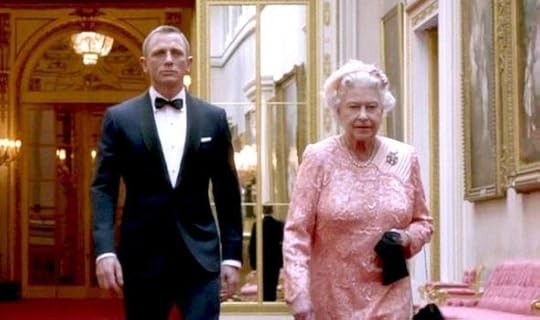
(A legangolabbak.)
Jó sűrű szöveg, ami a beltartalmat illeti: van benne apapótlék-keresés, párkapcsolati "húzd meg-ereszd meg", sok helyütt politikai szatírára hajaz, máshol a szabadpiaci kapitalizmus finom kritikája - de leginkább cinikus filozófiai eszmefuttatás a valódi és a másolat viszonyáról. Miért értékeljük előbbit többre, mint az utóbbit? Meddig értékeljük többre? Hol a határ a kettő között és felcserélhetőek-e? És kit érdekel, felcserélték-e őket, ha a végeredmény menő?
Okos, körülményes, játékos szöveg. Az okosság és a körülményesség együtt amúgy hajlamos okoskodásba hajlani. De ilyenkor jön a játékosság, és finomítja az összhatást.
(A legangolabbak.)
Jó sűrű szöveg, ami a beltartalmat illeti: van benne apapótlék-keresés, párkapcsolati "húzd meg-ereszd meg", sok helyütt politikai szatírára hajaz, máshol a szabadpiaci kapitalizmus finom kritikája - de leginkább cinikus filozófiai eszmefuttatás a valódi és a másolat viszonyáról. Miért értékeljük előbbit többre, mint az utóbbit? Meddig értékeljük többre? Hol a határ a kettő között és felcserélhetőek-e? És kit érdekel, felcserélték-e őket, ha a végeredmény menő?
Okos, körülményes, játékos szöveg. Az okosság és a körülményesség együtt amúgy hajlamos okoskodásba hajlani. De ilyenkor jön a játékosság, és finomítja az összhatást.

September 3, 2025
Перша частина - топ, а далі якось сповзло🤷♀️
Контекст дуже англійський. Текст занадто рівномірний - не було отих качель, які викликають цікавість.
Господінов мені зайшов краще з Часосховищем - динамічніше і дуже близький до нас проблематикою і логікою.
Контекст дуже англійський. Текст занадто рівномірний - не було отих качель, які викликають цікавість.
Господінов мені зайшов краще з Часосховищем - динамічніше і дуже близький до нас проблематикою і логікою.

October 9, 2018
За що я люблю літературу - я вже так давно в цій темі, а "Англію, Англію" прочитала лиш тепер. Кайф!

February 10, 2025
Ця книга є яскравим зразком сатиричного постмодерну.
Такий собі бізнесмен-вискочка Джек Пітман створює на окремому острові Вайт розважальний проєкт дуже англійської Англії, щоб туристи могли приїхати і за короткий проміжок часу ознайомитися з англійськими найбільш визначними пам'ятками та міфами і навіть взяти участь в постановках деяких подій. Тут вам і битва за Британію, і Робін Гуд зі своєю бандою, і ігри МанЮ, і могили Шекспіра та принцеси Діани, і білі скелі Дувра, і крикет, і Аліса в Країні Чудес, і девонширський чай з вершками, і Шерлок Голмс, і Стоунгендж, і багато інших відомих об'єктів національної спадщини та епізодів англійської історії, причому автори проєкту їх постійно переписують і видозмінюють для зручності, бо саме такими їх пам'ятає більшість людей.
Для реалізації всіх цих інтерактивних вистав наймаються актори. Цікаво, що через деякий час існування проєкту "Англія, Англія" актори до такої міри вживалися у свої ролі, що на ходу самовільно і незаплановано змінювали сценарій, хоча й на початках передбачалося перешкоджати такому розвитку подій: "А якщо монарх почне задирати носа, то завжди можна вписати у сценарій Олівера Кромвеля".
Одна з провідних тем твору - підміна, перефразовуючи відомий вислів, "жалюгідного" оригіналу "неповторною" копією. І це стосується не лише творів мистецтва, а й власне засад та елементів суспільно-політичного життя Острова, названого згодом "Англія, Англія". (Не знаю, як там в Англії, а у нас оцю підміну державних органів і функцій в останні 6 років видно неозброєним оком)
Іншою нагальною проблемою сучасності, пов'язаною з тотальною заміною оригіналів копіями, є тенденція до масового отупіння людей, викликаного, серед іншого, відносно високим рівнем життя і його наскрізною комерціалізацією: "У мирному королівстві генерують багатство: чого ще може бажати людина, байдуже, філософ чи простий громадянин?"
"...ніхто не тринькатиме грошей, аби щось дізнатися. Той, хто прагне знань, піде в срану бібліотеку, якщо їх іще не всі позакривали. А до нас прийдуть, аби порадіти тому, що вони вже знають".
Виходить такий парадокс, що люди вчаться, розвиваються для того, щоби краще жити, а досягнувши певного матеріального рівня розвитку, задовольняються поверхневими знаннями, забивають на свою освіту, і, як наслідок, деградують. Так автор і розрізняє ці два типи глупства: "Що ж до дурості, на якій наполягали в "Лондон Таймз", то вона була старосвітська, заснована на незнанні, а не новочасна, заснована на знанні".
Зрештою, задуманий як комерційний, проєкт "Англія, Англія" розквітає, і перетворюється на симулякр Англії, повністю перебираючи на себе роль Старої Англії, яка в цей час занепадає і деградує, перетворюючись на Англію зразка приблизно середини 19 ст.
Вустами своїх героїв Барнз цікавиться: "...чи народ узагалі спроможний змінити напрямок, яким рухається, і власні звичаї. Вони свідомо обрали курс на старосвітщину, як заявляли в "Таймз", чи це риса їхньої природи й історії? А може, цілком нова траєкторія на духовне відродження й моральну самодостатність, як стверджували політичні лідери? Чи просто неминуча реакція, на яку їх прирекли економічний колапс, демографічна криза і помста Європи? У селі таких питань не обговорювали, і це, можливо, вказувало на те, що країна вже припинила невротично роздряпувати свої вавки".
Дуже цікавий сюжетний виток зі своєю власною мораллю - розвиток стосунків Марти Кохрейн, яка доволі успішно обіймала посаду спеціальної консультантки, а точніше штатного циніка компанії, з її колегою Полом.
І трішки цитат (насправді цікавих цитат набагато більше):
*Цинізм - чеснота самотніх*
*Чому проблеми короля Англії вирішувати легше, ніж власні?*
*Хто взагалі сказав, що люди дорослішають? Може, вони просто зразу старіють*
*Можливо, так це і відбувається: проводиш усе життя у внутрішній боротьбі, а врешті стаєш такою, якою тебе бачать інші. Саме такою є твоя природа, навіть якщо тобі це не подобається*
А ще немало важить для мене той факт, що це, здається, перша книга за останніх декілька років, в якій я не зауважила помилок чи одруків👌
Такий собі бізнесмен-вискочка Джек Пітман створює на окремому острові Вайт розважальний проєкт дуже англійської Англії, щоб туристи могли приїхати і за короткий проміжок часу ознайомитися з англійськими найбільш визначними пам'ятками та міфами і навіть взяти участь в постановках деяких подій. Тут вам і битва за Британію, і Робін Гуд зі своєю бандою, і ігри МанЮ, і могили Шекспіра та принцеси Діани, і білі скелі Дувра, і крикет, і Аліса в Країні Чудес, і девонширський чай з вершками, і Шерлок Голмс, і Стоунгендж, і багато інших відомих об'єктів національної спадщини та епізодів англійської історії, причому автори проєкту їх постійно переписують і видозмінюють для зручності, бо саме такими їх пам'ятає більшість людей.
Для реалізації всіх цих інтерактивних вистав наймаються актори. Цікаво, що через деякий час існування проєкту "Англія, Англія" актори до такої міри вживалися у свої ролі, що на ходу самовільно і незаплановано змінювали сценарій, хоча й на початках передбачалося перешкоджати такому розвитку подій: "А якщо монарх почне задирати носа, то завжди можна вписати у сценарій Олівера Кромвеля".
Одна з провідних тем твору - підміна, перефразовуючи відомий вислів, "жалюгідного" оригіналу "неповторною" копією. І це стосується не лише творів мистецтва, а й власне засад та елементів суспільно-політичного життя Острова, названого згодом "Англія, Англія". (Не знаю, як там в Англії, а у нас оцю підміну державних органів і функцій в останні 6 років видно неозброєним оком)
Іншою нагальною проблемою сучасності, пов'язаною з тотальною заміною оригіналів копіями, є тенденція до масового отупіння людей, викликаного, серед іншого, відносно високим рівнем життя і його наскрізною комерціалізацією: "У мирному королівстві генерують багатство: чого ще може бажати людина, байдуже, філософ чи простий громадянин?"
"...ніхто не тринькатиме грошей, аби щось дізнатися. Той, хто прагне знань, піде в срану бібліотеку, якщо їх іще не всі позакривали. А до нас прийдуть, аби порадіти тому, що вони вже знають".
Виходить такий парадокс, що люди вчаться, розвиваються для того, щоби краще жити, а досягнувши певного матеріального рівня розвитку, задовольняються поверхневими знаннями, забивають на свою освіту, і, як наслідок, деградують. Так автор і розрізняє ці два типи глупства: "Що ж до дурості, на якій наполягали в "Лондон Таймз", то вона була старосвітська, заснована на незнанні, а не новочасна, заснована на знанні".
Зрештою, задуманий як комерційний, проєкт "Англія, Англія" розквітає, і перетворюється на симулякр Англії, повністю перебираючи на себе роль Старої Англії, яка в цей час занепадає і деградує, перетворюючись на Англію зразка приблизно середини 19 ст.
Вустами своїх героїв Барнз цікавиться: "...чи народ узагалі спроможний змінити напрямок, яким рухається, і власні звичаї. Вони свідомо обрали курс на старосвітщину, як заявляли в "Таймз", чи це риса їхньої природи й історії? А може, цілком нова траєкторія на духовне відродження й моральну самодостатність, як стверджували політичні лідери? Чи просто неминуча реакція, на яку їх прирекли економічний колапс, демографічна криза і помста Європи? У селі таких питань не обговорювали, і це, можливо, вказувало на те, що країна вже припинила невротично роздряпувати свої вавки".
Дуже цікавий сюжетний виток зі своєю власною мораллю - розвиток стосунків Марти Кохрейн, яка доволі успішно обіймала посаду спеціальної консультантки, а точніше штатного циніка компанії, з її колегою Полом.
І трішки цитат (насправді цікавих цитат набагато більше):
*Цинізм - чеснота самотніх*
*Чому проблеми короля Англії вирішувати легше, ніж власні?*
*Хто взагалі сказав, що люди дорослішають? Може, вони просто зразу старіють*
*Можливо, так це і відбувається: проводиш усе життя у внутрішній боротьбі, а врешті стаєш такою, якою тебе бачать інші. Саме такою є твоя природа, навіть якщо тобі це не подобається*
А ще немало важить для мене той факт, що це, здається, перша книга за останніх декілька років, в якій я не зауважила помилок чи одруків👌

June 1, 2011
This book is in three parts.
In Part I, England, a young girl absorbs the leaving of her father. She had a puzzle of the map of England. Her father would hide one piece: Cornwall, Devon, Somerset, Carmarthen, Pembrokeshire. And when her puzzle was done except for that one piece, HE would magically find it. Nottinghamshire was missing when HE went missing too. All of Julian Barnes' brilliance is here. And this brief opening will break your heart.
In Part II, England, England, Martha Cochrane, that precocious girl, is now a wizened young woman. She's wonderful. She passes an interview to work for an entrepreneur and becomes a resident cynic for that wealthy man set on a new idea, creating a doppelganger country of Old England, a hi-tech amusement park that recreates all of England's history. Crazily, it works. An island with no government, just a place governed by contract and the whim of a business model. The plot is, really, pretty stupid. Yet, a few characters are richly drawn, especially Martha. And there are some wonderful moments.
Martha falls for a fella, and three pages of spectacular in-bed, post-coital dialogue begin with this line of hers: Someone once had his hand where yours is.
I learned that if you put a banana in a bowl with green tomatoes, those tomatoes will ripen much faster than a bowl of green tomatoes without a banana. In case you wondered about the significance, Barnes writes: Yes, Martha, but Paul isn't a banana and you aren't a pound of tomatoes.
In Part III, Anglica, Barnes attempts a summing up. But really, I just wanted it to end already.
I loved the great female lead and several other characters. I wish there was more interplay between them and more explanations for their actions.
Stupid idea; great writing. This was the bowl of tomatoes without the banana.
In Part I, England, a young girl absorbs the leaving of her father. She had a puzzle of the map of England. Her father would hide one piece: Cornwall, Devon, Somerset, Carmarthen, Pembrokeshire. And when her puzzle was done except for that one piece, HE would magically find it. Nottinghamshire was missing when HE went missing too. All of Julian Barnes' brilliance is here. And this brief opening will break your heart.
In Part II, England, England, Martha Cochrane, that precocious girl, is now a wizened young woman. She's wonderful. She passes an interview to work for an entrepreneur and becomes a resident cynic for that wealthy man set on a new idea, creating a doppelganger country of Old England, a hi-tech amusement park that recreates all of England's history. Crazily, it works. An island with no government, just a place governed by contract and the whim of a business model. The plot is, really, pretty stupid. Yet, a few characters are richly drawn, especially Martha. And there are some wonderful moments.
Martha falls for a fella, and three pages of spectacular in-bed, post-coital dialogue begin with this line of hers: Someone once had his hand where yours is.
I learned that if you put a banana in a bowl with green tomatoes, those tomatoes will ripen much faster than a bowl of green tomatoes without a banana. In case you wondered about the significance, Barnes writes: Yes, Martha, but Paul isn't a banana and you aren't a pound of tomatoes.
In Part III, Anglica, Barnes attempts a summing up. But really, I just wanted it to end already.
I loved the great female lead and several other characters. I wish there was more interplay between them and more explanations for their actions.
Stupid idea; great writing. This was the bowl of tomatoes without the banana.

March 11, 2018
This was not my book. as much as i liked „the noise of time“, so much i disliked this one. This is a „talmes balmes“ of intelectually constructed phrases aimed at nothing really. Or the message of this book was so cryptic, that i didnt get it. I found it dull, boring.
So as there are a lot of better books waiting to be read, i have just turned the pages till the last one reading between the lines.
It started really good, the first part was full of lyric. And starting with the second part it got worse.
It is about copying the original, producing a copy which is aimed to be better than the original. Ok, and ? Is it about patriotism, is it about Martha, is it about sex, is it about relationships, is it about distorted reality? I dont know really. I dont know what I read. At least for the first 3/4 of the book.
If you have another alternative to this book, take the alternative. maybe it will worth your time.
So as there are a lot of better books waiting to be read, i have just turned the pages till the last one reading between the lines.
It started really good, the first part was full of lyric. And starting with the second part it got worse.
It is about copying the original, producing a copy which is aimed to be better than the original. Ok, and ? Is it about patriotism, is it about Martha, is it about sex, is it about relationships, is it about distorted reality? I dont know really. I dont know what I read. At least for the first 3/4 of the book.
If you have another alternative to this book, take the alternative. maybe it will worth your time.
October 15, 2025
"Minyatür bir İngiltere oluşturmak amacıyla bir proje uygulanırsa sizce ne olur? Orijinali mi yoksa kopyası mı tercih edilir?" Bu sorular etrafında şekillenen, güldürürken düşündüren İngiltere İngiltere'ye Karşı, kült kitaplardan biri.
Romana, gereksiz yere uzun yazılması dışında bir eleştirim yok; bolca ironi ve kültür eleştirisi asla sırıtmıyor. Üstelik yıllar sonra yaşanan Brexit, yazarın ne kadar öngörüşlü olduğu da kanıtlıyor.
Romanı yorumlamayı Jean Baudrillard'ın şu alıntısıyla yapmak en güzeli diye düşündüm. Hem kitabın kurgusuna hem de günümüzde yaşadıklarımıza tercüman oluyor:
"Artık inanamıyoruz, ama inanana inanıyoruz. Artık sevemiyoruz; yalnızca seveni seviyoruz. Artık ne istediğimizi bilmiyoruz, ama bir başkasının istediğini isteyebiliyoruz. İstemek, yapabilmek ve bilmek eylemleri terk edilmedi, ama bir başkasına devredilerek genel olarak ilga edildiler. "
Romana, gereksiz yere uzun yazılması dışında bir eleştirim yok; bolca ironi ve kültür eleştirisi asla sırıtmıyor. Üstelik yıllar sonra yaşanan Brexit, yazarın ne kadar öngörüşlü olduğu da kanıtlıyor.
Romanı yorumlamayı Jean Baudrillard'ın şu alıntısıyla yapmak en güzeli diye düşündüm. Hem kitabın kurgusuna hem de günümüzde yaşadıklarımıza tercüman oluyor:
"Artık inanamıyoruz, ama inanana inanıyoruz. Artık sevemiyoruz; yalnızca seveni seviyoruz. Artık ne istediğimizi bilmiyoruz, ama bir başkasının istediğini isteyebiliyoruz. İstemek, yapabilmek ve bilmek eylemleri terk edilmedi, ama bir başkasına devredilerek genel olarak ilga edildiler. "

April 2, 2011
Now that I've read Flaubert's Parrot and A History of the World in 10 1 2 Chapters - both incredibly clever and wonderful books, I like this novel even less than I did when I read it as my first Julian Barnes a few years ago. Everything I remember about it is cringe-worthy, though I must admit I don't really remember that much - a lot of gratuitous badly written sex and something about Englishness, American tourists and culture as entertainment. It's just bizarre and somehow spiteful coming from England's most Francophone contemporary writer. There are better Julian Barnes books one could read instead of this one.

October 21, 2021
Ο Τζακ Πίτμαν, βαθύπλουτος επιχειρηματίας και ιδιοκτήτης μέσων επικοινωνίας, αναζητά το κύκνειο άσμα του, την Ενάτη συμφωνία του, το έργο αυτό που θα μνημονεύεται ως ο κολοφώνας της επιτυχίας του.
Το σχέδιο του είναι να δημιουργήσει ένα πάρκο όπου θα είναι συγκεντρωμένα όλα τα τουριστικά αξιοθέατα της Αγγλίας.
Η Νήσος Γουάιτ, μεταμορφώνεται σε αντίγραφο της μαμάς Αγγλίας και μετονομάζεται England, England. Εδώ το δυνατό δολάριο και το ισχυρό γιεν, θα αγόραζαν Ποιοτική Σχόλη.
Περιηγήσεις ανάμεσα στα ανάκτορα του Μπάκιγχαμ, το Big Ben, το Στόουνχεντζ, τα βράχια του Ντόβερ, σε δρώμενα με τον Ρομπέρ των δασών, ποδοσφαιρικούς αγώνες της Μάντσεστερ Γιουνάιτεντ, τη Βασιλική οικογένεια, τη λαίδη Γκοντάιβα.
Η Ποιοτική Σχόλη θα τους εξασφάλιζε ένα ταξίδι στην ιστορία, την κουλτούρα, τη ζωή των Άγγλων, συνάμα με ενα ταξίδι στον παρελθοντικό χρόνο .
Το εγχείρημα στέφεται με απόλυτη επιτυχία και αναπόφευκτα, η αποδυνάμωση της Αγγλίας εγείρει το ερώτημα: Ποια θα υπερισχύσει; Το πρωτότυπο ή το αντίγραφο;
Ο Julian Barnes καταπιάνεται με πολλά θέματα όπως η ματαιοδοξία, η υστεροφημία, η θέση της γυναίκας τόσο στο παρελθόν, όπως σε μύθους σαν του Robin Hood, όσο και στο παρόν, στο ανταγωνιστικό επιχειρηματικό περιβάλλον.
Στηλιτεύει το σύγχρονο τρόπο ζωής σε κοινωνικό,πολιτικό, κοινωνικό επίπεδο. Τις πρακτικές της πολιτικής ηγεσίας, τη βασιλεία, τη λειτουργία επιχειρηματικων κολοσσών, την πραγματική διάσταση της Ιστορίας όπως καταγράφεται, τον συνδυασμό ιστορίας και marketing, την ερωτική ζωή και τις προσωπικές σχέσεις. Όλα αυτά στο μέγιστο βαθμό και ακραίο σημείο τους.
Κεντρικός άξονας του βιβλίου, η σύγκρουση μεταξύ αυθεντικού και αντίγραφου. Σε μια εποχή που οι ρέπλικες μας κατακλύζουν και οι έρευνες δείχνουν την προτίμησή μας σε αυτές.
"...πρέπει να κατανοήσουμε και να αντιμετωπίσουμε την ανασφάλειά μας, την υπαρξιακή αναποφασιστικότητά μας,τον βαθύ αταβιστικό φόβο που βιώνουμε όταν ευχόμαστε αντιμέτωποι με μια εναλλακτική της δικής μας πραγματικότητας, μιας πραγματικότητας που φαντάζει πιο ισχυρή και άρα μας απειλεί. "
Αυτό είναι και το κοινό σημείο με το βιβλίο που έχω ξεχωρίσει για το 2021, το "Ανωμαλία" του λε Τελιέ και τις φιλοσοφικές αναλύσεις του Μποντριγιαρ για την εικονική πραγματικότητα και την προσομοίωση, τόσο σε ψηφιακό περιβάλλον όσο και στο φυσικό.
Το σχέδιο του είναι να δημιουργήσει ένα πάρκο όπου θα είναι συγκεντρωμένα όλα τα τουριστικά αξιοθέατα της Αγγλίας.
Η Νήσος Γουάιτ, μεταμορφώνεται σε αντίγραφο της μαμάς Αγγλίας και μετονομάζεται England, England. Εδώ το δυνατό δολάριο και το ισχυρό γιεν, θα αγόραζαν Ποιοτική Σχόλη.
Περιηγήσεις ανάμεσα στα ανάκτορα του Μπάκιγχαμ, το Big Ben, το Στόουνχεντζ, τα βράχια του Ντόβερ, σε δρώμενα με τον Ρομπέρ των δασών, ποδοσφαιρικούς αγώνες της Μάντσεστερ Γιουνάιτεντ, τη Βασιλική οικογένεια, τη λαίδη Γκοντάιβα.
Η Ποιοτική Σχόλη θα τους εξασφάλιζε ένα ταξίδι στην ιστορία, την κουλτούρα, τη ζωή των Άγγλων, συνάμα με ενα ταξίδι στον παρελθοντικό χρόνο .
Το εγχείρημα στέφεται με απόλυτη επιτυχία και αναπόφευκτα, η αποδυνάμωση της Αγγλίας εγείρει το ερώτημα: Ποια θα υπερισχύσει; Το πρωτότυπο ή το αντίγραφο;
Ο Julian Barnes καταπιάνεται με πολλά θέματα όπως η ματαιοδοξία, η υστεροφημία, η θέση της γυναίκας τόσο στο παρελθόν, όπως σε μύθους σαν του Robin Hood, όσο και στο παρόν, στο ανταγωνιστικό επιχειρηματικό περιβάλλον.
Στηλιτεύει το σύγχρονο τρόπο ζωής σε κοινωνικό,πολιτικό, κοινωνικό επίπεδο. Τις πρακτικές της πολιτικής ηγεσίας, τη βασιλεία, τη λειτουργία επιχειρηματικων κολοσσών, την πραγματική διάσταση της Ιστορίας όπως καταγράφεται, τον συνδυασμό ιστορίας και marketing, την ερωτική ζωή και τις προσωπικές σχέσεις. Όλα αυτά στο μέγιστο βαθμό και ακραίο σημείο τους.
Κεντρικός άξονας του βιβλίου, η σύγκρουση μεταξύ αυθεντικού και αντίγραφου. Σε μια εποχή που οι ρέπλικες μας κατακλύζουν και οι έρευνες δείχνουν την προτίμησή μας σε αυτές.
"...πρέπει να κατανοήσουμε και να αντιμετωπίσουμε την ανασφάλειά μας, την υπαρξιακή αναποφασιστικότητά μας,τον βαθύ αταβιστικό φόβο που βιώνουμε όταν ευχόμαστε αντιμέτωποι με μια εναλλακτική της δικής μας πραγματικότητας, μιας πραγματικότητας που φαντάζει πιο ισχυρή και άρα μας απειλεί. "
Αυτό είναι και το κοινό σημείο με το βιβλίο που έχω ξεχωρίσει για το 2021, το "Ανωμαλία" του λε Τελιέ και τις φιλοσοφικές αναλύσεις του Μποντριγιαρ για την εικονική πραγματικότητα και την προσομοίωση, τόσο σε ψηφιακό περιβάλλον όσο και στο φυσικό.

December 3, 2022
Julian Barnes gerçekten inanılmaz zeki bir adamsın fakat bazen acayip yorucu oluyorsun. "İngiltere İngiltere'ye Karşı" kitabını okudum ve sana laflar hazırladım.
Tekrar ediyorum: bu kitap ancak müthiş çalışan bir kafadan çıkar zira acayip zamanının ötesinde bir öykü anlatıyor yazar ve enfes bir fikir var gerçekten. Fikir şu: Baudrillard'ın Batı toplumlarının ve kültürünün artık sona yaklaştığını ve farklı bir şey üretemediği için de kendi simülasyonunu yaratarak kendisini tekrar ürettiğini, ancak bunun Batı'nın sonu anlamına geldiğini söyleyen simülasyon kuramından yola çıkarak bir orijinal-kopya ikiliği kuruyor Barnes. Megaloman bir ultra zenginin İngiltere temalı devasa bir tema parkı yapmaya karar vermesi ve turistlerin orijinali yerine bu kusursuz kopyayı ziyaret etmeyi tercih edeceklerini anlamasıyla başlayan bir öykü okuyoruz. Bir nevi bir acayip Truman Show. Ve kahramanımız haklı da çıkıyor: gerçek İngiltere çöküşe geçerken sahtesi para basan bir şeye dönüşüyor! (Spoiler olmaması için devamını anlatmayacağım ama Barnes'ın Brexit'i öngörebilmiş olmasına vay anasını dedim, bunu söylemeden edemeyeceğim.)
Fikir müthiş ve Barnes bu fikir üzerinden harika bir kapitalizm eleştirisi koyuyor ortaya. Tarihin doğrusal olup olmadığı mevzuu zaten en sevdiği konulardan biri, neredeyse her kitabında bu izleği görüyoruz, burada da gerçek tarihten devşirilmiş bir imitasyon fikrini geliştiriyor yazar.
Bunlar güzel ama bir de sıkıntılı kısımlar var. Barnes'ın dili ağdalıdır ve kitaplarını okumak zaman zaman zordur evet ama bu kitaptaki kadar zorlandığım hiç olmamıştı. Sorunun çeviride olmadığını biliyorum, Barnes'ın tüm kitaplarını çeviren Serdar Rifat Kırkoğlu çevirisi zaten. Yazarın tercihi böyle yazmak olmuş besbelli. Madem ki konu İngilizlik, manyakça bir İngilizceyle yazayım mı demiş acaba, ne demiş?
Açıkçası biraz daha farklı bir dille yazılsa ve mesela bir 100 sayfa kadar daha kısa olsa müthiş bir kitap olurmuş bu. Ama yine de beynimi inanılmaz çalıştırdığı ve İngilizlikle alay ettiği yerlerde aşırı güldürdüğü için ben bu kitaptan razıyım. Julian Barnes'ı seviyoruz, ne yapalım.
Tekrar ediyorum: bu kitap ancak müthiş çalışan bir kafadan çıkar zira acayip zamanının ötesinde bir öykü anlatıyor yazar ve enfes bir fikir var gerçekten. Fikir şu: Baudrillard'ın Batı toplumlarının ve kültürünün artık sona yaklaştığını ve farklı bir şey üretemediği için de kendi simülasyonunu yaratarak kendisini tekrar ürettiğini, ancak bunun Batı'nın sonu anlamına geldiğini söyleyen simülasyon kuramından yola çıkarak bir orijinal-kopya ikiliği kuruyor Barnes. Megaloman bir ultra zenginin İngiltere temalı devasa bir tema parkı yapmaya karar vermesi ve turistlerin orijinali yerine bu kusursuz kopyayı ziyaret etmeyi tercih edeceklerini anlamasıyla başlayan bir öykü okuyoruz. Bir nevi bir acayip Truman Show. Ve kahramanımız haklı da çıkıyor: gerçek İngiltere çöküşe geçerken sahtesi para basan bir şeye dönüşüyor! (Spoiler olmaması için devamını anlatmayacağım ama Barnes'ın Brexit'i öngörebilmiş olmasına vay anasını dedim, bunu söylemeden edemeyeceğim.)
Fikir müthiş ve Barnes bu fikir üzerinden harika bir kapitalizm eleştirisi koyuyor ortaya. Tarihin doğrusal olup olmadığı mevzuu zaten en sevdiği konulardan biri, neredeyse her kitabında bu izleği görüyoruz, burada da gerçek tarihten devşirilmiş bir imitasyon fikrini geliştiriyor yazar.
Bunlar güzel ama bir de sıkıntılı kısımlar var. Barnes'ın dili ağdalıdır ve kitaplarını okumak zaman zaman zordur evet ama bu kitaptaki kadar zorlandığım hiç olmamıştı. Sorunun çeviride olmadığını biliyorum, Barnes'ın tüm kitaplarını çeviren Serdar Rifat Kırkoğlu çevirisi zaten. Yazarın tercihi böyle yazmak olmuş besbelli. Madem ki konu İngilizlik, manyakça bir İngilizceyle yazayım mı demiş acaba, ne demiş?
Açıkçası biraz daha farklı bir dille yazılsa ve mesela bir 100 sayfa kadar daha kısa olsa müthiş bir kitap olurmuş bu. Ama yine de beynimi inanılmaz çalıştırdığı ve İngilizlikle alay ettiği yerlerde aşırı güldürdüğü için ben bu kitaptan razıyım. Julian Barnes'ı seviyoruz, ne yapalım.

May 6, 2017
"Damage is a normal part of childhood."
I think I missed the entire point of this book.
I think I missed the entire point of this book.

May 31, 2025
3.5
Fun satire but a bit blunt and schematic. Calls to mind some of the old British utopian novels, although the corporate microstate England, England would only be considered a utopia by the most rabid anarchocapitalist. There’s kind of a Jules Verne vibe too with the grandeur of Pitman’s ambition. Ballard maybe, at least his engineered environments. Some stuff hit for me, the Dr. Johnson chapter for example. Some didn’t—the sooner I forget about that whole “nappy” scene the better. All in all I enjoyed it, though probably the weakest of the few Barnes novels I’ve read so far.
Fun satire but a bit blunt and schematic. Calls to mind some of the old British utopian novels, although the corporate microstate England, England would only be considered a utopia by the most rabid anarchocapitalist. There’s kind of a Jules Verne vibe too with the grandeur of Pitman’s ambition. Ballard maybe, at least his engineered environments. Some stuff hit for me, the Dr. Johnson chapter for example. Some didn’t—the sooner I forget about that whole “nappy” scene the better. All in all I enjoyed it, though probably the weakest of the few Barnes novels I’ve read so far.

April 20, 2022
2.5 stars- I have mixed feelings about Julian Barnes. While I have enjoyed some of his books (for instance I think Arthur & George and The Sense of an Ending are great), other novels such as Talking It Over and Before She Met Me are pretty awful. For me, England, England sits somewhere in between. It isn’t a terrible book by any stretch but it is too long and drags in parts. It started off well but I became very bored around the halfway mark. The main problem was that I found the whole premise so unbelievable that it was difficult for me to truly invest.

June 2, 2011
I ran out of books to read at home, so I went to my college stack in hopes of finding something interesting. This book was given to me by a professor during office hours - I don't remember who it was, or why she decided that I would enjoy it, but I ended up not reading it and apparently not returning it. My bad.
The premise of this novel is strange. It centers around a powerful businessman's idea to create an "ideal" England on an island as a tourist attraction, showcasing all the hallmarks of "typical" England but without the blemishes of modern culture. Caught in the mix is Martha Cochrane, a middle-aged woman who feels left behind in life.
The book itself is very high-culture and self-referential, often stopping to make long, philosophical treatises on art, imitation, and authenticity. However, I felt like these expositions were in charge, relegating any notions of plot to the background. The majority of the novel is a series of conversations about the island and characters' opinions and interpretations of it. Aside from one extremely out-of-place and vulgar scene, the book reads like a very highfalutin joke that I did not have the patience (or sophistication) to comprehend or enjoy.
While I did enjoy Sir Jack's larger-than-life trollish behavior, it wasn't enough to keep me interested in reading. The novel is barely 280 pages long and it took me about two weeks to get through it. What was it that I said during those office hours that inspired such a recommendation?
The premise of this novel is strange. It centers around a powerful businessman's idea to create an "ideal" England on an island as a tourist attraction, showcasing all the hallmarks of "typical" England but without the blemishes of modern culture. Caught in the mix is Martha Cochrane, a middle-aged woman who feels left behind in life.
The book itself is very high-culture and self-referential, often stopping to make long, philosophical treatises on art, imitation, and authenticity. However, I felt like these expositions were in charge, relegating any notions of plot to the background. The majority of the novel is a series of conversations about the island and characters' opinions and interpretations of it. Aside from one extremely out-of-place and vulgar scene, the book reads like a very highfalutin joke that I did not have the patience (or sophistication) to comprehend or enjoy.
While I did enjoy Sir Jack's larger-than-life trollish behavior, it wasn't enough to keep me interested in reading. The novel is barely 280 pages long and it took me about two weeks to get through it. What was it that I said during those office hours that inspired such a recommendation?

Read
May 13, 2022The previous two novels by Julian Barnes that I'd read (Metroland and The Noise of Time) were both relatively conventional realist novels. By contrast, England, England is either more of a Swiftian parable about English identity. One of the difficulties with talking about English identity is how recessive it is, where discussions of it quickly fall back on banalities like queuing or zombie concepts like stiff upper leaf. Barnes resolves this by dwelling on two particular aspects of English identity: crass commercialism and the dead hand of history: the sense that England is a country with a great future behind it and that much of the present is essentially occupied by a nostalgia industry. In essence, the Isle of Wight is re-developed as a heritage theme park where all of the stereotyped aspects of Englishness (Big Ben, Stonehenge, red phone boxes, Beefeaters etc) can be enjoyed in one convenient tourist package. By contrast, the original England slides into isolation and reverts to a medieval society as the country is re-wilded (insert Brexit themed joke of your choice here). The premise is in short a Baudrillardian one that the fake becomes more real than the original.
In some ways this sort of concept is more the sort of thing I'd have expected from someone like Will Self: there is indeed a Self short story called Scale, wherein a drug addict living next to Bekonscot model village experiences a series of Alice in Wonderland adventures as he shrinks down through a Russian doll's nest of model villages. In Self's case, the country is run by the Nationalist Trust government, wherein the National Trust has taken over the country through a coup d'etat (Derek Jarman had a similar idea in Jubilee, where the Trust operate border checks on anyone trying to enter the Home Counties from London). The Self story embraces a sense of surrealism, whereas Barnes does seem to be trying to depict events realistically. I'm not sure this really works when the concept is what Barnes is trying to depict rather than the characters embodying it.
In some ways this sort of concept is more the sort of thing I'd have expected from someone like Will Self: there is indeed a Self short story called Scale, wherein a drug addict living next to Bekonscot model village experiences a series of Alice in Wonderland adventures as he shrinks down through a Russian doll's nest of model villages. In Self's case, the country is run by the Nationalist Trust government, wherein the National Trust has taken over the country through a coup d'etat (Derek Jarman had a similar idea in Jubilee, where the Trust operate border checks on anyone trying to enter the Home Counties from London). The Self story embraces a sense of surrealism, whereas Barnes does seem to be trying to depict events realistically. I'm not sure this really works when the concept is what Barnes is trying to depict rather than the characters embodying it.

December 28, 2008
Julian Barnes presents a witty yet tantalizingly frightening vision of te commodifying of culture and the jump into the chasm of hyperreality. Ripe is Baudrillardian examples of "the substitution becoming the reality," England, England provides an enjoyable excursion into the future. The story employs an artfully balanced cast of characters, provocative discourse on history, memory, culture, and the implications of each for our future. I enjoyed Barnes's witty dialogue as well as his depiction of big-business, manipulative entrepreneurs as also deeply motivated and personable beings. The book is both entertaining and philosophical, which I consider the two essential to good reading.
Displaying 1 - 30 of 588 reviews