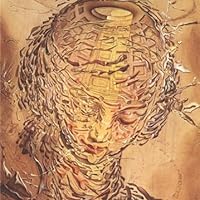
"Todos nós saímos do Capote de Gógol" - a famosa frase de Dostoiévski alude ao papel fundamental desempenhado pela obra de Nikolai Vassílievitch Gógol (1809-1852) no desenvolvimento da literatura russa a partir do século XIX. Humorista, dramaturgo, prosador e polemista, seria sobretudo graças a suas narrativas breves que o autor de Almas mortas e O inspetor geral atrairia a atenção da crítica e influenciaria para sempre os rumos da prosa russa e universal.
Organizado e traduzido diretamente do russo por Paulo Bezerra, que também assina o posfácio, este volume apresenta ao leitor um panorama geral da obra gogoliana, ao trazer, ao lado de algumas de suas histórias mais conhecidas (O capote, O nariz e Diário de um louco), duas narrativas "folclóricas", do ciclo ucraniano (Viy e Noite de Natal). Se nas primeiras o cenário é São Petersburgo e os pequenos funcionários da burocracia czarista e, nas segundas, o universo rural com suas lendas e personagens míticos, em todas prevalece o humor, o tom fantástico e a genialidade narrativa de Gógol, nesta sequência de verdadeiras obras-primas.
People consider that Russian writer Nikolai Vasilievich Gogol (Николай Васильевич Гоголь) founded realism in Russian literature. His works include The Overcoat (1842) and Dead Souls (1842).
Ukrainian birth, heritage, and upbringing of Gogol influenced many of his written works among the most beloved in the tradition of Russian-language literature. Most critics see Gogol as the first Russian realist. His biting satire, comic realism, and descriptions of Russian provincials and petty bureaucrats influenced later Russian masters Leo Tolstoy, Ivan Turgenev, and especially Fyodor Dostoyevsky. Gogol wittily said many later Russian maxims.
Gogol first used the techniques of surrealism and the grotesque in his works The Nose, Viy, The Overcoat, and Nevsky Prospekt. Ukrainian upbringing, culture, and folklore influenced his early works, such as Evenings on a Farm near Dikanka . His later writing satirized political corruption in the Russian empire in Dead Souls.
Four contrasting short stories. All have satire or outright humour, but the overall mood is poignant, or even tragic.
They tend to have more detail about Russian, and “Little Russian” (Ukrainian), life, process, and society than I wanted, but that’s my problem, not any fault of Gogol’s.
1. Old-Fashioned Farmers, aka The Old World Landowners, 1835, 4*
“The beautiful rain patters luxuriously on the leaves, flows in murmuring rivulets, inclining your limbs to repose.”
A story of bucolic abundance, tinged with sadness. It has explicit echoes of Baucis and Philemon from Greek mythology.
The narrator reminisces about staying in a manor house, with a loved-up but childless elderly couple, generous in their hospitality, and kind to their staff and locals. With so much salting, preserving, and drying, the kitchen is like a chemical lab, and the stores are always full (despite “shrinkage”).
“The most trifling causes produce the greatest events.” A precursor to the butterfly effect, involving a feline, rather than an insect, takes the story down a very different path.
2. The Squabble, aka The Tale of how Ivan Ivanovitch Quarrelled with Ivan Nikiforovich, 1835, 3*
A tragic-comic story of disproportionality and the high price of sticking to one’s guns.
The two Ivans are total opposites in many ways, but live next door to each other and have long been the best of friends. They’re comfortably off, and getting old. A potentially trivial disagreement leads to one calling the other a “goose”, which is taken as a profound insult to the other’s honour. Evidently, it’s far more offensive in Russian than English.
Image: A Russian goose, by Ilya Ogarev. “Alluding to the selfish and sometimes aggressive behavior of geese, calling someone a goose would mean the person is predictably looking after himself and quite cunning.” (Source)
The feud gets worse, petitions are made to a judge, townsfolk try to engineer a reconciliation, lawyers are engaged (Chancery came to mind).
Noses are often mentioned, which might seem irrelevant if it weren’t for Gogol’s famous story, "The Nose" (below).
3. The Nose, 1836, 3*
A surreal, sometimes slapstick, comedy about the constraints of a rigid social hierarchy. It could be adapted as a children’s picture book (and has been: The Nose), or perhaps a Monty Python sketch, although in its full form, it’s a satire about rank.
A barber finds a customer’s nose in his freshly-baked morning loaf of onion bread and tries to dispose of it. Meanwhile, that customer awakes and is shocked to discover that his nose is missing, so he tries to find it. When he does, it is the size of a man, is wearing a uniform of superior rank to his own, and asserts its right to independent existence.
I thought of all the nasal idioms in English: toffee-nosed, turning one’s nose up, being nosey, putting someone’s nose out of joint, and apparently there are similar ones in Russian: “‘Torn off’ (if it is too curious), ‘lifted up’ (if you have a high opinion of yourself), or ‘hung up’ (with obvious defeat and failure). By the 19th century, there has been an extensive literature in Russian prose dedicated to nose references” (from Wikipedia). Indeed, Gogol makes lots of references to noses in "The Squabble" (above), and was apparently teased for his own nose.
4. The Overcoat, 1842, 5*
A tragic, Kafkaesque morality tale about social isolation, bureaucracy, and the danger of judging by appearances.
Akakii has a menial office job in a department where no one respects him and promotion is unlikely. But he is dutiful and never complains, “content with his fate”.
When his threadbare overcoat cannot hold yet another repair, he saves up for a year to afford a new one, excitedly planning the design with a tailor. The coat is worth the wait and sacrifices. For the first time in his life, he feels confident, visible, and respected by colleagues and strangers alike. But it seems more like mockery that he doesn’t recognise (he comes across as being on the autistic spectrum).
A twist sends him on a wild goose chase through officialdom, never able to find the right person, or to have followed the correct procedure. The ending is Dickensian, but also with echoes of Melville's Bartleby the Scrivener (see my review HERE).
دوستانِ گرانقدر، تجسم سازی و صحنه سازی هایِ زنده یاد «گوگول» در این داستان، بسیار زیبا و هنرمندانه است و به خوبی فضایِ روسیهٔ آن زمان را در دلِ این داستان، برایِ شما تصویرسازیِ ذهنی میکند این داستان در موردِ کارمندی بسیار فقیر و ساده و بیچاره ای به نامِ «آکاکی آکا کیویچ» است او قدِ کوتاه و صورتی آبله زده دارد و سرش طاس است و صورتش پرچین و زشت میباشد همه او را مسخره میکنند و کتکش میزنند و به رویش آشغال میریزند در سرمایِ طاقت فرسایِ پترزبورگ «آکاکی» متوجه میشود که شنل و پالتویی که دارد، از درزها و پارگی هایش سوز و سرما به بدنش وارد میشود، بنابراین این پالتوی پاره را نزدِ خیاط برده و خیاط میگوید که آنقدر خراب و پوسیده است که تعمیر نمیشود و باید پالتویِ جدیدی بخرد خلاصه «آکاکی» ماه ها گرسنگی میکشد و در سختی زندگی میگذراند تا پالتویی جدید بدوزد سرانجام پولش جمع شده و پالتویی خوب میدوزد و بسیار شاد و امیدوار میشود شبی به مجلسِ مهمانیِ رئیسش دعوت شده و در راهِ برگشت به خانه، دو نفر در خیابان او را کتک زده و پالتو را از او میربایند این پیرمرد بیچاره به هر دری میزند کسی به او کمک نمیکند و هیچ مسئولی جوابش را نمیدهد در یکی از شبهایِ بسیار سرد، «آکاکی» بیمار میشود و از شدت سرماخوردگی میمیرد پس از مرگش مردم باور داشتند که روحِ او شبها در خیابانها پرسه میزند و پالتو و شنلِ مردم و مسئولین را از تنشان به زور در می آورد --------------------------------------------- عزیزانم، این تنها چکیده ای بسیار ساده از این داستان بود، بنابراین بهتر است خودتان این داستانِ زیبا و تأثیر گذار را بخوانید و از آن لذت ببرید «پیروز باشید و ایرانی»
You might think that a book called Evenings on a Farm Near Dinanka was not a guaranteed bestseller but that’s because you aren’t from 19th century Russia. They were gagging for evenings on a farm in 1832 in Moscow so Gogol’s first book made him famous at age 22 and he was on all the chat shows and was seen throwing shapes in all the best night spots. Then he wrote "The Nose" and a bunch of other stuff, he was firing on all cylinders, and then a play The Government Inspector which made all actual government inspectors hate him unto death and he became the right wing press’s favourite hate figure so he legged it to Italy and wrote Dead Souls and "The Overcoat", two more smash hits.
But he had some funny ideas. He thought God had appointed him to improve Russian society by means of satire but then he got writer’s block and thought that God was tired of him writing funny stuff and wanted him to be meaner so his next book was Selected Passages from Correspondence with My Friends (he had such a way with titles) and it turned out that (surprise!) he had become a conservative and was now supporting all the authority types he used to slag off. But this is quite normal, young firebrands always turn into reactionaries, look at Elvis. Anyway everyone hated this new version of Gogol.
By then the God thing had started to ruin Gogol’s brain to the point where it was impossible to tell if he went mad because of religion (the kind that makes you think everything is the work of the Devil), or got his crazy version of religion because he was mad. He wrote Dead Souls 2 : Deader than Ever but then he decided it was evil or something and he burned it up and died age 42.
***
“The Nose” is really something. This is a Monty Python sketch 133 years before Monty Python. A guy wakes up one day and his nose has vanished. He looks for it all over the place, can’t find it, tries to put an advert in the paper asking for information leading to the recapture of the nose, then the nose is seen here and there in the town, all dressed up in fancy clothes. This is far out humour.
“The Overcoat” delivers a gut punch I was not expecting. The first half is forlorn and pathetic and funny too, but then it turns savage and bites the reader in the soft parts. And right at the end Gogol adds a paragraph trashing his story and pointing out all its absurdities. I wasn’t expecting that either.
Note : the very famous 1001 Books You Must Read before the Second Wave of Corona includes "The Nose" but it’s not a book, not a novel, it’s a short story. So if they’re going to list one great short story, what about all the others. 1001 Books editorial policy can drive you slightly crazy.
هر چند اسم اصلى داستان در روسى "شنل"ـه، اما منظور شنلى كه امروز ما مى شناسيم نيست و بيشتر "اوركت" منظوره. شنل آستین و دکمه نداره و روی دوش انداخته میشه، به خلاف اورکت. همچنین شنل بیشتر لباس تجملاتیه، نه لباسی که یه کارمند فقیر برای زمستان بخواد بپوشه. اسم داستان هم در ترجمۀ انگلیسی "اُورکت" و در ترجمۀ فرانسه "پالتو" ترجمه شده که به نظر ترجمۀ صحیح تری باشه. داستان به مقتضای زمانش، چندان خوب نبود. هر چند "همه ی ما از زیر شنل گوگول بیرون اومدیم"، ولی بعد از بیرون اومدن، به مدت صد و پنجاه سال مدام پیشرفت کردیم و مضامینمون بسیار پیچیده تر شده. مضمون شنل، بسیار بسیار ساده و کمابیش شعاریه.
جمله اي كه استاد جلسه قبل از داستايوسكي نقل كرد باعث شد اسمش تو ذهنم بمونه تا بخونمش. اين جمله معروف داستايوسكي كه: ما همگي از زير شنل گوگول بيرون آمده ايم... خوب بود. كوتاه بود ولي پرمعنا. و راضي ام از خوندنش
البقاء للاقوى؛أو للاوقح..او للاسوأ..لم يعد هناك اي فارق في هذا الكوكب البغيض..هذا هو الإحساس المر الذي سيتبقى في حلقك بعد 23صفحة هي مجمل هذه القصة الإنسانية القاسية عن القهر و لا شيء سواه و نحن هنا مع جوجول..سيد الأدب الوظيفي عبر العصور.. و الذي يوضح لنا بايجاز ..الى اي مدى تختفي الفظاظة الوحشية في التهذيب الراقي!!و يحكم على بطله منذ بداية دخوله"كما لو كان ذبابة طارت عبر قاعة الاستقبال"ا🐜 جعله مثالا للضعة.. و ليس التواضع للتضاؤل..و ليس التفاني
موظف في الخمسين من عمره..لديه اختيار اما ان يجوع او يتدفا هو من الطراز خفيض الصوت ..جم الادب..الذي لو فكر في المطالبة بحقه؛اذن فهي النهاية لا محالة يقع فريسة لتعالى و سخرية كل من حوله
و لكن اهم ما في القصة :العاب الضمير البغيضة التي قد ننقاد خلفها و نستسلم لها كثيرا الغريب في تلك الاقصوصة انك سترى نفسك " الموظف المقهور "االذي لا تكتمل فرحته ابدا و ايضا ستجد نفسك في المديرين و زملاؤه المتحرشين ..و الترزي السكير .. و لو كنت ممن يستخدمون جملة "الا تعرف مع من تتحدث "ستفكر مرارا قبل نطقها
جعلتني القصة اخجل انني امتلك معطفين لا ارتديهما ابدا. .لحرارة بلادنا الدائمة 🔥 المنحى الفانتازي الأخير يؤكد ات واقعنا لا يحتمل عودة الحقوق لأصحابها.. و هنا تاتي العبقرية الكامنة في رمزية المعطف. فمنبع سعادتنا هو دائما اصل شقاؤنا
I wanted to read Nikolai Gogol. his "Dead Soul" is among my purchased books. Meanwhile, I found this collection of stories, and to have his first-time experience, read one of its story "The Mantle" and very much liked it. This is a story of a short man, bald in front, face marked with smallpox and whose forehead and cheeks were deeply lined with a furrow. His name was Akaki Akakievitch, who became a titular councilor... How and who appointed him? Nobody knows!
He knew only the work of copying documents and nothing else. Even when he walked in the streets, he never took notice of anything. He walked always in thoughts of his clean and regular lines of copies. Only when he collided suddenly with a horse's nose which blew its breath noisily in his face, he observed that he was not sitting at his writing-table but walking in the street.
And then ...this is the story of his Cloak ...whose collar was getting smaller every year, for he had taken a piece of it every time to repair some part of the cloak. One day when he found it very worn out, he went to a tailor and discussed the possibility of its repair. Taylor said, " No! That is a wretched rag! It's beyond repair! So to purchase a new Cloak he suffered his body from abstinence, for months, by leaving his supper, to save some money..... Then he bought a new cloak......enjoyed a party given by his superior and while coming back from it, got robbed of his cloak. Feeling frozen to the marrow, he shouted with all his might ...but all in vain. He got many suggestions and ideas... finally went to the superintendent where he got a severe reprimand which became decisive for this strange man's existence. Then ....there emerges a new story from within this story and he gets back his cloak... Leaving a message for many! This story has depicted how even during those days, superior officials took things for granted and how they were misusing their authorities by not treating petitioners in a good manner, due to the arrogance of post and a kind of dizzy self-intoxication. Gogol has beautifully written many minute observations. I enjoyed some very natural conversations between a strange man and his tailor, as this diabolical tailor took a special pleasure in embarrassing his customers and watching the expression of their faces with his squinting single eye.
I am going to read more of Gogol after this first try. "The Nose" is next for me!
کتابی است شامل 5 داستان کوتاه که مهمترین آنها داستان شنل و دماغ میباشد. شنل واقعا داستان فوق العاده ای است به حدی که تاثیر این داستان به وضوح در آثار نویسندگان نسلهای بعدی روس مشهود است. گوگول نویسندهای صاحب سبک بوده وطنز خاص او به نوشته هایش لطافت و غنا بخشیده است.
Conjuntamente a Púchkin, Gógol foi um dos maiores precursores do novo movimento literário russo, modificando o estilo de literatura e dando voz a temática social da época, influenciou notáveis escritores como Dostoiévski, que inclusive fez das obras de Gógol uma antecipação dos temas que veríamos em Crime e Castigo, Memórias do Subsolo e tantas mais obras do autor.
Buscando, portanto, retratar sob a ótica da escola natural o cotidiano das pessoas inseridas em seu contexto social, Gógol transpõe a forte censura do tsar Nicolau I e insere aos seus personagens a consciência social; ao mesmo tempo que satiriza o regime da época, também brinca com o fantástico, aproximando o sobrenatural do povo e focando muitas vezes nas figuras mitológicas de bruxas e demônios para assim compor novelas folclóricas saudosas a si.
É nesse sentido que os contos presentes na coletânea se apresentam, desnuando o ser humano, tocando em suas ausências e perdas, Gógol compõe uma obra recheada de elementos de terror, do cômico, do fantástico e do trágico. Quanto a mim, adorei a leitura, em especial os últimos contos folclóricos, e de fato, não há como lê-lo sem lembrar das obras de Dostoiévski.
Как и многие другие великие русские писатели Гоголя волновала тема маленького человека, его незащищенности, скудной материально и духовно жизни. Этот герой одновременно нелеп, смешон, у него практически отсутствует чувство собственного достоинства и его по-человечески жаль. Этот типаж не способен обидеть и мухи, напротив, даже муха может его обидеть, любой. У него полностью отсутствует жизненная опора. Нельзя сказать, что он уж совсем несчастен, по-своему он счастлив – он при деле, имеет любимую работу, жизнь его до ужаса стабильна, пока не случится что-нибудь из ряда вон выходящее, как полный износ шинели. Почему-то находящиеся рядом люди считают уместным насмехаться над ним, а совсем уж глупые в своем самодовольстве начальники, полный собственного достоинства и самоуважения считают своим долгом еще более сильнее самоутвердиться за его счет. Такое самоутверждение способно и на тот свет отправить. Наш маленький человек обрел собственное достоинство после смерти, до смерти напугав то самое значительное лицо. По крайне мере, Гоголь вернул ему это собственное достоинство.
قبلا از گوگول "دماغ" رو خواندم، که فوق العاده بود حالا روی این نسخه ای که دارم یه جمله نوشته: ما همه از شنل گوگول در آمدیم (داستایفسکی) بعد از این هر زمان از داستایفسکی چیزی بخونم، حتما یاد این داستان می افتم به نظرم دغدغه زمان نویسنده رو به شکلی نوشته که فکر می کنی مسخره باشه ولی هرچی از خواندنش می گذره و بیشتر تو داستان سیر می کنی، می فهمیش شاید چیزهایی که دور و برِ همین الان خودت دیده باشی و شاید شنیده باشی زندگی به مسخره ترین شکل ممکن، کثیفه
. شنل نوشته نیکولای گوگول . . "ما همه از زیر شنل گوگول آمده ایم." فئودور داستایفسکی . برایم عجیب بود چگونه داستایفسکی کبیر میتواند در مورد یک داستان کوتاه چنین دید عمیقی را وارد کند. اخر شنل سی صفحه بیشتر ندارد. و خب حرف داستایفسکی میتوان استعاره ای باشد از کل اثار گوگول. اما جدا از اسم جالبش! او را پدر ادبیات نوین روسیه میدانند. سبک او هزل گونه و انتقادی است. سبکی که امثال چخوف و بولگاکف و داستایفسکی از آن یاد گرفته و در متون جاودان خود به اجرا گذاشتند. . داستان شنل، داستان اکاکی اکاکیویچ است. کارمندی دون پایه در اداره ای که تمامی همکارانش اورا آزار میدهند. هیچگاه میل به ترقی ندارد و تمامی زندگی اش صرف پاکنویسی میشود و شغل دیگری نیز نمیخواهد. درامدش در حدی است که بتواند زنده بماند. تا روزی که متوجه میشود شنل او آنقدر کهنه شده که دیگر نمیتوان آن را وصله کرد و باید شنلی نو بخرد... . . . . داستان کاملا نمادین و پر محتواست. اکاکی اکاکیوویچ مردیست که همه او را غمگین میدانند. اما او از همه زنده تر به نظر میرسد. نه قمار نه مشروب نه پشت کسی صحبت کردن نه دعوا و خشم و نه تفریحات و دوستانی کاذب. تا وقتی که حس میکند به شنلی جدید نیاز دارد! دقیقا آن زمان است که حس خوشبختی میکند(مانند دیگران!) حس داشتن هدف. جمع آوری پول و دریافتن این که برای چیزی میجنگد. وقتی شنل را میخرد اولین کارش این است که به دیگران نمایشش دهد. و این شروع همگام شدن با زندگی مبتذل دیگران است. همکارانش که تا دیروز اذیتش میکردند به میهمانی میبرندش و از او پذیرایی میکنند زیرا که گویی به آنها شبیه شده است. و همه چیز عالیست تا زمانی که شنل دزدیده میشود. او که طعم زندگی دنیوی دیگران به دهانش مزه کرده، نمیتواند بدون شنل زندگی کند و این آغاز مرگ اوست. کم کم به سوی مرگ میرود . . شنل میتواند نماد تمام آرزو ها و دستاورد ها و داشته های ما باشد. آری پس از خواندن آن متوجه شدم چرا نویسنده ای به بزرگی داستایفسکی باید چنین حرفی در مورد این نویسنده و این اثر پر محتوا بر جا میگذاشته. در پناه خرد
„Šinjel“, prva Gogoljeva pripovetka koju sam pročitala i, po svemu sudeći, jedina koju ću pamtiti.
Nesvakidašnje pojave i precizno crtanje putanje glavnim likovima svakako govore o autorovoj umešnosti, ali posle nekoliko dana slike koje su priče u mom umu skicirale počinju da blede ostavljajući za sobom samo uspomenu na čitanje „Šinjela“ što pak potvrđuje zaključak Dostojevskog:
The Overcoat is my favorite story by Gogol. He writes in the absurd genre so sometimes it seems weird, but he also draws out human emotions to make his characters seem so real and makes such great commentary on life that he makes me want to read and re-read his books. There is a paragraph that talks about how all the people in Akaky's (yep, that's his name!) office mock him that stands out as one those passages that sticks with a person for the rest of their life:
"Only when the jokes were too unbearable, when they jolted his arm and prevented him from going on with his work, he would bring out: "Leave me alone! Why do you insult me?" and there was something strange in the words and in the voice in which they were uttered. There was a note in it of something that aroused compassion, so that one young man, new to the office, who, following the example of the rest, had allowed himself to mock at him, suddenly stopped as though cut to the heart, and from that time forth, everything was, as it were, changed and appeared in a different light to him. Some unnatural force seemed to thrust him away from the companions with whom he had become acquainted, accepting them as well-bred, polished people. And long afterward, at moments of the greatest gaiety, the figure of the humble little clerk with a bald patch on his head rose before him with his heartrending words: "Leave me alone! Why do you insult me?" and in those heartrending words he heard others: "I am thy brother." And the poor young man hid his face in his hands, and many times afterwards in his life he shuddered, seeing how much inhuminity there is in man, how much savage brutality lies hidden under refined, cultured politeness, and my God! even in a man whom the world accepts as a gemtleman and a man of honor..."
با این داستان در بعضی موارد خیلی احساس نزدیکی کردم... ما هم آدمهایی هستیم که گاهی یک شنل جدید رو تاب نمیاریم از بس که عادت کردیم به کهنگی... گاهی حتی تاب آزادی رو هم نداریم...به کشتنمون میده...زیبا و کوتاه بود...
داستان کوتاه شنل داستان مردی است که مانند بسیاری از انسان های عادی یک زندگی معمولی سپری کرده بدون اینکه مورد توجه خاص کسی بوده باشد، بعد سالها زندگی یکنواخت نیاز او به یک شنل تازه امید و انگیزه ای در زندگی روزمره اش بوجود می آورد اما این شادی دیری نمی پاید و مانند بسیاری از داستانهای تلخ و حقیقی او شنل را از دست می دهد و حتی در غم از دست دادن شنل و تلاش برای پیدا کردن آن جان خود را نیز از دست می دهد، بدین ترتیب انسانی از روی زمین محو می شود انسانی که کسی به فکر حمایت او نبود و کسی عزیزش نداشت. اما برخلاف همه داستان ها قصه در این نقطه به پایان نمی رسد
"The Overcoat," "The Nose," and "The Tale of How Ivan Ivanovich Quarreled with Ivan Nikiforovich" are all about the most bland and/or odd subjects: a guy gets a new coat, someone's nose runs away, two guys become enemies over a silly insult. The fact that each story managed to keep me reading and chuckling until the end speaks to Gogol's quality as an author. It isn't what he writes about; it is how he writes that is so pleasing. Everything I have read by him is relayed through a tongue-in-cheek narrator with an aptitude for characterization. I'm not sure I'm completely satisfied with the ends of these stories, but they weren't bad.
My favorite lines:
"All at once Ivan Ivanovich uttered an exclamation, and became petrified with fear: a dead man appeared to him; but he speedily recovered himself on perceiving that it was a goose , thrusting its neck out at him."
"Whichever way you look at it, this is an impossible occurrence. After all, bread is something baked, and a nose is something altogether different."
"His name was Akakii Akakievich. It may strike the reader as rather singular and far-fetched; but he may feel assured that it was by no means far-fetched, and that the circumstances were such that it would have been impossible to give him any other name; and this is how it came about."
Suzan Nouri اسم داستان به روسیШинель هست که همون شنل تلفظ میشه اما اونا به overcoat میگن شنل نه به شنل ! :))
این رو از کامنت دوستان استفاده میکنم: روسها به لباس گرمی که تجملی نباشه میگن شنل، و فکر میکنم بهتر بود ما هم مثل ترجمه ی انگلیسی این موضوع رو مد نظر میگرفتیم و اسم کتاب رو به اورکت ترجمه میکردیم این از این اما کتاب، داستان ساده ای در مورد تهیه ی یک اورکت هست مردی به نام آکاکی آکا کیویچ که حتی نامش هم اتفاق جالبی هست به دلیل قابل استفاده نبودن اورکتش تصمیم به تهیه ی یک اورکت نو میگیره این تصمیم برای مدتی زندگی این فرد رو دچار تغیراتی میکنه و در پایان هم شاید همین تغیرات به نقطه ی پایانی و به نظر من اوج داستان ختم میشه تلاش، بیم و امید، روح غیروسع و زندگی ساده ی این مرد داستان رو به روایت جالبی تبدیل میکنه
& واختفي كأنما لم يكن موجودا فيها ابدا , اختفي وغاب ذلك المخلوق الذي لم يكن له من يحميه , والذي لم يكن عزيزا علي احد , ولا شيقا بالنسبة لاحد , والذي لم يجذب اليه انتباه حتي عالم الطبيعة الذي لا يدع ذبابة عادية دون أن يغرس فيها دبوساً ويفحصها تحت المجهر
الكتاب عبارة عن 4 قصص , اجملهم هي المعطف والصورة , السرد والتفاصيل والتتابع حلو المعطف خلعت قلبي مع كل كلمة , عشت مع صاحب المعطف بفرحته وعجزه وخوفه وألمه وكل لحظة عشت معاه وحسيت بيه , قصة الصورة رائعة وممتعة وحاولت اتخيل ازاي ممكن الفن يسيطر علي الواقع ويفرض نفسه عليه .
& اعتقد تبادل الافكار والمشاعر والانطباعات مع شخص اخر هو احدي النعم الاولي في الدنيا
& لعل ضوء القمر الذي يحمل معه هوس الحلم ويغلف كل شئ في صور اخري تخالف حقيقتها في النهار
*Re-read March 2023- these stories remain entertaining in a ridiculous kind of way! I'd drop from a 5 star to a 3.5 star rating however. The stories are probably not ones I'd return to again though so it's off to the library for you Gogol lad, book cull victim!
Original review: As there are so many different versions of this book, it's hard to find the right one. The paperback version I read has the stories The Overcoat, The Nose, The Diary of a Madman, A May Night & The Viy.
A fabulous collection of short stories which are more like peasant folklore. Hilarious, silly, creepy, profound, delightful. The Overcoat and The Nose are probably the best of the bunch.
Took me around 1.5 hours to read the whole book; a good little distraction for a Monday evening!
شروع داستان نویسی به عنوان رهایی از قصه و اولین داستان کوتاه در عصر ابتدایی. داستانی که داستایوفسکی در پی نوشت آن افزود همگی ما از زیر شنل گوگول بیرون می آییم...
Relatos que me llamaron la atención por su bellísima narrativa, llegan del encanto a lo sobrenatural; del amor dulce a lo oscuro. Mi historia preferida fue la de El Capote, de como la sociedad puede empequeñecer a un hombre, hacerlo pasar como un don nadie y así en todos sus cuentos habla de una forma que llega al lector y hasta donde puede llegar la mezquindad del hombre. Desgraciadamente el autor destruyo algunas partes de sus valiosas obras, pero las que sobrevivieron, seguro tendré que leerlas, son invaluables.
لقـد قال ديســتوفسـكي ذات مرة : "كلـنا خرجـنا من معطـف "غوغول" . إنها قصـــة حزينة للغاية ... أبكـتني بكل حرقة ! و "أكاكي كاكيفيتش " |بطل القصـة| موجــود بيننا ، هو كل ذي حـلم بســيط تغتاله الأيام .
Gogol was one of Russia's greatest short story writers and this is an excellent introduction to his writing before you attack Dead Souls which is his masterpiece.
THE OVERCOAT AND OTHER STORIES BY NIKOLAI GOGOL -following The Dead Souls, probably concludes my reading of the master of Russian fiction, although The Nose is likely to appear again, demanding attention… back again! The Overcoat [aka the Cloak, or The Mantle, which evidently fooled the collectors of Gogol stories, as it appears twice in the ebook!]. Famously said regarding Russian literature, frequently attributed to Dostoevsky, “we all came from under the cloak of Gogol”. My review will focus on four of the stories in this collection.
OLD-FASHIONED FARMERS “I am very fond of the modest life of those isolated owners of distant villages, which are usually called "old-fashioned" in Little Russia” [Pastoral splendor]. “ sometimes to enter for a moment the sphere of this unusually isolated life, where no wish flies beyond the palings surrounding the little yard, beyond the hedge of the garden filled with apples and plums, beyond the izbás [2] of the village surrounding it, having on one side, shaded by willows, elder-bushes and pear-trees. — forget yourself for a moment, and think that the passions, wishes, and the uneasy offspring of the Evil One, which keep the world in an uproar, do not exist at all — long-legged goose drinking water, with her young goslings, soft as down; the picket-fence hung with bunches of dried pears and apples, and rugs put out to air; a cart full of melons standing near the store-house; the oxen unyoked, and lying lazily beside it. —an indescribable charm, perhaps because I no longer see it”
“ Athanasii Ivanovitch Tovstogub, and his wife Pulcheria Ivanovna Tovstogubikha, according to the neighboring muzhiks' [4] way of putting it, were the old people whom I began to tell about. Athanasii Ivanovitch was sixty years old, Pulcheria Ivanovna was fifty-five. They never had any children, so all their affection was concentrated upon themselves. — He always listened with a pleasant smile to his guests: sometimes he talked himself but generally he asked questions. He was not one of the old men who weary you with praises of the old times, and complaints of the new: on the contrary, as he put questions to you, he exhibited the greatest curiosity — the most noticeable thing about the house was the singing doors. Just as soon as day arrived, the songs of the doors resounded throughout the house. I cannot say why they sang. — each door had its own particular voice: the door leading to the bedroom sang the thinnest of sopranos; the dining-room door growled a bass; but the one which led into the vestibule gave out a strange, quavering, yet groaning sound, this noise is very displeasing to many, but I am very fond of it —Upon the window-panes buzzed a terrible number of flies, overpowered by the heavy bass of the bumble-bee, sometimes accompanied by the penetrating shriek of the wasp; soon as the candles were brought in, this whole horde betook themselves to their night quarters, and covered the entire ceiling with a black cloud.”
The Land. “A fire was constantly laid under the apple-tree; and the kettle or the brass pan with preserves, jelly, marmalade—made with honey, with sugar, and I know not with what else— Under another tree the coachman was forever distilling vodka with peach-leaves, with wild cherry, cherry-flowers, gentian, or cherry-stones in a copper still; quantity of all this stuff was preserved, salted, and dried, that it would probably have overwhelmed the whole yard at last (for Pulcheria Ivanovna loved to lay in a store beyond what was calculated for consumption), if the greater part of it had not been devoured by the maid-servants — It was less possible for Pulcheria Ivanovna to attend to the agricultural department. The steward conspired with the village elder to rob in the most shameless manner. —going to their master's forest as though to their own; they manufactured a lot of sledges, and sold them at the neighboring fair; sold all the stout oaks to the neighboring Cossacks — Pulcheria Ivanovna could not fail to observe the terrible havoc in the forest, and the loss of oaks — Why have the oaks become so scarce, Nichípor?" she said to the steward, who was also present. "See that the hairs on your head do not become scarce." “lightning struck them, and the worms ate them. They disappeared, pani, they disappeared." — These worthy managers—the steward and the village elder—considered it quite unnecessary to bring all the flour to the storehouses at the manor, and that half was quite sufficient for the masters — But no matter how the steward and village elder plundered, or how horribly they devoured things at the house, from the housekeeper down to the pigs, or how many presents the servants carried to their friends in other villages, no matter how guests, phlegmatic coachmen, and lackeys stole—yet the fruitful earth yielded such an abundance”
“Both the old folks, in accordance with old-fashioned customs, were very fond of eating. As soon as daylight dawned (they always rose early), and drank coffee. —"Well, Pulcheria Ivanovna, is it time to eat something, perhaps?" "What shall we have to eat now, Athanasii Ivanovitch—some wheat and tallow cakes, or some pies with poppy-seeds, or some salted mushrooms?" —An hour before dinner, Athanasii Ivanovitch took another snack, and drank vodka from an ancient silver cup, ate mushrooms, divers dried fish, and other things. They sat down to dine at twelve o'clock. —this groats is burned a little. Does it strike you so, Pulcheria Ivanovna?" "No, Athanasii Ivanovitch: put on a little more butter, and then it will not taste burned; or take this mushroom sauce, and pour over it." "If you please,""let us see how that will do." After dinner Athanasii Ivanovitch went to lie down for an hour, after which Pulcheria Ivanovna brought him a sliced watermelon — Then Athanasii Ivanovitch ate a few pears, and went out for a walk in the garden. On returning to the house Pulcheria went about her own affairs; but he sat down on the veranda facing the yard — After waiting a while, he sent for Pulcheria Ivanovna, or went to her himself, and said, "What is there for me to eat, Pulcheria Ivanovna? "shall I go and tell them to bring you some berry tarts which I had set aside for you?"Or perhaps you could eat some kissel?" [7] [7] Sour Jelly. "That is good too,"— brought immediately, and eaten in due course. Before supper Athanasii Ivanovitch took another snack. At half-past nine they sat down to supper. After supper they went directly to bed —"Why do you groan, Athanasii Ivanovitch?" "God knows, Pulcheria Ivanovna! it seems as if my stomach ached a little," said Athanasii Ivanovitch. "Hadn't you better eat something, Athanasii Ivanovitch? "what is there to eat?" "Sour milk, or some stewed dried pears." Athanasii Ivanovitch ate a plateful; after which he remarked, "Now I seem to feel relieved."
Hospitality. “the old people were most interesting of all to me when they had visitors. — No guest was ever permitted to depart on the day of his arrival: he must needs pass the night with them. And the visitor was obliged to remain. —the food upon the table, which was always nourishing, and cooked in a masterly manner—this was his reward. Pulcheria Ivanovna seemed to me most noteworthy when she offered her guest zakuska. [8] "Here," she said, taking the cork from a decanter, "is genuine yarrow or sage vodka; distilled with peach-kernels; here, take a glass; what a fine perfume! "Here are mushrooms with summer-savory; and here are some with cloves and walnuts. A Turkish woman taught me how to pickle them — She was a good Turk, and it was not noticeable that she professed the Turkish faith: she behaved very nearly as we do, only she would not eat pork; they say that it is forbidden by their laws. These are the first I have cooked in vinegar. A whet to the appetite preliminary to dinner, consisting of caviar, herring, smoked salmon, sardines, smoked goose, sausages, cheese-bread, butter, vodka, etc. Pulcheria Ivanovna was generally in very good spirits when they had visitors. — she belonged entirely to her guests.”
The Passing. “But my story approaches a very sad event… "It is my death which has come for me," — all day she was sad. The next day she was visibly thinner. "What is the matter with you, Pulcheria Ivanovna?” “I know that I shall die this year: my death has already come for me." — "When I die, bury me by the church-wall. Put my grayish dress on me—the one with small flowers on a cinnamon ground. Make yourself a fine dressing-gown, in case visitors come, so that you can make a good appearance when you receive them." —“I am old, and stricken in years; and you, too, are old. We shall soon meet in the other world." “I am only sorry for one thing. I do not know whom I shall leave with you, who will look after you when I am dead. You are like a little child: the one who attends you must love you.""Mind, Yavdokha," she said, turning to the housekeeper, "that you look after your master when I am dead, and cherish him like the apple of your eye, like your own child. — dress him properly: otherwise he will come forth in his old dressing-gown, for he often forgets now whether it is a festival or an ordinary day. Do not take your eyes off him, Yavdokha. — she arranged everything with great skill: so that, after her death, Athanasii Ivanovitch might not perceive her absence. Athanasii Ivanovitch was all attention, and never left her bedside. "Perhaps you could eat something, Pulcheria Ivanovna,"—after a long silence, she moved her lips, as though desirous of saying something—and her breath fled. Athanasii Ivanovitch gazed at her with troubled eyes, as though he did not comprehend… —Finally they placed the coffin over the grave. They bade him approach and kiss the dead woman for the last time. He approached, and kissed her. The coffin was lowered: the priest took the shovel, and flung in the first earth. "And so you have buried her! Why?"—He paused, and did not finish his sentence. But when he returned home, when he saw that his chamber was empty, he sobbed, sobbed violently, irrepressibly; and tears ran in streams from his dim eyes. Five years passed. What grief will time not efface! I never beheld such a terrible outburst of spiritual suffering, such mad, fiery grief, that a man could make for himself such a hell … [Life goes on] Two weeks later he regained control of himself; he began to laugh and jest; they gave him his freedom, and the first use he made of it was to buy a pistol. A shot… a physician discovered some signs of life in him, found that the wound was not fatal. — he soon found a fresh opportunity, and threw himself under the wheels of a passing carriage. His hand and feet were crushed. A year after this I saw him in a crowded salon. He was talking gaily, as he covered a card; and behind him, stood his young wife. He did not live long after this. I heard of his death recently. It was strange, though, that the circumstances attending his death somewhat resembled those of Pulcheria Ivanovna's. —he heard someone behind him say, in a distinct voice, "Athanasii Ivanovitch."His face lighted up; and at length he exclaimed, "It is Pulcheria Ivanovna calling me!" — which the peasants explain by saying that a man's spirit is longing for him, and calls him, and that death inevitably follows. — Pulcheria Ivanovna was calling him. He yielded with the will of a submissive child… "Lay me beside Pulcheria Ivanovna"—that was all he said before his death.”
HOW THE TWO IVANS QUARRELED “ A fine pelisse has Ivan Ivanovitch! splendid! And what lambskin! deuce take it, what lambskin! blue-black with silver lights. look at him side-ways: what a pleasure it is! To describe it is impossible: Ivan Ivanovitch — What a house he has in Mirgorod! — when the weather gets too warm, throws off his pelisse and his remaining upper garments, and sits, in his shirt sleeves, on the balcony to observe what is going on in the courtyard and the street. What apples and pears he has under his very windows! —in the garden. What is there not there? Plums, cherries, every sort of vegetable, sunflowers, cucumbers, melons, peas, a threshing-floor, and even a forge. — A very fine man, Ivan Ivanovitch! The commissioner of Poltava knows him too. Dorosh Tarasovitch Pukhívotchka, when he leaves Khorola, always goes to his house. And when Father Peter, the Protopope says that he knows of no one who so well fulfils all his Christian duties and understands so well how to live as Ivan Ivanovitch.
Ivan, the neighbor. "So you are having your clothes aired, Ivan Nikiforovitch?" said Ivan Ivanovitch at length. "One thing among them pleased me extremely, Ivan Nikiforovitch." "What was that?" "Tell me, please, what use do you make of the gun that has been put to air with the clothes?""That stupid woman! So she hung the gun out to air.” "Ivan Nikiforovitch, I want to talk about that gun; what are you going to do with it? You don't need it." "Why don't I need it? I might want to go shooting.""Yes, and you require polite actions. See here, give it to me!" "The idea! The gun is valuable; you can't find such guns anywhere nowadays. Impossible! It is an indispensable article." "Indispensable for what?" "For what? What if robbers should attack the house?... “You will do nothing for me in token of friendship." "How can you say, Ivan Ivanovitch, that I show you no friendship? Your oxen pasture on my steppes… "If you won't give it to me, then let us make some exchange.""I will give you my dark-brown sow, the one I have fed in the sty. A magnificent sow. You'll see, she'll bring you a litter of pigs next year." “What could I do with your sow? Make a funeral dinner for the devil?" “So you won't exchange the gun, Ivan Nikiforovitch?"— "Listen, Ivan Nikiforovitch: I will give you, besides the sow, two sacks of oats. You did not sow any oats. You'll have to buy some this year.” "What! two sacks of oats and a sow for a gun?""Excuse me, Ivan Ivanovitch; my gun is a choice thing, a most curious thing; and besides, it is a very agreeable decoration in a room." "You go on like a fool about that gun of yours, Ivan Nikiforovitch," "And you, Ivan Ivanovitch, are a regular goose!" —now things took quite another turn. Ivan Ivanovitch flew into a rage. "How dare you, sir, forgetful of decency and the respect due to a man's rank and family, insult him with such a disgraceful name!""Then, I declare to you," exclaimed Ivan Ivanovitch, "that I will no longer know you!" "A great pity! By Heaven, I shall never weep on that account!" retorted Ivan Nikiforovitch. "I will never put my foot inside your house gain!" And thus two respectable men, the pride and honour of Mirgorod, had quarrelled, and about what? About a bit of nonsense—a goose. When I heard of it, it struck me like a flash of lightning. For a long time I would not believe it. Ivan Ivanovitch quarrelling with Ivan Nikiforovitch! — Ivan Ivanovitch found it very tiresome. It is quite possible that these worthy men would have made their peace next day if a certain occurrence in Ivan Nikiforovitch's house had not destroyed all hopes and poured oil upon the fire of enmity… —Agafya Fedosyevna arrived at Ivan Nikiforovitch's. There seemed to be no reason why she should come to him, and he was not particularly glad of her company; still, she came, and lived on him for weeks at a time… This was extremely displeasing to Ivan Nikiforovitch; but he, to his amazement, obeyed her like a child — I do not understand why things are so arranged, that women should seize us by the nose as deftly as they do the handle of a teapot. Either their hands are so constructed or else our noses are good for nothing else.— the fact that Ivan Nikiforovitch's nose somewhat resembled a plum, she grasped that nose and led him about after her like a dog. As soon as she arrived, everything went wrong. "Ivan Nikiforovitch, don't you make peace with him, nor ask his forgiveness”… [and from there the quarrel, it only gets worse —plaints filed, and brown sow inserts snout into the matter, and so forth]
THE NOSE “On 25 March an unusually strange event occurred in St. Petersburg. For that morning Barber Ivan Yakovlevitch, a dweller on the Vozkresensky Prospekt awoke early, and caught the smell of newly baked bread. Raising himself a little, he perceived his wife drawing newly baked rolls from the oven. "Prascovia Osipovna," "I would rather not have any coffee for breakfast, but, instead, a hot roll and an onion," —seating himself at the table, poured out salt, got a couple of onions ready, took a knife into his hand, assumed an air of importance, and cut the roll asunder. Then he glanced into the roll's middle. To his intense surprise he saw something glimmering there. "Quite solid it is!" he muttered. "What in the world is it likely to be?" —he probed the thing. A nose! Sheerly a nose! Yes, and one familiar to him, somehow! Oh, horror spread upon his feature! "Where have you cut off that nose? You villain, you! You drunkard! Three customers have told me already about your pulling at their noses as you shaved them” —It was the nose of Collegiate Assessor Kovalev—no less: it was the nose of a gentleman accustomed to shave twice weekly, on each Wednesday and each Sunday! —“ Take it away, then. Take it away. Take it anywhere you like. Oh, that I'd never caught the smell of it!" "The devil knows how it's happened," —at last he got out, and donned waistcoat and shoes, wrapped the nose in a clout, and departed amid Prascovia Osipovna's forcible objurgations. — the worthy citizen stood on the Isaakievsky Bridge, and looked about him. Then, leaning over the parapet, gently he cast forth the nose. Suddenly he sighted a constable standing at the end of the bridge — Oh, Ivan Yakovlevitch could have fainted! -“Come here. -tell me what you have been doing on the bridge." — Further events here become enshrouded in mist. What happened after that is unknown to all men.”
“Collegiate Assessor Kovalev also awoke early that morning. —he stretched himself, had handed to him a small mirror from the table near by, and set himself to inspect a pimple which had broken out on his nose the night before. —there was only a flat patch on his face where the nose should have been! Yes, the nose indeed was gone! He prodded the spot with a hand-pinched himself to make sure. — Finally, he bade his clothes be handed him, and set forth for the office of the Police Commissioner” … this is an unusual case and therefore prime for referrals… since Goodreads limits me, I am forced to refer you to my highlights… for further information on THE NOSE as well as THE OVERCOAT.