

What do you think?

Goosebumps 2000 #2
Il pupazzo parlante n°4
LA TESTA DI LEGNO DEL PUPAZZO SI ROVESCIÒ.
I suoi occhi sembrarono fissare i miei. A un tratto mi sembravano stranamente vitali... Ebbi l'impressioni che Slappy mi vedesse davvero. Il suo sguardo era così freddo... così cattivo...
Mi sembrò che le labbra di legno ghignassero. Sentii un brivido lungo la schiena.
I suoi occhi sembrarono fissare i miei. A un tratto mi sembravano stranamente vitali... Ebbi l'impressioni che Slappy mi vedesse davvero. Il suo sguardo era così freddo... così cattivo...
Mi sembrò che le labbra di legno ghignassero. Sentii un brivido lungo la schiena.
159 pages, Paperback
First published February 1, 1998
About the author
R.L. Stine
1,734 books19.4k followersRobert Lawrence Stine known as R. L. Stine and Jovial Bob Stine, is an American novelist and writer, well known for targeting younger audiences. Stine, who is often called the Stephen King of children's literature, is the author of dozens of popular horror fiction novellas, including the books in the Goosebumps, Rotten School, Mostly Ghostly, The Nightmare Room and Fear Street series.
R. L. Stine began his writing career when he was nine years old, and today he has achieved the position of the bestselling children's author in history. In the early 1990s, Stine was catapulted to fame when he wrote the unprecedented, bestselling Goosebumps® series, which sold more than 250 million copies and became a worldwide multimedia phenomenon. His other major series, Fear Street, has over 80 million copies sold.
Stine has received numerous awards of recognition, including several Nickelodeon Kids' Choice Awards and Disney Adventures Kids' Choice Awards, and he has been selected by kids as one of their favorite authors in the NEA's Read Across America program. He lives in New York, NY.
http://us.macmillan.com/itsthefirstda...
R. L. Stine began his writing career when he was nine years old, and today he has achieved the position of the bestselling children's author in history. In the early 1990s, Stine was catapulted to fame when he wrote the unprecedented, bestselling Goosebumps® series, which sold more than 250 million copies and became a worldwide multimedia phenomenon. His other major series, Fear Street, has over 80 million copies sold.
Stine has received numerous awards of recognition, including several Nickelodeon Kids' Choice Awards and Disney Adventures Kids' Choice Awards, and he has been selected by kids as one of their favorite authors in the NEA's Read Across America program. He lives in New York, NY.
http://us.macmillan.com/itsthefirstda...
Ratings & Reviews
Friends & Following
Create a free account to discover what your friends think of this book!
Community Reviews
Displaying 1 - 30 of 120 reviews

October 8, 2015
Jessica (12) ist genervt von ihren 6-jährigen Zwillingsschwestern Amanda und Katie und deren Puppe Mary-Ellen. Die Puppe ist überall dabei, sogar im Kino. Doch dann macht Jessica Bekanntschaft mit Jimmy und seiner Bauchredner-Puppe Slappy. Slappy ist hässlich und bösartig und entwickelt bald ein Eigenleben...
***
Mein Leseeindruck:
Hätte ich die "Gänsehaut"-Reihe als Kind gelesen, hätte sie mir sicherlich sehr gut gefallen. Ich glaube, Kinder, die sich gerne gruseln, haben ihre Freude an diesem Buch bzw. an der ganzen Reihe. Ich fand die Geschichte okay. Nicht überragend, aber doch unterhaltsam. Der Schreibstil ist leicht, das Buch flüssig zu lesen, Für "Zwischendurch" ist es eine gute leichte Lektüre.
***
Mein Leseeindruck:
Hätte ich die "Gänsehaut"-Reihe als Kind gelesen, hätte sie mir sicherlich sehr gut gefallen. Ich glaube, Kinder, die sich gerne gruseln, haben ihre Freude an diesem Buch bzw. an der ganzen Reihe. Ich fand die Geschichte okay. Nicht überragend, aber doch unterhaltsam. Der Schreibstil ist leicht, das Buch flüssig zu lesen, Für "Zwischendurch" ist es eine gute leichte Lektüre.

June 23, 2019
*THIS IS A SPOILER REVIEW, SORRY*
I grew up on the goosebumps series and this isn’t my first goosebumps book. Besides from this “welcome to camp nightmare” is the only other goosebumps book I’ve ever read.
It was spooky and fantastically written. R.L Stine is one of the many greatest authors out there!
There were many twists and turns and I didn’t really get the ending I can only presume that after Slappy was “killed” the evil went into Jillian because she was closest to him and judging by the “I tilted back my head, opened my mouth wide, turned to my sisters- and spewed thick green gunk all over them.” I think that maybe Jillian now has the evil of Slappy in her.
*NOW THE SPOILERS*
I love how from the start Jillian suspected Slappy to be doing all the evil pranks and actually being real but as it turns out the girls doll Mary Ellen was alive the entire time and it was her that did all those evil things as revenge to Jillian for calling the doll ugly, saying she hated her and smacking her head Into macaroni and cheese. I love that Slappy was never alive until the very end and it turned out he wanted Jillian as his bride and not Mary Ellen.
I grew up on the goosebumps series and this isn’t my first goosebumps book. Besides from this “welcome to camp nightmare” is the only other goosebumps book I’ve ever read.
It was spooky and fantastically written. R.L Stine is one of the many greatest authors out there!
There were many twists and turns and I didn’t really get the ending I can only presume that after Slappy was “killed” the evil went into Jillian because she was closest to him and judging by the “I tilted back my head, opened my mouth wide, turned to my sisters- and spewed thick green gunk all over them.” I think that maybe Jillian now has the evil of Slappy in her.
*NOW THE SPOILERS*
I love how from the start Jillian suspected Slappy to be doing all the evil pranks and actually being real but as it turns out the girls doll Mary Ellen was alive the entire time and it was her that did all those evil things as revenge to Jillian for calling the doll ugly, saying she hated her and smacking her head Into macaroni and cheese. I love that Slappy was never alive until the very end and it turned out he wanted Jillian as his bride and not Mary Ellen.

October 20, 2020
This is actually horrifying.

March 12, 2022
A really fun Slappy book—much better than I expected! Featured some genuinely suspenseful/scary (for Goosebumps) moments. My only complaints are the twin sisters were genuinely annoying—like more than typical younger siblings in Goodebumps books—, and I wanted some more time with Slappy and especially Mary-Ellen. The whole “bride” thing doesn’t come into play until nearly the end, but that’s because Stine takes a solid half of this book to really build things up. Guess I can’t complain too much. Still, I wanted some more time with the dummies together, especially because I love the cover art so much.

July 26, 2022
I read all 25 Goosebumps Series 2000 books for a 2-hour YouTube video, where I reviewed and ranked them all, which you can check out here: https://youtu.be/VsNwNpeqgLo

October 6, 2021
I never--I never thought I'd have to do this, but: TRIGGER WARNING FOR DOMESTIC VIOLENCE DURING THE FINAL TWO CHAPTERS OF THIS BOOK.
In an RL Stine book?
Yeah.
Still surprised.
I consider it domestic violence because they're stated to be married even though both of them are screaming at one another about it.
I hate dolls. Haaaated Slappy's stories as a kid. I reread this to learn if I could cope with it easier. Uhhhh no. Still terrified. RL Stine seems to use twin siblings as set dressing in his books a lot, and it's annoying and pointless. Unless he's the sibling of twins; then it has a totally different spin on it. Okay, I looked it up and he has two siblings, not noted if they're twins. Aaaaand Slappy and his stories are his favorites. So, this book was unsettling to me as an adult, but nowhere near the bone-chilling stuff I remember. Not gonna read it again. Juuuust unhappy with doll horror.
Lord Ravenscraft, a Youtube entertainer, discussed RL Stine's "Goosebumps" series in the first two videos he did on Animorphs. The two series came out side-by-side in the 90s, so kids read them side-by-side, is why he talked about them in the review. He referred respectfully to them as "softball" horror, which, yeah. These books were introductions to Stephen King and others. Now, the reason I think they're not emotion-inducing is because...I was already introduced. Still a lot of fond memories and deep respect because these books turned me into a horror book fan.
In an RL Stine book?
Yeah.
Still surprised.
I consider it domestic violence because they're stated to be married even though both of them are screaming at one another about it.
I hate dolls. Haaaated Slappy's stories as a kid. I reread this to learn if I could cope with it easier. Uhhhh no. Still terrified. RL Stine seems to use twin siblings as set dressing in his books a lot, and it's annoying and pointless. Unless he's the sibling of twins; then it has a totally different spin on it. Okay, I looked it up and he has two siblings, not noted if they're twins. Aaaaand Slappy and his stories are his favorites. So, this book was unsettling to me as an adult, but nowhere near the bone-chilling stuff I remember. Not gonna read it again. Juuuust unhappy with doll horror.
Lord Ravenscraft, a Youtube entertainer, discussed RL Stine's "Goosebumps" series in the first two videos he did on Animorphs. The two series came out side-by-side in the 90s, so kids read them side-by-side, is why he talked about them in the review. He referred respectfully to them as "softball" horror, which, yeah. These books were introductions to Stephen King and others. Now, the reason I think they're not emotion-inducing is because...I was already introduced. Still a lot of fond memories and deep respect because these books turned me into a horror book fan.

August 16, 2008
These books are good. Odd and creepy enough for children who are into that kind of thing but not enough to give anyone nightmares. Great reading material also a quick read.
This particular one reminds me of chuckie...only you know watered down of course. I remember it had me laughing at points, Stine does that,the characters can crack you up.
This particular one reminds me of chuckie...only you know watered down of course. I remember it had me laughing at points, Stine does that,the characters can crack you up.
May 23, 2022
what the fuck did I just read.
But most important, why I didn’t hate it?
But most important, why I didn’t hate it?

August 6, 2021
This was probably my favorite of the Slappy books so far. It’s much darker than the rest, which felt intentional. It also gives a backstory to Slappy!
We get a lot more of the same here with the story: two friends stumble upon Slappy, and bad things start happening. This time, though, there is another doll that the main character’s twin sisters are obsessed with, hence the title of the book.
My only really complaint is that - for the fourth time now - we get a lot of repeated story bits. I know Stine is handcuffed with the target audience, but how many more times will the lead character(s) be interested in entertaining at a party or event? Of course, it’s also inevitable that the parents won’t believe the bad things happening around them are done by a doll, but that part I can forgive.
The rest of this story was really well done, though. It’s a meaner book, which makes sense as you reach the climax. There were some genuinely darker moments here that were not present in the first three books. I liked the addition of the twins and their doll, and the two main characters were fun to read about. This just made for an enjoyable read.
Arguably my favorite in the series, Bride is one I’d definitely recommend, especially since they add in a backstory for Slappy which I hope gets explored more soon. The good thing is that this feels completely standalone, so it can be read without having read the original trilogy.
4.0 stars
We get a lot more of the same here with the story: two friends stumble upon Slappy, and bad things start happening. This time, though, there is another doll that the main character’s twin sisters are obsessed with, hence the title of the book.
My only really complaint is that - for the fourth time now - we get a lot of repeated story bits. I know Stine is handcuffed with the target audience, but how many more times will the lead character(s) be interested in entertaining at a party or event? Of course, it’s also inevitable that the parents won’t believe the bad things happening around them are done by a doll, but that part I can forgive.
The rest of this story was really well done, though. It’s a meaner book, which makes sense as you reach the climax. There were some genuinely darker moments here that were not present in the first three books. I liked the addition of the twins and their doll, and the two main characters were fun to read about. This just made for an enjoyable read.
Arguably my favorite in the series, Bride is one I’d definitely recommend, especially since they add in a backstory for Slappy which I hope gets explored more soon. The good thing is that this feels completely standalone, so it can be read without having read the original trilogy.
4.0 stars

June 8, 2016
Pues buscando por la estantería encontré este librito que llevaba ahí siglos y dije, bueno, tal vez esté muy mayor ya para leerlo, pero ¿a quién le importa? Así que me puse a ello y aquí estamos, con un nuevo libro que comentar.
La verdad es que me he reído un montón. Es curioso leer este tipo de libros siendo mayor, y darte cuenta de la cantidad ingente de diálogos que tienen, casi todos preguntas o exclamaciones. Muy directo, creo que es la palabra.
La historia es muy curiosa y la verdad es que creo que da incluso algo de miedo. Se lee, obviamente, súper rápido, y ha sido entretenido. Aunque en general el contenido del libro era todo el tiempo bastante previsible, el final no me lo esperaba así y me ha sorprendido.
Creo que es una lectura muy entretenida para niños, además siendo una saga, hay miles de libros del estilo que pueden leer si resulta gustarles el tema. Eso sí, de verdad creo que para un niño pequeño este libro puede llegar a dar algo de miedo. ¡¡A mí de pequeña ya me daban miedo las muñecas de porcelana sin necesidad de leer historias como ésta!! ;)
#12meses12libros: 6/12 (Junio) https://nosoyadictaaloslibros.blogspo...
La verdad es que me he reído un montón. Es curioso leer este tipo de libros siendo mayor, y darte cuenta de la cantidad ingente de diálogos que tienen, casi todos preguntas o exclamaciones. Muy directo, creo que es la palabra.
La historia es muy curiosa y la verdad es que creo que da incluso algo de miedo. Se lee, obviamente, súper rápido, y ha sido entretenido. Aunque en general el contenido del libro era todo el tiempo bastante previsible, el final no me lo esperaba así y me ha sorprendido.
Creo que es una lectura muy entretenida para niños, además siendo una saga, hay miles de libros del estilo que pueden leer si resulta gustarles el tema. Eso sí, de verdad creo que para un niño pequeño este libro puede llegar a dar algo de miedo. ¡¡A mí de pequeña ya me daban miedo las muñecas de porcelana sin necesidad de leer historias como ésta!! ;)
#12meses12libros: 6/12 (Junio) https://nosoyadictaaloslibros.blogspo...
January 3, 2021
Not as good as any of the previous Night of the Living Dummy books, but still enjoyable. This one is quite a bit different than its predecessors, and also a little bit darker, which is really cool and keeps the Slappy / Dummy series fresh. What I didn't care for much was the ending and some of the events leading up to it. It just felt kind of hokey and didn't seem like a satisfying conclusion to the build up earlier in the story. There were some intense scenes at the end, but also a bit over the top in their execution.
I give this one a 3.25 / 5 stars
If the ending itself had gone in a little bit of a different direction, I might have given this one a 3.75 instead.
I give this one a 3.25 / 5 stars
If the ending itself had gone in a little bit of a different direction, I might have given this one a 3.75 instead.

September 12, 2014
Libro carino per bambini che vogliono avere un primo approccio col mondo dell'horror.

October 20, 2017
Silly Slappy wants a bride?! A Dummy falls inlove at the show, Mary Ellen, an evil doll.
Turns out Slappy is inlove with someone else.
Turns out Slappy is inlove with someone else.
May 24, 2024
Indeed a better version of the first book and is surprisingly better than the first three in a lot of aspects. The story, though is basic, has some nice added in stuff like Jimmy O’ James. Jimmy, for what we got, was the best character here. I liked the idea of this wanna-be star being manipulated by Slappy, and his character added a lot to the story like the awesome show he put on, setting up the story, and a certain scene farther into the book at his home. Another thing I found interesting was how this book broke formula like Dummy 2 did—but with a twist. Like Dummy 2, no human character was behind Slappy’s actions, but here it wasn’t actually Slappy, which I found quite cool. The characters here are okay; I really like Harrison though (and how laughably different he is from the episode). The climax is pretty solid and has some, well, solid Slappy shenanigans. Huge spoiler, I know. And the story was a surprisingly fun ride as well—but there’s a couple issues, like that trash ending, Slappy being a pedophile, and the twins being assholes. But that’s about it. I kinda wanted to keep this review fairly positive since this is surprisingly one of my favorite Dummy books now. On par with Dummy 2 and 3 but not as good. 8/10.

March 18, 2021
Awesome story!!
I was bored of slappy stories because almost all of them had the same plot.. "some reads the words, slappy gets alive, slappy troubles everyone, someone reads the words again, slappy gone for good"
But this one had a really different plot, Marie-Ellen is even powerful than Slappy😂 (I can't stop laughing, i never imagined someone being more powerful than slappy in any Goosebumps book)
And wow, I didn't know that the evil in slappy can take another body! It made the ending SUPERB!!
I was bored of slappy stories because almost all of them had the same plot.. "some reads the words, slappy gets alive, slappy troubles everyone, someone reads the words again, slappy gone for good"
But this one had a really different plot, Marie-Ellen is even powerful than Slappy😂 (I can't stop laughing, i never imagined someone being more powerful than slappy in any Goosebumps book)
And wow, I didn't know that the evil in slappy can take another body! It made the ending SUPERB!!

April 13, 2019
I liked how there were a lot of plot twists in this classical Goosebumps novella.
March 28, 2023
It was enjoyable, gave me a good scare😉
August 3, 2024
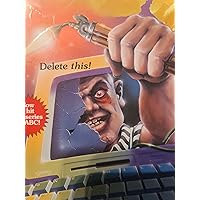
Pretty dumb book. Was not expecting much but this was just disappointing 😕
September 21, 2025
7/10
The first 100 pages of the book are relatively decent, but the last 20 are amazing.
It’s a regular slappy book but with some interesting plot changes. I recommend this one.
The first 100 pages of the book are relatively decent, but the last 20 are amazing.
It’s a regular slappy book but with some interesting plot changes. I recommend this one.

Read
August 5, 2026Bride of the Living Dummy
As the book opens, Julian is feeding her lizard (Petey) dead flies. Her twin sisters (Katie and Amanda) appear in the doorway. With their doll Mary-Ellen. Julian can’t stand Mary-Ellen (their big-headed doll). The twins treat the doll like their third sister. They treat the doll better than Julian. They tell her Mary-Ellen told them they can stay up late. Julian tells them to get mary-Ellen out of her room. Katie says Mary-Ellen hates her and her lizard; Julian says she hates Mary Ellen too. Before they leave, the twins warn her she’ll be sorry she was mean to Mary=Ellen.
Later that night, Jillian has a dream that she and her friend Harrison are flying over their school. She awakens to the sound of a click. Then sees a flash of silver. Then a knife comes down at her throat. She screams! Its her sister who wanted to “surprise” her with a haircut. They’re upset because she ruined everything. They say it was Mary-Ellen’s idea. Jullian vows to pay them back. She says she’s going to cut Mary-Ellen’s head off. They tell her she’ll be sorry.
On Saturday, the twins wake Julian chanting “It’s time to go.” She’s forgotten she’s supposed to be taking the twins to the theatre to see the ventriloquist act. Julian protests that she’s made plans with Harrison, but her mom says she’s keeping her promise. She suggests she take Harrison with her. Not that Harrison won’t mind. The twins insists on bringing Mary-Ellen.
Their father is building a coffee table in the basement, and they hear the sounds of the saw. Before the show starts, the twins complain about being bored. They demad Jillain buy separate popcorn for Mary-Ellen. Jullian says she’ll have to share theirs. When Katies shoves the doll in Jillain’s face, she loses her temper and slaps the doll in the face.
Jimmy and his dummy Slappy start their act. At first, it starts off as joking, but then Slappy’s tone changes, and he starts to insult Jimmy. The kids just laugh, thinking it's all part of the act. Jillian starts to notice Jimmy is looking more and more uncomfortable. This makes Jillian wonder why he’s looking so haken.
Jimmy invites some kids to come up and meet Slappy. The twins go up, and Slappy insults them. The twins don’t think it’s funny and leave the stage upset. Harrison is the only one who leaves the show. Everyone claps at the end, but Katie and Amanda. The twins say they’re going to tell Slappy and Jimmy off and tell them they’re not funny. They take off and go through a door on the side of the stage (ignoring Jillian’s cries that she doesn’t think it’s a good idea and for them to come back).(Slappy also insults the doll and calls her pretty… pretty ugly).
While looking for the twins, behind one of the doors Jillian hears an argument between Jimmy and Slappy. She sees Slappy slap the ventriloquist, and Jimmy’s nose starts to bleed. Jimmy sees Jillian in the doorway. He says he was just “practicing”. Jillian asks if he’s seen her sisters. He hasn’t. She finds them at a water fountain giving Mary-Ellen a drink. The twins make Jillian take them to get ice-cream at Dairy Queen. When they get home, Slappy is sitting on the couch. (Jimmy explains the slap as he slipped from his arm and his hand bumped him).
She asks how he got there. Slappy snickers. Then Harrison pops out from behind the couch. Harrison admits he found the dummy in the trash. Jillian leans down to examine him and he clamps his mouth down on her hand. Harrison pries his mouth open and says he’s probably borken. Jillain agrees. Then tells him to get him out of there. She says she has to take him back to Jimmy. Harrison says no way. Jillian says they should atleast try to find him.
A slip of paper falls from his jacket. There are strange words on the paper, but before she can read them, Jillian's mom tells her to come eat. Harrison asks if he leaves Slappy there will she ask her father to fix him. Jillian says she’ll ask. At dinner, Dad says he’ll take a look at him after he works on the coffee table. The twins sit Mary-Ellen next to Jillian at the table which irritates Jillian.
The twins and Jillian get into it again over Mary-Ellen, and Jillian shoves her head into her plate of macaroni. Jillian takes him to her room, but while she’s doing her homework she feel his staring at her. So, she turns him to face the wall. That night, she has an idea to get even. She decides to tie the twins laces into so tightly they won’t get them loose. Not much of an idea, but it’s a start. Halway down the stairs, Jillian hears footsteps in the living room. She sees eyes. Then sees Slappy sitting in the arm chair. He growls at her to go back to sleep.
Jillian nearly has a heart attack! Then she hears the twins giggling. They see Mary-Ellen told them to scare her. Because Jillian shoved her face in the plate of macaroni, the doll now hates her. Jillian tells them no more tricks, and picks up Slappy. He’s smiling in a twisted way. The twins try to tell her something, but Jillian tells them to go to bed and goes back to her own room. At school, Jillian tells Harison about the twins using Snappy to play tricks on her. Harrison comes up with plans to get even. He suggests taking off the dolls head and filling it with worms. He also suggests filling it with water or cutting off it’s hear. Jillian wants to smear it with cheese and feed it to the rats.
Then they discuss going to the Magic Shop for the birthday party they’re supposed to throw. Harrion really doesn’t want to do it, but he's going along with it because he’ll get 15 of the 30 dollars. Coming out of the shop is Jimmy O James. They try to tell him they have Slappy. He tells them to get rid of him before it’s too late. Jillian tells Harrison, but because he didn’t say he wanted the dummy back he says they’re keeping him. They continue to shop for the party and Harrison gets more excited about being a clown.
When Jillian gets home, Jillian finds her lizard cage open. Slappy's hands are reaching into the cage. The lizard is gone. Jillian accuses the twins. The twins deny it. Dad tells the twins they went too far. They twins continuously deny it. He says the dummy didn’t do it. Dad says they’ll all hunt for him before he starves. Then they see the dummy starts to move on its own. They see… Petey between Slappy’s lips.
Jillian retrieves Petey. The twins say they didn’t do it. Their parents don’t believe them and make them put the doll in the closet, and there she’ll stay until the twins tell the truth. They protest she won’t like it in there, but Jillian puts the doll in the closet. Jillian and Harrison do their act at the party as “Zippy” and “Zappy”. The kids don’t find them funny. Harrison uses a knife. It doesn’t go over well with a parent. They try to do a water trick and lose the kids. The kids say they stink.
They try the whipped cream pie trick. They just have planned to let the kids sniff the pie and then bend it over and get it over in each others faces. But the whipped cream gets in the kids faces some how. The girl and boy start to cry that its burning their eyes. Then all the kids start crying and some scream to the top of their lungs. Jillian discovers that the “whip cream” is soap or shaving cream. Jillain realizes the twins made the switch.
The party girl’s mother sends them out and says she can’t pay them. On the way home, Harrison says he has an idea. They’ll bring Slappy to life. Meaning they can use him at their next party. He says they can even get another dummy. Jillian agrees. Jillian blames the twins. They say they weren’t even home. Jillain wonders then who swiched the whip creame.
They decide to go visit Jimmy O James. No one appears to be at home, but the door is open so they go inside. They discover a workshop and parts of dummies inside. It looks like he’s long gone. Then they see a horrifying sight. Jimy Jones head on the dinning room table. But its just a dummy, They find a diary that talks about a puppetter that was evil and liked to make evil toys. His most evil creation was Slappy, Somehow Jimmy put him sleep and threw him away but if someone should say the magic words he’d be revived. Jillian realizes she came this close to saying the magic words. Then they hear heavy footsteps coming closer,
A white-haired man enters the room. The kids say they’re looking for Jimmy. The man says he took off to “go on tour”. On the way out, Jillian says she doesn’t want to use Slappy. Harrison says they can use Mary-Ellen and say that Slappy and Mary-Ellen are boyfriend and girlfriend and are going to get married. When Jillian gets home, she finds written in red lipstick WHERE IS MY BRIDE? She tries to tell her mom and dad, but they just rush out the door and tell her to watch her little sisters.
When confronted, the twins say they didn’t go in Jillian’s room. When Jillian searches Slappy, the slip of paper is missing. Jillian thinks the twins read the piece of paper. She asks him is it true, but he doesn’t respond. Then Jillian hears screams and goes into the kitchen to find a mess. Spaghetti is everywhere. The twins say Slappy did it; Jillian calls her mom who says she’s disappointed in her. By the time she gets back, the dummy is gone. Then she hears him climbing the stairs. He’s now on Jillian’s bed. After this, Jillian locks Slappy in a suitcase. She’s grounded, but her parents let her do an upcoming party.
Jillian says she’s not using Slappy. They’ll have to find another dummy. So, they use Mary-Ellen and a dummy named Maxie. But when they open the suitcase, Slappy is inside instead of Maxie. They decide to go ahead with the act. Only Slappy starts to vomit, which makes some of the other kids vomit during the act. Then grabs one of the kids. Jillian tries to go for help, but Slappy threatens he’ll hurt all the kids if she does. He says this is his wedding party now and he wants his bride.
Jillian says if they give him his bride, he has to go away with her and never return. They give him Mary-Ellen, but he tosses her. He says Jillian is his bride. Mary-Ellen appears and starts to beat Slappy around. She says she didn’t bring him to life for him to pick someone else. Then the twins confess Mary-Ellen did it all. Slappy wasn’t alive until the party. She said it was because of how Jillian treated her that she used the dummy to even with her.Now she says Jillian will be their slave. Slappy says oh hell no and punches her in the jaw.
Slappy and Mary-Ellen start to fight. They roll into the workshop and onto the coffee table. Slappy shoves Mary-Ellen onto the blade, and it saws her in falf, But then Mary=Ellen’s top half is holding Slappy. She yanks him through the blade and slices him in the middle. Jillian walks over to them to make sure they’re dead, but Slappy’s hand grabs her leg. But the hand crumbles to the floor. The parents arrive.
Later, Harrison is reading the old diary. He says that it says that even if the body of the dummy is destroyed, the evil ca move on to someone else. Jillian looks at the twins and wonders why the twins have such strange looks on their faces. She tells Harrison she’s finally going to get her revenge and spews gree gunk on them.
My Thoughts:
Slappy books were always a nostalgic favorite of mine from when I used to read them to my cousin when he was younger. We never read this one, but I definitely think this one stood out as my favorite. The terrifying touches of Slappy eating the lizard and throwing up all over the kids were good, visual, scare, images. I also couldn’t help thinking of the Bride of Chucky. I also really liked the cover of this. I wondered tho did Slappy inhabit Jillian *and* the twins. Wouldn’t it be cool if Mary-Ellen is in the twins and Slappy is in Jillian?
Rating: 7
As the book opens, Julian is feeding her lizard (Petey) dead flies. Her twin sisters (Katie and Amanda) appear in the doorway. With their doll Mary-Ellen. Julian can’t stand Mary-Ellen (their big-headed doll). The twins treat the doll like their third sister. They treat the doll better than Julian. They tell her Mary-Ellen told them they can stay up late. Julian tells them to get mary-Ellen out of her room. Katie says Mary-Ellen hates her and her lizard; Julian says she hates Mary Ellen too. Before they leave, the twins warn her she’ll be sorry she was mean to Mary=Ellen.
Later that night, Jillian has a dream that she and her friend Harrison are flying over their school. She awakens to the sound of a click. Then sees a flash of silver. Then a knife comes down at her throat. She screams! Its her sister who wanted to “surprise” her with a haircut. They’re upset because she ruined everything. They say it was Mary-Ellen’s idea. Jullian vows to pay them back. She says she’s going to cut Mary-Ellen’s head off. They tell her she’ll be sorry.
On Saturday, the twins wake Julian chanting “It’s time to go.” She’s forgotten she’s supposed to be taking the twins to the theatre to see the ventriloquist act. Julian protests that she’s made plans with Harrison, but her mom says she’s keeping her promise. She suggests she take Harrison with her. Not that Harrison won’t mind. The twins insists on bringing Mary-Ellen.
Their father is building a coffee table in the basement, and they hear the sounds of the saw. Before the show starts, the twins complain about being bored. They demad Jillain buy separate popcorn for Mary-Ellen. Jullian says she’ll have to share theirs. When Katies shoves the doll in Jillain’s face, she loses her temper and slaps the doll in the face.
Jimmy and his dummy Slappy start their act. At first, it starts off as joking, but then Slappy’s tone changes, and he starts to insult Jimmy. The kids just laugh, thinking it's all part of the act. Jillian starts to notice Jimmy is looking more and more uncomfortable. This makes Jillian wonder why he’s looking so haken.
Jimmy invites some kids to come up and meet Slappy. The twins go up, and Slappy insults them. The twins don’t think it’s funny and leave the stage upset. Harrison is the only one who leaves the show. Everyone claps at the end, but Katie and Amanda. The twins say they’re going to tell Slappy and Jimmy off and tell them they’re not funny. They take off and go through a door on the side of the stage (ignoring Jillian’s cries that she doesn’t think it’s a good idea and for them to come back).(Slappy also insults the doll and calls her pretty… pretty ugly).
While looking for the twins, behind one of the doors Jillian hears an argument between Jimmy and Slappy. She sees Slappy slap the ventriloquist, and Jimmy’s nose starts to bleed. Jimmy sees Jillian in the doorway. He says he was just “practicing”. Jillian asks if he’s seen her sisters. He hasn’t. She finds them at a water fountain giving Mary-Ellen a drink. The twins make Jillian take them to get ice-cream at Dairy Queen. When they get home, Slappy is sitting on the couch. (Jimmy explains the slap as he slipped from his arm and his hand bumped him).
She asks how he got there. Slappy snickers. Then Harrison pops out from behind the couch. Harrison admits he found the dummy in the trash. Jillian leans down to examine him and he clamps his mouth down on her hand. Harrison pries his mouth open and says he’s probably borken. Jillain agrees. Then tells him to get him out of there. She says she has to take him back to Jimmy. Harrison says no way. Jillian says they should atleast try to find him.
A slip of paper falls from his jacket. There are strange words on the paper, but before she can read them, Jillian's mom tells her to come eat. Harrison asks if he leaves Slappy there will she ask her father to fix him. Jillian says she’ll ask. At dinner, Dad says he’ll take a look at him after he works on the coffee table. The twins sit Mary-Ellen next to Jillian at the table which irritates Jillian.
The twins and Jillian get into it again over Mary-Ellen, and Jillian shoves her head into her plate of macaroni. Jillian takes him to her room, but while she’s doing her homework she feel his staring at her. So, she turns him to face the wall. That night, she has an idea to get even. She decides to tie the twins laces into so tightly they won’t get them loose. Not much of an idea, but it’s a start. Halway down the stairs, Jillian hears footsteps in the living room. She sees eyes. Then sees Slappy sitting in the arm chair. He growls at her to go back to sleep.
Jillian nearly has a heart attack! Then she hears the twins giggling. They see Mary-Ellen told them to scare her. Because Jillian shoved her face in the plate of macaroni, the doll now hates her. Jillian tells them no more tricks, and picks up Slappy. He’s smiling in a twisted way. The twins try to tell her something, but Jillian tells them to go to bed and goes back to her own room. At school, Jillian tells Harison about the twins using Snappy to play tricks on her. Harrison comes up with plans to get even. He suggests taking off the dolls head and filling it with worms. He also suggests filling it with water or cutting off it’s hear. Jillian wants to smear it with cheese and feed it to the rats.
Then they discuss going to the Magic Shop for the birthday party they’re supposed to throw. Harrion really doesn’t want to do it, but he's going along with it because he’ll get 15 of the 30 dollars. Coming out of the shop is Jimmy O James. They try to tell him they have Slappy. He tells them to get rid of him before it’s too late. Jillian tells Harrison, but because he didn’t say he wanted the dummy back he says they’re keeping him. They continue to shop for the party and Harrison gets more excited about being a clown.
When Jillian gets home, Jillian finds her lizard cage open. Slappy's hands are reaching into the cage. The lizard is gone. Jillian accuses the twins. The twins deny it. Dad tells the twins they went too far. They twins continuously deny it. He says the dummy didn’t do it. Dad says they’ll all hunt for him before he starves. Then they see the dummy starts to move on its own. They see… Petey between Slappy’s lips.
Jillian retrieves Petey. The twins say they didn’t do it. Their parents don’t believe them and make them put the doll in the closet, and there she’ll stay until the twins tell the truth. They protest she won’t like it in there, but Jillian puts the doll in the closet. Jillian and Harrison do their act at the party as “Zippy” and “Zappy”. The kids don’t find them funny. Harrison uses a knife. It doesn’t go over well with a parent. They try to do a water trick and lose the kids. The kids say they stink.
They try the whipped cream pie trick. They just have planned to let the kids sniff the pie and then bend it over and get it over in each others faces. But the whipped cream gets in the kids faces some how. The girl and boy start to cry that its burning their eyes. Then all the kids start crying and some scream to the top of their lungs. Jillian discovers that the “whip cream” is soap or shaving cream. Jillain realizes the twins made the switch.
The party girl’s mother sends them out and says she can’t pay them. On the way home, Harrison says he has an idea. They’ll bring Slappy to life. Meaning they can use him at their next party. He says they can even get another dummy. Jillian agrees. Jillian blames the twins. They say they weren’t even home. Jillain wonders then who swiched the whip creame.
They decide to go visit Jimmy O James. No one appears to be at home, but the door is open so they go inside. They discover a workshop and parts of dummies inside. It looks like he’s long gone. Then they see a horrifying sight. Jimy Jones head on the dinning room table. But its just a dummy, They find a diary that talks about a puppetter that was evil and liked to make evil toys. His most evil creation was Slappy, Somehow Jimmy put him sleep and threw him away but if someone should say the magic words he’d be revived. Jillian realizes she came this close to saying the magic words. Then they hear heavy footsteps coming closer,
A white-haired man enters the room. The kids say they’re looking for Jimmy. The man says he took off to “go on tour”. On the way out, Jillian says she doesn’t want to use Slappy. Harrison says they can use Mary-Ellen and say that Slappy and Mary-Ellen are boyfriend and girlfriend and are going to get married. When Jillian gets home, she finds written in red lipstick WHERE IS MY BRIDE? She tries to tell her mom and dad, but they just rush out the door and tell her to watch her little sisters.
When confronted, the twins say they didn’t go in Jillian’s room. When Jillian searches Slappy, the slip of paper is missing. Jillian thinks the twins read the piece of paper. She asks him is it true, but he doesn’t respond. Then Jillian hears screams and goes into the kitchen to find a mess. Spaghetti is everywhere. The twins say Slappy did it; Jillian calls her mom who says she’s disappointed in her. By the time she gets back, the dummy is gone. Then she hears him climbing the stairs. He’s now on Jillian’s bed. After this, Jillian locks Slappy in a suitcase. She’s grounded, but her parents let her do an upcoming party.
Jillian says she’s not using Slappy. They’ll have to find another dummy. So, they use Mary-Ellen and a dummy named Maxie. But when they open the suitcase, Slappy is inside instead of Maxie. They decide to go ahead with the act. Only Slappy starts to vomit, which makes some of the other kids vomit during the act. Then grabs one of the kids. Jillian tries to go for help, but Slappy threatens he’ll hurt all the kids if she does. He says this is his wedding party now and he wants his bride.
Jillian says if they give him his bride, he has to go away with her and never return. They give him Mary-Ellen, but he tosses her. He says Jillian is his bride. Mary-Ellen appears and starts to beat Slappy around. She says she didn’t bring him to life for him to pick someone else. Then the twins confess Mary-Ellen did it all. Slappy wasn’t alive until the party. She said it was because of how Jillian treated her that she used the dummy to even with her.Now she says Jillian will be their slave. Slappy says oh hell no and punches her in the jaw.
Slappy and Mary-Ellen start to fight. They roll into the workshop and onto the coffee table. Slappy shoves Mary-Ellen onto the blade, and it saws her in falf, But then Mary=Ellen’s top half is holding Slappy. She yanks him through the blade and slices him in the middle. Jillian walks over to them to make sure they’re dead, but Slappy’s hand grabs her leg. But the hand crumbles to the floor. The parents arrive.
Later, Harrison is reading the old diary. He says that it says that even if the body of the dummy is destroyed, the evil ca move on to someone else. Jillian looks at the twins and wonders why the twins have such strange looks on their faces. She tells Harrison she’s finally going to get her revenge and spews gree gunk on them.
My Thoughts:
Slappy books were always a nostalgic favorite of mine from when I used to read them to my cousin when he was younger. We never read this one, but I definitely think this one stood out as my favorite. The terrifying touches of Slappy eating the lizard and throwing up all over the kids were good, visual, scare, images. I also couldn’t help thinking of the Bride of Chucky. I also really liked the cover of this. I wondered tho did Slappy inhabit Jillian *and* the twins. Wouldn’t it be cool if Mary-Ellen is in the twins and Slappy is in Jillian?
Rating: 7
This entire review has been hidden because of spoilers.
June 16, 2019
Over the years, R.L. Stine has really milked Slappy the Dummy for all he's worth. A Chucky for the preteen set, Slappy has been shouting insults, spewing vomit and "enslaving" children for almost three decades, a formula that remains popular with younger readers even as he becomes stale for those more discerning (or possibly, just older). For the second installment of his "darker and edgier" Series 2000 spinoff, Bride of the Living Dummy, Stine must have realized Slappy's antics were wearing thin, and he reconfigures a few story elements to be fresher and creepier, his terror more disturbing. This time around, Slappy gets adopted by Jillian Zinnman, the usual beleaguered adolescent with two bratty sisters (themselves possessing an ugly, life-sized doll named Mary-Ellen) and a friend who thoughtfully steals the dummy from a trash can. What a guy! No sooner does Slappy arrive at Jillian's house than the usual shenanigans ensue; this interferes with Jillian's plans to be a "rich birthday clown," as Slappy (or someone) messes up her comedy act and starts threatening her and her sisters. This book makes a lot of the creepy subtext of earlier Dummy books explicit: namely, Slappy starts calling Jillian his "bride" and, in the original version, headbutts her into unconsciousness and calls it a "love tap." When Mary-Ellen comes to life and demands that Slappy take her as his own, he responds by whaling the living daylights out of her, too. Yikes! I doubt this registered with me as a kid, but it's really hard to read Bride now and not see a commentary on abusive relationships, intentional or not; the oblivious adults seem even worse than usual as the evil dolls terrorize Jillian and her sisters, along with a room full of school kids who are sprayed with the obligatory green vomit. Unsurprisingly, Scholastic toned this down in reprints, which reduces it into another kooky Slappy adventure with a subplot about failed clowns and their "all-squirting act." Possibly for the best, as I can imagine these chapters hitting uncomfortably close to home for young readers (heck, older readers too!) who've experienced similar things in real life.

September 14, 2025
Uno dei capitoli più iconici della serie *Piccoli Brividi*: inquietante, ironico e irresistibilmente spaventoso. Con il suo celebre burattino Slappy, Stine dà vita a un incubo domestico che mescola humor nero e tensione crescente, in perfetto equilibrio tra paura e divertimento. Un classico dell’horror per ragazzi che continua a far tremare — e sorridere — generazioni di lettori.

March 19, 2024
I’ve never read goosebumps in my life and this was first I read it and it turned out better than I thought. From Slappy to Mary-Ellen the whole horror and got me so interested and I ended up finishing it in 2 days! This book was really intriguing. Recommend it if you want to read a horror book that’s not too scary.
⭐️⭐️⭐️⭐️🌟 5 star rating.
⭐️⭐️⭐️⭐️🌟 5 star rating.

November 16, 2013
I remember reading this book and it scared the crap outta me. I love Goosebumps! Even though this one is not that scary, more like creepy actually, but I still enjoyed it. I don't own this series that much but enough to fill my childhood with freaky stuff.
Read
May 27, 2016this book is about sloppy want the girls doll to be his brewed and he tries to get her but the girl docent let him.and the girl doll goes with slappy and then sloppy docent want the doll he wants the girl.

April 23, 2023
Listen to our review on our podcast:
https://anchor.fm/hew-j-la-france/epi...
Or read it on our website:
https://pagesinthecorner.com/f/gooseb...
https://anchor.fm/hew-j-la-france/epi...
Or read it on our website:
https://pagesinthecorner.com/f/gooseb...

June 19, 2011
----R.L. Stine emank jagoan deh nakut-nakutin anak-anak...I have my goosebumps!


September 16, 2021
You'll love this book if you love reading about vomit. I, however, do not.
Displaying 1 - 30 of 120 reviews