Within the pages of this magical handbook, you’ll find everything you need to know to practice Saxon sorcery. Alaric Albertsson once again uncovers the practices and customs of the Anglo-Saxons hidden in early charms and English folk traditions. His first book, Travels Through Middle Earth , taught readers how to connect with the Saxon cosmology, deities, spirits, and rituals. Now, Wyrdworking tells how to craft rune charms, brew potions, cast effective spells, and use magical techniques to find love and prosperity. This guide explores the folklore, meanings, and magical properties of all thirty-three Old English Futhorc runes, classifying them by theme, such as animals or trees, to help you learn. Discover how to make a wand or staff, consecrate and use a seax (knife), and practice the herbal healing known as wortcunning . Design effective spells through the use of galdor (incantations), practice wiglung (the art of soothsaying), and create your own set of powerful divinatory runes.
Alaric Albertsson has written som pretty fascinating material on Nordic Lore more in particular Anglo -Saxon lore which is coming from the Germanic tribes that settled in England. His first volume "Travels Through the Middle Earth" dealt ith the lore. This volume explains the magical part.
The author starts his discussion of with defining the difference between magic and spirituality. Recongize that often times there is over lap between the two. Spirituality deals with making ciontact with the Gods and serving them. Magic was making reality conform with your will. Magic put you in the drivers seat.
In discussing magic the anatomy of the soul must be discussed. It is dvided into 9 parts. 1) The Lic: Physical body 2) THe Hyge: Consious thought. 3) Willa: Will power or determination 4) The Wod : Inspiration or your passion which drives your will. 5) The Mod : self identity or self awareness.6) The Maegan: Spiritual strength refers to one who we say has guts or bravery. 7)The Hama: the astral body or aura. 8. The Myne : The memory most needed to memoprize formulas and chants. 9) THe Fetch: is your guardian spirit.This can travel to other ares during seetthing or astral projection.
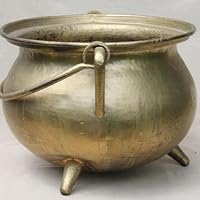
The Anglo Saxon has a variety of tool with which to work with. A Myse is a table or spread that the sorcerer works with. It is basically their working space. The Telga is a wand and unlike in Wicca you can pick a branch off the ground or break one off a tree. Leaving an offering is optional but there is no asking the tree. Very prctical if you ask me. The sorcerer also has a staff, mortar and pestle, The Seax (knife) a cauldron.
The sorcerer from anglo saxon times worked also with a variety of chemicals otr elements although their primary elements were fire and ice. They would use their own spittle, Urine and blood. Lead was used for cursing. There were three areas of magic. The first area was Runewita or rune craft, the second area was galdor or spoken charms, the last area was wort cunning or working with herbs.
The book deals excessively with runes and rune craft. Anglo Saxon used Furhtorc rune for their runecraft. This was develeoped specifically in England and it has 29 active symbol which are used and who's mysteries are known from the "Rune Poem) the other four have unknown meaning and are not actively used. THe anglo saxons used Runes primarily for runecraft and did not use them for divination like is done now adays. Yet the author tells how to make them and how to use them for diviniation. You can throw them down and read the clumps or cast out different ones. For draawing them out one at a time the author gives forward the option of using a 1 card spread which is like the daily advice. The three card spread is the present, past and future. Then their is the Ygdrasil spread. THe autor also over the Wiccan Runes which are thrown down and read into clumps.
Both Futhorc and Wiccan Runes can be used in spellcraft. Bind rune and fune combinations can be used to have certain goals materialize. Runes can be used in Talismans of permanance or in charms that have temporary effect. There are other ways of spell craftng as mentioned earlier there is galdor or rhymes. The phrase you make for yiour magical goal can rhynme or be doen by using alliteration. Narratives are also considered very effective. THe last form of magic is wort cunning. The author has a few recipes and uses for various herbs.
Contained there in are sections on love magic, monetary magic and health magic. The advice that he gives is down to earth and wise. THe final section talks about anglo saxon Druids in comparisn tio the witch. I never knew there was an Anglo-Saxon Druid. I thought they were Celtic. Needles to say the Anglo Saxon Druid had more status and education and worked for the king and the community.
This is not an academically-sourced book, so take everything you read with a grain of salt, because it may have come from a medieval tome, or it might have been made up on the spot. There is no way to tell while reading it.
That said, there is some really good material for working with runes (the section I focused most on, as the section I have the most experience with) and interpreting them, as well as some basic magical practices and theories. I learned quite a bit reading this.
As someone who bases their practice on historical practices if possible, or at least the spirit of historical practices if not possible, I would have preferred a book that focused on actual attested sources. This is still a useful handbook, even if you are not an Anglo-Saxon practitioner (I have a Scandi focus).
I would rather gouge my eyes out with a dull butter knife then read this again. It will make good kindling for the Yule fires. I would rate it 0 stars if I could.
Just went back over this book, and noticed I haven't reviewed it. A great book that covers a good deal of ground on magic practice. The rune stuff, which is what I bought it for, is very good.
This is the most serious book that I have seen thus far. It requires knowledge of old English, or to be willing to learn it. Book also goes deeply into the runes and which I think is pretty nicely explained. If you are serious about your craft, then read it!
Wyrdworking is a great resource for Anglo Saxon magic, it covers a number of topics in great detail but is a bit far reaching in the fact that there is so much to cover. I follow the Norse path and picked this up by happenstance, though it was great to see the parallels between the two practices!