

What do you think?

The Collected Fantasies of Clark Ashton Smith #1
The End of the Story
Published in chronological order, with extensive story and bibliographic notes, this series not only provides access to stories that have been out of print for years, but gives them a historical and social context. Series editors Scott Conners and Ronald S. Hilger excavated the still-existing manuscripts, letters and various published versions of the stories, creating a definitive "preferred text" for Smith's entire body of work. This first volume of the series, brings together 25 of his fantasy stories, written between 1925 and 1930, including such classics as "The Abominations of Yondo," "The Monster of the Prophecy," "The Last Incantation" and the title story.
284 pages, Hardcover
First published September 1, 2006
About the author
Clark Ashton Smith
772 books1,057 followersClark Ashton Smith was a poet, sculptor, painter and author of fantasy, horror and science fiction short stories. It is for these stories, and his literary friendship with H. P. Lovecraft from 1922 until Lovecraft's death in 1937, that he is mainly remembered today. With Lovecraft and Robert E. Howard, also a friend and correspondent, Smith remains one of the most famous contributors to the pulp magazine Weird Tales.
His writings are posted at his official website.
His writings are posted at his official website.
Ratings & Reviews
Friends & Following
Create a free account to discover what your friends think of this book!
Community Reviews
Displaying 1 - 30 of 113 reviews

July 12, 2009
If I mentioned stories with lavish, velvety prose conjuring eldritch imagery and secret, cabalistic settings, where shady characters face nameless, indescribable terrors...you'd know I was referring to H.P. Lovecraft Clark Ashton Smith...right?

After completing this first installment of the collected works of CAS’s fantasy/horror fiction, I'm now a serious FAN of his work. Smith’s evocative, melodramatic style is reminiscent of two of his contemporaries (and friends), HP Lovecraft and Robert E. Howard, both of whom I count among my favorites. While each of these 3 giants clearly had their own distinctive voice, they each chose to write with a flowery verboseness that imbued their stories with a sense of grandeur and vital urgency that heightened the level of tension felt when reading their stories.
It's a style that warms my cockles, and with the addition of Clark Ashton Smith to this list, those cockles should remain well and truly toasty for years to come.
In addition to the superb content, I think the format of the collection was wisely chosen. Rather than being grouped by theme or sub-genre, the stories are presented in "chronological" order based on when CAS wrote them (not necessarily when he published them).
By structuring the collection this way, the reader is able to watch the evolution of Smith’s considerable talent, which incidentally is on display even in the early stories. In fact, even though the general quality of the story-crafting gets better the deeper you get into the collection, several of my favorite stories were earlier works that, while not quite as polished, stirred a deep emotional impact.
I can’t wait to see what the succeeding volumes contain.
QUICK NOTE ON VOCABULARY:
It would be advisable to keep your dictionary handy while reading Smith’s stories as his language skill is both broad and deep. I thought I had a decent vocabulary going into this, but I in constant look up mode while reading this, as CAS peppers his stories with some real obscurities. To give you a sense of this, I picked at random two pages from one of Smith’s stories (The Monster of the Prophecy) and made a list of every word I was not familiar with. It was lengthy and included:
Nacarat
Dubiety
Erubescent
Habiliments
Discoid
Veriest
Quotidian
Sybarites
Vates
Erigible
Adumbration
I looked all of those words up, and I can assure you that they are, in fact, ENGLISH!! CAS must have totally kicked ass at scrabble as a kid. Anyway, I thought that aspect of the stories was a lot of fun and worth mentioning.
THE STORIES:
The genres represented in this collection include horror, dark fantasy and science fiction, and the range of Smith is evident after only a handful of stories. Smith, being a close friend and colleague of H.P. Lovecraft, would occasionally set his stories in the “Cthulhu Mythos” and part of his lasting fame is as a contributor to that rich world.
The 25 stories in this collection include:
To the Daemon
The Abominations of Yondo
Sadastor
The Ninth Skeleton
The Last Incantation
The End of the Story
The Phantoms of the Fire
A Night in Malneant
Resurrection of the Rattlesnake
Thirteen Phantasms
The Venus of Azombeii
The Tale of Satampra Zeiros
The Monster of the Prophecy
The Metamorphosis of the World
The Epiphany of Death
A Murder in the Fourth Dimension
The Devotee of Evil
The Satyr
The Planet of the Dead
The Uncharted Isle
Marooned in Andromeda
The Root of Ampoi
The Necromantic Tale
The Immeasurable Horror
A Voyage To Sfanome
Of these, my favorites were:
The Abominations of Yondo - An early piece set in a strange, desolate locale, where a morally questionable protagonist confronts an ancient evil. This had a very Lovecraftian feel to it. Beautiful imagery and a terrific ending.
Sadastor - Another earlier work with a real sense of pathos. Dealing with an ages old love that results in pain and loss spanning eons, it was evocative and full of melancholy. I thought this, along with The Ninth Skeleton, was one of the more powerfully emotional stories in the collection.
The Ninth Skeleton - Another emotion-centric story full of eerie imagery and having awallop of an ending that left me pondering it long after I finished it. Like Sadastor, this shows Smith’s ability to tap into the emotional wiring and give the soul a charge.
The End of the Story - The title story and another terrific Lovecraftian tale of amoral scientists, investigating the dark corners of the universe and getting bitten...hard. Savvy, brilliant and a ton of fun to read.
The tale of Satampra Zeiros - Part of the Cthulhu Mythos and one of Smith's most famous stories. See my detailed review of this story here Steve’s Shameless Plug
The Devotee of Evil: A creepy, dread-fest of a bone-chiller about the search for the source of all evil.
The Satyr: I loved Smith's take on forbidden love and the influence of the title creature on a lad, a lady and their lusty lie down. I think Smith did a terrific job with this one.
The Root of Ampoi: A unique, gender inverting story that will mess with your preconceptions and your expectations, all while doling out loads of fun.
Overall, a very strong collection. Looking forward to delving into Volume 2…once I brush up on my vocabulary.
4.0 stars. HIGHLY RECOMMENDED.

After completing this first installment of the collected works of CAS’s fantasy/horror fiction, I'm now a serious FAN of his work. Smith’s evocative, melodramatic style is reminiscent of two of his contemporaries (and friends), HP Lovecraft and Robert E. Howard, both of whom I count among my favorites. While each of these 3 giants clearly had their own distinctive voice, they each chose to write with a flowery verboseness that imbued their stories with a sense of grandeur and vital urgency that heightened the level of tension felt when reading their stories.
It's a style that warms my cockles, and with the addition of Clark Ashton Smith to this list, those cockles should remain well and truly toasty for years to come.
In addition to the superb content, I think the format of the collection was wisely chosen. Rather than being grouped by theme or sub-genre, the stories are presented in "chronological" order based on when CAS wrote them (not necessarily when he published them).
By structuring the collection this way, the reader is able to watch the evolution of Smith’s considerable talent, which incidentally is on display even in the early stories. In fact, even though the general quality of the story-crafting gets better the deeper you get into the collection, several of my favorite stories were earlier works that, while not quite as polished, stirred a deep emotional impact.
I can’t wait to see what the succeeding volumes contain.
QUICK NOTE ON VOCABULARY:
It would be advisable to keep your dictionary handy while reading Smith’s stories as his language skill is both broad and deep. I thought I had a decent vocabulary going into this, but I in constant look up mode while reading this, as CAS peppers his stories with some real obscurities. To give you a sense of this, I picked at random two pages from one of Smith’s stories (The Monster of the Prophecy) and made a list of every word I was not familiar with. It was lengthy and included:
Nacarat
Dubiety
Erubescent
Habiliments
Discoid
Veriest
Quotidian
Sybarites
Vates
Erigible
Adumbration
I looked all of those words up, and I can assure you that they are, in fact, ENGLISH!! CAS must have totally kicked ass at scrabble as a kid. Anyway, I thought that aspect of the stories was a lot of fun and worth mentioning.
THE STORIES:
The genres represented in this collection include horror, dark fantasy and science fiction, and the range of Smith is evident after only a handful of stories. Smith, being a close friend and colleague of H.P. Lovecraft, would occasionally set his stories in the “Cthulhu Mythos” and part of his lasting fame is as a contributor to that rich world.
The 25 stories in this collection include:
To the Daemon
The Abominations of Yondo
Sadastor
The Ninth Skeleton
The Last Incantation
The End of the Story
The Phantoms of the Fire
A Night in Malneant
Resurrection of the Rattlesnake
Thirteen Phantasms
The Venus of Azombeii
The Tale of Satampra Zeiros
The Monster of the Prophecy
The Metamorphosis of the World
The Epiphany of Death
A Murder in the Fourth Dimension
The Devotee of Evil
The Satyr
The Planet of the Dead
The Uncharted Isle
Marooned in Andromeda
The Root of Ampoi
The Necromantic Tale
The Immeasurable Horror
A Voyage To Sfanome
Of these, my favorites were:
The Abominations of Yondo - An early piece set in a strange, desolate locale, where a morally questionable protagonist confronts an ancient evil. This had a very Lovecraftian feel to it. Beautiful imagery and a terrific ending.
Sadastor - Another earlier work with a real sense of pathos. Dealing with an ages old love that results in pain and loss spanning eons, it was evocative and full of melancholy. I thought this, along with The Ninth Skeleton, was one of the more powerfully emotional stories in the collection.
The Ninth Skeleton - Another emotion-centric story full of eerie imagery and having awallop of an ending that left me pondering it long after I finished it. Like Sadastor, this shows Smith’s ability to tap into the emotional wiring and give the soul a charge.
The End of the Story - The title story and another terrific Lovecraftian tale of amoral scientists, investigating the dark corners of the universe and getting bitten...hard. Savvy, brilliant and a ton of fun to read.
The tale of Satampra Zeiros - Part of the Cthulhu Mythos and one of Smith's most famous stories. See my detailed review of this story here Steve’s Shameless Plug
The Devotee of Evil: A creepy, dread-fest of a bone-chiller about the search for the source of all evil.
The Satyr: I loved Smith's take on forbidden love and the influence of the title creature on a lad, a lady and their lusty lie down. I think Smith did a terrific job with this one.
The Root of Ampoi: A unique, gender inverting story that will mess with your preconceptions and your expectations, all while doling out loads of fun.
Overall, a very strong collection. Looking forward to delving into Volume 2…once I brush up on my vocabulary.
4.0 stars. HIGHLY RECOMMENDED.

October 20, 2015
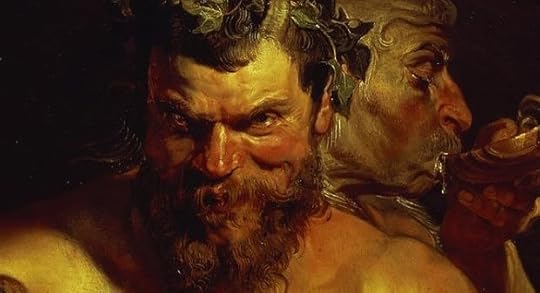
In the tradition of Poe and Lovecraft, over two dozen finely wrought mind-bending tales of horror, terror, shock and hallucination by Clark Ashton Smith (1893-1961). Below are my comments on a trio, including the title story, a cautionary yarn on the nature of memory and a dark fable featuring one of those Dionysian creatures who loves wine, women and physical pleasure and who roams the forests as it plays its panpipes - the Satyr.
THE END OF THE STORY
At one point in this short story our first-person chronicler reflects: “At sight of her, I trembled from head to foot with the violence of a strange emotion. I had heard of the sudden mad loves by which men are seized on beholding for the first time a certain face and form; but never before had I experienced a passion of such intensity, such all-consuming ardor, as the one I conceived immediately for this woman. Indeed, it seemed as if I had loved her for a long time, without knowing that it was she whom I loved, and without being able to identify the nature of my emotion or to orient the feeling in any manner.”
Is our young narrator in this tale beholding a manifestation of the Hindu goddess Rati or perhaps Tara or Avalokitevara or another female Buddhist deity? If so, then all would be well. However, this is France in the 17th century and prior to his ecstatic, sensual experience our young man was a guest of a Benedictine monetary wherein he read a forbidden manuscript propelling him on his quest that lead to this intense, sensual encounter in the first place. Therein lies the basis of his conflict – does his trust his heart or listen to the advice of the monastery’s abbot? His final reflection foreshadows his choice.
A NIGHT IN MALNEANT
A tale of remorse. Having caused his true love, the brokenhearted lady Mariel, to take her own life, our handsome, dashing young narrator flees from his home, wandering from city to city throughout the world in an attempt to banish any memory of Mariel. He comes upon the city of Malnéant, but mystery of mystery - everyone in this city has spent many years mourning the death of a beautiful woman by the name of Mariel and are currently preparing her burial. The young lover reflects, “Now I began to dread the city about me with a manifold fear: for apparently the whole business of the people in Malnéant consisted of preparations for the funeral of this lady Mariel. And it began to be obvious that I must walk the streets of the city all night because of these same preparations.”
I recall Jorge Luis Borges noting how our memory can be a great magician and deceiver - our first memory is of the event or happening itself but our second memory becomes a recollection of the first memory, the third memory a recollection of the second, ad infinitum, an infinite series of memories, each one in turn becoming the very clay, the source material for our next memory - repetition of bad memories as self-created prison. And this Clark Aston Smith tale compounds the mental prison – an entire city of men and women perpetually living through our very own bad memory, the entire city suffering our personal unending torture.
THE SATYR
A dark fable featuring husband Raoul drinking his wine that dulls his senses, while poet Olivier writes his verses and ballads about Raoul’s wife Adele and her golden eyes, feminine charms and her wine-dark tresses. On occasion, Adele will even take strolls with Olivier through the forest surrounding their chateau. But there reaches a point where between his drinking wine and hunting game Raoul observes how his wife appears to have grown younger and fairer, which, he realizes, can only happen if she is touched by the magic of love. Sidebar: through Raoul’s wine drinking, Olivier’s poetry and Adele’s awakened love, the spirit of Dionysius is present and accepted since it is contained within the walls of ‘civilized’ behavior.
One fine April day, with spring and greenery in the air, Olivier persuades Adele to venture further into the forest, a forest where legends abound about the wood being haunted by a primordial spirit even more ancient that Christ or Satan, a spirit filled with “panic, madness, demoniac possession or baleful, unreasoning passions.” Well, not only do Olivier and Adele take their forest stroll but a now suspicious Raoul takes up his rapier and sallies forth on his own not-so-casual forest stroll.
Let’s pause here to note how one ancient interpretation describes the Satyr as possessing the fearless and brutal instincts needed to defend itself in the wild forests without the aid of civilization as it lives its carefree life, playing music on its flute and having a deep connection with nature. Other interpretations, as in this Clark Ashton Smith tale, are not nearly so glowing, depicting the Satyr as a wine-crazed sex-fiend, a dark Dionysian force that should be avoided.
The tale’s events transpire until Raoul comes up Olivier and wife Adele embracing one another, naked and asleep. We read, “He was about to fling himself upon them and impale the two with a single thrust where they lay, when an unlooked-for and scarce conceivable thing occurred. With swiftness veritably supernatural, a brown hairy creature, a being that was not wholly man, not wholly animal, but some hellish mixture of both, sprang from amid the alder branches and snatched Adele from Olivier's embrace. Olivier and Raoul saw it only in one fleeting glimpse, and neither could have described it clearly afterwards. But the face was that which had leered upon the lovers from the foliage; and the shaggy' legs and body were those of a creature of antique legend. It disappeared as incredibly as it had come, bearing the woman in its arms; and her shrieks of terror were surmounted by the pealing of its mad, diabolical laughter.”
I noted the various interpretations of a Satyr’s nature to suggest that Clark Ashton Smith can be read on many levels, including our probing and questioning underlying cultural myths and attitudes contained in his imaginative tales and, indirectly, in our own society.

February 16, 2014
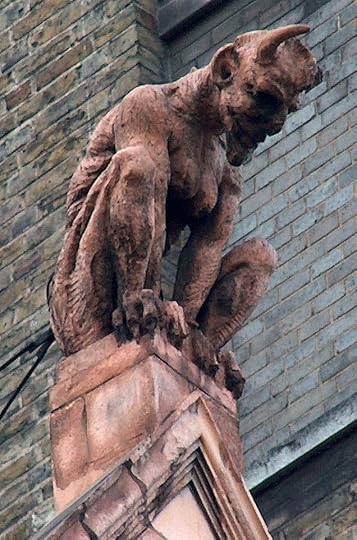
Clark Ashton Smith is one of my comfort food authors. An odd sort of comfort, I know: ornate, overripe, extravagantly archaic prose; bizarre and often nightmarish dreamscapes; love and death, hand in hand; sardonic malevolence and fulsome melancholy and sinister, ambiguous threats and a longing for vistas far, far away. Well I suppose we all take our comforts where we feel the most comfortable. As an author and an influence on many other authors, CAS needs no defense – he is one of the originals of fantastic fiction and the shadow his legacy casts is a long one.
Rereading the stories collected in this volume brought something new to my appreciation of this brilliant writer: he is an author in love with the idea of love. Many of his stories are surprisingly romantic. I had already seen him as a perverse version of a Romantic author, “Romantic” in the classic sense... Romanticism that 'validated intense emotion as an authentic source of aesthetic experience, placing new emphasis on such emotions as apprehension, horror and terror, and awe — especially that which is experienced in confronting the sublimity of untamed nature and its picturesque qualities' (and if you think I wrote that last phrase, let me introduce you to my best friend Wikipedia). Reading these stories of alien wonders and lonely deaths in alternate dimensions and dreamers dreaming themselves to faraway planets made it clear to me that the concept of Love, particularly its transcendent and sometimes obliterating qualities, is often centralized in his tales.
The End of the Story is Volume 1 in Night Shade Books' collection of the complete works of CAS. It is an admirable effort: lost stories are carefully resurrected, whenever possible the original is used over an edited version, there are a couple alternate endings included, and the footnotes are encyclopedic. Excellent work, publisher. Because the order of the stories is chronological, this first volume does have its share of works that feel incomplete or minor or even unnecessary. Nonetheless there are many brilliant gems within that were even more pleasurable to read so many years after I first read them.
CAS often set his stories within a handful of imaginary places. I've bolded what I consider to be the strongest pieces in this collection.
There are two stories set in the medieval French province of Averoigne: the brief, dark “The Satyr” and “The End of the Story”. The latter details the fateful encounters of a young traveler as he is invited into one castle and explores a second, enters another plane of existence, and meets the serpentine girl of his dreams.
There is one story set in Hyperborea – his prehistoric land of adventure, magic, and doom: a gleefully malicious and exceedingly fun tale of thieves stumbling upon an amoebic old god. “The Tale of Satampra Zeiros” is awesome.
Two stories are set on the doomed last isle of Atlantis called Posiedonis: “The Last Incantation” is about a dying sorcerer trying to recapture the essence of his greatest love; “Voyage to Sfanamoë” details a bizarrely transcendent flight to Venus.
Unfortunately, this volume does not include any of the wonderful science fantasy stories set in the far-flung future of Zothique, a place that would soon come to dominate the author’s storytelling. Ah well, there are future volumes that await me.
Many stories are not set in any of these places. My favorites:
“Sadastor” tells of the brief flirtation between the demon Charnadis and the siren Lyspial. Forlorn Lyspial lives alone on a dying world, longing for the glory days when she sang sailors from their ships and into watery graves.
“Venus of Azombeii” is about an adventurer in Africa, the true love he found within a secretive tribe, and an appallingly jealous shaman’s poison. I hate jealous shamans.
“The Abominations of Yondo” is a creepy catalogue of eerie night terrors that a newly-exiled wastrel encounters in his journey through a ruinous desert.
“The Necromantic Tale” concerns itself with the undying love between two evil enchanters, and a strange possession that may or may not be occurring to our narrator, their descendant.
“The Uncharted Isle” starts off as an almost traditional adventure tale of a shipwrecked sailor finding a very odd island village, and then slowly transforms into an oblique meditation on the uselessness of trying to combat The End of All Things.
“The Immeasurable Horror” introduces a Planet of Terrible Terrors whose most eyebrow-raising inhabitant is a vomit-pink, miles-long, slug-like mass of carnivorous jelly. Nice! In the depiction of this feral world, I was reminded of the equally marvelous novel Red Claw.
”The Monster of the Prophecy” is my favorite story in this collection. A pathetic, suicidal young writer meets a chilly mysterious stranger who invites him to have adventures in a place far, far away. Things are not as they seem and the poor fellow soon realizes that he is the monster of the title. I hate spoilers, but I just have to add that this tale ends in a really lovely bit of romantic wish fulfillment as our hero gradually falls in love with a bizarre alien (I mean really alien, think extra limbs and eyes and other alien bits) who shares his love of poetry and melancholy. Aw, sweet!
Clark Ashton Smith is not for everyone, including genre lovers. His byzantine prose is no doubt off-putting to the reader in search of rambunctious, straightforward tales of derring-do. But I adore him. No other wordsmith has captured what I really want to see in fantasy, in science fiction, in horror. And the pictures he paints, the vibrant, lustrous colors he uses to paint them... swoon!
Rereading the stories collected in this volume brought something new to my appreciation of this brilliant writer: he is an author in love with the idea of love. Many of his stories are surprisingly romantic. I had already seen him as a perverse version of a Romantic author, “Romantic” in the classic sense... Romanticism that 'validated intense emotion as an authentic source of aesthetic experience, placing new emphasis on such emotions as apprehension, horror and terror, and awe — especially that which is experienced in confronting the sublimity of untamed nature and its picturesque qualities' (and if you think I wrote that last phrase, let me introduce you to my best friend Wikipedia). Reading these stories of alien wonders and lonely deaths in alternate dimensions and dreamers dreaming themselves to faraway planets made it clear to me that the concept of Love, particularly its transcendent and sometimes obliterating qualities, is often centralized in his tales.
The End of the Story is Volume 1 in Night Shade Books' collection of the complete works of CAS. It is an admirable effort: lost stories are carefully resurrected, whenever possible the original is used over an edited version, there are a couple alternate endings included, and the footnotes are encyclopedic. Excellent work, publisher. Because the order of the stories is chronological, this first volume does have its share of works that feel incomplete or minor or even unnecessary. Nonetheless there are many brilliant gems within that were even more pleasurable to read so many years after I first read them.
CAS often set his stories within a handful of imaginary places. I've bolded what I consider to be the strongest pieces in this collection.
There are two stories set in the medieval French province of Averoigne: the brief, dark “The Satyr” and “The End of the Story”. The latter details the fateful encounters of a young traveler as he is invited into one castle and explores a second, enters another plane of existence, and meets the serpentine girl of his dreams.
There is one story set in Hyperborea – his prehistoric land of adventure, magic, and doom: a gleefully malicious and exceedingly fun tale of thieves stumbling upon an amoebic old god. “The Tale of Satampra Zeiros” is awesome.
Two stories are set on the doomed last isle of Atlantis called Posiedonis: “The Last Incantation” is about a dying sorcerer trying to recapture the essence of his greatest love; “Voyage to Sfanamoë” details a bizarrely transcendent flight to Venus.
Unfortunately, this volume does not include any of the wonderful science fantasy stories set in the far-flung future of Zothique, a place that would soon come to dominate the author’s storytelling. Ah well, there are future volumes that await me.
Many stories are not set in any of these places. My favorites:
“Sadastor” tells of the brief flirtation between the demon Charnadis and the siren Lyspial. Forlorn Lyspial lives alone on a dying world, longing for the glory days when she sang sailors from their ships and into watery graves.
Alas! The kisses that I laid on their cold and hueless lips, on their sealed marmorean eyelids!”Poor Lyspial! A siren without sailors is a lonely siren indeed.
“Venus of Azombeii” is about an adventurer in Africa, the true love he found within a secretive tribe, and an appallingly jealous shaman’s poison. I hate jealous shamans.
“The Abominations of Yondo” is a creepy catalogue of eerie night terrors that a newly-exiled wastrel encounters in his journey through a ruinous desert.
“The Necromantic Tale” concerns itself with the undying love between two evil enchanters, and a strange possession that may or may not be occurring to our narrator, their descendant.
“The Uncharted Isle” starts off as an almost traditional adventure tale of a shipwrecked sailor finding a very odd island village, and then slowly transforms into an oblique meditation on the uselessness of trying to combat The End of All Things.
“The Immeasurable Horror” introduces a Planet of Terrible Terrors whose most eyebrow-raising inhabitant is a vomit-pink, miles-long, slug-like mass of carnivorous jelly. Nice! In the depiction of this feral world, I was reminded of the equally marvelous novel Red Claw.
”The Monster of the Prophecy” is my favorite story in this collection. A pathetic, suicidal young writer meets a chilly mysterious stranger who invites him to have adventures in a place far, far away. Things are not as they seem and the poor fellow soon realizes that he is the monster of the title. I hate spoilers, but I just have to add that this tale ends in a really lovely bit of romantic wish fulfillment as our hero gradually falls in love with a bizarre alien (I mean really alien, think extra limbs and eyes and other alien bits) who shares his love of poetry and melancholy. Aw, sweet!
Clark Ashton Smith is not for everyone, including genre lovers. His byzantine prose is no doubt off-putting to the reader in search of rambunctious, straightforward tales of derring-do. But I adore him. No other wordsmith has captured what I really want to see in fantasy, in science fiction, in horror. And the pictures he paints, the vibrant, lustrous colors he uses to paint them... swoon!
Tell me many tales, O benign maleficent daemon, but tell me none that I have ever heard or have even dreamt of otherwise than obscurely or infrequently…

November 3, 2015
Many years ago I went on a school trip to Wales and I was given some money to buy myself a book for the coach journey. On the strength of the cover alone I bought a book of short stories by Clarke Ashton Smith - I cannot remember which now. It certainly made a great impression on the twelve year old me - it scared the crap out of me. The stories of wizards, necromancers and ghouls gave me nightmares.
Roll the calendar forward a few years and student me is rummaging through secondhand bookshops to feed my book habit. Every now and then I come across a CAF, and soon I have most of his books. (BTW They no longer give me nightmares).
And now the full short story oeuvre is being published in five volumes. Completist me will buy them all (in the same way that I have six albums by The Only Ones, whereas they only actually released three).
Clarke Ashton Smiths short stories make for an enjoyable read. Note that they are very much of their time, and were written as a product suited to publication in pulp magazines in the 1930s. CAF has a very distinctive style, with a macabre tone and much use of arcane words such as ethereal, eldritch and mephitic.
The first volume has a mix of stories - set in space, Atlantis, medieval France and modern day America. Well worth a read.
Roll the calendar forward a few years and student me is rummaging through secondhand bookshops to feed my book habit. Every now and then I come across a CAF, and soon I have most of his books. (BTW They no longer give me nightmares).
And now the full short story oeuvre is being published in five volumes. Completist me will buy them all (in the same way that I have six albums by The Only Ones, whereas they only actually released three).
Clarke Ashton Smiths short stories make for an enjoyable read. Note that they are very much of their time, and were written as a product suited to publication in pulp magazines in the 1930s. CAF has a very distinctive style, with a macabre tone and much use of arcane words such as ethereal, eldritch and mephitic.
The first volume has a mix of stories - set in space, Atlantis, medieval France and modern day America. Well worth a read.

January 22, 2012
This is the first of a five-volume set from Night Shade Press collecting all of Clark Ashton Smith's short fiction, arranged by order of composition; I'd already read probably 75-80% of the stories contained herein, but these are probably the closest we'll ever get to a definitive Clark Ashton Smith collection -- they went back, as much as possible, to original manuscripts and any corrections or emendations that he had made.
CAS was one of the Big Three of Weird Tales (the other two being H.P. Lovecraft and Robert E. Howard). He came to weird fiction from a different direction -- he was a Californian and a poet. His stories, if simply described, aren't anything too out-of-the-ordinary, but his prose is rich and strange. Here's the opening paragraph of the very first piece, "The Abominations of Yondo":
That should give a good idea of what you're in for. Me, I was captivated. Were all of the stories worth five stars? No -- as always in a collection of this sort, it's going to be a bit of a mixed bag. My personal favorites are the ones set as far from modern times as possible -- there are early stories in here of Poseidonis (the last outpost of foundering Atlantis) and Hyperborea (a lost land that predates Atlantis) and Averoigne (an imaginary province of medieval France) and strange planets unknown to Terrene astronomers. My least favorite of the stories are the more conventional tales of contemporary horror, although even then the writing is gorgeous and evocative.
CAS was one of the Big Three of Weird Tales (the other two being H.P. Lovecraft and Robert E. Howard). He came to weird fiction from a different direction -- he was a Californian and a poet. His stories, if simply described, aren't anything too out-of-the-ordinary, but his prose is rich and strange. Here's the opening paragraph of the very first piece, "The Abominations of Yondo":
The sand of the desert of Yondo is not as the sand of other deserts; for Yondo lies nearest of all to the world's rim; and strange winds, blowing from a pit no astronomer may hope to fathom, have sown its ruinous fields with the gray dust of corroding planets, the black ashes of extinguished suns. The dark, orblike mountains which rise from its wrinkled and pitted plain are not all its own, for some are fallen asteroids half-buried in that abysmal sand. Things have crept in from nether space, whose incursion is forbid by the gods of all proper and well-ordered lands; but there are no such gods in Yondo, where live the hoary genii of stars abolished and decrepit demons left homeless by the destruction of antiquated hells.
That should give a good idea of what you're in for. Me, I was captivated. Were all of the stories worth five stars? No -- as always in a collection of this sort, it's going to be a bit of a mixed bag. My personal favorites are the ones set as far from modern times as possible -- there are early stories in here of Poseidonis (the last outpost of foundering Atlantis) and Hyperborea (a lost land that predates Atlantis) and Averoigne (an imaginary province of medieval France) and strange planets unknown to Terrene astronomers. My least favorite of the stories are the more conventional tales of contemporary horror, although even then the writing is gorgeous and evocative.

March 17, 2026
Reading the work of Clark Ashton Smith has been one of the great pleasures of my life thus far. When I first encountered his short fiction a few decades ago, I wasn't immediately impressed, but then I discovered his prose poetry, and that provided the entry point that showed me what he was really capable of.
From there, I moved onto his voluminous poetry, and I was completely sold: he is an English language stylist on the level of Edgar Allan Poe, and the influence of Poe is found throughout his written work. His extensive vocabulary can be intimidating at first, but once you get used to it, it becomes clear that his use of uncommon words is done with great skill, and allows him to achieve subtle and specific effects in his writing. Having ready access to a dictionary while reading Smith really enhances the experience.
There is no doubt that prose and verse poetry are Smith's greatest strengths, and his best works of short fiction are those that are essentially extended prose poems. The End of the Story is the first of several volumes presenting his short stories in chronological order of writing, and although these are his earliest efforts, the "extended prose poem" category is already present, particularly in the following stories which I'm listing out to aid my own memory:
The Abominations of Yondo
Sadastor
The Last Incantation
The End of the Story
A Night in Malnéant
The Tale of Satampra Zeiros
The Satyr
The Planet of the Dead (my personal favorite in this volume)
The Necromantic Tale
A Voyage to Sfanomoë
This collection contains more stories besides those listed above, many of which are generic pulp silliness, which Smith was not above creating in order to earn a paycheck. But even as unimpressive as something like "The Phantoms of the Fire" may be as a short story, Smith's writing is almost always beautiful, and can be enjoyed at the sentence and paragraph level even if the story itself doesn't amount to much as a work of fiction.
So four stars instead of five, only because some of these stories are genre clunkers. But if this volume contained nothing but the stories I listed above, it would easily be one of my all-time favorite books.
From there, I moved onto his voluminous poetry, and I was completely sold: he is an English language stylist on the level of Edgar Allan Poe, and the influence of Poe is found throughout his written work. His extensive vocabulary can be intimidating at first, but once you get used to it, it becomes clear that his use of uncommon words is done with great skill, and allows him to achieve subtle and specific effects in his writing. Having ready access to a dictionary while reading Smith really enhances the experience.
There is no doubt that prose and verse poetry are Smith's greatest strengths, and his best works of short fiction are those that are essentially extended prose poems. The End of the Story is the first of several volumes presenting his short stories in chronological order of writing, and although these are his earliest efforts, the "extended prose poem" category is already present, particularly in the following stories which I'm listing out to aid my own memory:
The Abominations of Yondo
Sadastor
The Last Incantation
The End of the Story
A Night in Malnéant
The Tale of Satampra Zeiros
The Satyr
The Planet of the Dead (my personal favorite in this volume)
The Necromantic Tale
A Voyage to Sfanomoë
This collection contains more stories besides those listed above, many of which are generic pulp silliness, which Smith was not above creating in order to earn a paycheck. But even as unimpressive as something like "The Phantoms of the Fire" may be as a short story, Smith's writing is almost always beautiful, and can be enjoyed at the sentence and paragraph level even if the story itself doesn't amount to much as a work of fiction.
So four stars instead of five, only because some of these stories are genre clunkers. But if this volume contained nothing but the stories I listed above, it would easily be one of my all-time favorite books.

August 27, 2018
Imagine Jack Vance mixed with H.P. Lovecraft and you will have a good idea of what Clark Ashton smith is all about. Wonderous worlds fueled by a fantastic imagination are filled with monsters and madness.
Personally, I enjoyed his gothic horror-type stories much more than his sci-fi/alien stories.
Personally, I enjoyed his gothic horror-type stories much more than his sci-fi/alien stories.
November 16, 2024
"The End of the Story" is the first published story in Clark Ashton Smith's Averoigne (pronounced ah-ver-OWN) fantasy series. As such, it sets up almost the entirety of the themes in each subsequent entry. In fact, this story is practically repeated, with some variations, as "The Enchantress of Sylaire," which ironically is the last of the series while this is the first.
A traveling young man seeks shelter from a storm at an old monastery. The friendly abbot let's him have free use of their extensive library of rare books, but tells him to not read a particular few pages of parchment. Now, why the hell the abbot would do that is beyond me. He could have told him that those pages were toilet paper, or said nothing about them at all, let alone SHOW where they could be found. My head cannon is that the whole thing was a setup by the abbot. Because everyone knows that the stupid kid will read the forbidden manuscript. The rest of the story relates the consequences.
It's a cozy little read, but not nearly as dark and mysterious as the later entries, nor is it the best written. But it's a nice place to dip your feet in the waters of my favorite short story cycle by Clark Ashton Smith.
All of the Averoigne stories had been published separately in pulp magazines in the Thirties. They are loosely connected, so they can be enjoyed on their own merit. Most of them have been included willy-nilly in countless CAS omnibuses. These days, if you are interested in reading all of the complete Averoigne entries in isolation, you can easily do so. "The End of the Story" is also the name of a collected volume of these works, but I recommend "The Averoigne Chronicles", edited by Edward Stasheff and published by CASiana Enterprises, which is the literary estate of Clark Ashton Smith.
SCORE: 3/5
WORD OF THE DAY: Incunabula
A traveling young man seeks shelter from a storm at an old monastery. The friendly abbot let's him have free use of their extensive library of rare books, but tells him to not read a particular few pages of parchment. Now, why the hell the abbot would do that is beyond me. He could have told him that those pages were toilet paper, or said nothing about them at all, let alone SHOW where they could be found. My head cannon is that the whole thing was a setup by the abbot. Because everyone knows that the stupid kid will read the forbidden manuscript. The rest of the story relates the consequences.
It's a cozy little read, but not nearly as dark and mysterious as the later entries, nor is it the best written. But it's a nice place to dip your feet in the waters of my favorite short story cycle by Clark Ashton Smith.
All of the Averoigne stories had been published separately in pulp magazines in the Thirties. They are loosely connected, so they can be enjoyed on their own merit. Most of them have been included willy-nilly in countless CAS omnibuses. These days, if you are interested in reading all of the complete Averoigne entries in isolation, you can easily do so. "The End of the Story" is also the name of a collected volume of these works, but I recommend "The Averoigne Chronicles", edited by Edward Stasheff and published by CASiana Enterprises, which is the literary estate of Clark Ashton Smith.
SCORE: 3/5
WORD OF THE DAY: Incunabula

April 20, 2024
A Murder in the Fourth Dimension, The Devotee of Evil, The Satyr, The Planet of the Dead, The Uncharted Isle (those 5 were all in a row!) and A Voyage to Sfanomoë, 4-stars at least. All the rest 3-stars.
Given this is apparently in chronological order i'd say either Clark really found his voice around the writing of Murder in the Fourth Dimension. Or perhaps it just took that long for me to get into it.
Also i already have Lovecraft for my old school weird fiction, so maybe Clarks more modern/sci-fi stuff just works better for me as its less like H.P.'s stuff.
Given this is apparently in chronological order i'd say either Clark really found his voice around the writing of Murder in the Fourth Dimension. Or perhaps it just took that long for me to get into it.
Also i already have Lovecraft for my old school weird fiction, so maybe Clarks more modern/sci-fi stuff just works better for me as its less like H.P.'s stuff.

September 21, 2015
Often a single author anthology is carefully created to show off a single tone or creation of the author.
This one isn't.
Come one! Come all, to the Clark Ashton Smith Grab-Bag Circus!
Marvel at a boy's science fiction story that is a parade of unearthly alien horrors
Flinch at the Great Depression era Twilight Zone story!
See a bizarre, poetic planetary romance!
Read a darkly satirical and satyrical fantasy romance with a bite (and a stab!)
Resurrected snakes! Necromancers! Liches! Atlantean astronauts! The Formless Spawn of Tsathoggua! Fantasy, science fiction, and horror, all under one tent, in the inimitable Smith style!
If you want a book focusing on one Smith style (modern fantasy, medieval France, ancient historical fantasy), there are other books. This is a buffet table of the weirdly poetic.
If you've never read Smith, this isn't a bad sampler. You'll have a wide variety, and if one story bores you, the next will be completely different. I'm giving it four stars for being fun with a great notes sections; I was pleasantly pleased by the inclusive of letters to Smith from Lovecraft! The last star is with-held because, well, it's uneven.
Still, you might have noticed me uploading quotes I've liked over the past week. For all the ups and downs, I definitely enjoyed it.
This one isn't.
Come one! Come all, to the Clark Ashton Smith Grab-Bag Circus!
Marvel at a boy's science fiction story that is a parade of unearthly alien horrors
Flinch at the Great Depression era Twilight Zone story!
See a bizarre, poetic planetary romance!
Read a darkly satirical and satyrical fantasy romance with a bite (and a stab!)
Resurrected snakes! Necromancers! Liches! Atlantean astronauts! The Formless Spawn of Tsathoggua! Fantasy, science fiction, and horror, all under one tent, in the inimitable Smith style!
If you want a book focusing on one Smith style (modern fantasy, medieval France, ancient historical fantasy), there are other books. This is a buffet table of the weirdly poetic.
If you've never read Smith, this isn't a bad sampler. You'll have a wide variety, and if one story bores you, the next will be completely different. I'm giving it four stars for being fun with a great notes sections; I was pleasantly pleased by the inclusive of letters to Smith from Lovecraft! The last star is with-held because, well, it's uneven.
Still, you might have noticed me uploading quotes I've liked over the past week. For all the ups and downs, I definitely enjoyed it.

July 20, 2026
The first in a series collecting all of CAS’s stories both fantasy and science-fiction related along with story notes and alternate endings on two stories. Among my favorites are “The Tale of Satampra Zeiros” about two thieves being hunted by a creature, “The Monster of the Prophecy” about a poet who meets an alien and goes on a space journey and “Marooned in Andromeda” about three space faring crew members trying to survive on a dangerous planet. There are a lot of great early stories contained here in this book and I’m looking forward to the journey reading the rest.
This entire review has been hidden because of spoilers.

May 30, 2015
Let me start by saying I do not generally read short stories, but a great review by GR friend, Stephen, interested me. This collection of short stories was written mostly in the second half of 1929 and the first half of 1930, and are presented in chronological order. Smith's writing style is very dense and descriptive, he uses language we do not often see these days (archaic, I suppose), and seems to have a fixation about colors and flora. Most of the stories had elements of death. Interspersed throughout the stories is a very dry sense of humor. The stories span fantasy, science fiction, and horror, which was one of the reasons I wanted to read this book. Personally, I liked his science fiction stories best.

December 29, 2023
Давно собирался прочесть когда-то купленный пятитомник, его уже и по-русски издать почти успели, а я все никак не соберусь. Но вот время пришло, нам надо сказочек.
Смит, конечно, несколько забавнее унылого графомана Лавкрафта, но до гениального Роберта Эйкмена не дотягивает; у него рассказики тут попроще, каждый висит на каком-то одном крюке. Хотя писать лучше Лавкрафта - не фокус, особенно человеку с фотографической памятью, который для удовольствия читал насквозь словарь и два раза перечитал "Энциклопедию Британнику". Слов он, конечно, знает освежающе много, да и фантазия у него попредметнее даже в ранних рассказах.
Особенно освежают всякие игры с четвертым измерением и пространственно-временными червоточинами. Рассказы же о межпланетных путешествиях своей фантазией влегкую убирают пресловутую "страну багровых куч" (и уж, конечно, убогую фантазию Клушанцева). В его космической вселенной, кстати, первая венерианская экспедиция (неудачная) случилась в 1977 году, вторая (удачная, гм) - в 1979м.
Из потешного - он употребляет слово "невыразимый" как научное определение: "половина растений были невыразимыми паразитами".
Смит, конечно, несколько забавнее унылого графомана Лавкрафта, но до гениального Роберта Эйкмена не дотягивает; у него рассказики тут попроще, каждый висит на каком-то одном крюке. Хотя писать лучше Лавкрафта - не фокус, особенно человеку с фотографической памятью, который для удовольствия читал насквозь словарь и два раза перечитал "Энциклопедию Британнику". Слов он, конечно, знает освежающе много, да и фантазия у него попредметнее даже в ранних рассказах.
Особенно освежают всякие игры с четвертым измерением и пространственно-временными червоточинами. Рассказы же о межпланетных путешествиях своей фантазией влегкую убирают пресловутую "страну багровых куч" (и уж, конечно, убогую фантазию Клушанцева). В его космической вселенной, кстати, первая венерианская экспедиция (неудачная) случилась в 1977 году, вторая (удачная, гм) - в 1979м.
Из потешного - он употребляет слово "невыразимый" как научное определение: "половина растений были невыразимыми паразитами".

March 26, 2011
[Introduction]
The introduction is nice and appropriately respectful of Clark Ashton Smith's legacy, but it won't mean much to new readers not yet familiar with his work. The introduction was written by British horror writer Ramsay Campbell, who along with Robert M. Price and Brian Lumley, is one of the major living figures in modern Lovecraftian horror fiction. Campbell's Lovecraftian creatures have been statted up in Call of Cthulhu, most notably Glaaki (from The Inhabitant of the Lake), the Insects from Shaggai, and Y'Golonac. I agree that CAS has fantastic, evocative titles. Campbell also touches on the fact that CAS created and revisited a number of distinct fantasy worlds in his fiction, including the Hyperborea (a pre-Ice Age setting), Poseidonis (remnants of Atlantis), Averoigne (based on medieval France), and Zothique (far, far future, as the Earth gradually dies).
[To the Daemon]
This is more of a prose poem than a story, but I like how packed it is with strange imagery ("eyeless titans," "beings that wander in the green light of the twin suns of azure and orange"). In the Introduction Campbell suggests that it might be Smith talking to his writerly muse, asking this "daemon" to tell him stories, but to me it feels more like a bored sorcerer or aristocrat demanding entertainment from a literal summoned demon. It also reminds me of this famous bit from the very first Conan story by Robert E. Howard, the Phoenix on the Sword (also paraphrased at the beginning of the Conan the Barbarian movie):
"KNOW, oh prince, that between the years when the oceans drank Atlantis and the gleaming cities, and the years of the rise of the Sons of Aryas, there was an Age undreamed of, when shining kingdoms lay spread across the world like blue mantles beneath the stars—Nemedia, Ophir, Brythunia, Hyperborea, Zamora with its dark-haired women and towers of spider-haunted mystery, Zingara with its chivalry, Koth that bordered on the pastoral lands of Shem, Stygia with its shadow-guarded tombs, Hyrkania whose riders wore steel and silk and gold. But the proudest kingdom of the world was Aquilonia, reigning supreme in the dreaming west. Hither came Conan, the Cimmerian, black-haired, sullen- eyed,sword in hand, a thief, a reaver, a slayer, with gigantic melancholies and gigantic mirth, to tread the jeweled thrones of the Earth under his sandalled feet."
Both passages manage to pack a lot of exciting and mysterious imagery into just a wee bit of text.
[The Abominations of Yondo]
While one of CAS's early stories, this one in particular stuck with me for the decades since I first read it. The plot is a bit sleight, and it's more of a string of events that happen to the narrator than a plot with a beginning, middle, and end, but I like it.
So much of modern fantasy places an undue emphasis on world-building, where the author conceives and documents everything about his setting in advance and details everything down to the lineage of the last rural goat farmer. Tolkien and the Star Wars Expanded Universe are two major examples of this. While that's a perfectly valid approach and one beloved by geek fans (IME especially "right-brain" engineer types who value internal consistency above all else) who want to immerse themselves in ultra-detailed fantasy worlds, it's not the One True Way to go about things in fantasy & SF. In this story CAS hints about so much, without really revealing anything. The result is a lot of appealing mysterious imagery. Remember in Star Wars how cool and intriguing the "Clone Wars" and Jedi sounded? Until you found out how dull the Clone Wars really were, and that Jedi powers are powered by Midichlorians? CAS doesn't mess around with all that. He MIGHT have planned the background out in great detail (I kinda doubt it, though), but he doesn't tip his hand to the readers. He reveals enough to make you intrigued, but continues on with the story. Who are the Inquisitors of Ong and why did they torture the narrator? Why is the world so devastated? Who knows. The reader is left to fill in the blanks by himself. You see this a lot in old school sword & sorcery fiction ("Remember that time we were almost killed by the Winged Men of Xarn?") and I dig it. I prefer evocative and tantalizing hints over info-dump exposition.
It's interesting to note that the chuckling bat-faced nine-legged monster that emerges from the cave in this story has been statted up in Call of Cthulhu. It's not given a name by Clark Ashton Smith, but the CoC writers call it a Wamp and say it lives in Lovecraft's Dreamlands. There have been a number of other cases where I've read about a cool monster in Call of Cthulhu, only to read the original Mythos story and find out that the monster in question only shows up for a paragraph, or is just mentioned in passing in a "I heard from a guy who heard from a guy that this monster exists" way. It's kind of funny. I love Call of Cthulhu, but it has kind of a funny Pokemon-style "Gotta catch 'em all!" Pokedex take on quantifying and categorizing Mythos creatures.
It's a little thing, but the big image from this story that has always stuck with me is the screaming half-buried statue of the naked woman. I don't have anything particularly profound to say about this passage, but it creeped me out when I first read it, and it still stands out to me today. It reminds me a bit of the Elric stories, where the Sorcerers of Pan-Tang turn enemies into living, wailing statues.
I also like the last line of the story, where the narrator flees back past all the horrors he's seen, into the waiting arms of the Inquisitors of Ong. Did they release him in Yondo as a death sentence? Were they hoping he'd see something in particular? Was this exile to Yondo just another form of torture (perhaps the likeliest explanation to me)? We can only speculate.
[Sadastor]
This is a story told by a demon to cheer up a lamia, which is a premise I find delightful.
To me, the main theme of this story is loss, which is something that shows up frequently in CAS's work a lot. Beautiful things are always rotting, temples and empires are falling to pieces, continents sink, and even whole planets die. This focus is probably only natural, though, as Smith was a fan of Romantic poetry and even categorized with his collages as a "West Coast Romantic." (It might not be a coincidence that a lamia shows up in this story, too, as Romantic poet John Keats famously wrote a poem called "Lamia.")
As an aside, I like the fact that the demon Charnadis physically flies through space, including into the atmospheres of Neptune and Jupiter. I like how it brazenly defies the laws of physics, with no attempt at providing a pseudo-scientific explanation. I think I first encountered this with the unnamed flying creatures from HPL's The Festival (they came to become known as Byakhee), and it's always appealed to me. Unless I'm mistaken, even in CAS's time they knew it was impossible for muscle-powered flight to work in a vacuum, but it's both a cool mental image and a quick way to show that normal human rules about How Things Are do not apply.
[The Ninth Skeleton]
Despite mention of a girl named Guenevere, this story takes place in contemporary California, near Auburn (the town in which the real CAS lived). After the past few stories it was a little jarring to see the author turn his same extremely descriptive gaze to California forests rather than alien landscapes.
While there are some nice creepy bits, overall this story fell flat with me. Why are skeletons wandering through the forest carrying infants? Mystery a la Abominations of Yondo is one thing, but here it felt too cryptic and obscure. And while It might not have been so played out when the story was written in the 1930s, the ending felt like the "It was all a dream, or was it?" trope.
[The Last Incantation]
While The Ninth Skeleton was a bit bland, The Last Incantation is another one of CAS's best, and a story that has stuck with me for decades. The beginning creates an extremely vivid scene of a wizard's sanctuary, and "Malygris" is a particularly delicious name for a magician. I believe this might also be the first story explicitly set in Hyperborea. Anyway, the ending is classic; Malygris discovers that with all his power, he can't bring back the magic of young love. Again we see the recurring theme of loss in Smith's work. I also suspect it's not a coincidence that Malygris' demon familiar takes the form of a snake; like the serpent in Eden he harbors more knowledge than the protagonist.
[The End of the Story]
I think this is the first Averoigne story. While the fairly conventional setting of Averoigne doesn't capture my imagination as much as Zothique or Hyperborea, it still has an interesting atmosphere. The story itself is pretty straightforward, without any major surprises, but the lush, sensual presentation of Nycea appeals. Unlike Lovecraft, Smith was fond of including sexual temptation as an element in his work, and I never get tired of femmes fatale.
[The Phantoms of the Fire]
This is kind of a clunky, banal story. It's frequently embarrassing when authors attempt to emulate regional dialects; it was clunky in Lovecraft (e.g., The Shadow Over Innsmouth), and it's awkward here, too. The foreshadowing is heavy-handed and the protagonist lacking in sympathetic qualities. About the only redeeming quality is some elegant description of the scenery.
[A Night in Malneant]
While the ending is a bit predictable bit light on plot, this story is heavy on atmosphere. It reminds me a bit of Silent Hill 2, with the narrator trapped in a hell that reflects his mental state.
[The Resurrection of the Rattlesnake]
One of CAS's lesser works. I found the ending more confusing than mysterious.
[Thirteen Phantasms]
I noticed that the name of the protagonist, Alvington, is a bit similar to "Avilton" from the previous story. The plot itself reminds me a bit of The Ninth Skeleton, as it basically relates a brief encounter with the supernatural. It feels like Smith is emulating Poe with this story.
[The Venus of Azombeii]
I found this story to be pretty exciting. It has sort of a "Lost World" pulp adventure feel, and despite being published circa 1931 the African characters are presented more fairly than in much of the fiction of the time. Despite being idealized to a certain extent, Mybaloe is a strong and appealing character who is given more to do than just be a passive object of admiration. The final paragraph is pretty brutal.
[The Tale of Satampra Zeiros]
Like The Last Incantation, this Hyperborea story is another example of Smith at his best (Lovecraft especially liked this story as well). In terms of the Mythos, this story introduces Tsathoggua and the monster named the "Formless Spawn of Tsathoggua" in the Call of Cthulhu RPG. As usual, Smith's invented names (Satampra Zeiros, Tirouv Ompallios, Cunambria) are flavorful and charming. While it takes a turn towards the horrific, the first half of the story has a great picaresque feel, with charming dialogue (e.g., the two thieves deciding whether or not to buy food or alcohol with their remaining coin) and a droll voice. I wouldn't be surprised to hear that Fritz Leiber and Jack Vance were influenced by this tale in particular.
The relentless stalking of the amorphous creature from the temple was exciting. In a lot of Mythos tales, the story would end--in insanity or death--abruptly after its first appearance, but Smith doesn't let his characters off that easily. The "every man for himself" finale and jaunty farewells make me smile.
[The Monster of the Prophecy]
One of the lengthier stories in this volume, it involves an unsuccessful poet being taken to a planet orbiting Antares, where he lives a brief life of pampered luxury before the dominating regime collapses and he finds himself fleeing for his life. The spacecraft, setting, and the aliens described are all extremely imaginative. (Science fiction was more fun before it was codified by realism-fetishists like John W. Campbell.) This story feels a bit like Edgar Rice Burrough's planetary romances, minus the protagonists super-competence. I also liked that the poet continues to make the best of his life in space, rather than slink back to Earth in defeat.
[The Metamorphosis of the World]
Scientists investigate strange and sudden changes in the environment, with the Sahara and other locales undergoing bizarre, life-threatening metamorphoses. As the story progresses they learn that Venusians are "terraforming" the planet, transforming it to suit their habitational needs ahead of their impending invasion. Maybe I haven't read enough classic SF, but the premise felt extremely novel to me; I've read plenty of stories where aliens invade, but this was the first I can recall where they take steps to make the planet more like their own home. I was also a bit taken aback by the grimness of the tone. Nearly all of the characters featured in the story die horrible, agonizing deaths. The story ends 20 years after the start of the invasion, and while mankind has put up a valiant fight and gained some powerful weapons, their victory is still far from assured. Pretty bleak stuff.
[The Epiphany of Death]
Short and fairly insubstantial, but atmospherically written.
[A Murder in the Fourth Dimension]
This story reads like a minor episode of the Twilight Zone, complete with ironic comeuppance. The romantic conflict at the beginning could have been developed further; as it stands, the narrator just seems petty. The story has an interesting premise, though, and a spooky conclusion.
[The Devotee of Evil]
This is another story that relies more on atmosphere and prose than plotting. Much like "loss", genius characters done in by their own hubris is a frequently recurring theme in CAS's work.
[The Satyr]
The appendix of the book has an alternate ending for this story, but the one included with the story itself is far superior. The forest in Averoigne is beautifully described, and the supernatural elements are surprisingly subtle and incidental to the story itself.
[The Planet of the Dead]
An interesting portrayal of romance on a dying planet. This story feels like one of those crushing dreams where you experience a perfect love, only to be wrenched back to reality. The way the protagonist is drawn into space through his telescope again reminds me of Edgar Rice Burrough's Barsoom, where John Carter basically teleports to Mars.
[The Uncharted Isle]
Brief but creepy. Not only does the narrator find himself on a bizarre isle seemingly removed from time, the fact that the other inhabitants can't perceive him makes his plight feel so much more desperate. This story reminds me of William Hope Hodgson's spooky nautical tales.
[Marooned in Andromeda]
SF tales of characters being stranded on dangerous planets are common, but this is the first I've seen that has mutineers intentionally marooned in space. The story that follows is a bit formulaic for CAS ("characters journey through strange terrain" is a theme that pops up again and again), and the "all is forgiven" ending seemed a bit pat, but this was still an engrossing adventure tale.
[The Root of Ampoi]
In some ways, this story felt like the opposite of The Venus of Azombei. Like that story, the protagonist finds himself in a lost world and romances a tribal queen. But rather than have his idyllic days spoiled by a jealous interloper, he spoils his own paradise out of a sexist desire to "assume his rightful place as a man" and dominate his giant bride. The climax, where Knox is bodily cast out from village society, is effective, but I felt the story could have benefited from some final reflection by the main character on his actions.
[The Necromantic Tale]
The ending is probably a bit predictable to modern readers, but this is still an entertaining read in the tradition of Edgar Allan Poe.
[The Immeasurable Horror]
Another brutal SF tale. If you journey into Smith's version of space you're almost guaranteed a horrible fate. The narrator survives, but endures horrific injuries and mental scars. An interesting example of horrific SF, but by this point in the book it felt a little over-long.
[A Voyage of Sfanomoe]
This tale is a sort of counterpoint to The Immeasurable Horror. Two genius scientist brothers from the dying realm of Poseidonis build a spherical spaceship and journey to Venus/Sfanomoe in an attempt to avoid perishing along with their society. This being a CAS story, the brothers die nearly immediately after their arrival, but they're extinguished in such a wonderful, painless, exhilarating way that this reader actually felt joy. The last Atlanteans dissolve into beautiful Venusian flowers, effectively being embraced and absorbed into their new home. And that's not such a bad way for two old men to go, is it?
[Concluding Thoughts]
While there are some definite hits and misses in this collection, the breadth of CAS' imagination is astonishing. Even the lesser stories are eloquently written, and the better tales (Abomination of Yondo, The Tale of Satampra Zeiros, The Last Incantation) are among the best the fantasy genre has ever seen. Just this one volume would be a powerful retrospective of an author's career; the fact that no fewer than four volumes follow in this Collected Fantasies series is nothing short of amazing. Clark Ashton Smith is a giant, and every fantasy fan should explore his work.
The introduction is nice and appropriately respectful of Clark Ashton Smith's legacy, but it won't mean much to new readers not yet familiar with his work. The introduction was written by British horror writer Ramsay Campbell, who along with Robert M. Price and Brian Lumley, is one of the major living figures in modern Lovecraftian horror fiction. Campbell's Lovecraftian creatures have been statted up in Call of Cthulhu, most notably Glaaki (from The Inhabitant of the Lake), the Insects from Shaggai, and Y'Golonac. I agree that CAS has fantastic, evocative titles. Campbell also touches on the fact that CAS created and revisited a number of distinct fantasy worlds in his fiction, including the Hyperborea (a pre-Ice Age setting), Poseidonis (remnants of Atlantis), Averoigne (based on medieval France), and Zothique (far, far future, as the Earth gradually dies).
[To the Daemon]
This is more of a prose poem than a story, but I like how packed it is with strange imagery ("eyeless titans," "beings that wander in the green light of the twin suns of azure and orange"). In the Introduction Campbell suggests that it might be Smith talking to his writerly muse, asking this "daemon" to tell him stories, but to me it feels more like a bored sorcerer or aristocrat demanding entertainment from a literal summoned demon. It also reminds me of this famous bit from the very first Conan story by Robert E. Howard, the Phoenix on the Sword (also paraphrased at the beginning of the Conan the Barbarian movie):
"KNOW, oh prince, that between the years when the oceans drank Atlantis and the gleaming cities, and the years of the rise of the Sons of Aryas, there was an Age undreamed of, when shining kingdoms lay spread across the world like blue mantles beneath the stars—Nemedia, Ophir, Brythunia, Hyperborea, Zamora with its dark-haired women and towers of spider-haunted mystery, Zingara with its chivalry, Koth that bordered on the pastoral lands of Shem, Stygia with its shadow-guarded tombs, Hyrkania whose riders wore steel and silk and gold. But the proudest kingdom of the world was Aquilonia, reigning supreme in the dreaming west. Hither came Conan, the Cimmerian, black-haired, sullen- eyed,sword in hand, a thief, a reaver, a slayer, with gigantic melancholies and gigantic mirth, to tread the jeweled thrones of the Earth under his sandalled feet."
Both passages manage to pack a lot of exciting and mysterious imagery into just a wee bit of text.
[The Abominations of Yondo]
While one of CAS's early stories, this one in particular stuck with me for the decades since I first read it. The plot is a bit sleight, and it's more of a string of events that happen to the narrator than a plot with a beginning, middle, and end, but I like it.
So much of modern fantasy places an undue emphasis on world-building, where the author conceives and documents everything about his setting in advance and details everything down to the lineage of the last rural goat farmer. Tolkien and the Star Wars Expanded Universe are two major examples of this. While that's a perfectly valid approach and one beloved by geek fans (IME especially "right-brain" engineer types who value internal consistency above all else) who want to immerse themselves in ultra-detailed fantasy worlds, it's not the One True Way to go about things in fantasy & SF. In this story CAS hints about so much, without really revealing anything. The result is a lot of appealing mysterious imagery. Remember in Star Wars how cool and intriguing the "Clone Wars" and Jedi sounded? Until you found out how dull the Clone Wars really were, and that Jedi powers are powered by Midichlorians? CAS doesn't mess around with all that. He MIGHT have planned the background out in great detail (I kinda doubt it, though), but he doesn't tip his hand to the readers. He reveals enough to make you intrigued, but continues on with the story. Who are the Inquisitors of Ong and why did they torture the narrator? Why is the world so devastated? Who knows. The reader is left to fill in the blanks by himself. You see this a lot in old school sword & sorcery fiction ("Remember that time we were almost killed by the Winged Men of Xarn?") and I dig it. I prefer evocative and tantalizing hints over info-dump exposition.
It's interesting to note that the chuckling bat-faced nine-legged monster that emerges from the cave in this story has been statted up in Call of Cthulhu. It's not given a name by Clark Ashton Smith, but the CoC writers call it a Wamp and say it lives in Lovecraft's Dreamlands. There have been a number of other cases where I've read about a cool monster in Call of Cthulhu, only to read the original Mythos story and find out that the monster in question only shows up for a paragraph, or is just mentioned in passing in a "I heard from a guy who heard from a guy that this monster exists" way. It's kind of funny. I love Call of Cthulhu, but it has kind of a funny Pokemon-style "Gotta catch 'em all!" Pokedex take on quantifying and categorizing Mythos creatures.
It's a little thing, but the big image from this story that has always stuck with me is the screaming half-buried statue of the naked woman. I don't have anything particularly profound to say about this passage, but it creeped me out when I first read it, and it still stands out to me today. It reminds me a bit of the Elric stories, where the Sorcerers of Pan-Tang turn enemies into living, wailing statues.
I also like the last line of the story, where the narrator flees back past all the horrors he's seen, into the waiting arms of the Inquisitors of Ong. Did they release him in Yondo as a death sentence? Were they hoping he'd see something in particular? Was this exile to Yondo just another form of torture (perhaps the likeliest explanation to me)? We can only speculate.
[Sadastor]
This is a story told by a demon to cheer up a lamia, which is a premise I find delightful.
To me, the main theme of this story is loss, which is something that shows up frequently in CAS's work a lot. Beautiful things are always rotting, temples and empires are falling to pieces, continents sink, and even whole planets die. This focus is probably only natural, though, as Smith was a fan of Romantic poetry and even categorized with his collages as a "West Coast Romantic." (It might not be a coincidence that a lamia shows up in this story, too, as Romantic poet John Keats famously wrote a poem called "Lamia.")
As an aside, I like the fact that the demon Charnadis physically flies through space, including into the atmospheres of Neptune and Jupiter. I like how it brazenly defies the laws of physics, with no attempt at providing a pseudo-scientific explanation. I think I first encountered this with the unnamed flying creatures from HPL's The Festival (they came to become known as Byakhee), and it's always appealed to me. Unless I'm mistaken, even in CAS's time they knew it was impossible for muscle-powered flight to work in a vacuum, but it's both a cool mental image and a quick way to show that normal human rules about How Things Are do not apply.
[The Ninth Skeleton]
Despite mention of a girl named Guenevere, this story takes place in contemporary California, near Auburn (the town in which the real CAS lived). After the past few stories it was a little jarring to see the author turn his same extremely descriptive gaze to California forests rather than alien landscapes.
While there are some nice creepy bits, overall this story fell flat with me. Why are skeletons wandering through the forest carrying infants? Mystery a la Abominations of Yondo is one thing, but here it felt too cryptic and obscure. And while It might not have been so played out when the story was written in the 1930s, the ending felt like the "It was all a dream, or was it?" trope.
[The Last Incantation]
While The Ninth Skeleton was a bit bland, The Last Incantation is another one of CAS's best, and a story that has stuck with me for decades. The beginning creates an extremely vivid scene of a wizard's sanctuary, and "Malygris" is a particularly delicious name for a magician. I believe this might also be the first story explicitly set in Hyperborea. Anyway, the ending is classic; Malygris discovers that with all his power, he can't bring back the magic of young love. Again we see the recurring theme of loss in Smith's work. I also suspect it's not a coincidence that Malygris' demon familiar takes the form of a snake; like the serpent in Eden he harbors more knowledge than the protagonist.
[The End of the Story]
I think this is the first Averoigne story. While the fairly conventional setting of Averoigne doesn't capture my imagination as much as Zothique or Hyperborea, it still has an interesting atmosphere. The story itself is pretty straightforward, without any major surprises, but the lush, sensual presentation of Nycea appeals. Unlike Lovecraft, Smith was fond of including sexual temptation as an element in his work, and I never get tired of femmes fatale.
[The Phantoms of the Fire]
This is kind of a clunky, banal story. It's frequently embarrassing when authors attempt to emulate regional dialects; it was clunky in Lovecraft (e.g., The Shadow Over Innsmouth), and it's awkward here, too. The foreshadowing is heavy-handed and the protagonist lacking in sympathetic qualities. About the only redeeming quality is some elegant description of the scenery.
[A Night in Malneant]
While the ending is a bit predictable bit light on plot, this story is heavy on atmosphere. It reminds me a bit of Silent Hill 2, with the narrator trapped in a hell that reflects his mental state.
[The Resurrection of the Rattlesnake]
One of CAS's lesser works. I found the ending more confusing than mysterious.
[Thirteen Phantasms]
I noticed that the name of the protagonist, Alvington, is a bit similar to "Avilton" from the previous story. The plot itself reminds me a bit of The Ninth Skeleton, as it basically relates a brief encounter with the supernatural. It feels like Smith is emulating Poe with this story.
[The Venus of Azombeii]
I found this story to be pretty exciting. It has sort of a "Lost World" pulp adventure feel, and despite being published circa 1931 the African characters are presented more fairly than in much of the fiction of the time. Despite being idealized to a certain extent, Mybaloe is a strong and appealing character who is given more to do than just be a passive object of admiration. The final paragraph is pretty brutal.
[The Tale of Satampra Zeiros]
Like The Last Incantation, this Hyperborea story is another example of Smith at his best (Lovecraft especially liked this story as well). In terms of the Mythos, this story introduces Tsathoggua and the monster named the "Formless Spawn of Tsathoggua" in the Call of Cthulhu RPG. As usual, Smith's invented names (Satampra Zeiros, Tirouv Ompallios, Cunambria) are flavorful and charming. While it takes a turn towards the horrific, the first half of the story has a great picaresque feel, with charming dialogue (e.g., the two thieves deciding whether or not to buy food or alcohol with their remaining coin) and a droll voice. I wouldn't be surprised to hear that Fritz Leiber and Jack Vance were influenced by this tale in particular.
The relentless stalking of the amorphous creature from the temple was exciting. In a lot of Mythos tales, the story would end--in insanity or death--abruptly after its first appearance, but Smith doesn't let his characters off that easily. The "every man for himself" finale and jaunty farewells make me smile.
[The Monster of the Prophecy]
One of the lengthier stories in this volume, it involves an unsuccessful poet being taken to a planet orbiting Antares, where he lives a brief life of pampered luxury before the dominating regime collapses and he finds himself fleeing for his life. The spacecraft, setting, and the aliens described are all extremely imaginative. (Science fiction was more fun before it was codified by realism-fetishists like John W. Campbell.) This story feels a bit like Edgar Rice Burrough's planetary romances, minus the protagonists super-competence. I also liked that the poet continues to make the best of his life in space, rather than slink back to Earth in defeat.
[The Metamorphosis of the World]
Scientists investigate strange and sudden changes in the environment, with the Sahara and other locales undergoing bizarre, life-threatening metamorphoses. As the story progresses they learn that Venusians are "terraforming" the planet, transforming it to suit their habitational needs ahead of their impending invasion. Maybe I haven't read enough classic SF, but the premise felt extremely novel to me; I've read plenty of stories where aliens invade, but this was the first I can recall where they take steps to make the planet more like their own home. I was also a bit taken aback by the grimness of the tone. Nearly all of the characters featured in the story die horrible, agonizing deaths. The story ends 20 years after the start of the invasion, and while mankind has put up a valiant fight and gained some powerful weapons, their victory is still far from assured. Pretty bleak stuff.
[The Epiphany of Death]
Short and fairly insubstantial, but atmospherically written.
[A Murder in the Fourth Dimension]
This story reads like a minor episode of the Twilight Zone, complete with ironic comeuppance. The romantic conflict at the beginning could have been developed further; as it stands, the narrator just seems petty. The story has an interesting premise, though, and a spooky conclusion.
[The Devotee of Evil]
This is another story that relies more on atmosphere and prose than plotting. Much like "loss", genius characters done in by their own hubris is a frequently recurring theme in CAS's work.
[The Satyr]
The appendix of the book has an alternate ending for this story, but the one included with the story itself is far superior. The forest in Averoigne is beautifully described, and the supernatural elements are surprisingly subtle and incidental to the story itself.
[The Planet of the Dead]
An interesting portrayal of romance on a dying planet. This story feels like one of those crushing dreams where you experience a perfect love, only to be wrenched back to reality. The way the protagonist is drawn into space through his telescope again reminds me of Edgar Rice Burrough's Barsoom, where John Carter basically teleports to Mars.
[The Uncharted Isle]
Brief but creepy. Not only does the narrator find himself on a bizarre isle seemingly removed from time, the fact that the other inhabitants can't perceive him makes his plight feel so much more desperate. This story reminds me of William Hope Hodgson's spooky nautical tales.
[Marooned in Andromeda]
SF tales of characters being stranded on dangerous planets are common, but this is the first I've seen that has mutineers intentionally marooned in space. The story that follows is a bit formulaic for CAS ("characters journey through strange terrain" is a theme that pops up again and again), and the "all is forgiven" ending seemed a bit pat, but this was still an engrossing adventure tale.
[The Root of Ampoi]
In some ways, this story felt like the opposite of The Venus of Azombei. Like that story, the protagonist finds himself in a lost world and romances a tribal queen. But rather than have his idyllic days spoiled by a jealous interloper, he spoils his own paradise out of a sexist desire to "assume his rightful place as a man" and dominate his giant bride. The climax, where Knox is bodily cast out from village society, is effective, but I felt the story could have benefited from some final reflection by the main character on his actions.
[The Necromantic Tale]
The ending is probably a bit predictable to modern readers, but this is still an entertaining read in the tradition of Edgar Allan Poe.
[The Immeasurable Horror]
Another brutal SF tale. If you journey into Smith's version of space you're almost guaranteed a horrible fate. The narrator survives, but endures horrific injuries and mental scars. An interesting example of horrific SF, but by this point in the book it felt a little over-long.
[A Voyage of Sfanomoe]
This tale is a sort of counterpoint to The Immeasurable Horror. Two genius scientist brothers from the dying realm of Poseidonis build a spherical spaceship and journey to Venus/Sfanomoe in an attempt to avoid perishing along with their society. This being a CAS story, the brothers die nearly immediately after their arrival, but they're extinguished in such a wonderful, painless, exhilarating way that this reader actually felt joy. The last Atlanteans dissolve into beautiful Venusian flowers, effectively being embraced and absorbed into their new home. And that's not such a bad way for two old men to go, is it?
[Concluding Thoughts]
While there are some definite hits and misses in this collection, the breadth of CAS' imagination is astonishing. Even the lesser stories are eloquently written, and the better tales (Abomination of Yondo, The Tale of Satampra Zeiros, The Last Incantation) are among the best the fantasy genre has ever seen. Just this one volume would be a powerful retrospective of an author's career; the fact that no fewer than four volumes follow in this Collected Fantasies series is nothing short of amazing. Clark Ashton Smith is a giant, and every fantasy fan should explore his work.
This entire review has been hidden because of spoilers.

September 14, 2019
"The Collected Fantasies of Clark Ashton Smith: The End of the Story" is the first of five books chronologically illustrating the career of Clark Ashton Smith. The author was born in the Edwardian period and grew up in a provincial California town. He was a prodigy of sorts and started his literary career as a poet even being known at one point as the "Keats of the Pacific". Following a fan letter from H. P. Lovecraft in 1920, Smith became drawn into the world of pulp fantasy. By 1929, he was producing stories at a prolific rate and wrote four distinct settings for his tales: Hyperborea, Poseidonis, Averoigne and Zothique. By 1933, CAS, HPL, and Ron Howard were the dominant writers for "Weird Tales" and pulp horror.
Most of the work in this volume is a balance between poetic prose and horror-sword and sorcery. The Hyberborea and Averoigne settings are for me the most accessible. "The Tale of Satampra Zeiros" and "The Epiphany of Death" are inspired by Lovecraft with the latter story being dedicated to him and including a physical descriptions of him despite the two men having never met in person:
"Somehow, Tomeron seemed never to belong to the present; but one could readily have imagined him as living in some bygone age. About him, there was nothing whatever of the lineaments of our own period; and he even went so far as to affect in his costume an approximation to the garments worn several centuries ago. His complexion was extremely pale and cadaverous, and he stooped heavily from poring over ancient tomes and no less ancient maps. He moved always with the slow, meditative pace of one who dwells among far-off reveries and memories; and he spoke often of people and events and ideas that have long since been forgotten."
The story "The Satyr" appears in the original draft for the first time in this book. The original published but altered ending appears in an appendix. I don't know what the editor of "La Paree Stories" was thinking in 1931 or the reprint in "Genius Loci and Other Tales" but the original draft is a much better conclusion. The collection ends with two dated tales of Venusian exploration, "The Immeasurable Horror" and "A Voyage To Sfanomoe" and I found them delightful. If you cut your teeth on Asimov's "Before the Golden Age", you will find these two stories a walk down memory lane.
Overall, this is a great collection of stories from one of the seminal writers of the pulp era who helped create the future of SF, horror, and fantasy genres and raised the standards of American popular fiction. Give these twenty-five tales from a forgotten time a try - you won't regret it.
Most of the work in this volume is a balance between poetic prose and horror-sword and sorcery. The Hyberborea and Averoigne settings are for me the most accessible. "The Tale of Satampra Zeiros" and "The Epiphany of Death" are inspired by Lovecraft with the latter story being dedicated to him and including a physical descriptions of him despite the two men having never met in person:
"Somehow, Tomeron seemed never to belong to the present; but one could readily have imagined him as living in some bygone age. About him, there was nothing whatever of the lineaments of our own period; and he even went so far as to affect in his costume an approximation to the garments worn several centuries ago. His complexion was extremely pale and cadaverous, and he stooped heavily from poring over ancient tomes and no less ancient maps. He moved always with the slow, meditative pace of one who dwells among far-off reveries and memories; and he spoke often of people and events and ideas that have long since been forgotten."
The story "The Satyr" appears in the original draft for the first time in this book. The original published but altered ending appears in an appendix. I don't know what the editor of "La Paree Stories" was thinking in 1931 or the reprint in "Genius Loci and Other Tales" but the original draft is a much better conclusion. The collection ends with two dated tales of Venusian exploration, "The Immeasurable Horror" and "A Voyage To Sfanomoe" and I found them delightful. If you cut your teeth on Asimov's "Before the Golden Age", you will find these two stories a walk down memory lane.
Overall, this is a great collection of stories from one of the seminal writers of the pulp era who helped create the future of SF, horror, and fantasy genres and raised the standards of American popular fiction. Give these twenty-five tales from a forgotten time a try - you won't regret it.

March 7, 2020
Η ανάγνωση όλων των κειμένων του Κλαρκ Άστον Σμιθ ήταν όνειρο ζωής. Όταν ανακάλυψα πως η Night Shade Books τα έβγαλε όλα (γουέλ, τουλάχιστον εκείνα που θα μπορούσα και θα με ενδιέφερε να διαβάσω) τα αγόρασα πριν ακόμα κυκλοφορήσουν, με προπαραγγελία.
Και τα κρατούσα σα φυλαχτό, σαν κάτι που θα απολάμβανα σε δύσκολες στιγμές. Διάβασα μονάχα την εισαγωγή του ίδιου του Σμιθ (υπάρχουν κι άλλες στο πρώτο βιβλίο, των ανθολόγων και του Ράμσεϊ Κάμπελ). Και κόλλησα.
«Tell me many tales, O benign maleficent daemon, but tell me none that I have ever heard or have even dreamt of otherwise than obscurely or infrequently. Ney, tell me not of anything that lies between the bourns of time or the limits of space: for I am a little weary of all recorded years and charted lands; and the isles that are westward of Catay, and the sunset realms of Ind, are not remote enough to be made the abiding-place of my conceptions; and Atlantis is over-new for my thought to sojourn there, and Mu itself has gazed upon the sun in aeons that are to recent.»
Κι έμεινα σε αυτήν την φράση ενάμιση χρόνο. Έναν χρόνο και μισό. Να την αναμασάω, να τη διαβάζω φωναχτά, να την γυρίζω στο μυαλό μου.
Αυτός είναι ο λόγος που αγαπώ τον Σμιθ. Δεν είμαι μόνο ο τρόμος του ή η φαντασία του ή οι πλοκές του. Είναι αυτή η τρυφερή του, λυρική γλώσσα, ο τρόπος που λέει αυτά ακριβώς που έχω στο μυαλό μου. Με δυο φράσεις. Με εκατό λέξεις.
Τα υπόλοιπα που αφορούν αυτόν τον τόμο (το ότι πχ δεν την πολυπαλεύω με τα διαπλανητικά του –όχι το Voyage to Sfanomoe, όχι, αυτό το αγαπώ- ή το ότι αγαπώ υπερβολικά πολύ το The Last Incantation) είναι νομίζω δευτερευούσης σημασίας, για μένα τουλάχιστον.
Και τα κρατούσα σα φυλαχτό, σαν κάτι που θα απολάμβανα σε δύσκολες στιγμές. Διάβασα μονάχα την εισαγωγή του ίδιου του Σμιθ (υπάρχουν κι άλλες στο πρώτο βιβλίο, των ανθολόγων και του Ράμσεϊ Κάμπελ). Και κόλλησα.
«Tell me many tales, O benign maleficent daemon, but tell me none that I have ever heard or have even dreamt of otherwise than obscurely or infrequently. Ney, tell me not of anything that lies between the bourns of time or the limits of space: for I am a little weary of all recorded years and charted lands; and the isles that are westward of Catay, and the sunset realms of Ind, are not remote enough to be made the abiding-place of my conceptions; and Atlantis is over-new for my thought to sojourn there, and Mu itself has gazed upon the sun in aeons that are to recent.»
Κι έμεινα σε αυτήν την φράση ενάμιση χρόνο. Έναν χρόνο και μισό. Να την αναμασάω, να τη διαβάζω φωναχτά, να την γυρίζω στο μυαλό μου.
Αυτός είναι ο λόγος που αγαπώ τον Σμιθ. Δεν είμαι μόνο ο τρόμος του ή η φαντασία του ή οι πλοκές του. Είναι αυτή η τρυφερή του, λυρική γλώσσα, ο τρόπος που λέει αυτά ακριβώς που έχω στο μυαλό μου. Με δυο φράσεις. Με εκατό λέξεις.
Τα υπόλοιπα που αφορούν αυτόν τον τόμο (το ότι πχ δεν την πολυπαλεύω με τα διαπλανητικά του –όχι το Voyage to Sfanomoe, όχι, αυτό το αγαπώ- ή το ότι αγαπώ υπερβολικά πολύ το The Last Incantation) είναι νομίζω δευτερευούσης σημασίας, για μένα τουλάχιστον.

December 30, 2015
I plan on reading all five volumes of Smith's weird fiction, for a weird fiction fan this 1,500~ page, five volume set of Clark Ashton Smith's collected fantasies is a true embarrassment of riches.
Smith, along with Robert E. Howard and Lovecraft was one of the "big three" of Weird Tales. Smith's fiction has a affinity for the other-worldly, decadent and grotesque which surpasses that of Lovecraft or Howard in my opinion. I can tell when I am reading a Smith story, his prose is unique. The early tales in this book aren't all masterpieces of course, and there's some "rent payers," but we can see him quickly improving, and expanding his style. Some of these stories are more sci-fi adventure stories, which feel like Smith trying out something new.
I've come to appreciate Smith more over time. His ornate prose is something to be savored in the same way I slowly read the dream-like works of Thomas Ligotti, Bruno Schulz or Michael Cisco. It's an indulgence one can just immerse oneself into. Smith shows a richness of imagination and a certain economy, accomplishing so much in so few words.
All stories appearing in Weird Tales I have noted with (WT) next to it.
To the Daemon - A little vignette of one hoping to hear fantasies never imagined.
The Abominations of Yondo - Certainly a “weird tale," but not a great one. It was rejected from Weird Tales as being a "prose poem" and I agree. It’s imaginative, but as a story it doesn’t go anywhere. A man, tortured by the magicians of Ong is released into the desert of Yondo to face terror after terror beyond his imaginings.
Sadastor - (WT) - A decent little dark fantasy tale. A demon tells a depressed queen of his solar travels, and his encounter with a siren who is among the last on her dying planet.
The Ninth Skeleton - (WT) - This has a feel of a ghost tale as much as it does weird fiction perhaps, about a man who enters a wood to meet his fiancée, but encounters an ancient graveyard and nightmarish visions.
The Last Incantation - (WT) - A melancholy tale, on a common theme for Smith, of sorcery gone wrong. A jaded sorcerer summons the spirit of a girl he once loved.
The End of the Story - (WT) - A decent little weird tale, a bit more earth-bound/ordinary in content and somewhat less arabesque in language. A young man stays in a monastery overnight and is intrigued by it's eclectic library which hints of a cursed ruin nearby.
The Phantoms of the Fire - (WT) - A rather conventional premonition/ghost tale. A man who abandoned his family years ago returns home and encounters a ghostly vision.
A Night in Malnéant - (WT) - A short, dreamlike episode, reminds me a bit of Poe in it's gloominess and woe over a dead love. A man wanders into a town where everyone seems to be mourning the death of his lover who died some time ago.
The Resurrection of the Rattlesnake - (WT) - A decent little story with an eerie, unexplained ending. A plan to scare a horror writer by replacing his stuffed rattlesnake with a real snake goes horribly wrong.
Thirteen Phantasms - A brief vignette, starting romantic and turning vaguely sinister. A man on his deathbed thinks of his life, the one woman he loved who died, and all the women he sought who reminded him of her.
The Venus of Azombeii - (WT) - Probably won't be a favorite among Social Justice Warriors. (Lulz.) It's one of those exotic weird tales which has more romance than foreboding, indeed any supernatural element is nonexistent. An explorer of Africa dies of a mysterious malady, and leaves behind a record of his encounter with a strange, feared tribe deep in the dark continent.
The Tale of Satampra Zeiros - (WT) - This was an excellent story, the best in the first half of the book. It's full of atmosphere, a great monster and an exciting ending. Two thieves venture to a long-abandoned and cursed city to steal jewels left behind in a temple.
The Monster of the Prophecy - (WT) - Very imaginative sci-fi/dark fantasy with a not overly heavy-handed message of religious tolerance. A longer story, but Smith maintains interest quite well. A young poet, considering suicide is invited by an alien to travel to another world -- with nothing to lose he agrees, not knowing he is being used for ulterior purposes.
The Metamorphosis of the World - Some reviews of this story put me off of it, but I was surprised that I quite enjoyed it. Yeah, it's sci-fi not weird fiction and maybe it hasn't aged too well (not much sci-fi from the 30's has), but it's still highly imaginative and thoroughly enjoyable. After giant dust storms form over Africa a group of scientists investigate what appears to be a totally reinvented, and toxic landscape forming.
The Epiphany of Death - (WT) - This was a predictable Gothic tale, but I enjoyed it's grotesque atmosphere. A man enters his odd friend's family tomb on his behest.
A Murder in the Fourth Dimension - Interesting excursion for Smith, more interesting for it's imaginative touches than it's overall plot which is rather convoluted. A man plots to send himself and his enemy into another dimension so he can commit murder.
The Devotee of Evil - This reminds me of a lesser tale Lovecraft himself may have written, not that it's a bad story, it's just not a masterpiece. A man moves into a house with an accursed past where he proceeds to build a mechanism which generates a vibration that will reveal a vision of pure evil.
The Satyr - A decent, brief tale with a Machen-esque menace to it. I like that this book has included the original, unchanged (uncensored) ending, and the alternative one. A licentious couple enter a deep, haunted wood, unknowingly pursued by the woman's jealous husband, and perhaps something worse.
The Planet of the Dead - (WT) - An excellent story, one of the best here. It has both an exquisite melancholy, and grotesque atmosphere. I thought particularly effective was the poetic language used, describing a dark, gloomy planet where the dead outnumber the living. It made me think of Poe at times. An amateur astronomer finds his soul projected into a man on a far off planet, trying to flee with his lover in the planets final, dying days.
The Uncharted Isle - (WT) - Enjoyable adventure tale, but as a horror story of weird tale it's not the best. A sailor is stranded on an island which appears to have prehistoric plants on it. There’s also a tiny village there with odd inhabitants who are too intent on studying the stars to pay him any heed.
Marooned in Andromeda - A long sci-fi adventure story. Not among my favorites here, but still has good imaginative touches and moments of horror. Three men who attempt mutiny aboard a space ship are let off on a planet where everything seems inimical to human life.
The Root of Ampoi - One of the least interesting stories, a light-humored fantasy with more humor and eroticism than typical here. A circus giant explains how he gained his height in a secluded land of normal size men, and giant women.
The Necromantic Tale - (WT) - Somewhat typical weird fare, predictable but with some individual touches along the way. It's a bit like the stories of Derleth where a man investigates an evil ancestor -- in this case when he reads about the man he relives his life.
The Immeasurable Horror - (WT) - A very good weird/sci-fi adventure tale I thought, creative and imaginative. One can see these science fiction stories gradually improving as Smith went along. A space explorer tells of his encounter with a live-consuming blob on Venus.
A Voyage To Sfanomoë - (WT) - Very similar to the previous story "The Immeasurable Horror," this one is even better though, although it's half the length, simpler and not as horrific. Two scientist brothers build a craft to escape from sinking Atlantis to the unknown planet of Venus.
Smith, along with Robert E. Howard and Lovecraft was one of the "big three" of Weird Tales. Smith's fiction has a affinity for the other-worldly, decadent and grotesque which surpasses that of Lovecraft or Howard in my opinion. I can tell when I am reading a Smith story, his prose is unique. The early tales in this book aren't all masterpieces of course, and there's some "rent payers," but we can see him quickly improving, and expanding his style. Some of these stories are more sci-fi adventure stories, which feel like Smith trying out something new.
I've come to appreciate Smith more over time. His ornate prose is something to be savored in the same way I slowly read the dream-like works of Thomas Ligotti, Bruno Schulz or Michael Cisco. It's an indulgence one can just immerse oneself into. Smith shows a richness of imagination and a certain economy, accomplishing so much in so few words.
All stories appearing in Weird Tales I have noted with (WT) next to it.
To the Daemon - A little vignette of one hoping to hear fantasies never imagined.
The Abominations of Yondo - Certainly a “weird tale," but not a great one. It was rejected from Weird Tales as being a "prose poem" and I agree. It’s imaginative, but as a story it doesn’t go anywhere. A man, tortured by the magicians of Ong is released into the desert of Yondo to face terror after terror beyond his imaginings.
Sadastor - (WT) - A decent little dark fantasy tale. A demon tells a depressed queen of his solar travels, and his encounter with a siren who is among the last on her dying planet.
The Ninth Skeleton - (WT) - This has a feel of a ghost tale as much as it does weird fiction perhaps, about a man who enters a wood to meet his fiancée, but encounters an ancient graveyard and nightmarish visions.
The Last Incantation - (WT) - A melancholy tale, on a common theme for Smith, of sorcery gone wrong. A jaded sorcerer summons the spirit of a girl he once loved.
The End of the Story - (WT) - A decent little weird tale, a bit more earth-bound/ordinary in content and somewhat less arabesque in language. A young man stays in a monastery overnight and is intrigued by it's eclectic library which hints of a cursed ruin nearby.
The Phantoms of the Fire - (WT) - A rather conventional premonition/ghost tale. A man who abandoned his family years ago returns home and encounters a ghostly vision.
A Night in Malnéant - (WT) - A short, dreamlike episode, reminds me a bit of Poe in it's gloominess and woe over a dead love. A man wanders into a town where everyone seems to be mourning the death of his lover who died some time ago.
The Resurrection of the Rattlesnake - (WT) - A decent little story with an eerie, unexplained ending. A plan to scare a horror writer by replacing his stuffed rattlesnake with a real snake goes horribly wrong.
Thirteen Phantasms - A brief vignette, starting romantic and turning vaguely sinister. A man on his deathbed thinks of his life, the one woman he loved who died, and all the women he sought who reminded him of her.
The Venus of Azombeii - (WT) - Probably won't be a favorite among Social Justice Warriors. (Lulz.) It's one of those exotic weird tales which has more romance than foreboding, indeed any supernatural element is nonexistent. An explorer of Africa dies of a mysterious malady, and leaves behind a record of his encounter with a strange, feared tribe deep in the dark continent.
The Tale of Satampra Zeiros - (WT) - This was an excellent story, the best in the first half of the book. It's full of atmosphere, a great monster and an exciting ending. Two thieves venture to a long-abandoned and cursed city to steal jewels left behind in a temple.
The Monster of the Prophecy - (WT) - Very imaginative sci-fi/dark fantasy with a not overly heavy-handed message of religious tolerance. A longer story, but Smith maintains interest quite well. A young poet, considering suicide is invited by an alien to travel to another world -- with nothing to lose he agrees, not knowing he is being used for ulterior purposes.
The Metamorphosis of the World - Some reviews of this story put me off of it, but I was surprised that I quite enjoyed it. Yeah, it's sci-fi not weird fiction and maybe it hasn't aged too well (not much sci-fi from the 30's has), but it's still highly imaginative and thoroughly enjoyable. After giant dust storms form over Africa a group of scientists investigate what appears to be a totally reinvented, and toxic landscape forming.
The Epiphany of Death - (WT) - This was a predictable Gothic tale, but I enjoyed it's grotesque atmosphere. A man enters his odd friend's family tomb on his behest.
A Murder in the Fourth Dimension - Interesting excursion for Smith, more interesting for it's imaginative touches than it's overall plot which is rather convoluted. A man plots to send himself and his enemy into another dimension so he can commit murder.
The Devotee of Evil - This reminds me of a lesser tale Lovecraft himself may have written, not that it's a bad story, it's just not a masterpiece. A man moves into a house with an accursed past where he proceeds to build a mechanism which generates a vibration that will reveal a vision of pure evil.
The Satyr - A decent, brief tale with a Machen-esque menace to it. I like that this book has included the original, unchanged (uncensored) ending, and the alternative one. A licentious couple enter a deep, haunted wood, unknowingly pursued by the woman's jealous husband, and perhaps something worse.
The Planet of the Dead - (WT) - An excellent story, one of the best here. It has both an exquisite melancholy, and grotesque atmosphere. I thought particularly effective was the poetic language used, describing a dark, gloomy planet where the dead outnumber the living. It made me think of Poe at times. An amateur astronomer finds his soul projected into a man on a far off planet, trying to flee with his lover in the planets final, dying days.
The Uncharted Isle - (WT) - Enjoyable adventure tale, but as a horror story of weird tale it's not the best. A sailor is stranded on an island which appears to have prehistoric plants on it. There’s also a tiny village there with odd inhabitants who are too intent on studying the stars to pay him any heed.
Marooned in Andromeda - A long sci-fi adventure story. Not among my favorites here, but still has good imaginative touches and moments of horror. Three men who attempt mutiny aboard a space ship are let off on a planet where everything seems inimical to human life.
The Root of Ampoi - One of the least interesting stories, a light-humored fantasy with more humor and eroticism than typical here. A circus giant explains how he gained his height in a secluded land of normal size men, and giant women.
The Necromantic Tale - (WT) - Somewhat typical weird fare, predictable but with some individual touches along the way. It's a bit like the stories of Derleth where a man investigates an evil ancestor -- in this case when he reads about the man he relives his life.
The Immeasurable Horror - (WT) - A very good weird/sci-fi adventure tale I thought, creative and imaginative. One can see these science fiction stories gradually improving as Smith went along. A space explorer tells of his encounter with a live-consuming blob on Venus.
A Voyage To Sfanomoë - (WT) - Very similar to the previous story "The Immeasurable Horror," this one is even better though, although it's half the length, simpler and not as horrific. Two scientist brothers build a craft to escape from sinking Atlantis to the unknown planet of Venus.

February 27, 2021
This is the first volume of Ashton Smith's collected works. Some of these stories I have read previously in antholgies and other collections of his work, so I have rated them individually here.
Introduction
A Note on the Texts
.
To the Daemon - ⭐⭐⭐
The Abominations of Yondo - ⭐⭐⭐
Sadastor - ⭐⭐⭐
The Ninth Skeleton - ⭐⭐⭐
The Last Incantation - ⭐⭐⭐⭐
The End of the Story - ⭐⭐⭐⭐
The Phantoms of the Fire - ⭐⭐⭐
A Night in Malneant - ⭐⭐⭐
The Resurrection of the Rattlesnake - ⭐⭐
Thirteen Phantasms - ⭐⭐
The Venus of Azombeii - ⭐⭐⭐⭐
The Tale of Satampra Zeiros - ⭐⭐⭐⭐
The Monster of the Prophecy - ⭐⭐⭐
The Metamorphosis of the World - ⭐⭐⭐
The Epiphany of Death - ⭐⭐
A Murder in the Fourth Dimension - ⭐⭐
The Devotee of Evil - ⭐⭐⭐
The Satyr - ⭐⭐⭐
The Planet of the Dead - ⭐⭐⭐
The Uncharted Isle - ⭐⭐⭐
Marooned in Andromeda -
The Root of Ampoii - ⭐⭐
The Necromantic Tale - ⭐⭐
The Immeasurable Horror - ⭐⭐
A Voyage to Sfanomoe - ⭐⭐
.
Story Notes
.
The Satyr (Alternate Ending) -
From the Crypts of Memory -
.
Bibliography
Introduction
A Note on the Texts
.
To the Daemon - ⭐⭐⭐
The Abominations of Yondo - ⭐⭐⭐
Sadastor - ⭐⭐⭐
The Ninth Skeleton - ⭐⭐⭐
The Last Incantation - ⭐⭐⭐⭐
The End of the Story - ⭐⭐⭐⭐
The Phantoms of the Fire - ⭐⭐⭐
A Night in Malneant - ⭐⭐⭐
The Resurrection of the Rattlesnake - ⭐⭐
Thirteen Phantasms - ⭐⭐
The Venus of Azombeii - ⭐⭐⭐⭐
The Tale of Satampra Zeiros - ⭐⭐⭐⭐
The Monster of the Prophecy - ⭐⭐⭐
The Metamorphosis of the World - ⭐⭐⭐
The Epiphany of Death - ⭐⭐
A Murder in the Fourth Dimension - ⭐⭐
The Devotee of Evil - ⭐⭐⭐
The Satyr - ⭐⭐⭐
The Planet of the Dead - ⭐⭐⭐
The Uncharted Isle - ⭐⭐⭐
Marooned in Andromeda -
The Root of Ampoii - ⭐⭐
The Necromantic Tale - ⭐⭐
The Immeasurable Horror - ⭐⭐
A Voyage to Sfanomoe - ⭐⭐
.
Story Notes
.
The Satyr (Alternate Ending) -
From the Crypts of Memory -
.
Bibliography

January 22, 2024
3.5/5, really.
Some beautiful language and great ideas but a lot of them only feel half-formed. Also, for the audio book... please, chapter titles! Hard to talk about specific stories when you have no idea which ones they are.
Some beautiful language and great ideas but a lot of them only feel half-formed. Also, for the audio book... please, chapter titles! Hard to talk about specific stories when you have no idea which ones they are.

March 12, 2019
Muy intrigante y misteriosa. Una historia de vampiros muy muy adornada a la vieja usanza.

October 8, 2020
Clark Ashton Smith escribe con su bellísima prosa este cuento de brujería y seres paganos. El final de la historia constituye una excepción dentro del canon terrorífico, puesto que tiene un desenlace "feliz". Pongo la palabra entre comillas porque, al final del texto, se insinúa que lo más terrible ocurrirá tras la conclusión de este breve relato.

January 28, 2015
As an avid fan of H.P. Lovecraft, I've long been meaning to read the works of his close colleagues, authors that were published in the same pulp magazines of the timeframe, who he frequently discussed his, and their, works with. Whether it be Robert E. Howard, Robert Bloch or, in this case, Clark Ashton Smith, I wanted to learn more about the other minds dabbling in Weird Fiction in the 1920s and 30s.
Now I had the pleasure of reading the first of five volumes collecting the stories of "Klarkash-Ton", as HPL frequently refered to Smith, and can certainly tell why the two got along so well.
Clark Ashton Smith certainly has a way with the weird. Some of his themes clearly overlap with Lovecraft's, although his focus in this anthology certainly lies with the exploration of space, rather than solitary minds on the brink of insanity. Well, Smith has those too, but it is obvious that his passion was with outer space and exploring odd environments and lifeforms.
The anthology features 25 stories total, some of them short enough to be read during breaks, others long enough to offer a substantial evening read. I liked the mix of lengths and themes quite a lot.
Some of my favorite stories of the bunch would be The Venus of Azombeii, The Tale of Satampra Zeiros, The Monster of the Prophecy, A Murder in the Fourth Dimension, The Planet of the Dead and The Immeasurable Horror, but I also enjoyed The Metamorphosis of the World and most others.
Again, I am pleased with the variety offered in this collection.
One more thing I positively rate are the notes on the stories' publication history and correspondence with other authors. HPL's excitement for The Tale of Satampra Zeiros, and anger over its initial rejection from Weird Tales, had me laughing out loud.
I am looking forward to picking up the paperback edition of this collection, which is supposedly releasing in fall 2015, and adding it to my shelf. In the meantime, I will hopefully find the time to read the rest of the five part series as well, and explore what else CAS has to offer.
Now I had the pleasure of reading the first of five volumes collecting the stories of "Klarkash-Ton", as HPL frequently refered to Smith, and can certainly tell why the two got along so well.
Clark Ashton Smith certainly has a way with the weird. Some of his themes clearly overlap with Lovecraft's, although his focus in this anthology certainly lies with the exploration of space, rather than solitary minds on the brink of insanity. Well, Smith has those too, but it is obvious that his passion was with outer space and exploring odd environments and lifeforms.
The anthology features 25 stories total, some of them short enough to be read during breaks, others long enough to offer a substantial evening read. I liked the mix of lengths and themes quite a lot.
Some of my favorite stories of the bunch would be The Venus of Azombeii, The Tale of Satampra Zeiros, The Monster of the Prophecy, A Murder in the Fourth Dimension, The Planet of the Dead and The Immeasurable Horror, but I also enjoyed The Metamorphosis of the World and most others.
Again, I am pleased with the variety offered in this collection.
One more thing I positively rate are the notes on the stories' publication history and correspondence with other authors. HPL's excitement for The Tale of Satampra Zeiros, and anger over its initial rejection from Weird Tales, had me laughing out loud.
I am looking forward to picking up the paperback edition of this collection, which is supposedly releasing in fall 2015, and adding it to my shelf. In the meantime, I will hopefully find the time to read the rest of the five part series as well, and explore what else CAS has to offer.

January 1, 2008
I am so glad that I finally got around to reading Clark Ashton Smith. His stories are fun and exciting and well-written. In less than 10 pages, he can tell a complete tale that satisfies better than works that extend much longer. The diversity of settings and characters that he creates is astounding; one story will focus on astronauts on Venus; another will conjure a medieval landscape in the 13th century, peopled by monks and sorcerers and evil deeds. Reading this book felt like taking lessons on the story-telling craft.
Thanks to Night Shade books, all of Clark Ashton Smith's repertoire is being assembled in a suite of beautiful, hardcover-bound volumes. The editors ordered the stories by creation, rather than publication date, drawing upon Smith's considerable correspondence and a number of archives to do so. This first volume thus contains some of Smith's earliest attempts at writing weird fiction, as he calls it in excerpts of letters to H.P. Lovecraft that are printed in one of the appendices.
Some of these early tales are more pastiches that establish a mood or setting without much plot. Thanks to Smith's prose, these are a fun read. Other stories really shine for the sheer amount of things that happen within a few pages. My favorites in this collection were "The Monster of the Prophecy"; "The Last Incantation"; "The Venus of Azombeii"; "The End of the Story"; "The Tale of Satampras Zampas"; "The Planet of the Dead"; "The Root of Ampoi"; "The Immeasurable Horror"; "Marooned on Andromeda"; and "A Voyage to Snafomoe".
Surprisingly, Smith wrote at his strongest in his early science fiction stories. In other compilations, I've favored his fantastic tales based in Hyperborea, Atlantis, and Averoigne. There were, however, only a few stories from this milieu featured in this compilation; I'm sure that future ones will have more.
Thanks to Night Shade books, all of Clark Ashton Smith's repertoire is being assembled in a suite of beautiful, hardcover-bound volumes. The editors ordered the stories by creation, rather than publication date, drawing upon Smith's considerable correspondence and a number of archives to do so. This first volume thus contains some of Smith's earliest attempts at writing weird fiction, as he calls it in excerpts of letters to H.P. Lovecraft that are printed in one of the appendices.
Some of these early tales are more pastiches that establish a mood or setting without much plot. Thanks to Smith's prose, these are a fun read. Other stories really shine for the sheer amount of things that happen within a few pages. My favorites in this collection were "The Monster of the Prophecy"; "The Last Incantation"; "The Venus of Azombeii"; "The End of the Story"; "The Tale of Satampras Zampas"; "The Planet of the Dead"; "The Root of Ampoi"; "The Immeasurable Horror"; "Marooned on Andromeda"; and "A Voyage to Snafomoe".
Surprisingly, Smith wrote at his strongest in his early science fiction stories. In other compilations, I've favored his fantastic tales based in Hyperborea, Atlantis, and Averoigne. There were, however, only a few stories from this milieu featured in this compilation; I'm sure that future ones will have more.
February 10, 2016
As someone who is familiar with Clark Ashton Smith and is a huge fan of his magnificent, visionary prose, I was naturally excited to read some early short stories by him. There weren’t any short stories in this compilation that I’ve read before and after reading it I can see why. The stories collected herein aren’t up to the same level as his Zothique and Hyperborean stories. Compared to the stories he would write in the early to mid 30’s, these felt mediocre. They felt three-fourths finished, more like the sketching of ideas than finished stories. The prose is vivid and dense and the verbiage archaic, but too frequently the stories didn’t amount to much and I felt myself disappointed. The ideas may have been brilliant and the language beautiful but he didn’t use the tools at his disposal to their fullest effect. You certainly can see in these early stories that CAS had talent, but it was as of yet still untamed. There were a few stories I really liked but this isn’t good enough for me. I’m honestly being gentle in my rating by giving this book 3 stars, only because I know the greatness of which CAS was capable of. Stylistically many of the earliest stories are also too similar to H.P. Lovecraft who I can’t stand so this was annoying. You can see some innovations here and there such as his seamless blending of science fiction, fantasy, and horror, but it wouldn’t be until later, especially in Zothique that CAS would better separate himself from his influences and create more inventive stories. Interesting if you’re already a fan of CAS and want to read some of his earliest work to get a handle on how you developed as a writer but if you’re new to his work then I’d recommend Lost Worlds or maybe one of the later collections.

Currently Reading
March 22, 2017Kindle is missing a Table of Contents
To the Daemon
*****
The Abominations of Yondo
*****
Sadastor
****
The Ninth Skeleton
***
The Last Incantation
****
The End of the Story **
To avoid crap world building, either Christianity or Paganism must be false. This tale isn't fish or foul, so it fails at both. Seems like he may have succeeded at similar ideas elsewhere, Review of the title story only.
The Phantoms of the Fire
A Night in Malneant
The Resurrection of the Rattlesnake
Thirteen Phantasms
The Venus of Azombeii
To the Daemon
*****
The Abominations of Yondo
*****
Sadastor
****
The Ninth Skeleton
***
The Last Incantation
****
The End of the Story **
To avoid crap world building, either Christianity or Paganism must be false. This tale isn't fish or foul, so it fails at both. Seems like he may have succeeded at similar ideas elsewhere, Review of the title story only.
The Phantoms of the Fire
A Night in Malneant
The Resurrection of the Rattlesnake
Thirteen Phantasms
The Venus of Azombeii

April 21, 2016
If H.P. Lovecraft's books and Rod Serling's Twilight Zone episode scripts had a literary child (who sometimes went into space), it would look a lot like Clark Ashton Smith's short stories.
I'll be reading more of these.
I'll be reading more of these.

August 22, 2013
Originally published at Risingshadow.
(Please note that this is a short review/essay about all the volumes in this series.)
I was asked to write a short review of The Collected Fantasies of Clark Ashton Smith: Volumes 1-5. This review is more of a short essay about these books and an introduction to the works of Clark Ashton Smith rather than an actual review about them.
Clark Ashton Smith probably needs no introduction to readers who are familiar with weird fiction, dark fantasy and horror. He's one of the best short story writers ever published, because he wrote beautiful and morbid prose, and his stories range all the way from fantasy to horror. His stories - along with the stories written by H. P. Lovecraft, Robert E. Howard, Algernon Blackwood and William Hope Hodgson - have become the cornerstones of weird fiction, dark fantasy and horror. Modern weird fiction and horror genres owe a huge debt to these old stories.
Although Clark Ashton Smith is a well known and highly respected author among readers of weird fiction and dark fantasy, he's unfortunately less known among readers who tend to read epic fantasy and modern dark fantasy/horror. This is a shame, because his stories contain beautiful, detailed and decadent prose (he had a unique eye for details and words).
It may be a bit difficult to find The Collected Fantasies of Clark Ashton Smith: Volumes 1-5 now, because - if I'm not mistaken - they're currently out-of-print and haven't been republished. Fortunately certain volumes can still be found from second-hand bookshops and online bookshops.
Scott Connors and Ron Hilger have done an impressive job by gathering all the fantasy, science fiction and horror stories of Clark Ashton Smith into these five volumes. The stories in these volumes appeared in Weird Tales.
The story notes and alternate endings are interesting. The story notes offer insight to the stories and how they were created and published. It was interesting to read how the author had problems publishing certain stories, because they were considered to be - for one reason or another - unsuitable for the magazines that published strange tales and science fiction.
The Collected Fantasies of Clark Ashton Smith consists of the following volumes:
1. The End of the Story
2. The Door to Saturn
3. A Vintage from Atlantis
4. The Maze of the Enchanter
5. The Last Hieroglyph
Because these volumes collect all the speculative fiction stories written by Clark Ashton Smith, they contain such stories well known and highly regarded stories as Genius Loci, The Abominations of Yondo, The Return of the Sorcerer, The Empire of the Necromancers, The Vaults of Yoh-Vombis, The Tale of Satampra Zeiros, The City of the Singing Flame and The Last Incantation. Each of these stories is a masterpiece and should be read by all readers who enjoy reading beautifully written speculative fiction.
The above mentioned stories with the rest of the stories offer readers fascinating and unforgettable glimpses into fantastical, hallucinatory and phastamagorical worlds. His imaginary stories contain visions of doom, alien worlds, and gothic and grotesque elements that are difficult to forget. I dare say that once you let Smith's fantastical and otherwordly visions enter your mind, you're hopelessly hooked and want to read all of his stories.
As fans of Clark Ashton Smith already know, most of his weird fiction falls into four series set variously in Hyperborea, Averoigne, Poseidonis and Zothique.
The Hyperborean cycle is a series of stories by Clark Ashton Smith that take place in the fictional prehistoric setting of Hyperborea. The Hyperborean stories represent the author's greatest contribution to the Cthulhu Mythos (the non-anthropomorphic god Tsathoggua is featured in many of them). These stories include such stories as The Door to Saturn, The Tales of Satampra Zeiros and The White Sybil.
Averoigne is a fictional counterpart of a historical province in France (it's based on the actual province of Auvergne). These stories include such stories as The Best of Averoigne, The End of the Story and Mother of Toads.
Poseidonis is a richly imagined last remnant of the lost continent of Atlantis. These stories include such stories as The Last Incantation, A Vintage from Atlantis and The Death of Malygris.
The stories in the Zothique cycle tell of an imagined future continent (to be exact, it belongs to the Dying Earth subgenre of speculative fiction). These stories include such stories as The Dark Eidolon, The Last Hieroglyph, Necromancy in Naat, The Empire of the Necromancers and The Charnel God.
Clarks Ashton Smith has also written Mars stories (The Vaults of Yoh-Vombis, Vulthoom and The Dweller in the Gulf are the best known Mars stories) and Xiccarph stories (The Flower-Women and The Maze of Maal-Dweb).
All the readers who read Clark Ashton Smith's stories will immediately notice how gorgeous, morbid and evocative the author's descriptions of the places and the happenings are, and how horrifying and mesmerizing the atmosphere is in many of his stories. In my opinion Clark Ashton Smith is one of the few authors who have an ability to awake feelings of fear, wonder and admiration in his readers.
It's possible that it may take a while for certain readers to get used to Clark Ashton Smith's prose and his decriptions of the happenings, but once you get used to them, you'll become a devoted fan. If you've never read Clark Ashton Smith and aren't familiar with literary weird fiction, it might be good idea start reading his stories by taking a look at The Return of the Sorcerer and other similar stories, which are accessible and easy to read stories. If you've read H. P. Lovecraft, I can mention that you're in for a real treat when you begin to read Clark Ashton Smith's stories. Some of his stories are similar to Lovecraft's stories, but there are stylistic differences.
Clark Ashton Smith's exotic, horrifying and unique stories have stood the test of time surprisingly well. There's a charmingly old-fashioned feel to certain stories, but none of the stories are bad or badly written. There's slight fluctuation in quality between the stories, but all of them are excellent stories.
I'm aware that there are readers who regard Clark Ashton Smith as a better writer than H. P. Lovecraft and Robert E. Howard. I'm personally as fond of Smith's stories as I'm fond of Lovecraft and Howard's stories. I know that it's possible to place one of these authors above the others, but there's no need to do so, because each of them has written excellent and memorable stories. I think it's imperative to mention that these authors shared a few ideas, but each of them had their own distinct writing style.
If there are readers out there who wonder why they should read these five volumes, I give these readers three good reasons to read these volumes:
1. Clark Ashton Smith is one of the best weird fiction writers and his stories should be read by as many readers as possible.
2. Many modern authors have been influenced by Clark Ashton Smith's stories. It's possible to say that Clark Ashton Smith - along with H. P. Lovecraft - has had a huge impact on the weird fiction, dark fantasy and horror genres.
3. If you call yourself a devoted fan of weird fiction, it's important to be familiar with all the stories written by Clark Ashton Smith.
I could write a lot about the stories in these volumes, but many things have already been written about them, so I won't repeat what has already been said by others. I'll end this short review/essay with the following paragraph:
If you've never read anything by Clark Ashton Smith, please do yourself a big favour and read his stories. These five volumes contain many stories, which have become classic stories and deserve to be read by old fans and newcomers. These five volumes are essential volumes for all readers who love weird fiction and dark fantasy.
Very highly recommended!
(Please note that this is a short review/essay about all the volumes in this series.)
I was asked to write a short review of The Collected Fantasies of Clark Ashton Smith: Volumes 1-5. This review is more of a short essay about these books and an introduction to the works of Clark Ashton Smith rather than an actual review about them.
Clark Ashton Smith probably needs no introduction to readers who are familiar with weird fiction, dark fantasy and horror. He's one of the best short story writers ever published, because he wrote beautiful and morbid prose, and his stories range all the way from fantasy to horror. His stories - along with the stories written by H. P. Lovecraft, Robert E. Howard, Algernon Blackwood and William Hope Hodgson - have become the cornerstones of weird fiction, dark fantasy and horror. Modern weird fiction and horror genres owe a huge debt to these old stories.
Although Clark Ashton Smith is a well known and highly respected author among readers of weird fiction and dark fantasy, he's unfortunately less known among readers who tend to read epic fantasy and modern dark fantasy/horror. This is a shame, because his stories contain beautiful, detailed and decadent prose (he had a unique eye for details and words).
It may be a bit difficult to find The Collected Fantasies of Clark Ashton Smith: Volumes 1-5 now, because - if I'm not mistaken - they're currently out-of-print and haven't been republished. Fortunately certain volumes can still be found from second-hand bookshops and online bookshops.
Scott Connors and Ron Hilger have done an impressive job by gathering all the fantasy, science fiction and horror stories of Clark Ashton Smith into these five volumes. The stories in these volumes appeared in Weird Tales.
The story notes and alternate endings are interesting. The story notes offer insight to the stories and how they were created and published. It was interesting to read how the author had problems publishing certain stories, because they were considered to be - for one reason or another - unsuitable for the magazines that published strange tales and science fiction.
The Collected Fantasies of Clark Ashton Smith consists of the following volumes:
1. The End of the Story
2. The Door to Saturn
3. A Vintage from Atlantis
4. The Maze of the Enchanter
5. The Last Hieroglyph
Because these volumes collect all the speculative fiction stories written by Clark Ashton Smith, they contain such stories well known and highly regarded stories as Genius Loci, The Abominations of Yondo, The Return of the Sorcerer, The Empire of the Necromancers, The Vaults of Yoh-Vombis, The Tale of Satampra Zeiros, The City of the Singing Flame and The Last Incantation. Each of these stories is a masterpiece and should be read by all readers who enjoy reading beautifully written speculative fiction.
The above mentioned stories with the rest of the stories offer readers fascinating and unforgettable glimpses into fantastical, hallucinatory and phastamagorical worlds. His imaginary stories contain visions of doom, alien worlds, and gothic and grotesque elements that are difficult to forget. I dare say that once you let Smith's fantastical and otherwordly visions enter your mind, you're hopelessly hooked and want to read all of his stories.
As fans of Clark Ashton Smith already know, most of his weird fiction falls into four series set variously in Hyperborea, Averoigne, Poseidonis and Zothique.
The Hyperborean cycle is a series of stories by Clark Ashton Smith that take place in the fictional prehistoric setting of Hyperborea. The Hyperborean stories represent the author's greatest contribution to the Cthulhu Mythos (the non-anthropomorphic god Tsathoggua is featured in many of them). These stories include such stories as The Door to Saturn, The Tales of Satampra Zeiros and The White Sybil.
Averoigne is a fictional counterpart of a historical province in France (it's based on the actual province of Auvergne). These stories include such stories as The Best of Averoigne, The End of the Story and Mother of Toads.
Poseidonis is a richly imagined last remnant of the lost continent of Atlantis. These stories include such stories as The Last Incantation, A Vintage from Atlantis and The Death of Malygris.
The stories in the Zothique cycle tell of an imagined future continent (to be exact, it belongs to the Dying Earth subgenre of speculative fiction). These stories include such stories as The Dark Eidolon, The Last Hieroglyph, Necromancy in Naat, The Empire of the Necromancers and The Charnel God.
Clarks Ashton Smith has also written Mars stories (The Vaults of Yoh-Vombis, Vulthoom and The Dweller in the Gulf are the best known Mars stories) and Xiccarph stories (The Flower-Women and The Maze of Maal-Dweb).
All the readers who read Clark Ashton Smith's stories will immediately notice how gorgeous, morbid and evocative the author's descriptions of the places and the happenings are, and how horrifying and mesmerizing the atmosphere is in many of his stories. In my opinion Clark Ashton Smith is one of the few authors who have an ability to awake feelings of fear, wonder and admiration in his readers.
It's possible that it may take a while for certain readers to get used to Clark Ashton Smith's prose and his decriptions of the happenings, but once you get used to them, you'll become a devoted fan. If you've never read Clark Ashton Smith and aren't familiar with literary weird fiction, it might be good idea start reading his stories by taking a look at The Return of the Sorcerer and other similar stories, which are accessible and easy to read stories. If you've read H. P. Lovecraft, I can mention that you're in for a real treat when you begin to read Clark Ashton Smith's stories. Some of his stories are similar to Lovecraft's stories, but there are stylistic differences.
Clark Ashton Smith's exotic, horrifying and unique stories have stood the test of time surprisingly well. There's a charmingly old-fashioned feel to certain stories, but none of the stories are bad or badly written. There's slight fluctuation in quality between the stories, but all of them are excellent stories.
I'm aware that there are readers who regard Clark Ashton Smith as a better writer than H. P. Lovecraft and Robert E. Howard. I'm personally as fond of Smith's stories as I'm fond of Lovecraft and Howard's stories. I know that it's possible to place one of these authors above the others, but there's no need to do so, because each of them has written excellent and memorable stories. I think it's imperative to mention that these authors shared a few ideas, but each of them had their own distinct writing style.
If there are readers out there who wonder why they should read these five volumes, I give these readers three good reasons to read these volumes:
1. Clark Ashton Smith is one of the best weird fiction writers and his stories should be read by as many readers as possible.
2. Many modern authors have been influenced by Clark Ashton Smith's stories. It's possible to say that Clark Ashton Smith - along with H. P. Lovecraft - has had a huge impact on the weird fiction, dark fantasy and horror genres.
3. If you call yourself a devoted fan of weird fiction, it's important to be familiar with all the stories written by Clark Ashton Smith.
I could write a lot about the stories in these volumes, but many things have already been written about them, so I won't repeat what has already been said by others. I'll end this short review/essay with the following paragraph:
If you've never read anything by Clark Ashton Smith, please do yourself a big favour and read his stories. These five volumes contain many stories, which have become classic stories and deserve to be read by old fans and newcomers. These five volumes are essential volumes for all readers who love weird fiction and dark fantasy.
Very highly recommended!

August 17, 2021
Weird theme of Smith's writings: white protagonists that go to foreign lands and have romantic relationships with exotic women in power.
The number of times this guy wrote about a dude going to Africa and having sex with a black queen was weird. The fact that he was also racist made this a super strange fetish.
The number of times this guy wrote about a dude going to Africa and having sex with a black queen was weird. The fact that he was also racist made this a super strange fetish.

February 6, 2019
mixed delights
Rich, lurid prose which is a true pleasure to read. A mixture of brief earliest works and longer forays into the weird, but a few too many tales of poetic longing, dark love and yearning for my taste. Notable exceptions to this are the incredible Marooned in Andromeda and The Immeasurable Horror
Rich, lurid prose which is a true pleasure to read. A mixture of brief earliest works and longer forays into the weird, but a few too many tales of poetic longing, dark love and yearning for my taste. Notable exceptions to this are the incredible Marooned in Andromeda and The Immeasurable Horror
July 10, 2023
I was surprised to find I had read a decent few of these stories before since I didn’t think I had read much Clark Ashton Smith before this book. I’ve read all of Lovecraft’s work and a substantial amount of Robert E. Howard, and have meant to get to CAS’s stuff for some time now. While he is a different voice from the other two big Weird Tales writers, I have enjoyed the majority of what’s in this collection and find his fantasy has a unique feel despite often being a similar imagined early history of planet earth to Robert E. Howard’s Hyborian Age.
For some reason I assumed Smith’s earlier work was more along the lines of Romantic period poetry, but a good portion of the stories here are Weird Tales fare from the very first.
Smith’s prose often does feel more poetic compared to the fairly stark scientific writing of HPL, though some of his sci-fi stories do take on a similar scientific expedition sort of language and tone.
There are a few stories in the collection that felt less good than the rest, but all in all it is a well rounded collection of all sorts of science fiction, fantasy, and horror stories that sometimes feel like they’ve echoed through to more recent works without proper recognition.
For some reason I assumed Smith’s earlier work was more along the lines of Romantic period poetry, but a good portion of the stories here are Weird Tales fare from the very first.
Smith’s prose often does feel more poetic compared to the fairly stark scientific writing of HPL, though some of his sci-fi stories do take on a similar scientific expedition sort of language and tone.
There are a few stories in the collection that felt less good than the rest, but all in all it is a well rounded collection of all sorts of science fiction, fantasy, and horror stories that sometimes feel like they’ve echoed through to more recent works without proper recognition.
Displaying 1 - 30 of 113 reviews