The United States Colonial Marines. Ultimate troubleshooters equipped with state-of-the-art firepower, capable of power projection across the vast expense of deep space. They can sharpshoot a man at a thousand meters or obliterate an entire world from the safety of orbit. They reckon they are unbeatable.
But on a dirtball colony planet known only as LV-426 the unthinkable happened.
The marines lost.
The ALIENS COLONIAL MARINES TECHNICAL MANUAL is your official guide to the equipment and organisation of the United States Colonial Marines Corps. Packed with never-before-published diagrams, technical schematics and plans, the manual takes a detailed look at the guns, vehicles and ships of the USCMC, and the men and women who use them.
A must for all ALIENS fans, this book examines the technology of the film's futuristic nightmare in every detail, and tries to discover exactly what went wrong on LV-426.
An entertaining, well-researched and convincingly written piece of in-universe writing.
The Colonial Marines Technical Manual is written as though it was a document from the Alien Universe itself, describing weapons, ships and protocols as though they are real things in a real world. The amount of detail about every piece of equipment is astonishing, with just the right amount of jargon to seem official without being impossible to understand.
It was also particularly engagingly written, despite it coming across very much as what the name suggests: a technical manual. You might not necessarily expect a manual to be interesting, but Mr. Brimmicombe-Wood managed it.
The final section of the book, which looks at the events on Hadley's Hope from an analytical perspective, is also particularly interesting; it is written as a transcript of a few individuals discussing Xenomorph XX-121 and the events of Acheron, and sees them exploring a few theories without ruining any mystery, as it is all regarded as speculation.
I am technically giving this 4.5 stars, as I did find that it had quite a few repeated typos and grammatical errors, and there seemed to be certain inconsistencies at points with what has been revealed in other canonical materials, but overall it is a great read for fans of the Alien franchise (and especially for those who prefer the action of Aliens).
Ok even though this is a recent printing I see its actually a reprint from 1995. As such the print is in the 90s style font face which to me makes it look like the 70s technical printouts and lithographs, very atmospheric considering its making itself out to be a Colonial Marine text book but at the same making reading painful at times.
That said if you are a fan of the film (do I really need to say it here) then this book is one HUGE fanboy extravaganza. I mean the book consists of props, promo photos, explanations and background material which to me - and yes I am a fan it was considered required viewing at our University house - just makes me want to dust off the DVD and watch it all over again. The book is presented as a guide and introduction to the colonial Marines and as such talks equipment, tactic and organisation.
Ok now I have stopped hyperventilating - the book. If you are looking at insights in to the Alien universe this is not for you, if you are looking for making of the film or concept work again not this book, but if you are a fan of the film and want to revel in the characters and the dialogue however dated they may now seem this book is a great read for a rainy afternoon. So this book is great fun its not perfect but for me I loved it.
As this isn’t the traditional work of fiction we cover on The Founding Fields, there isn’t too much of a plot to cover. Ultimately divided into two parts, the Colonial Marines Technical Manual explores the two best known aspects of the films: The titular Colonial Marines and the xenomorphs of LV-426. The former are explored in detail while the latter, set after the events of Aliens, follows scientists trying to piece together what happened. Examining the truth behind Ripley’s initial reports of the events on the Nostramo and LV-426. Both are explored in detail, with the former is explored far more than the latter.
While Aliens displayed many memorable aspects of the military, it did little to explain them. The famous APC and smart gun were both enigmas. Whatever we knew about them we got from fleeting scenes, only very brief moments which told us very little of what they were or how they worked. The Technical Manual does wonders to detail them and make them feel like proper military equipment. Take the aforementioned smart gun for example. The book not only cites exactly what the eye piece is for and why it is there but lists all of the following in detail:
The ammunition types it uses Diagrams of postures on how to hold the weapon and turn it Use it within a squad and the positions individuals should have Breaks down its overall weight into components Preparation and firing procedures Material used in its construction and heat dispersal methods Reloading and stripping procedures with diagrams And finally technical and field problems found with both current and previous varients. This is for one weapon of the eight or nine the book covers, each done more or less with the same level of detail as this if not more. All going the extra mile by adding quotes from those using it and experiences in combat. All of which feel exactly like they would have been taken out of lines from the Aliens script. The few pieces of equipment which are not gone into detail are usually excused via limited use or simplicity. Even then tactical descriptions are given explaining their use, flamethrowers for example featured with explanations on how they are used in close quarters. Denying ambush points and securing rapid advances inside ships and urban complexes.
Even those originally made only for the Technical Manual are given similar treatment, with statistics, designs and information which feels entirely in-keeping with what we’ve seen. This ranges from actual tanks and artillery pieces to models E.V.A. armour designed to work in combination with the established equipment. The M22 Jackson King tank (cue obvious StormWatch joke) is listed with potentially even more details than the APC, exploring how a main battle tank would be used in a universe with so much emphasis upon air support and orbital combat. Detailing exactly why it used and even minor bits of information like the limitations on the turret’s elevation.
It’s really this high level of information and statistics which really sells the universe to readers, which is compounded by the more human element of the quotes. It makes the universe feel vast and adds an amazing level of realism to a universe which often seems so improbable. This is obviously helped by the fact that they often contain elements of scientific understanding and technology present today.
What further compounds the book’s believability is how the author moved beyond simple technical details. Examining points of the universe beyond just that of the military. Elements of naval warfare, how the ships are constructed and even civilian transports are detailed. The Sulaco is mentioned by name and the civilian tractors seen being used on Hadley’s Hope are gone into in vast technical detail, describing why they are so widely used. Even the escape pod utilised by Ripley is given a brief look over, exploring its survivability following an accident on-board a vessel.
The final pages are the most interesting, the look into the xenomorphs themselves. Written in-universe it consists of a number of recordings and documents as they compound research. Attempting to understand the creatures and why they exist. More to the point how they could physically exist. It’s built upon them learning from their mistakes and even offers some explanations for some of their abilities such as the acid blood. Giving a more genuine theme to their research even as they point out how impossible the aliens are in every biological sense.
Really, this is the type of book which puts Warhammer 40,000’s Imperial Armour volumes to shame. The sheer level of thought, detail, planning and effort put into this one book is near superhuman. It contains nearly as much information as you would find in a genuine military guide and it’s only the lack of highly detailed point by point cut-aways of how each gun works which sets them apart. The two flaws which can really be picked out feel more like nit-picks than anything else. The first is that the title feels like a misnomer. The book doesn’t entirely focus upon the Colonial Marines and many elements detract from the idea it is a technical manual, namely the individual quotes and final section on the xenomorphs. The second is the lack of battles. Unlike many historian records or military books, this one never contains any detailed maps or descriptions of skirmishes by the Marines. Something which is lacking, but is made up for in part by the brief eye witness accounts and quotes of Marine Corps personnel in combat.
While this is not recommended to those with only a passing interest in the franchise, those disheartened with the current direction it is going in should buy this one the first chance they get. It gets almost everything right and the few missteps the author does make are easily forgivable. It’s easily one of the best examples of a military science fiction tome to date and an achievement for everyone involved.
As this isn’t the traditional work of fiction we cover on The Founding Fields, there isn’t too much of a plot to cover. Ultimately divided into two parts, the Colonial Marines Technical Manual explores the two best known aspects of the films: The titular Colonial Marines and the xenomorphs of LV-426. The former are explored in detail while the latter, set after the events of Aliens, follows scientists trying to piece together what happened. Examining the truth behind Ripley’s initial reports of the events on the Nostramo and LV-426. Both are explored in detail, with the former is explored far more than the latter.
While Aliens displayed many memorable aspects of the military, it did little to explain them. The famous APC and smart gun were both enigmas. Whatever we knew about them we got from fleeting scenes, only very brief moments which told us very little of what they were or how they worked. The Technical Manual does wonders to detail them and make them feel like proper military equipment. Take the aforementioned smart gun for example. The book not only cites exactly what the eye piece is for and why it is there but lists all of the following in detail:
The ammunition types it uses Diagrams of postures on how to hold the weapon and turn it Use it within a squad and the positions individuals should have Breaks down its overall weight into components Preparation and firing procedures Material used in its construction and heat dispersal methods Reloading and stripping procedures with diagrams And finally technical and field problems found with both current and previous varients. This is for one weapon of the eight or nine the book covers, each done more or less with the same level of detail as this if not more. All going the extra mile by adding quotes from those using it and experiences in combat. All of which feel exactly like they would have been taken out of lines from the Aliens script. The few pieces of equipment which are not gone into detail are usually excused via limited use or simplicity. Even then tactical descriptions are given explaining their use, flamethrowers for example featured with explanations on how they are used in close quarters. Denying ambush points and securing rapid advances inside ships and urban complexes.
Even those originally made only for the Technical Manual are given similar treatment, with statistics, designs and information which feels entirely in-keeping with what we’ve seen. This ranges from actual tanks and artillery pieces to models E.V.A. armour designed to work in combination with the established equipment. The M22 Jackson King tank (cue obvious StormWatch joke) is listed with potentially even more details than the APC, exploring how a main battle tank would be used in a universe with so much emphasis upon air support and orbital combat. Detailing exactly why it used and even minor bits of information like the limitations on the turret’s elevation.
It’s really this high level of information and statistics which really sells the universe to readers, which is compounded by the more human element of the quotes. It makes the universe feel vast and adds an amazing level of realism to a universe which often seems so improbable. This is obviously helped by the fact that they often contain elements of scientific understanding and technology present today.
What further compounds the book’s believability is how the author moved beyond simple technical details. Examining points of the universe beyond just that of the military. Elements of naval warfare, how the ships are constructed and even civilian transports are detailed. The Sulaco is mentioned by name and the civilian tractors seen being used on Hadley’s Hope are gone into in vast technical detail, describing why they are so widely used. Even the escape pod utilised by Ripley is given a brief look over, exploring its survivability following an accident on-board a vessel.
The final pages are the most interesting, the look into the xenomorphs themselves. Written in-universe it consists of a number of recordings and documents as they compound research. Attempting to understand the creatures and why they exist. More to the point how they could physically exist. It’s built upon them learning from their mistakes and even offers some explanations for some of their abilities such as the acid blood. Giving a more genuine theme to their research even as they point out how impossible the aliens are in every biological sense.
Really, this is the type of book which puts Warhammer 40,000’s Imperial Armour volumes to shame. The sheer level of thought, detail, planning and effort put into this one book is near superhuman. It contains nearly as much information as you would find in a genuine military guide and it’s only the lack of highly detailed point by point cut-aways of how each gun works which sets them apart. The two flaws which can really be picked out feel more like nit-picks than anything else. The first is that the title feels like a misnomer. The book doesn’t entirely focus upon the Colonial Marines and many elements detract from the idea it is a technical manual, namely the individual quotes and final section on the xenomorphs. The second is the lack of battles. Unlike many historian records or military books, this one never contains any detailed maps or descriptions of skirmishes by the Marines. Something which is lacking, but is made up for in part by the brief eye witness accounts and quotes of Marine Corps personnel in combat.
While this is not recommended to those with only a passing interest in the franchise, those disheartened with the current direction it is going in should buy this one the first chance they get. It gets almost everything right and the few missteps the author does make are easily forgivable. It’s easily one of the best examples of a military science fiction tome to date and an achievement for everyone involved.
In a way, this book is like a reflection of the second Alien movie - it meshes nicely with the universe it intends to represent, yet can stand alone as a fully developed and fully functional product.
The Aliens Colonial Marines Technical Manual attempts to flesh out the purpose, function, activities, and equipment of the Colonial Marines, the main military force of the human side of the Aliens universe. It does this admirably, giving depth to not only quite a few things within the movie (such as why the Lieutenant stays in the APC during an op, and how the pulse rifles, dropship, APC, and gyro-mounted rifles function), while giving background on the Colonial Marine military force as an entity, giving additional depth to an already well-defined universe.
I especially enjoyed the parts of the book that weren't even hinted at in the movie, but managed to link up quite seamlessly with the universe that the film is set in. And while I'm no biochemist, I thought the sections written about the scientists theorizing on the existence of the Alien itself were quite interesting, and could almost imagine them taking place in a contemporary laboratory or think-tank if we were suddenly confronted with the serrated, black, acid-spewing horror that is the Alien.
Stylistically, I thought the book was set up admirably, though the extensive use of the Courier New font throughout the book was somewhat trying for me. Of problems, this particular one is of small consequence, and overall, I felt the design and layout of the book was effective and polished, something that is lacking in a few of the newer books of this style that I've seen.
While I originally bought the book because I thought it was an RPG supplement, I have to say that I'm quite pleased with the book itself, and would recommend it to anyone who is a fan of the Alien series of movies.
I totally agree with most of Kevin's review, here. The only thing I can't quite get behind, is his 'technical' (haha! I see what he prolly didn't intend to do there!) rating, and how it relates to that of Bug Hunt. He gave this-here work, officially, half a star less than Bug Hunt -- if I understand correctly, gleaned from his (great!) review of that anthology (which I thought was a reader's nightmare due to editorial SNAFUBAR. I still loved the stories in Bug Hunt, though; as is evident from my review).
But that's just a "technicality"; in the end he rated both these works as 5*. Which is more than I gave 'em! So what am I complaining about!? (Nothing. I just liked to argue a bit. For fun, and for the love of Xenomorphs.)
And, furthermore -- who actually cares about intricate details in reviews of fictional books based on non-existing materiel featured in futuristic horror films? I guess people who care about such things, are people who also fully enjoy discussing and lovingly nitpicking spaceship and alien lifeform details from other sci-fi franchises--
... Oh. People like me. Totally.
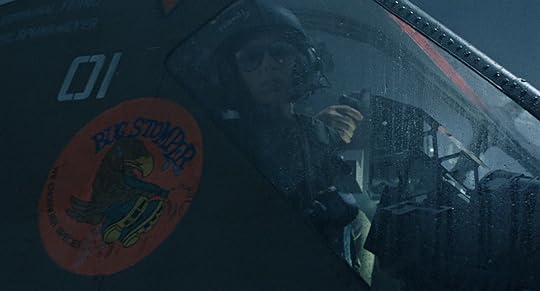
So, anyway. For my opinions on this tech treatise dealing with USCM hardware -- including "Bug Stomper"! -- please just refer to Kevin's piece!
This is the absolute best example on how to make an in-universe technical manual for a sci-fi movie or show. It covers in find detail almost everything you would want to know about the weapons, technology, locations, vehicles and more for the movie Aliens. The majority of it is written like a guide for marines to familiarize themselves with everything they would be using. Just about anything from the movie you can come up with has detailed information in this book. That includes things from the Director's Cut like the Remote Sentry Weapons and the Dahotai tractor vehicle.
The second part of the book is smaller, but an impressive addition. Instead of a field manual, the book shifts to being message playbacks and data dumps between Weyland Yutani employees. This section gives a surprising amount of details on the original Alien movie, including all of the spaceships, and even some nice scientific analysis of the alien species.
I can only think of one thing this doesn't cover (those little hand welders only get a mention), but aside from that you get a very complete and comprehensive volume that not only soars above and beyond anything written for the Alien franchise to date, but is a model of excellent that so far no other tech manual from any other Sci-Fi franchise has been able to match.
This book was disappointing only in that it really didn't go into the depth of information on the Aliens that I was hoping for. The degree which is covered the military structure and the weapons was through and complete. I felt that it gave me a great picture of the Marine world. But a good part of that Marine world is their fight with the Aliens. There is information on the Aliens that is available in the various novels that I think the Marines would know, but it is not presented in this book as open knowledge. That is realistic given the power structure and the way that information is controlled. But I was hoping for more Alien information and in that way was disappointed. Other then that, the book was excellent!
Bought this site-unseen since I was so hyped to get a "technology" book based on the ALIENS movie. My overall review is just "eh..."
There is an absolute ton of detail, but it's written as a tecnical-manual (boring). I was expecting more pictures/diagrams/exploded views. I was really looking forward to seeing some detailed pics of the smart gun and the motion tracker, but there are only a couple of cursory pics, and a "history" of how the new stuff was better than the original. eh
I can't deduct stars from my review since the book was not what I expected, so I'll still give it 4 stars based on the solid amount of work they put into this book. But I'll deduct one star for what I think is a big miss on what a really entertaining fiction-tech book can be.
Well, I suppose alot of the people that watched Aliens and loved it also felt their inside tingle with anticipation towards the marines in the movie. This book basically dishes out more meat to the bones considering the hardcore and badassed marines with all sorts of historical articles, technology overviews and the like.
Naturally it is only for the Alien fans out there. Nothing too interesting for the so-called "normal people" who just saw Aliens primarily as an action movie with fancy effects and the like.
A cool book for fans of the Alien universe. A little dry and text heavy, but you get details on all the gear you see in Aliens (small arms, dropship, APC, Sulaco, etc.) plus some from Alien and Alien 3 (Nostromo, escape pod). You also get an overview of the other weapons and vehicles the Colonial Marines use plus a lot of little first-person snippets from serving Marines that adds a lot of flavor. Probably the neatest section is at the end where you read transcripts of Weyland Yutani execs trying to figure out what happened at the colony and how to get their hands on the surviving eggs...
A must for any fan of the Alien Movies, with obvious particular reference to Aliens. The technical manual is a run down of all of the hardware in Aliens with accounts of examples in the field when this hardware was used, in the fictional setting of the Alien universe.
A swift read full of technical information about the Marines' different weapons and vehicles, and also some cool imagery depicting, with further details, Dan O'Bannon's world, giving a better insight upon what occured in LV-426, where all started.
I really enjoyed leafing through this book and I recommend it for every (big or little) fan of the Alien universe.
Great read and insight into the technical and scientific aspects of the Alien universe. An obvious amount of thought went into the specifications, attributes, and theories as to how everything works. A definite must read for any fan.
If you are a fan of any or all of these things, military science fiction, fan fiction, the Aliens universe or military tech & procedures you'll enjoy this book. It was a fun read even though at times it can be a little technical.
A fantastic book on every to do with Colonial Marines in Aliens. From loadouts, to ship specifications and mission reports. Everything you need to know is in this book. A must for any Alien fan.
The first "Alien" film was one of the greatest Lovecraftian pieces of horror masquerading as science fiction I've ever seen. To even contemplate a sequel to that perfect movie would require a madman, but maverick filmmaker James Cameron was crazy enough to try. Thankfully he was also smart enough not to try to out-horror his predecessor in the franchise, Ridley Scott, and instead took the xenomorphs in another direction.
"Aliens" ended up being not only one of the most heart-stopping action films of all time, it also deepened the speculative aspects of the Alien universe, giving us the colonial marines, their awesome array of equipment, and the haunting abandoned colony of Acheron.
Author Lee Brimmicombe-Wood, known mostly for his tabletop gaming background, does a thorough job of inventing the technical details of all the cool tools and toys used by the colonial marines in their first, ill-fated contact with the big bad bugs. More than that, though, he makes sure to salt the technical descriptions with real-life testimonials from all the disgruntled grunts who actually had to make the hardware work under less-than-ideal conditions.
In addition to the photos, illustrations, and schematics, more depth and verisimilitude is added by the use of invented transcripts between military, scientific, and corporate bigwigs examining the data that made it back from the terrifying ordeal. It makes this fictional world even more believable, and suggests that the limits of the Aliens universe are wherever the fans and artists ultimately decide to draw them. Highest recommendation, for old-fashioned gear heads and grease monkeys who like to know every little detail about chassis strength and alloy doping, and of course those who love SF.
Look, I knew what I was getting into. It's a Technical Manual. I guess I still hoped it'd be super readable. It's not. It's full of interesting in universe "facts," and the Aliens debrief at the end is worth the price of the book, but it was a bit of a slog to get there.
Tries to explain how the weapons and equipment in the movie (as well as many created for this volume) would work if they were real. Most of this part is really dry. It also occasionally mentions some other bits of USCM history which could be interesting if actually given the chance to go anywhere. There are some fake quotes scattered throughout but none add anything. Also includes sections on mining tractors, atmosphere processors, and aliens, which, if you’re really trying to create something that feels authentic, wouldn’t be anywhere near a manual on USCM weapons and equipment. Only for the most hardcore fans.