Bilim başdöndürücü bir hızla ilerliyor... Tabii, gündelik hayatımız da değişiyor ve daha da değişecek. 50 yıl sonra nasıl bir dünyada, nasıl yaşayacağız?
Gelecek 50 Yıl, bu sorulara cevap arıyor. Dünyanın en önemli popüler bilim yazarlarından John Brockman, herbiri kendi alanında önde gelen 25 bilimciyi biraraya getirerek, bilimin ve dolayısıyla hayatımızın geleceğine dair aydınlatıcı bir manzara çiziyor.
Giderek daha fazla uzaya açılıyoruz ve yayılıyoruz. Evrendeki bu ilerleyişimiz hem geleceğe hem de geçmişe doğru. Onun için, bu yolculuk, evrenin nasıl oluştuğu konusunda daha fazla bilgi verecek bize. Yeryüzündeki hayata benzeyen veya benzemeyen hayatlar var mı? Bu konuda da daha fazla bilgi edineceğiz.
Önümüzdeki 50 yılda beynin gelişimi ve evrimi konusunda bir devrim yaşayacağız. Bu devrim sağlık alanında da kendini gösterecek, robotların yönlendirilmesinde de...
- 50 yıl sonra genlerimizin her birinin tam metnini öğrenebileceğiz. - 50 yıl içinde bize yardımcı olacak robotlara sahip olacağız, ama "bilinçli" robotlar için beklememiz gerekecek. - 50 yıl sonra karada, suda ve havada gidebilen bir tür sessiz bireysel taşıt geliştirilme ihtimali yüzde 50. - 50 yıl içinde basit ve cansız biyokimyasal maddeleri kullanarak bir test tüpünde bir hayat meydana getirmeyi başaracağız. Böylece şu anda iyileştirmesi güç olan birçok hastalığın üstesinden gelebileceğiz. - Önümüzdeki 50 yılda, bedenlerimize robot teknolojisinin, silikonun ve çeliğin girmesini benimseyeceğimiz bir kültürel değişim yaşanacak.
Gelecek 50 Yıl, bu gelişmelerin toplumsal ve siyasi sonuçlarını da gösteriyor.
John Brockman is an American literary agent and author specializing in scientific literature. He established the Edge Foundation, an organization that brings together leading edge thinkers across a broad range of scientific and technical fields.
He is author and editor of several books, including: The Third Culture (1995); The Greatest Inventions of the Past 2000 Years (2000); The Next Fifty Years (2002) and The New Humanists (2003).
He has the distinction of being the only person to have been profiled on Page One of the "Science Times" (1997) and the "Arts & Leisure" (1966), both supplements of The New York Times.
This is a solid three stars read for me. It consists of essays written by the 25 world's leading scientists who made their predictions about the development in science and technology regarding the first fifty years of the twenty-first century. This book was written by John Brockman in 2002.
The book "The Next Fifty Years" is divided into two portions. First portion deals with the theoretical prospects of the future. This includes mathematics, theoretical physics & chemistry, astronomy, dark matter and energy, universe, philosophical mysteries, culture, cosmological challenges, mysterious mind and life etc. This sort of all stuff is being discussed in the first part named, THE FUTURE, IN THEORY.
The second portion, THE FUTURE, IN PRACTICE, deals with the practical prospects of science and technology. This includes the Son's of Moore's Law, brain, mind, DNA, drugs, brain scans, wearable computers, future of matter, AI machines, super computers, merger of flesh and machines, complexity cellings and mastering disease etc. The bulk of this part is related to biology, psychology and medicines.
The 25 world's leading scientists whose essays are the part of the book are as follows :
Part One: THE FUTURE, IN THEORY
1: Lee Smolin, Theoretical Physicist 2: Martin Rees, Professor of Astronomy and Experimental Philosophy 3: Ian Stewart, Mathematician 4: Brian Goodwin, Professor of Biology 5: Marc D. Hauser, Cognitive Neuroscientist 6: Alison Gopnik, Professor of Psychology 7: Paul Bloom, Professor of Psychology 8: Geoffrey Miller, Evolutionary Psychologist 9: Mihaly Csikszentmihalyi, Polymath 10: Robert M. Sapolsky, Professor of Biological Sciences 11: Steven Strogatz, Professor of Applied Mathematics 12: Stuart Kauffman, Professor of Biochemistry
Part Two: THE FUTURE, IN PRACTICE
13: Richard Dawkins, Evolutionary Biologist 14: Paul Davies, Theoretical Physicist 15: John H. Holland, Professor of Psychology, Computer Science and Engineering 16: Rodney Brooks, Director of AI Lab and Professor of Computer Science 17: Peter Atkins, Professor of Chemistry 18: Roger C. Schank, Researcher in AI 19: Jaron Lanier, Computer Scientist and Musician 20: David Gelernter, Professor of Computer Science 21: Joseph Ledoux, Professor of Science (Neural Science) 22: Judith Rich Harris, Writer and Developmental Psychologist 23: Samuel Barondes, Professor of Neuro-biology 24: Nancy Etcoff, Member of Harvard University Faculty of Medicine 25: Paul W. Ewald, Professor of Biology
The main reason for giving three stars is due to the two decades old content and predictions which still take time to become reality. Even some will take more than fifty years to benefits humanity. The other reason is the content which is more prone to psychology, medicine and biology rather than the future technology. This is just my personal opinion. One may disagree with it.
نشر هذا الكتاب في بداية هذا القرن في عام 2002 .. وهو كتاب استشرافي للمستقبل وعن تطور العلوم عملياً ونظرياً وإلى أين ستصل بعد خمسين عاماً .. عبارة عن مجموعة مقالات كتبها نخبة النخبة من العلماء كلٌ في مجاله .. بقدر جمال الكتاب واستمتاعي به بقدر سعادتي لأين يمكن أن تصل البشرية خلال خمسين ، بذات القدر "وأكثر " أشعر بالإحباط لأن العلوم -كل العلوم وهذا التفكير بالمستقبل بعيدكل البعد عن العالم العربي ..
المقالات المفضلة لدي من الكتاب : القسم الأول : المستقبل نظرياً : - مستقبل طبيعة الكون . - رياضيات 2050 . - هل سنظل على حزننا بعد خمسين سنة من اليوم ؟ وخاصة الأخيرة ..
القسم الثاني : المستقبل عملياً : - ابن قانون مور . - اندماج الجسم البشري والآلات . - مستقبل المادة .
عندما تذهب الى طبيب بهذا العصر وتعمل أشعة على الصدر وظهرت فجاة انك مصاب بسرطان الرئة او الدرن, ومن ثم تبدأ بالعلاج كما هو متعارف, لكن في سنة 2050 فمن أشعة الصدر ستتمكن من معرفة النص الكامل لكن جين من جيناتك ولن يناولك الطبيب الوصفة العلاجية المناسبة لشخص مثل حالتك بل الوصفة التي تتناسب مع جينومك بكل دقة !! وهذا شي راائع ,لكن هناك جانب اخر مخيف بيانات جينومك الشخصي ستتنبأ بنهايتك بدقة مخيفة !!
هذا الكتاب يتحدث عن أهم الاسئلة العلمية المطروحة والتي ممكن أن يتمكن الاجابة عليها خلال خمسين سنة المقبلة. في الاسئلة المطروحة في علم الفيزياء الكونية مم تتكون المادة السوداء والطاقة السوداء التي تشكل مابين 80 الى 95 في المائة من كثافة الكون؟ في الطب والبيولوجي التطوري:هل بالامكان لرجل سبعيني مصاب بالشلل الرعاش وقعيد على كرسي متحرك تزرع في مخة قطة من مخ خنزير؟ فيتوجة مباشرة لممارسة الجولف دون أي أثر للقطعة الخنزيرية؟! في علم الاعصاب والنفس وكذلك الاجتماع مقالات مثيرة ودراسات علمية أثبت ونسفت فكرة ان جميع الاطفال يولدون متساون بالفطرة و بالمعرفة وان المحيط الذي حولهم هي من يجعلهم عنفيين مجرمين او ناجحيين بالتاكد هذا له دور لكن الدور الاكبر للمورثات الجينية التي يستمدها الاطفال من الوالدين وهي الاكثر تاثيراً لنشاءه الطفل . هناك أيضا أعظم أنجاز في علمي في القرن الماضي وهو علم الوراثة الجزيئي وأسس لأحقا بعدها التركيب الدروني الجديد Neo-darwinian modern synthesis لكن بلاشك أن ثورة الوراثة الجزيئية ليست أعظم انجازات القرن العشرين الماضي بل يعتبر من اعظم إنجازات الجنس البشري على الاطلاق ,لكن أين سياخذنا في الخمسين السنة المقبلة في منتصف هذا القرن سنحصل على نتائج .
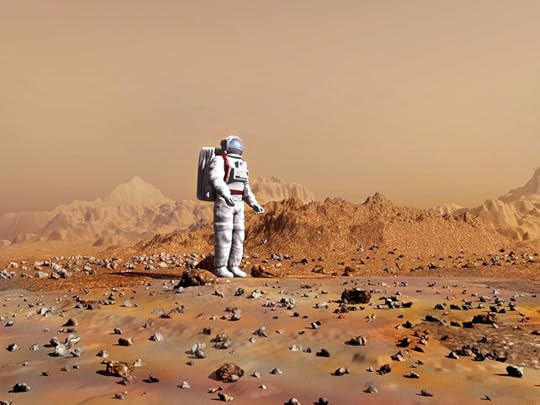
ومن الاثارة أيضاً خلال خمسين سنة المقبلة من المحتمل أن تكون لدينا قواعد على القمر وعلى المريخ وحول المشتري وسيفيد مشروع البحث عن الحياة خارج الارض.
هذه مقالة قرات قبل يومين تتحدث عن التسابق لأستعمار المريخ من قبل دول كبرى ك اوروبا وامريكا وروسيا والهند والصين http://qafilah.com/ar/%D8%A7%D8%B3%D8... بعد ان عرف الانسان بالعلم والتجارب أن الارض ليست مركز الكون وانها ممكن في يوما ما تتخلى عنا بعد اتضاح ان الكون في أتساع وتمدد أصبح يبحث عن كواكب أخرى يستوطن بها ,,,,,,,,,,,,,,,,,,, هذا الكتاب صدر عام 2002 قديم جدا بالنسبة للمشاريع العلمية الحدثية,,أريد أن أضيف هنا بعض المشاريع العلمية التي بدات في اخر 3 سنوات اعظمهما برأئي مشروع العقل البشري Human brain project هذا المشروع أطلقتة دول الاتحاد الاوروبي المفوضية الاوروبية عام 2013. ويتوقع نتائجة خلال 10 سنوات ومن اهم أهداف هذا المشروع هو جمع بيانات وربط الية عمل الخلايا العصبية بالدماغ ,,التي الطب الان لايعرف عنها سوى تاثير المواد الكميائية عليها من أدوية ومواد مخدرة بل الادوية التي تعطى لأصحاب الامراض العقلية هي مخففة للاعراض وليس العلاج النهائي هذا مؤسس المشروع د هنري يتحدث في تيد عنه https://www.youtube.com/watch?v=SwpJe... الرابط الرسمي للموقع لمن يحب القراءه عنه أكثر https://www.humanbrainproject.eu/
وهناك أيضا مشروع اخر وعن الدماغ أيضا وقع علية الرئيس اوباما في ابريل عام 2013 على مشروع اسمة BRAIN (Brain Research through Advancing Innovative Neurotechnologies( هذا المشروع أيضا أهمية هو دراسة الية عمل الدماغ الوظيفي لفهمها ومن ثم التدخل التكنولوجي العصبي فيها لعلاج امراض كثيرة منها الزهايمر ومرض الباركنسون والاكتئاب https://en.wikipedia.org/wiki/BRAIN_I... طبعاً هناك أسئلة اخلاقية كبيرة عن هذا المشروعين التي يمكن ان تستخدم سيئاً من قبل حكومات ضد مواطنيها او معتقلين من الاعداء وهذا موضوع فلسفي,,لمن يريد ان يقرأ عن مشاريع الدماغ ومستقبل الدماغ انصحة بهذا الكتاب
في النهاية :منذ فترة طويله بدات بقراءه هذا الكتاب وكنت أقراءه على تمهل لأنك كمواطن عربي وعايش بهذه الحقبة المرعبة المنحطه من تاريخنا وتقرأ مثل هذا الكتاب تجد أن هناك عالمين مختلفين عالم مؤمن بالعلم ويتسابق به وعالم انت عايش مافي الا ضرب ومضاربة بين سنة وشيعة ببلاد العربية المدمرة المتخلفة. ترددت كثيرا بكتابة المراجعة,,انصح بقراءه هذا الكتاب وأيضا بقراءه كتاب مستقبل الدماغ لميشيل, كدت أعطي هذا الكتاب 4 نجوم لو انني قراءته باللغة الانجليزية ,لأن الترجمة العربية الحرفية هنا جعلته ممل بعض الشي
Conceptually, this book is a great idea. In execution, though, it runs into a predictable problem: namely, that many scientists just aren't that good at communicating science to the general public, or even to researchers outside their fields. And that makes sense - doing good research requires being detail-oriented and hyper-knowledgeable, and it can often be difficult to simplify and compact that for someone who doesn't have a lot of background information. That knowledge gap is particularly notable here, because these essayists aren't just describing current work - they're extrapolating forward half a lifetime, and those extrapolations are rooted in knowledge of present hypotheses as well as the mechanisms by which progress is advanced.
All that is to say: this is not the most accessible book. As a biologist, I struggled to follow the physics and mathematics of the first few essays, in particular when the relevance of theorized advances wasn't explained - Ian Stewart's essay, for instance, lists seven major math problems he believes humans will have made progress on by 2050, but only explains what two of them actually are. To an audience of mathematicians, this no doubt reads clearly - but a wide-ranging essay collection like this will, naturally, be read mostly by non-mathematicians. The same principle holds true for the biology essays for non-biologists, no doubt.
I was also struck by how deliberately disconnected from society many of these essays were. Some, discussing the future of genetic engineering, specifically sidelined the ethical issues that might arise from, say, reconstructing proto-hominids from DNA fragments and bringing them to maturation. (I'm looking at you, Richard Dawkins*. Right at you.) An ethicist would have been a welcome addition to the essay-writing cadre, just to provide some hypothetical context for all this advancement.
One of the most interesting parts of this collection was, honestly, seeing how much further society and technology have progressed since it was written. John H. Holland predicts that a "miniaturized general-purpose device" will become ubiquitous in developed countries, and he clearly wasn't wrong. Several essays discuss the advancements that may be made in AI... many of which have already been made to some degree, not even twenty years after the millennium. It's unsurprising, given that human advancement has almost always proceeded at a startling rate, but honestly it was kind of amusing.
There were a few essays that stood out to me in particular. Roger C. Schank's "Are We Going to Get Smarter?" discusses how a concept of knowledge and intelligence changes in the digital age, proposing that the wealth of information available at our fingertips will change the definition of 'smart' from one who knows much to one who asks the right questions. Judith Rich Harris's "What Makes Us the Way We Are: The View from 2050" is the most stylistically interesting, as it is written as if it were a retrospective speech given in 2050 and has an approachable, conversational tone while still conveying her theories well. Paul W. Ewald's "Mastering Disease" is simultaneously fascinating and chilling; he proposes that most major chronic illnesses can be sourced to infections, and gives a (very optimistic) timeline of when the pathogens behind them might be identified. On the one hand, this offers hope that chronic diseases could be prevented, and even vaccinated against... but on the other, we're seven years past the earliest link discovery he theorized, and have made little progress exploring this idea.
The value and significance of this book definitely depends primarily on the reader. If you have a strong physics background, you'll definitely get more out of the first half or so than I did; if you're a biologist, essays dealing with genetics may have something interesting to offer. For those who haven't pursued an education/career in science, though... I really don't know how comprehensible any of this would be.
(*Dawkins is also apparently incapable of not being an asshole. He took several completely unnecessary and irrelevant swipes at religion in his essay, including the following parenthetical aside: "(I fear there will still be theologians in 2050)". I'm as atheist as they come, but I'm sick and tired of the people who are the 'face' of atheism being so senselessly rude just for the sake of being rude.)
كتاب رائع ممتع شيق غريب ... ينقلك إلى عالم تعجز حتى على تخيلة يكشف عن عقول لا تتصور انها تشاركك نفس الجينات البشرية ..! أنهم علماء يصنعون المستقبل الذي نعيشة بخيال خصب وأفكار مجنونة لكنها قابلة للتطبيق مع الوقت
فكرة الكتاب عبارة عن مجموعة مقالات لـ 25 عالم في مجالات مختلفة كل عالم يضع تصوره لمستقبل العلم في مجالة خلال الخمسين سنة القادمة
وينقسم الكتاب إلى فصلين الأول يتحدث عن المستقبل نظريا ً و الثاني يتحدث عن المستقبل عمليا ً ويتناول الكتاب في القصل الأول عدة مواضيع منها مستقبل طبيعة الكون والرياضيات والثقافة والعقل ونظريات جديدة في النمو الأخلاقي وعلم الدقائق ومستقبل السعادة والحزن وحقيقة الحياة والحيوانات وغيرها كثير من المواضيع ...
أما في الفصل الثاني فيتناول الكتاب أفكار ويطرح تساؤلات مثل هل كانت هناك نشأة أخرى ؟ وما هو آت وكيفية التنبؤ به ؟ واندماج الجسم البشري والآلات ومستقبل المادة وهل سيزداد البشر ذكاء ً ؟ وأفكار حول العقل والمخ والنفس وقضايا الدي ان أي والعقاقير والسيطرة على المرض وعلم النفس والوراثة والجينيوم البشري ....
وفيه بعض السلبيات مثل كثرة المصطلحات العلمية التي لا تعرف معناها والترجمة الركيكة لبعض المفردات وهي قليلة
ميزة الكتاب انك في كل صفحة تقرأ أفكار جديدة وغريبة ومتشابكة فلا تنتهي من التعجب ولا المتعة
وتتجلى لك قيمة العلماء والعلم والقدرة الجبارة لعقل الأنسان وتسرح في التفكر في واقعنا اليوم والمستقبل وتتمنى أن يمد الله في عمرك لترى هذه الأفكار وتعيش معها
An EDGE book is something I always have on run, in process, in currently reading pile! An EDGE book from Mr. Brockman is a collection of documented thoughts, essays, from top of the experts, visionary scientists on given fields of the science. The work of this group of scientists centers on developments that affect the lives of everybody on the planet. Consider the recent international press coverage of such issues as stem-cell research, cloning, the sequencing of the human genome, artificial intelligence, astrobiology, and quantum computing. in the present book, scientists are not writing popularizations meant only to entertain the public; they are writing for, and engaging, their peers in other disciplines in the debates of our times. The goal is not the popularization of science but the attempt to make the latest scientific research understandable within science itself as well as to a wide audience. That said, the author does not claim that the writers of these essays necessarily offer “better” answers to the questions that arise in our daily lives than does any average person. The critical difference is in the quality of the questions they address. The subject, and a starting point for these twenty-five original essays, is “the next fifty years” in the respective fields of the contributors. How will achievements in science over the next half century change our world? How will they change the questions we are asking about who and what we are? What developments might we expect in each field or discipline, and how might these influence and cut across other disciplines? What current expectations will not be realized, and what will be the surprising shifts in perception? The book features thoughtful, challenging essays—intellectual adventures—by twenty-five leading scientists, all of them frequent communicators of their science in books and articles for the general public. They are the biologists Richard Dawkins, Paul W. Ewald, Brian Goodwin, Stuart Kauffman, and Robert Sapolsky; the chemist Peter Atkins; the psychologists Paul Bloom, Mihaly Csikszentmihalyi, Nancy Etcoff, Alison Gopnik, Judith Rich Harris, and Geoffrey Miller; the psychologist and computer scientist John H. Holland; the psychologist and AI researcher Roger C. Schank; neuroscientists Samuel Barondes, Marc D. Hauser, and Joseph LeDoux; computer scientists David Gelernter and Jaron Lanier; Rodney Brooks, director of MIT’s Artificial Intelligence Laboratory; the mathematicians Ian Stewart and Steven Strogatz; the astronomer Martin Rees; and theoretical physicists Paul Davies and Lee Smolin. I did really have great time reading, particularly because the publishing year is 2003 and we are about to end with 2016 very soon! Nice work!
2000li yılların başından, gelecekteki 50 yıla dair alanında duayen bilim insanlarının kehanetleri. 2020lerde okunduğunda bazılarının şimdiden gerçekleştiğini görmek çok beyin açıyor. Sosyal bilimler alanından biri olarak benim için teorik fizikçileri, matematikçilerin, astronomların yazıları bir miktar zorlayıcıydı. Alandan uzak olmam sebep olabilir, nihayetinde konuyu en baştan anlatmaları mümkün olmamış olabilir. Popüler bilim kategorisinde olduğu için aslında kolayca anlamak gibi bir beklentim vardı. Ama önemli değil çünkü çok iyi yazılmış, genel bilgi veren ve anlaşılır şekilde gelecek beklentilerini sunan yazılar da vardı.
Goodwin'in bilincin önemli göstergesi olan duyguların yalnızca insanlara değil, doğanın geri kalan kesimine de ait olduğuna dair fikirleri; Marc hauser'ın türler arası beyin dokusu değiştokuşu çalışmalarının olası sonuçları dikkat çekiciydi. Hauser hayvanların duygu, arzu ve isteklere sahip olduğunu bize düşündüren enteresan çalışmaları sıralıyor ve bir gün bir hayvandan nöron sinyalleri yükleyip, dünyayla etkileşime girdiği andaki düşüncelerini kaydedebildiğimizde belki de hayvan zihnini okuyabileceğimizi söylüyor. P. Bloom şık bir nurture vs nature tartışmasına giriyor ve iyi bir ahlaki gelişim teorisi üzerine çalışılacağını öngörüyor. G. Miller daha yakın dönemde evrimle ortaya çıkan duyguların (yaratıcılık, mizah vs.) Araştırılacağını, yeni teknolojilerle insanların öznel deneyimleri üzerine -nesnel ve genelleyici olmayı hedeflemek yerine- çalışılacağını ve gen ifadesi kalıplarını çıkararak insan bilincinin karmaşalarını daha iyi okuyabileceğimizi söylüyor. M. Csikszentmihalyi mutluluk üzerine çalışan ve çok bilinen bir bilim insanı, ("Akış" kitabının yazarı) mutluluğun geleceği hakkında yazıyor ve akış kavramını da açıklıyor. Vee bu kitap sayesinde R. Sapolsky ile tanıştım, resmen çok gecikmişim tanımada. Stres ve depresyon mekanizmaları hakkında yazıyor ve gelecekte depresyonun bireysel tetikleyicileri hakkında daha çok şey bileceğimizi söylüyor. Kendisinin YouTube'ta bulunabilecek Ted konuşmaları ve Human Behavioral Biology dersleri var, oldukça ilgi çekici. R. Brooks ileride robotların hayatımızda önemli bir yer teşkil edeceğini söylüyor. Yatağa bağımlı kişilerin beynine takılacak takma sinir araçları ile "incinmiş insan onurunu yeniden kazandırma"nın hedefleneceğini belirtip bizi mutlu ederken bir yandan da beyin kabuğunda nöron artırma, ıq düzeyimizi birkaç puan artırma, gebeliğin başlangıcında bebeğin cinsiyetine ve pek çok özelliğine müdahale edilebileceğini, genetik modifikasyonlarla insan bedeninde kalıcı değişimler yaratılacağını söylüyor. Çin'de iki yıl önce embriyo üzerinde gen düzenlemesi yapıldığı bilim insanlarınca açıklandı. 2018de lulu ve Nana ilk tasarlanmış bebekler olarak doğdular. Kim bilir 2050ye neler olacak? Bu kısmı biraz korkutucu varoluşçu sorulara insanı yönlendiriyor, nitekim Brooks da bu soruları soruyor: bir varlığı insan yapan şey nedir?
Bu kitap yazıldığında insan genom projesi sanırım yeni tamamlanmıştı . Dolayısıyla kitapta bu projeye fazlaca atıf var. Tam bir dönüm noktası ve her alanı etkilediği görülüyor.
This entire review has been hidden because of spoilers.
عشرون كاتب من جميع فروع العلم والمعرفة، يطرحون تصور ممتاز لما سيكون عليه العلم والعالم حتي عام 2050. ستري علوم تختفي أو قل تتغير جذريا وعلوم تندمج مع آخري وهكذا.
من العلوم التي ستغير الواقع كليا كما يتوقع روادها هي: هندسة الوراثة متمثلا في هندسة الوراثة الجزيئية، وسيكون هذا الفرع من العلوم الأكثر خطورة وتأثيرا في حياة الإنسان، وكذلك في تغيير كثير من المفاهيم حول كثيرا من الأشياء. فمثلا سيأثر علم الوراثة الجزيئية علي قناعتنا في جدوي علم االنفس التي إعتدنا عليه، وسنجد أن كثير من هذه القناعات ستصبح من التاريخ لا أكثر، وذلك نتيجة الإثباتات الجينية التي ستوضح أن كثير مما يتعامل معه علم النفس بصورة سلوكية هو في الأساس نتيجة بحتة لمجموعة موروثة من الجينات.. وهذا مثال.
من الغريب أيضا أن أغلب علماء الرياضيات لا يتوقعون تقدما كبيرا في مجال الحاسبات، اللهم إلا تقدم كبير في العتاد Hardware ولكن لا يقابله تقدم كبير في البرمجيات Software.
كتاب ممتع جدا ومفيد مقالات ل 25 عالم عن توقعهم لحال العلم والعالم بعد 50 عام من الآن الجزء التاني من الكتاب "التطبيقي" كان اكثر امتاعا من الجزء الأول "النظري"
اعجبني مقالات:
- عقول يمكن استبدالها - ما سيتعلمه العلماء من الأطفال - مستقبل السعادة - العقل والمخ والنفس - السيطرة علي المرض - في ظل الثقافة
In this review of John Brockman's accessible and valuable collection of essays by some of our finest scientists, allow me to concentrate on one essay, "In the Shadow of Culture" by biologist Brian Goodwin. Indeed, let me concentrate on one idea in that essay. (In a sense this may demonstrate the value of the entire collection.)
Goodwin writes about consciousness and feelings in a manner that reveals what I think is a fundamental misconception. Here in part is what he writes:
Clearly, a primary aspect of consciousness is feeling... So within the question "Where does consciousness come from?" there is the question, "Where do feelings come from?" The answer we are forced to give in science is that feelings arise from a particular dynamic organization of insentient matter, such as nervous systems at a particular level of complexity and order. Our feelings arise as emergent properties from something that has not the slightest trace of anything that could be called feeling or sentience. (p. 48)
The feelings that he sees arising are not, however, emergent properties of the organization of our gray matter and its interaction with the world, but are better understood as perceptions of that organization. As evolutionary creatures all our interactions are experienced as feelings, some good, some bad, some painful, some boring, some neutral, some below the threshold of awareness, some so unrelated to our status in the world as to be almost without affect, depending on the circumstances in which they are experienced. The emergent properties of Goodwin's complexity science are properties not of the perception of phenomena but of the phenomena themselves. Thus an emergent property of water, in an example given by Goodwin, is the precise structure of a snowflake. In our brain/body system an analogous emergent property would be the precise structure of the neurological, muscular, glandular, etc. aggregate at any given time. Our perception of that aggregate is experienced by us as feeling (sometimes called consciousness).
Consider the experience of taste or scent. There is no way you can adequately describe the taste of a mango or the scent of a rose to someone else. A rose smells "sweet." It smells "floral," etc. We are always reduced to sharing our subjective experience of the world with others through the use of analogy or comparison. Light of a certain wave length hits our eyes and is perceived by the eye/brain system. We experience the perception as "red" and we have certain feelings associated with red. If it is in the shape of a strawberry (and we're hungry) our feelings about it may be pleasantly anticipatory. If it is in the cylinder of a traffic light as we are in a hurry to get somewhere, we may experience it as an annoyance. In any case what we are experiencing is light of a certain wave length in an enormously complex context. But how to describe the pure sensation of redness to someone else? It's impossible because what we are attempting to describe is indescribable. Our consciousness is likewise indescribable. We do know that one person's experience of color is similar to another's. A strawberry is seen as "red" and not orange by almost everybody. Whether the subjective sense of red is the same is impossible to determine. We will always have to compare the experience to something else in an attempt to see if our experience is the same. We will never be sure.
"Consciousness" then is not an emergent property of the brain but is our subjective experience of an emergent property. It is a perception. Incidentally, this is why it is believed in Hinduism, for example, that our brains constitute a sixth sense, a way of perceiving the world in addition to the senses of taste, smell, touch, hearing and sight, and are not, e.g., calculating machines. We can "see" things that other animals cannot.
There is an awful lot of ink about the "mysterious" and unfathomable nature of consciousness and feeling being spilled in learned journals and in books published by esteemed presses that would disappear overnight if this fundamental distinction between experience and phenomena were kept in mind.
Another way to look at this is to understand that pain and pleasure, boredom and exhilaration, and all the other emotional experiences of humans (and animals) are mechanisms that work to direct our behavior in adaptive directions. The real emergent phenomena are our behaviors. Thus inert matter organized by evolution leads to the building of rocket ships to transverse space and to the cultivation of varieties of apples and grains to nourish the organisms that design and build those machines. The "consciousnesses" and the "feelings" experienced are not to be confused with the actual drawing of the blueprints or the tightening of the lug nuts.
The sense that Goodwin (and many others) have that there is not a clear connection between feeling and consciousness, on the one hand, and inert matter and energy on the other, is nonetheless entirely valid. At the deepest level we can make no connection between one thing and another. What is the connection between the symbols in the equation 2 + 2 = 4? What is there between the plus sign and the two? Empty mental space? Or what is the connection between one moment and the next? No one knows. Indeed, does time flow or is time an eternal now or a cycling thing? We do not know. Indeed, at the most fundamental level we know nothing about the world. We know only how to manipulate phenomena to our (perceived) advantage, or, put another way, how to behave in ways similar to those that the evolutionary experience of our species has found adaptive in the past.
Perhaps we can get a general picture of what science will be like in the next fifty years by noting that of the 25 scientists that John Brockman has cleverly assembled here (and even more cleverly induced to write speculatively about the future), five are biologists, eight are psychologists, three are neuroscientists, but only one is an astronomer/cosmologist (Martin Rees) and only two are physicists. Clearly the emphasis is on biology and the brain. No doubt something will happen in the next fifty years that will make Brockman's eminently reasonable choice of scientists seem improperly skewed; yet it is just this baseline of expectation that will allow us to compare. (By "us" I mean those, not myself, who will be alive fifty years from now!)
The truth is, something always happens that surprises us. To extrapolate from present trends to future actualities is to be assured that we will miss something. That "something" is by its very nature unpredictable. Nuclear energy is an example. No nineteenth century physicist could have predicted the atomic bomb. Go back further in time and no one could have predicted electrical appliances or the telephone. Before photography and electricity, the idea of television was next to impossible.
On the other hand some developments are not only predictable but have been foreseen. These include airplanes and rockets to the moon, submarines and motor cars. These are examples of new technology being predicted from existing technology. Some of what is written about in these 25 essays by imminent scientists is of this order: an extrapolation of current trends and technology to a time fifty years in the future. What will we know and what will we have developed by then? is the question being addressed in this fascinating collection.
In a sense what these essays do is the near equivalent of what science fiction has done for us in the past. Evolutionary psychologist Geoffrey Miller puts this idea in a slightly different way with this observation: "A century ago, we had to rely on the novels of Henry James to portray human consciousness in high-resolution detail and rich-spectrum color. In the future, we won't be able to rely on mass culture to do that--Viacom and Disney don't see the profit in it. But we may be able to turn to science to fill the void." (p. 87)
What makes this collection so effective and such an informed pleasure to read is the discipline specificity made possible because the ideas are coming from 25 individual directions. Developmental psychologist Paul Bloom, for example, sees the need for "a theory of moral development...informed by work across disciplines, including cognitive psychology and evolutionary theory." (p. 81) But he isn't optimistic. "It may be that the nature of moral thought or consciousness is simply beyond our understanding...We might be like dogs trying to understand calculus." (p. 82)
Dissimilarly John H. Holland believes that "The number one priority on a fifty-year scale is bringing Earth's human population down to a value more in line with renewable resources. Some of our most serious large-scale problems--inadequate food production, forest depletion, global warming, energy shortages--are traceable to a surplus of humans relative to resources." (p. 178) I also like his retrospective observation on pages 176-177, "By the mid-twenty-first century, much of medicine as it was practiced in the latter part of the twentieth century--for example, using surgery, chemotherapy, and radiation to treat cancer--will look as ineffective as the bloodletting of earlier centuries."
A startling view is that of AI expert Rodney Brooks in his very interesting essay, "The Merger of Flesh and Machines." He believes "there will be an alteration in our view of ourselves as a species; we will begin to see ourselves as simply a part of the infrastructure of industry." (p. 191)
In contrast is computer scientist Jaron Lanier's reaction to the idea of "an inevitable singularity, which is expected sometime in the next half century." (An idea I first encountered from L.A. futurist John Smart in association with the ideas of Ray Kurzweil.) "This singularity would occur when computers become so wise and powerful that they not only displace humans as the dominant form of life but also attain mastery over matter and energy so as to live in what might be described as a mythic or godlike way, completely beyond human conception. While it feels odd even to type the previous sentence, it is an accurate description of the beliefs of many of my colleagues." (p. 217)
Brockman provides a short bio for each scientist at the end of each essay along with a mention of some of their works. After reading psychologist Nancy Etcoff's lucid and penetrating essay, "Brain Scans, Wearables, and Brief Encounters," I have been inspired to read her Survival of the Prettiest: The Science of Beauty, a book I have twice (inexplicitly) passed over. What really sold me on Dr. Etcoff are the following insightful quotes under the subheading "Freud Moves Out; Darwin Moves In" (pp. 283-286):
"The practice of psychotherapy will be reoriented from a focus on disease to a focus on vulnerabilities, from symptoms to adaptive defenses...."
"The energy, creativity, and charisma associated with mild mania may offer a fitness advantage to some people with the disorder, or to other people in whom the genes do not cause the disorder but have the beneficial effects."
"Certain symptoms will suggest design trade-offs prompted by mismatches between the present environment and the ancestral one, or simply exaggerated normal defenses."
"Mild depression may serve the adaptive function of conserving resources in times of hardship, signaling others that help is needed, and allowing time for reassessment of goals. Mild depression may also be a sign of submission when the individual cannot or does not wish to oppose the hierarchy."
Concluding, let me say that by projecting from the present we may anticipate the future, but we may also more clearly understand the present.
--Dennis Littrell, author of “The World Is Not as We Think It Is”
كتاب أشبه الى مجموعة مقالات منسقة وشيقة وغنية بالمعلومات والمصطلحات العلمية وكلها أستشراف للمستقبل . العلم قفز قفزات كبيرة خلال النصف قرن الماضي وإلى ألان وكل التوقعات التي توقعها ستيفن هوكينج محتملة جدآ ...
في نهاية هذا الكتاب كان هناك تنبؤ صغير قد اثار في نفسي اضطرابا كان فحواه ان ما من امراض معدية خطيرة ستصيب البشرية خلال القرن المقبل ... كم كان مخطئا هذا الكتاب .. لم يكن يعرف ان العالم سيتغير بين يوم وليلة وان هناك ومن علم الغيب سيظهر هذا الفيروس اللطيف الصغير المسمى كوفيد وسيقلب حياتنا رأسا على عقب 😒
الكتاب مجموعة من 25 مقال علمى لعلماء فى مختلف المجالات كل واحد منهم طلب منه ببساطة كتابة مقال عن تصور شكل مجاله خلال خمسين سنة
لى سمولين عالم فيزياء نظرية- مستقبل طبيعة الكون ------------------------------ يقول للتنبؤ بحالة العلم او الفيزياء ع الاقل بعد خمسين عام من الان...يجب ان نرى ما كان يفكر فيه الفيزيائيون من 50 عام و هل حققوه ام لا....و عدد 7 نقاط حل منها العلماء 3و لاا يزال الباقى قيد البحث....و قال انه ما قبل 50 عام كانت احيانا المسائل الفيزيائى تنحل ما بعد 50 عام...و لمعرفة حال العلم بعد 50 عام فهو يحب الاستماع لطلبة الدراسات العليا الحاليين لانهم خلال ال 50 سنة هم من سيكونو الدكاترة و الاساتذة و العلماءو هم من سيحدووا اتجاه العلم.و التكنولوجيات الحالية و الناشئة ايضا هى من ستحدد شكل العلم بمعنى التقنيات التكنولوجية و التى فقط يقول الخبراء انها ستنجح مستقبلا...لاحظ ايضا ان اى جهاز او اختراع يساعد فى البحث العلمى لابد و ان يخضع لقوانين الفيزياء و الاقتصاد....بمعنى الميكرسكوب مثلا له حدود طبيعية تحددها طول موجة الضوء المرئى...و كذلك لا يمكننا ابدا اجراء تجربة يتعدى ثمنها الفائدة المرجوة منها....و هذا ما يجعل كل 10 تكنولوجيات ناشئة يتوقف منها 6-7 لموانع و عوائق فيزيائية او مالية اقتصادية. المجال الرائج و المتوقع حدوث تطورات فيه هو مجال الحوسبة الكمية..الكمبيوتر الكمى و الذى يستخدام فيزياء الكم لا فيزياء الالكترونات التقليدية لعمل الحسابات . و فى مجال الفلك فان المستقبل لبحث و دحض او تأييد فرضيات نشأة الكون يكمن فى تطور علم موجات جاذبية الكون و كيفية قياسها و رصدها من ابعد و اعمق اجزاء الكون...و من امثلة التكنولوجيات و التى يحكمها العوامل المالية ..المسرعات الذرية..فلو لم يتم ايجاد حلول و تقنيات تقلل من سعر بناء المسرعات..فقد يتوقف تمويل و بناء معجلات اضخم و اسرع...للحصول على مسرع طاقته اعلى ب 10 مرات...لابد من زيادة ميزانيته 100 ضعف...
مارتن ريز : التحديات الكونية:هل نحن وحدنا, و اين ؟ -------------------------------------------------- لمعرفة كيفية نشأة حياة -ان وجدت على كوكب اخر- لابد من معرفة اولا كيفية نشاة الحياة على الارض...تم ارسال مسابير للكواكب الاخرى...و لاا يعتقد بوجود حياة عاقلة حول نجمنا الشمس و لكن مجرتنا فقط تحتوى على ملايين النجوم الاخرى و التى ربما يتواجد حولها عوالم حية و ربما ايضا عاقلة....و غير الاكوان المنظورة امكانية نشاة كون مادة و زمكان بداخل ثقب اسود منفصل..كون منفصل عن كوننا له زمانه و مادته !..و كذلك فكرة الاكوان الموازية او المتوازية....اكوان فى ابعاد اخرى لا نراها
I picked this up with the express purpose of waving it about 35 years from now and yelling in my old man's voice "Where's my [this book's equivalent of a] jetpack?" While it's interesting, I don't think I'll bother.
That the book is over 10 years old and obviously a bit dated (yes, e-books did become a thing; no, AFAIK we still haven't proven that breast cancer is caused by infection) isn't its major problem. Rather, it is that the editor seems to have first decided which authors he wanted to include and only after getting their contributions realising that a lot of them ended up writing about the same issues. So we get a bunch of articles that skirt the same issues (biochemistry, genetics, and Moore's Law in every single chapter) while others that might have been at least as interesting (say, the environment, or energy) are all but completely absent. Plus, of course, if you want to be pessimistic you could argue that all these things we might achieve over the next half- (or third-) century depends on us not spending that time killing each other and handing political power to people who still think the world is 6,000 years old, and there's nobody here who's not a "pure" scientist willing to look beyond their own field to society at large.
That said, sure, there are some very interesting essays here, promising a few decades of increaing awarness of complexity, leavin us with some very intriguing ethical issues to face (or ignore, if you want Dawkins' opinion).
The hard science apart (which I obviously don't understand at all), this is such a surreal read. I picked this book up knowing that I will probably not enjoy it as much since it is written more than 10 years ago, whatever I want to know, I would have know over the past decade. But then it dawned on me that these essays were written before the time of social media, so those that touched on human behaviour, brain science are especially interesting since they were written with no knowledge of the impending social media era. The last 8 essays in the book are very relatable and I cannot don't give this book the full 5 stars it deserves. It also gave me a whole new light on how John Brockman curated his collection of essays, his books are meant to be read, re-read, and to reflect on. I must also say Jesse Armstrong probably got inspired by Tapping Into the Beam from this book when he wrote The Entire History of You. The similarities are uncanny!
كتاب رائع غير أنه محزن في آن. تدفق هائل للمستجدات العلمية و المشاريع المزمع إنهائها في غضون الخمسين سنة المقبلة. هذا ما يجعل الكتاب رائعا لكنه محزن لأنه يعطينا فكرة جلية عن مدى التخلف الذي نعيش فيه كعالم عربي. يخطط الناس لزراعة -ليس شجرة ينبغي معالجتها لتصلح كأثاث- طاولة جاهزة فقط إنطلاقا من التعديل الجيني. بالمناسبة، من كان يضن أن جينات البطاطس أكثر عددا و تعقيدا من جينات الإنسان؟!!!!!!! مقالتي المفضلة ضمن الكتاب: اندماج الجنس البشري و الآلات
WHOOO! Very interesting! I liked to read about the future of science. It made me think how science has advanced over the years. I am a science major, so this topic really interested me. I especially liked to read about the bioengineering parts.
It was very interesting. Some of the articles were too technical for easy enjoyment, but the broad variety of thought on the current state and future changes in science was very enlightening.
Still relevant after its first decade (though the predictions were perhaps not as accurate as the authors hoped). Overall I felt the essays were quite stimulating, providing good food for thought.
●●كتاب : الخمسون سنة المقبلة ●● تحرير : جون بروكمان ●●
كنت انا واختي زنوب Zainab ❤ نتابع برنامج عن الكتاب يقدمة فضيلة الشيخ الكويتي (محمد العوضي) ادهشنا حينما حث متابعيه على قراءة هذا الكتاب إذ قرأ وبصوته النشط وقلمه المُشار على نصٍ ملفت من الكتاب اعلاه عن/ سير مارتن ريز / وهو: (( وهنا ينبغي ان يخلي العلماء الساحة بكل سرور للفلاسفة فأن اي فهم للسبب في وجود اي شيء _سبب وجود كون او أكوان متعددة بدلاً من لاشيء _ يظل ضمن حقل ماوراء الطبيعة وسوف يظل دائماً كذلك يقيناً)) فقمنا بتصوير الكتاب واخذنا نبحث عنه في كل مكتبات بغداد ..حتى تمكنت من اقتنائه في (مجموعةGruope لبيع الكتب)✌😊📖 ويحسن بي ان اتحدث قليلاً عنه :
التنبؤ له معايير خاصة.. والمتفق عليه أن الوعي ينتهي بالتنبؤ .. ومن منا لايرغب ان يكون مُتنبئاً ..على الاقل فيما يخص المتعلقات الشخصية والبيئة المحيطة ... والجميل في التنبؤ هو التفاصيل فكلما كانت التفاصيل معقدّة كان المتنبئ بارعاً ذائع الصيت ..هذه بديهية لا جدال فيها ... لكن ان تتنبأ علمياً ونفسياً واجتماعياً وفلسفياً واخلاقياً واقتصادياً فهذا مايجعلك انساناً يسير و(الشعاع) حولك ... غير انه لايوجد انسان يمتلك كل ذلك من تلقاء نفسه . وقد يعارضه المعارضون ويطالبون بالبراهين والدلائل لذا فإن كتاب (الخمسون سنة المقبلة) بتحرير ( جون بروكمان) جاء كعنصر مساعد للراغب برؤية النبوءات الى مابعد خمسين سنة .. (بروكمان) جمع طائفة من مقالات لم يسبق نشرها بقلم علماء وباحثين لهم شهره عريضة في مجالاتهم حول الخمسين سنة القادمة بعد ان سحبها من اضباراتها في الجامعات الكبرى الانكليزية والاميريكية وقسمها على قسمين : 1_ استكشافات مستقبلية نظرية . 2_ استكشافات مستقبلية تطبيقية وعليها ينقسم الكتاب ... تحوي أراء مدروسة من خمسة وعشرين عالم متواصلين مع الجمهور المتواضع المحب لشتى مجالات المعرفة والعلوم كقارئة: شعرت بالحسد من هؤلاء الجماهير لان لديهم علماء وفلاسفة ومفكرين يتواصلون معهم عبر الرسائل ..وهذا مالانراه في مجتمعاتنا التي كانت فيما مضى تقرأ. لارجع بكم يااخوتي الى العناوين التي طرحها وناقشها العلماء الخمسة والعشرين : المستقبل نظرياً● 1_ مستقبل طبيعة الكون : لعالم الفيزياء النظرية ( لي سمولين) .
20_الوصول الى شعاع المعلومات : لعالم ادارة المعلومات الحاسوبية والبرمجة المتوازية ( ديفيد جيليرنتر)
21_ العقل والمخ والنفس : لعالم الاعصاب وباحث في دور التعلم والذاكرة وراثياً( جوزيف ليدوكس).
22_مايجعلنا على مانحن عليه _رؤية من سنة 2050: لعالمة نفس النمو ..ومؤلفة كتب مدرسية ( جوديق ريتش هاريس).
23_ العقاقير والDNAواريكة المحلل: لمدير مركز علم الاحياء العصبي والطب النفسي ( صمويل باروندس)
24_صور المخ والملبوسات واللقاءات العابرة :لاستاذة طب المخ والسلوك ( نانسي إيكتوف) 25_السيطرة على المرض : لطبيب الامراض المعدية والاوبئة ( بول دبليو .ايوالد ).
تستحوذ كل مقالة على مايقارب من 4 الى 8 صفحات .. وهي مفعمة بالمعلومات السابقة الذائعة وتفاصيلها في كل مجال يتم الطرح فيه وتدخل ضمن الكثير من المقالات اسماء ادباء ونتاجات ادبية تعد الاولى في إلهام وتحفيز عقول العلماء والمستكشفين مثل (ليف تولستوي _ ه.ج. ويلز _ جورج برنارد شو _ هنري جيمس_ ت .اس .إليوت_ شارل ديكنز _ اولاف ستابلدون)
وتناقش الكثير من المقالات مسائل لغوية ودور اللغة في توصيف المسميات العلمية على وجه الدقة وتحدو ايضاً على المثل الاخلاقية التي كانت وستكون مستقبلاً ولن تغفل اثناء الطرح العلمي اهمية الاسئلة الفلسفية التي تركها الفلاسفة والنظريات الفلسفية التي تم انتهاجها في كثير من المجتمعات ودورها مع امكانية عودة الفلسفة المناقضة لها في المستقبل . ____________________________________ كقارئة: اجد ان هذا الكتاب اعاد اهتمامي بالقراءات العلمية وحيزات العلوم والمعرفة والمعلومات واسماء علماء لم تتردد اسماءهم في وسائل اعلامنا الشرقي للاسف كما اسهم في توسعة نظرتي في كثير من الامور التي قلما نجد لها تفسير وتدرج توضيحي يراعي الغير متخصصين . والذي اعجبني فيه هو الراي الشخصي لكل عالم وخبير وشعوره حول عالمنا الذي اخذ ينزلق ويقسو على نفسه كلما يتقدم ويتطور.. ولن انسى اسئلتهم العميقة الجريئة السابقة لأوانها.
وياخذني كل ماقرأته في هذا الكتاب الى ان اجرؤ انا نفسي على التنبؤ بمستقبل بيئتي . ___________________________________________ عنوان الكتاب : الخمسون سنة المقبلة . المحرر: جون بروكمان نوع الكتاب : ورقي عدد الصفحات :232 صفحة تقييمي للكتاب : 4 من 5 صورة الكتاب :عبر عدستي📸 ____________________________________________ ___________مراجعة الكتاب بقلمي✏📔 Review Shimaa
At the height of my excitement to read as many nonfiction books on the environment, I decided to purchase this book from a local used bookstore. I didn't do my due diligence and run some backgrounds on the book. The title was interesting, I knew it was scientific and the synopsis provided by the bookstore sufficed. Although after doubling back I knew the book has nothing to do with the environment, I decided to purchase it anyway. And, well, it was a pretty fun read.
This book compiles a number of essays from (supposedly) leading scientists from various fields—which makes it hard to believe that none of them talked about environmental science fifty years from now. It would've been very interesting, especially since we all know our expiration date on earth is 2050. God knows what environmental scientists of the early 2000 would've thought on that. Nevertheless, most of the essays were interesting. Some of the predictions are laughable today—knowing what we know now—and some of them are pretty spot on.
All the parts they mentioned about Mars is pretty accurate. It seems mankind has been obsessed with exploring that planet for decades—and with finding another planet like earth, despite the near impossibility that these brainiacs know to be true. While it is fascinating, I cannot help but to squirm at the lack of consideration for what that means for the earth we are currently living in. Did none of these scientists realise that even an attempt at building a spaceship to reach Mars will prove catastrophic for the earth? That if we succeed in colonising Mars, it will most likely suffer the same fate as earth at some point? Or did they simply not care?
The excruciating thing is that each and every one of these scientists mentions the atrocity we humans have wreaked upon the earth. So why didn't we go through that in more details?
That being said, there are a lot of essays that I thoroughly enjoyed. "The Future of Happiness" by Mihaly Csikszentmihalyi was an incredible ride into our psyche. Also, I feel like I've heard his name somewhere before, but I cannot place my finger on it. Roger C. Shank's "Are We Going to Get Smarter?" is an interesting read through and through. It challenges the social norm of how we define intelligence today—and a lot of what he predicted has slowly come true. I'm so looking forward to a future that he has painted in this essay. "In the Shadow of Culture" by Brian Goodwin looks at the assignment from a unique point-of-view—mainly, how the development of natural science will rely greatly on social sciences and society in general. I feel like this one holds the most truth out of all the others.
Aside from the scientific parts, I'd really like to comment on the subtexts a lot of these essays seem to hold. It may mostly be me, so please take what I say next with a grain of salt.
In his essay, some parts of his word choice or remarks—none that comes instantly to mind, I'm afraid—come across as racist to me. Well, at least by today's standard. And I find that interesting as well. How nobody in any of these essays mentioned the social sciences, in terms of how we see each other in fifty years. What will become of race? Or social inequalities? Or gender, for that matter? I wonder how people of the early 2000s thought we would evolve in this matter.
Not just him, I feel like a lot of these scientists come from such a place of privilege that they fail to see how people outside of their bubble will behave in the future. I believe all of them come from the US—maybe with a bit of experience in the UK—and, perhaps, are all white. None of them ever talks about their observations and predictions in relations to people of different countries, culture or socio-economic standing. They dismiss parts of the present as something that obsolete in the future, without realising that a lot of people around the globe will still hold these things valuable. That kinds of turned me off, to be honest.
That being said, I did pretty much enjoyed the book. I learnt a lot from it—although I may never apply it—and I'm excited to see if more of their predictions will come true. Well, we'll see.
يتحدث هذا الكتاب على الخمسين السنة القادمة من القرن "21"، حيث يقابل (جون بروكمان) أهم العلماء و الأخصائيين حول العالم، ويستعرض أهم ما حقق في القرن "20" الماضي وماذا سوف يؤثر ذلك على مجريات القرن "21"، فيتحدث الكتاب عن الهندسة الوراثية وأهميتها في الخمسون السنة المقبلة، وأيضا مسألة قابلية إستعمار المريخ أو قابلية البحث عن حياة (فضائية) خارج كوكب الأرض، كما كما يتناول مسالة نشوء الحياة وهل حدثت بالصدفة أم ماذا، وهل بما أن مكونات نشوء الحياة هي نفسها من مكونات هذا الكون فلا ريب بوجود حياة، ولكن الأمر صعب نظرا لإتساع الكون، كما يتناول الكتاب من أن المريخ كان سابقا نابعا بالحياة في حين كانت الأرض مجرد حمم شديدة السخونة، وأيضا أن المريخ به دلائل لوجود المياه من ناحية جيولوجية، ويطرح حول النظرية التي تتنوال أن أصل الحياة التي بكوكوب الأرض أتت من خارج الأرض، كون الكائنات البدائية من الممكن أن تصنع غشاء حولها يحميها من إشعاعات الشمس، بحيث انتقلت الحياة على الأرض عن طريق هذه النيازك المحملة بهذه الكائنات البدائية حسب ما ترد النظرية. فهل أصل تلك النيازك من المريخ؟ نظرا لوجود عينات مشابهة من الناحية التكوينية بين الأرض والمريخ، وهل أصل البشر من خارج الأرض، كونهم حيوانات ذكية متطورة بيولوجيًا بشكل رهيب عن باقي الكائنات، ويوضح أيضا الفرق بين السببية وأيضا تناول مسألة النظرية الكمية، ونظريات نشوء الكون من الأكوان المتعددة والتي دحضت علميًا بنظرية أقوى كونها مستحيلة من ناحية واقعية، وذلك بسبب أن هناك شيء غريب فيها من الناحية المنطقية والواقعية، وأيضا تناول نظرية الإنفجار العظيم أو الكوني، هل هو بداية نشوء الكون أم أن هناك نظرية في المستقبل قد تكون أقوى وتدحض هذه النظرية؟
وأيضا تناول مسألة أن العلوم الكمية والتي تهتم بالأمور الدقيقة، كالجينات والبروتونات وغيرها من أمور بالغة الصغر والتي لا ترى بالعين المجردة، أما النسبية فهي تهتم بالأمور الكبيرة والتي تجري على نطاق واسع، كالأمور التي تحدث على مستوى الكون وغيرها من أمور، وأيضا تناول الأحياة الإنشائية وأخير علمائها (تشارلز دوكينز) والذي تطرق إلى دور الجينوم في المستقبل، مثل التعديل الجيني وبإمكانية جعل البشر خارقين، أو تشخيص الأمراض المستقبلية أو تعديل الجين البشري، وأيضا تناول أهمية العلوم الكمية وبالأخص (الحوسبة) وهي رياضيات رقمية لها أهمية كبيرة في حل الأمور المعقدة في الكون، وأنها سوف تساهم في تطور الذكاء الإصطناعي على حسب قانون مور الأسي، فكلما مر الزمان زادت قوة ذكاء الحواسيب بسبب العلوم الكمية، وسوف تشغل الرياضيات في العلوم الكمية حيزًا مهمًا في المستقبل، حيث سوف يخدم الذكاء الإصطناعي في تطور البشرية والسؤال هل سوف نستطيع من الحد من تطور هذا الذكاء الإصطناعي حتى لا ينقلب ضدنا؟
**وأيضا أقترح ريتشارد دوكينز حول إمكانية دمج الذكاء الإصطناعي بالإنسان كالإطراف الإصطناعية ودمج ذلك مع الأجزاء الحيوية في الإنسان، وفي حال حصول ذلك سوف يشكل الأمر ركيزة أساسية، وهي دمج الآلة بالإنسان في المستقبل. وأيضا تناول المسألة النفسية مع مقالات مع اخصائيين نفسيين في نهاية الكتاب، مثل ازدياد وارتفاع مستويات الإكتئاب والشعور بالعزلة، وأيضا المقارنة في التربية، وأيضا تناول مسألة التعليم وانتقده كونه مجرد تلقين يمارس من قبل آلاف السنين، وأن طريقة التعليم الشائعة اليوم تكبت حب المطالعة وطرح التساؤلات.**
This is another one of those books in the series that John Brockman has edited on various aspects of science from scientists and technologists. This one is on where science will be in the next fifty year, just as the title states. This is opposed to some books that look far into the future. The last one I read before this one looked at 100,000 years in the future. The book has plenty of high powered scientist to take a stab at where their areas of science might be in the relatively near future. These scientists look at the near future of physics, mathematics, biology, social science, psychology, neuroscience, computers, and disease. It is divided into two sections: one on theory, and the other is on practice, or technology.
I have made the following reflections on some of the passages in the book:
Page 101: Mihaly Csikszentmihalyi, the psychologist most famous for his theory of optimum experience (or happiness), FLOW writes: “What happens between time 1 and time 2 is that any sound, sight, feeling, or idea that enters consciousness during that minute may set my thoughts and feelings on an entirely new and unpredictable course.” When I read this, I remembered the fun I use to have trying to trace my thoughts backwards to figure out how I came to have my current thought as I waited to fall asleep at night. I no longer do this because my sleep patterns are a lot better, so that I fall to sleep to quickly to really think about anything.
I have to say that I found Rodney Brooks’ chapter: “The Merger of Flesh and Machines” to be mostly far fetched. Sure there is some things already here like cochlear implants for the hearing impair or deep brain simulators for those suffering from major depression, but the level of intricacy involved for a lot of what Brooks’ writes about are not very realistic given that brain science has a long way to go before we would have the knowledge to bring about the more fantastic of Brooks’ machine/mind devices.
Page 208: “Fifty years from now, knowledge will be so easy to acquire that one will be able simply to say aloud whatever one wants to know and hear an instantaneous response . . .” This has come to reality a lot sooner then Roger C. Schank had expected, although he talked about it coming out of the walls, not out of of Amazon’s Echo or Google’s equivalent devices.
Page 209: “But is intelligence simply the ability to be informed of answers to your questions, or is it the ability to know what questions to ask.” I am definitely in the knowing what questions to ask camp. But, I have to say that a good question will lead to an answer that will lead to another good question, and so on and so forth.
Page 210: “Knowing a good question makes you ready to enter into a discussion with other live humans interested in such questions . . .’ It seems that asking a good question may be essential to a having a good discussion.
Page 219: Jaron Lanier, in his chapter on complexity writing about the butterfly flapping its wings, which than creates a storm at some other point in the atmosphere, states: “One problem with this idea is that even if it’s true once in a while, there aren’t enough storms to account for all the many butterflies.” My problem with the so called butterfly effect is that the disturbance to the atmosphere of a butterfly flapping its wings is hardly powerful enough to cause any storm in another part of the atmosphere. Now if you are talking about a very minor, but bigger than a butterfly’s fluttering wings could provide, change in wind speed or direction, then the calculations may very well give vastly different outcomes in the future. I think the butterfly effect was not to be taken literally. It is a metaphor for small changes making big future changes. Although, as a useful metaphor it comes no where close to Richard Dawkins’ selfish gene metaphor. Dawkins’ metaphor does not imply that genes literally have selfish intentions, but helps to show the workings of genetic evolution. So, Dawkins’ metaphor has paid many dividends in understanding evolution, while the butterfly effect is only a minor metaphor at best, good as an illustration, but nothing more.
Page 233: David Gelernter claims that the e-book’s arrival in 2000 was premature as a replacement for print books. The e-book is now alive and well, and it didn’t take fifty years for this prediction to be proved wrong, granted that the e-book will probably never displace the print book for a number of reasons. The first is access to technology. The poor often have limited access to the necessary technology to take advantage of its vast benefits. Another reason is for anyone who has read a print book, the feel and sense of involvement reading one is a different experience, than operating a touchscreen tablet. I still enjoy reading print books, but the e-book (the Kindle in my case) offers a lot of benefits for me. One is the ease of bookmarking pages. But, the biggest benefit for me is the ability to take notes right in the e-book. I do not like physically writing because it is inconvenient when a notebook and pen or pencil is not at hand, and my poor handwriting can make it difficult for me to read any notes I had taken later on. Also, I have always hated marking up my books, hence my use of a notebook. Even highlighting text books seemed like a desecration.
Page 234: Gelernter also claims, kind of contradicting that e-books will not be a replacement for print books, that online education will make up “95 percent” of a university education, making the physical university obsolete. I have two problems with this. One is that unless there are going to be stand alone laboratories, the university will still be essential in carrying out experiments and other aspects of research. The other is there is just not any real replacement for face to face personal interactions among students and researchers.
Page 264: Judith Rich Harris in her chapter on the future of child development studies, using a platform of a fictional lecture given fifty years hence, writes: “Advances in reproductive medicine have pretty much put an end to accidental pregnancies.” This discounts that religious fundamentalists who only practice the rhythm method of birth control will mostly likely still be around. This method of birth control is notorious for producing “accidental” pregnancies. Their children are not educated on any method of birth control at all, which probably makes this population to have the highest rate of accidental pregnancies. The poor also make up a significant amount of accidental pregnancies because they either do not have access to effective birth control measures, or the ignorance that poverty can produce tends to influence some poor people’s behavior.
I thought the book had some very good pieces. Most of them were fresh and entertaining. How many and how much will these scientists have ended up actually predicting the state of science in their respective fields in fifty years, I do not know. As my comments make clear some are already wrong, and some have come about already. My favorite chapter was the one by Richard Dawkins. Is there anything this guy cannot write about very well? I think he could make even product labels sound good.
This book should be of interest to anyone who takes an interest in future studies; in particular those involving the state of science. The pieces are generally short enough, so that if an area does not meet your interests it will not take up too much of your time, or you could just skip them if you wanted too.
/The Next Fifty Years.../ is brought together by the common topic of what science will be like 50 years hence, with expert opinions from scientists and researchers such as a physicist, a cosmologists, mathematicians, teachers, authors, social scientists, philosophers, biologists, historians, computer scientists, chemists, pharmacologists, and geneticists.
The book was published in 2002 and talks about 2050, only 48 years hence from publication - perhaps it was published two years late? For me, reading it in 2021, basically twenty years later, it was a little strange reading people's predictions about 48 years hence made two decades ago. I'll have to read it again in 2050 or 2052 to see what came true.
Despite my poking a little fun at the book above, it was highly entertaining and informative about many topics I don't know that much about.
Harika bir kitap💘Teori ve pratik açısından konunun uzmanları yapay zeka, kimya, ilaçlar, psikoloji, hastalıklar, matematik gibi analitik alanlarda 2050'ye kadar görülebilecek gelişmeleri değerlendiriyor. Benim açımdan en somut ve tatmin edici öngörüler pratik gelecek tartışmaları oldu. Madde, insan ilişkileri, hastalıkların çözümleri nasıl bir evrim geçirecek, daha zeki olup olmayacağımızı söyleyebilir miyiz, ilaçlar daha yeterli olacak ve daha kapsamlı çözümler sunabilecek mi, ölümcül hastalıklarla baş edebilecek ve enfeksiyonları dizginleyebilecek miyiz tartışmaları pratik konularda gelecekten umutlu olmamıza yardımcı olacak ipuçları sunuyor. Şu anda yaşadığımız pratik ortam geçmişteki avcı toplayıcı atalarımızdan her anlamda daha güvenli ve bu 2050'de de büyük oranda böyle olacak. İnsanlık muhtemelen 2050'de de sürecek o iyilik halini herkes için ulaşılabilir yapmaya; kötü beslenme, bulaşıcı hastalıkları, doğal afetlerle baş edememe sorunlarını olabildiğince herkes için çözmeye odaklanabilir. İlaç, kimya, matematik, psikoloji, nöroloji, bilgisayar alanlarında kariyer yapmak isteyen gençlere de gelecekte çalışabilcekelri konularda fikir verebilir bu kitap❤️