

What do you think?

Settanta acrilico trenta lana
Camelia vive con la madre a Leeds, una città in cui "l'inverno è cominciato da così tanto tempo che nessuno è abbastanza vecchio da aver visto cosa c'era prima", in una casa assediata dalla multa. Traduce manuali di istruzioni per lavatrici, mentre la madre fotografa ossessivamente buchi di ogni tipo. Entrambe segnate da un trauma, comunicano con un alfabeto fatto di sguardi. Un giorno però Camelia incontra Wen, un ragazzo cinese che comincia a insegnarle la sua lingua: gli ideogrammi. Assegnando nuovi significati alle cose, apriranno un varco di bellezza e mistero nella vita buia di Camelia. Ma Wen nasconde un segreto, assieme a uno strano fratello che dietro una porta deturpa vestiti...
192 pages, Paperback
First published January 1, 2011
About the author
Viola Di Grado
25 books147 followersViola Di Grado was born in Catania in 1987. She lived in Kyoto, Leeds and London, where she earned her MA in East Asian philosophies. Her widely translated first novel- Settanta acrilco trenta lana (70% Acrylic 30% Wool) published when she was 23- was the winner of the prestigious 2011 Campiello First Novel Award and the Rapallo Opera Prima Award. It was also longlisted for the Strega Award and for the International IMPAC Dublin Literary Award 2014. Her short stories and essays have been published in numerous magazines and journals.
Ratings & Reviews
Friends & Following
Create a free account to discover what your friends think of this book!
Community Reviews
Displaying 1 - 30 of 120 reviews

November 25, 2012
STOFFA

Leeds in tutto il suo splendore. È una città di 750 mila abitanti nel nord dell’Inghilterra.
L’esordio di questa giovane scrittrice (23 anni) sta riscuotendo gradimento di critica e pubblico: ho letto con interesse e piacere numerosi commenti positivi, http://www.edizionieo.it/recensioni.p....
Epperò non riesco a unirmi al coro, almeno non fino in fondo.
Viola Di Grado gioca con le parole, e a me a volte sembrano calembour da Settimana Enigmistica; cura e s’impegna sulla forma, ma io trovo sbavature che non mi convincono; è raffinata e appassionata, ma anche indulgente oltre misura sugli aspetti scatologici dell'umano.
Qui e là ho percepito ruffianeria, più che sincerità.

Dopo la pubblicazione del suo romanzo d’esordio, Viola Di Grado ha dato la netta sensazione d’averlo scritto solo per poterlo promuovere, per avere un microfono sotto la bocca e una telecamera davanti: ha cominciato a partecipare, presenziare, imperversare, essere ovunque, dal canale nazionale a quello locale, da quello satellitare a quello via cavo, a quello che ancora non esiste, con una facondia e loquacità e smania al punto di farmi pensare che avesse appena compreso il senso della vita e volesse comunicarlo urbi et orbi.
Tuttavia mi piace che una storia nera, con un bel finale nerissimo, che in parte riscatta quanto detto sopra, più qualche lungaggine e qualche momento poco concluso, sia trattata con intelligenza, cattiveria, ironia, strappando un sorriso qui e facendo raggrinzire la pelle là.
Mi ha tolto qualsiasi voglia di mettere piede a Leeds, ma se a questo talentuoso debutto seguirà un’altra prova, è facile che io sarò di nuovo suo lettore. Benvenuta Viola.
PS
Non è successo, non sono stato di nuovo lettore di Viola Di Grado: "Cuore cavo", la seconda prova, è sconsolante. Abbandonato dopo venti pagine.
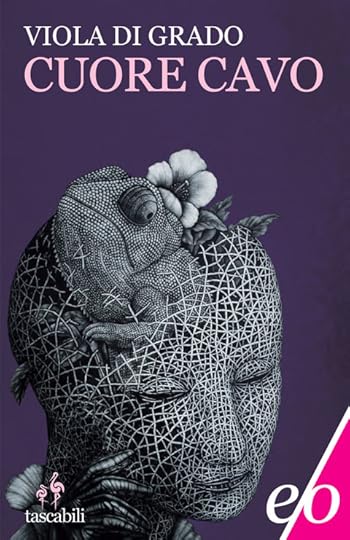
Il secondo romando di VDG, sembra aver vissuto più di luce riflessa che propria.
Leeds in tutto il suo splendore. È una città di 750 mila abitanti nel nord dell’Inghilterra.
L’esordio di questa giovane scrittrice (23 anni) sta riscuotendo gradimento di critica e pubblico: ho letto con interesse e piacere numerosi commenti positivi, http://www.edizionieo.it/recensioni.p....
Epperò non riesco a unirmi al coro, almeno non fino in fondo.
Viola Di Grado gioca con le parole, e a me a volte sembrano calembour da Settimana Enigmistica; cura e s’impegna sulla forma, ma io trovo sbavature che non mi convincono; è raffinata e appassionata, ma anche indulgente oltre misura sugli aspetti scatologici dell'umano.
Qui e là ho percepito ruffianeria, più che sincerità.
Dopo la pubblicazione del suo romanzo d’esordio, Viola Di Grado ha dato la netta sensazione d’averlo scritto solo per poterlo promuovere, per avere un microfono sotto la bocca e una telecamera davanti: ha cominciato a partecipare, presenziare, imperversare, essere ovunque, dal canale nazionale a quello locale, da quello satellitare a quello via cavo, a quello che ancora non esiste, con una facondia e loquacità e smania al punto di farmi pensare che avesse appena compreso il senso della vita e volesse comunicarlo urbi et orbi.
Tuttavia mi piace che una storia nera, con un bel finale nerissimo, che in parte riscatta quanto detto sopra, più qualche lungaggine e qualche momento poco concluso, sia trattata con intelligenza, cattiveria, ironia, strappando un sorriso qui e facendo raggrinzire la pelle là.
Mi ha tolto qualsiasi voglia di mettere piede a Leeds, ma se a questo talentuoso debutto seguirà un’altra prova, è facile che io sarò di nuovo suo lettore. Benvenuta Viola.
PS
Non è successo, non sono stato di nuovo lettore di Viola Di Grado: "Cuore cavo", la seconda prova, è sconsolante. Abbandonato dopo venti pagine.
Il secondo romando di VDG, sembra aver vissuto più di luce riflessa che propria.

March 9, 2011
Quando ho finito “Settanta acrilico trenta lana” ho pensato: voglio leggere tutto quello che scriverà Viola Di Grado. Scriverà, sì, perché questo è il suo primo libro.
Questo dovrebbe bastare.
Ma aggiungo. A tratti la sua scrittura mi ha ricordato quella di “Senza pudore” di Helen Walsh.
Chirurgica.
Anche questo potrebbe bastare.
Ma aggiungo. Camelia che disseziona, taglia, sfalda, distrugge, cuce e ricrea. Camelia che calpesta e sradica fiori. Camelia e la sua mamma che “certi giorni sembrava fare a gara con gli oggetti a chi avrebbe resistito più tempo senza fare rumore. Si piantava di fronte al frigorifero. Vinceva sempre lei”. Camelia che riassesta l’esistenza con le “chiavi” degli ideogrammi cinesi, e con le parole, altre parole, cerca un nuovo senso per le cose. Camelia che vive nel silenzio e nell’assenza di tempo. Camelia e gli sguardi. Camelia e l’inverno di Leeds. Camelia che è caduta in fosso. In un fosso che ingoia tutto. Camelia che smette “di parlare neanche fosse un problema di sigarette”, che impara “a bloccare le parole come si fa con gli altri sconvenienti rumori del corpo”.
E anche questo potrebbe bastare.
Ma aggiungo. Viola Di Grado ha una scrittura tutta sua, ha una voce. E questo è tanto, tantissimo. Passa attraverso il linguaggio e ci racconta le cose in un modo diverso, cercando formule diverse, accostamenti di versi. Metafore diverse, aggettivi diversi.
Questo soprattutto dovrebbe bastare.
Ma aggiungo.
“Si sedette, buttai i piatti sporchi rimasti sul tavolo, accessi il bollitore. Lui guardò sul lavabo le presine bruciate, poi la spugna annerita, poi sul tavolo le macchie tonde di caffè e i grumi di marmellata. Poi poi poi, non la smetteva di guardare, e subito dopo ogni cosa era meno sporca. Il suo viso paffuto da orologio misurava il tempo fermo della mia casa, e lo sbloccava, bastava che si guardasse intorno per sbloccarlo.”
Oppure.
“Provateci a farmi credere che è la bellezza che cerco. Come se io fossi così banale. La bellezza c’è già. C’è dappertutto. La bellezza Dio l’ha fatta in sei giorni e da allora non se ne va più, c’è in tutto quello che ti cresce intorno senza permesso. La bruttezza invece ci vuole l’uomo per farla, una forzatura, una stortura dell’ordine cosmico. Ci vuole l’uomo per sparare cemento sulle gardenie.
La bruttezza è più umana. E’ potere. E’ una storia vera senza morale che comincia dalle mie forbici e finisce sull’acrilico fiorito di tutte le maglie fortunate.”
Questo dovrebbe bastare.
Ma aggiungo. A tratti la sua scrittura mi ha ricordato quella di “Senza pudore” di Helen Walsh.
Chirurgica.
Anche questo potrebbe bastare.
Ma aggiungo. Camelia che disseziona, taglia, sfalda, distrugge, cuce e ricrea. Camelia che calpesta e sradica fiori. Camelia e la sua mamma che “certi giorni sembrava fare a gara con gli oggetti a chi avrebbe resistito più tempo senza fare rumore. Si piantava di fronte al frigorifero. Vinceva sempre lei”. Camelia che riassesta l’esistenza con le “chiavi” degli ideogrammi cinesi, e con le parole, altre parole, cerca un nuovo senso per le cose. Camelia che vive nel silenzio e nell’assenza di tempo. Camelia e gli sguardi. Camelia e l’inverno di Leeds. Camelia che è caduta in fosso. In un fosso che ingoia tutto. Camelia che smette “di parlare neanche fosse un problema di sigarette”, che impara “a bloccare le parole come si fa con gli altri sconvenienti rumori del corpo”.
E anche questo potrebbe bastare.
Ma aggiungo. Viola Di Grado ha una scrittura tutta sua, ha una voce. E questo è tanto, tantissimo. Passa attraverso il linguaggio e ci racconta le cose in un modo diverso, cercando formule diverse, accostamenti di versi. Metafore diverse, aggettivi diversi.
Questo soprattutto dovrebbe bastare.
Ma aggiungo.
“Si sedette, buttai i piatti sporchi rimasti sul tavolo, accessi il bollitore. Lui guardò sul lavabo le presine bruciate, poi la spugna annerita, poi sul tavolo le macchie tonde di caffè e i grumi di marmellata. Poi poi poi, non la smetteva di guardare, e subito dopo ogni cosa era meno sporca. Il suo viso paffuto da orologio misurava il tempo fermo della mia casa, e lo sbloccava, bastava che si guardasse intorno per sbloccarlo.”
Oppure.
“Provateci a farmi credere che è la bellezza che cerco. Come se io fossi così banale. La bellezza c’è già. C’è dappertutto. La bellezza Dio l’ha fatta in sei giorni e da allora non se ne va più, c’è in tutto quello che ti cresce intorno senza permesso. La bruttezza invece ci vuole l’uomo per farla, una forzatura, una stortura dell’ordine cosmico. Ci vuole l’uomo per sparare cemento sulle gardenie.
La bruttezza è più umana. E’ potere. E’ una storia vera senza morale che comincia dalle mie forbici e finisce sull’acrilico fiorito di tutte le maglie fortunate.”

January 15, 2017
(Mild spoilers in this review, but nothing, imo, that would sully the experience of reading the book.)
Camelia's father died in December – in a car accident, sat beside his hitherto-secret mistress – and it seems to Camelia that bleak, frozen month never ended. She was about to start a degree in Chinese, but now she's dropped out of university and exists in a permanent state of grief and rage. Her mother Livia, once a famous flautist and renowned beauty, has become mute, doesn't leave the house, and shambles around in pyjamas or a stained tracksuit. The two women drift through their home in Leeds like ghosts, never speaking but instead inferring one another's feelings through glances and gazes.
The novel opens with Camelia finding two unworn dresses among some rubbish. They're weirdly distorted, with overlong arms or swathes of extra fabric, and Camelia starts slashing and stitching and adding to them. By bizarre coincidence, she's later spotted wearing one of these creations by the man who originally threw it away, Wen. He's Chinese, and offers to help Camelia start learning to write and interpret ideograms again. When Wen turns down her advances, Camelia becomes entangled with his strange brother Jimmy – the creator of the mutant dresses. But while all this is going on, she loses sight of changes in her mother's life.
The writing is beautiful and the translation virtually seamless. Which is a good job, as this is arguably a story about language. Camelia, an Italian living in England, learning Chinese, communicating wordlessly with her mother, is linguistically displaced several times over. She invents her own ideograms, tracing them on her own and others' skin, eventually tattooing herself with one. Life with Livia has left her so accustomed to silence that when she does have to speak, she graphically describes herself vomiting and choking out her words. Camelia's train of thought often switches between her imagination and reality rapidly. Her exaggerations can be indistinguishable from the actuality (does the distinction matter?) Some passages are like prose poems. After enduring the pain of Wen's rejection, Camelia runs home in tears, her thoughts flooding with mounting despair:
It's called life, this game that all humans play but me. They're called houses, those places on Woodhouse Street bursting with contented boyfriends and girlfriends eating peanuts and cheesecake who, when they see me, start laughing. It's called candlelight, the glow coming from the neon signs, Nino's pizza joint and Tom's fish & chips for only three pounds, that light up the windows of these houses as if it were daytime. Tonight these lovers will party until they drop, so they can break my heart into little pieces and sew it onto their old clothes, the clothes they give to their cleaning lady, who then throws them into the garbage. They are called parties and laughter and all-nighters. They are called marriages. Children. Grandchildren. Photos and memories and souvenirs brought home from trips. Sweet little words magnetized on the fridge. Affectionate phrases in the obits.
I love the heartbreaking authenticity of Camelia's jump from the pain of unrequited love to the destruction of her whole future happiness, right up to people missing her when she's dead. I love the image of a candlelit glow coming from neon signs.
There's something about 70% Acrylic 30% Wool that makes me want to place it next to works of magical realism. Perhaps it's the fact that the characters and their situation are quirky, but their story intersects so often with tragedy that such a label seems completely wrong. If you were to describe it to someone in a nutshell – the mother and daughter who communicate solely through expressions, the girl obsessed with making ludicrous modifications to clothes she finds in a skip, the mute woman whose hobby is taking Polaroids of holes – it might sound like it was going to be funny and feelgood, one of those novels about weird people who get a happy ending. While it does have its own brand of humour, it skews much darker than that. In Camelia's sexual encounters with Jimmy, the narrative actually teeters on the edge of nauseating. Wen initially describes his brother as 'retarded', and while it becomes clear this is an insult born of resentment rather than an offensive reference to any actual disability, there are still questions surrounding Jimmy's odd, childlike behaviour, and Di Grado avoids answering them.
Maybe 70% Acrylic 30% Wool is not traditionally gripping, but once I had started it, I had to finish it the same night. The blurb characterises it as 'bittersweet', but I'm not sure that's quite strong enough: this is a raw and furious evocation of depression and grief; the howl of a young woman carrying too much on her shoulders for too long. Certainly more bitter than sweet, yet it left me so hungry for more of this distinctive style that, upon finishing it, I immediately ordered a copy of Di Grado's second novel, Hollow Heart.
TinyLetter | Twitter | Instagram | Tumblr
Camelia's father died in December – in a car accident, sat beside his hitherto-secret mistress – and it seems to Camelia that bleak, frozen month never ended. She was about to start a degree in Chinese, but now she's dropped out of university and exists in a permanent state of grief and rage. Her mother Livia, once a famous flautist and renowned beauty, has become mute, doesn't leave the house, and shambles around in pyjamas or a stained tracksuit. The two women drift through their home in Leeds like ghosts, never speaking but instead inferring one another's feelings through glances and gazes.
The novel opens with Camelia finding two unworn dresses among some rubbish. They're weirdly distorted, with overlong arms or swathes of extra fabric, and Camelia starts slashing and stitching and adding to them. By bizarre coincidence, she's later spotted wearing one of these creations by the man who originally threw it away, Wen. He's Chinese, and offers to help Camelia start learning to write and interpret ideograms again. When Wen turns down her advances, Camelia becomes entangled with his strange brother Jimmy – the creator of the mutant dresses. But while all this is going on, she loses sight of changes in her mother's life.
The writing is beautiful and the translation virtually seamless. Which is a good job, as this is arguably a story about language. Camelia, an Italian living in England, learning Chinese, communicating wordlessly with her mother, is linguistically displaced several times over. She invents her own ideograms, tracing them on her own and others' skin, eventually tattooing herself with one. Life with Livia has left her so accustomed to silence that when she does have to speak, she graphically describes herself vomiting and choking out her words. Camelia's train of thought often switches between her imagination and reality rapidly. Her exaggerations can be indistinguishable from the actuality (does the distinction matter?) Some passages are like prose poems. After enduring the pain of Wen's rejection, Camelia runs home in tears, her thoughts flooding with mounting despair:
It's called life, this game that all humans play but me. They're called houses, those places on Woodhouse Street bursting with contented boyfriends and girlfriends eating peanuts and cheesecake who, when they see me, start laughing. It's called candlelight, the glow coming from the neon signs, Nino's pizza joint and Tom's fish & chips for only three pounds, that light up the windows of these houses as if it were daytime. Tonight these lovers will party until they drop, so they can break my heart into little pieces and sew it onto their old clothes, the clothes they give to their cleaning lady, who then throws them into the garbage. They are called parties and laughter and all-nighters. They are called marriages. Children. Grandchildren. Photos and memories and souvenirs brought home from trips. Sweet little words magnetized on the fridge. Affectionate phrases in the obits.
I love the heartbreaking authenticity of Camelia's jump from the pain of unrequited love to the destruction of her whole future happiness, right up to people missing her when she's dead. I love the image of a candlelit glow coming from neon signs.
There's something about 70% Acrylic 30% Wool that makes me want to place it next to works of magical realism. Perhaps it's the fact that the characters and their situation are quirky, but their story intersects so often with tragedy that such a label seems completely wrong. If you were to describe it to someone in a nutshell – the mother and daughter who communicate solely through expressions, the girl obsessed with making ludicrous modifications to clothes she finds in a skip, the mute woman whose hobby is taking Polaroids of holes – it might sound like it was going to be funny and feelgood, one of those novels about weird people who get a happy ending. While it does have its own brand of humour, it skews much darker than that. In Camelia's sexual encounters with Jimmy, the narrative actually teeters on the edge of nauseating. Wen initially describes his brother as 'retarded', and while it becomes clear this is an insult born of resentment rather than an offensive reference to any actual disability, there are still questions surrounding Jimmy's odd, childlike behaviour, and Di Grado avoids answering them.
Maybe 70% Acrylic 30% Wool is not traditionally gripping, but once I had started it, I had to finish it the same night. The blurb characterises it as 'bittersweet', but I'm not sure that's quite strong enough: this is a raw and furious evocation of depression and grief; the howl of a young woman carrying too much on her shoulders for too long. Certainly more bitter than sweet, yet it left me so hungry for more of this distinctive style that, upon finishing it, I immediately ordered a copy of Di Grado's second novel, Hollow Heart.
TinyLetter | Twitter | Instagram | Tumblr

July 6, 2017
Horrid. I don't know why anyone liked this book. I finished it only because I feel compelled to finish any book I start. If you are looking for an enjoyable book with terrific writing, great characters, and a less than disturbing story line, this is not it. I rarely rate a book below a 2 but I feel a strong desire to steer potential readers away from this one.

December 28, 2012
The trouble with language is that it doesn’t have any taste or smell or colour. You can’t feel it lick your face. It doesn’t prick you like a tattooist’s needle. It doesn’t make you bleed.
Unless, that is, you are Viola di Grado, an Italian Goth who can make a trip to the mall sound like something from Dante’s Inferno. She has a sick and morbid imagination. She writes with the otherworldly sensitivity of someone who should really be in a psychiatric ward. She is creative in ways you couldn’t possibly predict. And she has written a defiantly unromantic love story that had me in tears from page 18.
You could say that this book is about language. The narrator, Camelia, lives in Leeds, which in winter ‘unleashes a lethal wind full of the short sharp vowels of northern Englishmen.’ After quitting university she works as a translator for a manufacturer of washing machines. Her translations run around in her brain imbuing her actions with bizarre metaphorical banality even when she is doing something much more significant than either working or doing her laundry, such as quarrelling with her mother, remembering her father, or losing her virginity to the idiot brother of the man she loves. Her quarrels with her mother take place in a world without language. Their conversations are silent. They speak with looks. And all the while Camelia is learning Chinese with the unfathomable Wen, who spurns her love and eludes her attempt to have a real relationship based on clear and unambiguous communication. ‘Talk, you bastard!’ she tells him but when he does she forgets how to breathe.
To say that the author uses language expertly would be an understatement. In an inspired translation by Michael Reynolds, the novel blends English, Italian and Chinese to impart something that exists beyond words with a surreal, symbolic language all its own.
An unromantic swim in Scarborough becomes, in Camelia’s world, a traumatic metaphor for a life that has been devastated by her move to England, by her mother’s suffering, by her father’s death. She can be assaulted by colours, mauled by the sky, humiliated and beaten up by the rain. In her world bones can awaken, rocks can be brought brutally to life and mute houses can reverberate to ‘a veritable rapture of sounds riddled with meanings.’
The ending isn’t happy. The author despises happy endings. But it isn’t unhappy in the way I expected. It was chilling. Shocking. Life and death hung in the balance. But whose? The twists and turns were stomach churning. You may end up vomiting this book. Or you may, like me, end up loving it. It made me feel gratefully, blissfully alive.
Unless, that is, you are Viola di Grado, an Italian Goth who can make a trip to the mall sound like something from Dante’s Inferno. She has a sick and morbid imagination. She writes with the otherworldly sensitivity of someone who should really be in a psychiatric ward. She is creative in ways you couldn’t possibly predict. And she has written a defiantly unromantic love story that had me in tears from page 18.
You could say that this book is about language. The narrator, Camelia, lives in Leeds, which in winter ‘unleashes a lethal wind full of the short sharp vowels of northern Englishmen.’ After quitting university she works as a translator for a manufacturer of washing machines. Her translations run around in her brain imbuing her actions with bizarre metaphorical banality even when she is doing something much more significant than either working or doing her laundry, such as quarrelling with her mother, remembering her father, or losing her virginity to the idiot brother of the man she loves. Her quarrels with her mother take place in a world without language. Their conversations are silent. They speak with looks. And all the while Camelia is learning Chinese with the unfathomable Wen, who spurns her love and eludes her attempt to have a real relationship based on clear and unambiguous communication. ‘Talk, you bastard!’ she tells him but when he does she forgets how to breathe.
To say that the author uses language expertly would be an understatement. In an inspired translation by Michael Reynolds, the novel blends English, Italian and Chinese to impart something that exists beyond words with a surreal, symbolic language all its own.
An unromantic swim in Scarborough becomes, in Camelia’s world, a traumatic metaphor for a life that has been devastated by her move to England, by her mother’s suffering, by her father’s death. She can be assaulted by colours, mauled by the sky, humiliated and beaten up by the rain. In her world bones can awaken, rocks can be brought brutally to life and mute houses can reverberate to ‘a veritable rapture of sounds riddled with meanings.’
The ending isn’t happy. The author despises happy endings. But it isn’t unhappy in the way I expected. It was chilling. Shocking. Life and death hung in the balance. But whose? The twists and turns were stomach churning. You may end up vomiting this book. Or you may, like me, end up loving it. It made me feel gratefully, blissfully alive.

August 19, 2023
Fans of Ottessa Moshfegh and especially Sylvia Plath will love 70% Acrylic 30% Wool by Italian author Viola Di Grado. It's the story of Camelia, who lives in rainy cold Leeds with her mother and is unable to process the loss of his father, who died in December in a car accident with his mistress. Camelia and her mother are unable to move on, not living but rather just existing in a permanent state of grief, darkness, anger and despair.
I have read my fair amount of "sad girl literature" but for me 70% Acrylic 30% Wool is a worthy successor of The Bell Jar, because it left me exactly the same dark feeling in my heart. Needless to say, I loved this book SO MUCH. It's unique, heartbreaking, bizarre at times and so so real.
Camelia is such an authentic character, with her brutal honesty and questionable choices and actions, I loved her and hated her and made me want to hug her. Her relationship with her mute (by choice) mother, made only with implicit communication and glances, is one of the saddest things I've ever read. And the anger Camelia feels... I felt it too through her, especially when it suddenly rises, unexpectedly, like it happens in real life. More than glued to the pages, I felt almost trapped like I was stuck in honey or lava. It's a sad story, but it's beautifully painful.
The writing is also very beautiful, sometimes poetic and delicate, sometimes honest and raw. I read it in its original language and I appreciated all the word puns, alliterations, the study of the language - because yes, it's a language story: Italian, English and Chinese. Three different worlds, cultures and sounds mix in this great unique novel that I wish I could read for the first time again.
I loved it, and you should read it too if you love books that make you sad.
I have read my fair amount of "sad girl literature" but for me 70% Acrylic 30% Wool is a worthy successor of The Bell Jar, because it left me exactly the same dark feeling in my heart. Needless to say, I loved this book SO MUCH. It's unique, heartbreaking, bizarre at times and so so real.
Camelia is such an authentic character, with her brutal honesty and questionable choices and actions, I loved her and hated her and made me want to hug her. Her relationship with her mute (by choice) mother, made only with implicit communication and glances, is one of the saddest things I've ever read. And the anger Camelia feels... I felt it too through her, especially when it suddenly rises, unexpectedly, like it happens in real life. More than glued to the pages, I felt almost trapped like I was stuck in honey or lava. It's a sad story, but it's beautifully painful.
The writing is also very beautiful, sometimes poetic and delicate, sometimes honest and raw. I read it in its original language and I appreciated all the word puns, alliterations, the study of the language - because yes, it's a language story: Italian, English and Chinese. Three different worlds, cultures and sounds mix in this great unique novel that I wish I could read for the first time again.
I loved it, and you should read it too if you love books that make you sad.

August 22, 2012
Bel libro... ma fa male. Assolutamente da evitare se si cerca la storia rosa, o il lieto fine a tutti i costi, o una storia che dia tutte le risposte. E secondo me è da evitare anche la lettura tutta d'un fiato (non fate il mio errore!), perché è stato come un tuffo troppo profondo, che si finisce l'aria che si è ancora lontani dalla superficie.
Perché il disagio psicologico non ha parole, non riesce a tendere la mano per chiedere aiuto, cerca altre vie, e se nessuno sente il suo silenzioso messaggio, ti intrappola nel suo mondo. "Dentro casa era notte, anche se fuori saranno state sì e no le quattro."
Perché il disagio psicologico non ha parole, non riesce a tendere la mano per chiedere aiuto, cerca altre vie, e se nessuno sente il suo silenzioso messaggio, ti intrappola nel suo mondo. "Dentro casa era notte, anche se fuori saranno state sì e no le quattro."

July 10, 2015
I had a hard time getting through this book. In the end, I found the storyline disturbing and the writing style didn't do anything to elevate the plot. Perhaps that's due to the translation. Either way, I hope I forget about it soon and I would not ever recommend it to anyone. I've been thinking about it a lot and I can't find anything redeemable about it. Just not my style of book at all, and I'll give anything a try.

July 29, 2014
Like reading a psychotic patient's diary. Full of her "flight of ideas" and nonsensical thoughts. A Truly dislikable weak character that I grew to despise with each page that I turned. If this is what Ms. Di Grado was trying to achieve, than she exceeded her goal. However, in the process she alienated me and made me long for the last page so I could be done once and for all with the pathetic/annoying woman she created.

May 1, 2018
Mah un libretto così, con poco valore ma bulimico di parole. Una fine triste ma scontata. Personaggi irritanti. Salverei solo l’ambientazione inglese ricreata estremamente bene.

December 23, 2020
Un libro da pazzi.
Ma pazzi veri.
C'è alto valore nella scrittura.
Ma disagio, troppo disagio.
Ma pazzi veri.
C'è alto valore nella scrittura.
Ma disagio, troppo disagio.

April 23, 2023
Bello, adoro com’è pensato e scritto, i primi due terzi almeno, poi non so… non mi ha convinto, frettoloso come finale.

February 6, 2013
This was some of the most bizarre prose I've ever read, but I didn't find it grating or so incomprehensible that I wanted to put it down. There was a story and connections and even symbolism. The author has been compared to Jennifer Egan, and I can see that.
The narrator is a depressed young woman, disconnected from people around her (shades of Holden Caulfield) and grieving her recently deceased father, whom she is bitterly angry at. The other worldliness of the narrator's description of her environment was most similar to One Flew over the Cockoo's Nest. Weird!
The narrator is a depressed young woman, disconnected from people around her (shades of Holden Caulfield) and grieving her recently deceased father, whom she is bitterly angry at. The other worldliness of the narrator's description of her environment was most similar to One Flew over the Cockoo's Nest. Weird!

February 27, 2013
Marooned in their solitude and defined by mourning, Camellia and her mother Livia, formerly a flautist, live in a solitary silent existence. Surreal and haunted, they suffer from what camelia comes to call verbal anexoria devolving into verbal bullemia when she tries to talk. Her life expands unexpectedly when she meets a young shop owner who tutors her in chinese ideograms. Uneven but spellbinding.

March 28, 2014
You know how sometimes a book is a little hard to get into, but then it gets your attention, and you're all "This is a pretty good book," and then in the last 10 pages, it turns weirdly horrifying in a way that you couldn't even have imagined to the point where it haunts your waking thoughts for days?
That was this book.
That was this book.

March 19, 2012
... estoy esperando encontrar eso que me hará dejar esta lectura, pero por ahora me gusta... al final me encuentro confundido.

March 22, 2014
Oh gosh such amazing use of language.almost makes me want to learn Italian to read the original

October 13, 2014
Wtf is this I can't even....
Not impressed. Very macabre. Pretty disgusting. Writing was like word-vomit.
Not impressed. Very macabre. Pretty disgusting. Writing was like word-vomit.

May 11, 2025
3.5-4/5
Ero curiosa di leggere il primo romanzo di Viola di Grado, per vedere come il talento si sia manifestato nelle sue prime prove ufficiali e cresciuto successivamente.
Sebbene possa essere individuata qualche acerbità narrativa, le sue capacità e il suo stile inconfondibile son già presenti. La sua peculiare immaginativa emerge potente e la sua sensibilità e creatività sono vividissime.
È la storia di Camelia, che vive nella piovosa e fredda Leeds con la madre. Dopo la morte del padre in un incidente d'auto con la sua amante, Camelia e sua madre non riescono ad andare avanti, non vivono, semplicemente esistono in un perenne turbine di dolore, oscurità, rabbia e disperazione.
La protagonista è un personaggio autentico, con la sua brutale onestà e le sue scelte discutibili. Non ci sono addolcimenti o false consolazioni, la sofferenza emerge dalle pagine così diretta com’è nella vita.
È una storia meravigliosamente dolorosa, a volte poetica e delicata, a volte onesta e cruda.
Ero curiosa di leggere il primo romanzo di Viola di Grado, per vedere come il talento si sia manifestato nelle sue prime prove ufficiali e cresciuto successivamente.
Sebbene possa essere individuata qualche acerbità narrativa, le sue capacità e il suo stile inconfondibile son già presenti. La sua peculiare immaginativa emerge potente e la sua sensibilità e creatività sono vividissime.
È la storia di Camelia, che vive nella piovosa e fredda Leeds con la madre. Dopo la morte del padre in un incidente d'auto con la sua amante, Camelia e sua madre non riescono ad andare avanti, non vivono, semplicemente esistono in un perenne turbine di dolore, oscurità, rabbia e disperazione.
La protagonista è un personaggio autentico, con la sua brutale onestà e le sue scelte discutibili. Non ci sono addolcimenti o false consolazioni, la sofferenza emerge dalle pagine così diretta com’è nella vita.
È una storia meravigliosamente dolorosa, a volte poetica e delicata, a volte onesta e cruda.

June 30, 2013
Uno de los mas grandes placeres para un junkie de la literatura es descubrir a un escritor(a) joven con talento, de esos que uno desea atesorar para consumo privado solamente pero termina compartiendo con los otros adictos de las letras. “Setenta Acrílico Treinta Lana” es el debut literario de la llamada niña prodigio de las letras contemporáneas Viola Di Grado que llega a mis manos por la maravillosa Editorial de Alpha Decay y ha sido amor a primera vista tanto por el talento como por su escritora. Violencia, existencialismo, una prosa poética inspiradora de una calidad imposible de mejorar, trazos directos como un buen golpe al estomago es lo que esta maravillosa primera obra de esta revelación de las letras jóvenes ha sido para mi y para una gran cantidad de críticos alrededor del mundo.
Viola Di Grado tiene tan solo veintitrés años de edad, siciliana de nacimiento, licenciada en Lenguas Orientales y estudia actualmente en Londres, hija de la escritora Elvira Seminara y de un profesor de literatura, fanática de Bjork y P.J. Harvey, consumidora de libros que no dejan nada en pie (“las palabras tienen que apuñalar, doler (…) la literatura tiene que ser algo que te lastime y destruya, porque destruye lo que pensabas de las cosas, te hace pensar lo que no pensabas”), se ha convertido en la sensación de las librerías italianas y de las españolas; la critica la ha comparado y bautizado como la nueva Amelie Nothomb algo con lo que ella no se encuentra de acuerdo, en lo personal quizás tengan algo en común pero literariamente tienen una diferencia abismal, detesta lo que ahora se hace llamar gótico, incluyendo la saga Crepúsculo y sus rituales para escribir suelen ser en fiestas y rodeada de ruidos y lugares con gente. Con estas características ya uno sabe que tocar la puerta para entrar al mundo de las palabras que rodean a Viola Di Grado es para no querer salir de el, solo si el lector se encuentra realmente preparado para un viaje por la mente existencial y carnales de una de las mejores sorpresas que ha dado la literatura actualmente.
“Setenta Acrílico Treinta Lana” es la vida de Camelia cuyo entorno y vida se ha tornado cada vez mas oscura y decadente luego de la muerte de su padre, con un inclemente invierno en Leeds, Inglaterra como manto de la historia; y una permanente visión realista de la vida descubre que vivir se ha convertido en algo simplemente apocalíptico y oscuro, una relación con su madre que ha quedado totalmente muda sufriendo de una anorexia verbal luego de la muerte de su esposo, para Camelia su mundo juvenil es una realidad como pesadilla, sus sueños, los valores, sus miedos, sus vivencias o todo lo que una adolescente normal vería como algo divertido Camelia le arranca la careta y muestra lo que se oculta tras la mentira del consumismo y positivismo de una sociedad en apariencia normal para una manada pero que es en realidad un “cuento de horror” como diría Leopoldo Maria Panero. Es la llegada de Jimmy y Wen a la vida de Camelia que harán cambios en su caótica existencia y un crecimiento de una bella amistad, sin alterar su forma de vivir ni ver solo enseñándole más a su vida tan enrevesada. Su cuerpo recibe cortes en especial sus piernas para así poder sentirse viva y es el lenguaje ya sea escrito o verbal la que la mantiene despierta y respirando, los ideogramas chinos que comienza a estudiar gracias a Wen logran en su visión de sobrevivencia una forma de mover cimientos, unos momento de fuerza impresionante es su intento de hacer el amor con Wen mientras dibuja con caracteres chinos en el cuerpo de su pareja y así expresa con tinta en piel otra forma de hacer el amor, o escribirse cortándose en su propia piel para demostrar que su amor se convierte en dolor propio, el amor escrito en la piel de la pareja y el dolor en la suya, un largo hilo rojo que se encuentra entre ambos y que pareciera acortarse a medida que avanzamos en cada pagina nos lleva a un final increíblemente bien logrado llegando a ser simplemente hermoso dentro de todo el caos existencial que vivimos con ella.
Es resaltante que Viola Di Grado a medida que avanza su prosa pareciera que va cambiando su manera de formar las frases sin perder su violencia poética y verbal. Sus líneas son muy simbólicas y crean imágenes en uno como lector logrando que penetremos en cada personaje y vivamos lo que padecen. “Setenta Acrílico Treinta Lana” ofrece para una critica muchísimo mas extensa pero al hacer esto se peca de descubrir la obra en su totalidad; esta opera prima de Di Grado es como ella misma dice dentro del texto es como una caricia de “Edward Manos de Tijeras” quiere acariciarte pero sin querer te va a cortar la cara.
Viola Di Grado me ha sorprendido de una manera inolvidable con esta genial carta de presentación literaria; un inicio muy parecido a Bret Easton Ellis que con su potente “Menos que Cero” logra obtener un nombre dentro de la literatura contemporánea, no será de extrañar que Di Grado logre de igual manera un éxito dentro de las letras actuales tan plegadas de actualidad y esa violencia que en la literatura ha estado explotada cada vez mas.
http://bitacoradelscriptorium.blogspo...
Viola Di Grado tiene tan solo veintitrés años de edad, siciliana de nacimiento, licenciada en Lenguas Orientales y estudia actualmente en Londres, hija de la escritora Elvira Seminara y de un profesor de literatura, fanática de Bjork y P.J. Harvey, consumidora de libros que no dejan nada en pie (“las palabras tienen que apuñalar, doler (…) la literatura tiene que ser algo que te lastime y destruya, porque destruye lo que pensabas de las cosas, te hace pensar lo que no pensabas”), se ha convertido en la sensación de las librerías italianas y de las españolas; la critica la ha comparado y bautizado como la nueva Amelie Nothomb algo con lo que ella no se encuentra de acuerdo, en lo personal quizás tengan algo en común pero literariamente tienen una diferencia abismal, detesta lo que ahora se hace llamar gótico, incluyendo la saga Crepúsculo y sus rituales para escribir suelen ser en fiestas y rodeada de ruidos y lugares con gente. Con estas características ya uno sabe que tocar la puerta para entrar al mundo de las palabras que rodean a Viola Di Grado es para no querer salir de el, solo si el lector se encuentra realmente preparado para un viaje por la mente existencial y carnales de una de las mejores sorpresas que ha dado la literatura actualmente.
“Setenta Acrílico Treinta Lana” es la vida de Camelia cuyo entorno y vida se ha tornado cada vez mas oscura y decadente luego de la muerte de su padre, con un inclemente invierno en Leeds, Inglaterra como manto de la historia; y una permanente visión realista de la vida descubre que vivir se ha convertido en algo simplemente apocalíptico y oscuro, una relación con su madre que ha quedado totalmente muda sufriendo de una anorexia verbal luego de la muerte de su esposo, para Camelia su mundo juvenil es una realidad como pesadilla, sus sueños, los valores, sus miedos, sus vivencias o todo lo que una adolescente normal vería como algo divertido Camelia le arranca la careta y muestra lo que se oculta tras la mentira del consumismo y positivismo de una sociedad en apariencia normal para una manada pero que es en realidad un “cuento de horror” como diría Leopoldo Maria Panero. Es la llegada de Jimmy y Wen a la vida de Camelia que harán cambios en su caótica existencia y un crecimiento de una bella amistad, sin alterar su forma de vivir ni ver solo enseñándole más a su vida tan enrevesada. Su cuerpo recibe cortes en especial sus piernas para así poder sentirse viva y es el lenguaje ya sea escrito o verbal la que la mantiene despierta y respirando, los ideogramas chinos que comienza a estudiar gracias a Wen logran en su visión de sobrevivencia una forma de mover cimientos, unos momento de fuerza impresionante es su intento de hacer el amor con Wen mientras dibuja con caracteres chinos en el cuerpo de su pareja y así expresa con tinta en piel otra forma de hacer el amor, o escribirse cortándose en su propia piel para demostrar que su amor se convierte en dolor propio, el amor escrito en la piel de la pareja y el dolor en la suya, un largo hilo rojo que se encuentra entre ambos y que pareciera acortarse a medida que avanzamos en cada pagina nos lleva a un final increíblemente bien logrado llegando a ser simplemente hermoso dentro de todo el caos existencial que vivimos con ella.
Es resaltante que Viola Di Grado a medida que avanza su prosa pareciera que va cambiando su manera de formar las frases sin perder su violencia poética y verbal. Sus líneas son muy simbólicas y crean imágenes en uno como lector logrando que penetremos en cada personaje y vivamos lo que padecen. “Setenta Acrílico Treinta Lana” ofrece para una critica muchísimo mas extensa pero al hacer esto se peca de descubrir la obra en su totalidad; esta opera prima de Di Grado es como ella misma dice dentro del texto es como una caricia de “Edward Manos de Tijeras” quiere acariciarte pero sin querer te va a cortar la cara.
Viola Di Grado me ha sorprendido de una manera inolvidable con esta genial carta de presentación literaria; un inicio muy parecido a Bret Easton Ellis que con su potente “Menos que Cero” logra obtener un nombre dentro de la literatura contemporánea, no será de extrañar que Di Grado logre de igual manera un éxito dentro de las letras actuales tan plegadas de actualidad y esa violencia que en la literatura ha estado explotada cada vez mas.
http://bitacoradelscriptorium.blogspo...

February 10, 2025
L’uso futurista dell’italiano é francamente interessante. Forse, sul resto, era semplicemente un libro che non era fatto per me, che ho quasi 40 anni ( l’autrice all’epoca della scrittura ne aveva quasi 25). Succede, ci riproveró con altri della stessa autrice.
June 26, 2022
Feroce e potente, ma una scrittura un po' acerba

November 4, 2020
Strange, sad, disturbing, funny (at times,) depressing, devastating, exhilarating: This wonderful novel hits my sweet spot in such unexpected ways. It’s hard to describe just how disturbing, raw, and savage this is and yet so delightful and satisfying. I’ve always preferred art that echoes a kind of sadness or longing that makes me feel alive in a way that happiness or joy cannot. And I’ve always said that the only worthwhile love story is one that breaks your heart. But it’s not just sadness that the book elicits, it’s embodied by a rage of grief and madness. And it’s written in such a clever, accomplished, and unique voice. I’ve really never read anything quite like it. And it’s a debut novel!
November 23, 2013
Camelia. Il nome di una ragazza che recide i petali di se stessa per condividere la sua morte quotidiana con un' umanità che non ascolta. Livia, una madre che si spoglia del suo ruolo, del linguaggio e delle spoglie di essere umano per rinchiudersi dentro la larva di un dolore. Il libro ci rende spettatori di questo loro mutismo urlante, questo gioco di bisogni che è la tragedia dell'uomo e al tempo stesso la sua salvezza. E poi c'è la bellezza, che se ne sta in disparte ad attendere che qualcuno la protegga.

October 30, 2012
Le poche pagine del romanzo e il tempo che ci ho messo a leggerlo dovrebbero già dire tutto.
Comunque, visto che mi ha proprio urtata aggiungo che:
mai in vita mia ho letto un romanzo così privo di senso, volgare (non nei termini ma nel senso generale) inutile e fastidioso.
L'autrice cercherà anche un linguaggio nuovo ma nel farlo si è dimenticata l'umanità a casa.
Comunque, visto che mi ha proprio urtata aggiungo che:
mai in vita mia ho letto un romanzo così privo di senso, volgare (non nei termini ma nel senso generale) inutile e fastidioso.
L'autrice cercherà anche un linguaggio nuovo ma nel farlo si è dimenticata l'umanità a casa.

February 11, 2015
A rapariga tem umas belas frases mas a história em si toda ela é um bocado WTF!
Read
October 8, 20190 stars

August 11, 2017
Va bene, l’autrice era giovane, va bene l’originalità c’è, oltretutto nel romanzo dice di aver abitato in via Vanchiglia, la stessa via in cui ho abitato anche io per un po’ d’anni , però definirla, come in quarta di copertina, scrittura nuova e potente, mi pare eccessivo.
Sì, vero, ha un modo di narrare nuovo, originale, che però mi è andato bene all’inizio, per poi diventare fastidioso quando a tratti appariva forzato, solo per il gusto di rimanere distaccati dalla semplicità di una frase costruita alla solita maniera. Ecco, qui trovo che da arte si passi ad artefatto, nel senso di non necessario. E la potenza per me non è quella ostentata, come a tratti accade in questo libro, ma quella che da mostra di sé proprio nel non mostrarsi, nel lasciarsi scoprire, piuttosto che nel costringere l’occhio di bue a starle addosso.
La storia c’è, la bravura anche, forse c’è anche la paura di non esserlo, perché sennò l’insistenza magari non ci sarebbe stata in alcuni passaggi. O magari sono stati solo frutto di un’opera prima che per forza di cose manca di esperienza, il talento da solo fa molto ma non può tutto.
Lo avevo scelto perché era un titolo che spesso mi tornava sotto gli occhi. Non avevo letto nulla di suo, volevo leggere l’ultimo edito da La nave di Teseo ma, come spesso faccio, sono incuriosita dal leggere l’opera d’esordio. Probabilmente leggerò altro di suo, magari proprio l’ultimo. Può darsi che nel frattempo, complici riconoscimenti e successo, ci sia meno ansia di dimostrare qualcosa, finendo col dimostrare di più, senza forzare.
Sì, vero, ha un modo di narrare nuovo, originale, che però mi è andato bene all’inizio, per poi diventare fastidioso quando a tratti appariva forzato, solo per il gusto di rimanere distaccati dalla semplicità di una frase costruita alla solita maniera. Ecco, qui trovo che da arte si passi ad artefatto, nel senso di non necessario. E la potenza per me non è quella ostentata, come a tratti accade in questo libro, ma quella che da mostra di sé proprio nel non mostrarsi, nel lasciarsi scoprire, piuttosto che nel costringere l’occhio di bue a starle addosso.
La storia c’è, la bravura anche, forse c’è anche la paura di non esserlo, perché sennò l’insistenza magari non ci sarebbe stata in alcuni passaggi. O magari sono stati solo frutto di un’opera prima che per forza di cose manca di esperienza, il talento da solo fa molto ma non può tutto.
Lo avevo scelto perché era un titolo che spesso mi tornava sotto gli occhi. Non avevo letto nulla di suo, volevo leggere l’ultimo edito da La nave di Teseo ma, come spesso faccio, sono incuriosita dal leggere l’opera d’esordio. Probabilmente leggerò altro di suo, magari proprio l’ultimo. Può darsi che nel frattempo, complici riconoscimenti e successo, ci sia meno ansia di dimostrare qualcosa, finendo col dimostrare di più, senza forzare.

January 4, 2018
This is a disturbing and bizarre novel that dwells on darkness, death and the cold. The protagonist, Camelia and her mother, Livia, are depressed after the death of the head of the household. Camelia's father had an affair with his colleague and both of them died when the car plunged into a hole. Camelia's university education was disrupted and she worked as a freelance translator of manuals from English to Italian for a washing machine company. The image of the hole is prominent throughout the novel. This symbolises void, an emptiness that becomes wider and wider as it gnaws at the core of the soul. There are repulsive scenes in the novel when Camelia had a relationship with Wen, her boyfriend's brother. Camelia learnt Chinese from Wen, the tailor, and wrote ideograms all over the place. The novel is peppered with ideograms that point to depressing connotations - hole, death, knife, blood etc. The dwelling was unkempt and Livia, Camelia's mother, did not bother to care for herself. She was obsessed with taking photos of holes around the house including those found in the dining table. The image of the cemetery near Wen's tailor shop also connotes death and decay. The imagery of blood also surfaces halfway throughout the novel which denotes pain and suffering. When Livia dated her photography teacher, her life turned around for a short while until something terrible happened in the end, leaving Camelia and Livia to live as they did in a dark void, spiraling in depression. A depressing novel, I had to skim through it in order to read till the end.
January 31, 2022
I loved the beginning. She has a combination of language and hyperbole that I can't think of how to describe but is so funny and real while not being realistic. I'm trying to think of something to compare it to and the best I can come up with is The Elephant Keepers' Children by Peter Hoeg. Or maybe How I Became a Nun? As it went on, it felt like it became weirder and I liked it less but I think it was probably just as weird at the beginning and it was only as the book went on that I expected it to be more realistic. I only picked up the book in a secondhand shop because I knit and hate acrylic so was intrigued. (It's not about knitting but there is a fiber-snob moment which gives the book its title that I enjoyed.) I'm definitely glad I read it and it's short enough that I might read it again because I think I might enjoy the language more as it goes on when I'm not wanting to find out what happens. It is dark but also really funny. I would say by turns dark and funny and sometimes darkly funny.
Displaying 1 - 30 of 120 reviews