

What do you think?

The Little Women Letters
Vibrant, fresh, and intelligent, The Little Women Letters explores the imagined lives of Jo March’s descendants—three sisters who are both thoroughly modern and thoroughly March. As uplifting and essential as Louisa May Alcott’s Little Women, Gabrielle Donnelly’s novel will speak to anyone who’s ever fought with a sister, fallen in love with a fabulous pair of shoes, or wondered what on earth life had in store for her. With her older sister, Emma, planning a wedding and her younger sister, Sophie, preparing to launch a career on the London stage, Lulu can’t help but feel like the failure of the Atwater family. Lulu loves her sisters dearly and wants nothing but the best for them, but she finds herself stuck in a rut, working dead-end jobs with no romantic prospects in sight. When her mother asks her to find a cache of old family recipes in the attic of her childhood home, Lulu stumbles across a collection of letters written by her great-great-grandmother Josephine March. In her letters, Jo writes in detail about every aspect of her life: her older sister, Meg’s, new home and family; her younger sister Amy’s many admirers; Beth’s illness and the family’s shared grief over losing her too soon; and the butterflies she feels when she meets a handsome young German. As Lulu delves deeper into the lives and secrets of the March sisters, she finds solace and guidance, but can the words of her great-great-grandmother help Lulu find a place for herself in a world so different from the one Jo knew?
Some things, of course, remain unchanged: the stories and jokes that form a family’s history, the laughter over tea in the afternoon, the desire to do the right thing in spite of obstacles. And above all, of course, the fierce, undying, and often infuriating bond of sisterhood that links the Atwater women every bit as firmly as it did the March sisters all those years ago. Both a loving tribute to Little Women and a wonderful contemporary family story, The Little Women Letters is a heartwarming, funny, and wise novel for today.
Some things, of course, remain unchanged: the stories and jokes that form a family’s history, the laughter over tea in the afternoon, the desire to do the right thing in spite of obstacles. And above all, of course, the fierce, undying, and often infuriating bond of sisterhood that links the Atwater women every bit as firmly as it did the March sisters all those years ago. Both a loving tribute to Little Women and a wonderful contemporary family story, The Little Women Letters is a heartwarming, funny, and wise novel for today.
355 pages, Hardcover
First published January 1, 2011
Ratings & Reviews
Friends & Following
Create a free account to discover what your friends think of this book!
Community Reviews
Displaying 1 - 30 of 506 reviews

December 23, 2021
So honestly and truly, my general reading reaction to Gabrielle Donnelly’s 2011 The Little Women Letters (which with regard to thematics and contents I would consider suitable for readers from about the age of thirteen or so onwards) has been very much a decidedly mixed bag so to speak, with me simply adoring one part of the novel, but finding almost everything else about The Little Women Letters readable enough to be sure, but also and unfortunately not continuously and fully enjoyable by any stretch of my imagination.
And yes indeed, I do with The Little Women Letters most definitely absolutely and totally love love love the many (imagined and delightfully rendered by author Gabrielle Donnelly) epistles from (mostly) Josephine March (of Louisa May Alcott's Little Women novel) to her family that her descendant Lulu Atwater locates in the attic of her mother’s London home and proceeds to read (mostly written to Jo's sisters Amy and Meg, but I also find it majorly heartwarming and emotionally satisfying that there are featured a number of letters Jo has obviously penned to her deceased and very much missed sister Beth). For definitely, this really reminds me of how in one of my favourite Lucy Maud Montgomery novels, how in her Emily of New Moon, Montgomery has Emily Byrd Starr write to her recently deceased father and how doing this makes dealing with her loss and the subsequent changes in her life more easy and less stressful to bare, just like I do feel Gabrielle Donnelly has in The Little Women Letters Jo March more easily come to terms with her sister Beth's early demise by writing to her, by pouring out her heart to Beth's spirit (and furthermore, I do think that Lulu Atwater, that the imagined descendant of Josephine March in 21st century England, does something a bit similar in The Little Women Letters, that Lulu is being described by Gabrielle Donnelly in The Little Women Letters as spiritually and emotionally learning about life and about being happy with one's life from and by reading the family letters she has found, and in particular I believe from Jo's words to her dead sister Beth).
But of course, those epistles of The Little Women Letters, they are simply wonderful in and of themselves as well. Because they show and demonstrate that the author, that Gabrielle Donnelly has a real and authentic feel and sense for Louisa May Alcott's Little Women, since indeed, those letters in my humble opinion absolutely show Jo, Meg, Amy et al, as I remember (and love) them from Little Women, and not to mention that Gabrielle Donnelly makes the latter part of 19th century America come wonderfully to life with every epistle, just like Louisa May Alcott did and still does with her Little Women, which is high praise indeed from a huge Little Women fan like myself.
However, although how Gabrielle Donnelly has featured and presented her imagined Josephine March letters has been utterly enjoyable, delightful and feeling authentic both historically and compared to Little Women (and that I also appreciate Lulu Atwater not only enjoying her discovered family epistles but also learning about not only life but also about her family’s past from them), I am sorry, but the modern descended from Josephine March’s daughter Cissie Atwater women (mother Fee and daughters Emma, Sophie, and even Lulu to a certain point), they and their 21st century stories as presented in The Little Women Letters are rather too much like chick lit, but without the entertainment and reading engagement, are for and to me rather tedious and not all that interesting (and definitely, that some of the textual connections Gabrielle Donnelly weaves in The Little Women Letter between the modern day Atwaters and the 19th century March family also feel more than a bit forced and bordering on the artificial, such as for example Sophie Atwater’s near death experience from having a severe allergic reaction to shellfish reading as though Gabrielle Donnelly is really pushing hard to compare Beth March’s death in Little Women to her descendent Sophie Atwater nearly succumbing to a severe allergic reaction in The Little Women Letters). And thus, as a whole and complete textual package, The Little Women Letters ends up with a three star rating, with Gabrielle Donnelly definitely deserving five stars for the letters, but with the modern Atwater (related to the March) family just not being all that interesting and their stories just not really feeling unilaterally enjoyable on a personal reading pleasure level (but yes, I have definitely devoured the letters and have even flipped back at times to reread them, whereas the modern British/American frame story of The Little Women Letters, I actually ended up skimming over more than some of Gabrielle Donnelly’s narrative because I was finding it textually tedious and really trying my reading patience).
And yes indeed, I do with The Little Women Letters most definitely absolutely and totally love love love the many (imagined and delightfully rendered by author Gabrielle Donnelly) epistles from (mostly) Josephine March (of Louisa May Alcott's Little Women novel) to her family that her descendant Lulu Atwater locates in the attic of her mother’s London home and proceeds to read (mostly written to Jo's sisters Amy and Meg, but I also find it majorly heartwarming and emotionally satisfying that there are featured a number of letters Jo has obviously penned to her deceased and very much missed sister Beth). For definitely, this really reminds me of how in one of my favourite Lucy Maud Montgomery novels, how in her Emily of New Moon, Montgomery has Emily Byrd Starr write to her recently deceased father and how doing this makes dealing with her loss and the subsequent changes in her life more easy and less stressful to bare, just like I do feel Gabrielle Donnelly has in The Little Women Letters Jo March more easily come to terms with her sister Beth's early demise by writing to her, by pouring out her heart to Beth's spirit (and furthermore, I do think that Lulu Atwater, that the imagined descendant of Josephine March in 21st century England, does something a bit similar in The Little Women Letters, that Lulu is being described by Gabrielle Donnelly in The Little Women Letters as spiritually and emotionally learning about life and about being happy with one's life from and by reading the family letters she has found, and in particular I believe from Jo's words to her dead sister Beth).
But of course, those epistles of The Little Women Letters, they are simply wonderful in and of themselves as well. Because they show and demonstrate that the author, that Gabrielle Donnelly has a real and authentic feel and sense for Louisa May Alcott's Little Women, since indeed, those letters in my humble opinion absolutely show Jo, Meg, Amy et al, as I remember (and love) them from Little Women, and not to mention that Gabrielle Donnelly makes the latter part of 19th century America come wonderfully to life with every epistle, just like Louisa May Alcott did and still does with her Little Women, which is high praise indeed from a huge Little Women fan like myself.
However, although how Gabrielle Donnelly has featured and presented her imagined Josephine March letters has been utterly enjoyable, delightful and feeling authentic both historically and compared to Little Women (and that I also appreciate Lulu Atwater not only enjoying her discovered family epistles but also learning about not only life but also about her family’s past from them), I am sorry, but the modern descended from Josephine March’s daughter Cissie Atwater women (mother Fee and daughters Emma, Sophie, and even Lulu to a certain point), they and their 21st century stories as presented in The Little Women Letters are rather too much like chick lit, but without the entertainment and reading engagement, are for and to me rather tedious and not all that interesting (and definitely, that some of the textual connections Gabrielle Donnelly weaves in The Little Women Letter between the modern day Atwaters and the 19th century March family also feel more than a bit forced and bordering on the artificial, such as for example Sophie Atwater’s near death experience from having a severe allergic reaction to shellfish reading as though Gabrielle Donnelly is really pushing hard to compare Beth March’s death in Little Women to her descendent Sophie Atwater nearly succumbing to a severe allergic reaction in The Little Women Letters). And thus, as a whole and complete textual package, The Little Women Letters ends up with a three star rating, with Gabrielle Donnelly definitely deserving five stars for the letters, but with the modern Atwater (related to the March) family just not being all that interesting and their stories just not really feeling unilaterally enjoyable on a personal reading pleasure level (but yes, I have definitely devoured the letters and have even flipped back at times to reread them, whereas the modern British/American frame story of The Little Women Letters, I actually ended up skimming over more than some of Gabrielle Donnelly’s narrative because I was finding it textually tedious and really trying my reading patience).

July 27, 2011
Sigh. Another good friend to bid adieu to. That’s how I felt when I finished The Little Women Letters by Gabrielle Donnelly. I became very attached to the London-based Atwater sisters (Emma, Lulu and Sophie) and their family and friends and appreciated the guiding hand of “Grandma Jo,” aka Jo March from Louisa May Alcott’s Little Women.
“New letters” by Jo March
That’s right. In this story, Meg, Jo, Beth, Amy and Marmee are true characters and ancestors of the Atwaters. Lulu accidentally comes upon letters in her parents’ attic by a young Jo as depicted in Little Women, and finds solace, guidance, understanding and camaraderie from her great-great grandmother when she needs it most.
Donnelly obviously loved Little Women and was fully immersed in it as demonstrated by the authentic air of these letters by Jo. It felt like Louisa had written a secret extra set of chapters for Little Women which made these letters seem extra delicious.
Among the most touching were the letters written to “Bethie” after she had died. It struck me as a most logical way for Jo to work through her grief by writing her dear sister letters as if she were here to read them.
Donnelly uses the letters to set up different scenarios in the plot which covers a turning point year in the life of the three sisters.
The Atwater sisters versus the March sisters
Obviously the sisters are fashioned after the little women:
* Emma is the practically-minded, domestic efficient Meg, who like Meg, has a weakness for the finer things. She is getting married to Matthew.
* Sophie is the spoiled, blond, curly-haired “drama queen” (she is in fact, an actress) modeled after Amy. Her year is, not surprisingly, full of drama both fun and deadly serious.
* Lulu is the awkward, too-tall, very intellectually gifted one fashioned after Jo, and finds solace in Jo’s letters. Although she graduated from university with a first class degree in biochemistry, she had no desire to become a scientist and is groping in the dark, trying to find her career path.
Donnelly decided not to have a “Beth” sister which was probably a smart move. It would have been difficult to conjure up a contemporary Beth that would have been believable.
Alike but not exact
Yet, the sisters are not carbon copies. Emma seems less matronly than Meg and keeps some interesting company.
Sophie’s art is in acting, not drawing, and she hasn’t yet quite evolved to the gracious womanhood that Amy attained. But she does show signs of it.
And Lulu has no clue what she wants to do with her life although she is obviously gifted. And no, she is not a writer.
Meeting more characters
Fee and David Atwater, the parents, are an interesting match. Fee is more like Abba Alcott than Marmee, a fierce feminist who lived in a collective as a young woman. Now a family therapist, she originally came from Boston and is the family connection to Jo.
David is a man with the famous British dry wit who swept Fee away from Boston to London for a new life. His long-running joke is to compare her to imaginary wife “Claire,” a woman who questions nothing, asks for nothing, and dotes constantly on David. His work takes him to places all around the world.
There are many entertaining sub-characters, but I will leave it to you to read the book and meet them. Emma’s friend Nigel Manolete, an aspiring shoe designer, is my favorite.
The strength of The Little Women Letters
Author Gabrielle Donnelly
Besides the authenticity of the letters from Jo, my favorite parts of the book were the conversations. This is the first book I’ve ever read where the conversations were so engaging that I didn’t miss the narrative. Dialog is always my least favorite part of any book because they rarely seem to move the story along. No so in this case.
Donnelly has a terrific “gift of gab.” Even though she had many brothers and no sisters, the dialog between the Atwater sisters is very real. Lots of teasing, barbs and wit so typical between siblings pepper the conversations. The humor in this story is well placed and very entertaining.
Perfect summer read . . . any movie plans?
The Little Women Letters is the perfect summer read. As mentioned in a previous post, it’s the one book I’ve read at the gym that made me forget about the pain and sweating of doing the elliptical. I will sure miss this friend!
I hope plans are in the works for a movie. It would be perfect for the Lifetime channel.
Check out Gabrielle Donnelly’s website and read the interview – it’s very informative.
Have you read The Little Women Letters yet? What did you think?
“New letters” by Jo March
That’s right. In this story, Meg, Jo, Beth, Amy and Marmee are true characters and ancestors of the Atwaters. Lulu accidentally comes upon letters in her parents’ attic by a young Jo as depicted in Little Women, and finds solace, guidance, understanding and camaraderie from her great-great grandmother when she needs it most.
Donnelly obviously loved Little Women and was fully immersed in it as demonstrated by the authentic air of these letters by Jo. It felt like Louisa had written a secret extra set of chapters for Little Women which made these letters seem extra delicious.
Among the most touching were the letters written to “Bethie” after she had died. It struck me as a most logical way for Jo to work through her grief by writing her dear sister letters as if she were here to read them.
Donnelly uses the letters to set up different scenarios in the plot which covers a turning point year in the life of the three sisters.
The Atwater sisters versus the March sisters
Obviously the sisters are fashioned after the little women:
* Emma is the practically-minded, domestic efficient Meg, who like Meg, has a weakness for the finer things. She is getting married to Matthew.
* Sophie is the spoiled, blond, curly-haired “drama queen” (she is in fact, an actress) modeled after Amy. Her year is, not surprisingly, full of drama both fun and deadly serious.
* Lulu is the awkward, too-tall, very intellectually gifted one fashioned after Jo, and finds solace in Jo’s letters. Although she graduated from university with a first class degree in biochemistry, she had no desire to become a scientist and is groping in the dark, trying to find her career path.
Donnelly decided not to have a “Beth” sister which was probably a smart move. It would have been difficult to conjure up a contemporary Beth that would have been believable.
Alike but not exact
Yet, the sisters are not carbon copies. Emma seems less matronly than Meg and keeps some interesting company.
Sophie’s art is in acting, not drawing, and she hasn’t yet quite evolved to the gracious womanhood that Amy attained. But she does show signs of it.
And Lulu has no clue what she wants to do with her life although she is obviously gifted. And no, she is not a writer.
Meeting more characters
Fee and David Atwater, the parents, are an interesting match. Fee is more like Abba Alcott than Marmee, a fierce feminist who lived in a collective as a young woman. Now a family therapist, she originally came from Boston and is the family connection to Jo.
David is a man with the famous British dry wit who swept Fee away from Boston to London for a new life. His long-running joke is to compare her to imaginary wife “Claire,” a woman who questions nothing, asks for nothing, and dotes constantly on David. His work takes him to places all around the world.
There are many entertaining sub-characters, but I will leave it to you to read the book and meet them. Emma’s friend Nigel Manolete, an aspiring shoe designer, is my favorite.
The strength of The Little Women Letters
Author Gabrielle Donnelly
Besides the authenticity of the letters from Jo, my favorite parts of the book were the conversations. This is the first book I’ve ever read where the conversations were so engaging that I didn’t miss the narrative. Dialog is always my least favorite part of any book because they rarely seem to move the story along. No so in this case.
Donnelly has a terrific “gift of gab.” Even though she had many brothers and no sisters, the dialog between the Atwater sisters is very real. Lots of teasing, barbs and wit so typical between siblings pepper the conversations. The humor in this story is well placed and very entertaining.
Perfect summer read . . . any movie plans?
The Little Women Letters is the perfect summer read. As mentioned in a previous post, it’s the one book I’ve read at the gym that made me forget about the pain and sweating of doing the elliptical. I will sure miss this friend!
I hope plans are in the works for a movie. It would be perfect for the Lifetime channel.
Check out Gabrielle Donnelly’s website and read the interview – it’s very informative.
Have you read The Little Women Letters yet? What did you think?

November 14, 2011
As I read this book, I realized that in my head, I had somehow made Little Women into a history book instead of a novel. I kept thinking things like, 'these letters sound so accurate, I wonder if they were based on actual letters'...you know, from fictional Jo March to her fictional sisters. Insert head slap here. So I liked those portions of the book, right up until the last letter, which I couldn't make the leap to buy into. There were a lot of things that bothered me about the book though...like how often the family quotes or refers to "Grandma Jo", when none of them knew her. Now maybe I just didn't have big enough personalities in my family, but do people really think of their unknown relations so frequently as that? Seems a stretch. And so often, the author tended to want to underline things by explaining what she meant...for instance a quote that we can clearly see is teasing, followed by some statement about "of course, she was only teasing" jusy in case we didn't get it. I noticed it more at the beginning of the book, so I don't know if the author emphasized everything in the start to make sure we understood the characters, or if I just grew immune to it by the end. Everyone fit very nicely into their assigned roles and follows pretty well established paths to the end of the book. And it all gets tied up into a big sisterly happy ending. I thought the storyline with Emma buying expensive shoes and meeting movie stars were a fun side note that could have been played up a little more. And I thought the weird incident with Fee and her husband was forcibly inserted to pose as chaos intruding on the general merriment, but it was oddly downplayed in it's resolution and in how it impacted so few people in the book. So while the idea and letters were good fun, these little women just didn't stick with me like the originals.

April 29, 2021
Fee and David Atwater have three daughters, Emma, Lulu and Sophie. Emma is preparing for her wedding to Matthew. Sophie is an actress and Lulu? Though extremely clever, sHe doesn’t seem to know where she fits and what to do with her life. So she flits from one job to another. When Luke finds letters written by her great great Grandmother, Jo March, her interest is piqued. The relationship between the March sisters and the love they had for each other and their parents is evident. What Lulu dad not expect was what far reaching effect finding those letters would have on her life and that of her family.
This is light and amusing in tone . The dialogue between the sisters often contains teasing. It was obvious without being told people were joking and not to take every word they say to each other literally, though there is often an element of truth in them. It is also obvious the author has done her research and has a great love for the original Louisa May Alcott characters, as the letters from Jo come across as authentic.
I really enjoyed my time spent with the Atwater and March families. A charming read about family, friendship and love. A decidedly welcome change of pace from my previous read which had been tension and drama filled. Highly recommended as an uplifting read though perhaps the ending was a little rushed. Still a pleasant way to spend some time.
Louisa May Alcott’s Little Women and the subsequent books were favourites of my childhood. Books I read and reread. So I went into this with a little scepticism about how it would work. I need not have worried. This was a delight, even if at times the interactions between the modern day sisters did seem a bit over the top. Maybe I noticed it more as a I don’t have any sisters. Still, a read that I would recommend.
This is light and amusing in tone . The dialogue between the sisters often contains teasing. It was obvious without being told people were joking and not to take every word they say to each other literally, though there is often an element of truth in them. It is also obvious the author has done her research and has a great love for the original Louisa May Alcott characters, as the letters from Jo come across as authentic.
I really enjoyed my time spent with the Atwater and March families. A charming read about family, friendship and love. A decidedly welcome change of pace from my previous read which had been tension and drama filled. Highly recommended as an uplifting read though perhaps the ending was a little rushed. Still a pleasant way to spend some time.
Louisa May Alcott’s Little Women and the subsequent books were favourites of my childhood. Books I read and reread. So I went into this with a little scepticism about how it would work. I need not have worried. This was a delight, even if at times the interactions between the modern day sisters did seem a bit over the top. Maybe I noticed it more as a I don’t have any sisters. Still, a read that I would recommend.

May 27, 2013
Do you ever read a book that you can’t decide whether or not you like? Well, this was one of those for me.
Basically, the premise of this book is that if the March sisters, from Little Women, were real, then they would have great-great-great-great grandchildren alive today. And Emma, Lulu, and Sophie are three of those great (etc) granddaughters, living in modern London (their mother is from Boston).
Emma, the oldest sister, is a lot like Meg (I’m going to assume that you are all familiar with Little Women; if you aren’t, YOU SHOULD BE; go read that book now)–organized and mature and responsible and marrying the perfect gentleman, but still lovable and sweet and fun, despite her perfection.
Lulu, the middle sister (and more or less the main character, although the author bounces freely between all three sisters), relates to Jo–she’s unsure what she wants to do with her life; despite the fact that she’s graduated from University, she hasn’t really found an “grown up” job that appeals to her. She’s not very good with people, is a bit too blunt to be good at flirting, and frequently gets exasperated with her sisters.
Sophie is Amy, of course–dramatic (she’s an actress) and vivacious and beautiful and funny, and just a wee bit selfish.
So here we have these three sisters in their 20′s, trying to understand life. And actually, it’s a lovely story, because these three sisters really love each other, and they love their parents, and they love Lulu’s best friend, Charlie (Lulu and Sophie and Charlie all share a flat; Charlie’s a girl, by the way). Emma is very happily engaged and planning her wedding, and her fiancee was one of my favorite characters. And these women are all actual friends; this book does a wonderful job of cherishing friendship (instead of insisting that every single relationship on the planet is filled with sexual tension), and showing the beauty that can arise from the strength of good friends.
Negatives can basically be expressed in one word: feminism. B O R I N G stereotypical feminism. Mom’s speeches frequently sound like they were lifted from a pamphlet on how to be a Modern Supportive Mother; she’s constantly going on about how women have to continue to fight for their equality, blah blah blah. And to me, it just detracts from the story, not the part where these young women are learning to be independent and unique parts of society, but the part where the speeches just sound so canned, as though the whole book as been written around them.
And I think that the reason that it is so distracting is because it just doesn’t fit with the flow of the story, or the lives that these young women are living. Because yes, they’re independent and intelligent and all of that, but they also are essentially feminine in their attitudes (in a good way). They love their family and all three want to be in loving, secure, happy relationships with a special person. All three of the girls learn lessons about the importance of self-sacrifice, not because “you’re a woman so you have to make sacrifices for your man” but because “you love someone, and sometimes that means gladly sacrificing something you want so they can have what they want.” But instead of letting their actions tell that story–which they do–the author insists on inserting these random speeches from Mom that grate on my nerves the same way that sermonettes do in ‘Christian’ fiction.
Ironically, I would say that many women probably would be irritated by this book and it’s rather weak feminist message; marriage is treated with strong respect and importance, and home-making skills are considered valuable and useful. I guess that was part of the confusing part of the book. The mom was constantly going off on these spleels but the overall message was not as annoying as she was. It was almost like the author believed one thing, but felt that in order to appeal to ‘the modern woman’ she had to say something different.
Anyway.
Throughout the book, Lulu is reading letters, which she has found in the attic, written by Jo March. The letters are the part I was the most nervous about, but they were excellent, capturing, I believe, Jo’s essence beautifully. However, Lulu was not reading them in any kind of chronological order, which made things a bit complicated at times; I found myself flipping back to earlier letters to compare dates, trying to figure out if Jo was writing before or after certain events.
Sometimes, the letters would be at the beginning of the chapter, and they would usually be Jo’s version of a story from Little Women, and then the chapter would go on to have a more-or-less modern version of the story. For instance, there was a letter from Jo to Meg, commending Meg for selling some expensive silk she had bought (if you don’t remember the story–shortly after Meg and John were married, Meg impulsively purchased material she couldn’t afford for a dress; eventually, Meg sells the material to her friend, having realized that while there is a time for indulgences, they must be balanced with practicality). Then, the chapter focuses on Emma, usually so practical, who is greatly tempted by a pair of very expensive shoes. The twist (mild spoiler here) is that Emma ends up buying the shoes, and her mother’s advice (for Emma immediately feels guilty) is that Emma needs to understand that women always do more work than men (?) and the way that things even is out is by women treating themselves to indulgences. Not really sure that is life advice to which I would cling, but she does at least balance it by recommending that Emma consult with her soon-to-be husband before making major purchases. (See what I mean about confusing values?)
So even though the story loosely refers to various adventures of the March sisters, it lacks the wholesome, practical values that Little Women so easily possess and shares. The Little Women Letters is a fine book, and one that I enjoyed, mainly because, as I said, it ended perfectly (another mild spoiler–I was afraid throughout the book that the author was going to end strongly feministic by insisting that Lulu, rather than finding true love, would find herself to be a strong, independent woman who don’t need no man, but instead she found the perfect man and that was lovely).
I think that, overall, this ends up as a 3/5. I’m glad I read it, and it was a fine (and at times, enjoyable) read, but overall I don’t ever see myself picking it up again, or particularly recommending it to anyone else.
Basically, the premise of this book is that if the March sisters, from Little Women, were real, then they would have great-great-great-great grandchildren alive today. And Emma, Lulu, and Sophie are three of those great (etc) granddaughters, living in modern London (their mother is from Boston).
Emma, the oldest sister, is a lot like Meg (I’m going to assume that you are all familiar with Little Women; if you aren’t, YOU SHOULD BE; go read that book now)–organized and mature and responsible and marrying the perfect gentleman, but still lovable and sweet and fun, despite her perfection.
Lulu, the middle sister (and more or less the main character, although the author bounces freely between all three sisters), relates to Jo–she’s unsure what she wants to do with her life; despite the fact that she’s graduated from University, she hasn’t really found an “grown up” job that appeals to her. She’s not very good with people, is a bit too blunt to be good at flirting, and frequently gets exasperated with her sisters.
Sophie is Amy, of course–dramatic (she’s an actress) and vivacious and beautiful and funny, and just a wee bit selfish.
So here we have these three sisters in their 20′s, trying to understand life. And actually, it’s a lovely story, because these three sisters really love each other, and they love their parents, and they love Lulu’s best friend, Charlie (Lulu and Sophie and Charlie all share a flat; Charlie’s a girl, by the way). Emma is very happily engaged and planning her wedding, and her fiancee was one of my favorite characters. And these women are all actual friends; this book does a wonderful job of cherishing friendship (instead of insisting that every single relationship on the planet is filled with sexual tension), and showing the beauty that can arise from the strength of good friends.
Negatives can basically be expressed in one word: feminism. B O R I N G stereotypical feminism. Mom’s speeches frequently sound like they were lifted from a pamphlet on how to be a Modern Supportive Mother; she’s constantly going on about how women have to continue to fight for their equality, blah blah blah. And to me, it just detracts from the story, not the part where these young women are learning to be independent and unique parts of society, but the part where the speeches just sound so canned, as though the whole book as been written around them.
And I think that the reason that it is so distracting is because it just doesn’t fit with the flow of the story, or the lives that these young women are living. Because yes, they’re independent and intelligent and all of that, but they also are essentially feminine in their attitudes (in a good way). They love their family and all three want to be in loving, secure, happy relationships with a special person. All three of the girls learn lessons about the importance of self-sacrifice, not because “you’re a woman so you have to make sacrifices for your man” but because “you love someone, and sometimes that means gladly sacrificing something you want so they can have what they want.” But instead of letting their actions tell that story–which they do–the author insists on inserting these random speeches from Mom that grate on my nerves the same way that sermonettes do in ‘Christian’ fiction.
Ironically, I would say that many women probably would be irritated by this book and it’s rather weak feminist message; marriage is treated with strong respect and importance, and home-making skills are considered valuable and useful. I guess that was part of the confusing part of the book. The mom was constantly going off on these spleels but the overall message was not as annoying as she was. It was almost like the author believed one thing, but felt that in order to appeal to ‘the modern woman’ she had to say something different.
Anyway.
Throughout the book, Lulu is reading letters, which she has found in the attic, written by Jo March. The letters are the part I was the most nervous about, but they were excellent, capturing, I believe, Jo’s essence beautifully. However, Lulu was not reading them in any kind of chronological order, which made things a bit complicated at times; I found myself flipping back to earlier letters to compare dates, trying to figure out if Jo was writing before or after certain events.
Sometimes, the letters would be at the beginning of the chapter, and they would usually be Jo’s version of a story from Little Women, and then the chapter would go on to have a more-or-less modern version of the story. For instance, there was a letter from Jo to Meg, commending Meg for selling some expensive silk she had bought (if you don’t remember the story–shortly after Meg and John were married, Meg impulsively purchased material she couldn’t afford for a dress; eventually, Meg sells the material to her friend, having realized that while there is a time for indulgences, they must be balanced with practicality). Then, the chapter focuses on Emma, usually so practical, who is greatly tempted by a pair of very expensive shoes. The twist (mild spoiler here) is that Emma ends up buying the shoes, and her mother’s advice (for Emma immediately feels guilty) is that Emma needs to understand that women always do more work than men (?) and the way that things even is out is by women treating themselves to indulgences. Not really sure that is life advice to which I would cling, but she does at least balance it by recommending that Emma consult with her soon-to-be husband before making major purchases. (See what I mean about confusing values?)
So even though the story loosely refers to various adventures of the March sisters, it lacks the wholesome, practical values that Little Women so easily possess and shares. The Little Women Letters is a fine book, and one that I enjoyed, mainly because, as I said, it ended perfectly (another mild spoiler–I was afraid throughout the book that the author was going to end strongly feministic by insisting that Lulu, rather than finding true love, would find herself to be a strong, independent woman who don’t need no man, but instead she found the perfect man and that was lovely).
I think that, overall, this ends up as a 3/5. I’m glad I read it, and it was a fine (and at times, enjoyable) read, but overall I don’t ever see myself picking it up again, or particularly recommending it to anyone else.
July 2, 2011
The Little Women Letters begins with one of the descendants of Jo March finding a bunch of Grandma Jo's letters in her mother's attic. Lulu is struggling with some career decisions and its harder that her two sisters seem to have it all figured out. A bit of an odd duck with her bushy hair and prickly personality, Lulu finds exactly the advice and encouragement she needs in the letters. The story centers on Lulu, but also involves a whole host of the women surrounding her including an extravagant actress sister Sophie, Emma the sensible sister blissfully planning her wedding, their feminist mother Fee who learns after all these years that her marriage may not be what she thought, severe and scary Great Aunt Amy, and Charlie the quiet and sophisticated young lady who becomes one of the family.
The Women Letters is the modern day version of the much beloved classic and Gabrielle Donnelly does a splendid job of updating the story, making it modern, but retaining the feel of a family of girls and women loving and fighting, supporting each other and jockeying for position in the family. The characters are so realistic, flawed but so well meaning and kind that you forgive them their foibles. The story is a little sentimental and you know from the beginning that everyone will magically live happily ever after, but nothing else would be right for the descendants of the March women, would it? If you let it the gentle wisdom of Little Women it will just float from the pages reminding you to forgive grudges, be loyal to your friends, and support your sisters. I'll be giving this book to my mother and my sister-in-law, the highest praise I can give it!
The Women Letters is the modern day version of the much beloved classic and Gabrielle Donnelly does a splendid job of updating the story, making it modern, but retaining the feel of a family of girls and women loving and fighting, supporting each other and jockeying for position in the family. The characters are so realistic, flawed but so well meaning and kind that you forgive them their foibles. The story is a little sentimental and you know from the beginning that everyone will magically live happily ever after, but nothing else would be right for the descendants of the March women, would it? If you let it the gentle wisdom of Little Women it will just float from the pages reminding you to forgive grudges, be loyal to your friends, and support your sisters. I'll be giving this book to my mother and my sister-in-law, the highest praise I can give it!

September 16, 2014
Charming British chick-lit based on the premise that the March sisters were real, with their descendants living in modern-day London. I was sorry to finish the book--the characters seemed real to me, and the voice of "Grandma Jo's" letters seemed fairly true to the original Little Women.

August 4, 2011
Per tutta l’infanzia aveva avuto la sensazione che qualunque cosa lei facesse Emma l’aveva già fatto, di solito meglio, e quando aveva appena tre anni era arrivata Sophie, più piccola, più incantevole, pronta a prendersi tutto senza pensarci né chiedere, dalle sue bambole ai suoi vestiti - perché contrariamente a quanto diceva c’erano stati anni in cui si era dimostrata meno schizzinosa – fino alle attenzioni della madre. E persino adesso che erano tutte adulte quel modello sembrava persistere. Quasi a rimproverarla la vita di Emma, con la solidità del suo lavoro e dei progetti di matrimonio, continuava a essere l’opposto della sua esistenza incerta vissuta alla giornata, mentre Sophie stava per trasferirsi letteralmente nella sua vita, invitata nientemeno che dalla sua migliore amica. Invece di ricamarci sopra, Fee avrebbe dovuto provare a vivere con vere sorelle, pensò Lulu non per la prima volta, e vedere se le piaceva.
Il libro si apre con un cicaleccio femminile nella cucina dove Fee Atwater assieme alle tre figlie, Emma, Lulu e Sophie, si ritrova per il brunch nella sua casa di Islington a Londra. L’atmosfera, se pure in un diverso continente e in un diverso secolo, è la stessa di casa March, la casa de Piccole Donne. Del resto Fee è la bisnipote di Jo March! Le tre giovani Atwater sembrano in tutto e per tutto le tre Piccole Donne del romanzo della Alcott. Emma, come Meg, è bella, tranquilla e perfetta in tutto quel che fa; Lulu, come Jo, è la più disordinata e, nonostante i suoi innumerevoli talenti, è ancora alla ricerca della strada su cui indirizzare la sua vita; Sophie, la piccolina di casa, un po' prepotente come Amy, è una bellezza bionda che sta facendo la gavetta come attrice. Insomma: Piccole Donne 150 anni dopo.
Quando Fee manda Lulu in soffitta a cercare il libricino delle ricette di nonna Cissie, la giovane trova invece delle lettere della sua bis-bisnonna, che legge di nascosto dalle altre, gelosamente centellinando gli episodi della vita di Jo March e delle sue sorelle, traendone insegnamenti morali fondamentali, in un momento transitorio e un po’ confuso della sua vita.
Per il momento, però, dato che nessuno oltre a lei era al corrente della loro esistenza, la tenace, strana e difficile nonna Jo, che aveva lottato contro il mondo e infine trovato l’amore, era tutta sua, e Lulu sentiva il bisogno di avere qualcosa di solo suo.
E così, quando Lulu ha un momento grigio, va nella soffitta di casa della madre e legge a caso una delle lettere della bisnonna per tirarsi su il morale. Quindi, nell’arco di tutta la storia, le lettere di Jo March sono disseminate come tante piccole stelle da ammirare in una notte buia. Riviviamo attraverso le lettere gli episodi di Piccole Donne e Piccole Donne Crescono, visti con gli occhi di Jo, e descritti con la sua vivacità ed il suo spirito frizzante. Allo stesso modo rievochiamo altri episodi del libro anche ai giorni nostri grazie alle tre sorelle Atwater, che ripercorrono le stesse strade già battute dalle loro progenitrici.
Emma sta per sposarsi con Matthew (l’equivalente di John Brooke), e rivive un episodio simile a quello che riguarda Meg in Piccole Donne Crescono quando, istigata dalla sua amica Sallie Moffat acquista un taglio di seta lilla per un vestito superfluo, spendendo più del dovuto. Nel caso di Emma si tratta di un paio di scarpe con laccetti e nastrini per il matrimonio, dall’accattivante nome di Josephine. In realtà Josephine è il vero nome di Emma, quello che fin da nonna Jo viene tramandato di madre in figlia (Cissie, Jojo e Fee sono tutti diminutivi dello stesso nome), ma Emma ne è stata privata quando la sorellina Lulu lo ha storpiato trasformandolo in Dodo. Convinta da Manolete, lo stilista, che quelle scarpe le appartengono, Emma le acquista spendendo una somma esorbitante.
Ci sono ancora tantissimi paralleli fra i due romanzi: Tom Doyle, l’inquilino americano degli Atwater, un professore americano (straniero, dunque) sulla quarantina che spesso si scontra sulle scale con Lulu. Chi vi ricorda? Ma Fritz Baher, naturalmente!
E la severa prozia Amy che somiglia terribilmente alla prozia Josephine di Piccole Donne, perfino nella sua predilezione per la nipote più giovane. O anche Fee, che ammette di avere ereditato come Lulu il carattere combattivo delle donne di famiglia (esattamente come mammina fa con Jo).
“Era tosta” disse dopo poco. “Un bene, da vecchia, perché la gente la ammirava e diceva che aveva carattere, ma immagino che da giovane sia stato un po’ più difficile. Noi due lo sappiamo, vero Lulu? Siamo toste entrambe e a volte i miei vent’anni sono stati parecchio duri. Certa gente trova difficile rapportarsi con le personalità forti, specie se sono donne: è un’ingiustizia eppure è così.
E ancora la rivisitazione dell’incipit:
Eppure lei sapeva di non poter andare avanti così: doveva trovarsi un lavoro, se non altro per comprare i regali di Natale. I beni materiali non le importavano un granché, ma senza poter fare i regali, Natale non sarebbe stato Natale.
Inoltre, un filo conduttore che collega le donne della famiglia, a partire da Jo March, per arrivare a Fee Atwater è lo spirito d’indipendenza. Jo March è sempre stata considerata il prototipo della femminista. Tutte le sue discendenti, in un modo o nell’altro sono state delle donne forti ed anticonformiste, fino ad arrivare a Fee, che viveva in una comune negli Stati Uniti, ed era una femminista militante, finché non ha incontrato il tranquillo Mr Atwater e si è trasferita a Londra per fare la psicoterapeuta. Ormai le sue figlie vivono in un mondo nel quale non hanno più bisogno di rivendicare i loro diritti, e così possono addirittura permettersi di predere in giro la madre quando ricorda i tempi della comune.
Gli episodi di Piccole Donne e Piccole Donne Crescono (non dimentichiamo che il romanzo di Louisa May Alcott in lingua originale era stato pubblicato come Little Women – 1868 – seguito da Good Wives – 1869 – ma poi fu accorpato in un unico volume, Little Women, nel 1880, mentre in Italia abbiamo mantenuto i due volumi separati) contenuti nelle lettere di Jo non vengono letti da Lulu in ordine cronologico, ma in ordine casuale, che però risulta l’ordine più adeguato alle circostanze che le piccole donne attuali si trovano a vivere, proprio per rendere il parallelo più evidente e significativo.
Le lettere sembrano scritte davvero da Jo March: Gabrielle Donnelly è stata bravissima nel ricreare il modo di esprimersi della protagonista della Alcott; lo stile adottato per il ventunesimo secolo, è una naturale evoluzione dello stesso modo di esprimersi: frizzante e vivace, ma più adeguato ai giorni nostri. Per il punto di vista, come è evidente che la Alcott si identificasse con Jo fra le sorelle March, è altrettanto evidente che la Donnelly si identifichi con Lulu fra le sorelle Atwater.
Sebbene, come ho già detto, molti dei personaggi dei nostri giorni siano chiaramente riconducibili a quelli di Piccole Donne, la Donnelly non è scontata e, nel ricostruire la storia, dona delle svolte inaspettate alla trama, con piacevoli sorprese.
Leggendo le lettere di Jo, disseminate nel libro, soprattutto l’ultima, si comprende una questione fondamentale: in realtà - e questo vale per chiunque sia cresciuto leggendo Piccole Donne e Piccole Donne Crescono - siamo tutti pronipoti di Jo March!
Un romanzo assolutamente imperdibile per chi ha amato le piccole donne, scritto da una mano che lascia trapelare affetto in ogni pagina. È proprio questo il segreto di un sequel o uno spin-off di qualità, anche se Le Lettere di Jo è molto di più!
Potete trovare la recensione completa, con una traduzione ad un'intervista a Gabrielle Donnelly relativa al libro e al suo rapporto con le Piccole Donne QUI:
http://greenyellowale.blogspot.it/201...
Il libro si apre con un cicaleccio femminile nella cucina dove Fee Atwater assieme alle tre figlie, Emma, Lulu e Sophie, si ritrova per il brunch nella sua casa di Islington a Londra. L’atmosfera, se pure in un diverso continente e in un diverso secolo, è la stessa di casa March, la casa de Piccole Donne. Del resto Fee è la bisnipote di Jo March! Le tre giovani Atwater sembrano in tutto e per tutto le tre Piccole Donne del romanzo della Alcott. Emma, come Meg, è bella, tranquilla e perfetta in tutto quel che fa; Lulu, come Jo, è la più disordinata e, nonostante i suoi innumerevoli talenti, è ancora alla ricerca della strada su cui indirizzare la sua vita; Sophie, la piccolina di casa, un po' prepotente come Amy, è una bellezza bionda che sta facendo la gavetta come attrice. Insomma: Piccole Donne 150 anni dopo.
Quando Fee manda Lulu in soffitta a cercare il libricino delle ricette di nonna Cissie, la giovane trova invece delle lettere della sua bis-bisnonna, che legge di nascosto dalle altre, gelosamente centellinando gli episodi della vita di Jo March e delle sue sorelle, traendone insegnamenti morali fondamentali, in un momento transitorio e un po’ confuso della sua vita.
Per il momento, però, dato che nessuno oltre a lei era al corrente della loro esistenza, la tenace, strana e difficile nonna Jo, che aveva lottato contro il mondo e infine trovato l’amore, era tutta sua, e Lulu sentiva il bisogno di avere qualcosa di solo suo.
E così, quando Lulu ha un momento grigio, va nella soffitta di casa della madre e legge a caso una delle lettere della bisnonna per tirarsi su il morale. Quindi, nell’arco di tutta la storia, le lettere di Jo March sono disseminate come tante piccole stelle da ammirare in una notte buia. Riviviamo attraverso le lettere gli episodi di Piccole Donne e Piccole Donne Crescono, visti con gli occhi di Jo, e descritti con la sua vivacità ed il suo spirito frizzante. Allo stesso modo rievochiamo altri episodi del libro anche ai giorni nostri grazie alle tre sorelle Atwater, che ripercorrono le stesse strade già battute dalle loro progenitrici.
Emma sta per sposarsi con Matthew (l’equivalente di John Brooke), e rivive un episodio simile a quello che riguarda Meg in Piccole Donne Crescono quando, istigata dalla sua amica Sallie Moffat acquista un taglio di seta lilla per un vestito superfluo, spendendo più del dovuto. Nel caso di Emma si tratta di un paio di scarpe con laccetti e nastrini per il matrimonio, dall’accattivante nome di Josephine. In realtà Josephine è il vero nome di Emma, quello che fin da nonna Jo viene tramandato di madre in figlia (Cissie, Jojo e Fee sono tutti diminutivi dello stesso nome), ma Emma ne è stata privata quando la sorellina Lulu lo ha storpiato trasformandolo in Dodo. Convinta da Manolete, lo stilista, che quelle scarpe le appartengono, Emma le acquista spendendo una somma esorbitante.
Ci sono ancora tantissimi paralleli fra i due romanzi: Tom Doyle, l’inquilino americano degli Atwater, un professore americano (straniero, dunque) sulla quarantina che spesso si scontra sulle scale con Lulu. Chi vi ricorda? Ma Fritz Baher, naturalmente!
E la severa prozia Amy che somiglia terribilmente alla prozia Josephine di Piccole Donne, perfino nella sua predilezione per la nipote più giovane. O anche Fee, che ammette di avere ereditato come Lulu il carattere combattivo delle donne di famiglia (esattamente come mammina fa con Jo).
“Era tosta” disse dopo poco. “Un bene, da vecchia, perché la gente la ammirava e diceva che aveva carattere, ma immagino che da giovane sia stato un po’ più difficile. Noi due lo sappiamo, vero Lulu? Siamo toste entrambe e a volte i miei vent’anni sono stati parecchio duri. Certa gente trova difficile rapportarsi con le personalità forti, specie se sono donne: è un’ingiustizia eppure è così.
E ancora la rivisitazione dell’incipit:
Eppure lei sapeva di non poter andare avanti così: doveva trovarsi un lavoro, se non altro per comprare i regali di Natale. I beni materiali non le importavano un granché, ma senza poter fare i regali, Natale non sarebbe stato Natale.
Inoltre, un filo conduttore che collega le donne della famiglia, a partire da Jo March, per arrivare a Fee Atwater è lo spirito d’indipendenza. Jo March è sempre stata considerata il prototipo della femminista. Tutte le sue discendenti, in un modo o nell’altro sono state delle donne forti ed anticonformiste, fino ad arrivare a Fee, che viveva in una comune negli Stati Uniti, ed era una femminista militante, finché non ha incontrato il tranquillo Mr Atwater e si è trasferita a Londra per fare la psicoterapeuta. Ormai le sue figlie vivono in un mondo nel quale non hanno più bisogno di rivendicare i loro diritti, e così possono addirittura permettersi di predere in giro la madre quando ricorda i tempi della comune.
Gli episodi di Piccole Donne e Piccole Donne Crescono (non dimentichiamo che il romanzo di Louisa May Alcott in lingua originale era stato pubblicato come Little Women – 1868 – seguito da Good Wives – 1869 – ma poi fu accorpato in un unico volume, Little Women, nel 1880, mentre in Italia abbiamo mantenuto i due volumi separati) contenuti nelle lettere di Jo non vengono letti da Lulu in ordine cronologico, ma in ordine casuale, che però risulta l’ordine più adeguato alle circostanze che le piccole donne attuali si trovano a vivere, proprio per rendere il parallelo più evidente e significativo.
Le lettere sembrano scritte davvero da Jo March: Gabrielle Donnelly è stata bravissima nel ricreare il modo di esprimersi della protagonista della Alcott; lo stile adottato per il ventunesimo secolo, è una naturale evoluzione dello stesso modo di esprimersi: frizzante e vivace, ma più adeguato ai giorni nostri. Per il punto di vista, come è evidente che la Alcott si identificasse con Jo fra le sorelle March, è altrettanto evidente che la Donnelly si identifichi con Lulu fra le sorelle Atwater.
Sebbene, come ho già detto, molti dei personaggi dei nostri giorni siano chiaramente riconducibili a quelli di Piccole Donne, la Donnelly non è scontata e, nel ricostruire la storia, dona delle svolte inaspettate alla trama, con piacevoli sorprese.
Leggendo le lettere di Jo, disseminate nel libro, soprattutto l’ultima, si comprende una questione fondamentale: in realtà - e questo vale per chiunque sia cresciuto leggendo Piccole Donne e Piccole Donne Crescono - siamo tutti pronipoti di Jo March!
Un romanzo assolutamente imperdibile per chi ha amato le piccole donne, scritto da una mano che lascia trapelare affetto in ogni pagina. È proprio questo il segreto di un sequel o uno spin-off di qualità, anche se Le Lettere di Jo è molto di più!
Potete trovare la recensione completa, con una traduzione ad un'intervista a Gabrielle Donnelly relativa al libro e al suo rapporto con le Piccole Donne QUI:
http://greenyellowale.blogspot.it/201...

June 1, 2011
This book could so easily have been self-conscious or just plain awful, given the author's jumping-off point of one of the most beloved books of all time. But it was really good -- not overly precious, not tortured. The characters are likable and seem like perfectly plausible descendants of Jo March.

June 20, 2017
An irresistibly disarming novel, The Little Women Letters is the story of a year in the life of the Atwater sisters Emma, Lulu and Sophie and their mother Fee, direct descendants of Jo March from Little Women. When Lulu finds a box of “Grandma Jo’s” letters in the attic, what began as a rather dispiriting year takes a turn and ends delightfully for all.
Things I loved about The Little Women Letters
Jo’s letters
Jo March’s letters are enchanting, true to her style of writing, powers of observation and quirky humor. I thoroughly enjoyed most of the letters, but there are of course favorites.
The one that tops the list features Jo going with Laurie to the Tudors’ ball and telling young Tudor (remember that scene in Little Women where Amy reprimands Jo for giving the titled Tudor the cold shoulder whilst smiling at the grocer’s boy Tommy?) that he is a dandy for having more jewels on his hand than her sister (and which Laurie to his credit just laughs at in the carriage on their way home – brilliantly funny stuff, I could imagine this actually having happened between the lines in Little Women!).
Jo’s letter to Beth on the occasion of the Marches’ first Thanksgiving without her is another favorite, as is a letter relating an episode in which young Demi Brooke asks Aunt March about her belly (really – Little Demi Brooke before he was “the Deacon” in the Little Women sequels asks Aunt March point blank about her belly. I enjoyed so much in this novel but even if I didn’t, it would be worth reading for that alone!).
I loved the fact that so many of the letters were written by Jo to Beth, even after Beth’s passing – this is something I can imagine Jo having done, missing her sister so much and not being able to help sharing significant moments of life with her.
The presence of Beth March
I had been prepared to miss Beth thoroughly, knowing before reading that there were only three Atwater sisters.
I was pleasantly surprised to find that Beth plays a huge role in this book. Gabrielle takes care to honor her memory and convey the deep affection Jo felt for her sister and the bond between them. We don’t get to see Beth speak, but we do get to see the impact her life had on her sisters.
In the mere fact that Lulu spends much of the narrative a bit lost at sea wondering what she is passionate about and what direction she would have her life take, I felt the presence of Beth – like Gabrielle was saying that Beth was so profoundly significant to the character of Jo that Jo would not have been the strong, compassionate and bold woman she was without her sister.
The fact that Lulu is a good cook
I could not help laughing to myself at every scene where Lulu is cooking something delectable for someone or other. She has a degree in biochemistry but what she really enjoys doing is cooking for people (and she does it exceedingly well, so much so that her roommate gives her free rent in exchange for cooking their meals).
I absolutely loved Gabrielle’s sense of humor in doing this. It’s like a big joke on Jo March – remember that disaster of a dinner party involving lobster and strawberries swimming in sour cream soaked with salt? (She eventually had claims to making good coffee, and we’re given to understand that after her mother’s advice she masters the art of “plain cooking,” but Jo is no gourmet.)
The delightfully romantic twist
I spent just about the whole novel gearing up for Lulu to fall in love with Tom, because Tom is clearly the Professor Bhaer-equivalent (being an eighteenth-century literature professor who is older with firm principles), and Charlie her female roommate the Laurie-equivalent (being the wealthy half-Italian friend who eats her cooking).
And yet, there is a twist. I am not going to say what it is because the twist came upon me out of the blue (and I am rarely surprised when it comes to romantic novels or movies – I am now not allowed to talk to my sister during a movie we’re seeing for the first time so as not to spoil it for her).
It is a brilliant, romantic satisfying ending – it’s almost like Gabrielle went, “Ah ha! Bet you didn’t see that coming!” Yeap. I didn’t see it coming and I loved it.
Things I would’ve really liked to have seen
As these would not have fit neatly into the narrative, I understand why they didn’t appear in the novel – still, they are things I found myself missing as I read, being aspects of Little Women that I loved:
Letters from Laurie during the time he was in Europe and still in love with Jo – we didn’t get to see these in the original Little Women and I had hoped to see at least one sample in this novel.
Letters from Marmee to Jo encouraging her in her writing and especially in her loneliness – such precious notes from her mother that I would have expected her to keep.
Fee as a counter-cultural mother figure – Fee was understanding and intelligent, but I felt Mrs March had a bit more edge and was a more atypical mother of her time than Fee of hers.
The Atwater sisters doing some sort of volunteer or charity work – Similar to what Marmee and the March sisters did for the civil war effort and poorer families in their neighbourhood.
More Jo letters! I couldn’t get enough of the letters, they read like “deleted scenes” from Little Women. Gabrielle could have included ten more and I would still say, “More letters please!”
Favorite quotes
“A family of cripples, in fact – for we are not whole without her, we sisters who remain, and never again shall be.” Jo, of Beth
“Never, ever to take for granted someone I love and value.” Fee, to Lulu
“I’m just as content to sit with my book and improve my mind, which always needs it; rather than the house, which doesn’t.” John, to Meg
Some final thoughts on The Little Women Letters
William Henry Margetson’s The sea hath its pearls is my favorite painting. Partly because I do think it beautiful; mostly because it is sentimental to my husband and I (but that’s another story).
One day whilst on a mummy-daughter date I came across a huge framed print for twenty dollars – and along with it, a second print that looked so similar in style that at first I thought it was a lesser known pair to The sea hath its pearls.
It was actually a tribute painting by Joy Scherger, who must have loved and studied The sea hath its pearls so closely that she appropriated it seamlessly into a work of art of sufficient beauty and distinction to stand on its own (my sister actually prefers Joy’s appropriation to the original).
The Little Women Letters is like that tribute painting. The original Little Women will always be my favorite, will always have the sort of value that can only be attached to an object by virtue of its connection to a loved one. Still, as with Joy’s tribute, I delight in this novel not only for its own charm, but for its being carefully crafted out of deference to the original.
Things I loved about The Little Women Letters
Jo’s letters
Jo March’s letters are enchanting, true to her style of writing, powers of observation and quirky humor. I thoroughly enjoyed most of the letters, but there are of course favorites.
The one that tops the list features Jo going with Laurie to the Tudors’ ball and telling young Tudor (remember that scene in Little Women where Amy reprimands Jo for giving the titled Tudor the cold shoulder whilst smiling at the grocer’s boy Tommy?) that he is a dandy for having more jewels on his hand than her sister (and which Laurie to his credit just laughs at in the carriage on their way home – brilliantly funny stuff, I could imagine this actually having happened between the lines in Little Women!).
Jo’s letter to Beth on the occasion of the Marches’ first Thanksgiving without her is another favorite, as is a letter relating an episode in which young Demi Brooke asks Aunt March about her belly (really – Little Demi Brooke before he was “the Deacon” in the Little Women sequels asks Aunt March point blank about her belly. I enjoyed so much in this novel but even if I didn’t, it would be worth reading for that alone!).
I loved the fact that so many of the letters were written by Jo to Beth, even after Beth’s passing – this is something I can imagine Jo having done, missing her sister so much and not being able to help sharing significant moments of life with her.
The presence of Beth March
I had been prepared to miss Beth thoroughly, knowing before reading that there were only three Atwater sisters.
I was pleasantly surprised to find that Beth plays a huge role in this book. Gabrielle takes care to honor her memory and convey the deep affection Jo felt for her sister and the bond between them. We don’t get to see Beth speak, but we do get to see the impact her life had on her sisters.
In the mere fact that Lulu spends much of the narrative a bit lost at sea wondering what she is passionate about and what direction she would have her life take, I felt the presence of Beth – like Gabrielle was saying that Beth was so profoundly significant to the character of Jo that Jo would not have been the strong, compassionate and bold woman she was without her sister.
The fact that Lulu is a good cook
I could not help laughing to myself at every scene where Lulu is cooking something delectable for someone or other. She has a degree in biochemistry but what she really enjoys doing is cooking for people (and she does it exceedingly well, so much so that her roommate gives her free rent in exchange for cooking their meals).
I absolutely loved Gabrielle’s sense of humor in doing this. It’s like a big joke on Jo March – remember that disaster of a dinner party involving lobster and strawberries swimming in sour cream soaked with salt? (She eventually had claims to making good coffee, and we’re given to understand that after her mother’s advice she masters the art of “plain cooking,” but Jo is no gourmet.)
The delightfully romantic twist
I spent just about the whole novel gearing up for Lulu to fall in love with Tom, because Tom is clearly the Professor Bhaer-equivalent (being an eighteenth-century literature professor who is older with firm principles), and Charlie her female roommate the Laurie-equivalent (being the wealthy half-Italian friend who eats her cooking).
And yet, there is a twist. I am not going to say what it is because the twist came upon me out of the blue (and I am rarely surprised when it comes to romantic novels or movies – I am now not allowed to talk to my sister during a movie we’re seeing for the first time so as not to spoil it for her).
It is a brilliant, romantic satisfying ending – it’s almost like Gabrielle went, “Ah ha! Bet you didn’t see that coming!” Yeap. I didn’t see it coming and I loved it.
Things I would’ve really liked to have seen
As these would not have fit neatly into the narrative, I understand why they didn’t appear in the novel – still, they are things I found myself missing as I read, being aspects of Little Women that I loved:
Letters from Laurie during the time he was in Europe and still in love with Jo – we didn’t get to see these in the original Little Women and I had hoped to see at least one sample in this novel.
Letters from Marmee to Jo encouraging her in her writing and especially in her loneliness – such precious notes from her mother that I would have expected her to keep.
Fee as a counter-cultural mother figure – Fee was understanding and intelligent, but I felt Mrs March had a bit more edge and was a more atypical mother of her time than Fee of hers.
The Atwater sisters doing some sort of volunteer or charity work – Similar to what Marmee and the March sisters did for the civil war effort and poorer families in their neighbourhood.
More Jo letters! I couldn’t get enough of the letters, they read like “deleted scenes” from Little Women. Gabrielle could have included ten more and I would still say, “More letters please!”
Favorite quotes
“A family of cripples, in fact – for we are not whole without her, we sisters who remain, and never again shall be.” Jo, of Beth
“Never, ever to take for granted someone I love and value.” Fee, to Lulu
“I’m just as content to sit with my book and improve my mind, which always needs it; rather than the house, which doesn’t.” John, to Meg
Some final thoughts on The Little Women Letters
William Henry Margetson’s The sea hath its pearls is my favorite painting. Partly because I do think it beautiful; mostly because it is sentimental to my husband and I (but that’s another story).
One day whilst on a mummy-daughter date I came across a huge framed print for twenty dollars – and along with it, a second print that looked so similar in style that at first I thought it was a lesser known pair to The sea hath its pearls.
It was actually a tribute painting by Joy Scherger, who must have loved and studied The sea hath its pearls so closely that she appropriated it seamlessly into a work of art of sufficient beauty and distinction to stand on its own (my sister actually prefers Joy’s appropriation to the original).
The Little Women Letters is like that tribute painting. The original Little Women will always be my favorite, will always have the sort of value that can only be attached to an object by virtue of its connection to a loved one. Still, as with Joy’s tribute, I delight in this novel not only for its own charm, but for its being carefully crafted out of deference to the original.

August 2, 2013
I simply adored this book! The characters truly come to life through witty and amusing dialogue and descriptive, distinctive personalities. The dialogue between the characters was so realistic I could easily picture me saying many of the same things to my siblings. All of the main characters are counterparts to characters in Little Women. Like Marmee, Fee dispenses loving advice to her daughters. I identified with Lulu so much more than even my beloved Jo. I can not count the number of times I have had the same conversations with my parents.
I've ALSO had the same conversations about relationships with my friends. Fortunately they are more understanding than Emma and Meg. I laughed out loud in a lot of places in this novel, especially when some of the secondary characters were on the scene. I just adored Jo's letters. The author did an amazing job making them sound like they were written by Jo (Louisa) and making the 19th century come alive. I loved the descriptions of what the Alcotts were up to during and after the events of Little Women. The letters are touching, tender and funny and truly reveal a portrait of the loving March family. The author also did an excellent job making parallels between the Marches in the nineteenth century and the Atwaters in present day. Sometimes those parallels felt a little forced, especially towards the end but not enough to make me like the novel any less. I can not gush enough about this novel. I highly recommend it to fans of Little Women who want more of the Marches and to those who enjoy light contemporary novels who may find themselves wanting to read or reread Little Women.
I've ALSO had the same conversations about relationships with my friends. Fortunately they are more understanding than Emma and Meg. I laughed out loud in a lot of places in this novel, especially when some of the secondary characters were on the scene. I just adored Jo's letters. The author did an amazing job making them sound like they were written by Jo (Louisa) and making the 19th century come alive. I loved the descriptions of what the Alcotts were up to during and after the events of Little Women. The letters are touching, tender and funny and truly reveal a portrait of the loving March family. The author also did an excellent job making parallels between the Marches in the nineteenth century and the Atwaters in present day. Sometimes those parallels felt a little forced, especially towards the end but not enough to make me like the novel any less. I can not gush enough about this novel. I highly recommend it to fans of Little Women who want more of the Marches and to those who enjoy light contemporary novels who may find themselves wanting to read or reread Little Women.

April 25, 2016
Oh dear. This book had such a good premise! And such good reviews on Goodreads, I was really looking forward to reading it. I think I must have misunderstood a little. If you love 'chick lit', this may be right up your street. I thought it was going to be more literary than that so maybe I went in with the wrong idea.
I did enjoy the letters from 'Grandma Jo' -they were admittedly, good. But the characters in the story were one dimensional caricatures. Everyone had their part to play and it was all a bit...silly. Sophia was always the over the top dramatic one who can't cook and is messy, I really disliked Emma and how egotistical and goody-two-shoes she was, congratulating herself all the time about how 'good' she is-bleugh.
I didn't like the way that the author seemed to think she was writing for idiots, spelling everything out to us. If someone said something tongue in cheek, it was always followed with 'he was, though, just joking'. I KNOW!!! I'M NOT AN IDIOT!!! I feel like she falls into the trap of 'telling us, not showing us'.
I think I was expecting something a little different, I'm a huge fan of 'Little Women' and thought this would be a nostalgic read. I just found it all a bit on the silly side.
I did enjoy the letters from 'Grandma Jo' -they were admittedly, good. But the characters in the story were one dimensional caricatures. Everyone had their part to play and it was all a bit...silly. Sophia was always the over the top dramatic one who can't cook and is messy, I really disliked Emma and how egotistical and goody-two-shoes she was, congratulating herself all the time about how 'good' she is-bleugh.
I didn't like the way that the author seemed to think she was writing for idiots, spelling everything out to us. If someone said something tongue in cheek, it was always followed with 'he was, though, just joking'. I KNOW!!! I'M NOT AN IDIOT!!! I feel like she falls into the trap of 'telling us, not showing us'.
I think I was expecting something a little different, I'm a huge fan of 'Little Women' and thought this would be a nostalgic read. I just found it all a bit on the silly side.
January 20, 2021
Enjoyed the parallels between the original Little Women and their descendants many years later. Then or now, we all need to find our place in the world and celebrate our differences instead of being threatened by them.
September 20, 2013
As far as storyline goes, I wanted to give this four stars... but there were some things sprinkled throughout that I wasn't too comfortable with (mild language, non-marital relationships, etc.) that made me hesitant to give it four stars. (If my prudery bothers you, don't read my reviews.) I loved how the March sisters were re-visited in the Atwater sisters-- the modern family is just enough like the 19th-century one to make the similarities plain, but not so alike as to prompt eye-rolling. (People are individuals, after all-- being a descendant of Jo March isn't going to automatically make you exactly like Jo March just because you share a birth order with her.)
Anyways, the characters were delightful and vivid (would have loved to see more on Sophie-- she was a hoot), the story moved along at a good pace but wasn't afraid to pause over little family moments, and the dialogue was natural and unstilted (one of my pet peeves in the Modern Novel is the dumbed-down dialogue. Yes, I'm a literary snob, get over it.) There's nothing earthshattering in the plot but I still couldn't put it down-- I felt a connection to each of the characters and wanted to make sure they all got their happy endings.
Some spoilers here-- I thought the whole David/Fee thing in the second half of the book was unnecessary and didn't really add to the story. It felt thrown in just to add conflict, and Lulu was really the only person affected. Blah. However, I LOVED that Lulu and Liam seem to be moving towards a relationship (though that was sort of left unresolved... is he actually her boyfriend? Because they kind of refer to him as such but nothing was actually SAID...) because I liked him even better than Tom, though Tom seemed to be the natural Romantic Interest since he kinda mirrors Professor Bhaer.
I do think the premise of Jo having a daughter in 1888 to be just a little far-fetched-- that's shortly after Jo's Boys takes place and it messes with my head-canon just a bit to have Jo and Professor Bhaer having another baby after the events of that book. It just... doesn't fit somehow. Anyways, minor quibble. The letters seemed pretty much in keeping with the way Jo might have written, however-- Gabrielle Donnelly managed to capture her voice quite well (and this is high praise coming from someone who's read Little Women at least a dozen times.)
All in all, great story, some quibbles with the content, overall I'd recommend it to ages 15 and up with the understanding that I don't condone everything in it, blah-de-blah. (Also, no shoe is worth a refrigerator. Just sayin'.)
Anyways, the characters were delightful and vivid (would have loved to see more on Sophie-- she was a hoot), the story moved along at a good pace but wasn't afraid to pause over little family moments, and the dialogue was natural and unstilted (one of my pet peeves in the Modern Novel is the dumbed-down dialogue. Yes, I'm a literary snob, get over it.) There's nothing earthshattering in the plot but I still couldn't put it down-- I felt a connection to each of the characters and wanted to make sure they all got their happy endings.
Some spoilers here-- I thought the whole David/Fee thing in the second half of the book was unnecessary and didn't really add to the story. It felt thrown in just to add conflict, and Lulu was really the only person affected. Blah. However, I LOVED that Lulu and Liam seem to be moving towards a relationship (though that was sort of left unresolved... is he actually her boyfriend? Because they kind of refer to him as such but nothing was actually SAID...) because I liked him even better than Tom, though Tom seemed to be the natural Romantic Interest since he kinda mirrors Professor Bhaer.
I do think the premise of Jo having a daughter in 1888 to be just a little far-fetched-- that's shortly after Jo's Boys takes place and it messes with my head-canon just a bit to have Jo and Professor Bhaer having another baby after the events of that book. It just... doesn't fit somehow. Anyways, minor quibble. The letters seemed pretty much in keeping with the way Jo might have written, however-- Gabrielle Donnelly managed to capture her voice quite well (and this is high praise coming from someone who's read Little Women at least a dozen times.)
All in all, great story, some quibbles with the content, overall I'd recommend it to ages 15 and up with the understanding that I don't condone everything in it, blah-de-blah. (Also, no shoe is worth a refrigerator. Just sayin'.)

January 15, 2012
I grew up with the March sisters, despite having many sisters of my own, (none of whom are particularly close to me in age so in childhood I was more like an only child in that sense- thankfully over the years we have all forged much closer bonds) the March sisters were MY sisters.
I loved each and every one of them, for different reasons and every time I sit down to read Little Women I find something new, even after re-reading it over and over again for the last 30 years.
I approached this book cautiously. Not wanting to have MY March sisters defiled in any way. Whilst Donnelly, to her credit, did not butcher our girls, I was left with an odd taste in my mouth. I didn't hate the book, in fact I quite enjoyed it, although the mother really irritated me. A LOT. Can't quite put my finger on why though, only she really annoyed me.
Some might find talking incessantly about dead relatives they never knew weird and perhaps far fetched, but that's fairly par for the course in my family. We talk about relatives long dead, even ones we never knew, a lot. So I never found that part of the story strange as some have stated that they did.
What I did like about this book was the sisterly relationships, and how we sometimes form them with women who aren't necessarily our sisters by blood. It's refreshing to read a book where all the female relationships were ultimately about loving and supporting each other, rising above petty jealousies and not scheming behind each others backs. (I get very tired of women being portrayed as constant adversaries)
Which is probably why I loved Little Women in the first place. That even though they sometimes did things to each other out of spite, they never deliberately sabotaged each other or schemed or plotted each others public humiliation/downfall. They loved each other as sisters and genuinely liked each other as women.
There is a touch of 'forced feminism' in here. By that I mean the feminist talk often seems forced, not natural. I don't need to be bludgeoned on the head by it. (Which is how it sometimes feels, and I think I just figured out why the mother irritates me so very much)
I will probably read this one again (a few times) as if you don't take it too seriously it is a rather light and enjoyable read. And MY March sisters remain intact.
I loved each and every one of them, for different reasons and every time I sit down to read Little Women I find something new, even after re-reading it over and over again for the last 30 years.
I approached this book cautiously. Not wanting to have MY March sisters defiled in any way. Whilst Donnelly, to her credit, did not butcher our girls, I was left with an odd taste in my mouth. I didn't hate the book, in fact I quite enjoyed it, although the mother really irritated me. A LOT. Can't quite put my finger on why though, only she really annoyed me.
Some might find talking incessantly about dead relatives they never knew weird and perhaps far fetched, but that's fairly par for the course in my family. We talk about relatives long dead, even ones we never knew, a lot. So I never found that part of the story strange as some have stated that they did.
What I did like about this book was the sisterly relationships, and how we sometimes form them with women who aren't necessarily our sisters by blood. It's refreshing to read a book where all the female relationships were ultimately about loving and supporting each other, rising above petty jealousies and not scheming behind each others backs. (I get very tired of women being portrayed as constant adversaries)
Which is probably why I loved Little Women in the first place. That even though they sometimes did things to each other out of spite, they never deliberately sabotaged each other or schemed or plotted each others public humiliation/downfall. They loved each other as sisters and genuinely liked each other as women.
There is a touch of 'forced feminism' in here. By that I mean the feminist talk often seems forced, not natural. I don't need to be bludgeoned on the head by it. (Which is how it sometimes feels, and I think I just figured out why the mother irritates me so very much)
I will probably read this one again (a few times) as if you don't take it too seriously it is a rather light and enjoyable read. And MY March sisters remain intact.

June 17, 2011
I wasn't sure how the characters from Little Women were going to play into this book, but I have to say that Ms. Donnelly did a great job integrating the March women as relatives of the current day Atwater family. These three sisters, as well as Charlie, who is a close friend and gets somewhat adopted into the family, all face some serious life decisions, similar to those in the original Little Women. The story focuses on Lulu, the middle sister, who is going through a "what do I do with my life" crisis, and while all her family and friends are supportive and encourage her to go back to school, Lulu knows that isn't what will make her happy. We really get to see her going through all those steps of working crappy jobs, and thinking about what to do with herself and then one day it all comes together. The other sisters have their fair share as well and even without the link to Little Women I would have liked the story and the characters. I am not sure if there are plans to make this a series but I would love to continue reading about this fun family, and wherever life takes them next.
Reviewed by Gabi for Book Sake. http://booksake.blogspot.com
Reviewed by Gabi for Book Sake. http://booksake.blogspot.com

July 11, 2011
Lulu, a member of a contemporary London family, reputedly descended from Jo March and her Professor Bhaer, discovers letters to and from the 19th century heroine, mostly unknown to her descendants. The letters for the most part capture Jo's personality and language. Modern readers familiar with _Little Women_ will enjoy the parallels among the four fictional sisters and Lulu and her two sisters: organized, capable Emma and ditsy actress Sophie, both of whom sometimes annoy the free-spirited, quirky wiry haired Lulu who has refused to choose either a long-lasting career or a beau. Her parents lodger Tom seems to provide a solution for at least one of those difficulties, but there are more plot twists in store.
Spoiler ahead: My only problem with the book: the letters from Jo contain one romantic episode that seems way out of character for Jo, and certainly for Louisa May Alcott, upon whom the character of Jo was based. (Alcott does not appear in this novel).
Overall the novel is charming and sometimes funny, a pleasure for fans of _Little Women_ and other family stories like those of Maeve Binchy and Marcia Willett.
Spoiler ahead: My only problem with the book: the letters from Jo contain one romantic episode that seems way out of character for Jo, and certainly for Louisa May Alcott, upon whom the character of Jo was based. (Alcott does not appear in this novel).
Overall the novel is charming and sometimes funny, a pleasure for fans of _Little Women_ and other family stories like those of Maeve Binchy and Marcia Willett.
February 28, 2012
Lemalattie saranno curabili, tutte le guerre bandite e ogni singola persona uguale alle altre, senza poveri, umili e disprezzati?Mi piacerebbe pensare che sarà così, ma dopo un secolo passato tra queste care creature imperfette chiamate uomini e donne non ci scommetto affatto.
Noiosetto.
Le tre protagoniste sono troppo simili a Amy,Jo e Meg tanto da farle apparire davvero davvero senza personalità in certi punti ( Amy/Sophie in particolar modo ). Se Lulu/Jo avesse veramente iniziato una storia d'amore con il professore che viveva in affitto dai genitori, credo avrei interrotto immediatamente la lettura. Prendere spunto è una cosa, copiare del tutto è un'altra! Alla fine mi è sembrato un pò un baro che lei, rifiutata dal professore, senza amore nè lavoro, triste e sconsolata, per un taglio di capelli fa cadere ai suoi piedi Laurie.. ehm Liam, il bellissimo e ricchissimo fratello della sua migliore amica ( che dove era finito per tutti questi anni? mah ). Una cosa positiva del libro, Jo finisce con Laurie.
Noiosetto.
Le tre protagoniste sono troppo simili a Amy,Jo e Meg tanto da farle apparire davvero davvero senza personalità in certi punti ( Amy/Sophie in particolar modo ). Se Lulu/Jo avesse veramente iniziato una storia d'amore con il professore che viveva in affitto dai genitori, credo avrei interrotto immediatamente la lettura. Prendere spunto è una cosa, copiare del tutto è un'altra! Alla fine mi è sembrato un pò un baro che lei, rifiutata dal professore, senza amore nè lavoro, triste e sconsolata, per un taglio di capelli fa cadere ai suoi piedi Laurie.. ehm Liam, il bellissimo e ricchissimo fratello della sua migliore amica ( che dove era finito per tutti questi anni? mah ). Una cosa positiva del libro, Jo finisce con Laurie.
This entire review has been hidden because of spoilers.

June 29, 2013
Anche se sto seguendo un programma di lettura serratissimo (iniziato a marzo, con lo scopo di ridurre il volume dei libri accumulati), casualmente questo mese mi sto ritrovando a leggere libri davvero estivi, in un modo o nell'altro. The Little Women Letters è un romanzo molto, molto piacevole e leggero, a patto che vi dimentichiate del fatto che è ispirato alle piccole donne della Alcott, e ogni volta che c'è una lettera scritta da o a Jo, facciate finta che si tratti di qualcun altro. E a patto che facciate pace con l'idea che il problema principale della protagonista sia quello di non riuscire a capire quale potrebbe essere il lavoro dei suoi sogni (cosa che, fra l'altro, è chiara al lettore fin dalla prima pagina, più o meno).
http://robertabookshelf.blogspot.it/2...
http://robertabookshelf.blogspot.it/2...

January 5, 2020
It is what it says on the cover, a set of letters from Jo in ‘Little Women’, read in the present day by Lulu, Jo’s troubled great great granddaughter. A lovely book about 2 lovely families and you can see all the original March sisters in Lulu, Emma, Sophie and Charlie. A really, humorous, well written and well thought out read.

August 24, 2012
This book is now on my "all time favorite" list. I loved it. It wasn't mind-blowing clever but it gave you plenty to think about. The characters are well defined and the storyline flows very well. Definitely a book to re-read

March 25, 2016

Thoughts/review on the blog:
http://thetravellingbibliophile.com/2...
February 10, 2025
Little Women is my all time favorite book. I had some trouble getting into this one, felt the stories of the fictional descendants of “Grandma Jo” were a bit contrived initially, and that they made too many parallels to Meg, Jo, and Amy, which made them less believable for me. All along, though, I will say, the letters found in the attic (by one of the descendants, Lulu) purportedly written by Jo in the late 1860s/early 1870s were remarkably authentic. And the book grew on me as I read on. I ended up loving the ending and considered giving the book 5⭐️, but overall I think it didn’t quite get there. One should absolutely read Little Women before reading this book.

January 9, 2022
I was so excited to read this. The connection to the characters of Little Women had such potential, but it really fell flat for me. The current-day characters were weakly based on the March sisters, but the my were poor facsimiles. There was little plot. It was a bit of a bore to get through, and the author left so many plot points loose.
March 3, 2026
Worth a re-read. It was a little bit of a challenge to me for 2 reasons. 1. I didn’t keep up with all the characters like I maybe should have and 2. It didn’t hold my interest sometimes, so I didn’t read a lot in one sitting.
April 6, 2021
I always wondered what might have happened to the March girls - loved it.
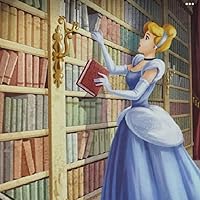
February 8, 2025
I loved a lot of things about this book. But unfortunately, there was some content that I did not agree with.

August 28, 2021
A lovely, lighthearted book, that I think did a fantastic job of building on Little Women.

September 27, 2021
A little too predictable in spots, but I thoroughly enjoyed this take. It used Alcott’s Little Women as a springboard to its own, unique plot. Light and predictable at times, but highly relatable and enjoyable. If you liked the original, I don’t think you’d regret this one.
August 2, 2026
Great fun and a lovely tribute to the original books
Displaying 1 - 30 of 506 reviews