4 ⭐
‘Tis done! Dread Winter spreads his latest glooms,
And reigns tremendous o’er the conquer’d year.
How dead the vegetable kingdom lies!
How dumb the tuneful! Horror wide extends
His melancholy empire. Here, fond man!
Behold thy pictur’d life; pass some few years,
Thy flowering Spring, thy Summer’s ardent strength,
Thy sober Autumn fading into age,
And pale concluding Winter comes at last
And shuts the scene. Ah! whither now are fled
Those dreams of greatness? those unsolid hopes
Of happiness? those longings after fame?
Those restless cares? those busy bustling days?
Those gay-spent festive nights? those veering thoughts,
Lost between good and ill, that shared thy life?
All now are vanish’d! Virtue sole survives,
Immortal, never-failing friend of man,
His guide to happiness on high...
- James Thomson (from ‘The Seasons – Winter’)
This was the first of Robert Greenberg's 'Great Masters' lectures that I read (I just came back here to offer a quick review) and I thought for sure, after the first 10 minutes or so, that Greenberg's paradoxical mix of pompous douchebaggery and layman's larrikinism was going to rub me the wrong way and force me to stop listening but to my pleasant surprise, he actually grew on me in a weird, embarrassing dad sort of way. We've all, at one time, uttered the words, "Stop it dad, you're embarassing me" but in most cases it's with an affectionately wry smile. It's not all his fault either; at the beginning of lecture 3 you can hear a woman laugh in the background at one of Greenberg's one-liners and then again multiple times throughout the series as he releases such pearlers as "sunk like a submarine with screen doors" or "What's this dissonance? Like a stone in our shoe! Like a letter from the IRS!" (paraphrased). So there's definitely some unwarranted encouragement there!
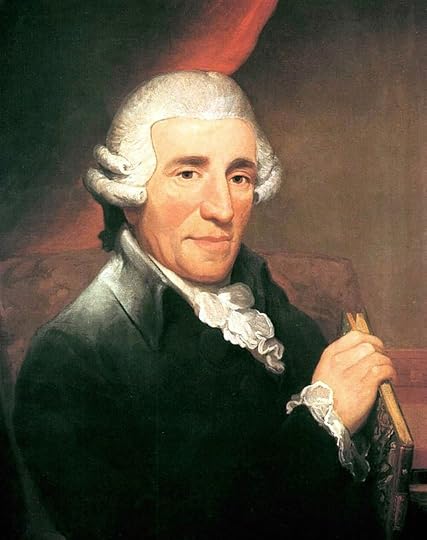
I knew little of Haydn's biography and only slightly more of his works, so the highly informative nature of the lectures and Greenberg's enthusiastic and always entertaining (if at times cringey) style didn't lose my attention for a moment of each of the eight 45 minute lectures.
While the brick and mortar of the lectures are an excellent combination of amusing anecdotes and very light, all-too-brisk compositional analyses, I found the most compelling and beneficial areas to be those in which Greenberg explains the personal and historical circumstances that influence the works being discussed. What was going on in the life and times of the composer that spurred him on to write such a piece? This can really animate a piece that you might otherwise take for granted and, in my opinion, instrumental music is always positively augmented by a greater knowledge of its background; the only danger comes in the occasional temptation to over-analyze!
An immersive and entertaining tribute to Papa Haydn.