

What do you think?

Essays on Russian Novelists
A survey pf major Russian writers including Chekhov, Gorki, Tolstoi, Dostoevski, Turgenev, and Gogol
Paperback
First published January 1, 1911
About the author
William Lyon Phelps
367 books9 followersProfessor of English at Yale University, 1892-1933.
Ratings & Reviews
Friends & Following
Create a free account to discover what your friends think of this book!
Community Reviews
Displaying 1 - 2 of 2 reviews

Read
February 21, 2015CANONS OF CRITICISM
CANON 2 [A professed critic] He has the right to alter any passage, which he does not understand.
...
CANON 24 He may dispense with truth, in order to give the world a higher idea of his parts, or the value of his work.
in: The canons of criticism and glossary
By Edwards, Thomas; 1750.
~~~~
The musical metaphor is one of the features in this book which captivates me the most.
“The silver tones …music of Turgenev clavichord were followed by the crashing force of Tolstoy organ harmonies and the thrilling heart-piercing discords struck by Dostoyevsky”.
[To me Dostoyevsky is the king of dissonance….almost atonality].
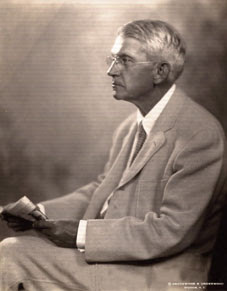
(William Lyon Phelps, 1865 - 1943)
I would like to elaborate a bit more on this Russian "canon" thing, so peculiar to Phelps. He starts the preface of the book with the expression” Russian fiction is like German music, the best of the world”.
Russian fiction is a sort of canon; and he advances the reasons for this “success”. To Phelps, the glory of the nations lies in the mind, or the ideas world. The real greatness of Russia stems from the splendor of her ideas. Despite being in a bad situation, after the Japanese war, despite being an old nation, she managed to inaugurate a new literature. [The USA (young nation) is called a “twin nation” of Russia]
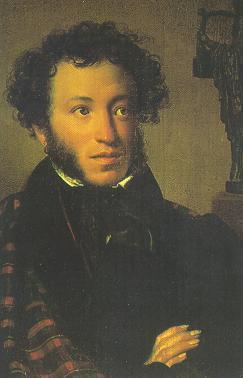
(Alexander Sergeyevich Pushkin, 1799-1837)
The vanguard position is taken by Pushkin. Pushkin (in some way influenced by Byron) was, for several years, a friend of Gogol, the true founder of Russian “realism” ; Gogol, a melancholic… and “funny” man.
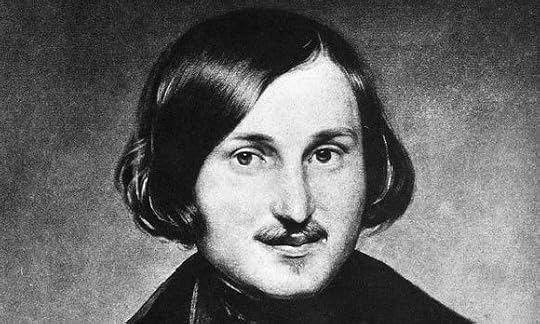
(Nikolai Vasilievich Gogol, 1809-1852)

(Ivan Sergeyevich Turgenev, 1818-1883)
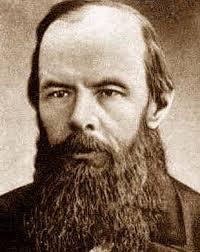
(Fyodor Mikhailovich Dostoyevsky, 1821-1881)
Next to Gogol arrives Turgenev: a master of style. Dostoyevsky is seen more as a naturalist, than a realist; someone who approached the “psychological processes of the unclassed”.
Further to this new literature analysis, what really stands out is Russian language itself, viewed, ultimately, as “the greatest world language” for its “elegance, variety, richness and definiteness”, says Phelps; “English is weak in synonyms”. Yet, Turgenev was a sort of traitor: he had perfect command of French.
Phelps in his “canon” adds the “largeness of the country”…and the Russian character itself.
Phelps introduces his biographical/literary analysis of the Russian writers starting with Gogol: “the greatest pioneer of Russian fiction”. Obviously, a “realist”, but not quite like the French writers (Zola, …); the French realism is there: “love for veracity”…for the humble truth . But Gogol adds something the French lacked on: the humor and the moral force.
Not far from Ukraine, was born the second great Russian writer: Turgenev. His mother despised writers (especially those writing in Russian); she wanted her son to have a “career”.
Turgenev became an international genius. He lived in Paris; visited the United Kingdom for several times (meeting with Tennyson, namely); and, in the expression of Phelps, was “more English than the English themselves”. The case is that Turgenev loved “shooting”, this may be the reason for his dislocations into Britain. Curiously enough, in his books the Anglo-man is ridiculed.
Phelps portrays a “pessimistic” writer, a loner, a music-lover, having an intimate relation with the married, opera-singer Madame Viardot; something never made clear: how she influenced him.... One of his novels, “Sportsman sketch “,showed two aspects: his literary genius and the “wretched condition of the serfs”. His face in repose was the expression of “infinite refinement, gentleness… and sorrow”. He was the “grey giant”.
His masterpiece is Fathers and Sons.*
For some time he had an issue with Tolstoy, a propos religion. Yet, Turgenev admired Tolstoy.
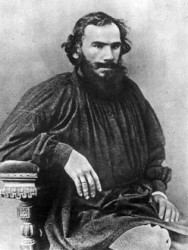
(Count Lev Nikolayevich Tolstoy, 1828-1910)
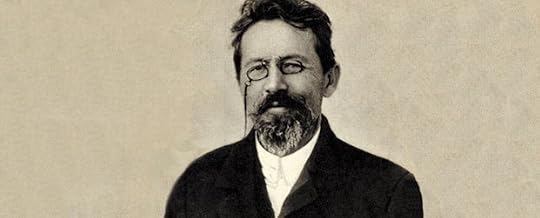
(Anton Pavlovich Chekhov, 1860-1904)
Chekhov was too a man of the south, who died young. According to Phelps’ analysis, only a Russian could have made such characters; Chekhov is DURCH UND DURCH ECHT RUSSISCH.
…
Other Russian writers**are approached. Nonetheless, it is obvious that most of them were music to Phelps’ ears.
Recommended for those who think the westerncannon canon might exclude Russia.
**They are:
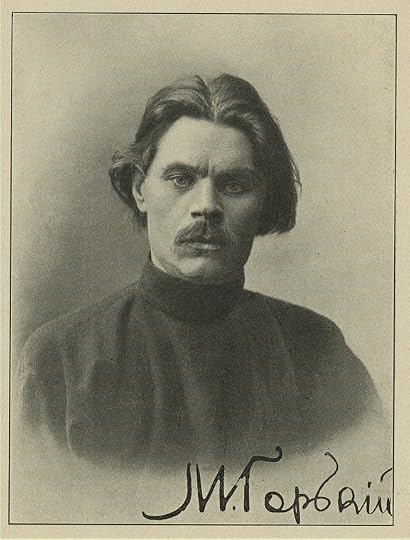
(Alexei Maximovich Peshkov (Maxim Gorky))-"worthless novels"..."like a rocket" he went up...and came down.
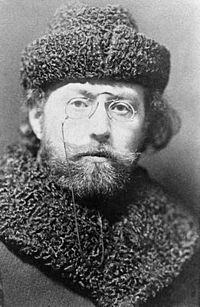
(Mikhail Petrovich Artsybashev)
-"sensational novel called Sanin"
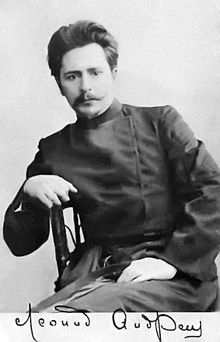
(Leonid Nikolaevich Andreev)
-foremost literary artist, "not exactly decadent but decidedly pathological"
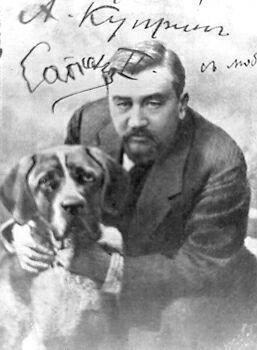
(Aleksandr Ivanovich Kuprin...and Dog)
*Curious reaction Russians in London had to this quote....,see here:https://www.rt.com/uk/345373-turgenev...
CANON 2 [A professed critic] He has the right to alter any passage, which he does not understand.
...
CANON 24 He may dispense with truth, in order to give the world a higher idea of his parts, or the value of his work.
in: The canons of criticism and glossary
By Edwards, Thomas; 1750.
~~~~
The musical metaphor is one of the features in this book which captivates me the most.
“The silver tones …music of Turgenev clavichord were followed by the crashing force of Tolstoy organ harmonies and the thrilling heart-piercing discords struck by Dostoyevsky”.
[To me Dostoyevsky is the king of dissonance….almost atonality].
(William Lyon Phelps, 1865 - 1943)
I would like to elaborate a bit more on this Russian "canon" thing, so peculiar to Phelps. He starts the preface of the book with the expression” Russian fiction is like German music, the best of the world”.
Russian fiction is a sort of canon; and he advances the reasons for this “success”. To Phelps, the glory of the nations lies in the mind, or the ideas world. The real greatness of Russia stems from the splendor of her ideas. Despite being in a bad situation, after the Japanese war, despite being an old nation, she managed to inaugurate a new literature. [The USA (young nation) is called a “twin nation” of Russia]
(Alexander Sergeyevich Pushkin, 1799-1837)
The vanguard position is taken by Pushkin. Pushkin (in some way influenced by Byron) was, for several years, a friend of Gogol, the true founder of Russian “realism” ; Gogol, a melancholic… and “funny” man.
(Nikolai Vasilievich Gogol, 1809-1852)
(Ivan Sergeyevich Turgenev, 1818-1883)
(Fyodor Mikhailovich Dostoyevsky, 1821-1881)
Next to Gogol arrives Turgenev: a master of style. Dostoyevsky is seen more as a naturalist, than a realist; someone who approached the “psychological processes of the unclassed”.
Further to this new literature analysis, what really stands out is Russian language itself, viewed, ultimately, as “the greatest world language” for its “elegance, variety, richness and definiteness”, says Phelps; “English is weak in synonyms”. Yet, Turgenev was a sort of traitor: he had perfect command of French.
Phelps in his “canon” adds the “largeness of the country”…and the Russian character itself.
Phelps introduces his biographical/literary analysis of the Russian writers starting with Gogol: “the greatest pioneer of Russian fiction”. Obviously, a “realist”, but not quite like the French writers (Zola, …); the French realism is there: “love for veracity”…for the humble truth . But Gogol adds something the French lacked on: the humor and the moral force.
Not far from Ukraine, was born the second great Russian writer: Turgenev. His mother despised writers (especially those writing in Russian); she wanted her son to have a “career”.
Turgenev became an international genius. He lived in Paris; visited the United Kingdom for several times (meeting with Tennyson, namely); and, in the expression of Phelps, was “more English than the English themselves”. The case is that Turgenev loved “shooting”, this may be the reason for his dislocations into Britain. Curiously enough, in his books the Anglo-man is ridiculed.
Phelps portrays a “pessimistic” writer, a loner, a music-lover, having an intimate relation with the married, opera-singer Madame Viardot; something never made clear: how she influenced him.... One of his novels, “Sportsman sketch “,showed two aspects: his literary genius and the “wretched condition of the serfs”. His face in repose was the expression of “infinite refinement, gentleness… and sorrow”. He was the “grey giant”.
His masterpiece is Fathers and Sons.*
For some time he had an issue with Tolstoy, a propos religion. Yet, Turgenev admired Tolstoy.
(Count Lev Nikolayevich Tolstoy, 1828-1910)
(Anton Pavlovich Chekhov, 1860-1904)
Chekhov was too a man of the south, who died young. According to Phelps’ analysis, only a Russian could have made such characters; Chekhov is DURCH UND DURCH ECHT RUSSISCH.
…
Other Russian writers**are approached. Nonetheless, it is obvious that most of them were music to Phelps’ ears.
Recommended for those who think the western
**They are:
(Alexei Maximovich Peshkov (Maxim Gorky))-"worthless novels"..."like a rocket" he went up...and came down.
(Mikhail Petrovich Artsybashev)
-"sensational novel called Sanin"
(Leonid Nikolaevich Andreev)
-foremost literary artist, "not exactly decadent but decidedly pathological"
(Aleksandr Ivanovich Kuprin...and Dog)
*Curious reaction Russians in London had to this quote....,see here:https://www.rt.com/uk/345373-turgenev...

May 17, 2017
After I finish this *grrr* book I’m writing, my reward is going to be delving into Russian literature. (If you’re shocked that I consider this a reward—hi, I’m Emma! We clearly haven’t met.) It seemed like a good idea to do a little preparatory reading around the subject so I could know firstly, what to read, and secondly, what works are supposed to be satire, because it can sometimes be hard to judge that without context. Then the Gods played a meta-joke on me, because this book, *Essays on Russian Novelists,* often had me in stitches of laughter, and I think it’s possible that the author believed himself. Or maybe not. It was written in 1911, back when it was A-OK to make sweeping generalizations about “national character,” but he’s so thoroughly droll (and sweetly devastating to everyone equally) that you rather wish he would go on. He does exactly what critics should do, which is to infect you with their passion for their subject. I doubt I will enjoy Turgenev half as much as I enjoyed Phelps fanboying over Turgenev, but that has a pleasure of its own. *Essays* is available free on Project Gutenberg and if you are a lit nerd in need of a laugh, I highly recommend it.
Perhaps if the membership [of a legislative body] were exclusively composed of women, positive results would show. For, in Russian novels, the irresolution of the men is equalled only by the driving force of the women. The Russian feminine type, as depicted in fiction, is the incarnation of singleness of purpose, and a capacity to bring things to pass, whether for good or for evil. The heroine of *Rudin*, of *Smoke*, of *On the Eve*, the sinister Maria of *Torrents of Spring*, the immortal Lisa of *A House of Gentlefolk*, the girl in Dostoevski's *Poor Folk*; Dunia and Sonia, in *Crime and Punishment*—many others might be called to mind. The good Russian women seem immensely superior to the men in their instant perception and recognition of moral values, which gives them a chart and compass in life. Possibly, too, the women are stiffened in will by a natural reaction in finding their husbands and brothers so stuffed with inconclusive theories. One is appalled at the prodigious amount of nonsense that Russian wives and daughters are forced to hear from their talkative and ineffective heads of houses. It must be worse than the metaphysical discussion between Adam and the angel, while Eve waited on table, and supplied the windy debaters with something really useful.
Displaying 1 - 2 of 2 reviews