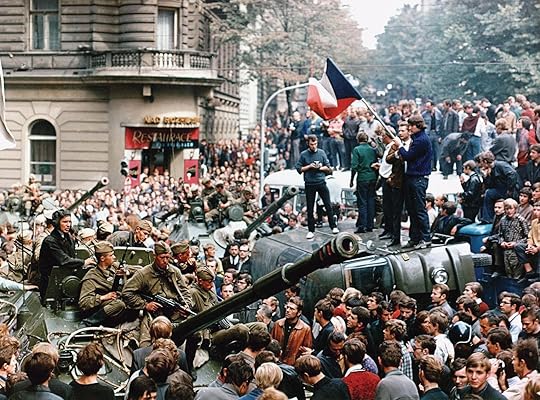
This energetic and hilarious novel is made even more important by the current final thawing of the long, Communist winter in Czechoslovakia. Moving between 1948, when our hero Danny Smiřický falls asleep in church while a miraculous event occurs, and 1968, when he observes the miracle of Prague Spring, The Miracle Game is a sharp look at the strange, sad, and silly things people do to survive.
Josef Škvorecký, CM was a Czech writer and publisher who spent much of his life in Canada. Škvorecký was awarded the Neustadt International Prize for Literature in 1980. He and his wife were long-time supporters of Czech dissident writers before the fall of communism in that country. By turns humorous, wise, eloquent and humanistic, Škvorecký's fiction deals with several themes: the horrors of totalitarianism and repression, the expatriate experience, and the miracle of jazz.
Josef Škvorecký's The Miracle Game is a lengthy but amiable look back on Communist rule in Czechoslovakia, covering roughly the period 1948 to 1970. The book was published in 1990, so its author had plenty of time to come to terms with Communism and its aftermath -- though from a safe distance (the author emigrated to Canada shortly after the Russian invasion in 1968 to overthrow the Dubcek government).
The main theme running through the book are all the contradictory stories of a miracle at a Catholic church service in 1948, when a statue of Saint Joseph appeared to bow to the parishioners in the church. The priest performing the service was tortured and killed by the Czech security forces.\
Many of the female characters are memorably sketched, particularly Vixi, with whom the narrator had been conducting a lackadaisical affair. The singer Suzy is also lovingly depicted, as is the doctrinaire Laura.
The book is clearly overlong, but it was rather fun to read as it drifted between time periods and parts of the country (and the world).
Začalo to niekedy pred 15 rokmi, kedy som prečítal (pre mňa) prvú Škvoreckého knihu - Zbabelcov, a úplne som jeho písaniu podľahol. Tento rok som zoznam prečítaných kníh doplnil o Sedmiramenný svícen (skvelé) a Mirákl. Pri druhej menovanej som mal prvýkrát dojem, že text si žiadal redaktora, ktorý by ho zosekal o pätinu. Alebo je to mnou, pokazeným skratkovitou rýchlou dobou a ak mi prekážalo, že som Mirákl čítal tak dlho, tak v skutočnosti na to nebol dôvod? Možno. Lebo pravda je tiež tá, že som sa vždy tešil na tých 10-15 minút počas týchto hetkických jesenných dní, kedy román budem môcť otvoriť a sledovať, ako to dopadne. Nie, vlastne o to nešlo. Kto sa trochu orientuje v československej histórii, tak po prvých stranách vedel, ako to podstatné skončí. Ak som aj napriek tomu hltal stranu za stranou, potom je to (Mirákl) umenie. Alebo zázrak. Je to hrozne osviežujúce čítať knihu, ktorá začala vznikať len rok po okupácii, ktorá neverklíkuje všetky tie hrdinské príbehy o Pražskej jari, aké to všetko mohlo byť iné a krásne, keby sem Rus nevtrhol na tankoch, atď. Škvorecký však reformistom vystavuje účet láskavo, s humorom, bez trpkosti v hlase. Kapitola, v ktorej opisuje americkú univerzitnú mládež, ktorá s Che Guevara na tričku blúzni o komunizme, bola nielen vtipná, ale aj desivá v tom, že človek mal pocit, akoby čítal reportáž z univerzitného kampusu v ktoromkoľvek západnom meste dnes. Počúval som nedávno z archívu diskusiu na Vltave (Český rozhlas), ktorá vznikla pri príležitosti Škvoreckého jubilea. Dvaja univerzitní pedagógovia sa v nej zhodli, že Mirákl je Škvoreckého najlepšia kniha. A že so študentmi o nej vedú zaujímavé diskusie. Tým prvým som si nie istý, to druhé by som strašne rád zažil. Lebo sa nazdávam, že román iritoval nielen v dode, keď ho Škvorecký v exile vydal, ale irituje istotne aj dnes. Neviem, kedy sa to stane, ale už teraz sa teším, keď si ho prečítam znovu. Jeden citát na záver:
"Ano, máš pravdu, Lauro, promluvil jsem na ni, opět jenom v duchu. Půl pravdy jsou koncentráky, půl pravdy plná zaměstnanost. Půl pravdy je život těla, půl smrt duše. Půl pravdy je diktát gaunerů a rada blbců a půl pravdy jsou milionárske operace pro chudé zdarma a třísetkilogramový vepřík v chlívku bratrance Antonína. Co však je, Lauro, celá pravda? Nezbývalo mi než vyřešit to Nescio starým osvědčeným způsobem. Ušklíbl jsem se."
Ufky! Dalo mi to práci, musela jsem se hodně soustředit, je tam spoustu rovin a postav. Ale stálo to za to. Moje nejoblíbenější linka byly zážitky ze školy v Kostelci. A taky popis roku 68. Nelituju. Ale teď potřebuju něco “lehčího”.
A well written and fascinating book set in Communist Czechslovakia. There's a miracle in a village church, a series of chess tournaments, several ill advised and illicit relationships, jazz music and poetry. The main character starts off as a teacher and becomes a writer and a musician, which all gives the author plenty of opportunity for intelligent commentary on culture, politics and sexual morality under the Communists. It's interesting and amusing, though sometimes I did wish it were a bit shorter and it gets confusing sometimes with the switching between times and places. It is however a must read for anyone interested in recent Eastern European history.
(Skvorecky's best novel in my humble opinion is the wonderful 'Engineer of Human Souls'.)
Když jsem ji četl poprvé, měl jsem na přečtení jednu noc a jeden den, byla z Toronta a čekalo na přečtení tolik lidí. O Toufarovi a čihošťském zázraku jsem nevěděl téměř nic a hodnocení třemi hvězdičkami jsem si dovolil až po létech, až když vznikl Goodreads, až když jsem si v něm udělal účet. Před několika dny jsem ji přečetl podruhé. Vybaven informacemi o zázraku, životopisnou knihou o páteru Toufarovi Jako bychom dnes zemřít měli, jsem od základu ty svoje tři hvězdičky musel přehodnotit. Ta kniha je geniální, Škvorecký patří k jedněm z nejlepších českých spisovatelů. Tečka. A vykřičník! A ještě jsem si dal audio verzi. Málokterou knihu si přečtu víckrát než jednou.
An overly long, occasionally confusing satire of Communist Czechoslovakia. The book started out fairly hilariously with the young protagonist, Danny Smiricky , starting out as a new teacher in an all girls school after only recently having contracted a sexually transmitted disease. There was a steady stream of humor throughout the book but the opening was the funniest part. The title of the book is based around what had seemed to be a miraculous event of a statue moving around in a church but then had been exposed as a fake. Most of the humor in the book was reserved for exposing the behavior of the Communist Party. As the book says, it came into being to create the most rational of societies but creates only irrationality and chaos. It promises the most just of social orders, and puts into prison thousands and tens of thousands of people. So, the book was, basically, about Danny trying to navigate through that system as best he could and, occasionally, venturing into his sexual encounters. This would have been a much better book if it had been pared down a bit. It was just too long and became a little tiresome repeating, what seemed to me, very similar humorous incidences.
Tohle si zaslouží komentář! Škvoreckého série s Dannym Smiřickým je legendární jak na plátně, tak na papíře, čím víc knih z ní čtu, tím víc mě postava Dannyho baví, neboť mám pocit, že už ho dobře znám. V tomto díle se pojí vtip s láskou a vážnými tématy - hlavní linií je přepracování tzv. Čihošťského zázraku, jedné z nejzáhadnějších a nejděsivějších událostí poválečných dějin Československa. Škvorecký zázrak zpracovává jako fikci (místo Toufara Doufal, k události došlo v Kostelci a Danny u toho nesměl chybět!), avšak i přesto si zachovává důležitou dobovou výpověď - rozpor mezi oficiálním zacházením a tím, jak ji viděli přímí účastníci. Ze stejného důvodu je zajímavé sledovat další vedlejší postavy knihy - tedy jak jejich život (de)formovala vláda KSČ. Mimo to je zábavné sledovat Dannyho peripetie v osobním životě (ty Škvorecký nikdy nezapomene zmínit) - kniha začíná tím, že má Danny kapavku a přichází do Kostelce učit na střední školu samé mladé dívky, za kterými nemůže běhat, protože má tu kapavku!
toto se vůbec nevztahuje k mému hodnocení knížky, ale přežít to redukování žen na jejich těla a neustálé hodnocení jejich "sex-appealovosti", jak tomu říká kámoš škvorecký, bylo občas fakt náročné :DD
This entire review has been hidden because of spoilers.
Dazzling portrayal of the day-to-day madness of life under communist system in Czechoslovakia from 1948 through to the early 70s. Bewildering array of characters at all levels of society, having various degrees of success at navigating the pitfalls of persecution/prison etc, while trying to get on with as much of a "normal" life as possible. Lightened with satire and outright humour, this is nevertheless at its heart a savage indictment of the destruction of truth. 4.5 stars rounding up.
No writer better describes life for a Catholic intellectual in a Central European Communist state after WWII than Josef Skvorecky, Evelyn Waugh's Czech brother. Skvorecky's wit sparkles as he describes these grim times.
The Miracle Game is one of the many books in the saga of Danny Smiricky, Skvorecky's alter ego. Danny is energetic as a fornicator and somewhat shiftless at everything less. Being infinitely charming, Danny always stays on good relations with his former girlfriends and their husbands who never seem to get upset at Danny's philandering.
In his novels Skvorecky takes breaks from recounting Danny's amorous escpades in order to cast darts at various aspects of the communist states. The secondary education system is one of the major targets in the Miracle Game. Danny is a teacher at a girls school in a provincial city. He and his colleagues wring their hands as their Communist superiors impose unjust decisions hither and thither. Mediocre students with the right class backgrounds are allowed into the most desirable post-secondary educational programs while brilliant students with the wrong class background are denied entry. The teachers pause to shake their heads and then return to their romantic pursuits.
Skvorecky also takes a rather light-hearted look at the persecution of the Catholic Church in Czechoslovakia during the 1950s. Attendees at a mass see a statue of the Virgin Mary move. Some take it as a miracle. The Communist police arrive to investigate and to muzzle the affair. Skvorecky provides diagrams of the statue so that the reader can speculate on how it was made to move. The police can not find the guilty party but the Parish Priest is dispatched to the Gulag anyway.
The Miracle Game is game is one of the very best Danny Smiricky novels. It stands alone but is a wonderful companion to the Engineer of Human Souls.
NPR's remebrances of the Prague Summer 40 years ago reminded me of this book. Moving between an earlier time and 1968, the book contains a vast number of characters, but centers around the first person narrative of a college teacher and playwright, lover of women, and lapsed Catholic. In the 40s, while he is teaching in a provincial town, a miracle occurs at a local Catholic church. Is it a real miracle or a communist hoax (or are the communist actions an attempt to discredit the real miracle)? It is not really a mystery, but a journey through the Czech landscape until the Soviet invasion. Lush and a little overgrown, but with a real care for religious faith and Czech literary history.
Velmi jsem se u této knihy trápil. Příliš mnoho linií, ve kterých jsem se ztrácel, řešení příliš mnoho 'velkých' problémů, navíc se zaměněnými jmény, takže se pro osobu narozenou až značně později není už možno zorientovat, jak souvisí se skutečnými událostmi. Navíc Danny jako postava se téměř ztratil a je jen cynický vypravěč, o nějž prakticky vůbec nejde. Řešení Čihošťského zázraku bylo IMO rovněž věnováno neúměrně mnoho prostoru.
A little longer than it need to be. Still very interesting account of a guy trying to get by in communist Czechoslovakia before and during the Prague Spring. I liked 'Republic of Whores' a lot better.
This is an entertaining, amusing and moving account of the life of a young teacher in communist Czechoslovakia. This is my favourite of his books, along with "The Engineer of Human Souls".
Did a statue of St. Joseph rock during Catholic mass in a Czechoslovakian village in 1948? Danny, our main character, was there but asleep during the mass. He awoke to the amazement and confusion of the miracle witnessed by the parishioners. Danny is a teacher at an all-girls high school. The mores are different because he has a pretty open relationship with one of the students. They haven’t had sex yet only because he has a STD. He won’t tell her that, so he invents all kinds of humorous excuses to delay that part of their relationship.
At the time, Czechoslovakia is under anti-religious communist rule. It seems at times the leadership is trying to be “more royal than the king” in enforcing communist principles. They imprison, torture and kill the elderly priest at St. Joseph’s and accuse him of rigging strings and pulleys to perform the miracle. Meanwhile the leadership has created a class-based society that shows in the school by blatant favoritism in terms of who is admitted, who wins awards, and who is allowed to graduate.
Then another miracle happens: the start of Prague Spring in January 1968. A reformist government took over and loosened restrictions on speech, media and travel. It only lasted six months. Then the USSR and neighboring communist countries sent in tanks and brutally crushed the revolution. Repercussions begin. Some liberal writers are executed. Danny, who is also a writer, has to worry about things he wrote.
Throughout the book the author plays on the themes of these two ‘miracles.’ There is a lot of discussion about the variety and intensity of beliefs in religion and in Communism by Danny and friends, and people he meets in bars. Danny knows or runs into a lot of higher-up authorities, so we get an inside look at the chaotic political situation.
I’ll give the story a ‘5’ but there are weakness in the writing that drop it to an overall ‘4’ for me. The humor about his girlfriend and the STD is okay but couldn’t we get by with half of the dozen-or-so passages about it? The story line jumps around from his reflections on his childhood and other incidents in the past to the present. It’s confusing at times to know when events he relates happened. The 435-page edition I read could easily be reduced by 100 pages or so.
The Czech-Canadian author (1924-2012) ran into government censorship himself and had books banned. He took the opportunity to flee to Canada with his wife during the Prague Spring. I’ve read two others of his books (links below to my reviews).
Nebudu vám tvrdit, že se mi tento román Josefa Škvoreckého četl dobře. Protože se odehrává v několika časových rovinách, vyžaduje soustředěnost, rozhodně ne mou roztěkanost. Pokud ale máte chuť přečíst si o tom, jak se Dannymu Smiřickému žilo v začátcích komunistické éry, tak do toho.
Danny Smiřický je na české literární scéně už notoricky známou postavou. Milovník žen a Škvoreckého alter ego se poprvé objevuje v roce 1948, ale veřejnost měla možnost se s ním seznámit až po dlouhých deseti letech, kdy bylo Škvoreckého dílo konečně režimem povoleno. Danny Smiřický se v jeho dílech objevuje opakovaně, například v Tankovém praporu, ve Lvíčeti, Prima sezóně, Příběhu inženýra lidských duší nebo také v Miráklu. A o Miráklu teď také bude řeč.
Mirákl je první knihou Josefa Škvoreckého, kterou vydal v exilu. Odehrává se pár let po konci druhé světové války, v období mezi léty 1949 až 1970. Danny Smiřický nastupuje jako učitel do dívčí školy a samozřejmě jeho přítomnost nezůstává u studentek bez povšimnutí. A tak musí řešit nejen své milostné problémy, ale také tehdejší politickou situaci, která se ho osobně dotýká. Komunisté totiž začínají vést válku proti kulakům (bohatým rolníkům) a tím ohrožují výuku na střední škole. Kromě toho se na pozadí všech událostí, které Dannyho potkají, odehraje takzvaný „čihošťský zázrak“. Během kázání kněze Toufara v obci Čihošť se několikrát pohne půlmetrový kříž na hlavním oltáři. Celou událost začne vyšetřovat i StB, neboť se o ni zajímají i místní obyvatelé. Komunisté záhy `čihošťský zázrak` využívají k tomu, aby posílili represe proti církvi a vytvářeli proticírkevní propagandu.
Danny se později dostává do Prahy a stává se součástí tehdejší absurdní literární společnosti a ještě nepochopitelnější kulturní politiky. Toť k ději jako takovému.
Zatímco první třetina románu, která se věnuje hlavně Dannymu a jeho vztahu s `Liškou`, se mi četla jako po másle, druhou třetinu, kterou Danny tráví v Praze, jsem skoro nevnímala a některé pasáže tak musela číst opakovaně. Až u třetí jsem se zase chytla a pozorovala, jak se Danny a jeho spřízněná duše `Liška`, která dříve nechápala víru v boha ani nic, co se víry a církve týkalo, změnili. Abych byla upřímná, mnohem raději mám Arnošta Lustiga nebo Milana Kunderu. Přesto je Mirákl už třetí kniha, kterou jsem si od Josefa Škvoreckého přečetla. Ne však kvůli ději jako takovému, ale hlavně proto, jak výstižně dokáže popsat atmosféru tehdejší doby. Sympatický je mi také jeho bezprostřední styl vyprávění a smysl pro humor.
Své místo na vrcholu české literatury má opodstatněně, to rozhodně, v mé knihovně má také své místo, ačkoliv tuším, že k jeho knihám, které mám již přečtené, se už nevrátím.
Mirákl je kompozičně nápaditý a významově polomystický, zdánlivě detektivní, rozsáhlý román, v němž vystupuje mnoho myšlenkou a charakterem rozvinutých komplexních postav.
Danny Smiřický nepřipomíná postavu z autorových předchozích děl, jako autor méně významných próz a zato kvalitních libret nás provází Československem za krvavých padesátých let a obrodného jara 68’ s následující invazí samozvaně bratrských vojsk, děj pokrývá dobu až do autorovy poinvazní současnosti (rok 1972).
Jednotlivé kapitoly jsou roztříštěné na jednotlivé epizody, které samy často bývají nastřihány a v nechronologickém pořadí rozesety napříč více kapitol, spojitost lze hledat se zapojením čtenářovy domýšlivosti a vlastním uvažováním nad časovým proudem v knize.
Ústředním či jedním z pravděpodobně ústředních motivů je zázrak spočívající v pohybu nevysvětlitelné příčiny sošky Josefa uvnitř kostelecké kaple. Ona teologicky jako zázrak popsaná, ale politicky nepřijatelná příčina vyvrcholí operací agentů Bezpečnosti a smrtí osamělého a dobrotivě zbožného faráře. Jeden z epizodních proudů celé knihy tudíž připomíná detektivní příběh, jehož řešení by mohlo být popsáno jednou z Zenónových aporií.
Vzhledem k mému až do teď nedokonalému pochopení doby několik desetiletí před mým narozením mi nebyly jasné veškeré poznatky a dobové souvislosti a bylo tedy na mé představivosti podmíněné také vnějším dohledáváním, abych za pomocí zprostředkovaného pozvání docílil jednotného obrazu, nelehké čtení má ovšem nenapodobitelný přínos…
“Život je detektivka, pachatelem je pravda. Jedná se o špatnou detektivku, pachatele se nepodaří dopadnout.”
A novel that is a kaleidoscopic journey through nearly 20 years of Czech history, from the early 1950s through the Prague Spring of 1968 and its aftermath. Too long-winded, and probably too intricate for its own good. The constant shifting back and forth from one era to another I found annoying and sometimes confusing. A familiarity with the events and people of those years will help a reader cut through the occasional thicket -- I might have been completely lost otherwise. Still, many of these characters are charming, and the first-hand account (the author lived through this era) tells us more about life in that place and time than most non-fiction books would.
Kdysi pradávno v devadesátých letech jsem četla a teď při poslechu ČRo si vše připomněla včetně tehdejších pocitů, které se do jisté míry opakovaly. Na jedné straně mě to velmi bavilo, jako vše od Škvoreckého- je to čtivé, lehce šovinistické, místy vtipné. Na druhou stranu mi trochu překážela jistá spletitost děje a taky to, že jsem nemohla úplně rozklíčovat, kdo je kdo z literárního světa (myšleno, která reálná postava je předlohou postavy literární). Někde to šlo poznat velmi lehce, ale většinou jsem se ztrácela
Spent a good amount of time with this one, but couldn't make sense of it through the large cast of characters and many historical references. I did really enjoy the authors writing style, which is full of interesting observations and backhanded humor, and thought the main character was interesting enough, but a quarter of the way through I abandoned ship as the plot continued to slip away. Will consider trying this one again later.
Krasne napsane, i kdyz jsem se v tolika postavach obcas ztracela, z historickeho hlediska velmi poucne, ale pro nasi generaci bohuzel uz temer nestravitelne - Josef Skvorecky aka Danny Smiricky je typicky bily heterosexualni muz, ktery me nuti v kazdem popisu interakce se zenou upet nebo se aspon hlasite placat do cela.
Too long, too many characters, too much jumping around in time and place. The humour and satire saves it but the long stretches of communist vs capitalist vs church dialogue sink it.