

What do you think?
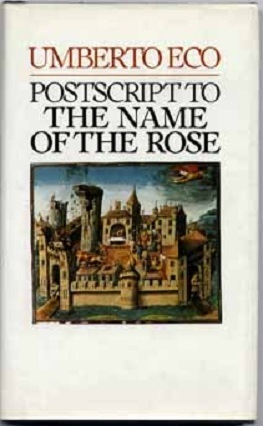
Postscript to the Name of the Rose
This book stems from Umberto Eco's account of the genesis of his extraordinary novel, The Name of the Rose, but, like the novel itself, it goes far beyond the particular: '...in March 1978 ... I had the urge to poison a monk.' Along the way, it touches on bad books, ideal readers, historical form, and the metaphysics of the detective story.
84 pages, Hardcover
First published April 1, 1983
About the author
Umberto Eco
911 books12.4k followersUmberto Eco was an Italian medievalist, philosopher, semiotician, novelist, cultural critic, and political and social commentator. In English, he is best known for his popular 1980 novel The Name of the Rose, a historical mystery combining semiotics in fiction with biblical analysis, medieval studies and literary theory, as well as Foucault's Pendulum, his 1988 novel which touches on similar themes.
Eco wrote prolifically throughout his life, with his output including children's books, translations from French and English, in addition to a twice-monthly newspaper column "La Bustina di Minerva" (Minerva's Matchbook) in the magazine L'Espresso beginning in 1985, with his last column (a critical appraisal of the Romantic paintings of Francesco Hayez) appearing 27 January 2016. At the time of his death, he was an Emeritus professor at the University of Bologna, where he taught for much of his life. In the 21st century, he has continued to gain recognition for his 1995 essay "Ur-Fascism", where Eco lists fourteen general properties he believes comprise fascist ideologies.
Eco wrote prolifically throughout his life, with his output including children's books, translations from French and English, in addition to a twice-monthly newspaper column "La Bustina di Minerva" (Minerva's Matchbook) in the magazine L'Espresso beginning in 1985, with his last column (a critical appraisal of the Romantic paintings of Francesco Hayez) appearing 27 January 2016. At the time of his death, he was an Emeritus professor at the University of Bologna, where he taught for much of his life. In the 21st century, he has continued to gain recognition for his 1995 essay "Ur-Fascism", where Eco lists fourteen general properties he believes comprise fascist ideologies.
Ratings & Reviews
Friends & Following
Create a free account to discover what your friends think of this book!
Community Reviews
Displaying 1 - 30 of 181 reviews
July 19, 2020
تأملات في اسم الوردة كتاب من ٩٠ صفحة بيتكلم فيه ايكو عن إزاي كتب هذا العمل الاستثنائي..
اسم الوردة معروف بصعوبة أول ١٠٠ صفحة حتي إيكو نفسه الحمدلله بيعترف و بيطلق عليهم اسم 'كفارة' :)
"إذا تغلب القارئ علي كفارة المئة الصفحة الأولي هذا يعني تشكيل قارئ مناسب لما سيأتي لاحقاً بعدها من صفحات.."
من الحاجات اللي كانت ومازلت محيرة بالنسبة لي
عنوان الكتاب اللي ملوش أي علاقة بالاحداث بس بعد قراية اسم الوردة وتأملات اسم الوردة أقدر أقول إن أمبرتو ايكو قدر يقنعني بوجهة نظره:
"يجب أن يشوش العنوان أفكار القارئ لا أن ينظمها.."
ايكو مش بيشرح هنا اسم الوردة ..ايكو مقتنع إننا إحنا اللي لازم نفكر في المقصود من أي كتاب نقراه ..
"يجب أن يموت المؤلف بمجرد أن ينتهي من كتابته حتي لا يعكر مصار النص.."
وأخيراً تأملات اسم الوردة كتاب حجمه صغير ممكن أكون مفهمتش كل حاجة فيه أوي بس بيوضح كم المجهود المبذول من الكاتب عشان يطلع الكتاب بالصورة دي..وطبعاً هو لازم يقرأ بعد اسم الوردة مش قبله أكيد...
اسم الوردة معروف بصعوبة أول ١٠٠ صفحة حتي إيكو نفسه الحمدلله بيعترف و بيطلق عليهم اسم 'كفارة' :)
"إذا تغلب القارئ علي كفارة المئة الصفحة الأولي هذا يعني تشكيل قارئ مناسب لما سيأتي لاحقاً بعدها من صفحات.."
من الحاجات اللي كانت ومازلت محيرة بالنسبة لي
عنوان الكتاب اللي ملوش أي علاقة بالاحداث بس بعد قراية اسم الوردة وتأملات اسم الوردة أقدر أقول إن أمبرتو ايكو قدر يقنعني بوجهة نظره:
"يجب أن يشوش العنوان أفكار القارئ لا أن ينظمها.."
ايكو مش بيشرح هنا اسم الوردة ..ايكو مقتنع إننا إحنا اللي لازم نفكر في المقصود من أي كتاب نقراه ..
"يجب أن يموت المؤلف بمجرد أن ينتهي من كتابته حتي لا يعكر مصار النص.."
وأخيراً تأملات اسم الوردة كتاب حجمه صغير ممكن أكون مفهمتش كل حاجة فيه أوي بس بيوضح كم المجهود المبذول من الكاتب عشان يطلع الكتاب بالصورة دي..وطبعاً هو لازم يقرأ بعد اسم الوردة مش قبله أكيد...

January 20, 2017
Encontrei esta pequena preciosidade por acaso, nas prateleiras da Biblioteca Municipal onde adoro ir cuscar. Ainda a viver em estado de graça a ressaca da leitura d'O Nome da Rosa, nem pensei duas vezes. Foi lido de um fôlego!
Meu Deus, o homem era um génio! É um génio!
Eco, tê-lo-há escrito na sequência das muitas questões colocadas pelos leitores do livro.
São tantas curiosidades, tantos pormenores, tanto trabalho de pesquisa, de aperfeiçoamento, que tornam o livro ainda mais genial.
Lamentavelmente está esgotado :(
Àqueles que pensam ler o livro, só posso recomendar que de alguma maneira o tentem encontrar. Vão ver que é um complemento precioso para a leitura.
Meu Deus, o homem era um génio! É um génio!
Eco, tê-lo-há escrito na sequência das muitas questões colocadas pelos leitores do livro.
São tantas curiosidades, tantos pormenores, tanto trabalho de pesquisa, de aperfeiçoamento, que tornam o livro ainda mais genial.
Lamentavelmente está esgotado :(
Àqueles que pensam ler o livro, só posso recomendar que de alguma maneira o tentem encontrar. Vão ver que é um complemento precioso para a leitura.

October 2, 2017
“I felt like poisoning a monk.”
- Umberto Eco on his inspiration for 'The Name of the Rose'

A rare one-sitting read for me, which makes the slimness of this particular volume all the more frustrating (in a good way). I need more.
Not content with merely accomplishing it in fiction, here that sly fox Eco employs the essay form to tempt his audience into a full immersion in and perhaps, even a merging with, the text. The man's just so damned inviting, as if he's sitting right next to you, effortlessly expounding on a variety of subjects, whilst respecting your intelligence. It's readily apparent that apart from seeking to amuse his readership with his literary concoctions, he cares a great deal about education as well. In that sense, he comes across as refreshingly selfless and, above all, affable.
For the many admirers of the novel, those interested in the creative process or (postmodern) literary theory, you could do a lot worse than picking this one up. Really more of a *** 1/2 stars.
- Umberto Eco on his inspiration for 'The Name of the Rose'
A rare one-sitting read for me, which makes the slimness of this particular volume all the more frustrating (in a good way). I need more.
Not content with merely accomplishing it in fiction, here that sly fox Eco employs the essay form to tempt his audience into a full immersion in and perhaps, even a merging with, the text. The man's just so damned inviting, as if he's sitting right next to you, effortlessly expounding on a variety of subjects, whilst respecting your intelligence. It's readily apparent that apart from seeking to amuse his readership with his literary concoctions, he cares a great deal about education as well. In that sense, he comes across as refreshingly selfless and, above all, affable.
For the many admirers of the novel, those interested in the creative process or (postmodern) literary theory, you could do a lot worse than picking this one up. Really more of a *** 1/2 stars.

January 14, 2020
Clever, witty and thought-stimulating little book about writing, novels, poetry, learning the period/cultural environment in which fictions are set, with particular reference, of course to The Name of the Rose.
Perfect for a summer afternoon
Perfect for a summer afternoon

March 21, 2017
هذا الكتاب أكثر من رائع ..
ولا أريد أن أبالغ إذا قلت إنه كتاب فلسفي وأدبي مهم للغاية لكل من يهتم بفلسفة إمبرتو إيكو كفيلسوف إيطالي معاصر ، وخاصة في مجال فلسفة اللغة
بالطبع عليك أن تقرأ روايته الشهيرة ( اسم الوردة ) اولاً ثم تقرأ تأملاته عليها بعد ذلك .. ولكني صراحة كثيراً لم أهتم بما ذكره عن تفاصيل الرواية الدقيقة بقدر اهتمامي بالتحليل الفلسفي واللغوي لأفكاره حول اللغة والكتابة وإسلوب الأديب وفكره وفكر القارئ أيضاً
فكيف يكتب الأديب ؟ ولمن ؟ وهل يختار الكاتب القارئ الذي سيقرأ له، سواء في الحاضر أو في المستقبل ؟
بصورة عامة .. لقد استفدت كثيراً في المجال الذي اردته بالتحديد ..
وأقصد فلسفة اللغة بصورة خاصة ..
ولا أريد أن أبالغ إذا قلت إنه كتاب فلسفي وأدبي مهم للغاية لكل من يهتم بفلسفة إمبرتو إيكو كفيلسوف إيطالي معاصر ، وخاصة في مجال فلسفة اللغة
بالطبع عليك أن تقرأ روايته الشهيرة ( اسم الوردة ) اولاً ثم تقرأ تأملاته عليها بعد ذلك .. ولكني صراحة كثيراً لم أهتم بما ذكره عن تفاصيل الرواية الدقيقة بقدر اهتمامي بالتحليل الفلسفي واللغوي لأفكاره حول اللغة والكتابة وإسلوب الأديب وفكره وفكر القارئ أيضاً
فكيف يكتب الأديب ؟ ولمن ؟ وهل يختار الكاتب القارئ الذي سيقرأ له، سواء في الحاضر أو في المستقبل ؟
بصورة عامة .. لقد استفدت كثيراً في المجال الذي اردته بالتحديد ..
وأقصد فلسفة اللغة بصورة خاصة ..

April 9, 2013
تأملات في اسم الوردة
كانت (اسم الوردة) رواية عملاقة، عملاً خالداً يمكن لك أن تقرؤه مراراً وتخرج منه بالكثير في كل مرة، قرأت (اسم الوردة) قبل سنوات، وأذكر انبهاري بقوة العمل، وازداد هذا الانبهار في السنوات التالية وأنا أشاهد مدى تأثيريته على الكثير من الأعمال التي من أتت من بعده.
في هذا الكتاب يمنحنا امبرتو ايكو الفرصة للعبور إلى معمله الداخلي الذي صاغ من خلاله روايته الأولى، إنها لفرصة مذهلة، نزهة – فالكتاب للأسف قصير، لا يزيد على التسعين صفحة – نقضيها مع هذا الإيطالي الموهوب، إن ايكو هنا كما يصر لا يفسر روايته، ولكنه يخبرنا لماذا وكيف كتبها، وهذا هو المهم، وهو يفعل ذلك بأسلوب جميل، يجعل من هذا الكتاب قراءة حتمية بعد الفراغ من الرواية.
كانت (اسم الوردة) رواية عملاقة، عملاً خالداً يمكن لك أن تقرؤه مراراً وتخرج منه بالكثير في كل مرة، قرأت (اسم الوردة) قبل سنوات، وأذكر انبهاري بقوة العمل، وازداد هذا الانبهار في السنوات التالية وأنا أشاهد مدى تأثيريته على الكثير من الأعمال التي من أتت من بعده.
في هذا الكتاب يمنحنا امبرتو ايكو الفرصة للعبور إلى معمله الداخلي الذي صاغ من خلاله روايته الأولى، إنها لفرصة مذهلة، نزهة – فالكتاب للأسف قصير، لا يزيد على التسعين صفحة – نقضيها مع هذا الإيطالي الموهوب، إن ايكو هنا كما يصر لا يفسر روايته، ولكنه يخبرنا لماذا وكيف كتبها، وهذا هو المهم، وهو يفعل ذلك بأسلوب جميل، يجعل من هذا الكتاب قراءة حتمية بعد الفراغ من الرواية.

May 28, 2017
Revelou alguns factos curiosos sobre um dos meus livros de eleição. Gostei muito de saber que as discussões no sanatório de "A Montanha Mágica" serviram de inspiração ao encontro eclesiástico na abadia.
May 24, 2016
هذا الكتاب لمن قرأ رواية اسم الوردة لأمبرتو ايكو..
قدم فيه ايكو استشهادات للرد على تساؤلات القراء حول رواية اسم الوردة، مع توضيح لفلسفته بالتأليف وكيف شيّد عالمه وأثثه وجمع مدوناته من جميع الكتب التي تخص العصور الوسطى بقدر مايستطيع حتى في أبسط التفاصيل.
قدم فيه ايكو استشهادات للرد على تساؤلات القراء حول رواية اسم الوردة، مع توضيح لفلسفته بالتأليف وكيف شيّد عالمه وأثثه وجمع مدوناته من جميع الكتب التي تخص العصور الوسطى بقدر مايستطيع حتى في أبسط التفاصيل.

April 12, 2012
This book is an interesting peek into Umberto Eco's thoughts about his novel The Name of the Rose. If you've read the novel, if you are a fiction writer, or if you're into literary theory, you should probably pick up this book.
The book answers my question about why in the name of sanity Eco stops the action repeatedly to insert things like a long description of a tympanum (it's something a medieval writer would have done). He also explains why the book has such a slow, difficult beginning (he intentionally ignored the advice of friends and his editor to test your patience before letting you into the story).
If you write genre fiction and understand that he believes it is inferior to literary fiction, you will be amused to see that his writing process sounds exactly like what you do to write your stories. My favorite example is that he did a year of world-building and invented characters he doesn't put into the novel, but he needed to know who they were in order to proceed. Sound familiar? Oh, and it finishes up with an unintentional writing prompt: the only mystery plot that remains unwritten is the book where the reader is the murderer. Something about the idea just makes you want to try it. :-)
If you're into literary theory, you get a bit of that too as he talks about his literary theories, reassesses some of his opinions from the early 1960s and discusses what constitutes postmodernism.
It's a very quick read with a ton of thought provoking ideas packed between its covers. Definitely worth a try!
The book answers my question about why in the name of sanity Eco stops the action repeatedly to insert things like a long description of a tympanum (it's something a medieval writer would have done). He also explains why the book has such a slow, difficult beginning (he intentionally ignored the advice of friends and his editor to test your patience before letting you into the story).
If you write genre fiction and understand that he believes it is inferior to literary fiction, you will be amused to see that his writing process sounds exactly like what you do to write your stories. My favorite example is that he did a year of world-building and invented characters he doesn't put into the novel, but he needed to know who they were in order to proceed. Sound familiar? Oh, and it finishes up with an unintentional writing prompt: the only mystery plot that remains unwritten is the book where the reader is the murderer. Something about the idea just makes you want to try it. :-)
If you're into literary theory, you get a bit of that too as he talks about his literary theories, reassesses some of his opinions from the early 1960s and discusses what constitutes postmodernism.
It's a very quick read with a ton of thought provoking ideas packed between its covers. Definitely worth a try!
Read
September 20, 2024Дочитала. Нічого не прояснила, але цікаво, дякую 😅

January 14, 2020
This little book should be read by classicists, historians of medieval literature, specialists in Romance language lit, and American lit and Brit Lit; novelists, poets, careful readers, admirers of genius translation. In addition to commentary and self-criticism, it is a handbook on ways to write a solid novel.....
[Please note, the first part of this is about The Name of the Rose....]
To begin with, I had spent a whole summer (after 4 semesters of Italian) reading Il Nome della Rosa in Italian. My dictionary was as fat as the novel. I had a spiral notebook specifically for vocabulary and my own comments and questions. I worked HARD to get through it, but I knew that the fall semester's course on the book would be crowded with full-time job, husband and 3 children, so I had to get through it a first time with no outside pressure.
It was magical, and 6 or 8 months later I persuaded the reading group I was in (4 couples, four faculty at two respected universities and their spouses) to read the English version. One professor of Spanish Literature and I were the only ones who actually loved the book (YES, I'm getting there...) the others poo-poohed it, but my friend and I felt vindicated by John Updike's fulsome full page positive essay on the book, found in the New Yorker of September 198??).
Comes January 2020, and by fortunate chance I find Postscript to The Name of the Rose in the public library. Published ~1983, translated by the pre-eminent translator of the original, William Weaver, this is a series of short, really short, essays and commentary on various aspects of TNOTR, on people's questions to Eco, on how he wrote the book and why he did it that way. (My most prized WORD from the book; TOPOS and its plural TOPOI. Look it up!!)
This little book is sheer poetry as well as sheer genius: a heavenly combination of Eco and Weaver, it reads like poetry. It feels personal: they are speaking to ME! The library copy is currently ragged with pieces of torn paper towel, paper napkin, old bills, marking felicitous, spirit-tingling, brain-warming phrases and even paragraphs, that I don't want to forget.
This book should be read (and will be relished) by classicists, historians of medieval literature, specialists in Romance language lit, and American lit and Brit Lit; novelists, poets, careful readers, admirers of genius translation. In addition to commentary and self-criticism, it is a handbook on ways to write a solid novel..... I'm going to buy a copy to keep, to underline, to read and re-read.
[Please note, the first part of this is about The Name of the Rose....]
To begin with, I had spent a whole summer (after 4 semesters of Italian) reading Il Nome della Rosa in Italian. My dictionary was as fat as the novel. I had a spiral notebook specifically for vocabulary and my own comments and questions. I worked HARD to get through it, but I knew that the fall semester's course on the book would be crowded with full-time job, husband and 3 children, so I had to get through it a first time with no outside pressure.
It was magical, and 6 or 8 months later I persuaded the reading group I was in (4 couples, four faculty at two respected universities and their spouses) to read the English version. One professor of Spanish Literature and I were the only ones who actually loved the book (YES, I'm getting there...) the others poo-poohed it, but my friend and I felt vindicated by John Updike's fulsome full page positive essay on the book, found in the New Yorker of September 198??).
Comes January 2020, and by fortunate chance I find Postscript to The Name of the Rose in the public library. Published ~1983, translated by the pre-eminent translator of the original, William Weaver, this is a series of short, really short, essays and commentary on various aspects of TNOTR, on people's questions to Eco, on how he wrote the book and why he did it that way. (My most prized WORD from the book; TOPOS and its plural TOPOI. Look it up!!)
This little book is sheer poetry as well as sheer genius: a heavenly combination of Eco and Weaver, it reads like poetry. It feels personal: they are speaking to ME! The library copy is currently ragged with pieces of torn paper towel, paper napkin, old bills, marking felicitous, spirit-tingling, brain-warming phrases and even paragraphs, that I don't want to forget.
This book should be read (and will be relished) by classicists, historians of medieval literature, specialists in Romance language lit, and American lit and Brit Lit; novelists, poets, careful readers, admirers of genius translation. In addition to commentary and self-criticism, it is a handbook on ways to write a solid novel..... I'm going to buy a copy to keep, to underline, to read and re-read.
January 3, 2025
Кілька днів тому дочитала і хочу виділити улюблене з Postscript to The Name of the Rose.
А ось тут мій блог.
📚 Умберто Еко написав «Імʼя троянди», бо хотів отравити ченця (насправді у автора був доволі великий багаж досвіду у медієвістиці, який і вилився у декількох його роботах).
📚 Робочу назву «The Abbey of the Crime» автор відхилив, оскільки вона концентрувала увагу на містичній складовій. Назва «Імʼя троянди» виникла випадково. Вона сподобалась Еко, оскільки троянда має дуже багато символічних значень та інтерпретацій (всі, хто чекав цю розу, яка має зʼявитись, підніміть руки 🤚).
📚 Деякі художні прийоми були випадковими. Про деякі Еко дізнався від критиків.
📚 Автор звертав увагу на кожну деталь, в тому числі й на довжину діалогів. Він зробив дослідження, щоб визначити час, протягом якого його персонажі повинні розмовляти, поки вони йдуть коридором. Таких прикладів тут декілька.
📚 Автор добре розумів, що пише «повільну» історію. Це будо зроблено спеціально, щоб темп відповідав середньовічним текстам.
А ось тут мій блог.
📚 Умберто Еко написав «Імʼя троянди», бо хотів отравити ченця (насправді у автора був доволі великий багаж досвіду у медієвістиці, який і вилився у декількох його роботах).
📚 Робочу назву «The Abbey of the Crime» автор відхилив, оскільки вона концентрувала увагу на містичній складовій. Назва «Імʼя троянди» виникла випадково. Вона сподобалась Еко, оскільки троянда має дуже багато символічних значень та інтерпретацій (всі, хто чекав цю розу, яка має зʼявитись, підніміть руки 🤚).
📚 Деякі художні прийоми були випадковими. Про деякі Еко дізнався від критиків.
📚 Автор звертав увагу на кожну деталь, в тому числі й на довжину діалогів. Він зробив дослідження, щоб визначити час, протягом якого його персонажі повинні розмовляти, поки вони йдуть коридором. Таких прикладів тут декілька.
📚 Автор добре розумів, що пише «повільну» історію. Це будо зроблено спеціально, щоб темп відповідав середньовічним текстам.

January 13, 2015
Нотатки на берегах - це суперовий жанр, без нього "Ім'я рози" не зрозуміти вповні+принагідні розмисли про лабіринти й постмодернізм просто безцінні
August 12, 2019
صفحات قليلة أكدت لي أن ايكو عبقري

January 23, 2018
التأملات في اسم الوردة، اعمق من اسم الوردة ذاتها.

December 21, 2020
"Entrar num romance é como fazer uma excursão à montanha: é preciso aprender a respirar, regular o passo, do contrário desiste-se logo."
July 4, 2010
If some readers of "The Name of the Rose" are hard put with Latin phrases and medieval theology, then "The Key to the Name of the Rose" will be a better reference book. The "Postscript to The Name of the Rose" reiterates the author's enjoyment in writing this enigmatically titled, historical, detective novel. Some editions already include the postscript, or readers without it can read this illustrated, tiny volume of about eighty pages in which the author mulls over his popular, postmodern novel (which are not necessarily contradictory adjectives), differentiates three kinds of labyrinths, enumerates the metaphysical sources of the love scene, and looks at how within every age live experimentalists who rethink traditional ideas, sometimes provoking initial shock which gradually looses its punch, becoming conventional then being contested by a future avant-garde. The essential purpose though is to pinch himself, to reason why a story, whose greatest hurdle is the first hundred pages, whose dialogue requires a dictionary, and whose signs are as clear as a cabalistic code is an international bestseller. The little gem also contains bits about how to write enjoyable fiction and how to view the last half-century of literary criticism.

August 13, 2008
This little book is great - it's not an epilogue or an essay so much as it feels like you're sitting in Umberto Eco's living room on a warm evening and he's telling you a story about writing and showing you pictures from his collection of medieval religious artwork.
Of course, now I have to reread The Name of the Rose. How many books do I have waiting to be read? I've got piles of them that I haven't even put on the Goodreads to-read list. Maybe I should just take the rest of the year off and plow through them (after throwing the laptop, the Wii, the PS2, and the DS out the window, of course. Electronics r makin me dum).
Of course, now I have to reread The Name of the Rose. How many books do I have waiting to be read? I've got piles of them that I haven't even put on the Goodreads to-read list. Maybe I should just take the rest of the year off and plow through them (after throwing the laptop, the Wii, the PS2, and the DS out the window, of course. Electronics r makin me dum).

November 4, 2015
لم أقرأ الرواية ! وقرأت تأملات حولها! وقد دفعني إلى ذلك تصفحي لهذا الكتيب.
كتاب صغير الحجم ناقش فيه الكاتب رؤيته لطبيعة الرواية التاريخية وشرح فيه مشروعه في كتابة هذه الرواية كمثال. ومن الواضح أنه روائي يشتغل على روايته أكثر منه قاصا يقصها.
في الكتيب بعض اللطائف المميزة في فهم عالم الرواية وصناعتها.
كتاب صغير الحجم ناقش فيه الكاتب رؤيته لطبيعة الرواية التاريخية وشرح فيه مشروعه في كتابة هذه الرواية كمثال. ومن الواضح أنه روائي يشتغل على روايته أكثر منه قاصا يقصها.
في الكتيب بعض اللطائف المميزة في فهم عالم الرواية وصناعتها.

May 18, 2018
!لم تكن "تأملات" بقدر ما كانت "مراواغات" من الماكر إيكو
كُتيّب يلقي"بعضاً من الضوء" على ظروف ولادة العمل، دونما تطرق كبير إلى الغايات، او ما كان يقصده إيكو بوضوح من كتابته هذه، فهو منفتح تماماً تجاه أي
..تاويلات للقرّاء
كُتيّب يلقي"بعضاً من الضوء" على ظروف ولادة العمل، دونما تطرق كبير إلى الغايات، او ما كان يقصده إيكو بوضوح من كتابته هذه، فهو منفتح تماماً تجاه أي
..تاويلات للقرّاء
October 20, 2025
Imprescindible leer estas "apostillas" tras acabar El nombre De la Rosa: entendemos el porqué y el cómo de esta compleja novela y cuánto ha costado su proceso de creación. Erudito, didáctico y breve. Ojalá más obras como esta para comprender mejor ciertos libros.

September 22, 2019
Pues decir que me ha gustado mucho más que la novela, la verdad.
En este libro que Umberto Eco escribió para explicar muchas de las cosas que desarrolló en la novela, quedan claras muchas cosas. Incluso la arrogancia del propio autor, por lo que leo entre líneas.
Un escrito que hay leer tras la novela, creo que es importante tener en cuenta.
En este libro que Umberto Eco escribió para explicar muchas de las cosas que desarrolló en la novela, quedan claras muchas cosas. Incluso la arrogancia del propio autor, por lo que leo entre líneas.
Un escrito que hay leer tras la novela, creo que es importante tener en cuenta.

February 17, 2014
التهمت أغلبه أثناء انقطاع التيار، وفيه يتحدث ايكو عن كل المراحل التي كر بها لكي تخرج لنا رواية "اسم الوردة" بهذا الجمال والتي لم أشعر بحجمها لولا قوله هنا :

وهو يتناول كيف أن كتابة هذه الرواية لم يكن أمرًا يسيرًا،خاصة مع كل التفاصيل التي تحتويهاوالتي لأول وهلة وعند وصف أدسو لبوابة المكان قبل أنا يقابل هو وغاليالمو أوبارتينو تبدو عديمة الفائدة والمغزى، خاصة وانها تستغرق صفحة أو أكثر، إلى أن يشير أوبارتينو في وسط حديثه إلى أدسو "لقد رأيت البوابة!" مدللًا بهذه العبارة على كل ما يقصد من بذخ وابتذال!، وحينها شعرت أ، كل هذا الوصف لو جدوى ما، وميزة "تأملات في اسم الوردة" وجود صور للأشياء التى وصفها أدسو كلها والتي كان من الصعب عليّ تخيلها إلى أن رأيتها،في "تأملات.." لكثرة التفاصيل البصرية المجهدة لي.
أيضًا تناول أن الرواية تاريخية بإسهاب ويجدر الإشارة إلى التالي:

وصدق فيما قاله.
وهنالك فكرة تأويل مايقصده الكاتب وإشارته إلى تلك الهنة غير المقصودة التي صدرتعن تتالي فكرة التسرع التي ذكرها غواليالموا :
"فسألته بارتياع "ولكن ،أهذه هي الطهارة؟"فقال غواليالمو"هناك أيضًا طهارة من نوع آخر .ولكن مهما كان نوعها فهي تخيفني دائمًا"
فسألته "ماذا يخيفك في الطهارة؟ط
فأجاب"التسرع""
وما تلاها بقول برناردو:".....ليبق ثلاثة أيام في زنزانة مكبلًا بالأغلال من يديه وساقيه.ثم أروه معدات التعذيب فقط.وفي اليوم الرابع اشرعوا في تعذيبه.فالعدالة لاتتسرع.."
وهذا أيضًا أربكني أثنلء القراءة!
هنالك أمران هامان في الرواية أيضًا:
1- الأول يورج الذي يقول أنه تخيله بورخس

2- وهو أمر حريق المكتبة الذي لم أستسغه لولا قوله

وكنت أتابعه جيدًا إلى أن تكلم طويلًا عن ما بعد الحداثة والحداثة ، تهت منه قليلًا حاصة وأنه يتحدث عن أعمال أدبية كثيرة لا علم لي بها، إلى أن تناول الفن التصوري قائلًا:

وكون إيكو سيميائي فهو يتتبع دلالات الكلمات المختلفة وقد أجاب لي على اسئلة كثيرة ملغزة وإن كانت تخص العربية بالمقام الأول حين قرأت قوله في الرواية:

وحين تكرر هنا أيضًا..
ثم نهاية في المقال النقدي كانت البشرى:
a href="http://tinypic.com?ref=35k6dkg" target="_blank">
ويبدو أن لدي الكثير من القراءات والبحث قبل أن أطتب الرواية التي طالما حلمت بها.
وهو يتناول كيف أن كتابة هذه الرواية لم يكن أمرًا يسيرًا،خاصة مع كل التفاصيل التي تحتويهاوالتي لأول وهلة وعند وصف أدسو لبوابة المكان قبل أنا يقابل هو وغاليالمو أوبارتينو تبدو عديمة الفائدة والمغزى، خاصة وانها تستغرق صفحة أو أكثر، إلى أن يشير أوبارتينو في وسط حديثه إلى أدسو "لقد رأيت البوابة!" مدللًا بهذه العبارة على كل ما يقصد من بذخ وابتذال!، وحينها شعرت أ، كل هذا الوصف لو جدوى ما، وميزة "تأملات في اسم الوردة" وجود صور للأشياء التى وصفها أدسو كلها والتي كان من الصعب عليّ تخيلها إلى أن رأيتها،في "تأملات.." لكثرة التفاصيل البصرية المجهدة لي.
أيضًا تناول أن الرواية تاريخية بإسهاب ويجدر الإشارة إلى التالي:
وصدق فيما قاله.
وهنالك فكرة تأويل مايقصده الكاتب وإشارته إلى تلك الهنة غير المقصودة التي صدرتعن تتالي فكرة التسرع التي ذكرها غواليالموا :
"فسألته بارتياع "ولكن ،أهذه هي الطهارة؟"فقال غواليالمو"هناك أيضًا طهارة من نوع آخر .ولكن مهما كان نوعها فهي تخيفني دائمًا"
فسألته "ماذا يخيفك في الطهارة؟ط
فأجاب"التسرع""
وما تلاها بقول برناردو:".....ليبق ثلاثة أيام في زنزانة مكبلًا بالأغلال من يديه وساقيه.ثم أروه معدات التعذيب فقط.وفي اليوم الرابع اشرعوا في تعذيبه.فالعدالة لاتتسرع.."
وهذا أيضًا أربكني أثنلء القراءة!
هنالك أمران هامان في الرواية أيضًا:
1- الأول يورج الذي يقول أنه تخيله بورخس
2- وهو أمر حريق المكتبة الذي لم أستسغه لولا قوله
وكنت أتابعه جيدًا إلى أن تكلم طويلًا عن ما بعد الحداثة والحداثة ، تهت منه قليلًا حاصة وأنه يتحدث عن أعمال أدبية كثيرة لا علم لي بها، إلى أن تناول الفن التصوري قائلًا:
وكون إيكو سيميائي فهو يتتبع دلالات الكلمات المختلفة وقد أجاب لي على اسئلة كثيرة ملغزة وإن كانت تخص العربية بالمقام الأول حين قرأت قوله في الرواية:
وحين تكرر هنا أيضًا..
ثم نهاية في المقال النقدي كانت البشرى:
a href="http://tinypic.com?ref=35k6dkg" target="_blank">
ويبدو أن لدي الكثير من القراءات والبحث قبل أن أطتب الرواية التي طالما حلمت بها.

June 29, 2019
I loved opening up Eco's brain to learn what he cares about when he thinks about, reads, and writes a novel. Even in this Postscript, there are some instant classic quotations.
"I set about reading or rereading medieval chroniclers, to acquire their rhythm and their innocence. They would speak for me, and I would be freed from suspicion"
A summary of Eco's entire creative process might be found here, too:
"It is necessary to create constraints, in order to invent freely."
Highly recommended for fans of the novel or even postmodernism in general.
"I set about reading or rereading medieval chroniclers, to acquire their rhythm and their innocence. They would speak for me, and I would be freed from suspicion"
A summary of Eco's entire creative process might be found here, too:
"It is necessary to create constraints, in order to invent freely."
Highly recommended for fans of the novel or even postmodernism in general.

October 6, 2015
من المتع التي توازي متعة القراءة في أحد الاعمال الأدبية ، هي أن تقرأ لكاتب يكتب عن " الكتابة " بوصفها طريقاً مليئاً بالحبّ ، العمل و التحديات ..
نحن نحتفي بالأعمال الفنية دائماً ..
و لا نعرف عن الظروف التي ساهمت في تكوينها و وضعها بشكلها الأخير ..
و إن في معرفة بعض التفاصيل عن رحلة تخليق العمل الفني ، متعة و فائدة عظيمة ، تثري القرّاء ، و تلهم من يحمل هموم الكتابة الإبداعية الكثير مما يساعد في صقل تجربته الخاصة ..
الكتاب جميل جداً .. بجمال الايطالي " امبرتو ايكو "
نحن نحتفي بالأعمال الفنية دائماً ..
و لا نعرف عن الظروف التي ساهمت في تكوينها و وضعها بشكلها الأخير ..
و إن في معرفة بعض التفاصيل عن رحلة تخليق العمل الفني ، متعة و فائدة عظيمة ، تثري القرّاء ، و تلهم من يحمل هموم الكتابة الإبداعية الكثير مما يساعد في صقل تجربته الخاصة ..
الكتاب جميل جداً .. بجمال الايطالي " امبرتو ايكو "

October 5, 2015
عمل جيد رغم صغر حجم مادته. مفيد لمن قرأ رواية إيكو الشهيرة: اسم الوردة، ومفيد أيضاً لمن يود معرفة كيف ينظر إيكو لمسألة العمل على إنجاز الرواية.

Read
July 11, 2019كان من الجيد أني قرأتها قبل الرواية نفسها، أظن أن المتعة زادت والقراءة كانت أفضل بعد التعرف أكثر على أفكار ايكو وان كان بها بعض الحرق للأحداث

April 20, 2020
"Современность я знаю через экран телевизора, а средневековье - напрямую"
Этот постскриптум чуть ли не интересней самого романа) Эко рассказывает, как он писал "имя розы", какие решения принимал и какие задачи перед собой ставил. Этот рассказ переплетается с размышлениями на тему современной теории литературы и искусства. Интересно наблюдать с таких разных сторон за рассуждениями великого человека: глобальные свои идеи и мысли он говорит громко и уверенно (иногда аж страшно становится), за то когда возвращается к своему творчеству он становится аккуратен, предельно честен и даже - ооо! - немного скромен))

November 8, 2021
I really enjoyed this book, even when Eco was complaining about people like me who don't appreciate his multi-hundred page explorations of theology. There's a lot of good, erudite stuff in here about the art of telling stories, and his cantankerousness honestly adds to the pleasure of reading it. This is a slim book that does not require reading Name of the Rose to enjoy it (although having read the book recently, I found this enhanced the other). While it's small, it's definitely classic Eco - lots of deep thought and elevated language.
June 19, 2018
لا يقل جمالا عن الرواية التي هي محور موضوعه
Displaying 1 - 30 of 181 reviews