Afaa Michael Weaver was born Michael S. Weaver and grew up in East Baltimore, the son of a beautician and a steelworker. He entered the University of Maryland–College Park at the age of 16 and studied engineering for two years. He then joined the Army Reserves and worked alongside his father at the Bethlehem Steel mill. His firstborn son died at 10 months of complications from Down syndrome. Weaver worked at the mill and, later, a factory for a total of 15 years, writing poetry on coffee breaks, before publishing his first collection, Water Song (1985). It is a time he describes as a literary apprenticeship, during which he founded 7th Son Press and the journal Blind Alleys. He then earned an MA in theater and playwriting from Brown University, concurrent with a BA from Excelsior College.
Influenced by Langston Hughes, Gwendolyn Brooks, Michael Harper, and Jay Wright, Weaver writes poetry that engages the intersection of contemporary African American culture, the African American literary tradition, and the technical constraints of contemporary Chinese poetry. “He explores and rethinks questions of identity. Over the years, he has listened to a chorus of other voices, the inflections of the past, as they have come together to shape and enlarge his own distinctive, musical voice,” Ed Hirsch observed of Weaver’s Timber and Prayer (1995).
Weaver’s numerous collections of poetry include The Plum Flower Dance: Poems 1985 to 2005 (2007). He edited the anthology These Hands I Know: African-American Writers on Family (2002), and co-edited Gathering Voices (1985) with James Taylor and David Beaudouin. Weaver has been awarded a Pushcart Prize and grants from the National Endowment for the Arts, the Pew Foundation, and the Pennsylvania Council on the Arts. He was a Poet-in-Residence at Bucknell University’s Stadler Center and taught as a Fulbright Fellow at National Taiwan University. Among Weaver’s achievements is his invention of a new poetic form, “The Bop,” which he created during a Cave Canem summer retreat.
He has taught at Rutgers University, Cave Canem, and Simmons College, where he co-founded the Zora Neale Hurston Literary Center and launched the International Chinese Poetry Conference.
In 1997, to mark his release from the weight of grief that he had carried since the death of his first son, Weaver chose a new name, Afaa, meaning “oracle,” with the help of Nigerian playwright Osonye Tess Onwueme.
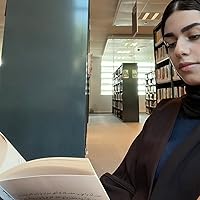
مُختارات شعرية قرأتها في نفَسٍ واحد مع كوبِ الموكا الساخن في كافيه نيرو , تنوعت مواضيعها بدءً من التوابل ورائحة الأطعمة المطبوخة , إلى أرقّ المشاعر الإنسانية . الترجمة , لابدّ من أن أذكر أن وصال العلاّق تبهرني في ترجماتها الدقيقة والمعتنى بها , كأنني أقرأ الشعر بأنفاس الشاعر ذاته, وبلغته .
مُقتطفات :
" هُناكَ صدعٌ في أساس هذا الكون تعالجهُ صلوات الفقراء والضعفاء"
" أيَا جسدي , إياك أن تخذلني الآن , يا إلهي الحبيب , التقِط خيوطي مرةً أخرى "
" حينَ لا يسعني التحمّل, يسقطُ قلبي مني وثمّة إشارة مطمئنةً كالإصبع تنبثقُ من لوحةٍ باهتة لتقتفي خطواتكَ , وأنتَ على دربكَ المتعرج, المليء بالأشواك "
هذه إحدى مجموعاتي الشعرية المُفضلة، أحب عنوانها المأخوذ من قصيدةٍ للكاتب إلى حفيدته، يقول فيها: "أُمسكُ بكِ بين ذراعيّ/ وأنتِ مجموعُ حيواتٍ عديدة/ حياة تعرفينها دون أن تتذكّري شيئاً منها/ حياة تركتِها عند ضفّة النهرِ القديمِ كي تولدي/ من أجل أن تأتي إلى هُنا وتجعلي مني جَدّاً/ وهكذا أصبحتُ الآن…". أحب لغة الكتاب البسيطة والشعور الذي تُخلّفه فيّ قصائده، أحب قصيدة (حُب الله)، والطريقة التي يصف بها الشاعر أحبابه مثل (بيلي ستريهورن)، أحب (سويسرا) و(شوكولاتة هيرشي)، أهوى (آريا) وموسيقى الآريا الملائكية بيأس، وأُعجب بصلوات الشاعر كلما لمحتها بين السطور: "يا إلهي الحبيب، التقِط خيوطي مرةً أخرى"…"يا إلهي املأ قلبي بماءٍ صافٍ رقراق". هنا، يُهدينا ويڤر السلام والفرح والأمنيات.
أقرأ إحدى قصائد هذا الديوان، وأستشف منها معنى مستوحى من بيئتي وفهمي، ثم أقرأها ثانية بمنظور الشاعر وبيئته وأدرك أن المعنيين مختلفين وأن الإحساس الذي كتب به الشاعر وفهمته أنا واحد. هذه هي هبة الشعر والفن، مرن ويُفهم حسب المتلقي لا الكاتب وحده. يكتب عن العنصرية وأطبقه على المحبة، يكتب عن أحفاده وأرى عائلتي. يكتب عن بوسطن وأشتاق موطني ومدينة صباي في خليج بعيد. يكتب عن الجاز وأسمع عزف عود الخلوة الصوفية، لكن كلانا نشعر ، الشاعر وأنا.