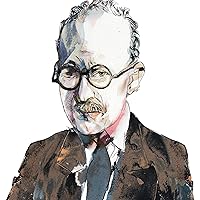
Bana is among the three most important prose writers in classical Sanskrit, all of whom lived in the late sixth and early seventh centuries AD. It is clear, from his writings, that his mind was amazingly modern, humane and sensitive, especially for the seventh-century India in which he lived. Bana had a healthy irreverence towards many of the established orthodoxies of his time and his strength lies in his skill as a storyteller and as a creator of characters vibrant with life and individuality.
Kadambari is a lyrical prose romance that narrates the love story of Kadambari, a Gandharva princess, and Chandrapida, a prince who is eventually revealed to be the moon god. Acclaimed as a great literary work, it is replete with eloquent descriptions of palaces, forests, mountains, gardens, sunrises and sunsets and love in separation and fulfillment. Featuring an intriguing parrot-narrator, the story progresses as a delightful romantic thriller played out in the magical realms between this world and the other, in which the earthly and the divine blend in idyllic splendour.
I first came across this story in my Sanskrit class in high school. There were a few paragraphs from different parts of the book and I loved the imagery and the ornate prose. Unfortunately, this kind of writing is fun to read when it is just a few pages, but an entire novel is a different matter. Now, the story itself is interesting but very drawn out and exaggerated. Every character we meet is the best, the strongest, the most attractive, the most talented and successful. Every place has the greenest grass, the clearest lake, the most beautiful sky and so on. At one point I started skimming the descriptions because I knew that it was pages upon pages of hyperbole that got really tiring really fast. Another thing that irked me was how much everyone cried. Not to exaggerate but eyes brimmed on at least every alternate page. Sad crying, happy crying, crying from relief, crying because of pain, crying in exasperation - you name it, this book had it. I understand that the style of writing in Sanskrit epics may have been extravagant and melodramatic, but I think Banabhatta takes it to the extreme. Consequently, I read this book at a glacial pace. (He also seems to have been obsessed with elephants and their rut fluid because he talks about them either directly or metaphorically as much as he possibly can.)
What I did like was the nested structure of the story. It reminded me very much of Inception. It was a story within a story within a story with different narrators progressing through different births and re-births. Even though the structure was complex, everything was tied up very nicely at the end. This is especially impressive considering the history of how this book was written. Banabhatta left the work incomplete with his death and his son Bhushanabhatta is the one who does an absolutely splendid job putting everything together in the end.
Overall I found this book quite entertaining and enlightening about what Sanskrit epics were like, but it was not exactly my cup of tea.
In a word ornate. This 7th century novel was originally written in India in Sanskrit. It is rated high among classic Sanskrit novels, and some people have called it the first novel, although Alexandrian pastoral preceded it by several centuries, and you could argue that The Odyssey is a novel. Kadambari is in ornate prose. This is not for the sort of creative writing class where a plain style and character development are the ideal. A half a page devoted to lapidary comparisons between the heroine and the moon in complex sentences with rigid parallel construction is nothing unusual. I got into the prose. It is deeply involved in Hindu mythology and reincarnation – indeed the protagonists pursue their love through more than one reincarnation. The characters are stereotypes of nobility, passion, and beauty. The moods of romantic intoxication are exquisitely developed. In contrast, the hero conquers the world almost in passing.
A tale of the most virtuous individuals, the great cycles of the living, the most jaw-dropping vistas and the most ardent and feverish love. It's a weird mix but solely because its priorities, as described in the introduction, feel almost alien to me.
Apart from the detailed account of the emotional peaks and valleys of love, the literary devices employed here are used to great effect to paint a vivid and altogether magical correspondence between every element in nature, a cohesiveness of man, nature and the divine.
Kadambari is a novel with a very mixed cast -- mortals, immortals (Gandharvas), humans, animals. Different parts of the story are narrated by different characters, and we have stories within stories. The plot, making full use of the Indian concept of rebirth, spans multiple life spans.
Here's an example: A young man, who is actually an immortal (?) born as a human, dies because he is consumed by the metaphorical fires of cupid. He is reborn, behaves strangely and foolishly when he is a young man (this behaviour is caused by the earlier love), is cursed for that unbecoming behaviour, and dies. Then he is reborn as a parrot, because his behaviour in the last birth disqualified him from human birth. He disobeys his parrot father, falls into danger, is captured, and is kept in a cage till his parents (the immortal deva parents) complete some rites that release him from the curse. At that point he is released from parrot form and is FINALLY united with the maiden he loved in his first human birth.
(At this point one may wonder: how is the maiden still young and beautiful? Isn't that a big hole in the plot? It isn't! Being a Gandharva and hence immortal, she doesn't age!)
This young man isn't even the main protagonist of the book. The sequence of events and births doesn't become clear till the end of the book. It's only at the end of the book that we learn who's who. What seemed like different characters was actually the same person in different births. We realise that stories that seemed unrelated are all connected.
The plot may be full of unrealistic super-natural elements, but the characters are believable and very human. The book has long, seemingly realistic descriptions of manners, attire, palaces, palace customs, temples, army camps, landscapes, weather, and more. So Bana gives us a good idea of what seventh-century India was like.
Bana is surprisingly non-judgmental. The characters may bemoan their own foolishness or sinfulness, the authors blame only Fate and Kama: "Once Kama sets foot in the heart, a thousand vulnerabilities appear and all energy and strength dissipate."
Finally, a word about the language and translation. The language is ornate and the sentences are long, with parallel structures that have many elements - and all this worked for me. How much is from the Sanskrit original and how much from the translation is hard to judge. The translator's note makes it clear that there is no easy way to translate highly ornamental Sanskrit into English.
This entire review has been hidden because of spoilers.
I give the story itself four stars it is so strong visually and could translate so well to a series of paintings, comics or film. I read about half of this story before but probably in a different translation. I don't feel like I quite got into the book as much and enjoyed it, hence I give three stars for the translation itself. It's serviceable and good and never bad but I couldn't get into it, and was tired. I didn't enjoy the book as much as Dandin's story of 10 young men. I'd be interested one day to read the clay library translation of this. I did read Bana's book on a laptop whereas Dandin's I read more comfortably in a physical edition. The story is very interesting and I like the idea of a parrot listening to the story. The translation I'm not sure did a service to the long natural descriptions of Bana's but maybe Bana's descriptions are too long and vivid but I'd imagine that it reads more poetically in Sanskrit and this is a problem of English translation. Trying to remember the different characters' reincarnations was very hard to follow and the story's length made me forget much about the original curse that cursed the two main male protagonists. Certainly an interesting story and I'd like to know more about where Bana got the main story from.. since a similar story is in a collection of stories by Somadeva which is on my list to read. Harsha's biography by Bana and a play he wrote are now must reads. The erotic descriptions of Kadambari which were even more descriptive than other examples of Indian literature (Dandin is pretty descriptive too about the parts of a lady's body) I found very powerful to me.
This entire review has been hidden because of spoilers.
सातवीं शताब्दी के पूर्वार्द्ध में लिखा गया यह उपन्यास सही मायनों में विश्व का पहला उपन्यास कहा जा सकता है । ऐसा इसलिए क्योंकि इसमें उपन्यास में पाये जाने वाले विविध लक्षण देखे जा सकते हैं । उदाहरण के लिए किसी उप-कहानी का अच्छे से वर्णन और उतने ही अच्छे से उसे विकसित करने के लिए समय देना । साथ ही साथ संवादों की उपस्थिति और पात्रों की मनःस्थति का विस्तार से वर्णन, लघु से लघु सूचना का बारीकी से विश्लेषण, और काव्यात्मक पद्द का जगह जगह प्रयोग, ऐसी ही कुछ साहित्यिक विधाएं हैं जो कि इससे पहले किसी रचनाकार ने प्रयोग नहीं किये थे जैसा की बाणभट्ट ने किया था । बाणभट्ट ‘कादम्बरी’ को पूरा नहीं कर पाये थे, और उनकी मृत्यु के बाद उनके पुत्र भूषणभट्ट ने पिता के दिए गए दिशानिर्देशों के अनुसार इसे पूरा किया था । यह उपन्यास दो भागों में विभाजित है । पूर्वभाग बाणभट्ट ने लिखा था और उत्तरभाग भूषणभट्ट का लिखा हुआ है । कुछ जगहों पर भूषणभट्ट का नाम पुलिन्दभट्ट भी कहा जाता है ।
कादंबरी मूलतः संस्कृति भाषा में लिखी गयी थी जो कि उस समय की साहित्य और राजदरबार की भाषा हुआ करती थी । बाणभट्ट राजा हर्षवर्धन के दरबार की शोभा बढ़ाया करते थे । उन्होंने हर्षवर्धन के राज्य और उस समय का वर्णन करते हुए प्रतिष्ठित रचना ‘हर्षचरित’ भी लिखी थी । राजा हर्षवर्धन स्वयं भी संस्कृत के विद्वान हुआ करते थे और उन्होंने ‘नागनन्द’, ‘रत्नावली’ और ‘प्रियदर्शिका’ जैसी रचनाएं संस्कृत में लिखी थीं । ‘कादम्बरी’ में उपन्यास के गुण कैसे पाये जाते हैं इस की पुष्टि के लिए यहाँ पर यहाँ कहना यथेष्ट रहेगा कि भारत की दो क्षेत्रीय भाषाओं, मराठी और कन्नड़, में उपन्यास को कादम्बरी कहते हैं । इस बात के साक्ष्य हैं कि इसकी कहानी 'गुणाढ्य' द्वारा रचित 'वृहद्कथा' से प्रेरित है जो कि मूलतः पैशाची भाषा में लिखी गयी है ।
‘कादम्बरी’ दो प्रेम कहानियों का मिश्रण है। इसका यह नाम कहानी की नायिका कादम्बरी के नाम पर दिया गया है । कादम्बरी को चन्द्रपीड़ और महश्वेता को पुण्डरीक से प्रणय हुआ है और पूरी कहानी इसी के इर्द-गिर्द घूमती है । यह कहानी कई जन्मों की है जिसमें एक जन्म में किये गए अच्छे-बुरे कर्मों का फल अगले जन्म में मिला है । अनेक कथानकों का वर्णन किसी पात्र के स्मरण के आधार पर किया गया है । इस प्रकार से अधिकांश भाग किसी पात्र के द्वारा सुनाया गया वर्णन है न कि रचनाकार के द्वारा किया गया प्रथमपुरुष में वर्णन । मानवीय भावों का सुन्दर चित्रण किया गया है और किसी घटना का माहौल बनाने के लिए प्राकृतिक तत्वों का सुन्दर वर्णन किया गया है ।
इस उपन्यास से सातवीं शताब्दी के काल के बारे में और उस समय की साह्त्यिक गतिविधियों के बारे में कुछ निष्कर्ष निकाले जा सकते हैं । यह कहा जा सकता है कि साहित्य में अलौकिक तत्त्व और घटनाएँ, जैसे देवताओं का मनुष्यों के साथ भेंट होना, बहुतायत में प्रयोग किये जाते थे । साथ ही साथ सौंदर्य रस एक महत्वपूर्ण विषय हुआ करता था । राजाओं की विलासिता और सम्पन्नता भी देखी जा सकती है । चूँकि यह उपन्यास पैशाची भाषा की एक कृति से प्रेरित है इसलिए यहाँ कहा जा सकता है कि उस समय तक पैशाची भाषा विलुप्त नहीं हुई थी लेकिन उसे प्रतिष्ठा प्राप्त साहित्यिक भाषा भी नहीं माना जाता था । राजाओं और राजपुत्रों का लम्बे अभियान पर निकलना सामान्य बात हुआ करती थी । कुल मिलाकर यदि कालिदास और बाणभट्ट जैसे संस्कृत के महान रचनाकारों की कृतियों को पढ़ने का मन है लेकिन संस्कृत का ज्ञान नहीं है तो इस हिंदी अनुवाद को पढ़ा जा सकता है ।
If you are interested in Indian Classics, this is one of the finest work of ancient Indian authors, naturally in Sanskrit, a historical Indo-Aryan language and the primary liturgical language of Hinduism and Buddhism.
Baṇabhaṭṭa, also known as Baṇa, was a Sanskrit scholar of 7th century India. He was the "Asthana Kavi" --"Court Poet"-- in the court of King Harshavardhana, who reigned in the years c. 606-647 CE in north India. Bāna's works include a biography of Harsha, "Harsha Charita", and "Kādambari".
This work can be plausibly claimed to be one of the first novels in the world; making due allowance for the ambiguities of such a classification. Two modern Indian languages (Kannada and Marathi) use 'kadambari' as a generic term for a romance or a novel.
The novel has a very intricate plot. The story proceeds through several narrators in a succession of nested frames. Quite a few characters appear in multiple births. Kadambari (the eponymous heroine of the novel) makes her appearance only past the midpoint.
There is a well-known, interesting statement in Sanskrit, involving a play on words: (translated in English) While savoring (the contents of) 'Kādambari', readers do not find interest in (eating) food", or "Oh, Kadambari, while savoring liquor, people do not find interest in (eating) food".
The careful translation by Dr Padmini Rajappa is worth praising. She pursued her cherished goal of mastering the Sanskrit language under the guidance of teachers in the Department of Sanskrit, University of Poona and from the Bhandarkar Oriental Research Institute.
This book was written in the 7th century and is believed to be the first novel in the world. Written by Banabhatta in Sanskrit originally it has been translated by Padmini Rajappa. Some people believe that two writers (father-son) were involved in the creation of this work since the original writer died in the middle of writing it. That said, the readers wouldn't feel the difference.
This book uses frame narrative to tell the story. The story involves talking animals, rebirth, divine interventions and such tropes which are common among Indian folklore. The language of the book uses metaphors and smilies, puns and very heavy use of embellishment as was common at that time in Sanskrit writings. A whole page is sometimes used to say what could have been said in a few sentences!! But you have to consider that its a translation of a work written in the form of poetry (if I recall correctly). Sometimes I felt that the story would have been more enjoyable if it had been read in its original form i.e. Sanskrit. The story itself isn't long or complex if you can keep track of character introduce through framed storytelling.
If you haven't understood so far, let me say it in clear words. This is a heavy read and would test your patience. But if you want to appreciate the richness of Sanskrit writing and experience a classical work, go for it. I have deducted one star owing to the story but nonetheless, still a good read.
Boy, were everybody DRAMATIC. I had to skip a few scenes because they just went on and on, PLS STAHP. But this was common for the style of that time, as Bhanabhatta is among those literati who wrote in prose rather than poetry, which was much more fashionable. Many sentences read like poetry.
As a romance/ adventure novel, it serves adequately. I loved the story within a story style, it was intricate but the writer is so skillful that you were never lost. All his characters are unique and recognizable even though there were so many of them.
It had a wonderfully interesting background of days long lost. I was sad that many of the old traditions were lost (especially purification rituals, which really were for hygiene, health and beauty). The mention of all the different medicinal herbs was very interesting. However. I'm glad that some traditions are gone and hope they stay that way. Banabhatta mentioned the chandala peoples, but he places them in such poor light, it's quite sickening. The time period in which he lived is the one where Vedic ideals on division of labor were lost and twisted into the power-greedy caste horror it is today. Women had hardly any power either, and that also makes me glad I live in this era.
Wouldn't have finished this book if i hadn't borrowed it from my teacher and had to return it to her. This book legit, i think, gave me brain damage. Curiosity got to me because it's an ancient Indian classic and i still haven't been able to process that i read it. It was allegedly written in the 7th century(yeah you heard that right). So what we have learned from this, some things(books) from the past should stay in the past.
Kadambari is a Sanskrit prose poem. Represents the prose narrative system in Indian literature. The novel depicts the intense life of the Chandra Peenas, who had to face intense trials because they were in tune with the dynasty. This book was completed by his son.
substantially composed by Bāṇabhaṭṭa in the first half of the 7th century CE, who did not survive to see it through completion. The novel was completed by Banabhatta's son Bhushanabhatta