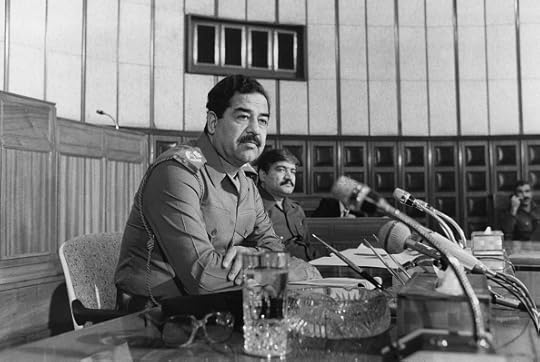
First published in 1989, just before the Gulf War broke out, Republic of Fear was the only book that explained the motives of the Saddam Hussein regime in invading and annexing Kuwait. This edition, updated in 1998, has a substantial introduction focusing on the changes in Hussein's regime since the Gulf War.
In 1968 a coup d'état brought into power an extraordinary regime in Iraq, one that stood apart from other regimes in the Middle East. Between 1968 and 1980, this new regime, headed by the Arab Ba'th Socialist party, used ruthless repression and relentless organization to transform the way Iraqis think and react to political questions. In just twelve years, a party of a few thousand people grew to include nearly ten percent of the Iraqi population.
This book describes the experience of Ba'thism from 1968 to 1980 and analyzes the kind of political authority it engendered, culminating in the personality cult around Saddam Hussein. Fear, the author argues, is at the heart of Ba'thi politics and has become the cement for a genuine authority, however bizarre.
Examining Iraqi history in a search for clues to understanding contemporary political affairs, the author illustrates how the quality of Ba'thi pan-Arabism as an ideology, the centrality of the first experience of pan-Arabism in Iraq, and the interaction between the Ba'th and communist parties in Iraq from 1958 to 1968 were crucial in shaping the current regime.
Saddam Hussein's decision to launch all-out war against Iran in September 1980 marks the end of the first phase of this re-shaping of modern Iraqi politics. The Iraq-Iran war is a momentous event in its own right, but for Iraq, the author argues, the war diverts dissent against the Ba'thi regime by focusing attention on the specter of an enemy beyond Iraq's borders, thus masking a hidden potential for even greater violence inside Iraq.
is an Iraqi academic, who gained British nationality in 1982. He is the Sylvia K. Hassenfeld Professor of Islamic and Middle Eastern Studies at Brandeis University. Although he was born in Baghdad, he left Iraq to study architecture at the Massachusetts Institute of Technology, later founding Makiya Associates in order to design and build projects in the Middle East. As a former exile, he was a prominent member of the Iraqi opposition, a "close friend" of Ahmed Chalabi, and an influential proponent of the 2003 Iraq War.His life is documented in British journalist Nick Cohen's book What's Left.
نشر كنعان مكية كتابه هذا سنة 1989 م، تحت اسم مستعار هو سمير الخليل، كانت الحرب العراقية الإيرانية قد انتهت لتوها، وصدام لم يصبح عدواً للجميع بعد، فلذا صار هذا الكتاب مهماً جداً بعدما غزى صدام الكويت، ووضع بلده في وجه مدافع 34 دولة سنة 1990 م.
يحاول مكية في هذا الكتاب تحليل مسيرة حزب البعث في العراق، وكيف قبض على السلطة بيد حديدية، وقضى على كل منافسيه، وهو يعتمد في هذا الكتاب على دراسات وإحصائيات تتناول الحالة العراقية، مورداً قصصاً مرعبة عن التعذيب والتصفية تحت الحكم البعثي.
الكتاب ليس تأريخاً بقدر ما هو دراسة للعنف والسلطة، وللأيديولوجية البعثية، وبرأيي الكتاب مهم جداً، وخاصة فصله الأخير الذي يتناول الحرب العراقية الإيرانية بالتحليل، مقارناً بينها وبين الحرب العالمية الأولى، ومعتبراً تلك الحرب أول حرب عظمى تدور رحاها في العالم الثالث.
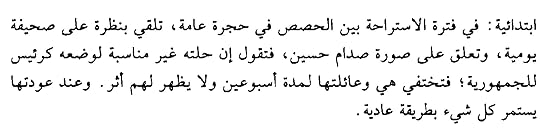
يقول علي الوردي -وليس الكلام هنا بالنص-ان من طبائع الشعوب، ان تذكر وتبالغ في تعديد مساوئ حكامها الحاليين مع تناسي هذه المساوئ والسيئات لحكامها السابقين. هذا يبدو كلاما علميا دقيقا قد يوضح الصورة في العراق اليوم، لكن برأيي من غير الصحي على العراقيين نسيان نظام صدام، نسيان كل تلك السوداوية والخوف، نسيان "السيد الرئيس القائد" الذي حكم وملك العراق، اذ حتى ان اسم العراق اقترن باسمه وصرنا عندما نسافر -بعد سقوطه طبعا- ونذكر اسم العراق نفاجئ من المقابل بـ "اوه....صدام حسين!!!"
من هنا تنبع أهمية هذا الكتاب، هذا الكتاب فيه من المادة الكثير الذي يجب ان يوضع في مناهج التدريس العراقية لكي يعرف كل طفل وشاب عراقي اليوم ماذا كان يجري في العراق، على الرغم من أن الكتاب غير موف ولن يستطيع حتى غيره أن يرسم الصورة كاملة عن عراق البعث.
مع الاسف فأن العراق لايزال مادة خام لدراسة نظريات العنف والبحث عن ايجاد اسباب كل هذا الشر والحقد والعواطف السلبية، كمية القتل وإراقة الدماء منذ فجر التاريخ لاتزال تبحث عن الأسباب الحقيقية، ومع كل هذا يبقى نظام صدام طفرة، وكل ما حصل هنا غير قابل للتحليل وللوصول الى المسببات.
نحو كل هذا وفي سبيل الوصول الى هذه المسببات يأتي كتاب "جمهورية الخوف" ليضع نظرية الخوف، التي رسمها وخطط لها صدام في سبيل استقرار حكمه، وكيف قارن الكاتب بينه وبين الحجاج الذي كان من اشهر من استطاع ان يسيطر على دفة القيادة في العراق تاريخيا وأوجه الشبه بينه وبين صدام، مع الكثير من الاحداث التاريخية وسرد الوقائع وتحليل حرب إيران، وكيف ان فوضى تلك الحرب هي من ابرز الدلائل على أن كل ما كان يجري وكل تلك الأرواح التي كانت تزهق هي مجرد قربان لاستمرار ذلك الحكم الدموي.
This book was a pretty effective indictment of Saddam Hussein, by an Iraqi, who, if I'm not mistaken, started out as a Trotskyist and ended up some kind of liberal democrat.
Makiya, who taught at Brandeis of all places for an Arab, was one of the drum-beaters for Gulf War II. What he thinks about it now, I do not know.
The Republic of Fear was written well before the invasion.
I have been thinking about whether to include books in which I have only read a chapter or two.
Since I use this space as an archive, I have decided to add a new shelf: "read some of it."
I dreaded reading this because the book is an artifact used by the US government to attack Iraq the first time. Still I really need to find what I am looking for.
I am looking for citations that provide evidence for the how Iraq used its oil profits after 1973. There is plenty of work on how it used some of those profits for weapons and upgrading its military. But not much on improving literacy, education, health care, social services, etc.
Makiya does provide some of that. He is quite even handed. In part he has to be. He wants to make an argument about how the Baath party not only used force and fear to control Iraqis but also used oil profits to produce a kind of Stalinist progress in Iraq. But in the chapter I read (Baathism and the Masses, chapter 3), he seems somewhat gracious.
By the way, this is an internalist analysis. By this I mean, most of the causes for Iraq's predicament are seen by Makiya as within Iraq. So if you are looking for that, this is the book.
The writer is very smart if a bit naive on western liberalism.
كتاب يجمع بين سرد لبعض أحداث تاريخية وقعت وبين تحليل فلسفي عن تلك الأحداث وأيدولوجيا حزب البعث.
عند نهايتي من قراءة الكتاب اكتشفت التقارب والتطابق الكبير للغاية بين ألمانيا هتلر وبين عراق البعث.
ولا أملك دليلًا على ما سأقول ولكن يبدو أن صدام حسين كان مولعًا بمسيرة هتلر في إدارة البلاد، بسبب التطابق الكبير بين ماقام به صدام للوصول إلى حكم العراق وبين أفعال هتلر ليصبح مستشارًا لألمانيا.
التفاصيل مرعبة، والنتائج التي تعيشها العراق الآن من تشت وتخبط وإرهاب ومؤامرات هي بسبب أفعال صدام حسين.
صدام حسين قرر أن يحكم العراق بمفرده، أي هو صاحب القرار الأول والأخير في جميع المجالات والتخصصات، وكان اعتماده على الجهات الأمنية المتعددة وتقاريرها.
وبعد سيطرته على العراق في 1979 أصبحت العراق قلعة يملؤها الرعب والموت والتهديد والوعيد ولا يوجد أحد بعيد عن العقاب مهما كان إلا شخص واحد وهو صدام حسين فقط.
حزب البعث تمكن من العراق بطريقة قد لا يصل إلى درجة عنفها سوى أشرس الأحزاب الحاكمة في التاريخ.
a must- read كتاب هام و متميز للغاية .. يرسم كنعان مكية فى كتابه الصادر 1989 (عندما كان صدام بطلا عروبيا) صورة ترفع الغموض الذى اسدل على تجربة حزب البعث فى العراق .. خلال فصول الكتاب كثيف المعلومات نرى صورة مكبرة لما كان يحدث فى عراق صدام حسين و كيفية صعود حزب البعث (العبثى ) وسيطرته على البلاد ثم الحرب الايرانية العبثية التى ازهقت ارواح قرابة المليون بلا مبرر و خرج منها الجميع (عدا سماسرة السلاح واعادة التعمير ) صفر اليدان الى توقع انحلال النظام البعثى و اسقاطة البلاد فى فوضى عارمة .. يمكن تصنيف الكتاب كتاريخى ولكنه سياسى و فكرى بذات الدرجة ويستحق ان يكون على قائمة القراءة على اى حال .
كتاب جمهورية الخوف ، يقدم الكتاب الحالة العراقية أثناء سلطة البعث العراقي و يقدم تحليلًا لمسيرة هذه السلطة و أيديولوجيتها و سياساتها و أدواتها و علاقتها بالعنف و القمع و طريقة وصولها للسلطة المطلقة و يقدم تشريحًا دقيقًا لوسائل و أدوات و سياسات و دعاية هذه السلطة الدموية منذ فترة الستينات حتى نهاية الثمانينات
الكتاب دقيق و متزن في وصف و تشريح الحالة البعثية العراقية ، ربما يعيب الكتاب التمطيط و النقص في عدة محاور مهمة لكنه عمومًا كتاب جيد متزن
A well formed examination of Iraqi Ba'thism from an insider who is thankfully free of the usual post colonial guilt. It's slow going due to the sheer volume of detailed information but I did not lose interest at any point.
Interesting stuff that taught me alot about Baathism and Iraq while it was under Saddam's regime that operated on that political ideology. The downside, however, is that it's sort of dry and insipid and failed to hold my attention for an extended period of time.
Republic of fear feels like Makiya's attempt to write the origins of totalitarianism, but for Baathist Iraq. He succeeds partially in this attempt. The language in Republic of fear feels a bit clunky, especially in the beginning. The opening also needed to provide a bit more context imho, the book comes off as something aimed at people who are already well informed on Iraq. Nevertheless Makiya manages to channel his inner Arendt, and inform and shock the reader with his insight into one the most dreadful regimes of the 20th century.
- بنى البعث جمهورية خوف في سوريا والعراق وهنا يركز مكية على العراق ويعود لأصول تشكل البعث وجذور الفكر القومي بعد نشوء الدولة الوطنية في هذه المنطقة. - كتاب يستحق القراءة والتأمل في الادوات التي استخدمت (من قٍبل البعث) لجعل شعوب هذه المنطقة خانعة ومرعوبة من القائد واجهزته الى جانب فقدانها الشغف في العمل السياسية وتوجيه مسار مصيرها اليومي.
An odd, dense, abstrusely written but occasionally insightful book about the nature of Baath ideology and Saddam Hussein's regime. The first 100 pages or so explain how fear and violence defined politics in Baathist Iraq. He explains how SH put the various security organizations in place, the roles they play, and how they have pursued the totalitarian goal of atomizing the individual, undermining traditional authorities like the family, and then reuniting society purely on the basis of loyalty and fear towards the state. He also shows how the state grew vastly in size and how in the 1970's the Baath sort of bribed Iraqis into political silence by providing a high standard of living. This, of course, backfired on the Iraqi people later on. The book then shifts into a very abstract, somewhat tedious exploration of Baathism's relationships to socialism, Islam, the masses, pan-Arabism, and other topics. This is where Makiya the theorist is most at home, but it makes for a slog of a read.
Makiya's most interesting point overall is similar to George Packer's chapter in The Assassin's Gate called "Psychological Demolition." Makiya shows that politics in Iraq was made more brutal by the Baath even for the regime's enemies. Force and fear become the main currencies of politics, and many people sunk further into intensified sectarianism or a sort of pure-interest based politics. Civil society was almost completely destroyed. The Iraqi people then emerged from decades of war, sanctions, and isolation as pretty psychologically and socially messed up: brutalized and violent, conditioned by Baath rule to hate the outsider, infected with radical Islamist beliefs. In other words, there are some deep roots to the bloodletting that followed the US invasion, and Iraqi society has some serious norm and civil society building to do before anything resembling stability, much less democracy, will be possible there.
In a refreshing turn, Makiya labels his book the anti-Fanon, referring to the moving but brutal and counterproductive work of Franz Fanon of Algeria. He decries the tendency of "Third Worldist" thinkers to blame every problem on the West, saying that it obscures the role of postcolonial governments in destroying and victimizing their own people. Hatred of imperialists and outsiders has become as much of a cover for the depredations of these regimes as an explanation for the failure of so many post colonial states, and it's good of Makiya to call this out. However, his anti-Fanon stance doesn't really get developed throughout the book. The reader has to figure it out along the way.
Given what I've said so far, it's odd that Makiya pleads in this book for Western intervention to help bring down the Baathist regime and create a democracy, even before 9/11. Makiya seems to have such a keen grasp of Iraqi political culture, but he somehow seems to think this fearful, violent, and illiberal polity could become a democracy just because it has some semblances of modernity (hospitals, an early middle class, urbanization, etc). This is the kind of pure wishful thinking and cognitive dissonance that motivated so many elite Iraqi expatriates to become staunch, even radical proponents of regime change before and after 9/11. For those who want to understand that crusade, reading Republic of Fear is important. For everyone else, there are much more accessible books about Iraqi politics and the Baathist regime out there, including Cockburn's Out of the Ashes. I respect Makiya personally as a brave person, but he is truly a pie in the sky intellectual whom actual policy makers should have been far more skeptical of.
This book is one of the main sources neocons pointed/point to in their justifications of the war in Iraq. I can see why. It lays out the case that Saddam's second Baathist regime sustained itself through violence and leader-worship. I wish Makiya would've spent more time detailing the actual violence that took place on a daily basis, and also the psychopathy of Saddam Husain himself. He spends far too much time explaining the origin and development of Baathism/pan-arabism as an ideology - which is useful and instructive, but extremely boring to read.
Whatever. I mainly read this just to say I have. Took me forever though because it's so god damn dense that I could rarely bring myself to even read 10 pages at a time.
رائع ودقيق وموثّق. والتوثيق هو ماكان ينقص أغلب الكتب التي تكلمت عن عهد صدام وحزب البعث في السبعينات والثمانينات وتوجد فصول تحتاج إلى تركيز شديد واعادة قراءة للمهتم في نشأة حزب البعث وأفكاره في الشام والعرق بتحليل جيد من الكاتب وأيضا عن الحرب العراقية الإيرانية وتحليل مسبباتها من جانب العراق وحزب البعث " لقد اختار صدام حسين أن يبدأ حرب لأسباب لن يستطيع أي محلل اثباتها. ويستطيع المرء، مثلا أن يجادل بقناعة حول خطر الشيعة في العراق أو تصدير ايران للثورة داخل العراق أو الصراع حول الأراضي" اقتباس من الكتاب بتصرّف ومن ثم يأخذك بجولة حول عقلية صدام حسين ويحللها. والكتاب صدر من عام ١٩٩٨ أي قبل الغزو ب ٦ سنوات
يوجد مرجع بالتواريخ جيّد نهاية الكتاب للعراق من عام ١٩١٨ حتى ١٩٩٦
نزعة الكاتب اليهودي تظهر في بعض الأحيان ولكني أجدها طبيعية منه كيهودي عربي ولم أتقبلها
"The Republic of Fear" as Christopher Hitchens once said, is probably the most appropriate appellation for Ba'athist Iraq under Saddam Hussein. One of the most interesting observations I had while reading this book is just how much Ba'athism as a political doctrine under Saddam very much resembled a Leninist Party-state. Saddam's Ba'athism extended vertically, down to the village level, and horizontally, across every level of society. Makiya captures this utterly relentless repression that Saddam imposed on the country.
يصلح الكتاب لمعرفة كيف يعم الظلم وكيف تشارك الحشود والجماهير في العنف، وكيف يُمأسس ويطبّع العنف في الحياة في ظل النظم الشمولية الدكتاتورية.. اتخذ الكتاب من تاريخ البعث العراقي نموذجاً لما ذكرت أعلاه وكيف ثبّت البعث شرعيته عبر الإعدامات الجماعية والعلنية ليس لهدف إلا إشراك الجماهير بحيث تصبح - من غير وعيٍ منها- شريكة في الجرم..
I don't think much of Makiya, one of the architects of the Iraq War, but this is an excellent description of the nightmarish totalitarianism of Saddam's Baathist state by someone who was embroiled in its highest ranks.
The Republic of Fear was a thoroughly enjoyable book to read, one that I end up re-reading constantly. Makiya meticulously outlines the processes and methods in which Saddam kept Iraq on a leash. From international assassinations to the pervasive nature of the Mukhabarat, the totalitarian police state was only upheld through a Baathist orthodoxy represented by the cult personality of Saddam. This is where Makiya really shines through in his analysis; outlining how Baathism is inherently incompatible with Iraq's diverse and multicultural nature, held together through a state-sponsored apparatus of fear.
With a book like this, you have to seperate the art from the artist. Kenan Makiya, who could have represented a new wave of post-anti-imperialist thinkers within MENA, lost all credibility after being a poster boy for American neo-cons hungry for any excuse to invade and exploit a sovereign nation. Indeed, you can see hints of naivete to Western Liberalism in his works. There's nothing wrong with being an idealist, but in justifying his vision of Iraq (Baathist-free, pluralist, democratic, etc) he has fallen in the same trap he laid out for "anti-imperialist" intellectuals (looking at you Said). Resisting Western Imperialism doesn't excuse you to embrace egregious Middle Eastern Dictators; the same can be said for resisting Baathism doesn't excuse you to embrace Western Imperialism in the form of Western Liberalism, they're both delusionary, inhumane, and counter-productive. This being said though, I cannot recommend this book highly enough. Its a must read for anyone wanting to understand the Baathist period within Iraq.
Republic of Fear was published in 1990. Even without knowledge of the looming Gulf War, the fall of Saddam Hussein, and the last 20 years of conflict, the book is still relevant because it is “not a history of the Ba’th regime established in 1968 in Iraq. It is an [inquiry] into its meaning.”
The author’s breakdown of the mechanisms of control and violence employed by the Ba’th party 1968-publication was very sobering (and terrifying). The book also includes in-depth discussion about what it is to be Arab, which I found fascinating.
Favorite quotes:
“The measure of a regime of terror is the victims of its peace, not the casualties of its wars.”
“The transition from one condition to the other in Ba’thist Iraq was achieved by an unprecedented assault on the willingness [of individuals] to act in public, by the inculcation of an all-embracing atmosphere of fear.”
“Car bombs exploded in the streets of Baghdad, and occasionally, so alert was public vigilance, the bombings were announced before they actually occurred.”
“Truth was a fortress no longer assailable by the evidence of the senses.”
“This is how the Ba’th turned lies into a truth for which we have all become responsible.”
ينضح هذا الكتاب من بين ثناياه كمية من الخوف والالم لحقبة مظلمة من حياة هذا الشعب البائس الذي دجن بالحديد والنار وكيف ثنيت الوسادة لحزب استقى وتشرب افكاره من اسوأ فترة بلشفية بماركة ستالينية صانعا عالم كافكوي طغى على مجتمع متماسك لايخاف وحاله الى ركام حوله الى مجتمع خائف يترقب اعدامه او تسفيره بتهمة التبعية او تغييبه في غياهب الجب بتهمة التجسس او تهم اخرى مصنعة بقوالب جاهزة مجرد تغيير الاسم مسدلة الستار على تمثيلية انتهت بعد ان فككت هذا المجتمع المتماسك الى مجتمع مقطع الاوصال يشي الاخ بأخيه ويخاف الاب من ابنه كتب هذا الكتاب قبيل انتهاء الحرب العراقية الايرانية مما اعطاه رونق خاص كونه كتب في الفترة المظلمة .
Published in 1991, it snapshots well the origin and entrenchment of the Ba’athist Party, before the personality cult of Saddam Hussein kicked into complete overdrive. This is eminently helpful, as the old party regime is an oft-skipped starting point in understanding modern Iraq. Here began the process by which the Ba’ath turned fear into the precondition for their own legitimacy.
اني طبعا مااعرف اكتب ريفيو مثل المثقفين هذا ابكتاب فهمني هواي شغلات جنت دايخ بيهن. مثلا ليش صدام سيطر بهاي الطريقة عالعراقيين وشنو العوامل المساعدة وليش العراق وصل لهاي الحلة. هواي سوالف جنت دايخ بيهن وهذا ابكتاب العظيم وصلني لجزء من فهم السالفة ولو مو كل الصورة الصورة وضحت بس هواي يفرق. وشكرا