Jump to ratings and reviews
Rate this book
Rate this book
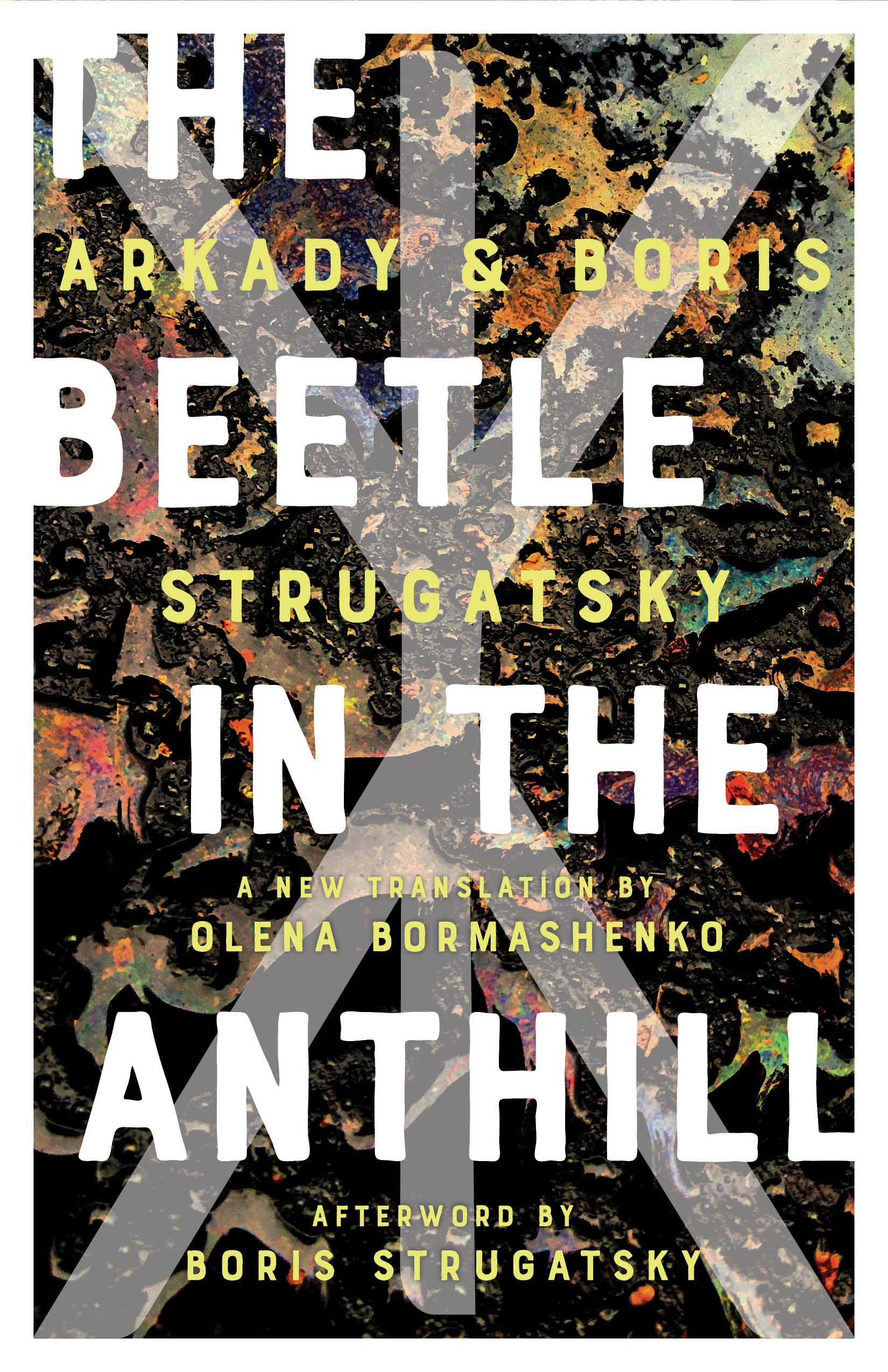
Today, Russian authors Arkady and Boris Strugatsky are counted among the best science fiction writers of the twentieth century.
In their Noon Universe novels, they imagined twenty-second-century Earth as a space-faring communist utopia, devoted to guiding the progress of civilization on alien worlds. But as the authors became increasingly disillusioned with life in the Soviet Union, their Noon Universe stories grew darker and more complex as well.
The Beetle in the Anthill reintroduces Maxim Kammerer, the main character of their novel The Inhabited Island. Once an intrepid young space explorer, Kammerer is now an investigator with COMCON-2, the covert agency in charge of countering threats to the homeworld. He is tasked with tracking "progressor" Lev Abalkin, who has returned to Earth after a routine mission went tragically wrong. Do the secrets of Abalkin's past pose a grave danger to humanity—or is he an innocent caught up in a deadly misunderstanding?
This new edition by lauded translator Olena Bormashenko joins updated translations of Hard to Be a God, The Inhabited Island, and The Waves Extinguish the Wind to continue the ever-deepening saga of the Noon Universe.

230 pages, Kindle Edition

First published January 1, 1979

49 people are currently reading
4204 people want to read

About the author

Arkady Strugatsky

514 books1,876 followers
The brothers Arkady Strugatsky [Russian: Аркадий Стругацкий] and Boris Strugatsky [Russian: Борис Стругацкий] were Soviet-Russian science fiction authors who collaborated through most of their careers.

Arkady Strugatsky was born 25 August 1925 in Batumi; the family later moved to Leningrad. In January 1942, Arkady and his father were evacuated from the Siege of Leningrad, but Arkady was the only survivor in his train car; his father died upon reaching Vologda. Arkady was drafted into the Soviet army in 1943. He trained first at the artillery school in Aktyubinsk and later at the Military Institute of Foreign Languages in Moscow, from which he graduated in 1949 as an interpreter of English and Japanese. He worked as a teacher and interpreter for the military until 1955. In 1955, he began working as an editor and writer.

In 1958, he began collaborating with his brother Boris, a collaboration that lasted until Arkady's death on 12 October 1991. Arkady Strugatsky became a member of the Union of Soviet Writers in 1964. In addition to his own writing, he translated Japanese language short stories and novels, as well as some English works with his brother.

Source: Wikipedia

Ratings & Reviews

What do you think?
Rate this book

Friends & Following

Create a free account to discover what your friends think of this book!

Community Reviews

5 stars
1,376 (46%)
4 stars
1,045 (35%)
3 stars
440 (14%)
2 stars
79 (2%)
1 star
16 (<1%)
Displaying 1 - 30 of 121 reviews
Profile Image for Vit Babenco.
1,776 reviews5,728 followers
December 23, 2024
Beetle in the Anthill is a science fiction mystery.
A man is missing… He must be found… The secrecy of the operation is ultimate…
“Find him and let me know,” the Excellency went on, “do not attempt to apprehend. Don’t even contact him. Find him, observe, and report. No more no less.”

The missing person is a progressor – a kind of scout working on the planets of underdeveloped civilizations…
A beetle in the anthill is a being in the alien and inimical environment…
Probably the progressor’s disappearance is connected with his previous missions… An investigator reads his old scouting report…
An ecological disaster is evident, but the civilization went extinct for some other reason.  The population disappeared virtually overnight, but they didn’t die in wars, nor did they evacuate through the outer space; they just didn’t have that kind of technology.  The planet is not a cemetery; it’s a junkyard.  The few remaining locals barely survive in the countryside doing subsistence farming; no discernible culture, but great skills with semi-automatic rifles.

There are traces of him everywhere… But he always escapes… The investigator starts seeing that he stands before some ugly cosmic conundrum…
I don’t like secrets.  In these times on this planet, all secrets, in my opinion, smell like filth.  I’ll admit, many of them are sensational and capable of defying imagination, but personally, I feel unpleasant when I have to learn them and even more unpleasant when I have to divulge them to innocent bystanders.

There will be no end to secrets even in the bright future.
Profile Image for Pavel.
216 reviews126 followers
January 11, 2021
This is my favorite book by Boris and Arkady Strugatsky and most probably favorite science fiction book overall.
Main idea: no matter how kind and fair a World is, creating Secrete Service leads to death of innocent people. It happens this way even when original purpose of Secrete service creation was good and people who are serving in it are good people. In this sense by the way "Beetle in the Anthill" and "Homeland" (TV series) have very much in common...
Events take place in so-called "The Noon Universe" - sci-fi utopia world, distant future, when all the people are kind and powerful, ultimate science achievements provided them with infinite wealth, there's no money, no poverty, no greed, long healthy lives and star travels all around universe with a mission to help other civilizations to succeed.
Everything is going well in this Noon Universe. Basically it's a projection of John Lennon "Imagine", as if the song would actually become reality.
Maksim Cammerer, who serves for COMCON-2 - newly created Secret Service with a mission to protect Earth from unwanted intrusions, receives important assignment - he has to find a "progressor" (that's how those people who serve on distant stars are called), Lev Abalkin. This Abalkin suddenly run away from some planet where he has been planted, killed another "progressor" (an act absolutely unbelievable for Noon Universe - there is no crime) and he hides somewhere on Earth.
Maksim quickly realizes there is something way more important here then rabid "progressor". Lev Abalkin has very weird biography, his parents are unknown, he never really had friends, and it seems like it was forbidden for him to live on Earth (which is also completely unprecedented for the Noon Universe)...
Now not giving everything away, I just wanna say that I love this book and definitely recommend it to everyone who didn't have a chance to read it yet - you'll have a lot of fun and that bittersweet ending... I promise you won't regret it and there are more books by Strugatskies about Noon Universe so it's a fun with continuation.
Profile Image for Jim.
2,407 reviews795 followers
June 27, 2012
The Wanderers traveled all over the galaxy, and -- who knows? -- perhaps beyond. All this happened some thousands of years ago. After all this time, no one knows what the Wanderers look like, even whether they were humanoid or not. Arkady and Boris Strugatsky wrote about what they referred to as the Noon Universe, as described below by the Wikipedia article about the brothers:
The main characteristics of the Noon Universe are: a very high level of social, scientific, and technological development; the creativity of the general population; and the very significant level of societal maturity compared to the modern world. For instance, this world knows no monetary stimulation (indeed, money does not exist), and every person is engaged in a profession that interests him or her. The Earth of the Noon Universe is governed by a global meritocratic council composed of the world's leading scientists and philosophers. That Noon World has been clearly named as "World of Communism" in their novels, which was handy for publishing their novels in the USSR where the Communist Party decided whether a book would be printed, and approved for mass circulation.

The Universe was described by the authors as the world in which they would like to live and work. It became highly influential for at least a generation of Soviet people, e.g. a person could quote the Strugatsky books and be sure of being understood. At first the authors thought that the Noon Universe would become reality "by itself", but then they realized that the only way to achieve it is by inventing the High Theory of Upbringing, making the upbringing of each person a unique deed.

One of the important story arcs of those books is how the advanced human civilization covertly steers the development of those considered less advanced. Agents of humans are known as Progressors. At the same time, some humans suspect that a very advanced spacefaring race called Wanderers exists and is 'progressing' humanity itself.
In Beetle in the Anthill, we are presented with a relentless search for one Lev Albakin, one of the Progressors described above, who has killed an associate and traveled to earth without permission.

For me, however, the very best parts of the book are excerpted from a journal by Lev in which he and a doglike extraterrestrial named Schokn, who seems attached to Lev but who thinks little of the human race: "Humans. How can there be any doubt? Naturally, it was humans. Iron and fire, rubble, it's always the same." As in their great Roadside Picnic, there are wonderful outland scenes in which inexplicable things, things that can only be described as eldritch. They wandered across a ruined landscape, where strange objects and threats materialize seemingly from nowhere, and they are treated with suspicion by the surviving human population, who are affected by a plague that makes them age prematurely.

The Strugatsky brothers are not for your typical sci-fi fan: Beetle in the Anthill is a mystery wrapped within an enigma, and the tale unfolds slowly in a series of fragments, mostly from the point of view of Maxim Kammerer, who is seeking the Progressor Albakin. Nonetheless, the conclusion is a shocker with profound implications about the Wanderers and the peoples they visited these many millennia ago.
Profile Image for Jakub.
810 reviews71 followers
May 15, 2023
There is something special about these soviet era, not so obviously criticising the soviet era science-fiction books. There is a kind of feeling, a kind of protagonist and humanistic aspect that makes them a highly compelling read.
Profile Image for Ints.
844 reviews86 followers
December 23, 2016
Nav jau nekāds noslēpums, ka Strugacku grāmatas ir fantastiskas gan izpildījumā, gan ideju ziņā. Pārmaiņas pēc man bija prieks ķerties tai klāt.

Grāmata sastāv no četriem īsiem stāstiņiem un diviem garākiem. Visus viņus vieno cilvēces nākotnes redzējums un zvaigžņu iekarošana. Cilvēces nākotne rādās ir visnotaļ spoža. Komunisms ir uzvarējis, tomēr autori pārāk bieži to nepiesauc, par to runā epizodiski tiki vienā stāstā. Tādēļ nav jāuztraucas, ka varoņi tur nākotnē vienā laidā piesauks Ļeņina dižos darbus. Tik pat labi visa pārticība varētu būt ļoti attīstīts sociālisms vai pat pēcautomatizācijas kapitālisms, kur naudai un resursiem vairs nav nekādas nozīmes. Sabiedrības modelis un indivīda vieta tajā ir ļoti būtisks šajos stāstos. Jo visi šie stāsti pēc būtības nav futuroloģiju, bet par to, vai cilvēkam ejot uz priekšu viņiem izdosies palikt par cilvēkiem. Vai viņi neatkārtos savas senču kļūdas, un cik ļoti cilvēks vispār ir spējīgs izmainīties?

Pirmie divi stāsti ir veltīti kosmosa iekarošanai un upuriem, kas tiek prasīti no kosmosa kuģu komandām. Tādi tipiski varoņstāsti par stiprajiem cilvēkiem, kas izsit ceļu uz zvaigznēm, veltot tam visu savu dzīvi. Šis stils ir laikmetam raksturīgs un jāatzīst, kad stāsts ir par agrīno kosmosa izpēti žanrā nekas nav mainījies arī mūsdienās. Ekstrēmi apstākļi pieprasa cilvēkus – izdzīvotājus.

“Nakts tuksnesī” – ir neliela aina no Marsa iekarotāju dzīves, šeit ir jāpiedzimst pirmajam bērnam, taču dakteriem salūzt transportieris, un viņiem pat tuksnesi jāiet ar kājām. Autoru Marss nebūt nav mirusi planētu, te sastopami šādi tādi dzīvnieki, tiek doti mājieni par senu civilizāciju, un Foboss ar Deimosu, izrādās, ir mākslīgas izcelsmes. Marsā naktī tuksnesī atrasties nav prāta darbs, bet pienākums sauc, un nekas jau neatliek. Stāstiņš par mazajiem ikdienas varoņdarbiem un neliels (pelnīts) ārstu profesijas slavinājums.

“Ārkārtas notikums” – nanotehnoloģijas! Kosmosa kuģa kabīnē pēkšņi parādās muša, un apkalpei sākas nopietnas problēmas. Šis ir citās zinātniskā fantastika. Par draudiem un iespējām, ko cilvēcei var radīt dzīvība, kas piemērojusies dzīvei kosmosā.

“Bēgšanas mēģinājums” – viens no garajiem stāstiem par to, vai ir iespējams ar varu uzspiest citu sociālo iekārtu. Autori diezgan trāpīgi ilustrējuši pagājušā gadsimta autoritātoros režīmus, kas iedzīvotājus sadzinuši darba nometnēs un atņēmuši tiem jebkādas cerības. Var jau līksmot, cik trāpīgi uzrakstīts par fašismu, taču tikpat labi tas attiecas uz padomju lēģeriem, pat vairāk. Tīrais brīnums, ka autoriem kāds vispār ļāva publicēt. Sižets ir vienkāršs – ceļotāji nejauši nonāk uz kādas aukstas un sniegiem bagātas planētas. Netālu no sava kosmosa kuģa viņi atrod piecus mirušos, kas ietērpti tikai džutas maisos. Uz planētas izrādās atrodami arī “Klejotāju” artefakti. Nometnes izveidotas, lai tos izpētītu ar visprimitīvāko iespējamo metodi. Stāsts izraisa pārdomas par cilvēka patieso dabu, egoismu un vēlmi neredzēt tālāk par savu degungalu. Spēcīgs stāsts, aktuālas joprojām.

“Жук в муравейнике” pēc savas oriģinalitātes neatpaliek no “Piknika ceļa malā”. Nez kādēļ visā anotācijās šī stāsta būtība uzreiz tiek nomaitekļota, lai ar tas kā stāsts tiek pasniegts nudien to neparedz. Komkona-2 darbiniekam Maksimam Kammereram tiek uzdots uz Zemes atrast kādu Ļevu Abalkinu. Atrast un novērot, kādēļ tas vajadzīgs priekšniecība nepaskaidro. Stāstam attīstoties autori atklāj Maksima pasauli, cilvēci, kas iekarojusi daudzas planētas, citas civilizācijas, tādas, kuras draudzējas ar cilvēkiem un tādas, kuras nekontaktē. Abalkins ir daudz nodarbojies planētu izpētē, jo pieder pie Progresoriem, tādēļ jautājums, kādēļ viņu vispār meklē, neizbēgami sāks nodarbināt lasītāju. Kammerers ir labs meklētājs, viņš atradīs, bet tikai pēc tam, kad lasītājs būs sapratis cilvēci tajā tālajā nākotnē. Brīdī, kad tiks sniegta atbilde uz jautājumiem – kādēļ? Atklāsme būs kā naglai uz galvas. Un tas, kā patiesībā būtu pareizi, paliks katra lasītāja ziņā. Izcils darbs, kuru raksturo paša Abalkina vārdi.

«Стояли звери около двери, в них стреляли, они умирали!»


Stāstu krājumam lieku 10 no 10 ballēm. Iespējams, ka tādēļ, ka esmu sajūsmā par šiem autoriem no bērnu kājas un arī stāstu “Жук в муравейнике” es pārlasīju jau trešo reizi. Nenoliedzami, joprojām ļoti spēcīgs gabals. Ar to arī beidzu savu “Piedzīvojumi. Fantastika. Ceļojumi.” sērijas lasīšanas projektu, kas ilga nedaudz ilgāk par diviem gadiem.
Profile Image for Катерина Майковська.
Author 1 book18 followers
January 13, 2021
Вечером гуляла под снегом пустыми венскими улицами и слушала "Жук в муравейнике" Стругацких. В темноте и холоде другие планеты представлять легко и ярко, а сюжет заставлял ходить быстрее. Это была самая долгожданная литературная встреча с любимыми писателями. Я не виделась с ними целый год, с тех пор как прочитала "Отягощенные злом". Та книга оставила много вопросов, а "Жук в муравейнике" — ровно один: когда я научусь писать такую же мощную живую прозу?

Вместо этики тайны личности, убийства и секретной полиции для меня на передний план книги вышла простая и обидная боль. Боль тихого человека, которого заставляют делать то, что он не любит, и у которого отбирают его страсть.

Очень трогательная история про инопланетного напарника Лёвы Абалкина, которого он так полюбил. Иронично, что этот напарник — собакообразный, у читателя срабатывает стереотип, что собака — верный друг человека. А вот напарник Лёвы с другой неземной психологией непонятно за кого его держит: за друга или за обстоятельство?

Лёва Абалкин отчетливо рифмуется с героем "Мечтают ли андроиды об электроовцах?", в паре строк почти цитируя его. Таким образом то, что не дописали братья Стругацкие, можно прочувствовать, вспомнив Филипа К. Дика.

Когда я возвращалась домой уже под тишину в наушниках, вспоминала лицо Льва Абалкина, как оно описано в книге, а еще мысленно повторяла стих очень маленького мальчика:

Стояли звери
Около двери,
В них стреляли,
Они умирали.
Profile Image for Elena Papadopol.
710 reviews68 followers
November 18, 2021
Desi o carte SF, latura aceasta apare mai mult contextual, pe fundal - se pune accent de fapt pe trairile si actiunile umane, dar intr-o maniera indirecta, lasandu-ne pe noi sa tragem concluziile.

"- Alta lume, alta lume... marai Scekn. Nu mai aveti loc in asta? E prea stramt?
- Cum sa-ti spun... Este stramt pentru imaginatia noastra.
- Pai, sigur! isi arunca veninul Scekn. De cum ajungeti in alta lume, imediat si incepeti s-o modificati, sa semene cu propria voastra lume. Si, bineinteles, imaginatia voastra se simte iarasi stramtorata, iarasi cautati o alta lume si din nou incepeti s-o modificati..."
Profile Image for Rafo Zarbabyan.
418 reviews7 followers
March 13, 2025
Գիրքը շարունակում է եղբայրների հանրահայտ Обитаемый остров գրքի գլխավոր հերոս Մաքսիմ Կամերերի պատմությունը: Սյուժետային առումով նախորդ գրքի հետ գրեթե կապ չունի, այնպես որ հանգիստ կարող եք կարդալ որպես առանձին ստեղծագործություն:

Այդքան էլ չհավանեցի գիրքը, քանի որ Ստրուգացկիները շատ ավելի հզոր գործեր ունեն: Միգուցե եթե այլ հեղինակ լիներ, ավելի բարձր գնահատեի:

Սկսենք նրանից, որ մուտքի շեմը շատ բարձր է: Գրեթե մեկ երրորդը պետք է կարդաս, որ հասկանաս՝ ինչ է կատարվում ընդհանրապես: Հա, երբ հասկանում ես, ինչ խոսք, կարդացվում է մեծ հաճույքով:

Փիլիսոփայությունը, որով հայտնի են եղբայրները, բավական թույլ էր: Ավելի ճիշտ ոչ թե թույլ, այլ շատ մասնավոր: Իսկ Ստրուգացկիները սովորաբար շատ գլոբալ թեմաների շուրջ են մտածում: Այս գրքում, ահա, որոշել էին մի քիչ թեթևացնել իրենց փիլիսոփայական ծանրությունը:

Պատմությունը շատ հետաքրքիր էր: Ընդհանրապես, իրենց վերջին գրքերում եղբայրները սկսում են ավելի շատ ուշադրություն դարձնել պատմությանն ու սյուժեին: Ավելի շատ են աշխատում դրանց վրա, մշակում, հետաքրքիր շրջադարձեր են ստեղծում: Ինձ դա դուր է գալիս:
Profile Image for Totarota.
110 reviews8 followers
May 9, 2025
Ein absolutes Strugatzki-Highlight
Profile Image for V..
367 reviews94 followers
September 10, 2017
Don't judge the book by the cover, OK? I really wish they went for a different one - but Russian books are hard enough to come by that I will not wait to get an edition with a more appropriate cover (and there are some).
The questions that this one asks stay with me - the same way that "Roadside Picnic" and "Far Rainbow" stayed. And neither of them truly answers them because these questions do not have answers. And it's the very strength of the Strugatsky books that they do not try to force answers and solutions.
Profile Image for Helena Fisher.
7 reviews3 followers
October 16, 2021
Очень сильно, чтение в оригинале многое решает.
Profile Image for Márta Péterffy.
252 reviews7 followers
August 7, 2023
Nehezen haladtam vele, jobbra számítottam. Végül úgy tettem le, hogy érdekes volt a téma, de sajnos csak a legvégén derült ki, miről is volt szó.
Kicsit emlékeztetett a Stalkerben megjelenő teóriára, az idegenekkel kapcsolatban.
Végül is inkább 3.5 csillagot adok, mert Sztrugackijék fantáziavilága mindig lenyűgöző.
Még kettőt olvasnék tőlük, meglátom. A Lakott sziget, a Stalker a legjobb eddig számomra, de még a Bíborszínú felhők... is tetszett.
Profile Image for RuS2m.
35 reviews3 followers
March 30, 2023
Вторая часть книг серии "Мир Полудня" показалась мне самой слабой из цикла. Возможно по моей собственной глупости, но в книге в этот раз было тяжело разглядеть какой-то глубинный смысл, кроме того что книга играет роль "соединительного моста" с сюжетом про Странников в "Волны гасят ветер". Как я понял книгу она тут говорит больше о вреде всякого рода спецслужб. Люди на протяжении долгих лет прогрессорства над другими инопланетными цивилизациями начали понимать что прогрессорство навсегда меняет суть этих инопланетных цивилизаций (как раз то, чего боялся Антон в "Трудно быть богом") и поэтому на Земле создается специальный институт, комкон-2 занимающаяся предотвращением прогрессорства других более продвинутых сверхцивилизаций на Земле. Максим Камерер (главный герой серии) уже не тот юный и всемогущий атлант, единолично меняющий мир вокруг себя на Сарракше, теперь является обычным работником этого института. Стоит отметить что эта бюрократическая обстановка книги на контрасте немного погружала в отчаяние, было ощущение что я постарел вместе с героем и это как-то угнетало. На примере хода мыслей коллег Максима сновится видно как рождается параноидальная обеспокоенность возможным прогрессорством на Земле и продвинутый институт постепенно начинает превращаться в спец службу, пугливые работники которого больше не думают о светлом будущем, все их мысли теперь сосредоточенны на возможных угрозах которые их могут поджидать и они готовы слепо применить всю свою силу при любой возможности.
Profile Image for Alesia.
21 reviews14 followers
November 24, 2012
This is the second book in the trilogy about the adventures of Maxim Kammerer. It poses an important ethical question - what sort of behaviour is acceptiple towards beings who come from other planets or worlds. How far can one go if these beings might be a threat to the humankind.
I actually read this book, because I loved "The Inhabited Island", which is the 1st part of the trilogy. What I like about the Strugatsky's vision of the future is that it's positive. In their future, the planet is a highly deleloped, harmonious place with no wars, conflicts or meaningless destruction.
Profile Image for Mimi.
29 reviews1 follower
December 28, 2022
Chilling story. The Strugatsky world is infused with the weigth of the unknown. In multiple scenes the deficiency of being human is intensely staged and emphasized: how is an extraterrestrial phenomenon to be understood if we cannot think like them? There is a constant sense of existential anguish that only science fiction can depict so well. Trying to outrun yourself doesn’t work, you can only end up banging your head against a wall:

“And the worst thing is, we’ve thought up nothing. And never will, because even the smartest and the most experienced of us are just humans. We don’t know what they want. We don’t know what they can do. And we’ll never know. (..) We all are so tired! We can’t even think about it anymore. We are so tired that we get careless and begin to say to each other, ‘Nah, it’ll blow over!’ (..) Some smart adults, acting out of scientific curiosity dropped a beetle into an anthill and are now carefully recording the nuances of ant psychology and fine details of their social organization. Meanwhile, the ants are scared (..) but what if this is not a beetle in an anthill? What if this is a ferret in a henhouse?” (..) Bastards! They have crossed forty years out of my life! For forty years, they’re making me think like an ant!”

The writers aren’t tempted to interpret, explain, or offer contrived assumptions as to what the big mystery could be or how to overcome life events. They leave the reader with what is to be expected in real life: alarming observations continue as worn-out question marks with problems that are to be inherited by the next generation.

This is a very intelligent and engaging book, the key players aren’t chasing one or two thoughts around a smart plot, they are swallowed by complex scenario’s while life just happens. I wish the writers took more time to make the confusion and despair more palpable. But perhaps that is also the strength of the book.

The translation was ok, but not very good. The many typo’s didn’t bother me, but even though I can’t compare it with the original, I feel like I missed out on a lot. Some idioms were clearly mistranslated because chunks of the text did not make much sense. Chicago review press is doing an amazing job in offering new translations. Can’t wait!

From an interview with Arkady from 1988:

“When something extraterrestrial appears in one of our books, it's only there to show the reader that we can't put our hope in them. It doesn't matter whether they exist or not; one must always rely on oneself. Some people even now can't walk without some kind of crutch—they find it necessary to have faith in something, (..) But explicitness, full statement, it seems to me, are only good in books on the care of houseplants. The more a literary work provokes contradictory opinions, the more actively it brings the reader into confrontation with herself or himself. That way, the reader becomes accustomed to thinking, to growing—through a spiritual, moral effort.”
Profile Image for Daniel Polansky.
Author 35 books1,248 followers
Read
June 15, 2018
The Bros. continue their run of cleverly re-imagining classic genre tropes – in this case the spy story, although there’s some sci-fi and even post-apocalyptic stuff here -- into more complex discussions of the nature of humanity, and even the sort of veiled criticisms possible to Soviet writers. They all also tend to fall pretty to third act infodumps and unruly Deus Ex Machinas, this one in particular more so than the others I read.
Profile Image for Jovana Kuzmanović.
Author 14 books19 followers
April 23, 2021
Predivan roman, pogotovo jezički. Uzbudljiv i višeslojan, još dugo nakon čitanja tera na razmišljanje.
Profile Image for Andrea.
27 reviews2 followers
February 4, 2019
The book has an interesting noir mixed with science fiction atmosphere, but ultimately wasn't as exciting as I was expecting and the ending was disappointing.
Firstly, it was difficult to understand the book's universe which made the beginning difficult to read.
The book is not self explanatory as an American novel would be, not that it is a bad characteristic, actually I like when you have to discover the universe together with the main character as he is seeing it and without the strange out of place explanatory sentences, after all it's the natural way, but while I was reading it, I felt that if I'd read Noon 22nd before, I would appreciate Beetle in the Anthill more.
The little I could understand about the Noon world, proofed me it was a really interesting universe thought: humankind was so technologically developed that all physical and non intellectual labour were inexistent and careers like art, psychology and teaching were more appreciated (which is something interesting if you think about the book's soviet background and compare with the way today some left-wingers think about any kind of technology not as a quality of life improver, but as an evil job elimination tool...); there was some kind of government organization whose goal was to accelerate other sentient alien species' evolution; there was some battle between government ethical control over science's research and scientists liberty to search for knowledge; there was an alien species more developed that made the government divided about their intentions; unfortunately the necessity of spy/investigation agents was never explained.
Secondly, the ideas under the plot were not mind blowing but not dull either, the "beetle in the anthill" theory (Albakin as a beetle put by the Wonderers in the middle of human species, the anthill, so they could study our behaviour) and the idea of if it was cruel or not to not tell someone about his identity if it could make the person mad, suspicious of himself and an outsider in his own home (to tell or not to Albakin if he is an possible weapon against human kind or not) were almost cool.
Unfortunately, those cool ideas and universe were not enough to maintain me interested and excited as a noir novel was supposed to do.
The main character did not convince me as a good investigator and his boss as someone so intelligent and important as he should be.
I didn't care much about the main plot as I cared about Albakin's and the Bighead planet exploration subplot.
But the biggest problem to me was the ending, it was inexplicably rushed (albakin running to the museum) and, I still don't know if it was because I didn't understand it, but the final paragraphs left the book with an open end that made me really really angry.
In conclusion, it is a so-so science fiction noir book, with a little action, some good ideas in a very cool world, maybe good as a quick teenager reading or a short story, but not so good as a novel itself.
This entire review has been hidden because of spoilers.
Profile Image for Денис Агафонов.
129 reviews2 followers
October 1, 2023
Книга о тех же моральных дилеммах, что И трудно быть богом, но облаченная в форму бодрого приключенческого детектива.
Когда вокруг люди готовы загрызть друг друга за копейку, когда тысячи жизней перечеркиваются ради дополнительной прибыли, когда мораль используется лишь для того, чтобы заманить лохов в ловушку - читать о глубинных нравственных колебаниях о свободе личности в эпоху победившего коммунизма, просто скучно.
Profile Image for Michal Vaughn.
416 reviews
August 21, 2021

– Вы для нас – автомат Странников.
– А вы для меня – банда взбесившихся от страха идиотов.


Should we treat each problem like it's a weasel in a chicken coop? And what if it's a mere beetle thrown on an anthill by a curious child, one that will just stroll away uninterested if only the raging ants just let it be?

Russian not being my first language, I've been having a bit more problems than usual understanding this book. For me it felt as if they jumped up a level with both language and complexity - and I guess it makes sense, being the story of a special force agent in a chase. I had to stop and reread, I had numerous fights with my partner to remain quiet and leave me alone so I can concentrate - but it was well worth it.

Brothers Strugatsky bring to life yet again a dark, twisted story in a fragile, semi dystopian world very similar to ours yet vastly different. Three points of view are presented - the head of operation, keeping himself distant and critically logical, his humanity stripped long before for the greater good; the chased - who is, even by the end of the story, unclear if innocent or guilty, and all the lives he touched; and the pawn - going through a moral struggle realizing maybe not all is black and white, and not all orders should be taken blindly, even if many lives are at hand.

Is Lev innocent? Should he be killed as a precaution? I found myself connecting to each side, not being able to take any one of them, torn as much as Kamerer was, feeling pity for Lev and still being able to see the logic in Sikorski's decision.

Arkady and Boris are PHENOMENAL writers, and should be considered an asset to sci-fi literature. A wonderful book with very deep ideas and criticism on society. I'm very glad I overcame the high level and managed to finish this one. 5 stars.
Profile Image for Nadia.
1,208 reviews48 followers
July 9, 2019
Минус один за начало, через которое пришлось продираться чуть ли не через силу. Но потом история захватила. Интересно, что самая интересная часть истории - отчет Абалкина об операции - так и не завершили, как будто это был один большой отвлекающий маневр и потеряв актуальность так и остался оборванным на полпути. Еще интересно, что метания Мака в поисках Абалкина напоминают метания самого Абалкина. При том, что часто Мак Льва на поворотах обходил.
И все же интересно, жук в муравейнике или все же хорек в курятнике? Название все же склоняет читателя в первую очередь.
Profile Image for Stephen Rowland.
1,359 reviews69 followers
June 15, 2020
I'm determined to complete my collection of every book by the Strugatsky brothers in English translation, but I am also on a fixed income, so I have been working at it quite awhile. Many of these books are long out of print, scarce but still desired, therefore expensive. Expensive to someone like me, at any rate. I managed to score a copy of this one in excellent condition for only (hah) $45 -- and I laugh because that is still a good deal. While "Beetle" is by no means their strongest effort, it was yet worth the price and patience for me. Maxim Kammerer is again the protagonist, so this is a "Noon universe" novel, but much deeper than "Prisoners of Power" (aka "The Inhabited Island") though not quite as innovative and effective as "The Time Wanderers." At this point I am only missing 2 or 3 titles to complete my collection.
Profile Image for jaroiva.
2,037 reviews55 followers
May 11, 2025
Skoro bych řekla postapo, i když je to vlastně mimozemská sci-fi... ale stále spíš taková klasika.
Líbilo se mi to víc než Piknik u cesty. Ale vidím, že jsem začala nějak druhým dílem.
Nemám teď už ale moc touhu dočíst si k tomu ten první.

Druhé čtení - minule jsem to nějak hůř vnímala, tak tentokrát jsem dávala víc pozor. Ale ani tak se mi to nelíbilo o moc víc.
Profile Image for Tatiana Malyutina.
23 reviews6 followers
May 13, 2020
К сожалению, не понравилось. Затянутое начало, недосказанные сюжетные линии. Не лучшая книга для знакомства/возвращения к Стругацким.
Profile Image for Лиза.
26 reviews2 followers
August 14, 2023
Сначала книжка мне сразу не понравилась по двум причинам. Во-первых, сюжет этой книги практически не перекликается с историей предыдущей. То есть мы так долго следили за проблемами на планете Саракш, прошли через все эти ужасы войны, дошли до кульминации столкновения сторон, когда казалось бы все должно начать меняться. И вот ты берешь следующую книгу, а там события 20 лет спустя вообще на другой планете и про другое. Я себя довольно тупо почувствовала в этот момент

Но еще сложнее было принять изменения в главном герое. Максим, который в первой книге был самым сильным и важным человеком на чужой планете, с мнением которого считались, которого все уважали и посвящали в гос тайны и планы любого уровня секретности. Этот же Максим, который угонял танки, прорывался через блокпосты и голыми руками вытаскивал из себя пули, в этой книге становится чуть ли не полной своей противоположностью. Ему дают дурацкое задание следить за каким-то парнем и даже не объясняют, в чем дело, потому что это секретно. И вот тот самый Мак Сим теперь сидит униженный под видом журналиста и выслушивает плачущую женщину с разбитым сердцем, вымаливает у руководство разрешение сменить легенду, в связи с которой он действует, подслушивает чужие разговоры, чтобы хоть как-то погрузиться в контекст своего задания. И этому же человеку 20 лет назад глава народа на другой планете без замедления отдал свой единственный самолет, чтобы тот исполнил свои задумки. Очень сильный контраст, который также сильно вгоняет в ступор.

Но справедливости ради, к середине книга все равно очень увлекла и по интересу побеждала тикток и ютуб, так что хотелось ее подольше читать перед сном и за едой. И в итоге в конце книги я испытала вау эффект, так ярко начал разворачиваться сюжет. Жаль правда, что Стругацкие не дают пожить в финале книги подольше и обрывают повествование на пике. Но послевкусие отличной книги у меня точно есть, хотя теперь на опыте я немного переживаю, продолжит ли раскручиваться эта интересная ситуация в финале трилогии или придется читать о чем-то совсем другом
3 reviews
October 18, 2025
The first half of the book was a significant slog to get through. I think this speaks more to my own preference for fast-paced books than to the quality of the authorship. However, once the great hero Maxim Kammerer finally begins piecing together the fractured story of Lev Abalkin, I couldn’t put it down.

This book really delves into the loneliness of someone who has been tricked into believing he is something else. It’s even reflected in the title, which could suggest both confusion to the beetle and danger to the ants. Ultimately, this represents the tragic end of a pure-hearted individual and the fear of the “other.” Can the ants truly be blamed for the fear and confusion they felt when a beetle entered their home unannounced? Quoting the book: “How do we know it is a beetle in an anthill and not a fox in the chicken coop?”

Additionally, there is a fascinating subplot involving a post-apocalyptic world brought about by ecological devastation. It presents a deeply engaging thought experiment on what obligations a more advanced civilization might have toward its planetary neighbors.
Profile Image for Milena.
8 reviews
July 19, 2023
Странники со своей деятельности напомнили Доктора кто. Хорошая задумка авторов, и мне нравится, что их сюжетная линия идет фоном и остается не раскрытой.

Интересно еще читать мысли самих авторов о сюжете книги, об этом я сама бы не подумала:
«Повесть «Жук в муравейнике» вообще о том, что если в обществе существует тайная полиция, обязательно будут гибнуть ни в чем не повинные люди, каким бы благополучным ни было это общество и какие бы честные, благородные и гуманные (субъективно) люди ни служили бы в этой тайной полиции»
24 reviews
August 9, 2024
It's a good book, but it's hard to process and it wasn't as spot-on for me as the first book of the series ('Обитаемый остров'). In the first readthrough, a lot of important details don't really make any sense, so it might be a good idea to re-read it once you know the main plot twist. Also, the emotional context and the message of the book become MUCH clearer after brief research. Without that, I would say, it would feel like a good-but-not-great sci-fi novel, with that additional bit of work it becomes good.
Displaying 1 - 30 of 121 reviews

Can't find what you're looking for?

Get help and learn more about the design.