

What do you think?
Christian Essentials Series
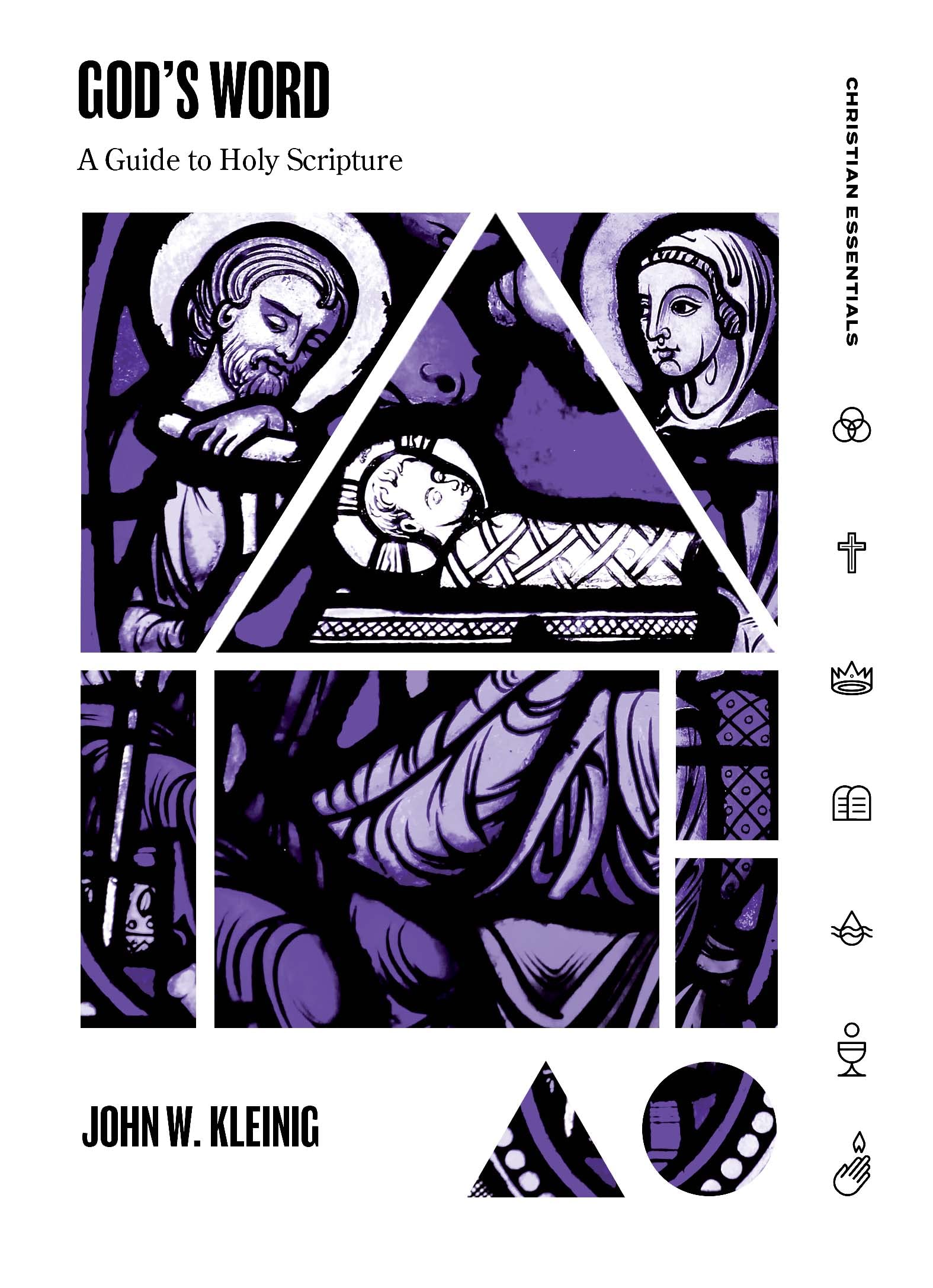
God's Word: A Guide to Holy Scripture
You read it. But do you understand it?
While the Bible is the most famous book in history, it can be intimidating. Yet God's word is for us and all people. It is living and active and has the power to save, give life, and heal. Do we read the Bible attuned to the power of God's word?
John W. Kleinig opens up the riches found in the Bible. He likens God's word to a lavish meal that nourishes and satisfies our souls. He shows us the centrality of Scripture to Christian faith—the word through which the Father, Son, and Holy Spirit speak with one voice to believers on Earth.
While the Bible is the most famous book in history, it can be intimidating. Yet God's word is for us and all people. It is living and active and has the power to save, give life, and heal. Do we read the Bible attuned to the power of God's word?
John W. Kleinig opens up the riches found in the Bible. He likens God's word to a lavish meal that nourishes and satisfies our souls. He shows us the centrality of Scripture to Christian faith—the word through which the Father, Son, and Holy Spirit speak with one voice to believers on Earth.
- GenresTheology
145 pages, Kindle Edition
Published February 1, 2023
Ratings & Reviews
Friends & Following
Create a free account to discover what your friends think of this book!
Community Reviews
Displaying 1 - 11 of 11 reviews

March 12, 2023
Read my review at https://www.1517.org/articles/a-revie...

March 2, 2023
God’s Word: A Guide to Holy Scripture is the fifth title in Lexham’s Christian Essentials series.
The book’s outline follows the description of God’s Word from Thomas Cranmer’s collect: “Blessed Lord, who hast caused all Holy Scriptures to be written for our learning…,” Kleinig divides the Collect into sections and offers a reflection on God’s Word inspired by each portion of Cranmer’s prayer. “God’s Word” is not an introduction to the narrative of the Bible. Kleinig assumes his readers are already familiar with that. Instead, “A Guide to Holy Scripture” expounds what is meant by that mysterious word “Holy.” Kleinig surveys the “effective power” of Jesus’ words, both in the world of the Gospels and in the life of the Church gathered for the divine service today.
Two particularly standout moments in the book: First, Kleinig’s explication of death (74). Death may not be the most obvious “essential” topic in an introduction to the Scriptures, but Kleinig shows how God’s Word invites us to meditate on the nature of death in light of Jesus’ effective words of life. Death points to the outward and visible sign of God’s Word. Because Jesus’ words are holy, they are effective and accomplish what they proclaim. Jesus’ word conveys Jesus’ presence (50-1). When Jesus says that those who receive his word have already “passed from death to life,” it is effectively true. For those in Christ, “death is now behind us!” (74). Like the resurrection stories in the gospels, so also those in the Church today look at death as something already past. The words of Jesus are effective to convey the gift of eternal life which they proclaim (78).
Second, Kleinig’s exposition of what God’s Word does in the life of the Church. “The gospel lights up the circle of Christ’s disciples, shines out from them into the world, and attracts people from its darkness to the light of God’s presence. The church therefore is the place for theophany, the place where divine mysteries are revealed through the proclamation of God’s word” (130). The Scriptures have always “exercise[d] divine power” in the divine service of the Church, and they continue this role today (142). When everything that is done in the congregation is infused with the words of God, God’s word is at work and empowers all that is done with the Holy Spirit (145). We know this, because by the presence of God’s word and name Jesus is present.
Kleinig’s writing is artfully concise, catholic in scope, and holy reverent in posture. There were many nuggets of pastoral wisdom I appreciated through the first half of the book, but by the second half I couldn’t put the book down. Kleinig’s “God’s Word” is a delight to read, and the book’s length makes it ideal for use in seminary or church classrooms. Highly recommended.
Disclosure: I received a copy of the book for free from the publisher. I was not asked to provide a positive review, and this in no way affected my review.
The book’s outline follows the description of God’s Word from Thomas Cranmer’s collect: “Blessed Lord, who hast caused all Holy Scriptures to be written for our learning…,” Kleinig divides the Collect into sections and offers a reflection on God’s Word inspired by each portion of Cranmer’s prayer. “God’s Word” is not an introduction to the narrative of the Bible. Kleinig assumes his readers are already familiar with that. Instead, “A Guide to Holy Scripture” expounds what is meant by that mysterious word “Holy.” Kleinig surveys the “effective power” of Jesus’ words, both in the world of the Gospels and in the life of the Church gathered for the divine service today.
Two particularly standout moments in the book: First, Kleinig’s explication of death (74). Death may not be the most obvious “essential” topic in an introduction to the Scriptures, but Kleinig shows how God’s Word invites us to meditate on the nature of death in light of Jesus’ effective words of life. Death points to the outward and visible sign of God’s Word. Because Jesus’ words are holy, they are effective and accomplish what they proclaim. Jesus’ word conveys Jesus’ presence (50-1). When Jesus says that those who receive his word have already “passed from death to life,” it is effectively true. For those in Christ, “death is now behind us!” (74). Like the resurrection stories in the gospels, so also those in the Church today look at death as something already past. The words of Jesus are effective to convey the gift of eternal life which they proclaim (78).
Second, Kleinig’s exposition of what God’s Word does in the life of the Church. “The gospel lights up the circle of Christ’s disciples, shines out from them into the world, and attracts people from its darkness to the light of God’s presence. The church therefore is the place for theophany, the place where divine mysteries are revealed through the proclamation of God’s word” (130). The Scriptures have always “exercise[d] divine power” in the divine service of the Church, and they continue this role today (142). When everything that is done in the congregation is infused with the words of God, God’s word is at work and empowers all that is done with the Holy Spirit (145). We know this, because by the presence of God’s word and name Jesus is present.
Kleinig’s writing is artfully concise, catholic in scope, and holy reverent in posture. There were many nuggets of pastoral wisdom I appreciated through the first half of the book, but by the second half I couldn’t put the book down. Kleinig’s “God’s Word” is a delight to read, and the book’s length makes it ideal for use in seminary or church classrooms. Highly recommended.
Disclosure: I received a copy of the book for free from the publisher. I was not asked to provide a positive review, and this in no way affected my review.
February 1, 2023
A quick book covering so many of the aspects of God's word. Kleinig writes with a tone of invitation to all that is provided in the Bible for believers. Tons of specific references for each aspect and a good broad view of what the Bible was and is meant to be for us. I really liked the format and layout of this book and appreciated that I could read each section quickly, but really reflect on it all day. God's Word by John W. Kleinig was a freshening reminder of the power of the Bible.
Thank you to Netgalley and Lexham Press for the copy to review.
Thank you to Netgalley and Lexham Press for the copy to review.

July 6, 2023
This is not a “How to” book. It is not a book that will teach you a proper hermeneutical method for studying the Bible. Instead, this is a book about the Bible.
What makes this book so unique, valuable, and frankly delightful is that instead of discussing what we should do with the Bible (read it, memorize it, journal it, etc.) Kleinig spends most of the time showing us what the Bible does to or for us (Saves, Gives life, Nourishes, Heals, etc.).
Highly practical, thoroughly Biblical, and deeply enjoyable. I’d recommend this one if you’re looking for a biblical or theological read.
What makes this book so unique, valuable, and frankly delightful is that instead of discussing what we should do with the Bible (read it, memorize it, journal it, etc.) Kleinig spends most of the time showing us what the Bible does to or for us (Saves, Gives life, Nourishes, Heals, etc.).
Highly practical, thoroughly Biblical, and deeply enjoyable. I’d recommend this one if you’re looking for a biblical or theological read.

May 15, 2024
From the outside, this looks like a “summary of the doctrine of Scripture” type of book. It is actually more of a meditation on God’s word(s), including but not limited to Scripture. It reads well almost as a devotional; I read one chapter each day first thing in the morning while I waited for the coffee to brew. I probably would have gleaned more from it if I wasn’t 50% asleep every time I picked it up, but it was a good, reflective read.
February 2, 2024
Excellent little book that explore the Word of God from many different angles, ultimately encouraging a renewed love and appreciation for it. Highly recommended!

December 21, 2024
I enjoyed this. Kleinig’s little book on God’s Word is very Lutheran, especially on baptism and the eucharist. But any Reformed churchman who follows VanHoozer and speech-act theory’s assertion that God’s Word does what it says can go about 90 percent of the way down the road with Kleinig.
If you serve in an LCMS or more sacramental ACNA congregation, this would be a great resource to work through with new believers to help them grow in their understanding of the doctrine of Scripture.
If you serve in an LCMS or more sacramental ACNA congregation, this would be a great resource to work through with new believers to help them grow in their understanding of the doctrine of Scripture.

February 14, 2025
A neat, short book about the realities of God’s word. It’s a bit of a false expectation though, as I wouldn’t call it a “guide” to Scripture. Instead, it’s a series of several topical meditations about Scripture, incorporating Scripture itself. They are thoughtful and insightful, but not really a guide that I expected.

October 14, 2025
I feel like I have trouble reading Kleinig's writings; it feels a bit disorganized and disjointed. But, I still benefited from it and others could even more so if his writing style connected with them. One big plus was the amount of Scripture references found throughout the pages of this book.

June 21, 2023
Good, quick overview on God’s Word, which is informative and easy to read. Good use of Scripture.

August 19, 2026
Lots of great stuff in the beginning but I sort of trailed off in the end.
Displaying 1 - 11 of 11 reviews