

What do you think?
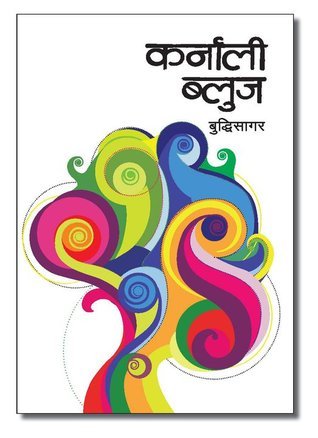
कर्नाली ब्लुज [Karnali Blues]
The novel expresses the story of the struggle of a lower middle class father in Far Western Region of Nepal through his son’s eyes. The presentation of the novel is great and the readers are bound to move along with the characters in the story.
The story starts with the short narration related with the story of the birth of the son, Brishabahadur. The book is divided into eleven parts, each mentioned as a day. The novel is part present and more of a flashback. The narrator, who himself is the writer, comes to visit his father and during the eleven days that he spends taking care of his sick father, his mind drifts towards the past. The changing perception of the son regarding his father is expressed beautifully in this novel.
The story starts with the short narration related with the story of the birth of the son, Brishabahadur. The book is divided into eleven parts, each mentioned as a day. The novel is part present and more of a flashback. The narrator, who himself is the writer, comes to visit his father and during the eleven days that he spends taking care of his sick father, his mind drifts towards the past. The changing perception of the son regarding his father is expressed beautifully in this novel.
384 pages, Paperback
First published January 1, 2010
About the author
Buddhisagar
8 books362 followersBuddhisagar (Nepali: बुद्धिसागर; born 2 June 1981) is a Nepali writer. He is best known for his novel Karnali Blues and Phirphire.
Buddhisagar was born in Matera, a place in Kailali district of Nepal. Later his family moved to Katase Bazzar and finally Kalikot district. His debut and most popular novel Karnali Blues is also set in these locations. He was passionate about writing from early age. From a very early age, his poems were played on radios. He moved for Kathmandu after passing his School Level. On moving to Kathmandu, he studied journalism at RR Campus. He was a journalist of Naya Patrika and Nagarik News before he set his career as a full-time writer.
Buddhisagar was born in Matera, a place in Kailali district of Nepal. Later his family moved to Katase Bazzar and finally Kalikot district. His debut and most popular novel Karnali Blues is also set in these locations. He was passionate about writing from early age. From a very early age, his poems were played on radios. He moved for Kathmandu after passing his School Level. On moving to Kathmandu, he studied journalism at RR Campus. He was a journalist of Naya Patrika and Nagarik News before he set his career as a full-time writer.
Ratings & Reviews
Friends & Following
Create a free account to discover what your friends think of this book!
Community Reviews
Displaying 1 - 30 of 253 reviews

July 5, 2013
I am sorry i don't have Nepali Unicode font so i am trying to write my review in English.
This Book Karnali Blues is very nice and touchy one. One should read it once. The story is not so extra ordinary but the presentation makes it unique. It is a good piece of literature in Nepal from a Nepali writer. The more you continue to read the more it binds you. It is not a love story or a fantasy but it is a story of a common man and how his life is going on. It is a story about a father and his son and the son's attitude toward his father. How it continuously keeps on changing.
How a father is struggling in order to establish himself for a better settlement and his hardships on life.
The story is emotional. And the humor presented in the story is quite good. It makes you laugh and you can't help it.
The flashback technique of narration is brilliant. It is a must read book in Nepali i think.
This Book Karnali Blues is very nice and touchy one. One should read it once. The story is not so extra ordinary but the presentation makes it unique. It is a good piece of literature in Nepal from a Nepali writer. The more you continue to read the more it binds you. It is not a love story or a fantasy but it is a story of a common man and how his life is going on. It is a story about a father and his son and the son's attitude toward his father. How it continuously keeps on changing.
How a father is struggling in order to establish himself for a better settlement and his hardships on life.
The story is emotional. And the humor presented in the story is quite good. It makes you laugh and you can't help it.
The flashback technique of narration is brilliant. It is a must read book in Nepali i think.
June 24, 2013
बुद्दीसागर को कर्नाली ब्लूज अच्युत घिमिरेको मुखारविन्दबाट उज्यालो नेटवर्क को कार्य क्रम बाट सुन्ने मौका पाए । छोटा छोटा वाक्य तर सरल र सहज प्रस्तुति । आफै मैं मुख्य पात्र जस्तो अनुभुति दिने , कर्नाली नदी जस्तै कर्नाली वरिपरि वगेको उपन्यास , स्रवण गर्दा त यस्तो अनुभुति भयो भने किताब पढ्दा कति आनन्द होला.... पढ्नु पर्ने किताब धेरै छन त्यसैले अहिलेलाई यसैंमा चित्त बुझाउदै र भबिष्यंा आफै पढ्ने अठोट गर्दै .. सुन्नलाई google बाट upload गरेर सहयोग पुऱ्याउने तपाई चन्द्र ढुंगेललाई मेरो हार्दिक धन्यबाद

September 18, 2017
Just love re reading this book 👌The use simple language , amazing magic of the author's writing , through out the book i felt like i am running around Karnali region living the stories by myself. Not much sure about the future but this book definitely will be with me forever so close to my heart.
मेरो बा जस्तो यो संसारमा कोहि छैन ।
मेरो बा जस्तो यो संसारमा कोहि छैन ।

August 9, 2019
I have been meaning to read Nepali literature for a while now but I've always been intimidated. I can read Nepali but it's a slow process. Reading an entire novel might turn out to be as big a project as writing one. But I don't want to read them in English translation either- that feels too much like giving up.
Enter The Compromise- audio! You see, I followed an internet rabbit hole down to this website that hosts recordings of the radio program Shruti Sambeg, which features readings of popular Nepali novels, each over the course of a few episodes. The readings are by Achyut Ghimire and are very well produced, except for the occasionally overbearing music.
Karnali Blues is apparently one of the most successful works of contemporary Nepali literature. It's easy to see why. There's no big dramatic plot here- instead, most of the book details the narrator's experiences growing up in the remote Karnali region of Nepal, a child in absolute awe of his father. "Mero baa jasto yo sansarma koi chaina," he says repeatedly. These recollections of the past are broken up by a present-day narrative, in which the father now lies paralyzed in a hospital.
Breaking away from pretentious Sanskrit-laden 'literary' Nepali, the writing is simple and poetic, every line heavy with imagery, funny and wistful in turns. Anyone with a reasonable command of spoken Nepali shouldn't find the language much of a challenge. Give it a shot.
A soundtrack:
Nepathya - Sa Karnali
Sugam Pokhrel - Karnali
Bipul Chhetri - Aashish
Enter The Compromise- audio! You see, I followed an internet rabbit hole down to this website that hosts recordings of the radio program Shruti Sambeg, which features readings of popular Nepali novels, each over the course of a few episodes. The readings are by Achyut Ghimire and are very well produced, except for the occasionally overbearing music.
Karnali Blues is apparently one of the most successful works of contemporary Nepali literature. It's easy to see why. There's no big dramatic plot here- instead, most of the book details the narrator's experiences growing up in the remote Karnali region of Nepal, a child in absolute awe of his father. "Mero baa jasto yo sansarma koi chaina," he says repeatedly. These recollections of the past are broken up by a present-day narrative, in which the father now lies paralyzed in a hospital.
Breaking away from pretentious Sanskrit-laden 'literary' Nepali, the writing is simple and poetic, every line heavy with imagery, funny and wistful in turns. Anyone with a reasonable command of spoken Nepali shouldn't find the language much of a challenge. Give it a shot.
A soundtrack:
Nepathya - Sa Karnali
Sugam Pokhrel - Karnali
Bipul Chhetri - Aashish

December 21, 2013
It's the most well structured and satisfyingly accomplished Nepali novel I've read. The sentences are short, the descriptions soaked in original local textures and the humor gels so well to make the reading enjoyable and quick. Buddhisagar makes you reminisce your childhood and after finishing the book you'd be emotionally obliged to hug your father.

February 13, 2013
This one's really wonderful. I had read Buddhisagar's short stories in Nagarik before I read this book. I liked his writing style.
PS: If I'm not mistaken, the book's ISBN should have been 9789937827935 - the last 3 digits are missing in ISBN as stated by Goodreads.
PS: If I'm not mistaken, the book's ISBN should have been 9789937827935 - the last 3 digits are missing in ISBN as stated by Goodreads.

January 8, 2019
Some books take away your breath with simplicity, and others with their splendor. Journalist Buddhisagar’s first novel, Karnali Blues, takes your breath away twice: once by the simplicity of its language and then again by the splendor of its emotional range.

April 25, 2022
I vacillated between 4 and 5 stars. This is powerful book depicting the life of a simple family in western Nepal and there is a lot of absorb in it. And it is great that it attracted an excellent translator in Michael Hutt. I liked the way Hutt captures Nepali idiom although I didn't connected with the central characters as strongly as I expected to.
Anyone who believes Nepalis to be a happy smiling people must read this, and then perhaps grasp the struggles of the profoundly poor in this beautiful but challenging country.
Anyone who believes Nepalis to be a happy smiling people must read this, and then perhaps grasp the struggles of the profoundly poor in this beautiful but challenging country.
October 25, 2022
How can prose so simple evoke feelings heavy, they leave you empty and sad?

February 14, 2026
This is one of the best Nepali novels I have read. I read it in English this time, and I was worried I wouldn't like the translated version. But I was wrong. I loved it just as much, and I cried just as much, too

April 2, 2022
[ Lost In Translation ]
बाबु - छोराको सम्बन्धमा थोरै साहित्य लेखिएका छन् । त्यसमा पनि यति सुन्दर तरीकाले कमै लेखिएका छन् । Karnali Blues नेपाली साहित्यले पाएको सुन्दर उपहार हो। Buddhisagar नेपाली साहित्यको आधुनिक महान Storyteller हुन् ।
Karnali Blues को नेपाली संस्करणको आफ्नै मिठास छ। पहिचान छ। कथा छ। व्यथा छ। इतिहास छ। कर्णालीको आवाज काठमाडौं लगायत नेपालभर सुनाउने काम यसले गर्छ।
अनवरत बग्ने निलो कर्णाली कर्णाली बासिको सुखदुःखको साक्षी हो। त्यही कर्णाली बाबु - छोराको सम्बन्धको पनि साक्षी हो जसले हामी सबैलाई भावुक बनाउछ।
Budhhisagar को एउटा प्रमुख हतियार भनेको भाषाको मिठास हो। English Edition मा खट्किने एउटै कुरा Translation मा छुट्ने परिवेश तथा भाषाको आत्मा हो। यसलाई अझै ध्यान दिने हो भने Karnali Blues को अर्गानिक स्वाद English का पाठकहरुले समेत लाभ लिन पाउनेछन् ।
किताबको Blurb मा भनिएको जस्तै Buddhisagar नेपालको Charles Dickens हुन् ।
बाबु - छोराको सम्बन्धमा थोरै साहित्य लेखिएका छन् । त्यसमा पनि यति सुन्दर तरीकाले कमै लेखिएका छन् । Karnali Blues नेपाली साहित्यले पाएको सुन्दर उपहार हो। Buddhisagar नेपाली साहित्यको आधुनिक महान Storyteller हुन् ।
Karnali Blues को नेपाली संस्करणको आफ्नै मिठास छ। पहिचान छ। कथा छ। व्यथा छ। इतिहास छ। कर्णालीको आवाज काठमाडौं लगायत नेपालभर सुनाउने काम यसले गर्छ।
अनवरत बग्ने निलो कर्णाली कर्णाली बासिको सुखदुःखको साक्षी हो। त्यही कर्णाली बाबु - छोराको सम्बन्धको पनि साक्षी हो जसले हामी सबैलाई भावुक बनाउछ।
Budhhisagar को एउटा प्रमुख हतियार भनेको भाषाको मिठास हो। English Edition मा खट्किने एउटै कुरा Translation मा छुट्ने परिवेश तथा भाषाको आत्मा हो। यसलाई अझै ध्यान दिने हो भने Karnali Blues को अर्गानिक स्वाद English का पाठकहरुले समेत लाभ लिन पाउनेछन् ।
किताबको Blurb मा भनिएको जस्तै Buddhisagar नेपालको Charles Dickens हुन् ।

July 26, 2020
U know when u finish a book and u stay frozen for a solid minute, not knowing what to feel or if u should feel anything. So u just look around without registering anything?
That is exactly what i felt as i read the last paragraph of this book.
I was so engrossed with the story that I felt like I was watching it all unravel in front of my eyes. It took me a long time to get out of the story. But when i did, i felt it a pain in my heart.
A must read.
That is exactly what i felt as i read the last paragraph of this book.
I was so engrossed with the story that I felt like I was watching it all unravel in front of my eyes. It took me a long time to get out of the story. But when i did, i felt it a pain in my heart.
A must read.

September 20, 2018
यस्तो कथाकारलाई कसरी आदर प्रकट गरौं? कसरी व्यक्त गरौं यति पूर्ण कथावाचन लाई? लेखक जसरी सागर भइदिएका छन् म उति नि खङ्रिएको छु। लेखक जति भेल बनेर आएका छन् फेरि म उति नै भरिएको पनि छु, कतै पोखिएको पनि छु, हराएर कतै फेरि आफैमा भेटिएकोछु।
(चौधरी भाषा र पश्चिमी पहाडे भाषा नजान्नेले अलि दुःख पाउँछन्, मैले पाए जस्तै, **कता कता मात्र प्रयोग गरिएको छ र मूल भाव धेरैजसो बुझिन्छ**।)
(चौधरी भाषा र पश्चिमी पहाडे भाषा नजान्नेले अलि दुःख पाउँछन्, मैले पाए जस्तै, **कता कता मात्र प्रयोग गरिएको छ र मूल भाव धेरैजसो बुझिन्छ**।)

November 26, 2014
जब-जब म कर्णाली ब्लुज पढ्छु, तब-तब मलाई पनि उपन्यासकार बन्न खुब रहर लाग्छ । फिरफिरे को लागि शुभकामना ।
March 11, 2026
It’s 1:34 AM here in Kathmandu, and I’ve just finished reading Karnali Blues by Buddhisagar. I’m sitting with a lot of emotions right now.
First of all, thank you to my friends Laxman Dai and Niraj for recommending this gem of a book. It’s one of those stories that quietly enters your heart and stays there.
Reading this novel made me reflect deeply on my own life especially my relationship with my father. Like the narrator in the book remembering his father through hospital visits and memories from the past, I realized how complicated yet meaningful the bond between a father and son can be. Sometimes we don’t express things directly, but the feelings are always there.
I also saw a bit of myself in the story. Being ambitious and wanting to build my own path, I sometimes get so focused on my goals that I forget to give enough time to my family. This book reminded me how important those relationships truly are. When I see my parents and my brother next time, I just want to hug them.
Karnali Blues beautifully shows how life moves forward friends come and go, first loves don’t always last, and people slowly drift onto different paths. Yet every person we meet leaves behind a small but meaningful piece in our story. That’s what makes life so complex and, at the same time, so beautiful.
Through simple memories, rural settings, friendships, and the emotional journey between a father and son, the book captures something very real about growing up and understanding the people we love sometimes a little too late.
5/5 from me.
I’ll definitely be recommending this book to more people. Some stories deserve to be passed on.
First of all, thank you to my friends Laxman Dai and Niraj for recommending this gem of a book. It’s one of those stories that quietly enters your heart and stays there.
Reading this novel made me reflect deeply on my own life especially my relationship with my father. Like the narrator in the book remembering his father through hospital visits and memories from the past, I realized how complicated yet meaningful the bond between a father and son can be. Sometimes we don’t express things directly, but the feelings are always there.
I also saw a bit of myself in the story. Being ambitious and wanting to build my own path, I sometimes get so focused on my goals that I forget to give enough time to my family. This book reminded me how important those relationships truly are. When I see my parents and my brother next time, I just want to hug them.
Karnali Blues beautifully shows how life moves forward friends come and go, first loves don’t always last, and people slowly drift onto different paths. Yet every person we meet leaves behind a small but meaningful piece in our story. That’s what makes life so complex and, at the same time, so beautiful.
Through simple memories, rural settings, friendships, and the emotional journey between a father and son, the book captures something very real about growing up and understanding the people we love sometimes a little too late.
5/5 from me.
I’ll definitely be recommending this book to more people. Some stories deserve to be passed on.

September 27, 2013
लेखक बुद्धिसागरको चर्चित उपन्यास "कर्नाली ब्लुज" पढेर असाध्यै मजा आयो । बुद्धिसागर भाषाका जादुगर नै रहेछन् । यत्ति सरल तथा सुगम अनि सुरम्य भाषामा पनि नेपाली उपन्यास लेख्नसकिँदो रहेछ भन्ने कुरालाई लेखकले प्रमाणित गरेका छन् । यथार्थलाई टपक्क टिपेर लेखनीमा उतार्दा त्यसले पाठकलाई मीठो असर पारिहाल्छ । भाषा मात्र राम्रो नभएर यो उपन्यासको विषयवस्तु समेत उच्च कोटिको छ । एउटा छोराले आफ्नो बाको बारेमा देखेका, अनुभव गरेका कुरालाई लेखकले बडो कुशलतापूर्वक शब्दमा उतारेका छन् । साहित्यिक उत्कृष्टताका लागि आवश्यक कथानक, पात्रविकास, अलंकारहरूको प्रयोग, कथ्यात्मक तथा वर्णनात्मक शैली सबैमा यो उपन्यास अब्बल छ । दृष्यविधान (tableaux) अत्ति नै मनोरम छ । हर्षबहादुरको चरित्र त विश्वस्तरको नै लाग्यो मलाई । यो पात्र नि:स्पृह कर्मयोगी हो, ठ्याक्कै टोल्स्टोयको "अन्ना करेनिना" को लेभिन जस्तै । अन्य पात्र पनि गजबका छन् । अन्य पात्रमा मलाई सबभन्दा मन परेको पात्र वीरसिह धामी उर्फ सद्दाम हुसेन हो । अल्लिक साइको पाराको यो पात्रले वास्तविक जीवन जिएको छ । उपन्यासमा एउटा बलियो आकर्षण छ जसले पाठकलाई तानिरहन्छ । म पनि बा आमाको एक्लो छोरो भएको अनि मैले पनि वृषबहादुरले जस्तो आगो लगाउने, साइकल भाँच्ने लगायतका उपद्रो बाल्यकालमा गरेकोले होला त्यो पात्रसँग मेरो आत्मीयता गाँसियो । एकचोटि सबैले पढ्नैपर्ने खालको यो उपन्यासको शीर्षक भने मलाई मन परेन । तर त्यसले के फरक पर्छ र ?

May 24, 2011
An outstanding story that traces the bond between a son and his father, as seen through the son's eyes and minds. For readers, the power of simple narrative and poignant dialogs in telling a story will be inescapable in this debut novel of Buddhisagar.
I highly recommend this novel to readers who can read Nepali.
Note: The Goodreads entry wrongly lists the author's name as Buddhisagar Rai. The author's name is Buddhisagar Chapain, but he only uses his first name as the author of this novel.
I highly recommend this novel to readers who can read Nepali.
Note: The Goodreads entry wrongly lists the author's name as Buddhisagar Rai. The author's name is Buddhisagar Chapain, but he only uses his first name as the author of this novel.

November 25, 2014
A huge plethora of words too seem nothing if i start appreciating this book. This book has created its own standard spot in the nepali hearts. Its a cultural documentation too, being included the use of multi languages. It also takes us from the pre and post development faces of the midwestern and far-western nepal. TH condition of patients in hospitals depict the medical environment of nepal.
A truly nepali society describing book written by buddhisagar. Nothing more did actually felt myself emotional at work, but this novel made me.
love love love to Mr. Buddhisagar for penning it down.
A truly nepali society describing book written by buddhisagar. Nothing more did actually felt myself emotional at work, but this novel made me.
love love love to Mr. Buddhisagar for penning it down.

Read
February 9, 2022I started reading Karnali Blues translated in English but stopped and looked for the audiobook. I enjoyed listening to it. Reading about Brisha Bahadur's antics as a kid was hilarious. Harsha Bahadur was clearly the best father in Matera. The ending made me cry.

March 14, 2022
G.O.A.T
May 25, 2025
On the surface, this book talks about the relationship between father and son. The parents’ efforts in raising a kid. It feels like watching a movie, the writing style and the flow of story. However, I will not be writing about these things in particular, there are enough reviews available on it.
I found this book fascinating once I reached the part where the narrator starts walking towards Kalikot through Karnali. It all came flowing to me. And that is when I took a break for 2 days to reflect on this flow. The title of the book perfectly fits the story. ‘Karnali Blues’. It gives the whole account of life from mountain region to terai plain belt where the Karnali River touches. Even, the river that originates from Karnali 'Amauri khola'. The migrant brahmin-chhetri family, the plight of indigeneous community such as Tharu in Terai to the potters of upper belt of kalikot. I found layers of social division and history of Nepali society in the banks of Karnali. Especially during the time of 2050 to 2060 BS. It also got me thinking about the civilization of Karnali River. How in the society, land rights, colonization through religion, the class division was there and how local indigenous where always ignored by the state, how the people who lived with the nature, did not had idea about administrative documentation and private property, were suppressed by the people who had access to information and the state. It gave a simple day to day life of a brahmin migrant (within country) boy from his childhood to teenage days, yet, profoundly described the society that he was in. These are not depicted as sole topics or highlighted directly but can be traced in bits and pieces of the stories, as if, we are reading through the people history without realizing about it.
I found this book fascinating once I reached the part where the narrator starts walking towards Kalikot through Karnali. It all came flowing to me. And that is when I took a break for 2 days to reflect on this flow. The title of the book perfectly fits the story. ‘Karnali Blues’. It gives the whole account of life from mountain region to terai plain belt where the Karnali River touches. Even, the river that originates from Karnali 'Amauri khola'. The migrant brahmin-chhetri family, the plight of indigeneous community such as Tharu in Terai to the potters of upper belt of kalikot. I found layers of social division and history of Nepali society in the banks of Karnali. Especially during the time of 2050 to 2060 BS. It also got me thinking about the civilization of Karnali River. How in the society, land rights, colonization through religion, the class division was there and how local indigenous where always ignored by the state, how the people who lived with the nature, did not had idea about administrative documentation and private property, were suppressed by the people who had access to information and the state. It gave a simple day to day life of a brahmin migrant (within country) boy from his childhood to teenage days, yet, profoundly described the society that he was in. These are not depicted as sole topics or highlighted directly but can be traced in bits and pieces of the stories, as if, we are reading through the people history without realizing about it.

May 28, 2021
आजको दिनसम्म थोरै पुस्तक पढेर मेरो मन भारी भएको छ । ‘कर्नाली ब्लुज’ पनि तिनै थोरै पुस्तक भित्र पर्छ । अत्यन्तै हृदयस्पर्शी र सरल ढङ्गमा लेखिएको यो पुष्तक पढेर भाभुक नहुने सायद निकै कमै व्यक्ति छन् होला ।
यो पुष्तकमा विशेष गरी बुवा र छोरोको अात्मिय सम्बन्धलाई प्रस्तुत गरिएको छ। छोराको नजरबाट आफ्नो बुवाको चित्रण गर्नुका साथसाथै उन्ले आफ्नो छोरा र परिवारका निमित्त गरेका परिश्रम, उनिहरूको हरेक आकाङ्क्षा पुरा गर्नका लागि गरेका त्याग र तपस्याको बयान गरिएको छ।
यो पुष्तकमा विशेष गरी बुवा र छोरोको अात्मिय सम्बन्धलाई प्रस्तुत गरिएको छ। छोराको नजरबाट आफ्नो बुवाको चित्रण गर्नुका साथसाथै उन्ले आफ्नो छोरा र परिवारका निमित्त गरेका परिश्रम, उनिहरूको हरेक आकाङ्क्षा पुरा गर्नका लागि गरेका त्याग र तपस्याको बयान गरिएको छ।
March 7, 2026
Buddhisagar never fails to make me sob like a baby. The way he writes each character is so vivid that you start picturing them clearly and genuinely worrying about what happens to them. I don’t even know how I managed to read the last chapter through all the tears.
मेरा बा जस्तो यो संसारमा कोही पनि छैन।
मेरा बा जस्तो यो संसारमा कोही पनि छैन।


February 7, 2025
Ugh, my heart. The main character felt so familiar, like an old friend. The more i came to love the characters, the harder it was to watch them fight life’s challenges. This novel was true to Nepali culture and history - which helped strip back the superficial parts of life to be a more intimate story about a boy doing his best growing up in a world that’s changing fast.

March 9, 2022
'कर्नाली ब्लुज' ले मेरो मस्तिष्कमा साहित्यको बीजारोपण गरेको हो। बाबु-छोराको यो सुन्दर कथासँगको मेरो नाता धेरै वर्ष पछाडि तन्किएको छ। यो मैले बेलाबेला अध्ययन गरिरहने पुस्तक हो। बेलाबेला अच्युत घिमिरेको मिठो स्वरमा 'रंगी सारी गुलाबी चुनरिया' घोलेर सुनिरहने पुस्तक हो। र बेलाबेला भाइबहिनीहरू माझ केही अंश भट्याइरहने पुस्तक हो। पत्रपत्रिकामा फुटकर रूपमा आउने बुद्धिसागरको संस्मरणहरू पढ्दा कर्नाली ब्लुजकै कुनै छुटेको अध्याय पढिरहेको आभास हुन्छ। यसको हरेक घटना, हरेक पात्रसँग एउटा भावनात्मक साइनो गाँसिएको छ मेरो। हालसालै आएको कर्नाली ब्लुजको अङ्ग्रेजी संस्करणले मलाई प्रिय लेखकसँग पनि भेटाइदियो। यो केही अव्यक्त खुसीका क्षणहरूमध्ये एक थियो मेरालागि।
...
कर्नाली ब्लुजको अङ्ग्रेजी संस्करण मेरालागि मूल संस्करणसँगको तुलनात्मक अध्ययन रह्यो। यसको नेपाली प्रति सधैँ छेवैमा रहिरहन्थ्यो। कथा अघि बढ्दै जाँदा केही विषयमा मेरो मनमा दोहोरो मत उब्जिन्थ्यो। यस्तोमा नेपाली प्रति पल्टाएर दुवैलाई तुलना गरेर हेर्थेँ। तुलनाको प्रतिफलसँग मेरो केही गुनासो छ।
'... ? यसपालि फेल भयौ भने मैले जान्या छु ।' को अङ्ग्रेजी अनुवाद यस प्रकार रहेको छ- '...? If you fail this time, I will know!'
'कोई बोले त मरिजाऊँ ।' लाई यस प्रकार अनुवाद गरिएको छ- 'If anyone spoke, I would die.'
माइकल हटको अनुवादमा यस्तै केही वाक्यांशहरू छन् जसलाई नेपालीबाट अङ्ग्रेजीमा उल्था गर्दा त्यसको मौलिकता हराएको प्रतीत हुन्छ। केही यस्ता पनि, जसलाई वाक्यसँग नजोडेको भए राम्रो हुन्थ्यो भन्ने विचार आउँछ। केही यस्ता रोमनाईज्ड नेपाली शब्दहरू छन् जसलाई अङ्ग्रेजीमै उल्था गरिएको भए बेस हुने थियो। र केही यस्ता अङ्ग्रेजी शब्दहरू, जसको मौलिकता बचाउन रोमनाईज्ड नेपालीमा लेखिनु पर्ने थियो। अनुवादमा अरू पनि केही सानातिना स्वाभाविक त्रुटिहरू छन् जसको दोष माइकल हटले आफ्नै थाप्लोमा लिनुभएको छ।
यति गुनासो पोखिसकेपछि यो पनि नभनी रहन सक्दिनँ कि अनुवाद सुन्दर छ। नेपालीका पाठकहरूसँग जुन भावनात्मक साइनो गाँसिएको छ कर्नाली ब्लुजको, त्यसलाई बचाउन माइकल हट सफल हुनुहुन्छ। तुलनात्मक अध्ययनबाट एउटा के कुरा पनि चाल पाएँ भने, यो संस्करणमा एकदुई मसिना घटनाहरू थपिएका रहेछन्। नेपाली साहित्यमा धेरैबाट रुचाइएको सुन्दर पुस्तकको यति सुन्दर अनुवाद हुनु, एउटा प्रतिष्ठित प्रकाशन गृहबाट छापिनु र केही समयमै सकिएर पुनःप्रकाशनमा जानुले निसन्देह पनि हाम्रो साहित्यलाई विश्वसाहित्य सामु पुर्याउन मद्दत गर्नेछ। माइकल हटमा आभार।
...
कर्नाली ब्लुजको अङ्ग्रेजी संस्करण मेरालागि मूल संस्करणसँगको तुलनात्मक अध्ययन रह्यो। यसको नेपाली प्रति सधैँ छेवैमा रहिरहन्थ्यो। कथा अघि बढ्दै जाँदा केही विषयमा मेरो मनमा दोहोरो मत उब्जिन्थ्यो। यस्तोमा नेपाली प्रति पल्टाएर दुवैलाई तुलना गरेर हेर्थेँ। तुलनाको प्रतिफलसँग मेरो केही गुनासो छ।
'... ? यसपालि फेल भयौ भने मैले जान्या छु ।' को अङ्ग्रेजी अनुवाद यस प्रकार रहेको छ- '...? If you fail this time, I will know!'
'कोई बोले त मरिजाऊँ ।' लाई यस प्रकार अनुवाद गरिएको छ- 'If anyone spoke, I would die.'
माइकल हटको अनुवादमा यस्तै केही वाक्यांशहरू छन् जसलाई नेपालीबाट अङ्ग्रेजीमा उल्था गर्दा त्यसको मौलिकता हराएको प्रतीत हुन्छ। केही यस्ता पनि, जसलाई वाक्यसँग नजोडेको भए राम्रो हुन्थ्यो भन्ने विचार आउँछ। केही यस्ता रोमनाईज्ड नेपाली शब्दहरू छन् जसलाई अङ्ग्रेजीमै उल्था गरिएको भए बेस हुने थियो। र केही यस्ता अङ्ग्रेजी शब्दहरू, जसको मौलिकता बचाउन रोमनाईज्ड नेपालीमा लेखिनु पर्ने थियो। अनुवादमा अरू पनि केही सानातिना स्वाभाविक त्रुटिहरू छन् जसको दोष माइकल हटले आफ्नै थाप्लोमा लिनुभएको छ।
यति गुनासो पोखिसकेपछि यो पनि नभनी रहन सक्दिनँ कि अनुवाद सुन्दर छ। नेपालीका पाठकहरूसँग जुन भावनात्मक साइनो गाँसिएको छ कर्नाली ब्लुजको, त्यसलाई बचाउन माइकल हट सफल हुनुहुन्छ। तुलनात्मक अध्ययनबाट एउटा के कुरा पनि चाल पाएँ भने, यो संस्करणमा एकदुई मसिना घटनाहरू थपिएका रहेछन्। नेपाली साहित्यमा धेरैबाट रुचाइएको सुन्दर पुस्तकको यति सुन्दर अनुवाद हुनु, एउटा प्रतिष्ठित प्रकाशन गृहबाट छापिनु र केही समयमै सकिएर पुनःप्रकाशनमा जानुले निसन्देह पनि हाम्रो साहित्यलाई विश्वसाहित्य सामु पुर्याउन मद्दत गर्नेछ। माइकल हटमा आभार।

March 17, 2026
कुनै–कुनै किताबहरू पढेर सकिएपछि बन्द हुँदैनन्, बरु भित्र कतै लामो समयसम्म बजिरहन्छन्। कर्नाली ब्लुज पनि त्यस्तै अनुभूति दिने कृति हो। बुद्धिसागरले अत्यन्त सरल तर असाधारण संवेदनशील भाषामा एउटा साधारण नेपाली परिवारको कथा भित्र लुकेको असाधारण माया, दूरी र सम्झनाको वेदना उजागर गरेका छन्।
यो उपन्यास पढ्दा लाग्छ, हामी केवल कथा पढिरहेका छैनौँ हामी आफ्नै बाल्यकाल, आफ्नै गाउँका बाटाहरू, र आफ्नै बुबाको अनुहार सम्झिरहेका हुन्छौँ। कथाको केन्द्रमा रहेको बुबा–छोराको सम्बन्ध कुनै ठूलो नाटकीय घटनाले होइन, सानासाना क्षणहरू, मौनताहरू र अपूरा संवादहरूले बनेको छ। यही सादगीले उपन्यासलाई झन् गहिरो बनाउँछ।
बुबाको कठोर अनुहारभित्र लुकेको मौन स्नेह र छोराको मनमा बिस्तारै उम्लिँदै गएको पछुतो यी दुई भावनाको संगमले पाठकको मनमा एक प्रकारको नमिठो तर सुन्दर पीडा छोड्छ। पढ्दै जाँदा थाहा हुन्छ, जीवनका सबैभन्दा गहिरा प्रेमहरू कहिलेकाहीँ सबैभन्दा कम व्यक्त गरिएका हुन्छन्।
कर्नाली ब्लुज केवल कर्णालीको कथा होइन, यो नेपाली समाजको स्मृति, परिवारको मौन सम्बन्ध र समयले बिस्तारै टाढा बनाउँदै लैजाने मानिसहरूको कथा हो। पुस्तक बन्द गरेपछि पनि यसका दृश्यहरू मनभित्र लामो समयसम्म गुञ्जिरहन्छन् ठ्याक्कै कर्णालीको बगिरहने निलो धुनझैँ।
यो उपन्यासले अन्ततः एउटा सरल तर गहिरो सत्य सम्झाउँछ "हामीले जीवनमा सबैभन्दा धेरै माया गर्ने मानिसहरूको महत्व प्रायः धेरै ढिलो गरेर मात्र बुझ्छौँ।"
यो उपन्यास पढ्दा लाग्छ, हामी केवल कथा पढिरहेका छैनौँ हामी आफ्नै बाल्यकाल, आफ्नै गाउँका बाटाहरू, र आफ्नै बुबाको अनुहार सम्झिरहेका हुन्छौँ। कथाको केन्द्रमा रहेको बुबा–छोराको सम्बन्ध कुनै ठूलो नाटकीय घटनाले होइन, सानासाना क्षणहरू, मौनताहरू र अपूरा संवादहरूले बनेको छ। यही सादगीले उपन्यासलाई झन् गहिरो बनाउँछ।
बुबाको कठोर अनुहारभित्र लुकेको मौन स्नेह र छोराको मनमा बिस्तारै उम्लिँदै गएको पछुतो यी दुई भावनाको संगमले पाठकको मनमा एक प्रकारको नमिठो तर सुन्दर पीडा छोड्छ। पढ्दै जाँदा थाहा हुन्छ, जीवनका सबैभन्दा गहिरा प्रेमहरू कहिलेकाहीँ सबैभन्दा कम व्यक्त गरिएका हुन्छन्।
कर्नाली ब्लुज केवल कर्णालीको कथा होइन, यो नेपाली समाजको स्मृति, परिवारको मौन सम्बन्ध र समयले बिस्तारै टाढा बनाउँदै लैजाने मानिसहरूको कथा हो। पुस्तक बन्द गरेपछि पनि यसका दृश्यहरू मनभित्र लामो समयसम्म गुञ्जिरहन्छन् ठ्याक्कै कर्णालीको बगिरहने निलो धुनझैँ।
यो उपन्यासले अन्ततः एउटा सरल तर गहिरो सत्य सम्झाउँछ "हामीले जीवनमा सबैभन्दा धेरै माया गर्ने मानिसहरूको महत्व प्रायः धेरै ढिलो गरेर मात्र बुझ्छौँ।"

May 31, 2018
A beautiful and heart melting depiction of real life struggles of Nepalis who have spent their life time waiting to evidence development and progress. Words fall short to describe how the author's writing stirs reader's emotion since the beginning and it only intensifies as the story progresses. Furthermore, the author's simplistic language and usage of words are spot on. Big fan of this prolific author! For those who want to understand Nepal and daily struggles of people here, begin with this book.

November 13, 2019
फिरफिरे मलाई एकदमै मनपर्ने कृति हो! फिरफिरे पहिले पढेर होला, मलाई कर्णाली ब्लुजमा गाउठाउका विश्लेषण , साथी भाइका सम्बन्ध , र भाषा शैली नौलो चै लागेन तर बुद्दिसागर एक उत्कृष्ट लेखक हुन र यस कथाले मागेको हरेक कोल्टेलाई उनले सुमधुर बुनेका छन! पढ्नीले आफ्ना पितामाताका योगदान सम्झेर मन थाम्न सक्दैनन!
July 22, 2017
i don't know why but i loved the book, the way the story is said in this book you become nostalgic if you had spend similar childhood. You will probably think twice about your father's sacrifice after reading this book. A must read book i suggest because of it's simplicity and story telling.
Displaying 1 - 30 of 253 reviews