
What do you think?
Rate this book


153 pages, Paperback
First published January 1, 1956


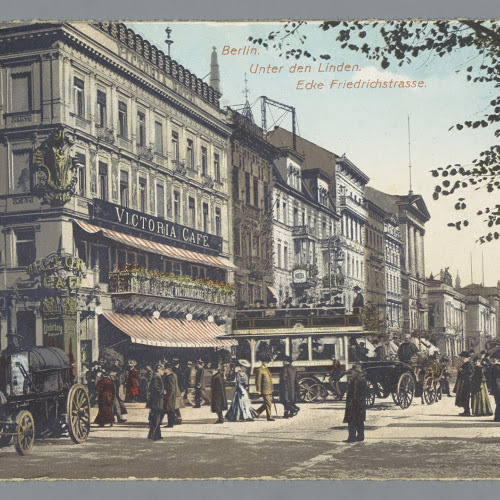
Statues beckon you from gardens and parks; still you keep on walking, giving everything a passing glance: things in motion and things fixed in place, hackney cabs indolently lumbering along, the electric tram just now starting its run, from whose windows human eyes regard you, a constable’s idiotic helmet, a person with tattered shoes and trousers, a person of no doubt erstwhile high standing who is sweeping the street in a top hat and fur coat; you glance at everything, just as you yourself are a fleeting target for all these other eyes. That is what is so miraculous about a city: that each person’s bearing and conduct vanishes among all these thousand types, that everything is observed in passing, judgments made in an instant, and forgetting a matter of course.
In this dream, everything is reduced in scale but also becomes more fearsome; faces generally bear unsettlingly fixed expressions: terribly sweet when the face is sweet and benevolent, and terribly repulsive when it’s a horror- and fear-inspiring one. In dreams we experience the ideal dramatic foreshortening. A dream’s voices possess a bewitching pliancy, its language is eloquent and at the same time well-considered; its images show us the magic of the enchanting and unforgettable because they are hyperreal, simultaneously genuine and unnatural. The hues of these images are at once sharp and soft, they cut into the eye with their sharpness like whetted knives slicing into an apple, and then are gone the next moment, so that you often – even while still in the midst of your dream – feel sorry to see certain things vanish so swiftly.
Whatever is useless yet mysteriously beautiful – that is romantic. I love to dream about such things, and, as I see it, dreaming about them is enough. Ultimately, the most romantic thing is the heart, and every sensitive person carries in himself old cities enclosed by ancient walls.

Instead of contenting myself with the lucrative, I ran after unattainable goals, which wasted a great deal of time as well as good courage. Exertions carried out in vain rendered me effectively ill. I destroyed much that I had created with great effort. The more earnestly I longed and strived to put myself on a firm footing, the more I saw myself teetering on the brink.Walser lasted until 1956 when, on a solo walk in the snow near his asylum, he had a heart attack.
"At three or four in the morning he would come home, and I would still be sitting there, enchanted by all the thoughts, all the lovely images wafting through my head; it was as if I no longer required sleep, as if thinking, writing, and waking were my lovely, restorative sleep, as if writing for hours and hours at my desk comprised my world, my pleasure, relaxation and peace."


