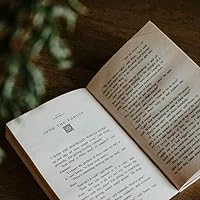
Reproduces letters written by Grahame to his four-year-old son, letters in which the author first introduced Toad, Mole, Ratty, and the other animal characters who later starred in "The Wind in the Willows"
Kenneth Grahame was a British writer. He is best remembered for the classic of children's literature The Wind in the Willows (1908). Scottish by birth, he spent most of his childhood with his grandmother in England, following the death of his mother and his father's inability to look after the children. After attending St Edward's School in Oxford, his ambition to attend university was thwarted and he joined the Bank of England, where he had a successful career. Before writing The Wind in the Willows, he published three other books: Pagan Papers (1893), The Golden Age (1895), and Dream Days (1898).
This book contains facsimiles of the complete set of letters Kenneth Grahame wrote to his absent son in the summer of 1907. These are the seed from which his book The Wind in the Willows grew. It’s said to have been published in association with Oxford’s Bodleian Library, so perhaps it accompanied an exhibition there. The book also contains illustrations from various artists that appeared in successive editions of the book, most notably Ernest Shepard and Arthur Rackham. The introduction, by playwright David Gooderson, serves as a welcome counterpoint to the idealized portrayal of father and son painted by Elspeth Grahame in First Whisper of ‘The Wind in the Willows. The marriage, apparently, was a strain on two very different personalities, the only child spoiled and given to violence, a trait ultimately turned inward when he threw himself under a train as an undergraduate. It seems that young Alistair had more than a little of Toad of Toad Hall in him, and the tales his father spun may have been meant in part as admonitory. Perhaps not for the son alone; one of the sparing but enlightening annotations to the letters suggests the story of Toad’s adventures, leading to enforced restraint imposed by his friends, can also be read as “the cry of a repressed hedonist, who in his fantasy allows his instincts to run wild, only to demonstrate, as much to himself as to others, how vital it is that reckless self-expression be reined in.” These revelations and speculations do not diminish my appreciation of Wind in the Willows at all. On the contrary, it’s a reminder that all good literature, whether aimed at adults or children, helps us grapple with the contradictory drives we find within ourselves and imagine outcomes that following one path or another might bring. I also enjoyed learning that Grahame was a meticulous prose stylist who spoke of “the pleasurable agony of attempting stately sentences” and who believed in writing for the ear. Good advice, whether your intended audience is a child or an adult. This care finds its visual correlate in the careful penmanship of the letters (although, to my eye, the script is too careful and lacking in personality).
I enjoyed revisiting one of my favorite children's books, diving into the makings of the tale. It was very interesting to see what happened behind the scenes and how this well loved story came to be. From Mouse's relationship with his dad, to the inspiration behind the Water Rat character, it felt amazing to be able to know more but also to read the actual letters. I also love the illustrations of other editions. Very light but lovely read.
Lovely photographs of the people and places in Kenneth Grahame's life. Actual photocopies of the lovely letters that became my favorite book ever. Biographical anecdotes and ephemera. A few of the various illustrations that were used for the books along the way. I'll treasure this book.
Pleasant book with little snippets of insight into the world of the author and his "Dear Mouse'.
Not as in depth as I was hoping and some of the photographs of the letters are tricky to make out.
For a more detailed history of Kenneth Grahames life and the story of poor Alistair I recommend Inventing Wonderland with a brilliant and concise chapter on their life.
Sadly not enough detail, basically just parts of the Wind in the Willows in letter form.
L'ho letto in un altra edizione non presente qui su Goordreads. Ammetto di non averlo trovato particolarmente avvincente. Non sono riuscita ad entrare bene nelle vicende e stavo per non terminarlo. Sono dispiaciuta perché era un libro su cui avevo delle aspettative molto alte.
Mole, Water Rat, Badger, and the mischievous Toad live a quiet life on banks of the River Thames with the rest of their animal friends. But Toad tends to get into trouble, and his passion for cars eventually results in his being caught and kept a helpless prisoner in the remotest dungeon of the best-guarded castle in all the land. Dressed as a washerwoman—and with some help from his friends—Toad manages to escape the castle and begins his journey home to Toad Hall. Originally published in 1908, this magnificent new edition of Kenneth Grahame’s charming tale brings the animals' adventures to life and is accompanied by more than 70 new illustrations from award-winning artist Robert Ingpen. Fans of all ages will enjoy reliving—or reading for the first time—this heartwarming story of friendship.