

What do you think?

Russian Literature and Thought Series
Маленькие трагедии
«Маленькие трагедии» Пушкина, написанные им в 1830 году в Болдино, посвящены страстям человеческим — тем страстям, что поглощают нас целиком, подчиняя себе все мысли и чувства. Каждый главный герой одержим такой страстью — будь то стяжание сокровищ, любовь, творчество или жажда бессмертия. Каждый из них — добровольный раб своей страсти, которому мало подчинить ей свое личное бытие, — он хочет подчинить ей мир.
208 pages, Paperback
First published January 1, 1830
About the author
Alexander Pushkin
2,919 books3,639 followersWorks of Russian writer Aleksandr Sergeyevich Pushkin include the verse novel
Eugene Onegin
(1831), the play
Boris Godunov
(1831), and many narrative and lyrical poems and short stories.
See also:
Russian: Александр Сергеевич Пушкин
French: Alexandre Pouchkine
Norwegian: Aleksander Pusjkin
Spanish:Aleksandr Pushkin
People consider this author the greatest poet and the founder of modern literature. Pushkin pioneered the use of vernacular speech in his poems, creating a style of storytelling—mixing drama, romance, and satire—associated ever with greatly influential later literature.
Pushkin published his first poem at the age of 15 years in 1814, and the literary establishment widely recognized him before the time of his graduation from the imperial lyceum in Tsarskoe Selo. Social reform gradually committed Pushkin, who emerged as a spokesman for literary radicals and in the early 1820s clashed with the government, which sent him into exile in southern Russia. Under the strict surveillance of government censors and unable to travel or publish at will, he wrote his most famous drama but ably published it not until years later. People published his verse serially from 1825 to 1832.
Pushkin and his wife Natalya Goncharova, whom he married in 1831, later became regulars of court society. In 1837, while falling into ever greater debt amidst rumors that his wife started conducting a scandalous affair, Pushkin challenged her alleged lover, Georges d'Anthès, to a duel. Pushkin was mortally wounded and died two days later.
Because of his liberal political views and influence on generations of Russian rebels, Pushkin was portrayed by Bolsheviks as an opponent to bourgeois literature and culture and a predecessor of Soviet literature and poetry. Tsarskoe Selo was renamed after him.
See also:
Russian: Александр Сергеевич Пушкин
French: Alexandre Pouchkine
Norwegian: Aleksander Pusjkin
Spanish:Aleksandr Pushkin
People consider this author the greatest poet and the founder of modern literature. Pushkin pioneered the use of vernacular speech in his poems, creating a style of storytelling—mixing drama, romance, and satire—associated ever with greatly influential later literature.
Pushkin published his first poem at the age of 15 years in 1814, and the literary establishment widely recognized him before the time of his graduation from the imperial lyceum in Tsarskoe Selo. Social reform gradually committed Pushkin, who emerged as a spokesman for literary radicals and in the early 1820s clashed with the government, which sent him into exile in southern Russia. Under the strict surveillance of government censors and unable to travel or publish at will, he wrote his most famous drama but ably published it not until years later. People published his verse serially from 1825 to 1832.
Pushkin and his wife Natalya Goncharova, whom he married in 1831, later became regulars of court society. In 1837, while falling into ever greater debt amidst rumors that his wife started conducting a scandalous affair, Pushkin challenged her alleged lover, Georges d'Anthès, to a duel. Pushkin was mortally wounded and died two days later.
Because of his liberal political views and influence on generations of Russian rebels, Pushkin was portrayed by Bolsheviks as an opponent to bourgeois literature and culture and a predecessor of Soviet literature and poetry. Tsarskoe Selo was renamed after him.
Ratings & Reviews
Friends & Following
Create a free account to discover what your friends think of this book!
Community Reviews
Displaying 1 - 30 of 82 reviews

December 26, 2013
Pushkin’s came to us as a new guiding light, a brilliant illumination of our dark way. In this sense Pushkin is a presage and a prophecy.
- Fyodor Dostoyevsky, Pushkin Speech (1880)
Ambition. Envy. Nostalgia. Survival.
The past was not necessarily better when human beings have maintained some particular patterns over the years. And Pushkin, an exceptional influence for the greatest writers of Russia and all over the world, shared his views on the human nature through the mastery of his poetry.
This book contains four plays in verse: “The Miserly Knight”, “Mozart and Salieri”, “The Stone Guest” and “A Feast during the Plague”. Brilliantly written, with humor and tragedy in every line, they depict situations that are not entirely uncommon for us, simple mortals, the children of dust. The essence of these plays relies on the fact that Pushkin described these situations with the art of conciseness. They are short works and therefore, difficult to perform. And still, that fascinates me. What is the point of writing plays that are so difficult to stage? The beauty of romantic irony.
Following the plays, there is a critical essay for each one. I read them, of course, but not with my full attention, honestly. I want to keep my interpretation intact. That doesn't happen with every writer. I always want to know the right interpretation, what the author really meant. With Pushkin, I don't feel like I have to know everything; just my thoughts while reading it.
I will write about two of those four plays that amazed me with both content and execution. The first verses of "The Miserly Knight" immediately reminded me of the greed that rhythmically walks among the pages of The Brothers Karamazov.
Do we really have to care about what will happen to our material things after we die? Money. Money will remain there, unless we spend it. It will not mourn us, it will not die with us.
Baron: I am a king . . . but who will follow me,
Who will take this power? My heir!
A boy who throws money around like mad,
With his hellraising friends out for a good time! (238-241)
…
Oh, if only I could hide this vault from all
Unworthy eyes! Oh, if from my grave
I could arise, a ghostly watchman,
And sit upon the chest, and guard my treasures
Against the living, as I guard them now! (270-275)
Worst of all, it gives us a false sense of omnipotence; something that, inevitably, brings a real sense of loneliness. Loud, unforgiving loneliness.
Baron: … What’s not in my power? From here,
Like a demon I can rule the world. (177-178)
There is a man whose world turns around his wealth and there is a man whose poverty does not allow him to live with dignity. That cannot end well.
Human beings feel free when they have wealth. It is the freedom of a golden cage built in a world ruled by money.
Duke: … A terrible age, terrible hearts! (381)
The second play that I will refer to is “Mozart and Salieri”.
It starts with Salieri speaking about his creative process. He dedicated himself to the study of music. Sometimes even forgetting to eat or to sleep, he obediently studied every form, every structure, every sound. He was looking at music from the coldest point of view, abandoning everything he loved. And only then, he began creating.
Salieri: … By concentrated, constant effort
Finally in the unbounded realm of art
I achieved a high place. (40-42)
I couldn't feel guilty because of this. For I do not want a high place. I write because I need to. I don't want this to be “all work and strict effort”. I couldn't do that even if I wanted to. I can't function that way. I sit and I write. And I eat and I get up. And sometimes I move on, too. I can't be a surgeon of the words. I can't dissect literature to know its every corner.
I don't own the writing process. That might be the difference between "a high place" and the little nook I chose to write my gibberish.
Moreover, some of us are even afraid of the high place. The admirable quest for it can transform the noblest genius into a contemptible envier. And all the hard work gets lost amid the implacable vapor of oblivion.
Pushkin's Salieri knows it well. He personifies the degeneration of the artist. One whose jealousy transforms him into a villain.
Mozart: He’s a genius,
Like you and me. And genius and crime
Are two things that don’t combine. Isn’t that true? (199, 201)
It is true.
So, the poet did it again.
We take a look at our lives and we often want something more. We want something different. We want magic. Sometimes, that magic can be achieved while holding a humble pen with no other intention but to empty the mind. Release it from every sorrow, every doubt and joy.
Magic.
Pushkin, the immortal sorcerer.
July 19, 14
* Also on my blog.

June 17, 2022
المسرحيات التراچيدية الصغيرة للأديب الروسي ألكسندر بوشكين
يعرض من خلالها أهواء ودوافع النفس الانسانية في أحوال مختلفة
أسلوب بوشكين شعري يتميز بدقة التصوير للأحداث والشخصيات
أجمل مسرحيتين الضيف الحجري, وموتسارت وسالييري
يعرض من خلالها أهواء ودوافع النفس الانسانية في أحوال مختلفة
أسلوب بوشكين شعري يتميز بدقة التصوير للأحداث والشخصيات
أجمل مسرحيتين الضيف الحجري, وموتسارت وسالييري

January 1, 2023
پس همان طوری که بر
هر زمستان، سخت میبستیم در
راه میبندیم بر طاعون کنون.
آتش افروزیم سخت،
لب به لب ریزیم جام،
شادمانه فرو بنشانیم عقل،
با ضیافت، شاد نوشیدن و رقص،
میشماریمش گرامی، سلطهی طاعون را.
طاعون یا هر چیز ناخوشایند و ناگواری که بر ما چیره شده، با همهی وجودمان درونش میرویم و با تمام توان میکوشیم تا شرایط را تغییر دهیم؛ اگر نشد ، آگاهانه نه منفعلانه میپذیریمش.
۱۴۰۱/۱۰/۱۱
هر زمستان، سخت میبستیم در
راه میبندیم بر طاعون کنون.
آتش افروزیم سخت،
لب به لب ریزیم جام،
شادمانه فرو بنشانیم عقل،
با ضیافت، شاد نوشیدن و رقص،
میشماریمش گرامی، سلطهی طاعون را.
طاعون یا هر چیز ناخوشایند و ناگواری که بر ما چیره شده، با همهی وجودمان درونش میرویم و با تمام توان میکوشیم تا شرایط را تغییر دهیم؛ اگر نشد ، آگاهانه نه منفعلانه میپذیریمش.
۱۴۰۱/۱۰/۱۱

January 3, 2018
ضیافت به روزگار طاعون
چون زمستان با غصب
همچو سرداری مخوف
لشکری از برف و یخ
پُر بتازاند به ما
در مصافش آتشی
می جهد از هیزمی
یا که گرمایی مهیب
می رسد از محفلی
*
ملکه ای دیوانه سر،
نام او طاعون
تاختن بر ما گرفته بی امان
شادمان نازد به خود
زانکه هستش کشتگان از حد فزون.
گورکنها روز و شب با بیلشان
زیر هر دیوار شهر
نغمه ای غمبار سر می دهند.
*
پس همان طوری که بر
هر زمستان، سخت می بستیم در
راه می بندیم بر طاعون کنون.
لب به لب ریزیم جام،
شادمانه فرو بنشانیم عقل،
با ضیافت، شاد نوشیدن و رقص،
می شماریمش گرامی، سلطه طاعون را
*
حس مستی آوری باشد به هر پیکار و رزم؛
آنگهی کاستاده ای بر پرتگاهی ژرف و شوم؛
در خروشانی اقیانوس پست،
گردِ قایق موج و توفانهای سخت،
یا که در توفان شن در سرزمین تازیان،
یا که در پیشت خرامانی این طاعون مست.
*
هرچه تهدید کند،
باشدش نیت که نابود کند، در همان دم برفروزد جوشی در قلب تو
جوششی یا لذتی
لذتی ناگفتنی:
گو نهاده ای گرو
بر حیات جاودان.
پس خوش آن کس کو تواند در میان خوف و ترس
آن گرو بشناید و بر گیردش.
*
پس ستایش بر تو ای طاعون!
ما نمی ترسیم از تاریکِ گور،
برنیاشوبیم از غوغای تو!
کف به جام آریم و سرخوش
به هر دم بوییم بی ترسی نفس از دُخت رَز،
آن که شاید خود بوَد آکنده از طاعون!
چون زمستان با غصب
همچو سرداری مخوف
لشکری از برف و یخ
پُر بتازاند به ما
در مصافش آتشی
می جهد از هیزمی
یا که گرمایی مهیب
می رسد از محفلی
*
ملکه ای دیوانه سر،
نام او طاعون
تاختن بر ما گرفته بی امان
شادمان نازد به خود
زانکه هستش کشتگان از حد فزون.
گورکنها روز و شب با بیلشان
زیر هر دیوار شهر
نغمه ای غمبار سر می دهند.
*
پس همان طوری که بر
هر زمستان، سخت می بستیم در
راه می بندیم بر طاعون کنون.
لب به لب ریزیم جام،
شادمانه فرو بنشانیم عقل،
با ضیافت، شاد نوشیدن و رقص،
می شماریمش گرامی، سلطه طاعون را
*
حس مستی آوری باشد به هر پیکار و رزم؛
آنگهی کاستاده ای بر پرتگاهی ژرف و شوم؛
در خروشانی اقیانوس پست،
گردِ قایق موج و توفانهای سخت،
یا که در توفان شن در سرزمین تازیان،
یا که در پیشت خرامانی این طاعون مست.
*
هرچه تهدید کند،
باشدش نیت که نابود کند، در همان دم برفروزد جوشی در قلب تو
جوششی یا لذتی
لذتی ناگفتنی:
گو نهاده ای گرو
بر حیات جاودان.
پس خوش آن کس کو تواند در میان خوف و ترس
آن گرو بشناید و بر گیردش.
*
پس ستایش بر تو ای طاعون!
ما نمی ترسیم از تاریکِ گور،
برنیاشوبیم از غوغای تو!
کف به جام آریم و سرخوش
به هر دم بوییم بی ترسی نفس از دُخت رَز،
آن که شاید خود بوَد آکنده از طاعون!

February 24, 2023
4 تا نمایشنامه خیلی کوتاه اما جذاب. راجع به این نمایشنامههای پوشکین هیچ اطلاعی نداشتم و یهویی شد خوندنشون.
این نمایشنامهها بیشتر نمادین و تلمیحی هستند. مثلا نمایشنامه دوم راجع به یک برش از زندگی دون ژوان بود و نمایشنامه سوم، راجع به ماجرای مسموم شدن موتسارت توسط سالییر. علارغم اینکهسبک این نوشته ها کلاسیک به نظر میرسن و محتوای آموزشی و پندآمیز طور دارند، تنه به تنه نمایشنامههای مدرن میزنن. مخصوصا نمایشنامه آخر که ترجمه ای تغییر یافته از نمایشنامه دیگهاس.
این نمایشنامهها بیشتر نمادین و تلمیحی هستند. مثلا نمایشنامه دوم راجع به یک برش از زندگی دون ژوان بود و نمایشنامه سوم، راجع به ماجرای مسموم شدن موتسارت توسط سالییر. علارغم اینکهسبک این نوشته ها کلاسیک به نظر میرسن و محتوای آموزشی و پندآمیز طور دارند، تنه به تنه نمایشنامههای مدرن میزنن. مخصوصا نمایشنامه آخر که ترجمه ای تغییر یافته از نمایشنامه دیگهاس.

August 21, 2014
I read "Mozart and Salieri" in Russian*, and considered the the Salieri film, which achieved some fame, plagiarism. Pushkin begins with Salieri's provocative monolog, 2pp, on his happiness hearing music as a child, the church organ even brought tears, then studying under "old Gluck," working very hard, enjoying his friends' advancement.
As he began writing in secret, Звуки умертвив / музыку я разъял, как труп. Killing the sound, I split open music like a corpse (39). "I was happy, until the holy gift, the deathless genius, without hard work, little paid, without feverish intent, came into the mind of a reveller who listens to fiddlers in bars. O Mozart!"
Whereupon Mozart enters, bringing the bar fiddler, but also filled with respect for Salieri, tells him he's a god, too.
Last of the four short plays, Pushkin translates from John Wilson play on plague (1816) titling his, "The Feast during the Plague," focusing on the best part of the English, and also turning Walsingham, Master of the Revels, into the hero. The main interlocutor is a priest, but at the end a woman's voice in the next room shouts, "He's crazy, he raves about burying his wife." The priest leaves the feast with Walsingham, asking God to forgive "my son."
* Bradda Books, English intro by Terras, 1966.
As he began writing in secret, Звуки умертвив / музыку я разъял, как труп. Killing the sound, I split open music like a corpse (39). "I was happy, until the holy gift, the deathless genius, without hard work, little paid, without feverish intent, came into the mind of a reveller who listens to fiddlers in bars. O Mozart!"
Whereupon Mozart enters, bringing the bar fiddler, but also filled with respect for Salieri, tells him he's a god, too.
Last of the four short plays, Pushkin translates from John Wilson play on plague (1816) titling his, "The Feast during the Plague," focusing on the best part of the English, and also turning Walsingham, Master of the Revels, into the hero. The main interlocutor is a priest, but at the end a woman's voice in the next room shouts, "He's crazy, he raves about burying his wife." The priest leaves the feast with Walsingham, asking God to forgive "my son."
* Bradda Books, English intro by Terras, 1966.

March 22, 2023
تا نمایشنامهی مهمانِ سنگی بین ۴-۵ تردید داشتم،
اما وقتی که اثر آخر (ضیافت به روزگار طاعون) رو خوندم مطمئن شدم که کاملاً ارزش ۵ رو داره، (البته به این معنی نیست سه اثر اول ارزش ۵ رو نداره)
جستارِ انتهاییِ آقای گلکار هم تو فهم بهتر ضیافت به روزگار طاعون خیلی کمک میکنه و همینجا از زحمات ایشون سپاسگذارم
نمایشنامهها بصورت ناگهانی در انتها پیام رو بهت میرسونه
یکآن شوک بزرگی رو به خواننده منتقل میکنه، طوری که بعد از خوندن هر اثر بایستی مقداری دربارهاش تفکر کرد.
همونطور که در مقدمهی مترجم اومده، پوشکین پایهگذار تئاتر نو و اصلاح کنندهی ادبیاتِ رو به افولِ روسیه بوده
به نظرم به هر ۴ اثر میتونم لقبِ ارزشمند رو بدم
اما وقتی که اثر آخر (ضیافت به روزگار طاعون) رو خوندم مطمئن شدم که کاملاً ارزش ۵ رو داره، (البته به این معنی نیست سه اثر اول ارزش ۵ رو نداره)
جستارِ انتهاییِ آقای گلکار هم تو فهم بهتر ضیافت به روزگار طاعون خیلی کمک میکنه و همینجا از زحمات ایشون سپاسگذارم
نمایشنامهها بصورت ناگهانی در انتها پیام رو بهت میرسونه
یکآن شوک بزرگی رو به خواننده منتقل میکنه، طوری که بعد از خوندن هر اثر بایستی مقداری دربارهاش تفکر کرد.
همونطور که در مقدمهی مترجم اومده، پوشکین پایهگذار تئاتر نو و اصلاح کنندهی ادبیاتِ رو به افولِ روسیه بوده
به نظرم به هر ۴ اثر میتونم لقبِ ارزشمند رو بدم

Read
May 22, 2017با هر پله ی جدید پیشرفت اندیشه و رفتار انسانی، در ابتدا حتما همچون کفر و بدعتی نامشروع برخورد می شود. جرج برنارد شاو

December 6, 2024
زمانیکه کلمه شاهکار به زبان می آوریم ناگزیر نام پوشکین را نیز در کنار آن به خاطر می آوریم،نیروی پوشکین با گذر قرن ها همچنان حیات بخش ادبیات و زبان روسی باقی مانده،پوشکین خالقی ست که هر چه بدان می پرداخته ماحصل آن بهترین نوع خود بوده و نمایشنامه هایش نیز خارج از این رویه نیست.
تراژدی های کوچک شاهکاری ست در کمال سادگی،سهل ممتنع،از آن دست آثاری که هنگام خواندنشان کلمات همچون موسیقی در ذهن جریان می یابند و جملاتی که میخوانیم را با آوای زیبایی می شنویم،در هماهنگی و هارمونی کامل،فارغ از زمان و مکان...
تراژدی های کوچک شاهکاری ست در کمال سادگی،سهل ممتنع،از آن دست آثاری که هنگام خواندنشان کلمات همچون موسیقی در ذهن جریان می یابند و جملاتی که میخوانیم را با آوای زیبایی می شنویم،در هماهنگی و هارمونی کامل،فارغ از زمان و مکان...

January 30, 2013
Песня Мери ("Пир во время чумы") из К/Ф "Маленькие трагедии"
http://www.youtube.com/watch?v=FaujPB...
Было время, процветала
В мире наша сторона:
В воскресение бывала
Церковь божия полна;
Наших деток в шумной школе
Раздавались голоса,
И сверкали в светлом поле
Серп и быстрая коса.
Ныне церковь опустела;
Школа глухо заперта;
Нива праздно перезрела;
Роща темная пуста;
И селенье, как жилище
Погорелое, стоит, —
Тихо все. Одно кладбище
Не пустеет, не молчит.
Поминутно мертвых носят,
И стенания живых
Боязливо бога просят
Упокоить души их!
Поминутно места надо,
И могилы меж собой,
Как испуганное стадо,
Жмутся тесной чередой!
Если ранняя могила
Суждена моей весне —
Ты, кого я так любила,
Чья любовь отрада мне, —
Я молю: не приближайся
К телу Дженни ты своей,
Уст умерших не касайся,
Следуй издали за ней.
И потом оставь селенье!
Уходи куда-нибудь,
Где б ты мог души мученье
Усладить и отдохнуть.
И когда зараза минет,
Посети мой бедный прах;
А Эдмонда не покинет
Дженни даже в небесах!
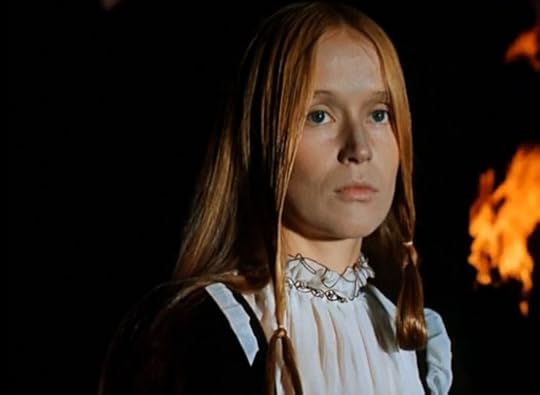
http://www.youtube.com/watch?v=FaujPB...
Было время, процветала
В мире наша сторона:
В воскресение бывала
Церковь божия полна;
Наших деток в шумной школе
Раздавались голоса,
И сверкали в светлом поле
Серп и быстрая коса.
Ныне церковь опустела;
Школа глухо заперта;
Нива праздно перезрела;
Роща темная пуста;
И селенье, как жилище
Погорелое, стоит, —
Тихо все. Одно кладбище
Не пустеет, не молчит.
Поминутно мертвых носят,
И стенания живых
Боязливо бога просят
Упокоить души их!
Поминутно места надо,
И могилы меж собой,
Как испуганное стадо,
Жмутся тесной чередой!
Если ранняя могила
Суждена моей весне —
Ты, кого я так любила,
Чья любовь отрада мне, —
Я молю: не приближайся
К телу Дженни ты своей,
Уст умерших не касайся,
Следуй издали за ней.
И потом оставь селенье!
Уходи куда-нибудь,
Где б ты мог души мученье
Усладить и отдохнуть.
И когда зараза минет,
Посети мой бедный прах;
А Эдмонда не покинет
Дженни даже в небесах!

April 19, 2020
این نمایشنامه کوچیکایی که آبتین گلکار با هرمس چاپ کرده خیلی کارای خوب و خوندنیایه؛ دریابید.

February 6, 2024
استمتعت باللغة الشعرية الجميلة التي كتبت بها هذه المسرحيات لكن لم أستمتع بالمسرحيات نفسها التي بدت غير مكتملة وغير ناضجة فالحبكة ليست مقنعة والتحولات فجائية جدا والشخصيات كانت تستطيع أن تكون أكثر تأثيرا لو منحها المؤلف الفرصة حتى الأحداث لم تكن مقنعة رغم محاولاته المضنية للحفاظ على البناء التراجيدي الشكسبيري لكن الأعمال في مجملها باهتة مع الأسف لا تملك عمق رؤية التراجيديات ... بوشكين كان أكثر توفيقا في الأجناس الأدبية الأخرى مثل الشعر والرواية والقصة القصيرة

February 23, 2025
پس همانطوری که بر
هر زمستان، سخت میبستیم در
راه میبندیم بر طاعون کنون.
آتش افروزیم سخت
لببهلب ریزیم جام،
شادمانه فروبنشانیم عقل
با ضیافت، شاد نوشیدن و رقص
میشماریمش گرامی، سلطهٔ طاعون را.
هر زمستان، سخت میبستیم در
راه میبندیم بر طاعون کنون.
آتش افروزیم سخت
لببهلب ریزیم جام،
شادمانه فروبنشانیم عقل
با ضیافت، شاد نوشیدن و رقص
میشماریمش گرامی، سلطهٔ طاعون را.

September 10, 2016
مقدمة المترجم: إدريس الملياني، مبهرة بحيث أنها تعطي معلومات واسعة عن مسرح بوشكين وتطور هذا المسرح، والمعين الذي استفاد منه بوشكين في تطوير المسرح الروسي وآرائه عن المسرح الروسي.
في هذه التراجيديات يظهر صوت الضمير الإنساني الذي يحكم الحبكة المسرحية، ففي كل واحدةٍ من هذه المسرحيات، ينحدر البطل إلى القاع بسبب ضميره الذي يعذبه في مسائل تتعلق بموقف الإنسان تجاه الشرف وتجاه معاناة الآخرين، حتى في مسرحية الضيف الحجري والذي تبرز فيه شخصية دون جوان المتهتك، ضميره يقتله في النهاية، ضميره الذي يقوده إلى موته لا نزواته، كما هو الحال مع أسطورته، وكأن بوشكين الذي كتب هذه المسرحيات بعيد انهيار الثورة الديمسبرية في روسيا يسائل المجتمع الروسي، ورغم أن هذه المسرحيات لا يمكن إلا أن تكون كوزموبوليتية لا هوية لها سوى هوية ضمير الإنسان وشرفه، ووجوب وقوفه بجانب هذا الشرف إلا أنه تقصر في حديثها عن المسائل السياسية بشكلٍ واضح، رغم أن هذه المساءلة تبدو جليةً في الحديث عن طبيعة المجتمع، وفي هجائها المستمر لطبقة النبلاء.
المسرحيات ممتعة، وتحمل رسائل مباشرة ومضمنة، وبين هذه الرسائل متعة القراءة لا تضاهى.
في هذه التراجيديات يظهر صوت الضمير الإنساني الذي يحكم الحبكة المسرحية، ففي كل واحدةٍ من هذه المسرحيات، ينحدر البطل إلى القاع بسبب ضميره الذي يعذبه في مسائل تتعلق بموقف الإنسان تجاه الشرف وتجاه معاناة الآخرين، حتى في مسرحية الضيف الحجري والذي تبرز فيه شخصية دون جوان المتهتك، ضميره يقتله في النهاية، ضميره الذي يقوده إلى موته لا نزواته، كما هو الحال مع أسطورته، وكأن بوشكين الذي كتب هذه المسرحيات بعيد انهيار الثورة الديمسبرية في روسيا يسائل المجتمع الروسي، ورغم أن هذه المسرحيات لا يمكن إلا أن تكون كوزموبوليتية لا هوية لها سوى هوية ضمير الإنسان وشرفه، ووجوب وقوفه بجانب هذا الشرف إلا أنه تقصر في حديثها عن المسائل السياسية بشكلٍ واضح، رغم أن هذه المساءلة تبدو جليةً في الحديث عن طبيعة المجتمع، وفي هجائها المستمر لطبقة النبلاء.
المسرحيات ممتعة، وتحمل رسائل مباشرة ومضمنة، وبين هذه الرسائل متعة القراءة لا تضاهى.

January 7, 2026
کشیش: بروید به خانههایتان!
رئیس: خانههای ما غمزدهاند؛ جوانی خواهان شادمانی است.
کشیش: دنبال من بیا!
رئیس: برای چه آمدهای که مرا آشفته کنی؟ نمیتوانم، نباید دنبال تو بیایم. من اسیرم؛ اسیر درماندگی و خاطرات وحشتبار، اسیر وقوف به طغیان خویش، و اسیر خلأ کُشنده که در خانهام میبینم. تو را به خدا مرا به حال خودم بگذار. راهت را بکش و برو، ولی لعنت بر کسی که به دنبال تو راهی شود!
رئیس: خانههای ما غمزدهاند؛ جوانی خواهان شادمانی است.
کشیش: دنبال من بیا!
رئیس: برای چه آمدهای که مرا آشفته کنی؟ نمیتوانم، نباید دنبال تو بیایم. من اسیرم؛ اسیر درماندگی و خاطرات وحشتبار، اسیر وقوف به طغیان خویش، و اسیر خلأ کُشنده که در خانهام میبینم. تو را به خدا مرا به حال خودم بگذار. راهت را بکش و برو، ولی لعنت بر کسی که به دنبال تو راهی شود!
June 8, 2020
Пушкин не окончил трагедию Русалка, и она заканчивается на таком клиффхэнгере, ни одному сериалу не снилось.
Русалка, Моцарт и Сальери и Скупой рыцарь мне понравились больше всего.
Русалка, Моцарт и Сальери и Скупой рыцарь мне понравились больше всего.

Read
September 14, 2011http://bookcents.blogspot.com/2011/09...
I have posted on "Mozart and Salieri" earlier:
Pushkin does a wonderful job of embodying two disparate views of art in his characters. Salieri places art on a lofty plane, able to justify murder in order to “save” it. Mozart’s quote above is in direct contrast to everything Salieri has worked for and the esteem he desires. Pushkin also pushes the idea of the sacred accessible through the profane. Salieri’s asceticism in his personal life carries over to his music. His repugnance of all things corporeal limits his reach for something higher. Mozart wallows in his humanness, enjoying life and obtaining something Salieri recognizes as divine. ... [H]ighly recommended for happy idlers.
There is a marvelous recording of the play that uses Alan's translation in a five-part YouTube series.
The other three pieces don't consistently achieve the same level as "Mozart and Salieri" but they do have plenty of enjoyable moments. "The Stone Guest" presents a version of the Don Juan legend. As Alan points out in his Afterword (an extremely helpful analysis of the stories) lust is not the driving force of Don Juan as he is "lured by the thrill of the chase" instead. Pushkin goes out of his way to highlight Don Juan's excitement in illicit pursuit. The 'stone guest' turns out to be the statue of a lover's husband who was murdered by Don Juan. Just as the statue's physique exaggerates the physical attributes of the dead husband, Don Juan's mythology has likewise grown over the years. Pushkin's enigmatic Don Juan reflects some of the expected parts of the myth but adds some interesting twists as well.
"Feast During the Plague" might be the slightest of the stories but there remains plenty to chew over regarding its meaning(s). Well-to-do city dwellers attend a feast, enjoying their apparent exemption from the death that occurs around them. Walsingham, presiding over the feast, rebukes a priest as he seems to celebrate life. His outlook, though, appears to come at a cost. Walsingham's hymn to the plague is the high point of the piece, a moving celebration of life and all it entails:
All, all that threatens to destroy
Holds for the mortal heart a joy
Of inexplicable delight,
That seems to pledge eternity;
And happy he who in his plight
Has tasted that discovery.
"The Miserly Knight" is my favorite story after "Mozart and Salieri". The humorous opening scene, focusing on the poverty of the erstwhile knight, is followed up by a wonderful scene focusing on the knight's father in his money vault. While the son debases the ideal of a knight, his father mocks it with his language. The key to a money chest is compared to a sword, where sliding it into the lock gives as much pleasure, supposedly, as a knight plunging his sword into an opponent.
Alan has put together a wonderful publication. These may not be listed as part of Pushkin's major works but the additional information and context provided by Alan elevate their enjoyment. Highly recommended.
I have posted on "Mozart and Salieri" earlier:
Pushkin does a wonderful job of embodying two disparate views of art in his characters. Salieri places art on a lofty plane, able to justify murder in order to “save” it. Mozart’s quote above is in direct contrast to everything Salieri has worked for and the esteem he desires. Pushkin also pushes the idea of the sacred accessible through the profane. Salieri’s asceticism in his personal life carries over to his music. His repugnance of all things corporeal limits his reach for something higher. Mozart wallows in his humanness, enjoying life and obtaining something Salieri recognizes as divine. ... [H]ighly recommended for happy idlers.
There is a marvelous recording of the play that uses Alan's translation in a five-part YouTube series.
The other three pieces don't consistently achieve the same level as "Mozart and Salieri" but they do have plenty of enjoyable moments. "The Stone Guest" presents a version of the Don Juan legend. As Alan points out in his Afterword (an extremely helpful analysis of the stories) lust is not the driving force of Don Juan as he is "lured by the thrill of the chase" instead. Pushkin goes out of his way to highlight Don Juan's excitement in illicit pursuit. The 'stone guest' turns out to be the statue of a lover's husband who was murdered by Don Juan. Just as the statue's physique exaggerates the physical attributes of the dead husband, Don Juan's mythology has likewise grown over the years. Pushkin's enigmatic Don Juan reflects some of the expected parts of the myth but adds some interesting twists as well.
"Feast During the Plague" might be the slightest of the stories but there remains plenty to chew over regarding its meaning(s). Well-to-do city dwellers attend a feast, enjoying their apparent exemption from the death that occurs around them. Walsingham, presiding over the feast, rebukes a priest as he seems to celebrate life. His outlook, though, appears to come at a cost. Walsingham's hymn to the plague is the high point of the piece, a moving celebration of life and all it entails:
All, all that threatens to destroy
Holds for the mortal heart a joy
Of inexplicable delight,
That seems to pledge eternity;
And happy he who in his plight
Has tasted that discovery.
"The Miserly Knight" is my favorite story after "Mozart and Salieri". The humorous opening scene, focusing on the poverty of the erstwhile knight, is followed up by a wonderful scene focusing on the knight's father in his money vault. While the son debases the ideal of a knight, his father mocks it with his language. The key to a money chest is compared to a sword, where sliding it into the lock gives as much pleasure, supposedly, as a knight plunging his sword into an opponent.
Alan has put together a wonderful publication. These may not be listed as part of Pushkin's major works but the additional information and context provided by Alan elevate their enjoyment. Highly recommended.

July 9, 2015
Written as a series, and remarkably quickly - all four completed between 23rd October and 8th November 1830 - The Little Tragedies are Shakespearian in the situations and in the aspects of human nature that they address. In her essays about the plays, Nancy K Anderson writes: "Each of the little tragedies is an examination of the type of single-minded, self-willed passion that blinds a person, so that the warnings of reason and conscience are equally powerless, and the path of self-destruction is deliberately chosen." Elsewhere she backs that with: "Each play is the story of a great and gifted figure who could avoid his own self-ruin, and who instead freely chooses it."
The length of all the plays is, however, well short of any of Shakespeare's (only 1390 lines in total) and the relative quality of the poetry, Pushkin's vs Shakespeare's, is no doubt a matter best left to their respective enthusiasts. For my part, I will say that, sadly, the product of Anderson's translation into English does not merit comparison with Shakespeare or any major English poet.
That is a pity, for in moments such as : "Your imagination/will fill in all the blank spots in a minute. It works faster than a portrait painter." Taken from The Stone Guest and speaking of Don Juan with reference to an attractive woman, we certainly get a welcome glimpse of the authentic Pushkin.
Anderson's use (twice) of the term "skirt-chaser" jars. (It is anachronistic in the late medieval contexts of The Miserly Knight and of The Stone Guest and has now again become very dated.
The length of all the plays is, however, well short of any of Shakespeare's (only 1390 lines in total) and the relative quality of the poetry, Pushkin's vs Shakespeare's, is no doubt a matter best left to their respective enthusiasts. For my part, I will say that, sadly, the product of Anderson's translation into English does not merit comparison with Shakespeare or any major English poet.
That is a pity, for in moments such as : "Your imagination/will fill in all the blank spots in a minute. It works faster than a portrait painter." Taken from The Stone Guest and speaking of Don Juan with reference to an attractive woman, we certainly get a welcome glimpse of the authentic Pushkin.
Anderson's use (twice) of the term "skirt-chaser" jars. (It is anachronistic in the late medieval contexts of The Miserly Knight and of The Stone Guest and has now again become very dated.
July 20, 2016
أربع مسرحيات شعرية كتبها بوشكين بالخريف يلي قضاه في قريته "بولدينو" بحيث اهتم بالمآسي التي تسببها الأهواء البشرية والانصياع لها من بخل وشهوة وحسد وأنانية وهي
1- الفارس البخيل : تتحدث عن فارس يقع بين يدي المرابين نتيجة لبخل والده الذي يكتنز المال في قبوه غير عابئ بابنه بالرغم من أن ضميره أحياناً ينخزه لما يفعله بابنه وبالناس لكن حبه لجمع المال أكبر من أي عاطفة
2- موزارت وساليري : يكون مووارت صديق ساليري ويشاركه مقطوعاته وليالي السمر لكن ساليري يصاب بالحسد من عبقرية موزارت مما يدفعه لتسميمه وللشك في عبقريته بعد أن سمم صديقه إذ يكرر كلمات موزارت قبل موته " العبقرية والشر لايجتمعان "
3-الضيف الحجري : تحكي قصة دون جوان الذي يغوي الجميلات وينحدر في شهوته لدرجة إغواء أرملة الرجل الذي قتله والسخرية من تمثاله بدعوته لمشاهدة لقاءه مع أرملته ويلبي التمثال الدعوة ويقضي على دون جوان !
4- مأدبة في زمن الطاعون : يجتمع الأصحاب يغنون ويسهرون ساخرين من الطاعون الذي يملأ المقابر بالجثث وحين يأتي الراهب لينصحهم بأن يخفضوا أغانيهم واحتفالاتهم ويحترموا الموت والأموات يطلب منه رئيس المأدبة الرحيل لكنه يستغرق بتفكير عميق ترى كيف سنجابه الموت ؟ !
كتاب مميز لا يعطي نصائح أو حلول بل يطرح القضية بطريقة تصويرية مع نتائجها
1- الفارس البخيل : تتحدث عن فارس يقع بين يدي المرابين نتيجة لبخل والده الذي يكتنز المال في قبوه غير عابئ بابنه بالرغم من أن ضميره أحياناً ينخزه لما يفعله بابنه وبالناس لكن حبه لجمع المال أكبر من أي عاطفة
2- موزارت وساليري : يكون مووارت صديق ساليري ويشاركه مقطوعاته وليالي السمر لكن ساليري يصاب بالحسد من عبقرية موزارت مما يدفعه لتسميمه وللشك في عبقريته بعد أن سمم صديقه إذ يكرر كلمات موزارت قبل موته " العبقرية والشر لايجتمعان "
3-الضيف الحجري : تحكي قصة دون جوان الذي يغوي الجميلات وينحدر في شهوته لدرجة إغواء أرملة الرجل الذي قتله والسخرية من تمثاله بدعوته لمشاهدة لقاءه مع أرملته ويلبي التمثال الدعوة ويقضي على دون جوان !
4- مأدبة في زمن الطاعون : يجتمع الأصحاب يغنون ويسهرون ساخرين من الطاعون الذي يملأ المقابر بالجثث وحين يأتي الراهب لينصحهم بأن يخفضوا أغانيهم واحتفالاتهم ويحترموا الموت والأموات يطلب منه رئيس المأدبة الرحيل لكنه يستغرق بتفكير عميق ترى كيف سنجابه الموت ؟ !
كتاب مميز لا يعطي نصائح أو حلول بل يطرح القضية بطريقة تصويرية مع نتائجها

February 23, 2011
If geniality's bloodline indeed exists
- I would prefer it to Christ's "Rex Deus"
For having Pushkin, Alexander on the list,
As well as having there name of Mozart, Amadeus
1. Memorable 5
2. Social Relevance 4
3. Informative 2
4. Originality 5
5. Thought Provoking 5
6. Expressiveness 5
7. Entertaining 5
8. Visualization 4
9. Sparks Emotion 5
10. Life Changing (Pivotal, crucial, determining, defining, momentous, fateful, consequential, climacteric, transformational) 1
5, 4, 2, 5, 5, 5, 5, 4, 5, 1 ====> 41/10 = 4.1
http://www.goodreads.com/poll/show/51...
Pushkin via Mozart (in "Mozart and Salieri" / "Моцарт и Сальери") stated that "Гений и злодейтво несовместны" ("To be a Genius and yet be capable of conducting evil acts is impossibleble")
Do we agree ?
- I would prefer it to Christ's "Rex Deus"
For having Pushkin, Alexander on the list,
As well as having there name of Mozart, Amadeus
1. Memorable 5
2. Social Relevance 4
3. Informative 2
4. Originality 5
5. Thought Provoking 5
6. Expressiveness 5
7. Entertaining 5
8. Visualization 4
9. Sparks Emotion 5
10. Life Changing (Pivotal, crucial, determining, defining, momentous, fateful, consequential, climacteric, transformational) 1
5, 4, 2, 5, 5, 5, 5, 4, 5, 1 ====> 41/10 = 4.1
http://www.goodreads.com/poll/show/51...
Pushkin via Mozart (in "Mozart and Salieri" / "Моцарт и Сальери") stated that "Гений и злодейтво несовместны" ("To be a Genius and yet be capable of conducting evil acts is impossibleble")
Do we agree ?

March 22, 2024
آن سرخوشی را که تو برسطح نظارهگری، مرثیهای است مذبوحانه بر سقوطی که دیگر چارهای بر آن نیست.
سرخوشی مضمحلانه شاید همین تصویر فکور رئیس در صحنهی آخر ضیافت طاعون باشد، آنجا که سرخوشی نه از سر بیخیالی و کمعقلی که از سر منتهای آگاهی است در مبتنای سقوط و افولی که حتمیت یافته و هیچ راه بازگشتی بر آن نیست، پس قصد میکنی ترانهای در مدح طاعون بسرایی، پایبکوبی و امتناع ورزی از مواجهه با گذشته و ملامتهایش.
سرخوشی مضمحلانه شاید همین تصویر فکور رئیس در صحنهی آخر ضیافت طاعون باشد، آنجا که سرخوشی نه از سر بیخیالی و کمعقلی که از سر منتهای آگاهی است در مبتنای سقوط و افولی که حتمیت یافته و هیچ راه بازگشتی بر آن نیست، پس قصد میکنی ترانهای در مدح طاعون بسرایی، پایبکوبی و امتناع ورزی از مواجهه با گذشته و ملامتهایش.

November 23, 2016
I knew Pushkin was a genius but this really is more than I could imagine. The best mini-play in this group is Mozart and Salieri. If you've seen the movie Amadeus, that movie is based on Pushkin's play. What an amazing find. I did not know of this connection previously: it's delicious! Thank you Aleksandr!
December 27, 2023
راستی که پوشکین در یک سطح دیگر است. شاهکارهایی اند. چرا زودتر نخواندم، نمی دانم. گرچه تبدیل شعر به نثر را چندان نمی پسندم اما با برگردان آبتین گلکار راستی که خوب از آب درآمده است و صد البته آن جستار پایانی اش.

March 28, 2008
"Who knows the count of days we do not own?"

July 9, 2014
Four classic short pieces by Alexander Pushkin.

February 28, 2026
las cuatro obras de teatro que componen el libro están narradas en un estilo ágil y vigoroso y sus personajes, antihéroes o pillos poseen una vitalidad incluso en el engaño, por ejemplo Salieri tramando la muerte de Mozart, aunque orientado por una envidia singular contra quien ve como el más grande, lo asola el impulso de estar obrando en favor de una causa pura, que no descanse el peso del arte solo sobre una persona. Creo que incluso suponiendo falsa la motivación de Salieri, se muestra como un argumento potente y trágico, es ello mismo lo que rodea a este antihéroe de un halo de desespero, injusticia que cree que lo rodea, pues él, que lo ha intentado tan fuerte, para alcanzar la técnica, se ve apartado del camino del genio. Así mismo, los demás personajes de las obras, no dejan de poseer o actuar a través de lógicas que los confrontan con temas universales, muerte, amor, traición, etc.

July 4, 2026
Micile tragedii, prima de la Aleksandr Puskin, a 8-a din 2026
Conceputa in 1825.
Prima oara cand interactionez cu Aleksandr Puskin.
Nu am respirat!!
Viu in plina viata!
Viu in plina moarte!
Pare asa usor sa scrii cand citesti aceasta carte.
Pare pentru oricine scrisul.
Geniu liber!
Simplitatea absoluta.
Un geniu este cel care spune totul folosind cuvinte simple.
Aleksandr Puskin!
Incantat!!
“Suntem niste pigmei in comparatie cu Puskin. Nu mai exista printre noi un asemenea geniu. Ce frumusete, ce vigoare are fantezia lui!” - Feodor Dostoievski
Conceputa in 1825.
Prima oara cand interactionez cu Aleksandr Puskin.
Nu am respirat!!
Viu in plina viata!
Viu in plina moarte!
Pare asa usor sa scrii cand citesti aceasta carte.
Pare pentru oricine scrisul.
Geniu liber!
Simplitatea absoluta.
Un geniu este cel care spune totul folosind cuvinte simple.
Aleksandr Puskin!
Incantat!!
“Suntem niste pigmei in comparatie cu Puskin. Nu mai exista printre noi un asemenea geniu. Ce frumusete, ce vigoare are fantezia lui!” - Feodor Dostoievski

November 11, 2020
Four very short plays by Pushkin written in 1830, in a new verse translation by Alan Shaw. The four were "The Miserly Knight", "Mozart and Salieri" (which was a source of Amadeus), "The Stone Guest" (Don Juan) and "Feast During Time of Plague." The characters were interesting, but I don't think it is really possible to appreciate works like this in a translation, however accurate it may be. I wish I knew Russian.
May 8, 2025
Pushkin has an annoying habit of putting fully-fledged characters against characters which are merely stand-ins for symbols. More importantly, those he does flesh out are so beautifully human, quickly becoming one of my favorite writers through his short stories.
November 25, 2021
پس ستایش بر تو ای طاعون!
ما نمی ترسیم از تاریک گور،
برنیاشوبیم از غوغای تو!
کف به جام آریم و سرخوش
به هر دم بوییم بی ترسی نفس از دخت رز،
آن که شاید...
آن که شاید خود بود آکنده از طاعون!
تراژدی های کوچک شامل چهار نمایشنامه کوتاه مستقل است:
شوالیه آزمند/موتسارت و سالی بری/مهمان سنگی/ضیافت به روزگار طاعون
ما نمی ترسیم از تاریک گور،
برنیاشوبیم از غوغای تو!
کف به جام آریم و سرخوش
به هر دم بوییم بی ترسی نفس از دخت رز،
آن که شاید...
آن که شاید خود بود آکنده از طاعون!
تراژدی های کوچک شامل چهار نمایشنامه کوتاه مستقل است:
شوالیه آزمند/موتسارت و سالی بری/مهمان سنگی/ضیافت به روزگار طاعون
Displaying 1 - 30 of 82 reviews