Jump to ratings and reviews
Rate this book

Factory Series #4

Il mio nome era Dora Suarez

Rate this book

An ax-wielding psychopath cares young Dora Suarez into pieces. On the same night in London, a firearm blows the top off the head of Felix Roatta, part-owner of the seedy Parallel Club. The unnamed narrator, a police sergeant, becomes fixated on Dora and is determined to solve her murder. Then a photo links Suarez to Roatta, and inquiries at the club reveal how vile and inhuman exploitation can become.

Derek Raymond’s real name was Robin Cook. He died in London in 1994.

224 pages, Paperback

First published January 1, 1990

36 people are currently reading
1151 people want to read

About the author

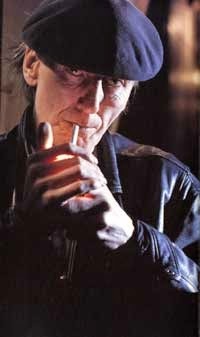
Derek Raymond

19 books138 followers
Aka Robin Cook.

Pen name for Robert William Arthur Cook. Born into privilege, Raymond attended Eton before completing his National Service. Raymond moved to France in the 50's before eventually returning to London in the 60's. His first book, 'Crust on its Uppers,' released in 1962 under his real name, was well-received but brought few sales. Moving through Italy he abandoned writing before returning to London. In 1984 he released the first of the Factory Series, 'He Died With His Eyes Open' under the name Derek Raymond. Following 'The Devil's Home On Leave' and 'How The Dead Live' he released his major work 'I Was Dora Suarez' in 1990. His memoirs were released as 'The Hidden Files'.

Ratings & Reviews

What do you think?
Rate this book

Friends & Following

Create a free account to discover what your friends think of this book!

Community Reviews

5 stars
229 (29%)
4 stars
265 (34%)
3 stars
176 (22%)
2 stars
79 (10%)
1 star
24 (3%)
Displaying 1 - 30 of 116 reviews
Profile Image for Orsodimondo.
2,459 reviews2,432 followers
May 22, 2022
IL PASTO NUDO

description
Compassióne s. f. [dal lat. tardo compassio –onis der. di compăti ‘compatire’, per calco del gr. συμπάϑεια]. – 1. Sentimento di pietà verso chi è infelice, verso i suoi dolori, le sue disgrazie, i suoi difetti; partecipazione alle sofferenze altrui. 2. In senso più prossimo all’etimologia, il patire insieme.

Non avrei mai creato personaggi tormentati o malvagi nei miei libri se non avessi dovuto io stesso lottare contro il male.
L’opera di Derek Raymond è come il lavoro in miniera: ci si sporca, non solo le mani - per scrivere di assassini bassifondi delitti soprusi povertà….ha conosciuto, vissuto, frequentato assassini bassifondi delitti soprusi povertà…
(Da qui si capisce bene il suo odio per Agatha Christie.)

Di lui si dice che dopo aver lasciato il castello di famiglia nel Kent, e quindi anche i soldi di famiglia, si dedicò ai viaggi, facendo il contrabbandiere di quadri in Olanda, riciclando auto rubate in Spagna, dove fu incarcerato per aver inveito contro il caudillo, vignaiolo in Toscana (in un paesino che pare si autoproclamò repubblica anarchica nominandolo ministro degli Esteri e delle Finanze), trafficante di materiale porno in Marocco (?!?!), tassista a New York, socio in affari di un partner dei fratelli Krays a Londra (si veda il recente film Legend, ma molto meglio il precedente del 1990, The Krays), poi furti d’opere d’arte e frodi assicurative…
A trent’anni decide che ha conosciuto abbastanza crimine per cominciare a raccontarlo.

description

Questo è da tutti considerato il suo capolavoro.

I suoi poliziotti parlano in modo che può ricordare l’hard boiled, indulgono nel wisecrack.
Ma ritengo sia solo per mascherare il loro disagio, sono personaggi dotati di forte compassione ed empatia, non fanno differenza tra pietà, amore e giustizia.
Per esempio, il sergente che indaga, e racconta, piange di fronte alla scena del delitto e si china a baciare i capelli della vittima, piange nel sonno…
E dice che il lavoro in polizia significa vedere tutto quello che nessuno vede mai: la violenza, la sofferenza e la disperazione, l’incommensurabile lontananza della mente di un essere umano che, tra i suoi sogni e la sua morte, non conosce altro che il dolore..

description
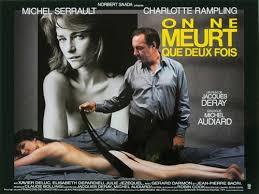
On ne meurt que deux fois, anche noto col titolo di Shocking Love, è un film del 1985 diretto da Jacques Deray, con Michel Serrault e Charlotte Rampling, lei perfetta, lui bravo ma poco in parte, e insieme coppia senza giusta alchimia

Con Raymond siamo altrove rispetto al noir classico, rispetto all’hard boiled, rispetto al genere canonico.
Definirlo noirista è riduttivo, Raymond si muove in un altro territorio rispetto ai maestri Chandler e Hammett.
Forse un pelo più vicino a Thompson.
E a Goodis.
Un po’ più prossimo a Woolrich.
Ma sempre altrove.
Lontanissimo da quegli sconfinamenti ed esperimenti nel genere di scrittori ‘alti’ – vedi Inherent Vice di Pynchon o Night Train di Amis.
Lontano da Vian sotto l’alias di Vernon Sullivan.
Le parentele più prossime che mi vengono in mente per umore e tono sono Céline, se avesse deciso di scrivere un noir e si fosse dimenticato la sua affilata ironia, e William Burroughs, che fu vicino di camera di Robert William Arthur Cook, alias Derek Raymond, al Beat Hotel di Parigi durante gli anni Cinquanta.

description
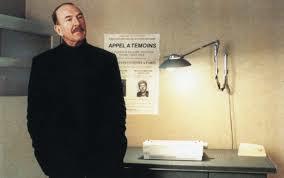
Jean-Pierre Marielle in Les mois d'avril sont meurtriers del 1987

Per il sergente investigatore protagonista, e probabilmente per lo stesso Cook/Raymond, il desiderio di giustizia diventa necessità di vendetta.

È magistrale il primo lungo capitolo, la lunga introduzione che gioca sul punto di vista, quello dell’assassino e quello dell’investigatore, ma forse soprattutto quello terzo del narratore.

La disperazione è una malattia mortale.
E le domande più semplici sono quelle senza risposta.

description

L’assassino sapeva che adesso se ne doveva andare, solo non riusciva a prendere la decisione; d’altronde come poteva voltare le spalle a una simile orgia di sangue fresco con la stessa indifferenza di uno che rifiuta una birra? Ai suoi occhi la scena, i brandelli di carne, il sangue sparso ovunque, presentava la solennità di un matrimonio appena celebrato. Lui, lo sposo, aveva appena bevuto il sangue, secondo il rito, ci aveva sguazzato e si era masturbato nei pezzi di carne calda, in modo da possederla finalmente; e come poteva abbandonare la sua sposa così, era un vero e proprio insulto!

description

La verità è che si sentiva frustrato e ingannato. Nella vita non aveva avuto altri desideri al di fuori di ciò che faceva ogni volta: tagliare la testa della ragazza in un colpo solo, metterla nella borsa e tornarsene a College Hill. A casa l’avrebbe posta sul pavimento, sopra un piatto, girata verso di lui, come tutte le altre, così che potesse osservarlo mentre si puniva.

A volte mi sento così oppresso dal male che mi sembra che potrei impazzire come mia moglie. Non è solo il terrore che mi infliggono le circostanze di un omicidio, ma l’inutile agonia che minaccia e colpisce i superstiti: ecco la mia tristezza.

description
Derek Raymond, pseudonimo di Robert William Arthur Cook (1931- 1994).
Profile Image for Still.
642 reviews118 followers
April 11, 2024
By examining other people’s lives and deaths I am half consciously showing myself how to approach my own. - Derek Raymond


Extremely harrowing read.
Possibly the best in the five-entry “Factory Series".

For all that's righteous - please read this novel.
But read the 1st 3 entries in the “The Factory” series first.


Having been called back to A14 by the Deputy Commander known only as “the voice” but never actually seen by the DS in the entire series, the always nameless Detective Sergeant finds himself dropped in the middle of what will become the most heinous case in his entire career.

This case –what starts out as the investigation into a double homicide- is deemed unsolvable by Serious Crimes so the Unsolved Crimes Department, or A14, is handed the case.

Due to the complicated nature of the murders the Detective Sergeant having been suspended for over a year following a violent incident of insubordination that occurs in the previous novel has been brought back to A14 and given this particular case to solve.

The crimes described in this book are horrifyingly depraved.
It is the blackest, most hopeless case the Unnamed Detective Sergeant has yet been assigned.

As in the previous entries much space is given over to the Detective Sergeant to ruminate, to ponder the end of all in this world that is righteous and just.

It is a grim black masterpiece of horror and terror.

I wondered (and still wonder) how much the views expressed by the unnamed Detective Sergeant were in reality the author Derek Raymond’s own.

Did society in reality disgust him as much as it disgusted his unnamed Detective Sergeant?

Had Derek Raymond/Robin Cook finally become so filled with hatred of the mid-to-late 1980s reign of Margaret Thatcher in Great Britain that he purged the poisonous despair from his own heart into his art?

In the writing of The Factory Series was Derek Raymond performing a sort of modern day exorcism in an attempt to return to Great Britain the glory of the self-less British people of the 1930s & 1940s who so valiantly fought to prevail against the mass destruction of the aerial assaults and murder of civilians that occurred during the Nazi blitz?

Those special and in many cases the unlikeliest of heroes who risked their lives and lost them by selflessly throwing themselves into gas-filled collapsed buildings in frantic searches for strangers still trapped beneath the brick and mortar and steel and concrete in order to save lives and in so doing claimed small victories?

Maybe I’ve lost my way in this series.
Maybe it’s really just a superb five-novel crime-thriller series.

Whatever the case, this just happens to be the finest novel Derek Raymond ever wrote.


It was a long time before I could make myself look closely into [Dora's] ruined face with the terrible hacks, gashes, bruising and broken bone on its bad side. I wouldn’t do it until I was alone, and yet to be alone with her was really worse to begin with, because I was afraid that I might get so far out of touch by looking at her that I might never get back; I was as frightened to look at her as I would be to drown.

And yet I found, far from being afraid when I did look into her face, that I was in tears. The good side of it, except for one smear of blood down her cheek, was intact. The axe had struck her across, and then down the face, the bad side. Her eyes were not damaged; they were black, ironic and three-quarters open – blind almonds turned in towards a high ceiling with the sly pointlessness of the dead.

(Page 43)


To work in A14 is to see everything that no one ever sees: the violence, misery and despair, the immeasurable distance in the mind of a human being that knows nothing but suffering between its dreams and its death.

Every death I have ever seen in my work – in bars, at the edge of motorways, in filthy rooms, suicides, people who have thrown themselves from high buildings, under cars, buses, or the underground, are all for me casualties on a single front. Each to me, even some killers, have been men or women deprived of any reason for going on – children even, sometimes –and one bright desperate day they awake and say to themselves, “I’ll end it”, and they write themselves off in one single stroke of negative, savage joy, since, there was nobody to meet them at the station.

Then afterwards, the ravens, the vultures and the vampires that had been into them come to us to claim or complain over their now irrecoverable debt in the bloody, silent field, while the government, trailing the press after it like a shabby skirt stalks off to dine, wonders if it is still popular.

But for me the front is the street, and I am forced to see it every day.

I see it, eat it, sleep and dream the street, am the street. I groan in its violent dreams, see it under the rain, and in the sun, the hurrying people on it, killers as well as victims, flying past absorbed as if they were praying.
The way I am, I sense tears as well as hear them.

Dead people are very clean, too clean. They have been purged, white and even as the light on snow, but why? Where’s the justice in it? That’s what I want to know.

(Page 129-130)


Like Socrates, I think that all men must be just towards their own code if they are going to be at all, because in the end one code is all the codes, given that one is a just man.

(Pages 132-133)


By examining other people’s lives and deaths I am half consciously showing myself how to approach my own.
Strip horror; face it naked.
Don’t hide or run, and then the good will come, even if it has to go through hell to find you.
“There ought to be a law that made murder impossible”, I said. “but there isn’t, so I’m filling the gap until there is”.

(Page 170)


If you want to deal with evil, you must live with it and know it. In my work you have no chance at all of beating what you don’t know, whose language you can’t speak; the margin is very tight, and the risk of being corrupted accordingly very near.

I loved Dora, not only because I found her beautiful for me, but also because I felt so ashamed that we should have allowed her to fall so far.

…For the span of my own lifetime I would always arrive too late, but I felt I must try to look forward to a day when that would all be altered, so that we would no longer only be able to obtain justice for people after they were dead. I know that if it were for me ever to command anything, I would have a centre where people frightened for their lives could come and be seriously listened to, their fears sifted, analysed and acted upon, and not just be told to fuck off and stop wasting police time.

(Pages 192-193)
Profile Image for Tony Vacation.
423 reviews343 followers
June 13, 2015
With one of the most hardcore opening chapters of any murder mystery I have ever read, I Was Dora Suarez is a disturbingly brilliant novel, and the strongest entry into Derek Raymond's Factory series since the soul-gutting first novel, He Died With His Eyes Open. In one night, an elderly woman is smashed face-first through a grandfather clock, a slimy club owner has most of his head painted across a wall and a mysterious beauty named Dora Suarez is mutilated and then molested by an insane axe-murderer. Yanked out of suspension by his higher-ups, the Unnamed Detective is ordered to dive headfirst into this orgy of violence. And as he wades his way through all the gore, UD becomes more and more certain that all three atrocities were committed by the same madman. An autopsy and the obsessive reading of Dora's diary reveals that not only was she dying of AIDS but that she may have been in love with the psychopath who ended her already terminally short life. Soon the UD finds himself investigating a seedy nightclub that housed acts of inhuman depravity, and what may be the link which tied Dora to her killer.

Legend says this novel was rejected by its first publisher who vomited upon reading the aforementioned, notorious opening chapter, and admittedly I Was Dora Suarez is not a novel many readers will enjoy. Raymond is unrelenting with his depictions of vileness, and the mercifully few chapters told from the killer's point of view are acts of linguistic and scatological extravagance. But what keeps this from being an exercise in shock value and the durability of one's gag reflex is the depth of pain UD feels for Dora Suarez. Her writings take on the weight of scripture as UD slowly realizes that he is profoundly in love with the woman who once was Dora Suarez. It's this which keeps the UD from being an almost cartoonish mouthpiece for Raymond's own particular brand of nihilism. The deep woe he feels for the unfairness of her suffering is harrowing to read. Add in an unforgettably disgusting wretch for a villain, and you have what will probably go down as the blackest of all noirs. But for all the filth, cruelty, violence and greed which permeates through every page, I Was Dora Suarez isn't a hearltess read. What it is is a troubling investigation into love, suffering and the strangeness of mercy.
Profile Image for Angel Manzano.
14 reviews3 followers
March 3, 2023
Got this book on a whim on the cheap in a local book sale. Didn't knew it was a part of a series, and the 4th one in that which turns out it was among his well known books. But plowing through the whole thing, I can safely say that it can be read as a standalone. There are loose plot thread/context that you just don’t get an obvious answer to but none that I could say diminish the story at all.

The novel follows a nameless Detective Sergeant after a long absent from field duty and was given the task to solve the murder of Dora Suarez, a call girl and her land lady.

Derek Raymond is Raymond Chandler but bleaker. There's more to it than just the main character's cynicism or the rain-filled location and sketchy characters we met along the way. The man suffocates you with the moody atmosphere of the UK in the era through the description of the area and its people. An era so entrenched with Thatcherism; Where the police are part of the upper class citizen that crime such as that of the aforementioned Dora Suarez, a call girl, was something that they aren’t willing to be entangled with, thus the case was given to A14 - The Department of Unexplained death but really, this unit is the dumping ground for cases of the unsavory fringe of society.

He produced a big 9mm Quickhammer automatic with the tired ease of a conjurer showing off to a few girls and shlacked one into the chamber. He told Roatta: ‘Now I want you nice and still while all this is going on, Felix, because you’re going to make a terrible lot of mess.’


To go along with UK from the 80s is the thinly veil of misogynistic that are perceive by both the killer and his obsession of her and that obsession was later on picked up by the nameless DS who’s anger was fueled by a mental image he created of her. Under the philosophical monologue and slang heavy snappy dialogue is a discussion of AIDS and the AIDS pandemic of the 80s that attached itself with the thinly veil of misogynistic tone of UK’s 80s society that are deeply divided by the societal class.

I thought as I drove that even though I was too late to save her, if I could solve her death, I might make some contribution to the coming of a time when such a horror would no longer be possible, a time when society would no longer throw up monsters.

This is noir, written beautifully bleak and nihilistic that stands in the middle of Raymond Chandler and James Ellory - not as eloquent nor is it as truncated but a perfect marriage in the middle. It examine the horror under the surface of society, and a condemnation of the society which permits that horror.
Profile Image for Toby.
861 reviews375 followers
January 28, 2015
I'd forgotten just how angry and exagerratedly single minded Derek Raymond's protagonist in The Factory series had become by the end of the third book. His recall to active duty at the Unsolved Murders Squad in this book that seems to be routinely referred to as his masterpiece only finds him angrier and more obsessed than ever before. The decidedly gruesome opening chapter as the serial killer goes to work on the titular victim with an axe could be enough to put most readers off of their dinner for a week let alone finishing the book and the rest of the text is littered with comparably disturbing imagery, but it is the circuituous questioning of suspects in an ever increasing tirade of over the top theatrical venom seemingly performed for the people in the cheap seats that really just drove me to distraction. I don't mind overt socio-political statements from my noir, infact Raymond has previously excelled at such things, but this time it was all a bit too much. Thatcher's Britain, AIDS, 80s greed, lack of consideration for your neighbour etc etc is all boiled down in to the voice of an angry, unforgiving, holier than thou thug of a policeman whose only saving grace is that he truly believes in seeing justice done for the victims of the crimes he must investigate.
Profile Image for Effie Saxioni.
725 reviews138 followers
October 22, 2023
Κάθε φορά που θα διαβάζω ότι ο Derek Raymond είναι ο νονός του βρετανικού νουάρ-κάθε φορά όμως-θα σκέφτομαι ταυτόχρονα ότι και τρίτος μπατζανάκης του να ήταν δεν θα έκανε καμία διαφορά, διότι ο άνθρωπος έχει γράψει αριστουργήματα. Στην υπόθεση Κάρστερς-Σουάρεζ η αφήγηση δείχνει να κάνει κύκλους προς τα μέσα, να οδηγεί από το γεγονός της δολοφονίας προς την ιδιοσυγκρασία και την ψυχή του επιθεωρητή, και αυτό κάνει το Ήμουν η Ντόρα Σουάρεζ μοναδικό, με τον ίδιο τρόπο που ήταν μοναδικό και το Πέθανε με τα μάτια ανοιχτά. Σκληρό και βίαιο και αποτρόπαιο,προτείνεται αυστηρά στους λάτρεις του είδους- ξέρετε ποιοι είστε 😁
5/5 ⭐
Profile Image for Anina e gambette di pollo.
78 reviews33 followers
March 5, 2018
Romanzo nero.
Però ... ne ho letti diversi (anche francesi e ovviamente americani), ma l'unico che mi viene in mente è Quel pasticciaccio brutto de Via Merulana. Solo per un particolare ... l'occhio pieno di triste pieta' del commissario nel vedere la vittima.

Già Derek si pone sempre dalla parte della vittima, di chi ha perso la battaglia, ma qui in modo particolare ogni ferita, ogni sevizia (e sono infinite) inflitta dagli uomini a Dora suscita nel sergente l'infinita pietà di un'innocenza perduta, di una bellezza che nessuno ha protetto, del male che dirompe nel mondo senza freni.

Il trovare il colpevole, solo uno per l'atto finale, infiniti per tutta la vita di Dora, è una necessità dell'uomo più che del sergente di polizia. Necessità che non quieterà nulla nel suo animo.
Dora (e mille altre come lei) è perduta per sempre.


PS del 5.3.2018 Inserito con piacere. Così lo ritrovo in compagnia di altri che lo hanno apprezzato.
Profile Image for  amapola.
282 reviews32 followers
May 15, 2019
”Che la pietà non vi rimanga in tasca”

Dora Suarez è ancora viva, giace immobile in una pozza di sangue sul pavimento di una vecchia stanza gelata. Il suo assassino non ha ancora finito, ne contempla il corpo martoriato, la spia, le bacia le ferite, gode il frutto marcio della sua ossessione.
Il quarto capitolo della saga della Factory è un viaggio nella follia di un serial killer che espia il massacro delle proprie vittime infliggendosi punizioni bestiali, cruente.
Il “Sergente senza nome” non ha indizi sul perché l’assassino si sia accanito proprio su Dora Suarez, solo un diario, pagine che raccontano la storia di una bellezza che non ha trovato protezione. Ma quelle pagine sono una mappa preziosa, lo specchio di una vita così brutalmente annientata che grida una sola parola: vendetta. Perché Dora ormai gli è entrata nelle ossa come il più impossibile degli amori.
Derek Raymond ci precipita in un incubo, in un abisso di dolore, mentre la passione per una donna è l’unica tenue luce che guida verso brandelli di giustizia. E di pietà.

https://youtu.be/xxo4vClmvrQ

“Mettete a nudo l'orrore; affrontatelo senza difese. Non nascondetevi, non fuggite, e troverete la pietà, anche se ha dovuto attraversare l'inferno”.

Profile Image for Nancy Oakes.
2,019 reviews917 followers
May 22, 2018
I loved this book, as sick as it sounds (and is in some parts); it is, like his other novels in this series, so dark, so sad, so tragic, but I really do believe that Raymond excels here. Some of the best writing across the five Factory novels is found in this one book, but beware -- it will most definitely take a toll as you read.

http://www.crimesegments.com/2018/05/...
Profile Image for Nigeyb.
1,476 reviews404 followers
March 31, 2016
"I Was Dora Suarez” is the fourth book in Derek Raymond's Factory series.

The Factory novels, nominal police procedurals are narrated by an unnamed protagonist, a sergeant at London's Metropolitan Police Department of Unexplained Deaths, also known as A14. A14 handles the lowlife murders which are in stark contrast to the headline-grabbing homicides handled by the prestigious Serious Crimes Division, better known as Scotland Yard.

After the relatively pedestrian third Factory novel, How the Dead Live (still good mind), I have the impression that Derek Raymond was trying to get the series back on track.

I Was Dora Suarez opens with a very grisly pair of murders that could put off many people, however the murders serve to inform the righteousness of the sergeant’s unorthodox, avenging, victim-centric approach.

One of the victims, the eponymous Dora Suarez, left some written thoughts that inform a growing, all encompassing love between cop and victim. The book's best sections come with Dora's diary passages and the unnamed sergeant's reactions and ruminations. These sections are in stark contrast to the tendency, which was also present in the previous book, for the sergeant to conduct himself like a camp playground bully, addressing people with possible information as “love”, “darling” and “sweetheart”, after having threatened them or beaten them. These sections let the book down and some became quite boring and repetitive - and also seem at odds with the more lyrical sections.

So a curate’s egg of a book. I think if I Was Dora Suarez had been my entry point into this series I would wondered what was going on, and probably wouldn't feel inspired to read on, however, taken as part of the unnamed sergeant's nihilistic trajectory, it makes more sense. I will certainly read the fifth and final book but I do not think this series, so far, has quite delivered on the promise of the first book, "He Died With His Eyes Open”.

3/5


The five books in Derek Raymond's Factory series are...

1. He Died With His Eyes Open (1984)
2. The Devil's Home on Leave (1985)
3. How the Dead Live (1986)
4. I Was Dora Suarez (1990)
5. Dead Man Upright (1993)

Click here to read my review of "He Died With His Eyes Open" (Factory 1) (1976)

Click here to read my review of "The Devil's Home on Leave" (Factory 2) (1985)

Click here to read my review of "How the Dead Live" (Factory 3) (1986)

Click here to read my review of "I Was Dora Suarez" (Factory 4) (1990)

Click here to read my review of "Dead Man Upright" (Factory 5) (1990)

Click here to read a discussion thread about Derek Raymond
Profile Image for Cosimo.
443 reviews
September 2, 2014
Il detective che piange nel sonno

“Mettete a nudo l'orrore; affrontatelo senza difese. Non nascondetevi, non fuggite, e troverete la pietà, anche se ha dovuto attraversare l'inferno”.

Il sarcastico e idealista detective di questo romanzo hard-boiled ha un passato difficile e tormentato, una vita privata segnata dalla follia e dal crimine ed è stato sospeso dal lavoro. Viene richiamato in servizio alla Factory per un caso efferato e crudele. La sua indagine, imprevedibile e ostinata, esplora un mondo oscuro e occulto, iniziando dal diario della vittima, in un processo di immedesimazione e empatia con le sue sofferenze. Nelle tenebre londinesi l'investigatore visionario, mosso dall'amore e dalla sete di vendetta, scopre un universo pulp e violento nel quale il male e la psicopatia regnano incontrastati e risolve l'omicidio immergendosi nel buio della pazzia con impegno e sacrificio. Questo noir esistenziale, scritto magistralmente, eccelso nella narrazione e limpidissimo nello stile, si colloca con naturalezza tra i grandi libri di genere, nel segno di Chandler.
Profile Image for SurferRosa.
110 reviews33 followers
March 23, 2016
L'attacco è autenticamente bestiale. Si inizia in compagnia dell'assassino ed è una gran brutta compagnia, Dora Suarez viene fatta fuori con un'ascia e Betty, l'anziana che l'ospitava, finisce con la testa spaccata nell'orologio a pendolo. Giusto il tempo di bere un po' di sangue di Dora, assaggiarne un po' di carne, eiaculare e cagare, e l'assassino fatto trenta decide di far trentuno, esce dall'appartamento dove vivevano le due donne e si reca a casa di tal Felix Roatta, a un mezzo miglio da lì, regolando i conti in sospeso facendogli saltare la testa. Queste nerissime battute iniziali sono già intercalate dal punto di vista del Sergente della Factory, il dipartimento per i delitti irrisolti, che viene richiamato per l'occasione in servizio e incaricato delle indagini.
Indagini che prendono le mosse da un quaderno che la Suarez aveva scritto nei suoi ultimi giorni e da una foto che la ritrae mentre canta alla festa di compleanno di Roatta al Parallel Club (club di cui Roatta era uno dei proprietari) e che di fatto collega gli omicidi.
Il romanzo, che ho apprezzato sotto il profilo del ritmo e della scrittura di Raymond, una scrittura duttile, capace di passare dalla truculenza al lirismo, da dialoghi secchi e taglienti a riflessioni filosofiche su vita morte amore pietà compassione giustizia vendetta, senza che scada mai nel moralismo, non mi ha però nel complesso convinto per diverse ragioni.

- L'espediente del diario è vecchio come il cucco. Anche sorvolando questo dettaglio, Dora è una che non fa nomi e non dà dettagli, il che è funzionale al non rendere l'investigazione troppo semplice, ma allo stesso tempo rilascia alcune informazioni (del tutto inutili, perchè non sfruttate dallo sbirro) che è inverosimile che qualcuno scriverebbe mai in un diario. Risultato: emerge con troppa chiarezza l'artifizio letterario.

- Il Sergente contatta il direttore di un giornale locale, fa pubblicare un annuncio riguardante la pendola sfondata dal cranio della povera Betty. L'assassino risponde addirittura all'annuncio, la sua lettera è recapitata alla sede della Factory. Poi tutto finisce lì, evidentemente Raymond, proseguendo nel suo romanzo, si era dimenticato di questo risvolto.

- Nella foto della festa di compleanno di Roatta compare, in mezzo a tanta gente, un tizio inquadrato di spalle mentre sta uscendo da una porta. Viene battezzato immediatamente, e correttamente, come l'assassino. Santo cielo, perché?

- Per identificare il tipo della foto vengono torchiati a lungo il portiere del Parallel e gli altri due comproprietari. Dopo infiniti interrogatori, il nostro sergente senza nome va da un boss mafioso italiano, suo informatore, che gli dice il nome del tipo in 5 minuti.

- Le indagini rivelano un giro di prostituzione al Parallel (un tipo particolare di prostituzione, non dico nulla per non spoilerare) e il romanzo comincia a barcamenarsi senza troppa convinzione tra la vendetta privata che il Sergente porta a compimento perché innamorato di Dora Suarez e la denuncia di un sistema capitalista che non esita a trarre profitto anche uccidendo. Questa seconda prospettiva è lasciata cadere, come tante altre cose vengono nel corso della narrazione lasciate cadere senza alcuna ragione.

- Il tipo della foto viene poi casualmente "trovato" da un fotografo del giornale già menzionato. Addirittura ne scova il nascondiglio. Addirittura si mette ad osservarne le pratiche sadomasochiste con un teleobiettivo dal palazzo di fronte. Addirittura chiama il direttore del giornale, che a sua volta chiama poi il Sergente e il collega che collabora con lui alle indagini. Addirittura li aspettano nel loro punto di osservazione. Addirittura i due sbirri arrivano e si mettono anche loro ad osservare l'assassino dal punto di osservazione.

- Assassino che peraltro è aduso al furto d'auto e poi tiene le auto rubate tranquillamente parcheggiate nei pressi del suo nascondiglio!

- Cmq, tornando al punto di osservazione, il nostro Sergente ha il tempo di mandare via tutti e di andare da solo ad affrontare l'assassino. Il colloquio finale tra lo sbirro e l'assassino è i-n-c-r-e-d-i-b-i-l-e (!) per quanto è inverosimile.

- mi fermo qui, non ne posso più.

Insomma, è uno dei noir più bislacchi e strampalati che ho mai letto.
Voglio però riprovarci con qualcos'altro di questo Raymond, perché la sua scrittura noir è impeccabile e magari in altri episodi della serie della Factory (ho visto che questo è il quarto, forse non sapeva ormai più cosa scrivere) magari non si dà continuamente la zappa sui piedi come qui.
Sì, ho deciso, mi leggerò il primo della serie!
Profile Image for Luca Lesi.
152 reviews13 followers
December 8, 2014
Devo confessare che il capitolo iniziale di questo libro è il più impressionante, forte, crudele ed efferato che abbia mai letto.
Giunge inaspettato , improvviso tanto da lasciare sconcertati e, dopo un attimo di smarrimento, resistendo all'idea di cambiare libro, si entra nella sconvolgente scena di un crimine in via svolgimento, impigliati nella testa di un assassino impazzito.
description
Un accenno di queste intense pagine iniziali Interrotto dalla vecchia, venuta a vedere che cosa stava succedendo nella stanza accanto mentre doveva ancora terminare con la ragazza, l’assassino le saltò addosso senza una parola, la sollevò come se fosse un sacco dell’immondizia e le fece sfondare la pendola accanto alla porta d’ingresso, con una forza che neanche lui sapeva di avere. Non avrebbe potuto fare di meglio, constatò: era morta sul colpo. Dopo lo schianto di legno e vetri - la violenza inaspettata, il tonfo liquido della testa che si fracassava contro la cassa - la vecchia aveva emesso un solo gemito, gemello funebre di un singhiozzo: suono che eclissò ogni altro rumore, mentre moriva con la testa dentro l’orologio.Poi, dopo quella che sembrò una lunga pausa, uno dei pesi si staccò bruscamente cadendo sulla faccia di Betty Carstairs. Per il contraccolpo l’intera cassa si inclinò minacciosa in avanti, e la sua sommità appuntita scivolò giù lentamente fino a caderle sul petto. Adesso la sua tomba di vetro e legno era compiuta.

Il Sergente si ritroverà a parlare con la misteriosa Dora attraverso il suo diario e, momento dopo momento, si avvicinerà al suo assassino conoscendo lei e attraverso di lei .
Come nell'iniziale E mori ad occhi aperti , Charles Staniland lascia la testimonianza delle registrazioni dei sui pensieri, qui il Sergente, combatte la sua battaglia solitaria di giustizia attraverso il diario della sua vittima dimenticata dal mondo. Lavorare alla A 14 significa vedere tutto quello che nessuno vede mai: la violenza, la sofferenza e la disperazione, l’incommensurabile lontananza della mente di un essere umano che, tra i suoi sogni e la sua morte, non conosce altro che il dolore.
Incontra Dora per la prima volta , morta , nella sua squallida stanza Due letti pieni di piatti sporchi e avanzi di cibo stavano a mezzo metro uno dall’altro, coperti ciascuno da una trapunta indiana rossa, ornata di piccoli dischi di vetro; ed era lì in mezzo, su un tappeto lercio, che aveva abbattuto Dora Suarez. Lì giaceva con la metà sinistra del cranio sfondata, mentre il seno sinistro, reciso dal busto, era scivolato fuori dal suo vestito scollato e giaceva poco distante, ancora nella coppa del reggiseno, ma in una pozza di sangue.
Romanzo noir per stomaci forti, crudo, violento ma di grande intimità e profondità. Una denuncia alla iniquità, alla violenza dimenticata, all'uomo degenerato e assassino
description
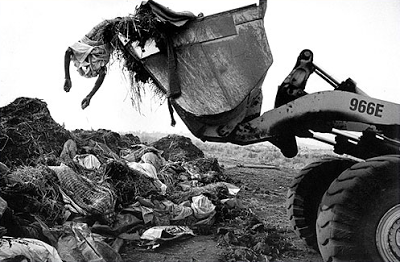
Mi sono venute in mente le immagini di Salgado, prima di Genesis, documento dell'orrore umano Non c'è altro da fare che mettere a nudo l’orrore; affrontarlo senza difese. Non nascondetevi, non fuggite, e troverete la pietà, anche se avete dovuto attraversare l’inferno.
Il male non muore mai e il Sergente lo sa bene, avendo perso sua figlia bambina per la mano assassina della moglie Quella sera, per la prima volta da quando mi avevano buttato fuori dalla polizia, mentre ero al volante rividi Edie avanzare a passi pesanti verso di me, nella sua camicia di forza, delirando le sue malvagità incoerenti. E in quanto assassina Edie, che mi aveva lacerato così a fondo da non poter sperare di dimenticarla, di accettare quello che aveva fatto o anche solo di sostituirla, mi aveva fatto compren-dere gli assassini meglio di quanto avrei mai potuto da solo: i loro silenzi, i loro sfoghi scomposti, la loro insicurezza espressa con una violenza da automa, i loro desideri manifestati in forme che si crederebbero da tempo perdute; ma il male non muore mai.
«Troverai l’assassino, chiunque sia,» disse Cryer. «Lo so,» dissi, «ma la strada per arrivare a lui passa attraverso di me.»
E così ripresi coscienza di quanto rischiavo sempre di dimenticare: quello che si prova a sapere di essere soli, di non avere radici e di non andare da nessuna parte; ancora una volta sentii cosa significa vacillare e cadere.
Ma, alla fine, il Sergente potrà tornare da Dora perché giustizia è fatta.
Profile Image for Andy Weston.
3,199 reviews226 followers
March 1, 2019
Dora Suarez and her elderly landlady are brutally murdered and Raymond's unnamed detective works to find the killer in a grim area of the Met Police called A14, known as The Factory. Superficially only, it is a police procedural, and nominally a mystery, but really it is about the victim and what brought them to their fate. The first chapter catapults the reader into the swirling, twisted mind of a psychopathic serial killer, with a sigh of relief when its over. There is only a certain amount of time before there's a feeling in the stomach and the mind turns away.
The ruthlessness and obsessiveness of the detective are as emotionally extreme as the twisted psychopathic killer.
It is reviewed by many as being a classic of British noir, certainly, it is a novel that defines the genre.
Profile Image for Ellis ♥.
998 reviews10 followers
July 8, 2019
Dal libro:

Una notte mia moglie Edie mi aveva detto: "Ti stupiresti di sapere a quanti stai antipatico."
Le avevo risposto: "Niente affatto, ma ho visto che quelli a cui non piaccio non amano neanche sé stessi."

Profile Image for Trevor.
170 reviews
January 24, 2012
This book is apparently considered the best of Derek Raymond's Factory series of philosophical-noir crime novels, and also the most repulsive. When Raymond's publisher first read it, he threw up on his desk, or so the story goes. While I don't know if that's true or just perverse marketing, I can certainly attest to the plausibility of that anecdote: Raymond went a bit crazypants with the gore on this one. Think American Psycho with more disease and bodily fluids.

To be fair, all the gross-out passages are (mostly) offset by the depth and humanity of the protagonist, a nameless sergeant who cares more about justice for the weak than pleasing his superiors. In this novel, the victim (Dora Suarez) was a young woman dying of AIDS, who was viciously murdered the very night she was planning on taking her own life. The protagonist gets to know her through her diary, and in a classically "noir" way falls in love with her memory as he tries to bring her killer to justice. Some of the book's best writing is during her diary passages and the sergeant's reactions to them.

That isn't enough, however, for me to agree that this is the best novel in the Factory series. As good as the style of writing is, the structure is actually quite poor. There are many drawn-out conversations that don't really advance anything, where the story is just spinning its wheels. For example, take the novel's many interrogations, which all follow the same pattern: the protagonist will demand that a particular lowlife give up some information. The criminal will plead ignorance, and the sergeant will launch into an elaborate threat about how difficult things will get. Their police station, I should mention, is nicknamed "The Factory" for its reputation of working suspects over. The criminal will appear genuinely frightened by this, but will then continue to plead ignorance. The cycle repeats itself a few more times, and then the conversation ends.

Also, the concept of the diary entries (as well-written as they were) was already done in Raymond's first Factory novel, He Died with His Eyes Open. In that novel, the victim had left behind personal cassette recordings instead of a diary, but the "voice from beyond the grave" effect was exactly the same.

Because of these flaws, I actually found this book to be weaker than the first two Factory novels, which is a shame because with some tighter editing, I Was Dora Suarez could have easily been the best. Perhaps no one at Raymond's publishers had a strong enough stomach to edit it properly?

Profile Image for Jeff Miller.
252 reviews10 followers
October 10, 2021
"...he was the most hideous thing that you prayed you might never see."

Raymond's most notorious book, where legend has it his publisher was physically sick whilst reading it...costing him his contract, hence the fact this fourth instalment of the Factory series was originally published by Scribners, rather than the previous Alison Press / Secker and Warburg. Not just the publisher, Raymond himself would state in his memoirs that this book changed him somehow, that nothing was the same again...which is exactly the state of every single character in this book.

However, it would be wrong to approach this book with either fear or excitement - without having read the previous three novels, I believe the impact would be lessened, and would likely just seem excessive, without the understanding of who the Detective Sergeant was and where he had come from. Not even he can explain why this case affects him in the way it does, but the chain of events it places him on are as brutal as anything I have ever read (with the possible exception of Selby Jr's 'The Room' which is the level we are working on). This is because of how it gets under the readers skin, it's not a literary equivalent of a torture-porn movie, there will undoubtedly be books with far worse descriptions of violence, it's when you step back and look at the whole - where the characters came from, what they were doing and how the murders that open the book came to happen. It's a world that is all too real, a horrendous inditement on our society that would both allow and condone the characters who populate this story.

And what an opening. I read a review that stated the opening 50-odd pages were the most horrendous ever written...and why on earth would anyone want to read them? The third person mind of a killer as he goes about his work, explaining every detail, every reason, every sense. This third person viewpoint is almost like a first person account however, in that it's effectively the detached mind of the psychopath, looking at his own work from a distance. He knows he's insane, and is completely comfortable with that. It's a hard read, but absolutely unputdownable. And that is why people like me want to read this book...because it works on a level far deeper than the surface. This may be the second time on Goodreads I've read this book, but I have lost count how many times I've read it since coming across Raymond in the early 90's. There is also a CD of Raymond reading extracts behind a soundscape from the band Gallon Drunk. I've listened to this many times...if you have read this you should track it down...but only once you've read the book itself, in full.
Profile Image for Sid Nuncius.
1,127 reviews127 followers
June 15, 2022
I’m unsure about whether I’m glad I read I Was Dora Suarez or not. It certainly had its merits, but it is pretty stomach-churning in places and had some narrative flaws which I found a bit off-putting. Be aware that there are some frankly disgusting descriptions of murder and other acts and that anyone sensitive about swearing should avoid this book.

The nameless narrator is called back to the police department from which he has been dismissed, in order to investigate two particularly disgusting murders which are described in horrible detail in the opening chapter. It is utterly repellent but done in a way that is not exploitative or sensational; Derek Raymond brings us the reality of what a nasty murder really might mean. The remainder of the book is the narrator’s investigation and pursuit of the killer over the following couple of days; this, too, is vicious and occasionally violent and uncovers some truly vile practices in the criminal underworld.

First published in 1990, the book has some then topical themes of AIDS and rogue, violent police officers. What redeems it from being just another exploitative gore-fest is Raymond’s writing which is thoughtful, lyrical, and sometimes poetic. I found it compelling for much of the time, but it does have its flaws. For example, extracts of writing from notes left by the eponymous victim are in exactly the same lyrical voice as that of the narrator, which doesn’t fit at all with what we know of her background and education. Writing of her impending death, for example, she writes “...and so, with unearthly intentions, I go into a dark room as a dark bride.” It’s haunting – but written by a poorly educated woman from a violent home who worked as a supermarket cashier and was then forced by circumstances into prostitution? I think not, and there was quite a lot of this. The book does get rather repetitive as the detectives question and threaten witnesses; there are detailed descriptions of things the narrator cannot possibly have seen; suddenly, and with no evidence shown to the reader, they think the killer is responsible for another dozen murders...and so on.

All this makes it hard to give the book a rating. Some aspects of it are very good, others really aren’t, so three stars is the best I can come up with. Worth reading but approach with caution.
Profile Image for Alex Sarll.
7,058 reviews363 followers
Read
May 20, 2014
Almost certainly the grimmest book I have ever read. I managed to keep my lunch down, unlike the first publisher (who understandably rejected it after the manuscript drove him to lose his), but I can understand his reaction. Even compared to Raymond's other books, this goes so far into the blackness that among other things, it makes you realise quite what puerile, try-hard efforts a lot of 'dark' art represents.

You know how Wodehouse said “I believe there are two ways of writing novels. One is making a sort of musical comedy without music and ignoring real life altogether; the other is going deep down into life and not caring a damn"? That other method is almost exactly what Raymond said about writing this. Except that he, and his protagonist, do give a damn. Far too much of a damn, truth be told, but faced with things like this, you have to. And it's that, and the faint, desperately grasped moments of beauty and redemption which make this worth reading for reasons beyond mere machismo. Staggering, in all senses, but I'm pretty sure I'll never feel the need to read it again.
Profile Image for Janos.
25 reviews4 followers
March 23, 2014
It was an essay by Joyce Carol Oates some months ago in the New York Review of Books that drew my attention to the late Derek Raymond as one of the best “noir” crime novelists of the end of the last century, and the most Chandleresque British author. I had never heard about him until then. “I was Dora Suarez” was described as Raymond’s most terrible and also most poetic book which, I was warned, was definitely not for the queasy. There was also the story (maybe urban legend or a well-planned publicity stunt but credible all the same) that the editor had actually vomited on his desk upon first reading it. So despite the fact that I knew his “Factory” series included a few less disturbing books, I thought I’d go for the hardest piece. I found “I was Dora Suarez” truly incredible. I don’t think I ever read a book with the amount of gore, blood and assorted body fluids as well as perversion and cruelty that occurs in this story. What is quite unusual is that the nameless narrator (he calls himself Detective Sergeant) investigating Dora’s horrible murder and leading us into a web of crime in 1980s London, which gives the word depravity a new dimension, literally falls in love with the murdered girl via her moving diary. This sort of thing – falling in love with beautiful dead girls – conjures up early 19th century Romantic poets, and the parallel is apt: the feeling and poetry is closely akin to what we find in the work of those authors. The diary and the horror of the murder fill the Detective Sergeant not only with a lust for revenge but also with a longing that is hopeless by definition, its subject being dead. The extremes of terrible realism at one end and intimate romantic feeling on the other create a tension that keeps the book vibrating. There is one more element: the author’s compulsive wish to emulate his idol, Raymond Chandler by constant wisecracking. The huge majority of these quips are elaborate threats addressed to the various lesser criminals and shady characters who figure as witnesses and accomplices helping the narrator to close in on the murderer. This permanent quipping (in certain dialogues you will find a threat of this kind in every second sentence) is a bit overdone and is the only weak point of the novel. All in all, “I Was Dora Suarez” is a terrible, weird and magnificent book.(less)
30 minutes ago
Profile Image for Antonella Imperiali.
1,268 reviews144 followers
May 21, 2017
Questo libro è la personificazione dell'orrore, quell'orrore che ti contagia fin dalle prime righe, che ti raggela e ti fa sudare insieme.
Ma l'orrore non ferma il Sergente senza nome della A14, semmai ne amplifica l'umanità attraverso semplici gesti come una lieve carezza ad una mano abbandonata o un bacio su capelli che odorano ancora di shampoo alla mela. E c'è qualcosa di umido che bagna le sue guance: eh già... lacrime.

("Sapete che piango quando dormo? Pensate che un uomo non ne sia capace?")

L'umanità di quest'uomo mi sconvolge, la sua irriverenza mi affascina, i suoi metodi di indagine mi intrigano.

"Sentivo la mia vita sul filo del rasoio come se fosse la loro; e più sprofondavo negli abissi della mia mente, più mi aggrappavo alle mie memorie primaverili di tempi svaniti, nel tentativo di liberarmi dal male che mi saturava e che dovevo affrontare come un contadino che scende in cantina per uccidere un serpente. Tuttavia, nel mondo in cui vivevo e lavoravo, il bene era un flebile sogno rispetto alla concretezza del male, finché non l'avesse riportato in vita una mano invisibile ma piena d'amore, una notte di festa, un bacio destinato a te solo e impresso sulla tua guancia dall'unico essere creato per amarti."

Mai Raymond è stato così analiticamente crudo. Mai così dolcemente umano.

"... per me il fronte è la strada, e sono costretto a vederla tutti i giorni. La vedo, la mangio, ci dormo e la sogno. Sono la strada. Gemo durante i suoi incubi, la vedo sotto la pioggia e con il sole, la gente che si affretta, assassini e vittime insieme, che corrono assorti come se stessero pregando. Non solo so quando piangono, sento anche cadere le loro lacrime."

"Ci troviamo di fronte a persone che infliggono il dolore senza avere idea di cosa significhi, perché per prima cosa se lo infliggono su di sé. Una donna, una farfalla... Per un sadico sono la stessa cosa. Nel loro caso la violenza sostituisce l'amore. O, meglio, per loro la violenza è amore."

Ho chiuso il libro sull'ultima pagina e ho sentito il vuoto dentro...

📚 Biblioteca
Profile Image for Benoit Lelièvre.
Author 6 books187 followers
August 2, 2022
Originally recommended by British music critic Harry Sword on Twitter and I was SO NOT READY for what I signed up for. Holy hell, was that book an absolute testament to human brutality or what?

I Was Dora Suarez really is a novel about men's obsession with women and how they objectify and use women in their lives in order to justify what they call right and wrong and it is intoxicating. I mean, it begins with a thirty page description of a brutal, gruesome ax murder in the most unflinching and even empathic way possible. Don't get me wrong, Derek Raymond didn't think ax murders of prostitute were cool in any way, but he moved heaven and earth to try and understand why it would appeal to some poor, sick and depraved soul.

Even the nameless investigator of this novel has a messed up relationship to the murder victim. He behaves like she's an ex-girlfriend or a long lost little sister of his, talking to her theoretically and whatnot. Her murder justified unfairness, miscarriages of justice and countless acts of violence in order to bring her justice, but the investigator didn't know Dora. He was just in love with the idea of her. That's what's so messed up about this novel. There's a Dora and there's an idea of Dora. Because we all need help to trace a line between right and wrong and that line is arbitrary as sh*t.

I was afraid to have stumbled into a garden variety noir when I started reading it, but not at all. Not at all. This is a mean, mean novel.
Profile Image for Mari.
375 reviews29 followers
January 12, 2018
Sapete che piango quando dormo? Pensate che un uomo non ne sia capace?

Il mio nome era Dora Suarez di Derek Raymond è il quarto libro della serie dedicata alla Factory, la Sezione Delitti Irrisolti della Polizia Metropolitana di Londra. Ho qualche difficoltà a raccontarne le trama perché è uno dei libri più forti e truculenti che abbia mai letto. La follia di Raymond credo abbia raggiunto il suo apice con questo romanzo e alcune scene temo che mi tormenteranno per un bel po’!
La storia si apre con un triplice omicidio, tra cui quello di Dora Suarez. Il primo capitolo non lascia nulla all’immaginazione, la violenza, il sadismo, il marciume e tutto quello che di sporco e forte vi viene in mente qui è descritto senza preamboli o esitazione.
Il sergente senza nome, protagonista di questa serie, viene richiamato in servizio, nonostante fosse sospeso, perché ai piani alti si rendono subito conto che è l’unico in grado di sbrogliare una matassa così contorta e sudicia. Le indagini diventano subito pressanti, un diario di Dora, ritrovato tra i suoi effetti personali, rivelerà molto al sergente e l’immagine della donna lo ossessionerà. Dietro a tanta violenza non c’è solo il gesto di un folle ma il vero lato oscuro della società moderna.
Raymond ha scritto un noir disturbante ma anche indimenticabile. Sconsigliato a chi è debole di stomaco.
Profile Image for Johnny.
Author 28 books283 followers
April 7, 2009
It is the underlying humanity, not the much heralded brutality, that makes this book both effective and unique. While both brutal and often painfully descriptive, the strength of the book lies within Raymond's desire to find human connection within a bleak world.

The quality of the book as a whole is also remarkable in the fact that the book is incredibly sloppy. It isn't particularly well-plotted (about a third of the entire book is a rotating interrogation of a couple of side characters). There are some huge logic leaps. Some temporal errors in the story timeline. And even a bit of a deus ex machina to wrap it all up.

The strength is in the content, not the execution. It's a shame that the story isn't executed better, as it is just sloppy, nothing that couldn't have been fixed with a couple of subsequent drafts. But even with all the flaws on the surface, the richness lies underneath in Raymond's voice and the questions that the story raises. The true originality far outweighs something as secondary as the prose.
Profile Image for Andrew.
Author 120 books59 followers
February 22, 2021
This is a grubby, brittle, strangely poetic and roughly written crime novel which contains several quite disturbing elements but which also is mired in the bureaucracy of run-of-the-mill police force paperwork, with the main detective frequently - as caricature? - rubbing everyone up the wrong way in a case which becomes personal. I wasn't wholly convinced by the writing nor the crime, nor by the relentless self-punishments of the killer, but somehow there's an elegiac quality to the book which rises it above the subject matter. There's a real frisson here between the story and the story, the tale and how it is told. I'm not sure I enjoyed it, but I liked it a lot.
Profile Image for Hex75.
986 reviews60 followers
August 12, 2017
ci sono libri che si finiscono in poco più di un paio d'ore ma che fanno male come se ci avessi vissuto per anni dentro: perchè raymond non solo ti lascia vedere il peggio a cui può giungere l'umanità ma riesce anche a trasmetterti un'autentica pietà per le vittime, una totale empatia con la loro sofferenza. e grazie a questo bilanciamento tra abissi da incubo e pagine davvero toccanti ci si trova a passare da descrizioni che rendono il libro inadatto alle persone dallo stomaco debole a riflessioni serie che si mangiano una buona percentuale di scrittori mainstream.
Profile Image for Robert Carraher.
78 reviews21 followers
November 3, 2012
“Don’t you see, the words sometimes take the place of tears?”
What if a true villain, a thoroughly evil psychopath, a man who already possessed a heart of darkness, who already scared evil men witless, then went mad? Fully and irredeemably insane. What depths of depravity, what inhumane crimes would he be capable of?

In I Was Dora Suarez, the fourth in Derek Raymond’s Factory Novels we find out.

Be warned. This novel is not for the squeamish. This novel made it’s publisher, who had already published the first three Factory Novels, vomit over his desk. Much to the glee of it’s author, who himself was a bit of a mad man.

As with the other Factory Novels, Dora Suarez stars the unnamed, detective sergeant of London Metropolitan Police’s, Department of Unexplained Deaths – The Factory, otherwise known as A14. Unexplained Deaths handles the ‘rough trade’. The investigation of the ugly murders of the average citizen and the dispossessed as opposed to The Department of Serious Crimes – Scotland yard – who get the glamorous investigations.

The novel opens with the brutal murder of Dora Suarez, a seemingly gentle young girl, and the kindly 86 year old widow, Betty Carstairs, who has taken her in. The reader gets a peek inside the mind of the killer and of his methods. “His eyes….bore the stare of someone entirely lost on the earth, and he was the most hideous thing that you prayed you might never see.”

The detective sergeant is on suspension from the police for striking a superior officer. Insubordination comes easy to him, as he isn’t a career ladder climber. He is called back on the job, all is forgiven, to handle this case as the police are short handed.

As the sergeant investigates, he immediately empathizes with the victim, and is deeply effected by the heinous details of the murder. Dora was repeatedly axed, one arm cut off before death as she pleaded with her murderer. As he investigates further it’s discovered that the murderer ejaculated on Dora, and defecated on the scene. He also literally threw Betty through a clock. The sergeant also discovers a diary of sorts that, as he reads, makes him believe that Dora may have known her killer. The diary also reveals her innate gentleness in real life and that she was already dying and he develops an obsessive fondness and sadness for the dead woman . There’s a sadness to Dora’s life, the way that she has been repeatedly beaten down, used by life and the people in it.

During the autopsy, the extent of Dora’s sickness is revealed to be advanced AIDS, but how she contacted it is not immediately apparent. It also becomes clear that the killer ate pieces of Dora post mortem.

Mean while, barely a mile away, another murder is being investigated by Stevenson, one of the sergeants few friends on the police. Felix Roatta has had his head blown nearly off, and the timing of the two sets of murders, as well as the nearness of the scenes, perks both their interest.

Roatta was a notorious gangster and part owner of the Parallel Club. A photograph is discovered taken at the club on Roatta’s birthday with Dora singing on stage, and a man that the other criminal elements that haunt the club are reluctant to talk about.

As the clubs Greek doorman, and other criminal elements that had ownership interests in the club are detained and questioned, and as the degenerate offerings of the clubs “exclusive” upstairs rooms are revealed, the pure ugliness and subversion of decency make the sergeant and Stevenson more than determined to discover the identity and whereabouts of the murderer who even scares these hardened criminals.

This is where I usually talk about the authors craft. How well he uses literary devices, develops the characters and sense of place. Dialog and narration and all the other component parts of a good story. In the case of Dora Suarez, that would be superficial at best. Akin to criticizing the paints in Michelangelo's pallet or discussing the merits of the water that Monet used to soak his paper.

Raymond simply defines British Noir and in Dora Suarez created one of the most important pieces of crime fiction of the past fifty years. To paraphrase Raymond Chandler, Raymond has taken a cheap, shoddy and utterly lost kind of writing, and made of it something that intellectuals claw each other about. Paul Oliver at Melville House Publishing told me when he provided this review copy, Raymond “Wrote like John Donne if Donne had been taught how to write by Jim Thompson.”

As an entry in the “hardboiled” genre, if bounced on the floor it would chip concrete. In the “Noir” field it is to “black novels” what black holes are to darkness.

As with most of The Factory Novels, it is only superficially a police procedural. And only nominally a mystery. Raymond’s concern, and his protagonists, throughout the series was always more about the victim and what brought them to their fate.

To be sure the dialog is as elegant as Raymond Chandler, and the basic story line as good or even better at uncovering the fault lines of society than Hammett at his best.

The sergeants dialog is hard violent, and insolent, and never approaches the realm of civil discourse whether he is talking to the politically motivated higher ups, the lowly bobbys on the beat who wish to play at being a cop or to the dregs of criminal society, whether they be witnesses or suspects.

In contrast to his violent exterior is an almost psychotically sacred level of concern for the victim. In the words of the author, he “describes men and women whom circumstances have pushed too far, people whom existence has bent and deformed. It deals with the question of turning a small, frightened battle with oneself into a much greater struggle — the universal human struggle against the general contract, whose terms are unfillable, and where defeat is certain.”

First published in 1990, I Was Dora Suarez was the fourth of five Factory Novels published and considered the master work of Raymond’s career. Rereleased in September by Melville International Crime and available singly or in a set consisting of the first four novels, with the fifth offered free when it is published in January.


No one seriously interested crime fiction as literature, noir written as taut, ugly and teetering on the edge of sanity can possibly pass this one by.


Article first published as Book Review: I Was Dora Suarez by Derek Raymond on Blogcritics.


The Dirty Lowdown
Profile Image for Dani Morell.
Author 15 books38 followers
February 22, 2024
Derek Raymond és un autor maleït, un dels grans oblidats de la novel·la negra. Les seves històries crues, malaltisses i molt explícites són una excusa per la reflexió constant. Escriure devia ser per a ell una mena de teràpia per superar la por a la mort. El primer capítol és salvatge i molt fosc, una mena de prova de foc per al lector. El detectiu sense nom de l'A14 (Departament de Morts Inexplicades) és un dels personatges més antisocials i malcarats que m'he trobat mai, i l'assassí que ha de caçar, un dels més nauseabunds que recordo. El protagonista té una preocupació obsessiva per les víctimes que ha de venjar: les intenta comprendre fins a ficar-se a la seva pell. 'Réquiem por Dora Suárez' és el tercer Derek Raymond que em llegeixo. M'ha costat déu i ajuda trobar els tres llibres al llarg dels darrers anys. És una llàstima que l'autor estigui tan maltractat i oblidat.
Profile Image for Despoina.
61 reviews25 followers
January 29, 2025
Δεν ξέρω τι να πω γι’αυτό το βιβλίο…Αποκρουστικές εικόνες και καταστάσεις για τον νου.
Profile Image for Jeanette Eriksson.
611 reviews14 followers
May 25, 2021
221 sidor, okej bok, sjuk, skruvad som är meningen, läste inte e-bok, utan inbunden, köpt på årets rea.=)
Så gillar man ovan skrivna, läs den, är du känlig, kanske du ska låta bli

Displaying 1 - 30 of 116 reviews

Join the discussion

Can't find what you're looking for?

Get help and learn more about the design.