

What do you think?

Prison Writings
In September of 2022, twenty-five years after Leonard Peltier received a life sentence for the murder of two FBI agents, the DNC unanimously passed a resolution urging President Joe Biden to release him. Peltier has affirmed his innocence ever since his sentencing in 1977--his case was made fully and famously in Peter Matthiessen's bestselling In the Spirit of Crazy Horse --and many remain convinced he was wrongly convicted.
Prison Writings is a wise and unsettling book, both memoir and manifesto, chronicling his life in Leavenworth Prison in Kansas. Invoking the Sun Dance, in which pain leads one to a transcendent reality, Peltier explores his suffering and the insights it has borne him. He also locates his experience within the history of the American Indian peoples and their struggles to overcome the federal government's injustices.
Edited by Harvey Arden, with an Introduction by Chief Arvol Looking Horse, and a Preface by former Attorney General Ramsey Clark.
Prison Writings is a wise and unsettling book, both memoir and manifesto, chronicling his life in Leavenworth Prison in Kansas. Invoking the Sun Dance, in which pain leads one to a transcendent reality, Peltier explores his suffering and the insights it has borne him. He also locates his experience within the history of the American Indian peoples and their struggles to overcome the federal government's injustices.
Edited by Harvey Arden, with an Introduction by Chief Arvol Looking Horse, and a Preface by former Attorney General Ramsey Clark.
270 pages, Paperback
First published January 1, 1999
About the author
Leonard Peltier
10 books69 followersNative American politicial activist imprissoned since 1977 accused of shooting two FBI officers.
Peltier is considered to be a political prisoner by amnesty international and the European parlement.
His parole has been denied by Bill Clinton and George W. Bush.
Peltier is considered to be a political prisoner by amnesty international and the European parlement.
His parole has been denied by Bill Clinton and George W. Bush.
Ratings & Reviews
Friends & Following
Create a free account to discover what your friends think of this book!
Community Reviews
Displaying 1 - 30 of 188 reviews

December 14, 2016
Leonard Peltier tells his story and draws from the ritual of the Sun Dance. Regardless of what side you take on his conviction this book will open your eyes to the struggles that Native Americans have endured and continue to endure. Questions about how law enforcement interacts with populations that have been historically marginalized are asked in a thoughtful way - highest recommendation.

January 17, 2009
Free Leonard Peltier!

July 31, 2015
This book is a prayer, not just for him but for his people and all peoples and for the earth.
A message to humanity
Our work will be unfinished
until not one human being is
hungry or battered, not a
single person is forced to die
in war, not one innocent
languishes in prison,and
no one is persecuted for his or
her beliefs.
~~Leonard Peltier
A message to humanity
Our work will be unfinished
until not one human being is
hungry or battered, not a
single person is forced to die
in war, not one innocent
languishes in prison,and
no one is persecuted for his or
her beliefs.
~~Leonard Peltier

July 29, 2023
Jul 29, 8am ~~ Review asap.
Jul 31, 1120am ~~ Considering the fact that I was a teenager during the 1973 Wounded Knee siege and the 1975 massacre at Pine Ridge, I am embarrassed to admit that I knew nothing about Leonard Peltier other than his name before reading this book. I do remember the news, and being confused about what was really happening, but that's about it.
The point is that after reading this book I now understand what I did not back in the day. And, as has happened so very many times recently, once again I am ashamed of and embarrassed by the actions of my government.
This book was published in 1999, when Peltier had already been in prison for 24 years after being convicted of the murder of two FBI agents at Pine Ridge. Except that there is no real proof that Peltier was the actual killer. We may never know the entire story, but all I can say is that I agree with Leonard when he says that his only crime was being born an Indian.
And he is still in prison as I write this review.
A Message To Humanity
Our work will be unfinished
until not one human being is
hungry or battered, not a
single person is forced to die
in war, not one innocent
languishes imprisoned, and
no one is persecuted for his or
her beliefs.
Leonard Peltier
Jul 31, 1120am ~~ Considering the fact that I was a teenager during the 1973 Wounded Knee siege and the 1975 massacre at Pine Ridge, I am embarrassed to admit that I knew nothing about Leonard Peltier other than his name before reading this book. I do remember the news, and being confused about what was really happening, but that's about it.
The point is that after reading this book I now understand what I did not back in the day. And, as has happened so very many times recently, once again I am ashamed of and embarrassed by the actions of my government.
This book was published in 1999, when Peltier had already been in prison for 24 years after being convicted of the murder of two FBI agents at Pine Ridge. Except that there is no real proof that Peltier was the actual killer. We may never know the entire story, but all I can say is that I agree with Leonard when he says that his only crime was being born an Indian.
And he is still in prison as I write this review.
A Message To Humanity
Our work will be unfinished
until not one human being is
hungry or battered, not a
single person is forced to die
in war, not one innocent
languishes imprisoned, and
no one is persecuted for his or
her beliefs.
Leonard Peltier

July 7, 2012
A few years ago, I watched a documentary about AIM and the 1970s occupations of Wounded Knee, Alcatraz, and the BIA building in Washington D.C. At the time I felt completely, ragingly angry. In part because of the way that Native peoples have been treated, are still being treated, all over the world. But also because I was 28 years old and I had never learned anything about the modern Native American movement. Why had no one ever taught me about this before? Oh, because ignoring the struggle is one way to oppress people. Dammit.
After watching that documentary, I started a self education about 20th and 21st century Native American struggle and history, watching all the films and reading all the books I could get my hands on. This book was written from prison by Leonard Peltier, who was convicted of murdering two FBI agents in the 70s on the Pine Ridge Lakota Sioux reservation. It's Peltier's musings on serving 2 life sentences: what it's like to be a prisoner, the ebb and flow of hope for freedom, his take on what happened on that day.
There are lots of little pieces of the trial and incidents that Peltier doesn't cover in this book because that's not his purpose in writing it. I'd recommend watching the film 'Incident at Oglala' to really get an idea of the details. This book is more like a window into Peltier's life and mind in prison. Reading it made me feel angry, sad, and helpless. I'm glad I did though, because this man deserves to be remembered. He's innocent in my opinion, and he's been in prison for over 30 years because he is an activist, because he is an Indian.
After watching that documentary, I started a self education about 20th and 21st century Native American struggle and history, watching all the films and reading all the books I could get my hands on. This book was written from prison by Leonard Peltier, who was convicted of murdering two FBI agents in the 70s on the Pine Ridge Lakota Sioux reservation. It's Peltier's musings on serving 2 life sentences: what it's like to be a prisoner, the ebb and flow of hope for freedom, his take on what happened on that day.
There are lots of little pieces of the trial and incidents that Peltier doesn't cover in this book because that's not his purpose in writing it. I'd recommend watching the film 'Incident at Oglala' to really get an idea of the details. This book is more like a window into Peltier's life and mind in prison. Reading it made me feel angry, sad, and helpless. I'm glad I did though, because this man deserves to be remembered. He's innocent in my opinion, and he's been in prison for over 30 years because he is an activist, because he is an Indian.

August 14, 2012
I've always wanted to know more about Leonard Peltier - the first interest being our same last names (I was born a Peltier and adopted a McGinnis). But I thought people were fighting for his freedom because he was wronged or taken advantage of or something other than being totally, completely, obviously, utterly, provably, admitted-by-his-prosecutors-to-be NOT GUILTY! And HOW FRUSTRATING that he is still sitting in prison! I admire his heart (and his really beautiful hair haha) and his determination (nearly always successful) at not living in hatred.
But I can understand Reagan and the Bushes for not freeing him - but Bill Clinton! What were you thinking? You had absolutely nothing to lose by the time you left office - everybody tried to discredit you - you had shamed yourself quite publicly - and almost everybody STILL loved you! Why couldn't you have let Leonard Peltier go?
And Obama - come on! You should know better. I realize you can't right every wrong done to your people and mine (ok I have a teeny tiny bit of Ojibwe in me, but it comes out when I think of all this) but this is one of the most obvious, public disgraces and injustices ever done. Get on it!
But I can understand Reagan and the Bushes for not freeing him - but Bill Clinton! What were you thinking? You had absolutely nothing to lose by the time you left office - everybody tried to discredit you - you had shamed yourself quite publicly - and almost everybody STILL loved you! Why couldn't you have let Leonard Peltier go?
And Obama - come on! You should know better. I realize you can't right every wrong done to your people and mine (ok I have a teeny tiny bit of Ojibwe in me, but it comes out when I think of all this) but this is one of the most obvious, public disgraces and injustices ever done. Get on it!

May 31, 2010
pg. 10 - "Be thankful you weren't cursed with perfection. If you were perfect, there'd be nothing for you to achieve with your life. Imperfection is the source of every action. This is both our curse and our blessing as human beings."
pg. 54- "Today white man lets his statistics do the killing for him. Indian reservations in South Dakota have the highest rates of poverty and unemployment and the highest rates of infant mortality and teenage suicide, along with the lowest standard of living and the lowest life expectancy-barely 40 years!- in the country. Those statistics amount to genocide. Genocide also disguises itself in the form of poor health facilities and wretched housing and inadequate schooling and rampant corruption."
pg. 54- "Today white man lets his statistics do the killing for him. Indian reservations in South Dakota have the highest rates of poverty and unemployment and the highest rates of infant mortality and teenage suicide, along with the lowest standard of living and the lowest life expectancy-barely 40 years!- in the country. Those statistics amount to genocide. Genocide also disguises itself in the form of poor health facilities and wretched housing and inadequate schooling and rampant corruption."
January 20, 2009
Written by an innocent man placed behind bars because of his strong stand for his people. Every Native brother and Sister should read this book. It is strongly poetic, symbolic in nature, and an opening of the mind and heart.

July 24, 2010
I read this in two days. It's light and easy and sad as hell. I've known about Leonard's case for awhile, but this is the first time I've read about it in his own words.
There are parts I stumble over, like the continuing appeals to the constitution, and some of his appeals to nonviolence seem... i don't know. a little contrived. I mean, he carried a gun throughout his life with which to defend his people. that's not pacifism. instead, it's useful.
But this book is amazing and earnest, and I feel like the editor must have done a tremendous bit of work to get the whole thing as cohesive as it is.
It's insane that it's more than 10 years later and he's no closer to freedom. Probably, he's further from it.
There are parts I stumble over, like the continuing appeals to the constitution, and some of his appeals to nonviolence seem... i don't know. a little contrived. I mean, he carried a gun throughout his life with which to defend his people. that's not pacifism. instead, it's useful.
But this book is amazing and earnest, and I feel like the editor must have done a tremendous bit of work to get the whole thing as cohesive as it is.
It's insane that it's more than 10 years later and he's no closer to freedom. Probably, he's further from it.

October 27, 2008
I have wanted to read this book for years & am finally got around to it. What a powerful book - I highly recommend this reading this book.

December 24, 2022
I have been immersed in Prison Writings: My Life Is My Sun Dance for two years.
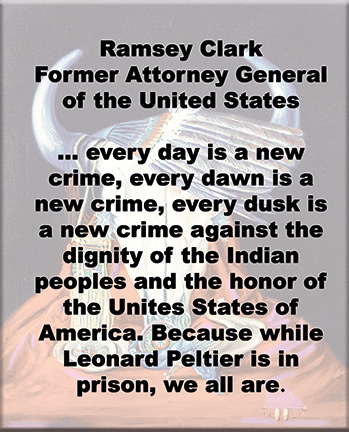
Prison Writings is not the kind of book you are ever “done with”. While Leonard Peltier remains caged, we are all caged, in a sense.

I rarely advocate for humans. They have opposable thumbs. What we have allowed our government to do to this man is hideous.
We have not lost our democracy. We have given it away.
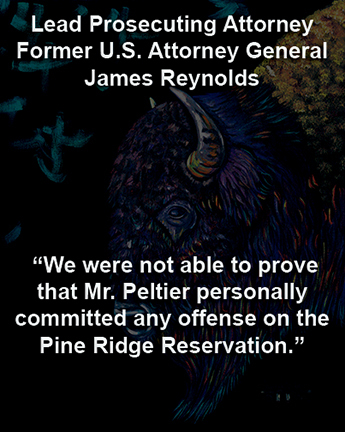
FACT: LEONARD PELTER'S PROSECUTING ATTORNEY, FORMER STATE
ATTORNEY JAMES REYNOLDS, ISSUED A PUBLIC APOLOGY IN 2021, IN A LETTER TO PRESDIENT BIDEN, HE SAID, "WE COULD NOT PROVE THAT LEONARD PELTIER COMMITTED ANY OFFENSE ON PINE RIDGE RESERVATION."
The United Nations recently issued a 17-page statement on the arbitrary detention of Leonard Peltier. He has been caged almost five decades, held for Aiding and Abetting –no one.
His co-defendants, tried separately, were found not guilty by reason of self-defense.
The FBI violation International Treaty Law by threatening a developmentally disabled woman into signing a false affidavit that they themselves wrote.
Every single piece of evidence that was used to convict Leonard Peltier was proven to be fabricated when Freedom of Information Act documents were released.
A single Constitutional violation sets a prisoner free. Not in Leonard’s case. They have violated his civil rights over and over and over. One prosecutor said, “A member of his tribe did it.” That was enough. They wanted an Indian, they had an Indian. They are keeping him.
That reservation had been under attack for three years, by our government, over uranium mining rights. They had the highest murder rate, per capita, in the United States. They shot people. They shot people’s dogs. They beat people. A 15-year-old student, Sandra WoundedFoot, was raped and tortured to death by a law enforcement officer. Her death was a mercy. He sodomized her and burned her with cigarettes. He did a small amount of time.
It was perfectly acceptable for some drunk to stand up in a bar and declare, “I’m gonna kill me an Indian.” And then do so.
There was gunfire every day on Pine Ridge Reservation. When two FBI agents in unmarked cars tore into there (the narrative around that has changed several times – I believe they officially settled on ‘They were serving a warrant on someone suspected of stealing a pair of used cowboy boots’), it was just one more attack.
(The agents did not have a warrant. Not only were they in plain clothes, one of them was wearing moccasins.)
In the ensuing gunfire the two agents and a Native man, Joe Stuntz, died. Joe’s murder has never been investigated.
When presented with all the evidence, the Reign of Terror that reservation had lived under for three years, the jury of Leonard’s codefendants called it what it was: self-defense.
They did whatever it took to convict Leonard Peltier and sentence him to two life sentences.
Illegally.
January 07 2017
John “Jack” C Ryan ex-FBI ”When Agents Coler and Wiiliams lost their lives it was a devastating loss to us agents. Emotions ruled the decision making process and likely clouded the judgement of the massive team...were driven to hold someone responsible for our loss. ...Through today’s lens, Peltier was not treated fairly and did not get a fair trial.
It has been acknowledged by our own government that Leonard Peltier did not receive a fair trial.
Nor fair parole hearings. When a Parole Examiner found out there was no evidence, he recommended immediate release. The BOP departed from its’ own guidelines and brought in a second Parole Examiner who said, “Keep him.”
The first Parole Examiner was demoted in retaliation for not playing the game.
Leonard is still classified as a high-risk offender, although he has been beyond a model prisoner. He has been nominated for 6 Nobel Peace Prizes. He worries more for our youth and this broken planet than he worries for himself. With 8 points, he is held in a high security institution designed for inmates with 23 points, too far away for family to visit. He has great grandbabies he has never met.
The BOP discovered that it is easier to guard inmates who are locked down, and that they can get away with it. Leonard has spent the better part of three years in his half of a 6 x 10 cell, watching people being taken out on gurneys because their muscles have atrophied.
Solitary confinement is hideous. No communication. No commissary. (The inmates depend on bottled water and food from commissary – the water is tainted.) No exercise. There was a fight at another high security institution and they locked all of them down. Leonard just came out of a solid month of being locked down.
For being an Indian.
I have the incredible honor of being able to communicate with this man when he is not locked down. He is the most authentic person I have ever known. Going through what he is going through, he tries to make me laugh. He is constantly thinking, thinking, thinking, of how to heal our broken earth.
His situation is dire. He is 78 years old. He has multiple severe health conditions that are not being treated. February 6th will mark his 48th year of incarceration.
Leonard Peltier is also a Boarding School survivor. He watched his friends beaten to death for speaking their own language.
Leonard Peltier’s case lies at the very heart of Indigenous Genocide.
Leonard is also an incredible artist. Mesmerizing. His paintings flow straight from his soul. If you wish to know more about his case, or see his artwork, visit https://freeleonardpeltiernow.com.
We all have the ability to start a chain reaction. Take one action. Post a flier to social media. Send a letter to the White House. Buy a print. Read In the Spirit of Crazy Horse: The Story of Leonard Peltier and the FBI's War on the American Indian Movement. Then, pass that on to one other person, and ask them to do the same.
www.iampeltier.org
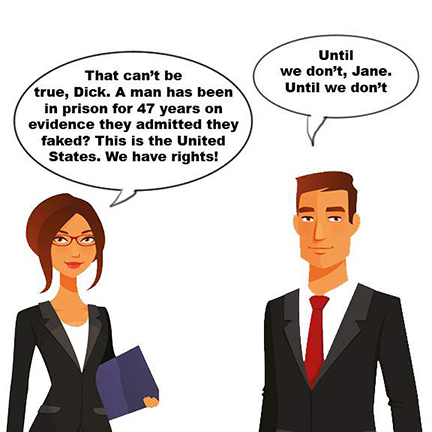
The Supreme Court just showed us what happens when we say nothing while they are screwing with someone else.
Our government needs to know that we will not stand for this. Silence equals complicity.
Prison Writings is not the kind of book you are ever “done with”. While Leonard Peltier remains caged, we are all caged, in a sense.
I rarely advocate for humans. They have opposable thumbs. What we have allowed our government to do to this man is hideous.
We have not lost our democracy. We have given it away.
FACT: LEONARD PELTER'S PROSECUTING ATTORNEY, FORMER STATE
ATTORNEY JAMES REYNOLDS, ISSUED A PUBLIC APOLOGY IN 2021, IN A LETTER TO PRESDIENT BIDEN, HE SAID, "WE COULD NOT PROVE THAT LEONARD PELTIER COMMITTED ANY OFFENSE ON PINE RIDGE RESERVATION."
The United Nations recently issued a 17-page statement on the arbitrary detention of Leonard Peltier. He has been caged almost five decades, held for Aiding and Abetting –no one.
His co-defendants, tried separately, were found not guilty by reason of self-defense.
The FBI violation International Treaty Law by threatening a developmentally disabled woman into signing a false affidavit that they themselves wrote.
Every single piece of evidence that was used to convict Leonard Peltier was proven to be fabricated when Freedom of Information Act documents were released.
A single Constitutional violation sets a prisoner free. Not in Leonard’s case. They have violated his civil rights over and over and over. One prosecutor said, “A member of his tribe did it.” That was enough. They wanted an Indian, they had an Indian. They are keeping him.
That reservation had been under attack for three years, by our government, over uranium mining rights. They had the highest murder rate, per capita, in the United States. They shot people. They shot people’s dogs. They beat people. A 15-year-old student, Sandra WoundedFoot, was raped and tortured to death by a law enforcement officer. Her death was a mercy. He sodomized her and burned her with cigarettes. He did a small amount of time.
It was perfectly acceptable for some drunk to stand up in a bar and declare, “I’m gonna kill me an Indian.” And then do so.
There was gunfire every day on Pine Ridge Reservation. When two FBI agents in unmarked cars tore into there (the narrative around that has changed several times – I believe they officially settled on ‘They were serving a warrant on someone suspected of stealing a pair of used cowboy boots’), it was just one more attack.
(The agents did not have a warrant. Not only were they in plain clothes, one of them was wearing moccasins.)
In the ensuing gunfire the two agents and a Native man, Joe Stuntz, died. Joe’s murder has never been investigated.
When presented with all the evidence, the Reign of Terror that reservation had lived under for three years, the jury of Leonard’s codefendants called it what it was: self-defense.
They did whatever it took to convict Leonard Peltier and sentence him to two life sentences.
Illegally.
January 07 2017
John “Jack” C Ryan ex-FBI ”When Agents Coler and Wiiliams lost their lives it was a devastating loss to us agents. Emotions ruled the decision making process and likely clouded the judgement of the massive team...were driven to hold someone responsible for our loss. ...Through today’s lens, Peltier was not treated fairly and did not get a fair trial.
It has been acknowledged by our own government that Leonard Peltier did not receive a fair trial.
Nor fair parole hearings. When a Parole Examiner found out there was no evidence, he recommended immediate release. The BOP departed from its’ own guidelines and brought in a second Parole Examiner who said, “Keep him.”
The first Parole Examiner was demoted in retaliation for not playing the game.
Leonard is still classified as a high-risk offender, although he has been beyond a model prisoner. He has been nominated for 6 Nobel Peace Prizes. He worries more for our youth and this broken planet than he worries for himself. With 8 points, he is held in a high security institution designed for inmates with 23 points, too far away for family to visit. He has great grandbabies he has never met.
The BOP discovered that it is easier to guard inmates who are locked down, and that they can get away with it. Leonard has spent the better part of three years in his half of a 6 x 10 cell, watching people being taken out on gurneys because their muscles have atrophied.
Solitary confinement is hideous. No communication. No commissary. (The inmates depend on bottled water and food from commissary – the water is tainted.) No exercise. There was a fight at another high security institution and they locked all of them down. Leonard just came out of a solid month of being locked down.
For being an Indian.
I have the incredible honor of being able to communicate with this man when he is not locked down. He is the most authentic person I have ever known. Going through what he is going through, he tries to make me laugh. He is constantly thinking, thinking, thinking, of how to heal our broken earth.
His situation is dire. He is 78 years old. He has multiple severe health conditions that are not being treated. February 6th will mark his 48th year of incarceration.
Leonard Peltier is also a Boarding School survivor. He watched his friends beaten to death for speaking their own language.
Leonard Peltier’s case lies at the very heart of Indigenous Genocide.
Leonard is also an incredible artist. Mesmerizing. His paintings flow straight from his soul. If you wish to know more about his case, or see his artwork, visit https://freeleonardpeltiernow.com.
We all have the ability to start a chain reaction. Take one action. Post a flier to social media. Send a letter to the White House. Buy a print. Read In the Spirit of Crazy Horse: The Story of Leonard Peltier and the FBI's War on the American Indian Movement. Then, pass that on to one other person, and ask them to do the same.
www.iampeltier.org
The Supreme Court just showed us what happens when we say nothing while they are screwing with someone else.
Our government needs to know that we will not stand for this. Silence equals complicity.
June 13, 2010
No longer using this website, but I'm leaving up old reviews. Fuck Jeff Bezos. Find me on LibraryThing: https://www.librarything.com/profile/...
A sun dance is a ritual that includes (among other things I'm sure) self-mutilation. Spiritual awakening occurs at a sun dance when prayer and pain negate the self in service to a higher power, the Great Mystery. The metaphor is poignant. Leonard Peltier is a spiritual warrior for his people, and the massive repression that he and the American Indian Movement have suffered have caused him enormous suffering. But suffering is something he has been prepared to shoulder through these sacred sun dances.
Even though Leonard Peltier is not a superlative writer, I appreciate reading his words as he no doubt very carefully wrote them. You can read the anger at the treatment of Leonard Peltier's people in every word of this book. You can sense his sense of injustice, but on top of all of that you can sense his determination to keep alive, as he insists his people have done, in the face of massive amounts of oppression.
The historical memoir of Leonard Peltier's time in the American Indian Movement was my favorite part of the book. Peltier was a hunted fugitive since he was teenager, with arbitrary legal troubles hounding him since he was old enough to go to jail, just like all Native youth. Leonard Peltier had no choice but to rebel, or die forgotten and let his people die forgotten as well. And rebel he did, as a part of the Bureau of Indian Affairs occupation, as part of fishing rights protests, and as part of the spiritual protection he was attempting at Oglala when a FBI agents and paramilitary rightwing GOON (funded by the US government) shot wildly into the area, starting the infamous "Incident at Oglala."
One of the images that will stay with me, though, is a much more personal one: the sweat lodge set up by Peltier and other native prisoners in the corner of the recreation area of the prison, the source of their religion and of the spiritual strength that keeps them alive and strong for their people. It's a breathtaking description.
Because of this book, I would like to read a more in depth book about the incidents described. I plan on picking up In the Spirit of Crazy Horse by Peter Matthiessen
The book design is strange. The book is much taller than it is wide, making for a narrow page area. And the type is very large, with perhaps 100% leading between the lines. It makes the book a quick read, and very legible, but its awkward shape bothered me throughout.
I would pair the reading of this book for newcomers to the Leonard Peltier case with the article "I Am Obama's Prisoner Now"
http://www.republicoflakotah.com/2009...
A sun dance is a ritual that includes (among other things I'm sure) self-mutilation. Spiritual awakening occurs at a sun dance when prayer and pain negate the self in service to a higher power, the Great Mystery. The metaphor is poignant. Leonard Peltier is a spiritual warrior for his people, and the massive repression that he and the American Indian Movement have suffered have caused him enormous suffering. But suffering is something he has been prepared to shoulder through these sacred sun dances.
Even though Leonard Peltier is not a superlative writer, I appreciate reading his words as he no doubt very carefully wrote them. You can read the anger at the treatment of Leonard Peltier's people in every word of this book. You can sense his sense of injustice, but on top of all of that you can sense his determination to keep alive, as he insists his people have done, in the face of massive amounts of oppression.
The historical memoir of Leonard Peltier's time in the American Indian Movement was my favorite part of the book. Peltier was a hunted fugitive since he was teenager, with arbitrary legal troubles hounding him since he was old enough to go to jail, just like all Native youth. Leonard Peltier had no choice but to rebel, or die forgotten and let his people die forgotten as well. And rebel he did, as a part of the Bureau of Indian Affairs occupation, as part of fishing rights protests, and as part of the spiritual protection he was attempting at Oglala when a FBI agents and paramilitary rightwing GOON (funded by the US government) shot wildly into the area, starting the infamous "Incident at Oglala."
One of the images that will stay with me, though, is a much more personal one: the sweat lodge set up by Peltier and other native prisoners in the corner of the recreation area of the prison, the source of their religion and of the spiritual strength that keeps them alive and strong for their people. It's a breathtaking description.
Because of this book, I would like to read a more in depth book about the incidents described. I plan on picking up In the Spirit of Crazy Horse by Peter Matthiessen
The book design is strange. The book is much taller than it is wide, making for a narrow page area. And the type is very large, with perhaps 100% leading between the lines. It makes the book a quick read, and very legible, but its awkward shape bothered me throughout.
I would pair the reading of this book for newcomers to the Leonard Peltier case with the article "I Am Obama's Prisoner Now"
http://www.republicoflakotah.com/2009...

June 15, 2012
Let me start by saying that I'm going to make no judgment on Leonard Peltier's legal issues or moral righteousness. My personal politics don't belong in a book review, and therefore I'm going to limit this to discussing the literary merits of the writing. But I will say that those of you looking to this book for proof of Peltier's innocence or guilt will be disappointed. Yes, it's mostly about his point-of-view of the events surrounding the various crimes he's accused of, but, ultimately, there's nothing in there that one could cite without drawing heavily on one's own confirmation bias. I will say that this book suffers from the fact that, to the mainstream American audience, Peltier tends to come across as clinically paranoid and incapable of taking responsibility for his actions. Given the harsh realities of reservation life in the middle of the 20th century, that may or may not actually be the case, but for those seeking "truth," it renders this book suspect as a source.
However, for those looking to explore the psychology of a man regarded alternately as a domestic terrorist or as a political prisoner, nothing compares to this book. Written in clear, accessible language as a mix of prose and simplistic poetry, Peltier puts his mind on display for all to see and to judge for themselves. Ultimately, the message is uplifting and rousing, and it's easy to see why Peltier found himself a de facto leader in the American Indian Movement.
So read this not as a history or a memoir, but rather as a spiritual journey, told in fragments across a life punctuated with violence and strife.
However, for those looking to explore the psychology of a man regarded alternately as a domestic terrorist or as a political prisoner, nothing compares to this book. Written in clear, accessible language as a mix of prose and simplistic poetry, Peltier puts his mind on display for all to see and to judge for themselves. Ultimately, the message is uplifting and rousing, and it's easy to see why Peltier found himself a de facto leader in the American Indian Movement.
So read this not as a history or a memoir, but rather as a spiritual journey, told in fragments across a life punctuated with violence and strife.

February 26, 2024
This is the story of Leonard Peltier, a Native American activist, who is still, after 48 years, wrongfully incarcerated for a double murder he did not commit .
Leonard provides the historical background of Native American struggles and mistreatment dating back 1492 but particularly referring to 1851-1890 and the battles between American Indigenous peoples and white man, and how his story is another example of continued unjust treatment and racism of natives.
Referring often to historical events he tells the story of his own experiences with the law from a teenager until his incarceration at the age of 31 for the shooting of two FBI agents on a reserve in South Dakota. Prior to this particular event he had been involved in a number of activities championing Native American civil rights.
Although he participated in the shoot out he claims was not responsible for the killings. There is much discussion in the book about controversy over the facts as presented and how years later the “facts” were shown to be unreliable. Nonetheless he has not been exonerated and has been continuously denied parole. But, Peltier’s perspective is very positive and very peaceful and has clearly been a factor in his survival over the last 48 years he has been incarcerated.
This is an interesting account of the circumstances, struggles and tribulations of Leonard Peltier as a Native American civil rights activist, and his experiences with and within the American justice system.
Leonard provides the historical background of Native American struggles and mistreatment dating back 1492 but particularly referring to 1851-1890 and the battles between American Indigenous peoples and white man, and how his story is another example of continued unjust treatment and racism of natives.
Referring often to historical events he tells the story of his own experiences with the law from a teenager until his incarceration at the age of 31 for the shooting of two FBI agents on a reserve in South Dakota. Prior to this particular event he had been involved in a number of activities championing Native American civil rights.
Although he participated in the shoot out he claims was not responsible for the killings. There is much discussion in the book about controversy over the facts as presented and how years later the “facts” were shown to be unreliable. Nonetheless he has not been exonerated and has been continuously denied parole. But, Peltier’s perspective is very positive and very peaceful and has clearly been a factor in his survival over the last 48 years he has been incarcerated.
This is an interesting account of the circumstances, struggles and tribulations of Leonard Peltier as a Native American civil rights activist, and his experiences with and within the American justice system.

April 11, 2012
This book wasn't very well written and as the story progressed, it because more obvious that Peltier was guilty of killing the federal agents. He denies the crime throughout the book but came off much like Ted Bundy in "Conversations With a Killer". He too maintained his innocence but gave away too much in the telling of the story.
It's true that Native Americans are still suffering but they would do better to try to improve their situations like the Choctaw did than to rally behind a murderous, revolutionary felon. Leonard Peltier is no leader and does not deserve the accolades that he has been given.
It's true that Native Americans are still suffering but they would do better to try to improve their situations like the Choctaw did than to rally behind a murderous, revolutionary felon. Leonard Peltier is no leader and does not deserve the accolades that he has been given.
February 5, 2008
Great book about the modern Native American struggle. You really don't hear much about it, but the people are still struggling.
Leonard Peltier is a Native that was wrongly accused for the killing of a federal officer during a conflict on a reservation. There is overwhelming evidence for his innocence, but you gotta pin it on someone, right?....
If interested, also see a documentary called "Incident at Oglala" Really good.
Leonard Peltier is a Native that was wrongly accused for the killing of a federal officer during a conflict on a reservation. There is overwhelming evidence for his innocence, but you gotta pin it on someone, right?....
If interested, also see a documentary called "Incident at Oglala" Really good.

April 23, 2011
I admire Leonard Peltier and I do believe that he is a political prisoner of the U.S. government. This book gives us Peltier's version of the 1973 siege at Wounded Knee, the events that followed, a brief account of his life in prison, dispersed with poetry and infused with Lakota spirituality. A great read.

March 23, 2011
This book is disturbing and powerful. It has left me deeply moved and speechless.

April 2, 2016
I hope he will be released soon. The book is well worth reading and I think it opened my eyes. I recommend it.

July 22, 2023
To be honest, when I started to read this story, I couldn’t show any empathy. I can’t understand why he tries to cover his suffering with nice, uniformed words. Is it real? Can one describe his life in prison as "a sun dance"?
I was confused until my misunderstanding began to resolve as pages passed.
Yup, his suffering appears like a sun, and he decides to dance with the sun.
You know! I think a man can tolerate hard times if he has "something". What is this thing? I think it may be a meaning, a dream, or a fundamental reason that strengthens within days, but what I'm sure about is that: this mysterious thing captures one's heart, controls his acts, and seeks him to struggle. Leonard's type of life gives him this thing. He lives as a leader searching for survival between obesticles, with bad feelings over his shoulder and the horrible one -guilt- obstructing his legs. I can listen to him when he says: "In my earliest years, living through each day was a matter of survival". More over, Leonard doesn't consider himself a personal issue, but he is a one who raises the white flag to say we are here despite pain, and I think this give some strength. Try to Listen to these words: "That pain only makes me stronger and more determined. That pain is my people’s pain, and I’m proud to bear it for them"
..
I end this story with pain; I feel my heart tighten in my chest. I can empathise from the deepest part of my heart, now.
At the end, I wanna leave these words, the dancer with the sun once said:
"Sometimes, in the shadowed night I became spirit.
The walls, the bars, and the gratings dissolve into light, and I unloose my soul. and fly through the inner darkness of my being.
I became transparent, a bright shadow, a bird of dreams singing from the tree of life"
I was confused until my misunderstanding began to resolve as pages passed.
Yup, his suffering appears like a sun, and he decides to dance with the sun.
You know! I think a man can tolerate hard times if he has "something". What is this thing? I think it may be a meaning, a dream, or a fundamental reason that strengthens within days, but what I'm sure about is that: this mysterious thing captures one's heart, controls his acts, and seeks him to struggle. Leonard's type of life gives him this thing. He lives as a leader searching for survival between obesticles, with bad feelings over his shoulder and the horrible one -guilt- obstructing his legs. I can listen to him when he says: "In my earliest years, living through each day was a matter of survival". More over, Leonard doesn't consider himself a personal issue, but he is a one who raises the white flag to say we are here despite pain, and I think this give some strength. Try to Listen to these words: "That pain only makes me stronger and more determined. That pain is my people’s pain, and I’m proud to bear it for them"
..
I end this story with pain; I feel my heart tighten in my chest. I can empathise from the deepest part of my heart, now.
At the end, I wanna leave these words, the dancer with the sun once said:
"Sometimes, in the shadowed night I became spirit.
The walls, the bars, and the gratings dissolve into light, and I unloose my soul. and fly through the inner darkness of my being.
I became transparent, a bright shadow, a bird of dreams singing from the tree of life"

December 29, 2018
The author was an American Indian activist in the 60's and 70's. He was accused of murdering two FBI agents at the Pine Ridge Indian Reservation conflict in 1975 and sentenced to two life sentences. He says he is innocent and a lot of people agree. This book is his reflections and writings in prison. Most of it has to do with racial prejudice of the Native American Indian. It is so hard to believe that this still goes on but of course we know it does just by hearing about the protests over the pipelines going through Indian Reservations.
There was a moment during the book that made me wonder. The author is talking about his childhood working on a potato farm. The author says as a young child his job was to go ahead of the adults and shake the potatoes from the vine so the adults just had to walk behind him and pick them up. I think most of us know that you dig potatoes from the ground, not shake them off a vine. It made me wonder how many other things were false in the book and changed my opinion of the writing. But it does make you think about how poorly the American Indian has been treated.
The book came out in 1999. At that time he had already been in prison over 20 years. I did a google search to see if he is still alive or still in prison and found out he is still alive. While Obama was president he had a chance to issue a pardon but did not do it. He has a chance for parole in a few years. He is 74 years old now. I hope if he is truly innocent he will get his freedom.
There was a moment during the book that made me wonder. The author is talking about his childhood working on a potato farm. The author says as a young child his job was to go ahead of the adults and shake the potatoes from the vine so the adults just had to walk behind him and pick them up. I think most of us know that you dig potatoes from the ground, not shake them off a vine. It made me wonder how many other things were false in the book and changed my opinion of the writing. But it does make you think about how poorly the American Indian has been treated.
The book came out in 1999. At that time he had already been in prison over 20 years. I did a google search to see if he is still alive or still in prison and found out he is still alive. While Obama was president he had a chance to issue a pardon but did not do it. He has a chance for parole in a few years. He is 74 years old now. I hope if he is truly innocent he will get his freedom.

March 23, 2011
This is a great book that introduces you to a tragic story. It is amazing how many people are ignorant to the crimes of the US government against the Native Americans in the past but even I was surprised at how many of those crimes continue to this day. It is absolutely ridiculous that Leonard Peltier is still in jail and I don't believe he killed those FBI agents. Even if he did, the only thing he is guilty of is defending his people against FBI brutality and abuse. It is a good read and this man needs as much recognition as he can get. Hopefully, one day justice will be served and he will be removed from prison.

February 6, 2014
Prison Writings: My Life is My Sun Dance is a collection of thought, poems, memories of Leonard Peltier - all written from inside a prison cell, with a half-chewed pencil, with barely any light. At the time of writing, he had been wrongfully incarcerated for 23 years. That was 15 years ago. He is still in prison.
The book captures Peltier's moments of anger and despair, yet mostly conveys the extraordinary sense of compassion which this man continues to have, in spite of the horrible atrocities which have been inflicted upon him. What a gift it was to be able to read this.
America: FREE LEONARD PELTIER.
The book captures Peltier's moments of anger and despair, yet mostly conveys the extraordinary sense of compassion which this man continues to have, in spite of the horrible atrocities which have been inflicted upon him. What a gift it was to be able to read this.
America: FREE LEONARD PELTIER.

March 19, 2011
Amazing spiritual message from a famous political prisoner. Falsly imprisoned for over 1/4 century.

August 27, 2012
This book made me SO very SAD. I belive he is NOT GUILTY.

September 26, 2014
A soul-stirring biography filled with love and hope in the face of gross injustice. A story that deserves to be known and shared, if there is any chance for a better tomorrow.

February 28, 2022
this book was just so. raw? emotional? digestible? but also sometimes I had to put it down in shock and horror? I think this is a great book for anyone looking into prison theory/prison reform/prison abolition. although I would not classify it as a political book, it definitely shows you how the prison system and FBI are overtly complicity in human rights violations in a deeply personal format. this book is written by Leonard Peltier, a Native American falsely imprisoned (his prosecutors have even admitted years after his trial that they have no direct evidence against Peltier) for "aiding and abetting" murder. When he wrote this inside his cell, Peltier had been in prison for about 23 years. This book was published in 1999. It's sickening to think how America's criminal justice system claims to be built on fairness and well, justice, but is anything but.
Again, I recommend this book for anyone wanting a more personal, and therefore more saddening, but still very much truthful, story of our prison system. Read this if you are still unconvinced of the injustices created and maintained by our very own federal government. Or, if you have already reached that conclusion, read it anyway because this is a story deserved to be heard.
on a last note, fuck the fbi.
Again, I recommend this book for anyone wanting a more personal, and therefore more saddening, but still very much truthful, story of our prison system. Read this if you are still unconvinced of the injustices created and maintained by our very own federal government. Or, if you have already reached that conclusion, read it anyway because this is a story deserved to be heard.
on a last note, fuck the fbi.

October 21, 2022
I truly couldn’t recommend this book more. Maybe not for it’s writing style, but for the spirit behind it and the importance of its message. Peltier is a far too unknown hero of our time. The injustice he continues to face is infuriating and devastating. The least any of us can do is hear his words, learn his story, and recognize the role we all have in caring for one another or our home.
April 8, 2016
this book was very good and interesting. the book showed a lot about the struggles of living and having to deal with being in prison. throughout the book he would complain of dealing with his demons and how he got through it. in the book he would "sit in the corner of his bed" to "think" about "the people that put me in here" (pg 56,57). this represents how he is still dealing with being locked up in there unfairly. it also shows how he is constantly thinking about the fear he has of being in there. Leonard talks a lot about how he had to deal with being made fun of being an Indian and how he is abused for his skin color. through out the book he would say the daily verbal and physical abuse he was put through. he was "made fun of" in the cafeteria or "the heart of the hell" he was put through (45). he was once "beat up" (64) and because he stood up for his race. this shows how he was constantly harassed wherever he went and he was helpless. you can see how Leonard was struggling with bully's in prison. A major problem in prison was feeling helpless and alone. in the whole book he would bring up how he never felt like he had anyone to talk to but he would not lose hope in himself. he said every night "would feel like the darkest time" because of the "emptiness" he had and "unshaken feelings of loneliness" (34 and 80). these quotes show how lonely he felt and how he never could really open up to anyone. you can tell just how sad he was but through all that he was still hopeful in himself and his future.
October 13, 2014
This is an important book that details the continuing efforts by government and big business to take more Native American land for various greedy reasons, including its rich natural resources, desire for further commercial development and blatant power grabs. It highlights how this has been done and how it continues to occur through any means possible - mostly illegal, unconstitutional and definitely unconscionable. The author's effort to protect his people from this travesty resulted in his making the FBI's 10 Most Wanted list on falsified charges. The author has been in federal prison for over 35 years, serving 2 consecutive life sentences, even though there is no evidence linking him to any of the charges, and substantial evidence of falsified testimony, coerced witnesses and prejudiced judges, lying law enforcement officials, and withheld evidence that could have refuted the charges. This book is a reasonably quick, albeit disturbing read, well worth your time.
Displaying 1 - 30 of 188 reviews