

What do you think?

The Kagero Diary: A Woman’s Autobiographical Text from Tenth-Century Japan (Michigan Monograph Series in Japanese Studies)
Japan is the only country in the world where women writers laid the foundations of classical literature. The Kagerō Diary commands our attention as the first extant work of that rich and brilliant tradition. The author, known to posterity as Michitsuna’s Mother, a member of the middle-ranking aristocracy of the Heian period (794–1185), wrote an account of 20 years of her life (from 954–74), and this autobiographical text now gives readers access to a woman’s experience of a thousand years ago.
The diary centers on the author’s relationship with her husband, Fujiwara Kaneie, her kinsman from a more powerful and prestigious branch of the family than her own. Their marriage ended in divorce, and one of the author’s intentions seems to have been to write an anti-romance, one that could be subtitled, “I married the prince but we did not live happily ever after.” Yet, particularly in the first part of the diary, Michitsuna’s Mother is drawn to record those events and moments when the marriage did live up to a romantic ideal fostered by the Japanese tradition of love poetry. At the same time, she also seems to seek the freedom to live and write outside the romance myth and without a husband.
Since the author was by inclination and talent a poet and lived in a time when poetry was a part of everyday social intercourse, her account of her life is shaped by a lyrical consciousness. The poems she records are crystalline moments of awareness that vividly recall the past. This new translation of the Kagerō Diary conveys the long, fluid sentences, the complex polyphony of voices, and the floating temporality of the original. It also pays careful attention to the poems of the text, rendering as much as possible their complex imagery and open-ended quality. The translation is accompanied by running notes on facing pages and an introduction that places the work within the context of contemporary discussions regarding feminist literature and the genre of autobiography and provides detailed historical information and a description of the stylistic qualities of the text.
The diary centers on the author’s relationship with her husband, Fujiwara Kaneie, her kinsman from a more powerful and prestigious branch of the family than her own. Their marriage ended in divorce, and one of the author’s intentions seems to have been to write an anti-romance, one that could be subtitled, “I married the prince but we did not live happily ever after.” Yet, particularly in the first part of the diary, Michitsuna’s Mother is drawn to record those events and moments when the marriage did live up to a romantic ideal fostered by the Japanese tradition of love poetry. At the same time, she also seems to seek the freedom to live and write outside the romance myth and without a husband.
Since the author was by inclination and talent a poet and lived in a time when poetry was a part of everyday social intercourse, her account of her life is shaped by a lyrical consciousness. The poems she records are crystalline moments of awareness that vividly recall the past. This new translation of the Kagerō Diary conveys the long, fluid sentences, the complex polyphony of voices, and the floating temporality of the original. It also pays careful attention to the poems of the text, rendering as much as possible their complex imagery and open-ended quality. The translation is accompanied by running notes on facing pages and an introduction that places the work within the context of contemporary discussions regarding feminist literature and the genre of autobiography and provides detailed historical information and a description of the stylistic qualities of the text.
432 pages, Paperback
First published January 1, 1974
About the author
Michitsuna no Haha
7 books11 followersMichitsuna no Haha (c.935-995) was a Heian period writer in Japan. Her true name is unknown to history. The term Michitsuna no Haha literally translates to Michitsuna's mother. She is a member of the Thirty-six Medieval Poetry Immortals (中古三十六歌仙 chūko sanjurokkasen).
She wrote the Kagerō Nikki about her troubled marriage to Fujiwara no Kaneie, (who served as Sesshō and Kampaku,) which is a classic of Japanese literature.
(from Wikipedia)
She wrote the Kagerō Nikki about her troubled marriage to Fujiwara no Kaneie, (who served as Sesshō and Kampaku,) which is a classic of Japanese literature.
(from Wikipedia)
Ratings & Reviews
Friends & Following
Create a free account to discover what your friends think of this book!
Community Reviews
Displaying 1 - 30 of 87 reviews

March 8, 2022
Written by a woman known only as “Mother of Mitchitsuna” who lived in Japan from 935 to 995 CE, this is considered a significant example of Heian-era diary literature but, more importantly, it’s a fascinating, intimate portrait of the daily life of an aristocratic Japanese woman. The author left her provincial family to become one of the wives of an up-and-coming courtier and, in keeping with the custom, lived separately from her husband. Her diary which covers a period of around twenty years, depicts a rather stifling existence, secluded and intensely lonely, and presents a particularly striking representation of the passing of time, dictated by religious ritual and the changing of the seasons. The diarist’s thoughts are almost exclusively dominated by attempts to understand her faithless, unpredictable husband, who shifts between regular visits and long periods of silence. But it’s also an account of someone trying to find some deeper meaning. The diary’s a remarkably open, moving record of the writer’s emotions: her disappointment over her husband’s behaviour; her jealousy and resentment when she hears of his new lovers; her anxieties about her own ability to capture and hold his attention; and her increasing sense of futility and fleeting pleasures. Taken together the entries form a detailed picture of the way of life of a particular segment of Japanese society, and I was particularly interested in the routines that structured the diarist’s life, and the centrality of poetry as a form of expression and coded communication between close family members. Translated here by Edward Seidensticker, and with a foreword by Denis Washburn, this 2022 edition is accompanied by comprehensive notes and a range of evocative and informative, full-colour and black-and-white, illustrations from the period.
Thanks to Edelweiss and Tuttle Publishing for an ARC
Rating: 3.5
Thanks to Edelweiss and Tuttle Publishing for an ARC
Rating: 3.5

January 4, 2016
Probably my favourite and the most emotionally resonant of the Heian period books I’ve read so far.
Lady Mayfly, as I’d like to call her since it seems a shame to name such an influential woman only by her relation to men, which is usually how she’s referred to, is a depressed, reflective woman in an unenviable position.
She loves her husband, but he’s an entitled asshole who has many unofficial wives and only pays them attention when they’re brand new. Poor Lady Mayfly, who really does love him, is left with her loneliness, despair, and her righteous indignance at the way she’s treated. Her husband spends all his time dodging her messengers, parading his newest wife past her door unnecessarily, ignoring his son by Lady Mayfly, and answering her accusations with myopic, selfish justifications and rationalizations and a general refusal to be accountable for his own action. So basically men haven’t changed in the past one thousand years, like at all.
Lady Mayfly’s perfectly capable of being catty and pointlessly petty (rejoicing over the misfortunes of her husband’s innocent other wives), she’s also clearly got a good heart. Not only does she love her husband, she truly loves her son and readily makes sacrifices on his behalf. She also loves the girl she adopts, who is the daughter of her husband by another woman, and treats that woman kindly, not with jealousy (either because the other woman had it even worse off than Lady Mayfly herself did, being even more neglected by their husband and put in a remote area and forgotten about, or because Lady Mayfly had, by then, matured enough to recognize that she and her husband’s other wives had a common enemy: their dicky husband). And she spends a lot of time worrying over the little girl’s future and trying to protect her from the world.
“Each new year in turn has failed to bring happiness. Indeed, as I think of the unsatisfying events I have recorded here, I wonder whether I have been describing anything of substance. Call it, this journal of mine, a shimmering of the summer sky.”
Lovely.
Lady Mayfly, as I’d like to call her since it seems a shame to name such an influential woman only by her relation to men, which is usually how she’s referred to, is a depressed, reflective woman in an unenviable position.
She loves her husband, but he’s an entitled asshole who has many unofficial wives and only pays them attention when they’re brand new. Poor Lady Mayfly, who really does love him, is left with her loneliness, despair, and her righteous indignance at the way she’s treated. Her husband spends all his time dodging her messengers, parading his newest wife past her door unnecessarily, ignoring his son by Lady Mayfly, and answering her accusations with myopic, selfish justifications and rationalizations and a general refusal to be accountable for his own action. So basically men haven’t changed in the past one thousand years, like at all.
Lady Mayfly’s perfectly capable of being catty and pointlessly petty (rejoicing over the misfortunes of her husband’s innocent other wives), she’s also clearly got a good heart. Not only does she love her husband, she truly loves her son and readily makes sacrifices on his behalf. She also loves the girl she adopts, who is the daughter of her husband by another woman, and treats that woman kindly, not with jealousy (either because the other woman had it even worse off than Lady Mayfly herself did, being even more neglected by their husband and put in a remote area and forgotten about, or because Lady Mayfly had, by then, matured enough to recognize that she and her husband’s other wives had a common enemy: their dicky husband). And she spends a lot of time worrying over the little girl’s future and trying to protect her from the world.
“Each new year in turn has failed to bring happiness. Indeed, as I think of the unsatisfying events I have recorded here, I wonder whether I have been describing anything of substance. Call it, this journal of mine, a shimmering of the summer sky.”
Lovely.

January 12, 2021
The Gossamer Years begins in 954 ce and covers a period of 20 years. The diary is written by a frustrated and desperately lonely woman, who recounts her unhappy relationship with a senior official in the Heian court. This was written earlier than the more famous Pillowbook of Sei Shonagon and is different in tone and intention. While Sei Shonagon writes about courtly life in order to amuse and entertain herself, the author of this diary attempts to make sense of a thwarted and unhappy existence. Where Sei Shonagon is witty, spiteful, determined and forceful, the author here is reflective, constrained, despairing and lost. I found I developed a strong emotional connection with her as I read: I was moved by the stagnation of her life, her desperate need for love and affection, and her fruitless attempts to understand her lover and his callous treatment of her. Though it is so particular to the period in Japanese history, the diary also feels timeless: it speaks to all of us who have felt lonely, lost, or misunderstood. However, it isn't as organised as Sei Shonagon's work, and entries break off or are left unfinished. The author isn't concerned with external matters, and while Sei Shonagon gives us a vivid portrait of her life, the author of this diary is much more constrained. That being said, I was very moved by this book, and found the author a compelling writer.
My major problem with this work is the translation. I believe Edward Seidensticker has translated it with a complete lack of empathy or cultural sensitivity. As was common in Heian courtly life, much of the author's communication with her lover and the wider world is expressed via the medium of poems. Seidensticker seems to have no interest or understanding of this: he gives little time or space to the poems within the text, and translates them as prose rather than giving them line breaks. His notes don't explain anything about the use of stock imagery in Japanese poetry, or the pivot words and hidden meanings behind poems: he describes all the poetry as bad, and while it's probably not the best example of Heian poetry, it does the author and the culture at the time a complete disservice to treat communication via poetry as an irrelevance. His notes are also patronising towards the author, and he makes assumptions and suggestions throughout the text, while admitting that he doesn't translate what is actually there. I realise that there are different ways to translate, and sometimes suppositions are necessary, but based as on his opinions on poetry, I don't trust him to make appropriate choices.
My major problem with this work is the translation. I believe Edward Seidensticker has translated it with a complete lack of empathy or cultural sensitivity. As was common in Heian courtly life, much of the author's communication with her lover and the wider world is expressed via the medium of poems. Seidensticker seems to have no interest or understanding of this: he gives little time or space to the poems within the text, and translates them as prose rather than giving them line breaks. His notes don't explain anything about the use of stock imagery in Japanese poetry, or the pivot words and hidden meanings behind poems: he describes all the poetry as bad, and while it's probably not the best example of Heian poetry, it does the author and the culture at the time a complete disservice to treat communication via poetry as an irrelevance. His notes are also patronising towards the author, and he makes assumptions and suggestions throughout the text, while admitting that he doesn't translate what is actually there. I realise that there are different ways to translate, and sometimes suppositions are necessary, but based as on his opinions on poetry, I don't trust him to make appropriate choices.

June 17, 2012
A portrait of clinical depression and passive aggressive marital tactics in Heian Japan. The Heian taste for self-pity, also a feature of The Tale of Genji, is somewhat hard to take, but seems to be part of the aesthetic package. I wish there were another translation of this book, as Seidensticker's comparison of his own variants with a "literal translation" made me wish for a literal translation of the whole book. I also disliked his translation of Genji. But the author comes through, if rather flattened.

June 3, 2025
I believe many men in the Heian era should have been beaten to death with hammers
November 5, 2007
This is a real diary. I read it for a college class, and except for the professor and one friend, everyone thought the woman was whiny. She wasn't- she was just trying to be happy within the confines of her status and society. I thought it was amazing.

Want to Read
September 20, 2018So this belongs to the same period as the celebrated Tale of Genji..., not much of a celebration for me.
Too impetuous to be satisfied as a subsidiary wife, this beautiful (and unnamed) noblewoman of the Heian dynasty protests the marriage system of her time in one of Japanese literature's earliest attempts to portray difficult elements of the predominant social hierarchy.
This might be interesting.
Sept 20, 18.
Too impetuous to be satisfied as a subsidiary wife, this beautiful (and unnamed) noblewoman of the Heian dynasty protests the marriage system of her time in one of Japanese literature's earliest attempts to portray difficult elements of the predominant social hierarchy.
This might be interesting.
Sept 20, 18.

March 4, 2010
3.5 stars
Again, I thought I had never read this seemingly outdated diary written by a Noblewoman of Heian Japan in the span of 21 years, that is, from 954-974. However, having read "The Tale of Genji," I decided to have a go with this formidable diary because it "belongs to the same period as the celebrated Tale of Genji" and it "offers a timeless and intimate glimpse into the culture of ancient Japan." (back page)
Reading this fine translation by Edward Seidensticker is, I think, worth spending our time since we can enjoy reading various poems, travels, episodes, etc. narrated by the unknown authoress. The more we read, the more we'd love her and sympathize with her plight or trouble in her mind due to those unpredictable absences by the Prince, her husband, who seemed busy working or merely divided his time to stay with another lady somewhere. It had been rumored till the authoress knew this heartbreaking news so we can imagine how bitter she felt. As for the protest she made on the marriage system then might be categorized as feminism in the 10th century Japan.
Let me cite three excerpts I prefer for you:
1. ... I sought to see the child, and was turned away.
Like the waves that break on Tago in Suraga,
I was frowned upon by a mountain, a smoldering Fuji,
Wreathed in clouds of smoke. ... (p. 46)
2. ... The fish traps stretched away into the distance, and small boats dotted the surface, now passing up and down, now crossing one another in and out, more of them than I had ever seen before. My men, tired from the long walk, had found some odd-looking limes and pears and were eating them happily. It was most touching. ... (p. 66)
3. ... I do not know what crimes they may have been guilty of, but a number of officials were demoted and banished, and finally, on the Twenty-fifth or Twenty-sixth, the Minister of the Left too was dismissed from office.... It was all extremely sad, I thought, and when someone as distant as I from the event was so deeply affected there can hardly have been a dry sleeve in the city. His children were separated and sent off to remote provinces, ... (pp. 72-73)
etc.
I like No. 1 because this poem informs its readers that Mt. Fuji did smolder with its clouds of smoke one thousand years ago, No. 2 for her detailed description of the view she saw and plenty of wild edible fruit there, and No. 3 for such a sad episode in one of Japan's unpredictable political crises then.
As for the Notes to Books One-Three (pp. 169-201), this section based on its related pages should be printed at the bottom of each page for the readers' convenience. It may be a new way of printing things but, compared to those with footnote-like Notes, I found reading them more convenient by just looking down for any Note I want to know more instead of turning to the Notes section somewhere near the end.
One thing that needs improving, that is, from Notes (p. 178, passim) 144. ... (see map: Appendix, Plate 8). I am sorry I cannot find Plate 8! I wonder if it is torn away. When I verify the Appendix section, I can find only 7 illustrations there. Therefore, there should definitely be No. 8 Map, I hope, for its future edition. Thank you.
Moreover, I would like to say something about her high level of literacy as expressed by means of her diary, in other words, written in ancient Japanese for her posterity and the world to see, read and understand more on the custom, culture, nature, etc. in Japan where she lived. Her words are still powerful, crisp, tactful even in the 21st century, just imagine, while there was no school or education system in Japan or in the world itself she could nobly write her ideas, reflections, sufferings, etc. and thus she of course should deserve our respects and admiration as one of the famous early female diarists in the world.
I think I would find another book in the same genre written in the same age, that is, "The Pillow Book of Sei Shonagon" translated by Dr Arthur Waley to read as soon as possible. In fact, I have had this paperback copy since some years ago, I recall I tried to read a few pages and gave up then because I thought it was not interesting and beyond me. This proves that reading any obscure books with insufficient background may take time, motive and inspiration indeed.
Again, I thought I had never read this seemingly outdated diary written by a Noblewoman of Heian Japan in the span of 21 years, that is, from 954-974. However, having read "The Tale of Genji," I decided to have a go with this formidable diary because it "belongs to the same period as the celebrated Tale of Genji" and it "offers a timeless and intimate glimpse into the culture of ancient Japan." (back page)
Reading this fine translation by Edward Seidensticker is, I think, worth spending our time since we can enjoy reading various poems, travels, episodes, etc. narrated by the unknown authoress. The more we read, the more we'd love her and sympathize with her plight or trouble in her mind due to those unpredictable absences by the Prince, her husband, who seemed busy working or merely divided his time to stay with another lady somewhere. It had been rumored till the authoress knew this heartbreaking news so we can imagine how bitter she felt. As for the protest she made on the marriage system then might be categorized as feminism in the 10th century Japan.
Let me cite three excerpts I prefer for you:
1. ... I sought to see the child, and was turned away.
Like the waves that break on Tago in Suraga,
I was frowned upon by a mountain, a smoldering Fuji,
Wreathed in clouds of smoke. ... (p. 46)
2. ... The fish traps stretched away into the distance, and small boats dotted the surface, now passing up and down, now crossing one another in and out, more of them than I had ever seen before. My men, tired from the long walk, had found some odd-looking limes and pears and were eating them happily. It was most touching. ... (p. 66)
3. ... I do not know what crimes they may have been guilty of, but a number of officials were demoted and banished, and finally, on the Twenty-fifth or Twenty-sixth, the Minister of the Left too was dismissed from office.... It was all extremely sad, I thought, and when someone as distant as I from the event was so deeply affected there can hardly have been a dry sleeve in the city. His children were separated and sent off to remote provinces, ... (pp. 72-73)
etc.
I like No. 1 because this poem informs its readers that Mt. Fuji did smolder with its clouds of smoke one thousand years ago, No. 2 for her detailed description of the view she saw and plenty of wild edible fruit there, and No. 3 for such a sad episode in one of Japan's unpredictable political crises then.
As for the Notes to Books One-Three (pp. 169-201), this section based on its related pages should be printed at the bottom of each page for the readers' convenience. It may be a new way of printing things but, compared to those with footnote-like Notes, I found reading them more convenient by just looking down for any Note I want to know more instead of turning to the Notes section somewhere near the end.
One thing that needs improving, that is, from Notes (p. 178, passim) 144. ... (see map: Appendix, Plate 8). I am sorry I cannot find Plate 8! I wonder if it is torn away. When I verify the Appendix section, I can find only 7 illustrations there. Therefore, there should definitely be No. 8 Map, I hope, for its future edition. Thank you.
Moreover, I would like to say something about her high level of literacy as expressed by means of her diary, in other words, written in ancient Japanese for her posterity and the world to see, read and understand more on the custom, culture, nature, etc. in Japan where she lived. Her words are still powerful, crisp, tactful even in the 21st century, just imagine, while there was no school or education system in Japan or in the world itself she could nobly write her ideas, reflections, sufferings, etc. and thus she of course should deserve our respects and admiration as one of the famous early female diarists in the world.
I think I would find another book in the same genre written in the same age, that is, "The Pillow Book of Sei Shonagon" translated by Dr Arthur Waley to read as soon as possible. In fact, I have had this paperback copy since some years ago, I recall I tried to read a few pages and gave up then because I thought it was not interesting and beyond me. This proves that reading any obscure books with insufficient background may take time, motive and inspiration indeed.

September 29, 2010
Autobiographical diary. Book One covers 15 years (954-968), Book Two three years (969-971) and Book Three also three years (972-974). Probably written from 971 onwards.
This was a very special book to read. It is amazing to think that it was written as long ago as 971. And how complicated life was in Japan back then. You had to communicate by way of cryptic poems and there was an elaborate, totally incomprehensible system of forbidden directions, punishments, defilements, penances and pilgrimages. The author of this book had to content herself with being a subsidiary wife and had to condone of her husband's relationships with other (8) women and his having children with them. The author spends much of her life waiting for her husband (the Prince, Fujwara Kaneie) to have some time to spare for her. They do have a son together (Michitsuna) and he is very important to his mother. The author would very much have liked to have more children, but for some reason this doesnot come about. As the author and her husband become ever more estranged from each other and the author gets very lonely, she decides to adopt one of her husband's daughters by another woman, but even at her very young age she is courted by Tonori (the Kami), one of her husband's brothers (!). the story itself doesnot amount to much and sort of peters out at the end. Life in Japan at that time was very much centered around the seasonal changes and things to do with nature and the weather. Furthermore, the people were very much driven by their religion (Buddhism and Shintoism), hence all the penances and pilgrimages and art was very important to them, esp. calligraphy and poetry. The translation is by Edward Seidensticker. Mr. Seidensticker provides us with a great many footnotes and background information (in the introduction), but he very often says that he isnot sure about the translation (Japanese is a very difficult language), so the story might be completely different from the one rendered here! Even so, I greatly enjoyed reading it, especially after having visited Japan myself last December.
This was a very special book to read. It is amazing to think that it was written as long ago as 971. And how complicated life was in Japan back then. You had to communicate by way of cryptic poems and there was an elaborate, totally incomprehensible system of forbidden directions, punishments, defilements, penances and pilgrimages. The author of this book had to content herself with being a subsidiary wife and had to condone of her husband's relationships with other (8) women and his having children with them. The author spends much of her life waiting for her husband (the Prince, Fujwara Kaneie) to have some time to spare for her. They do have a son together (Michitsuna) and he is very important to his mother. The author would very much have liked to have more children, but for some reason this doesnot come about. As the author and her husband become ever more estranged from each other and the author gets very lonely, she decides to adopt one of her husband's daughters by another woman, but even at her very young age she is courted by Tonori (the Kami), one of her husband's brothers (!). the story itself doesnot amount to much and sort of peters out at the end. Life in Japan at that time was very much centered around the seasonal changes and things to do with nature and the weather. Furthermore, the people were very much driven by their religion (Buddhism and Shintoism), hence all the penances and pilgrimages and art was very important to them, esp. calligraphy and poetry. The translation is by Edward Seidensticker. Mr. Seidensticker provides us with a great many footnotes and background information (in the introduction), but he very often says that he isnot sure about the translation (Japanese is a very difficult language), so the story might be completely different from the one rendered here! Even so, I greatly enjoyed reading it, especially after having visited Japan myself last December.

May 5, 2018
Das Kagero Nikki ist das Tagebuch einer Hofdame und umfasst in etwa die Jahre 970 bis 974 in Kyoto. Obgleich die Verfasserin als eine der bedeutendsten Dichterinnen der japanischen Literatur verehrt wird, wissen wir doch fast nichts, nicht einmal ihren Namen, über sie. Wir kennen jedoch den Mann, dessen Zweitfrau sie war, einen der mächtigsten Politiker der Heian Zeit. Sein Sohn (ihr Stiefsohn) wird dann das Vorbild für Murasakis Genji und der Antagonist des Kopfkissenbuches. Wir sind also mitten im Herz der frühjapanischen Literatur und der Machtordnung dieser Zeit. Die Autorin ist als Zweitfrau ständig von der Furcht besetzt, durch eine Drittfrau oder durch Konkubinen ausgebootet zu werden und das dadurch entstehende Spannungsverhältnis zwischen ihr und ihrem Mann ist das zentrale Motiv des Tagebuches. Die Frustration gießt die -etwas misogyne und passiv-aggressive- Autorin in wundervolle Poesie und eröffnet zugleich einen Einblick in das Leben der Heian Zeit.
Das ungewöhnliche an der japanischen Literatur - im Gegensatz zur Literatur nahezu aller anderen Nationen - ist, dass alle Frühwerke und viele der bedeutensten Werke von Frauen geschaffen worden ist. Unter diesen Werken ist dieses sicherlich das feministischste.
Meine Ausgabe ist die deutsche Erstausgabe von 1955. Die Übersetzung ist unverändert frisch und gut. Auch die Fußnoten und Erläuterungen sind gut. Für meinen Geschmack könnte die linguistische Erläuterung der Gedichtübersetzung noch weiter gehen aber ich denke die meisten Leser würde das eher abschrecken.
Das ungewöhnliche an der japanischen Literatur - im Gegensatz zur Literatur nahezu aller anderen Nationen - ist, dass alle Frühwerke und viele der bedeutensten Werke von Frauen geschaffen worden ist. Unter diesen Werken ist dieses sicherlich das feministischste.
Meine Ausgabe ist die deutsche Erstausgabe von 1955. Die Übersetzung ist unverändert frisch und gut. Auch die Fußnoten und Erläuterungen sind gut. Für meinen Geschmack könnte die linguistische Erläuterung der Gedichtübersetzung noch weiter gehen aber ich denke die meisten Leser würde das eher abschrecken.

September 28, 2014
This is basically a diary of the collapse of the authors marriage. Its author writes very beautifully about the struggles of competing for attention in a non-monogamous marriage, and her rejection by her husband. Historically this is of great interest and significance as it was originally a personal diary written for maybe her daughter to read.It definitely gives insight into the life of a lady in Heian society outside of court (unlike Murasaki Shikibu and Sei Shonagon).
This is an nice book and I found it very interesting to read. However, its long, a bit boring/repetitive after a while, and her tone is all too often whiny.
Definitely worth reading, but this translation by Seidensticker isn't as good as the now out of print edition by Sonja Arntzen. The reason for this is because she translates from a female perspective and so the tone is a lot softer.
This is an nice book and I found it very interesting to read. However, its long, a bit boring/repetitive after a while, and her tone is all too often whiny.
Definitely worth reading, but this translation by Seidensticker isn't as good as the now out of print edition by Sonja Arntzen. The reason for this is because she translates from a female perspective and so the tone is a lot softer.

September 26, 2016
The writer of this diary is know only as "Michitsuna's mother". The diary starts with her future husband Fujiwara Kaneie courting her and encompasses the years 954 to 974. Since it is supposed she started writing the diary somewhere round the year 971, all the years before that were written down retrospectively and as such are significantly colored by her experiences with her husband. She describes her depression, loneliness and her husband's negligence and unfaithfulness and is in general extremely prone to self-pity. This book gives us an interesting insight into Heian society and a woman's position in it.

May 12, 2021
Solo tengo un mensaje Fujiwara no Michitsuna no Haha: supera al Príncipe ya, por favor, que no te hace nada bien. Pero no te quejes luego cuando vaya a verte si eres tú la que no le recibe y te vas de peregrinación para superar su amor. Espero que al hijo le vaya bien.

April 16, 2019
I may have finished The Tale of Genji, but there’s still so much about Heian Japan for me to explore. One of them is The Gossamer Years, the diary of the Heian noblewoman. This woman was connected to both Sei Shonagon (author of The Pillow Book) and Murasaki Shikibu (author of The Tale of Genji) and her diary was likely to have been read by Murasaki. In fact, this diary is said to be “the first attempt in Japanese literature, or in any case the first surviving attempt, to capture on paper, without evasion or idealization, the elements of a real social situation.” Literary merit aside, I found this to be an entertaining read.
The Gossamer Years covers two decades of the lady, Michitsuna no Haha’s life, starting from the beginning of the Prince’s courtship with her. Since it’s based in real life the footnotes often refer to real life events, something I found very cool.
One thing to keep in mind is that this is a diary that Michitsuna no Haha wrote about herself and hence, it’s very subjective. For example, she portrays herself as being disinterested in the Prince from the start, but the way she writes about his long periods away and her jealousy at his other affairs shows that she does care. She’s just trying to make herself seem cool in the “I didn’t actually care about him nya nya nya” way.
I also saw echoes of The Tale of Genji in this – the way Michitsuna wrote about The Prince’s philandering reminded me about Genji and his various affairs. Her emotions of jealousy and anger and sadness must be similar to those of the women who Genji loved and left behind. And the way Michitsuna no Haha wrote a sympathetic note to the main wife when she realises that the Prince had yet another lover? It reminded me of the notes that Murasaki writes to the other women and got me to realise how these rivals could have ended sympathising with one another.
If you read this, get the one with the note on retranslation in the introduction. I thought the introduction to give a good overview of the book and its place in Heian Japan, and the section on translation was eye-opening as well. Seidensticker talks about the challenges of translation, especially with an ambiguous language like the Japanese used in that day. In particular, he talks about how the aims of the translator can influence the translation – showing that there is more than one way to translate the text and that the translation you choose can differ based on your motive for reading.
Overall, I really enjoyed reading this. The author may be self-interested and unreliable, but her emotions are real and I found that this gave me a glimpse into mindset of a woman in Heian Japan. Considering that the women in Genji were the ones that held my sympathies the most, knowing more about the way they think and felt provided a much-needed window into their psyche.
This review was first posted at Eustea Reads
The Gossamer Years covers two decades of the lady, Michitsuna no Haha’s life, starting from the beginning of the Prince’s courtship with her. Since it’s based in real life the footnotes often refer to real life events, something I found very cool.
One thing to keep in mind is that this is a diary that Michitsuna no Haha wrote about herself and hence, it’s very subjective. For example, she portrays herself as being disinterested in the Prince from the start, but the way she writes about his long periods away and her jealousy at his other affairs shows that she does care. She’s just trying to make herself seem cool in the “I didn’t actually care about him nya nya nya” way.
I also saw echoes of The Tale of Genji in this – the way Michitsuna wrote about The Prince’s philandering reminded me about Genji and his various affairs. Her emotions of jealousy and anger and sadness must be similar to those of the women who Genji loved and left behind. And the way Michitsuna no Haha wrote a sympathetic note to the main wife when she realises that the Prince had yet another lover? It reminded me of the notes that Murasaki writes to the other women and got me to realise how these rivals could have ended sympathising with one another.
If you read this, get the one with the note on retranslation in the introduction. I thought the introduction to give a good overview of the book and its place in Heian Japan, and the section on translation was eye-opening as well. Seidensticker talks about the challenges of translation, especially with an ambiguous language like the Japanese used in that day. In particular, he talks about how the aims of the translator can influence the translation – showing that there is more than one way to translate the text and that the translation you choose can differ based on your motive for reading.
Overall, I really enjoyed reading this. The author may be self-interested and unreliable, but her emotions are real and I found that this gave me a glimpse into mindset of a woman in Heian Japan. Considering that the women in Genji were the ones that held my sympathies the most, knowing more about the way they think and felt provided a much-needed window into their psyche.
This review was first posted at Eustea Reads

August 3, 2025
An evocative read and perhaps my favorite of the major Heian Court women diaries I've read so far (the others currently are Lady Murasaki's and the Pillow Book). I felt this woman's pain, and longing, and love throughout the pages. She was an excellent writer and even though I knew what was to come, I kept rooting for her nonetheless. She no doubt struggled with some sort of depression, and while it could be argued that could have been exaggerated due to Heian Literary tradition and its importance on melancholy, I do think the Author, our Lady Kagero, seemed to genuinely struggle with it. I do love the inclusion of her poetry on her part, as her personal anecdotes throughout. The former adds a literary dream feeling to the poem, while the latter made this account a lot more personable.
While I am sad for the Author's sake about the divorce happening at the end, I am also relieved for her. She made peace with the falling out of the relationship, especially how much she stressed over it during Book 2. That man was worthless, and frankly I am glad she had her son and adopted daughter with her. I am convinced her daughter's 'not-suitor' was actually more interested in her than in the girl. Like why not try to have secret overtures with her, hm? Why did he keep returning to the Author? I hope she had a good and happy life post divorce/diary. I will hope so, given that the diary ends as it does.
I thoroughly enjoyed the translator's (I read the Arntzen edition) style of translation. Having the notes on the opposite page of the diary is a stroke of genius and made for reading a lot smoother. I wished Mckinney's trans. of Shonagon's the Pillow Book and Bowring's translation of Murasaki's Diary were laid out like this. If I must contest something, is that she insisted on the Kagero Nikki's Author's relationship with the Principal Handmaiden being purely platonic. Perhaps there are details that are missing on my end, but I don't know if I can buy that their relationship was that, given how distinct the poetry between them was compared to how she wrote to other women. It's quite intimate to say the least. We have so little knowledge of how queer women lived at the time, it could be missing the forest for the trees to not see it as suspect. Or not.
5/5 Stars. Recommend if you like: Japanese History especially the Heian period or plan to write on it (our Lady Kagero makes a lot of historical/cultural notes about the time), if you like romances especially ones that are tragic/falling out, have a love or interest in poetry, and/or enjoy literary works.
For those reading this who are daunted by the prospect of reading a memoir, don't be. It's a great read, but read this translation please.
While I am sad for the Author's sake about the divorce happening at the end, I am also relieved for her. She made peace with the falling out of the relationship, especially how much she stressed over it during Book 2. That man was worthless, and frankly I am glad she had her son and adopted daughter with her. I am convinced her daughter's 'not-suitor' was actually more interested in her than in the girl. Like why not try to have secret overtures with her, hm? Why did he keep returning to the Author? I hope she had a good and happy life post divorce/diary. I will hope so, given that the diary ends as it does.
I thoroughly enjoyed the translator's (I read the Arntzen edition) style of translation. Having the notes on the opposite page of the diary is a stroke of genius and made for reading a lot smoother. I wished Mckinney's trans. of Shonagon's the Pillow Book and Bowring's translation of Murasaki's Diary were laid out like this. If I must contest something, is that she insisted on the Kagero Nikki's Author's relationship with the Principal Handmaiden being purely platonic. Perhaps there are details that are missing on my end, but I don't know if I can buy that their relationship was that, given how distinct the poetry between them was compared to how she wrote to other women. It's quite intimate to say the least. We have so little knowledge of how queer women lived at the time, it could be missing the forest for the trees to not see it as suspect. Or not.
5/5 Stars. Recommend if you like: Japanese History especially the Heian period or plan to write on it (our Lady Kagero makes a lot of historical/cultural notes about the time), if you like romances especially ones that are tragic/falling out, have a love or interest in poetry, and/or enjoy literary works.
For those reading this who are daunted by the prospect of reading a memoir, don't be. It's a great read, but read this translation please.

June 1, 2025
'The Kagero Diary' is an autobiographical text (part autiobiography, part diary, part poetry collection) that uncovers the bitter side of life as an aristocratic woman in Heian Japan. The woman's name is lost to us--she is commonly known today as Michitsuna's Mother.
I originally looked at another English translated version before deciding on this one, translated by and with significant notes by Sonya Arntzen. Based on critical reviews, Arntzen's translation keeps the lyrical faith of the original text without stifling the intent of the poetry. (Seidensticker's translation doesn't keep the poems as poems, and I feel this completely cuts that version of the diary off from the Heian period, where this type of communication flourished.)
The notes in the book are a constant--with the 'diary' on the right and notes for each page on the left. The notes provide context for numerous elements of the text, from explaining the who/what/when/where/why to providing information about metaphors or references we wouldn't understand today. These are invaluable and help the reader not only better understand the text, but feel closer to the author through this increased understanding.
The diary is an exploration of a bitter marriage and a lonely existence. One can't help but grow close to the author (which makes Book Three's sudden pivot away from her introspective writing towards something more impersonal disappointing!) and come to dislike how her husband treats her so coldly. It's been 1000 years, but her loneliness and despair at her life feels freshly moving.
I originally looked at another English translated version before deciding on this one, translated by and with significant notes by Sonya Arntzen. Based on critical reviews, Arntzen's translation keeps the lyrical faith of the original text without stifling the intent of the poetry. (Seidensticker's translation doesn't keep the poems as poems, and I feel this completely cuts that version of the diary off from the Heian period, where this type of communication flourished.)
The notes in the book are a constant--with the 'diary' on the right and notes for each page on the left. The notes provide context for numerous elements of the text, from explaining the who/what/when/where/why to providing information about metaphors or references we wouldn't understand today. These are invaluable and help the reader not only better understand the text, but feel closer to the author through this increased understanding.
The diary is an exploration of a bitter marriage and a lonely existence. One can't help but grow close to the author (which makes Book Three's sudden pivot away from her introspective writing towards something more impersonal disappointing!) and come to dislike how her husband treats her so coldly. It's been 1000 years, but her loneliness and despair at her life feels freshly moving.

May 7, 2026
We are so lucky to have this memoir/diary! Written in the 10th century by a woman existing in an epoch that (guess what) really sucks for women! Her husband is a philanderer in a system that allows and encourages it, but it is amusing that the fight over laundry and sewing is something still universal.
"In the Seventh Month, at about the time of the wrestling meet, he sent over material for two sets of robes and asked me to have them sewn. I discussed the matter with my mother.
"That is very fine," she said. "Over where he is playing these days, there is probably no one who can sew a stitch. That is what happens when you go around collecting noisy, incompetent females."" --page 43 Year. 957
And in the Year 970
"He also sent me some mourning robes for me to put together, but in view of his recent behavior, I saw no reason why I should be expected to serve him, and I sent them back with the excuse that the lady who took care of such things was unfortunately away visiting her family. This may have annoyed him more than usual. I heard not a word from him." --page 83
The Mother of Michitsuna, as she is called since we don't know her name, lives a life of privilege and isolation. She uses whatever power she has in this world to fight back, but it is also a heartbreaking read--she fights thoughts of suicide and lives mostly for her son.
"And in the months and years that have gone by, but little has turned out well for me. Each new year in turn has failed to bring happiness. Indeed, as I think of the unsatisfying events that I have recorded here, I wonder whether I have been describing anything of substance. Call it, this journal of mine, a shimmering of the summer sky." --page 69
"In the Seventh Month, at about the time of the wrestling meet, he sent over material for two sets of robes and asked me to have them sewn. I discussed the matter with my mother.
"That is very fine," she said. "Over where he is playing these days, there is probably no one who can sew a stitch. That is what happens when you go around collecting noisy, incompetent females."" --page 43 Year. 957
And in the Year 970
"He also sent me some mourning robes for me to put together, but in view of his recent behavior, I saw no reason why I should be expected to serve him, and I sent them back with the excuse that the lady who took care of such things was unfortunately away visiting her family. This may have annoyed him more than usual. I heard not a word from him." --page 83
The Mother of Michitsuna, as she is called since we don't know her name, lives a life of privilege and isolation. She uses whatever power she has in this world to fight back, but it is also a heartbreaking read--she fights thoughts of suicide and lives mostly for her son.
"And in the months and years that have gone by, but little has turned out well for me. Each new year in turn has failed to bring happiness. Indeed, as I think of the unsatisfying events that I have recorded here, I wonder whether I have been describing anything of substance. Call it, this journal of mine, a shimmering of the summer sky." --page 69

February 26, 2024
"The Kagero Diary" is the firsthand account of a woman from ancient Japan who reflects on her life and the deteriorating relationship with her husband.
Even though she wrote the diary around 971, I still found myself relating to this woman and noticing that I could draw a lot of comparisons between her experiences and modern relationships. The concept of sending short poems back-and-forth reminded me a lot of texting, situationships, ghosting, etc., and I found it amusing and almost comforting to realize that, even after all these years, humans are still kind of the same.
Sonja provides excellent footnotes that helped me immensely when understanding the historical and cultural context. I tried to pick up on as many details as I could, but this is one of those books that will definitely require me to revisit later on.
Even though she wrote the diary around 971, I still found myself relating to this woman and noticing that I could draw a lot of comparisons between her experiences and modern relationships. The concept of sending short poems back-and-forth reminded me a lot of texting, situationships, ghosting, etc., and I found it amusing and almost comforting to realize that, even after all these years, humans are still kind of the same.
Sonja provides excellent footnotes that helped me immensely when understanding the historical and cultural context. I tried to pick up on as many details as I could, but this is one of those books that will definitely require me to revisit later on.

December 10, 2025
Michitsuna no haha, la vera diva del periodo Heian💅🏻

February 17, 2021
Ein faszinierender Einblick in den Alltag einer Edelfrau der Heian-Zeit.
Die Tanka waren sehr amüsant und die jährlichen Prozeduren und Feste wurde auch schön erklärt.
Da es sich hierbei um ein historisches Tagebuch handelt, sollte man darauf gefasst sein, dass die "Handlung" kein zufriedenstellendes Ende hat, sondern die Einträge an einem Punkt plötzlich abbrechen. Ich hätte sehr gerne gewusst, wie sich bestimmte Personen weiter entwickeln, aber so ist das nun mal mit realen Dokumenten.
Die Tanka waren sehr amüsant und die jährlichen Prozeduren und Feste wurde auch schön erklärt.
Da es sich hierbei um ein historisches Tagebuch handelt, sollte man darauf gefasst sein, dass die "Handlung" kein zufriedenstellendes Ende hat, sondern die Einträge an einem Punkt plötzlich abbrechen. Ich hätte sehr gerne gewusst, wie sich bestimmte Personen weiter entwickeln, aber so ist das nun mal mit realen Dokumenten.
July 16, 2025
super interesting read and such a valuable ressource on Heian daily life!! would not really recommend as a leisure read though, it really is the diary of a person who was reduced to ine single focal point her entire life (her husband) and had close to no agency when he started deserting her, so this book is a series of what sounds like rightful laments on his behaviour. Again, super interesting from a historical perspective, but not really fun or insightful as a narrative imo.
August 1, 2021
From what I can tell, during Japan's Heian Era (794-1185), there was hardly a dry sleeve, the many references to 'wet sleeves' being the known trope for tears. The same perpetual state of wetness seems to have held true for brushes; the constant writing and exchange of poems delivered by messengers must be one of the reasons Heian households needed so many retainers.
The Gossamer Years is another nikki or diary of this age that begins with the seduction of the lady we will only know as 'the mother of Michitsuna' (referred to throughout her diary as 'the boy') she gives birth to after her marriage to 'the Prince' (Kaneie, 929-990 CE). He was a terrible philanderer and after the first sweet months or years, it is clear that she becomes bitter with the lonely life she is left to live awaiting his infrequent visits. Poems continue to be exchanged between the two but not any lingering love and very little affection.
I have to confess that at the end of Book I, I was so impatient with the author, I wanted her to give up on the Prince and take a lover herself rather than spend a life of wet sleeves, but by Book II, I had become thoroughly engaged in the insights that both the lady's diary and its translater's helpful endnotes revealed about life during this period. "The most striking feature of aristocratic Heian life ... is its emphasis on good taste. Inaction, a word which seems to describe the tone of Heian life better than [any other], gave rise to a vast and minute cultivation of taste and form. Infinite care was devoted to the selection of an ensemble, to the composition of a letter, to the concocting of a new perfume." (p. 17) The most active events described are the required decorating of one's home for a multitude of holidays and Buddhist and secular celebrations (for example, laying irises on the roof of one's home on the Tango no Sekku, the fifth day of the fifth month), pilgrimages to temples, and the keeping of a long list of taboos and prohibitions regarding days when it was forbidden to do this or that, to travel in a given direction, to fast, to light ritual fires, to visit friends, or even to remain in one's own residence as it was the time when it would be occupied by an evil spirit. In fact, I highly recommend re-reading both Seidensticker's Introduction and his endnotes upon finishing the diary itself.
An interesting contrast are two other Heian tales. The first is usually referred to as the Ochikubo Monogatari, a novel where the suitor turned husband is a person of the most refined and honest qualities, faithful to the heroine alone. I read the translation by Whitehouse and Yanagisawa (The Tale of the Lady Ochikubo, but wish I had read the books in the reverse order with The Gossamer Years first as Seidensticker's endnotes provide very helpful information that would have made reading The Tale of the Lady Ochikubo more insightful. The other novel from the same period is the Sarashina Nikki, actually written by the niece of the author of the book translated as The Gossamer Years, which is also known as the Kagerō Nikki. Again, the translator's (Ivan Morris') Introduction and endnotes are critical and I would recommend reading this work as well before The Tale of the Lady Ochikubo. Having read all three, you must then read Ivan Morris' The World of the Shining Prince: Court Life in Ancient Japan. Only now (because you now understand that references to hollyhocks is code for 'meeting days' and references to autumn (aki) are pun allusions to aku with its meaning of 'to be weary of', etc.), should you reach for the ultimate Heian novel, the classic Tale of Genji by Lady Murasaki.
The Gossamer Years is another nikki or diary of this age that begins with the seduction of the lady we will only know as 'the mother of Michitsuna' (referred to throughout her diary as 'the boy') she gives birth to after her marriage to 'the Prince' (Kaneie, 929-990 CE). He was a terrible philanderer and after the first sweet months or years, it is clear that she becomes bitter with the lonely life she is left to live awaiting his infrequent visits. Poems continue to be exchanged between the two but not any lingering love and very little affection.
I have to confess that at the end of Book I, I was so impatient with the author, I wanted her to give up on the Prince and take a lover herself rather than spend a life of wet sleeves, but by Book II, I had become thoroughly engaged in the insights that both the lady's diary and its translater's helpful endnotes revealed about life during this period. "The most striking feature of aristocratic Heian life ... is its emphasis on good taste. Inaction, a word which seems to describe the tone of Heian life better than [any other], gave rise to a vast and minute cultivation of taste and form. Infinite care was devoted to the selection of an ensemble, to the composition of a letter, to the concocting of a new perfume." (p. 17) The most active events described are the required decorating of one's home for a multitude of holidays and Buddhist and secular celebrations (for example, laying irises on the roof of one's home on the Tango no Sekku, the fifth day of the fifth month), pilgrimages to temples, and the keeping of a long list of taboos and prohibitions regarding days when it was forbidden to do this or that, to travel in a given direction, to fast, to light ritual fires, to visit friends, or even to remain in one's own residence as it was the time when it would be occupied by an evil spirit. In fact, I highly recommend re-reading both Seidensticker's Introduction and his endnotes upon finishing the diary itself.
An interesting contrast are two other Heian tales. The first is usually referred to as the Ochikubo Monogatari, a novel where the suitor turned husband is a person of the most refined and honest qualities, faithful to the heroine alone. I read the translation by Whitehouse and Yanagisawa (The Tale of the Lady Ochikubo, but wish I had read the books in the reverse order with The Gossamer Years first as Seidensticker's endnotes provide very helpful information that would have made reading The Tale of the Lady Ochikubo more insightful. The other novel from the same period is the Sarashina Nikki, actually written by the niece of the author of the book translated as The Gossamer Years, which is also known as the Kagerō Nikki. Again, the translator's (Ivan Morris') Introduction and endnotes are critical and I would recommend reading this work as well before The Tale of the Lady Ochikubo. Having read all three, you must then read Ivan Morris' The World of the Shining Prince: Court Life in Ancient Japan. Only now (because you now understand that references to hollyhocks is code for 'meeting days' and references to autumn (aki) are pun allusions to aku with its meaning of 'to be weary of', etc.), should you reach for the ultimate Heian novel, the classic Tale of Genji by Lady Murasaki.

January 21, 2012
Ok, so I've finished another Japanese I-novel. From the three I've read I'll categorize them like this: Sarashina no Nikki < The Confessions of Lady Nijo < The Gossamer Years. Note, Nijo was written in a close, but different period of Japan's history.
In attempt to not spoil anything I will say that this is a much more vivid account of Heian Japan in comparison to Sarashina no Nikki. The author here (not Seidensticker, he's the translator) though related to Lady Sarashina, is a superior writer. At the same time, I wonder if that's because footnotes in Sarashina said that originally the diary wasn't put together in the right order causing confusion among scholars yet still seems to have many a lacuna. Anyway, some of the poem interactions are also really amusing. They're like Shakespearian insults but haiku style which I found hilarious.
Something this diary left me wondering was how far away a person had to be away from during the Heian period in order to send a poem. Like the other two books I mentioned, poetry is everywhere in this book. I just wonder because in one instance, the author sends a poem to her "husband" who is in the room next to her and in another case to the carriage sitting next to hers during a one of her journeys. I guess it's formality and I would guess it's rooted in the collectivist attitude that maybe comes from Shinot in which a person is constantly worrying about not angering the gods else they will be cursed with misfortune though I'm sure someone out there will argue that with me...
Finally, some of the reviews on here say that the footnotes (there are many) make the book tedious. I suggest just reading one section and then checking the footnotes after you've read that section. I started to get worn out by the footnotes, tried this method, and it worked for me.
In attempt to not spoil anything I will say that this is a much more vivid account of Heian Japan in comparison to Sarashina no Nikki. The author here (not Seidensticker, he's the translator) though related to Lady Sarashina, is a superior writer. At the same time, I wonder if that's because footnotes in Sarashina said that originally the diary wasn't put together in the right order causing confusion among scholars yet still seems to have many a lacuna. Anyway, some of the poem interactions are also really amusing. They're like Shakespearian insults but haiku style which I found hilarious.
Something this diary left me wondering was how far away a person had to be away from during the Heian period in order to send a poem. Like the other two books I mentioned, poetry is everywhere in this book. I just wonder because in one instance, the author sends a poem to her "husband" who is in the room next to her and in another case to the carriage sitting next to hers during a one of her journeys. I guess it's formality and I would guess it's rooted in the collectivist attitude that maybe comes from Shinot in which a person is constantly worrying about not angering the gods else they will be cursed with misfortune though I'm sure someone out there will argue that with me...
Finally, some of the reviews on here say that the footnotes (there are many) make the book tedious. I suggest just reading one section and then checking the footnotes after you've read that section. I started to get worn out by the footnotes, tried this method, and it worked for me.

February 9, 2013
Not as amusing as The Pillow Book, but not bad in any case, it's worth reading.
While Sei Shonagon's writings dealt more with court life and were full of anecdotes and lists of things she liked/disliked, this lady's diary didn't really have any of that. Most of it was made up of recordings of her marital life, the constant bickering and the back and forth letters and poems between them. Shonagon lived at the court with the Empress and didn't seem to venture much into the real world, this woman lived in a house, attended by ladies-in-waiting and she seemed to have gone on many pilgrimages to sites and temples during her life. From her writings you get the impression that her life wasn't much to envy...
While Sei Shonagon's writings dealt more with court life and were full of anecdotes and lists of things she liked/disliked, this lady's diary didn't really have any of that. Most of it was made up of recordings of her marital life, the constant bickering and the back and forth letters and poems between them. Shonagon lived at the court with the Empress and didn't seem to venture much into the real world, this woman lived in a house, attended by ladies-in-waiting and she seemed to have gone on many pilgrimages to sites and temples during her life. From her writings you get the impression that her life wasn't much to envy...

Read
January 1, 2021This diary of a Heian lady is different from the other ones (Sarashina’s, Izumi Shikibu’s, Murasaki Shikibu’s and the pillow book) in that it wasn’t written by a lady in waiting, but by a noble woman who had a difficult marriage to a high ranking noble. The tone in this diary is also a lot darker than the others, she seems to be very depressed through more than half of the diary, and it’s sad to see how confined she was being a woman of her time. However, her poems are beautiful, and I appreciate how raw and personal it is compared to the more carefully written works of her successors. It is a window to the often dark life of the noble women of Heian, who had to be patient enough to share their husbands with other wives and be recluses all their life.

January 9, 2016
i wrote a better review, but it didn't save, so to summarize: the introduction and footnotes make it clear that the original text is difficult to read (the author's intentions are not always clear, and phrases can mean diametric opposites) and difficult to translate (a lot of japanese culture and history and literary references that lose a lot of complexity in english). the details about religious practices and traditions (putting irises on the roof, pilgrimages, being in a bad "direction") are fascinating, and i was sad when the diary came to a close.

December 31, 2011
Couldn't put it down. A brutally honest look at being a woman living a closeted life with no certainty in her future. Many readers will find her unsympathetic, but I don't think the book should be judged by that. Rather Gossamer Years is fascinating for its honesty about human nature, showing how weak humans can be in the face of certain challenges, and for what it shows us about a culture long gone.
May 4, 2025
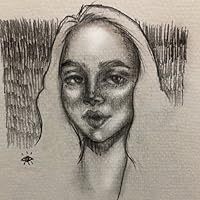
And so the months and the years have gone by, but little has turned out well for me. Each new year in turn has failed to bring happiness. Indeed, as I thibk of the unsatisfying events I have recorded here, I wonder whether I have been describing anything of substance. Call it, this journal of mine, a shimmering of the summer sky.

October 9, 2011
I only read the first 82 pages of this. Historically important, perhaps, but I found it tedious and ultimately couldn't continue with it.

February 5, 2023
Wild to see the similarities between her experiences and modern day unhealthy relationships. Gaslighting is an ancient art it seems. Sad.
Displaying 1 - 30 of 87 reviews