

What do you think?

Philip Marlowe #1
หลับไม่ตื่น
นวนิยายเรื่องแรกของเรย์มอนด์ แซนด์เลอร์ไม่เพียงแต่มีฐานะเป็นหนึ่งในนวนิยายรหัสคดียิ่งใหญ่ที่สุดแห่งศตวรรษที่ 20 หากยังเป็นหนึ่งในผลงานร้อยแก้วที่ยอมเยี่ยมอย่างแท้จริงในบรรดาวรรณกรรมทั้งมวลของสหรัฐอเมริกา น้อยคนที่อ่านจบแล้วจะไม่ยอมรับว่า "หลับไม่ตื่น" ไม่ใช่งานวรรณกรรมและงานศิลปะชิ้นเอก ควบคู่ไปกับการเป็นนิยายสืบสวนที่ให้ความบันเทิงได้อย่างสมบูรณ์แบบ
แซนด์เลอร์เป็นนายภาษา ถ้อยคำและวลีที่เขาเลือกใช้คมชัดไม่ขาดไม่เกิน ช่ำชองทั้งบทพูดบทบรรยายฉากสถานที่และเหตุการณ์ สำนวนลีลาของเขาไม่เพียงสร้างความประทับใจต่อผู้อ่าน แต่ยังมีอิทธิพลต่อนักเขียนคนอื่นๆในยุคเดียวกันและในยุคต่อๆมา
แซนด์เลอร์เป็นนายภาษา ถ้อยคำและวลีที่เขาเลือกใช้คมชัดไม่ขาดไม่เกิน ช่ำชองทั้งบทพูดบทบรรยายฉากสถานที่และเหตุการณ์ สำนวนลีลาของเขาไม่เพียงสร้างความประทับใจต่อผู้อ่าน แต่ยังมีอิทธิพลต่อนักเขียนคนอื่นๆในยุคเดียวกันและในยุคต่อๆมา
240 pages, Paperback
First published February 6, 1939
About the author
Raymond Chandler
456 books5,875 followersRaymond Thornton Chandler was an American-British novelist and screenwriter. In 1932, at the age of forty-four, Chandler became a detective fiction writer after losing his job as an oil company executive during the Great Depression. His first short story, "Blackmailers Don't Shoot", was published in 1933 in Black Mask, a popular pulp magazine. His first novel, The Big Sleep, was published in 1939. In addition to his short stories, Chandler published seven novels during his lifetime (an eighth, in progress at the time of his death, was completed by Robert B. Parker). All but Playback have been made into motion pictures, some more than once. In the year before his death, he was elected president of the Mystery Writers of America.
Chandler had an immense stylistic influence on American popular literature. He is a founder of the hardboiled school of detective fiction, along with Dashiell Hammett, James M. Cain and other Black Mask writers. The protagonist of his novels, Philip Marlowe, like Hammett's Sam Spade, is considered by some to be synonymous with "private detective". Both were played in films by Humphrey Bogart, whom many consider to be the quintessential Marlowe.
The Big Sleep placed second on the Crime Writers Association poll of the 100 best crime novels; Farewell, My Lovely (1940), The Lady in the Lake (1943) and The Long Goodbye (1953) also made the list. The latter novel was praised in an anthology of American crime stories as "arguably the first book since Hammett's The Glass Key, published more than twenty years earlier, to qualify as a serious and significant mainstream novel that just happened to possess elements of mystery". Chandler was also a perceptive critic of detective fiction; his "The Simple Art of Murder" is the canonical essay in the field. In it he wrote: "Down these mean streets a man must go who is not himself mean, who is neither tarnished nor afraid. The detective must be a complete man and a common man and yet an unusual man. He must be, to use a rather weathered phrase, a man of honor—by instinct, by inevitability, without thought of it, and certainly without saying it. He must be the best man in his world and a good enough man for any world."
Parker wrote that, with Marlowe, "Chandler seems to have created the culminating American hero: wised up, hopeful, thoughtful, adventurous, sentimental, cynical and rebellious—an innocent who knows better, a Romantic who is tough enough to sustain Romanticism in a world that has seen the eternal footman hold its coat and snicker. Living at the end of the Far West, where the American dream ran out of room, no hero has ever been more congruent with his landscape. Chandler had the right hero in the right place, and engaged him in the consideration of good and evil at precisely the time when our central certainty of good no longer held."
Chandler had an immense stylistic influence on American popular literature. He is a founder of the hardboiled school of detective fiction, along with Dashiell Hammett, James M. Cain and other Black Mask writers. The protagonist of his novels, Philip Marlowe, like Hammett's Sam Spade, is considered by some to be synonymous with "private detective". Both were played in films by Humphrey Bogart, whom many consider to be the quintessential Marlowe.
The Big Sleep placed second on the Crime Writers Association poll of the 100 best crime novels; Farewell, My Lovely (1940), The Lady in the Lake (1943) and The Long Goodbye (1953) also made the list. The latter novel was praised in an anthology of American crime stories as "arguably the first book since Hammett's The Glass Key, published more than twenty years earlier, to qualify as a serious and significant mainstream novel that just happened to possess elements of mystery". Chandler was also a perceptive critic of detective fiction; his "The Simple Art of Murder" is the canonical essay in the field. In it he wrote: "Down these mean streets a man must go who is not himself mean, who is neither tarnished nor afraid. The detective must be a complete man and a common man and yet an unusual man. He must be, to use a rather weathered phrase, a man of honor—by instinct, by inevitability, without thought of it, and certainly without saying it. He must be the best man in his world and a good enough man for any world."
Parker wrote that, with Marlowe, "Chandler seems to have created the culminating American hero: wised up, hopeful, thoughtful, adventurous, sentimental, cynical and rebellious—an innocent who knows better, a Romantic who is tough enough to sustain Romanticism in a world that has seen the eternal footman hold its coat and snicker. Living at the end of the Far West, where the American dream ran out of room, no hero has ever been more congruent with his landscape. Chandler had the right hero in the right place, and engaged him in the consideration of good and evil at precisely the time when our central certainty of good no longer held."
Ratings & Reviews
Friends & Following
Create a free account to discover what your friends think of this book!
Community Reviews
Displaying 1 - 30 of 9,723 reviews

August 20, 2008
She was the first thing I saw when I walked into the bookstore. Such a looker I damn near tripped over a stack of calf-high hardbacks set next to a stand of morning papers.
"I'm sorry," she said. "We're not quite open yet."
"That's okay," I told her. "Neither are my eyes."
I could tell right away I wasn't going to win any hosannas by being a smart-aleck.
"I need a book," I continued by way of apology. "Something fun but dark. I'm looking at five hundred miles today, but I'm not in the mood for an epic. Noir, maybe. It takes a lot of plot to get through Tennessee."
She went to the shelves and started looking at the books. I was looking at her looking at the books. I'm pretty sure I had the better view.
"Try this." She handed me a trade paper---nothing flashy. Minimalist even. But I recognized it, and the title went down like a good steak. "You ever read it before?"
"The Big Sleep? Sure. It's been twenty years, though. I don't remember much."
"Literary hair of the dog," she nodded. "It should suit you. It's got a dead dirty books dealer, a nympho with a pistol, some scrape-ups, and a lot of snap-cracklin' wit. Maybe one or two too many jawbreakers, but there's no mush. My guess? You'll hit the FINIS before you make Cullman."
Something caught my eye. Outside, three cruts piling out of a red pickup. I thought about the night before, the money at the casino one interstate exit up, the deal that didn't go down so straight. I looked at my scraped knuckles and licked the cut in my gums. I hoped I made it to Cullman. Hell, I hoped I could make it to a last page.
"What about the sentences?" I asked.
"What about them? You start with the big letter and follow the rest to the dot at the end. That's all you need to know about sentences, Jack."
"I like mine short, but not stuttery. Any joe who speaks one-word ones is likely to get a smack upside the head from me. By the same token, I don't go for gabber.s Long, windy ones give me an ache. You know why? Because long sentences are a tough chew when you're sporting a busted rib or two."
She saw the cruts outside. They hadn't spotted me, but I wasn't lucky enough to stay the invisible joe indefinitely.
"You got a broken rib, do you?" She was watching the dufuses outside.
"Not right now, but something tell me I will before I get to Chapter 2." An idea came to mind. "Hey, how about you give a dying man his wish and read me a paragraph or two of this Chandler guy?"
She took the book back, not looking at it but looking at me, not a dab of fear in her eyes, but hard as a charcoal and twice as haughty. For a second I wondered what it would cost me for her and the book both, but what with the ride I was headed for, I didn't need any baggage.
She opened the book and purred out the antepenultimate paragraph. You know the one: the one that explains the title. The big sleep. It had the kind of sentences a man could die for. With my luck, I probably would.
"You better ring me up," I said. The cruts had spotted the bookstore and were headed for its door. They knew me too well.
"I'll pay cash," I told her. "Because neither of us has time for credit."
"If you ever get back to town, swing by. I stock noir like air. I'll hook you up."
"Sure. If I make it back. Maybe then I can swallow a longer paragraph."
I was on my way to head off the cruts when I nearly tripped again over the stack of hardbacks next to the morning papers.
"You sell many of these?" I asked.
"Not a one," she shrugged.
I looked at my name on the book jacket.
"Figures," I shrugged back.
I set it back on the stack---gently, because tossing it would've been ungentlemanly---and I stepped outside to meet my fate.
Damn if the little livro pusher didn't do me right. The Big Sleep turned out pretty durable, especially for a trade paper.
Just ask the first crut who came at me. He crumpled the second he took its spine upside the temple.
"I'm sorry," she said. "We're not quite open yet."
"That's okay," I told her. "Neither are my eyes."
I could tell right away I wasn't going to win any hosannas by being a smart-aleck.
"I need a book," I continued by way of apology. "Something fun but dark. I'm looking at five hundred miles today, but I'm not in the mood for an epic. Noir, maybe. It takes a lot of plot to get through Tennessee."
She went to the shelves and started looking at the books. I was looking at her looking at the books. I'm pretty sure I had the better view.
"Try this." She handed me a trade paper---nothing flashy. Minimalist even. But I recognized it, and the title went down like a good steak. "You ever read it before?"
"The Big Sleep? Sure. It's been twenty years, though. I don't remember much."
"Literary hair of the dog," she nodded. "It should suit you. It's got a dead dirty books dealer, a nympho with a pistol, some scrape-ups, and a lot of snap-cracklin' wit. Maybe one or two too many jawbreakers, but there's no mush. My guess? You'll hit the FINIS before you make Cullman."
Something caught my eye. Outside, three cruts piling out of a red pickup. I thought about the night before, the money at the casino one interstate exit up, the deal that didn't go down so straight. I looked at my scraped knuckles and licked the cut in my gums. I hoped I made it to Cullman. Hell, I hoped I could make it to a last page.
"What about the sentences?" I asked.
"What about them? You start with the big letter and follow the rest to the dot at the end. That's all you need to know about sentences, Jack."
"I like mine short, but not stuttery. Any joe who speaks one-word ones is likely to get a smack upside the head from me. By the same token, I don't go for gabber.s Long, windy ones give me an ache. You know why? Because long sentences are a tough chew when you're sporting a busted rib or two."
She saw the cruts outside. They hadn't spotted me, but I wasn't lucky enough to stay the invisible joe indefinitely.
"You got a broken rib, do you?" She was watching the dufuses outside.
"Not right now, but something tell me I will before I get to Chapter 2." An idea came to mind. "Hey, how about you give a dying man his wish and read me a paragraph or two of this Chandler guy?"
She took the book back, not looking at it but looking at me, not a dab of fear in her eyes, but hard as a charcoal and twice as haughty. For a second I wondered what it would cost me for her and the book both, but what with the ride I was headed for, I didn't need any baggage.
She opened the book and purred out the antepenultimate paragraph. You know the one: the one that explains the title. The big sleep. It had the kind of sentences a man could die for. With my luck, I probably would.
"You better ring me up," I said. The cruts had spotted the bookstore and were headed for its door. They knew me too well.
"I'll pay cash," I told her. "Because neither of us has time for credit."
"If you ever get back to town, swing by. I stock noir like air. I'll hook you up."
"Sure. If I make it back. Maybe then I can swallow a longer paragraph."
I was on my way to head off the cruts when I nearly tripped again over the stack of hardbacks next to the morning papers.
"You sell many of these?" I asked.
"Not a one," she shrugged.
I looked at my name on the book jacket.
"Figures," I shrugged back.
I set it back on the stack---gently, because tossing it would've been ungentlemanly---and I stepped outside to meet my fate.
Damn if the little livro pusher didn't do me right. The Big Sleep turned out pretty durable, especially for a trade paper.
Just ask the first crut who came at me. He crumpled the second he took its spine upside the temple.

January 26, 2013
Since I've been reading a lot of detective-type urban fantasy lately, I decided to pick up one of the original texts of the genre, just to see what it was like.
Chandler wrote this back in 1939, and the book itself holds up remarkably well even though it's been 70 years.
It's very readable. Some of the slang is a little opaque, sure, but not nearly as much as you'd think.
And some of the intuitive leaps Philip Marlow takes are a little difficult to grasp. But I'm not sure if that's because:
1) The cultural gap between now and the time the novels were written.
2) The fact that it was assumed that a reader then should be willing to work a little harder back then.
3) The fact that this was Chandler's first novel.
Most interesting to me were the parts of the novel that didn't have anything to do with the story itself. Marlowe constantly laments how corrupt society and the government are, and I'd always thought of that as a relatively modern sensibility.
The biggest and most pervasive stumbling block to enjoying the book is the fact that racism and sexism are moderately rampant. It's not a piece of malicious propaganda like Birth of a Nation, but the fact remains that Marlow slaps a dame a couple times to bring her to her senses. And there's talk openly demonizing "queers" and "fags."
It's similar to Gone with the Wind in a lot of ways. There's racism and sexism and casual violence against women. And given the time period, it's hard to imagine how you could tell a story set in then and there without those things. It all seems very much a natural part of the story, and so matter-of-fact that it's almost inoffensive.
That said, I don't know if that makes it better or worse than something malicious and blatantly attempting to promote these poisonous views. We tend to be aware of propaganda and therefore it's easier to think about and possibly resist. Propiganda is like someone too close to you, talking too loud, poking you in the chest with a finger. It's pushy, and for the most part, humans resent and resist being pushed.
Stories like this though, where these toxic element seem like natural parts of the genre, world, culture, or story... they're persuasive in a way that outright persuasion can never be. They're like visiting a cool loft apartment in a repurposed warehouse. It's quirky and interesting and cool people live there, and also all the old industrial solvents have soaked into the brick, and so every time you go there, without even noticing, you breathe in a bunch of benzine. And when you touch the banisters or walk around barefoot, you absorb just a *little* lead from the old paint. And so every time you visit, just by passing through, you become ever so slightly poisoned without even realizing it....
That said, this was a book that was instrumental in founding a genre. And reading this now, I see how so many people have been following in Chandler's footsteps. Many of the tropes were obviously set down by him, and they carry forward to this day.
All it all, a complicated but worthwhile read depending how much you're interested in the history of a type of story. But probably more informative than straight-up enjoyable.
(Note: I originally wrote this review back in 2013, and today (in March of 2021, 8 years later) someone brought to my attention that some of what I originally wrote about the problematic elements of this book were themselves problematic. Re-reading it, I realized I hadn't done a good job communicating what I really *meant* to say. So I've revised this to make my thoughts more clear.)
Chandler wrote this back in 1939, and the book itself holds up remarkably well even though it's been 70 years.
It's very readable. Some of the slang is a little opaque, sure, but not nearly as much as you'd think.
And some of the intuitive leaps Philip Marlow takes are a little difficult to grasp. But I'm not sure if that's because:
1) The cultural gap between now and the time the novels were written.
2) The fact that it was assumed that a reader then should be willing to work a little harder back then.
3) The fact that this was Chandler's first novel.
Most interesting to me were the parts of the novel that didn't have anything to do with the story itself. Marlowe constantly laments how corrupt society and the government are, and I'd always thought of that as a relatively modern sensibility.
The biggest and most pervasive stumbling block to enjoying the book is the fact that racism and sexism are moderately rampant. It's not a piece of malicious propaganda like Birth of a Nation, but the fact remains that Marlow slaps a dame a couple times to bring her to her senses. And there's talk openly demonizing "queers" and "fags."
It's similar to Gone with the Wind in a lot of ways. There's racism and sexism and casual violence against women. And given the time period, it's hard to imagine how you could tell a story set in then and there without those things. It all seems very much a natural part of the story, and so matter-of-fact that it's almost inoffensive.
That said, I don't know if that makes it better or worse than something malicious and blatantly attempting to promote these poisonous views. We tend to be aware of propaganda and therefore it's easier to think about and possibly resist. Propiganda is like someone too close to you, talking too loud, poking you in the chest with a finger. It's pushy, and for the most part, humans resent and resist being pushed.
Stories like this though, where these toxic element seem like natural parts of the genre, world, culture, or story... they're persuasive in a way that outright persuasion can never be. They're like visiting a cool loft apartment in a repurposed warehouse. It's quirky and interesting and cool people live there, and also all the old industrial solvents have soaked into the brick, and so every time you go there, without even noticing, you breathe in a bunch of benzine. And when you touch the banisters or walk around barefoot, you absorb just a *little* lead from the old paint. And so every time you visit, just by passing through, you become ever so slightly poisoned without even realizing it....
That said, this was a book that was instrumental in founding a genre. And reading this now, I see how so many people have been following in Chandler's footsteps. Many of the tropes were obviously set down by him, and they carry forward to this day.
All it all, a complicated but worthwhile read depending how much you're interested in the history of a type of story. But probably more informative than straight-up enjoyable.
(Note: I originally wrote this review back in 2013, and today (in March of 2021, 8 years later) someone brought to my attention that some of what I originally wrote about the problematic elements of this book were themselves problematic. Re-reading it, I realized I hadn't done a good job communicating what I really *meant* to say. So I've revised this to make my thoughts more clear.)

May 13, 2007
It is always a pleasure to revisit a good book and find it even better than you remember. But it is humbling to discover that what you once thought was its most obvious defect is instead one of its great strengths. That was my recent experience with Raymond Chandler's The Big Sleep.
I had read it twice before—once twenty years, once forty years ago—and have admired it ever since for its striking metaphors, vivid scenes, and tough dialogue. Above all, I love it for its hero, Philip Marlowe, the closest thing to a shining knight in a tarnished, unchivalrous world.
But even though I recalled Chandler's metaphors with pleasure, I also tended to disparage them as baroque and excessive. Having read too many Chandler imitations and watched too many Chandler parodies, I had come to view his images as exotic, overripe things which could survive only in a hothouse—corrupt things like the orchids the aged and ever-chilly General Sternwood raises as an excuse for the heat.
This time through, I refused to let individual metaphors distract me, but instead allowed the totality of the imagery—including the detailed description of the settings—do its work. When I did so, I was not only pleased by the aptness of the descriptive passages but also surprised by the restraint of most of the metaphors. True, there are a few outrageous similes, but they are always used deliberately, for humor or shock, and often refer to the General's daughter Carmen, who deserves everything she gets. Overall, the sustained effect of the imagery is to evoke vividly and atmospherically the beauty and corruption of Los Angeles.
But, first and foremost, the author's imagery is the narrator Marlowe's too—as is also the case with Joseph Conrad's narrator Marlow—and because of this it reveals to us the heart of Marlowe's personal darkness: his place in the world, the person he wishes to be, and the profound distance between the two.
Chandler introduces us to Marlowe at the Sternwood's palatial mansion, a medieval gothic structure within sight of—but mercifully upwind from—the stinking detritus of Sternwood's first oil well, the foundation of the family fortune. Over the hallway entrance, a stained-glass window depicts a knight who is awkwardly—Marlowe thinks unsuccessfully—trying to free a captive maiden (her nakedness concealed only by her long cascading hair) from the ropes that bind her. Marlowe's initial impulse? He wants to climb up there and help. He doesn't think the guy is really trying.
Thus, from the first, the despoliation of L.A., the corruption of big money, and a vision of chivalric romance complicated by sexuality—a vision which encompasses both the urgency and impotence of knight-errantry--reflect Philip Marlowe's character and concerns. As the book proceeds, the ghost of Rusty Reagan, an embodiment of modern day romance (Irish rebel soldier, rum-runner, crack shot), becomes not only part of Marlowe's quest but also his double, another young man with “a soldier's eye” doing General Sternwood's bidding, lost in the polluted world of L.A. At the climax of the novel, everything that can be resolved is resolved, as Marlowe, the ghost of Reagan and one of the Sternwoods meet amidst the stench of the family's abandoned oil well.
Afterwards, though, all Marlowe can think about is Eddie Mars' wife, the captive "maiden" who cut off all of her once-long hair to prove she didn't mind being confined (“Silver-Wig” Marlowe calls her), who rescued him from killers by cutting his ropes with a knife, but who is still so in love with her corrupt gambler husband that Marlowe cannot begin to save her.

September 16, 2010
Okay, so it wasn't bad. There's lots of fistfights and shooting and dames, and our detective hero is appropriately jaded and tight-lipped. The bad guys are crazy, the women are freaks in both the streets and the sheets, and there's a subplot involving a pornography racket. Everyone talks in 30's-tastic slang and usually the reader has no idea what everyone keeps yelling about. It's a violent, fast-paced, garter-snapping (the Depression equivalent of bodice-ripping, I imagine) detective thriller, and you could do a lot worse. Chandler, like his contemporary Dashiel Hammett, has a gift for gorgeous description and atmosphere, and uses it well. But I just can't stomach giving this more than 2 stars.
Here's my problem: while I understand that the 1930's were a very homophobic and sexist time and that books written during that era are bound to include some stuff that makes me uncomfortable, that doesn't mean I'm going to enjoy reading a book where the hero is homophobic and misogynist. Philip Marlowe, the hard-boiled detective of The Big Sleep, makes Sam Spade look like a refined gentleman in comparison. And I guess he is - Spade has pimp-slapped his share of the ladies, but never tried to assure the reader that "she didn't mind the slap...Probably all her boy friends got around to slapping her sooner or later. I could understand how they might." Spade never described a room's decor as having "a stealthy nastiness, like a fag party." Also, the female characters in this book are all loathsome. There's no Brigid O'Shaunessy, who was violent and evil and awesome; and there's no Effie Perine. Only a couple of psycho rich girls who Marlowe sneers at while rolling his eyes at their repeated attempts to sleep with him, the stupid whores.
I'll admit, there can be certain guilty pleasure to be had from reading the perspective of such an unashamedly bigoted character. But it gets old fast, and eventually just left a bad taste in my mouth. Thank you for your time, Mr. Marlowe, but I'm casting my lot with Mr. Spade. He knows how to treat a lady.
Read for: Social Forces in the Detective Novel
Here's my problem: while I understand that the 1930's were a very homophobic and sexist time and that books written during that era are bound to include some stuff that makes me uncomfortable, that doesn't mean I'm going to enjoy reading a book where the hero is homophobic and misogynist. Philip Marlowe, the hard-boiled detective of The Big Sleep, makes Sam Spade look like a refined gentleman in comparison. And I guess he is - Spade has pimp-slapped his share of the ladies, but never tried to assure the reader that "she didn't mind the slap...Probably all her boy friends got around to slapping her sooner or later. I could understand how they might." Spade never described a room's decor as having "a stealthy nastiness, like a fag party." Also, the female characters in this book are all loathsome. There's no Brigid O'Shaunessy, who was violent and evil and awesome; and there's no Effie Perine. Only a couple of psycho rich girls who Marlowe sneers at while rolling his eyes at their repeated attempts to sleep with him, the stupid whores.
I'll admit, there can be certain guilty pleasure to be had from reading the perspective of such an unashamedly bigoted character. But it gets old fast, and eventually just left a bad taste in my mouth. Thank you for your time, Mr. Marlowe, but I'm casting my lot with Mr. Spade. He knows how to treat a lady.
Read for: Social Forces in the Detective Novel

November 3, 2021
Sometimes, when our dogs get really, really excited, they wag their tails so hard, they fall on their asses, then they slide a little bit on our hardwood floors.
That's what happened to me with this novel, this week. It made me wag my tail so hard, I fell on my ass. I'm writing this review from the hardwood floor.
Here's the thing: this book isn't for everyone. It's American “detective fiction” from the 1930s. You know. . . pulp fiction, “noir fiction,” edgy, pulpy, stylized novels from a distinct time in U.S. history. A time when two of my favorite writers, Carl Sandburg and Langston Hughes, were making small, literate crowds of readers hungry for their new beat, their new tone. A time when jazz was playing in the background on hundreds of thousands of radios.
(It's fitting that Carl Sandburg should be mentioned here. He and Raymond Chandler were born just 10 years apart, in the Chicago area. How could they not be affected by rhythm and blues?? It was all around them).
Despite his beginnings, Mr. Chandler ended up, ultimately, in southern California, “which both fascinated and repulsed him because of the paradox of its beauty and tawdriness.”
He was a quirky man, married to a woman old enough to be his mother, and I was fascinated to learn that when he died “just seventeen people attended his funeral.”
It seems, in many ways, that he was a loner, as so many of us on here are. By “loner” I don't mean to suggest that you or I are people who don't have friends or family. I just suspect that many of us on here who list “reading” as a top hobby are often people who avoid crowds. Avoid parties. Many of us who list “reading” and “writing” as our two top hobbies might as well just admit that we bar the door.
So. . . Mr. Chandler was different, but maybe not so different from you, or me. Turns out, his fictional creation of Philip Marlowe, his now famous (infamous?) detective was quite different, too.
Philip Marlowe, Chandler's fictional detective, has been described as many things in other reviews, probably most commonly as a “misogynist” and a “homophobe,” but I had the pleasure of meeting him for the first time this week, and I'd like to share what my own, personal experience was of him.
I found him to be a guarded, walled-off man, who is more likely struggling with a dissociative disorder than misogyny or homophobia, though Marlowe's behavior certainly smacks of both.
Interestingly, I found Marlowe's disgust of gay men equal to that of women. And, to be perfectly honest, I think I could present a pretty good argument that Marlowe is a closeted, gay man who is choosing to be asexual (“Did you know that worms are of both sexes and that any worm can love any other worm?”).
What we know for sure: Marlowe is a man who finds every excuse to be alone and stay alone, whether it involves a verbal savagery against a gay, male killer in the story, or the verbal barbs used against either of the sexually suggestive Sternwood sisters.
Oh, and it certainly wasn't lost on me, as a reader, that the one woman he appears to desire in the story has “lips of ice” when he ultimately kisses her. She is death itself to him, or so it seems.
I was surprised (and, quite frankly, shocked) to love Marlowe as much as I did. Despite his casual hatred of the people around him and his incessant tough-guy posturing, I found him a fascinating, complicated character, and when I read these lines, a part of my heart softened toward him (and all loners, really):
. . . this was the room I had to live in. It was all I had in the way of a home. In it was everything that was mine, that had any association for me, any past, anything that took the place of a family. Not much: a few books, pictures, radio, chessmen, old letters, stuff like that. Nothing. Such as they were, they had all my memories.
Damn it. I didn't expect to feel this way at all. I mean, I love detective fiction from this time period, so I suspected I'd be a fan, but I had no idea that Raymond Chandler had a skill set that spanned this scope of emotion for me.
I laughed throughout almost the whole novel ("Two coffees," I said. "Black, strong, and made this year."), I had one night when I stayed up late reading it and got the creeps so bad, I couldn't fall asleep, and. . . oh yeah, I cried.
This is one slice of California dreaming for me—only Cain's Mildred Pierce brought to life the rocky coastline, the “wind twisted Monterrey cypresses,” and the “tall eucalyptus trees [that] always look dusty” more than this story did for me.
I just freaking loved it.
That's what happened to me with this novel, this week. It made me wag my tail so hard, I fell on my ass. I'm writing this review from the hardwood floor.
Here's the thing: this book isn't for everyone. It's American “detective fiction” from the 1930s. You know. . . pulp fiction, “noir fiction,” edgy, pulpy, stylized novels from a distinct time in U.S. history. A time when two of my favorite writers, Carl Sandburg and Langston Hughes, were making small, literate crowds of readers hungry for their new beat, their new tone. A time when jazz was playing in the background on hundreds of thousands of radios.
(It's fitting that Carl Sandburg should be mentioned here. He and Raymond Chandler were born just 10 years apart, in the Chicago area. How could they not be affected by rhythm and blues?? It was all around them).
Despite his beginnings, Mr. Chandler ended up, ultimately, in southern California, “which both fascinated and repulsed him because of the paradox of its beauty and tawdriness.”
He was a quirky man, married to a woman old enough to be his mother, and I was fascinated to learn that when he died “just seventeen people attended his funeral.”
It seems, in many ways, that he was a loner, as so many of us on here are. By “loner” I don't mean to suggest that you or I are people who don't have friends or family. I just suspect that many of us on here who list “reading” as a top hobby are often people who avoid crowds. Avoid parties. Many of us who list “reading” and “writing” as our two top hobbies might as well just admit that we bar the door.
So. . . Mr. Chandler was different, but maybe not so different from you, or me. Turns out, his fictional creation of Philip Marlowe, his now famous (infamous?) detective was quite different, too.
Philip Marlowe, Chandler's fictional detective, has been described as many things in other reviews, probably most commonly as a “misogynist” and a “homophobe,” but I had the pleasure of meeting him for the first time this week, and I'd like to share what my own, personal experience was of him.
I found him to be a guarded, walled-off man, who is more likely struggling with a dissociative disorder than misogyny or homophobia, though Marlowe's behavior certainly smacks of both.
Interestingly, I found Marlowe's disgust of gay men equal to that of women. And, to be perfectly honest, I think I could present a pretty good argument that Marlowe is a closeted, gay man who is choosing to be asexual (“Did you know that worms are of both sexes and that any worm can love any other worm?”).
What we know for sure: Marlowe is a man who finds every excuse to be alone and stay alone, whether it involves a verbal savagery against a gay, male killer in the story, or the verbal barbs used against either of the sexually suggestive Sternwood sisters.
Oh, and it certainly wasn't lost on me, as a reader, that the one woman he appears to desire in the story has “lips of ice” when he ultimately kisses her. She is death itself to him, or so it seems.
I was surprised (and, quite frankly, shocked) to love Marlowe as much as I did. Despite his casual hatred of the people around him and his incessant tough-guy posturing, I found him a fascinating, complicated character, and when I read these lines, a part of my heart softened toward him (and all loners, really):
. . . this was the room I had to live in. It was all I had in the way of a home. In it was everything that was mine, that had any association for me, any past, anything that took the place of a family. Not much: a few books, pictures, radio, chessmen, old letters, stuff like that. Nothing. Such as they were, they had all my memories.
Damn it. I didn't expect to feel this way at all. I mean, I love detective fiction from this time period, so I suspected I'd be a fan, but I had no idea that Raymond Chandler had a skill set that spanned this scope of emotion for me.
I laughed throughout almost the whole novel ("Two coffees," I said. "Black, strong, and made this year."), I had one night when I stayed up late reading it and got the creeps so bad, I couldn't fall asleep, and. . . oh yeah, I cried.
This is one slice of California dreaming for me—only Cain's Mildred Pierce brought to life the rocky coastline, the “wind twisted Monterrey cypresses,” and the “tall eucalyptus trees [that] always look dusty” more than this story did for me.
I just freaking loved it.

October 20, 2022
Well, it seems I do not go along with classic noirs. I tried Hashmett and I tried Chandler without any success. This one was better than the other but I cannot declare that I like it. What went wrong? Not sure, I guess is the dated writing, the sexism, the plot which did not interest me and the bland/blunt characters. I can see the value of these novels but they are not for me. Having say that, I love Philip Kerr's Bernie Gunther but he is a bit younger, I guess.

July 30, 2014
A killing reading!
PAINT IT BLACK
A nice state of affairs when a man has to indulge his vices by proxy.
That was the line that hook me when I watched the classic film adaptation, the one produced in 1946, starring Humphrey Bogart and Lauren Bacall.
While I loved the whole movie, that scene between Marlowe (Bogart) and the character of General Sternwood (Charles Waldron) at the glasshouse (in the beginning of the story) was what hooked me. It’s a wonderful dialogue, full of vices, smoking and drinking, and while I don’t smoke and I seldom drink alcohol in parties, I am not prude and I think that type of characters look cool while smoking and drinking. Maybe because I think new millenium society has become too sanctimonious about the topics. I know that they aren’t healthy conducts, but look at me, I like to watch characters doing both things and I don’t do them on my own.
Funny thing that if some character uses a gun and kills some other character, nobody is shocked, but if some character smokes, everybody gets scandalized about it.
I’m told you are a widower and have two young daughters, both pretty, both wild.
It was a delicious dialogue between the detective Marlowe and the General Sternwood.
Certainly when the bundle of stunning ladies, in those gorgeous 1940’s wardrobes and hairsyles, starting to fill the screen, the hook got me totally.
I love Film Noir movies and I love detective novels, so reading Noir Detective novels is like something I should to begin many years ago.
Obviously I have watched almost all the relevant Film Noir movies that they were inspired by the same iconic Noir novels, but even so, I want to read those original books, but also many others that they don’t have film adaptation and/or I haven’t watched the movie version.
I am fan of movies and books, so I do like both formats and I have no preference of one over the other. I enjoy both ways to know stories.
The Big Sleep is my favorite Film Noir movie of all, so I thought that it was the perfect choice to be the first fully Noir novel to read.
And I enjoyed a lot since while I still love the movie, I enjoyed to read the differences on the book, to be able to appreciate a different approach to the basically same general story. It’s interesting that while the book is more open to show polemic issues (and quite impressive taking in account that the novel was published in 1939) but the book isn’t that packed of sexy scenes with lovely ladies as it was the movie version.
A key angle to read the novel is that, while in the movie the identity of the culprit ( I won’t spoil it, don’t worry! ) is left in the air, on the book you will know quite clearly who did it. And obviously that’s the whole deal in a detective novel. (Still I love the movie version because is so much fun to watch it. I have it on DVD, and you can bet that as soon as it would be available on Blu-ray, I will order it at once!)
BABY’S IN BLACK
So, you’re a private detective... I didn’t know they really existed except in books.
Philip Marlowe, the detective in this novel, along with the character of Sam Spade (in its own book series) are like the role models to the rest of Noir detectives that came after them. Hat, raincoat, smocking, and a bit (if not lots of) cynical humor. You don’t want them to be something different!
She was worth a stare. She was trouble.
Femme Fatales. Love them, but be careful, because they may be as lethal as gorgeous! But you never be sure and that's part of the fun!
The Sternwood Sisters, Vivian and Carmen, certainly are great characters and impossible to predict what they will do next.
Hard-boiled Detectives and Femme Fatales do a dangerous dance during the whole deal of the stories where the outcome of those are as important as to know who did the murder.
Noir Novels are hazardous beasts that have their own rules and they work in their own kind of universe where those rules have total sense, indeed the whole reason of why we love to read them.
The Big Sleep is a prime example of the genre and also definitely one of the most relevant titles there. A smart story with punchy dialogues and one heck of narrative.
PAINT IT BLACK
A nice state of affairs when a man has to indulge his vices by proxy.
That was the line that hook me when I watched the classic film adaptation, the one produced in 1946, starring Humphrey Bogart and Lauren Bacall.
While I loved the whole movie, that scene between Marlowe (Bogart) and the character of General Sternwood (Charles Waldron) at the glasshouse (in the beginning of the story) was what hooked me. It’s a wonderful dialogue, full of vices, smoking and drinking, and while I don’t smoke and I seldom drink alcohol in parties, I am not prude and I think that type of characters look cool while smoking and drinking. Maybe because I think new millenium society has become too sanctimonious about the topics. I know that they aren’t healthy conducts, but look at me, I like to watch characters doing both things and I don’t do them on my own.
Funny thing that if some character uses a gun and kills some other character, nobody is shocked, but if some character smokes, everybody gets scandalized about it.
I’m told you are a widower and have two young daughters, both pretty, both wild.
It was a delicious dialogue between the detective Marlowe and the General Sternwood.
Certainly when the bundle of stunning ladies, in those gorgeous 1940’s wardrobes and hairsyles, starting to fill the screen, the hook got me totally.
I love Film Noir movies and I love detective novels, so reading Noir Detective novels is like something I should to begin many years ago.
Obviously I have watched almost all the relevant Film Noir movies that they were inspired by the same iconic Noir novels, but even so, I want to read those original books, but also many others that they don’t have film adaptation and/or I haven’t watched the movie version.
I am fan of movies and books, so I do like both formats and I have no preference of one over the other. I enjoy both ways to know stories.
The Big Sleep is my favorite Film Noir movie of all, so I thought that it was the perfect choice to be the first fully Noir novel to read.
And I enjoyed a lot since while I still love the movie, I enjoyed to read the differences on the book, to be able to appreciate a different approach to the basically same general story. It’s interesting that while the book is more open to show polemic issues (and quite impressive taking in account that the novel was published in 1939) but the book isn’t that packed of sexy scenes with lovely ladies as it was the movie version.
A key angle to read the novel is that, while in the movie the identity of the culprit ( I won’t spoil it, don’t worry! ) is left in the air, on the book you will know quite clearly who did it. And obviously that’s the whole deal in a detective novel. (Still I love the movie version because is so much fun to watch it. I have it on DVD, and you can bet that as soon as it would be available on Blu-ray, I will order it at once!)
BABY’S IN BLACK
So, you’re a private detective... I didn’t know they really existed except in books.
Philip Marlowe, the detective in this novel, along with the character of Sam Spade (in its own book series) are like the role models to the rest of Noir detectives that came after them. Hat, raincoat, smocking, and a bit (if not lots of) cynical humor. You don’t want them to be something different!
She was worth a stare. She was trouble.
Femme Fatales. Love them, but be careful, because they may be as lethal as gorgeous! But you never be sure and that's part of the fun!
The Sternwood Sisters, Vivian and Carmen, certainly are great characters and impossible to predict what they will do next.
Hard-boiled Detectives and Femme Fatales do a dangerous dance during the whole deal of the stories where the outcome of those are as important as to know who did the murder.
Noir Novels are hazardous beasts that have their own rules and they work in their own kind of universe where those rules have total sense, indeed the whole reason of why we love to read them.
The Big Sleep is a prime example of the genre and also definitely one of the most relevant titles there. A smart story with punchy dialogues and one heck of narrative.

December 11, 2016
Raymond Chandler first published The Big Sleep in 1939, introducing us to the world of Philip Marlowe. A modern, noir like detective story, The Big Sleep changed the genre from passive interactions to action packed thrills between the private eye and criminals. Set in 1930s Los Angeles, then a sleepy town controlled by the mob as much as the police, The Big Sleep is a non stop action thriller.
General Sherwood has hired private eye detective Philip Marlowe to solve the mystery of the whereabouts of his son-in-law Terrance Regan. Marlowe takes the case because he usually subsides on $25 a day, and figures the case to be cut and dry. Then, he is introduced to the General's daughters, Carmen and Vivian, and Marlowe is roped into a world of crime.
Instead of having to solve a missing persons case, Marlowe has three murders on his hands and multiple mob goons breathing down his neck. With little assistance from assistance district attorney Ohls and viewed as a nuisance by the Los Angeles Police, Marlowe is on his own. Questioning everyone from racketeers to pornographers, he slowly pieced together Regan's whereabouts. Adding to the thrill of the crime, both of Sherwood's vixen daughters desire Marlowe in a way that has nothing to do with detective work. All these facets of the book add up to nonstop fun.
Before Chandler introduced readers to pulp detective books, crimes passively suggested whodunit. The detective went pawning around for clues and eventually solved the case. Last year I read a few modern mystery books set in the 1910s and they hold true to the time period. The action in the novel as well as short sentences in first person created changed the way mystery writers wrote detective and crime novels. Even though this book was published in 1939, it held my attention because of all the action packed into its pages.
Marlowe eventually holds off the Sherwood sisters and finds out whodunit to all of the crimes. Smitten with the older of two sisters and in the good graces of the police and district attorney's office, the door is open for Marlowe to return for more detective work. A fun book full of crime, the mob, and fast women, The Big Sleep is a fun detective book that held my attention throughout. I look forward to reading more of Marlowe's cases and I rate this premiere 4 solid stars.
General Sherwood has hired private eye detective Philip Marlowe to solve the mystery of the whereabouts of his son-in-law Terrance Regan. Marlowe takes the case because he usually subsides on $25 a day, and figures the case to be cut and dry. Then, he is introduced to the General's daughters, Carmen and Vivian, and Marlowe is roped into a world of crime.
Instead of having to solve a missing persons case, Marlowe has three murders on his hands and multiple mob goons breathing down his neck. With little assistance from assistance district attorney Ohls and viewed as a nuisance by the Los Angeles Police, Marlowe is on his own. Questioning everyone from racketeers to pornographers, he slowly pieced together Regan's whereabouts. Adding to the thrill of the crime, both of Sherwood's vixen daughters desire Marlowe in a way that has nothing to do with detective work. All these facets of the book add up to nonstop fun.
Before Chandler introduced readers to pulp detective books, crimes passively suggested whodunit. The detective went pawning around for clues and eventually solved the case. Last year I read a few modern mystery books set in the 1910s and they hold true to the time period. The action in the novel as well as short sentences in first person created changed the way mystery writers wrote detective and crime novels. Even though this book was published in 1939, it held my attention because of all the action packed into its pages.
Marlowe eventually holds off the Sherwood sisters and finds out whodunit to all of the crimes. Smitten with the older of two sisters and in the good graces of the police and district attorney's office, the door is open for Marlowe to return for more detective work. A fun book full of crime, the mob, and fast women, The Big Sleep is a fun detective book that held my attention throughout. I look forward to reading more of Marlowe's cases and I rate this premiere 4 solid stars.

May 18, 2020
“The game I play is not spillikins. There’s always a large element of bluff connected with it…When you hire a boy in my line of work it isn’t like hiring a window-washer and showing him eight windows and saying: ‘Wash those and you’re through.’ You don’t know what I have to go through or over or under to do your job for you. I do it my way. I do my best to protect you and I may break a few rules, but I break them in your favor. The client comes first, unless he’s crooked. Even then all I do is hand the job back to him and keep my mouth shut…”
- Raymond Chandler, The Big Sleep
Raymond Chandler’s The Big Sleep is not the type of book I usually read. I don’t really care for detective novels, or multi-layered mysteries, or books in a series sharing the same protagonist. Raymond Chandler’s classic novel, a striking example of so-called “hardboiled” fiction, fits all three categories.
The Big Sleep features a private investigator – a “private dick,” in the parlance – named Philip Marlowe, who is hired by an old, dying millionaire to deal with a blackmailer who has targeted one of his daughters. In investigating this blackmail, Marlowe – who would eventually figure into seven completed novels, and numerous short-stories – gets more than he bargains for, as the clues he follows leads him down a labyrinthian path strewn with an increasing number of dead bodies.
Nothing in my tastes have changed. I still don’t really care for detective novels or mysteries, and the last thing I need in my reading life is to start a new book series. Rather, I came to The Big Sleep based on its reputation as great literature. I read it for the same reason I read War and Peace and Moby Dick and Les Misérables: because of its lofty status.
Having finished, there are two excellent things I discovered about The Big Sleep. First, its reputation is absolutely deserved. Second, it is only a fraction of the size of those aforementioned titles, and is paced like a bullet train. I could probably read this five times before finishing David Copperfield.
The Big Sleep begins at “about eleven o’clock in the morning, mid-October, with the sun not shining and a look of hard wet rain in the clearness of the foothills.” Marlowe, who narrates in the first-person, is looking dope and dashing with his suit, tie, and display handkerchief. He has just arrived at the mansion of General Sternwood, who has two troublesome daughters, Vivian and Carmen. Vivian is married to an ex-bootlegger who has run off and disappeared. Carmen is being blackmailed regarding some scandalous photos. Marlowe is given the task of tracking down this blackmailer and keeping things hush-hush.
That is the setup. To say more about the plot is impossible, without spoiling the various twists, turns, and loop-the-loops. Also, to tell you more would tax my callback abilities. Even though I took extensive character notes, I’m still not sure I caught everything (even though Marlowe helpfully recapitulates the storyline on a couple occasions).
Suffice to say, Chandler’s core design is satisfying. It keeps you on your toes; it is tricky without being incomprehensible; and it is surprising without being implausible. There are some glaring loose ends, which I’ll touch on briefly below, but it’s nothing that worried me. The reason is that it’s not the plotting or the mechanics of The Big Sleep that make it a masterpiece. It is the writing.
Chandler’s Marlowe is a droll, deadpan tour-guide of 1930s Los Angeles. His descriptions are blunt and to-the-point; his dialogue – and the dialogue of everyone he meets – is stylized and peppered with marvelous jargon and idioms. Next time you’re going to leave a room, just tell people you’re “going to dust.” Believe me, it will lift you in the eyes of others. While none of the characters, including Marlowe, have a lot of psychological depth, they are all well-drawn, well-described, and memorable. That is to say, we may be dealing with pawns, but the pawns leave an impression.
Having never read Dashiell Hammett or James Cain or their contemporaries, I cannot make any claims as to what Chandler created himself, or what he improved upon. For that matter, I can’t even tell you if he did it better than anyone else. I can say, however, that The Big Sleep is a beautiful expression of crime noir, with the various L.A. locations, the crummy P.I. office, the day-drinking, the constant smoking (this should really have a Surgeon-General’s warning), and the ceaseless parade of low-lifes, mobsters, and femme-fatales. It was a hoot-and-a-holler to read, even with its retrograde views on race, homosexuality, and women. These views, obviously, are period-appropriate; unfortunately, as The Big Sleep was written in that period, it might also be the author’s true perspective.
(It’s hard to know what to make of Marlowe’s casual misogyny. At certain points, it seems played for laughs, as in the famous line about how “you have to hold your teeth clamped around Hollywood to keep from chewing on stray blondes.” At other times, though, Chandler-Marlowe’s feelings on women seem much darker).
Originally published in 1939, elements of the The Big Sleep appeared in Chandler’s earlier short stories, which he later “cannibalized” to create his novels. In the process, certain things got lost, and some plot-holes never got filled. Being diligent with my notetaking, I finished the last page with at least one big lingering question-mark. It took some sleuthing of my own to realize that the solution to that particular query had gotten lost in transition.
The thing is, I didn’t care. Despite the occasional roughness, The Big Sleep felt oddly perfect. The final product accomplishes exactly what it sets out to accomplish, and it does so with exceptional skill. Chandler’s commitment to the bit is impressive, and he nails the lexicon, the highly-polished one-liners, and Marlowe’s cynical, world-weary existence. In form and function and execution, it is a wonderful example of the dizzying heights to which genre fiction can rise.
- Raymond Chandler, The Big Sleep
Raymond Chandler’s The Big Sleep is not the type of book I usually read. I don’t really care for detective novels, or multi-layered mysteries, or books in a series sharing the same protagonist. Raymond Chandler’s classic novel, a striking example of so-called “hardboiled” fiction, fits all three categories.
The Big Sleep features a private investigator – a “private dick,” in the parlance – named Philip Marlowe, who is hired by an old, dying millionaire to deal with a blackmailer who has targeted one of his daughters. In investigating this blackmail, Marlowe – who would eventually figure into seven completed novels, and numerous short-stories – gets more than he bargains for, as the clues he follows leads him down a labyrinthian path strewn with an increasing number of dead bodies.
Nothing in my tastes have changed. I still don’t really care for detective novels or mysteries, and the last thing I need in my reading life is to start a new book series. Rather, I came to The Big Sleep based on its reputation as great literature. I read it for the same reason I read War and Peace and Moby Dick and Les Misérables: because of its lofty status.
Having finished, there are two excellent things I discovered about The Big Sleep. First, its reputation is absolutely deserved. Second, it is only a fraction of the size of those aforementioned titles, and is paced like a bullet train. I could probably read this five times before finishing David Copperfield.
The Big Sleep begins at “about eleven o’clock in the morning, mid-October, with the sun not shining and a look of hard wet rain in the clearness of the foothills.” Marlowe, who narrates in the first-person, is looking dope and dashing with his suit, tie, and display handkerchief. He has just arrived at the mansion of General Sternwood, who has two troublesome daughters, Vivian and Carmen. Vivian is married to an ex-bootlegger who has run off and disappeared. Carmen is being blackmailed regarding some scandalous photos. Marlowe is given the task of tracking down this blackmailer and keeping things hush-hush.
That is the setup. To say more about the plot is impossible, without spoiling the various twists, turns, and loop-the-loops. Also, to tell you more would tax my callback abilities. Even though I took extensive character notes, I’m still not sure I caught everything (even though Marlowe helpfully recapitulates the storyline on a couple occasions).
Suffice to say, Chandler’s core design is satisfying. It keeps you on your toes; it is tricky without being incomprehensible; and it is surprising without being implausible. There are some glaring loose ends, which I’ll touch on briefly below, but it’s nothing that worried me. The reason is that it’s not the plotting or the mechanics of The Big Sleep that make it a masterpiece. It is the writing.
Chandler’s Marlowe is a droll, deadpan tour-guide of 1930s Los Angeles. His descriptions are blunt and to-the-point; his dialogue – and the dialogue of everyone he meets – is stylized and peppered with marvelous jargon and idioms. Next time you’re going to leave a room, just tell people you’re “going to dust.” Believe me, it will lift you in the eyes of others. While none of the characters, including Marlowe, have a lot of psychological depth, they are all well-drawn, well-described, and memorable. That is to say, we may be dealing with pawns, but the pawns leave an impression.
Having never read Dashiell Hammett or James Cain or their contemporaries, I cannot make any claims as to what Chandler created himself, or what he improved upon. For that matter, I can’t even tell you if he did it better than anyone else. I can say, however, that The Big Sleep is a beautiful expression of crime noir, with the various L.A. locations, the crummy P.I. office, the day-drinking, the constant smoking (this should really have a Surgeon-General’s warning), and the ceaseless parade of low-lifes, mobsters, and femme-fatales. It was a hoot-and-a-holler to read, even with its retrograde views on race, homosexuality, and women. These views, obviously, are period-appropriate; unfortunately, as The Big Sleep was written in that period, it might also be the author’s true perspective.
(It’s hard to know what to make of Marlowe’s casual misogyny. At certain points, it seems played for laughs, as in the famous line about how “you have to hold your teeth clamped around Hollywood to keep from chewing on stray blondes.” At other times, though, Chandler-Marlowe’s feelings on women seem much darker).
Originally published in 1939, elements of the The Big Sleep appeared in Chandler’s earlier short stories, which he later “cannibalized” to create his novels. In the process, certain things got lost, and some plot-holes never got filled. Being diligent with my notetaking, I finished the last page with at least one big lingering question-mark. It took some sleuthing of my own to realize that the solution to that particular query had gotten lost in transition.
The thing is, I didn’t care. Despite the occasional roughness, The Big Sleep felt oddly perfect. The final product accomplishes exactly what it sets out to accomplish, and it does so with exceptional skill. Chandler’s commitment to the bit is impressive, and he nails the lexicon, the highly-polished one-liners, and Marlowe’s cynical, world-weary existence. In form and function and execution, it is a wonderful example of the dizzying heights to which genre fiction can rise.

Read
April 12, 2021
How many hardboiled detective novels have been written since 1939, the year Raymond Chandler introduced his perceptive, quick-witted LA tough guy, private eye Philip Marlowe? Round to the nearest 10,000.
That's hardboiled as in a world of crooked cops, organized crime, double-crossing grifters and every other door in a downtown office reeking of swindle, sex angles or shady business deals. In such a world, it's every citizen for themselves and an honest detective can trust absolutely nobody, frequently not even their client.
The Big Sleep takes its rightful place among American literary masterpieces. Give me a feature of what goes into making a great novel, things like character, plot, scene, suspense, dialogue, atmosphere, tone. and I'll point out examples aplenty in The Big Sleep.
To focus on one key feature, let's take a gander at a string of Big Sleep character sketches. And as with all seven Raymond Chandler novels (The Big Sleep, Farewell, My Lovely, The High Window, The Lady in the Lake, The Little Sister, The Long Good-Bye, Playback), Detective Philip Marlowe is the first-person narrator:
Carmen Sternwood - "She was twenty or so, small and delicately put together, but she looked durable. She wore pale blue slacks and they looked well on her. She walked as if she were floating. Her hair was a fine tawny wave cut much shorter than the current fashion of pageboy tresses curled in at the bottom. Her eyes were slate-gray, and had almost no expression when they looked at me. She came over near me and smiled with her mouth and she had little sharp predatory teeth, as white as fresh orange pith and as shiny as porcelain. They glistened between her thin too taut lips. Her face lacked color and didn't look too healthy."
Vivian Regan - "She was worth a stare. She was trouble. She was stretched out on a modernistic chaise-longue with her slippers off, so I stared at her legs in the sheerest silk stockings. they seemed to be arranged to stare at. They were visible to the knee and one of them well beyond. The knees were dimpled, not bony and sharp. The calves were beautiful, the ankles long and slim and with enough melodic line for a tone poem. She was tall and rangy and strong-looking. Her head was against an ivory satin cushion. Her hair was black and wiry and parted in the middle and she had the hot black eyes of the portrait in the hall. She had a good mouth and chin. There was a sulky droop in her lips and the lower lip was full."
Gangster Eddie Mars - "He was a gray-man, all gray, except for his polished black shoes and two scarlet diamonds in his gray satin tie that looked like the diamonds on roulette layouts. His shirt was gray and his double-breasted suit of soft, beautifully cut flannel...He took a gray hat off and his hair underneath it was gray and as fine as if it had been sifted through gauze. His tick gray eyebrows had that indefinable sporty look. He had a long chin, a nose with a hook to it, thoughtful gray eyes that had a slanted look because the fold of skin over his upper lid came down over the corner of the lid itself."
District Attorney Wilde - "He sat behind a desk, a middle-aged plump man with clear blue eyes that managed to have a friendly expression without really having any expression at all. He had a cup of black coffee in front of him and he held a dappled thin cigar between his neat careful fingers of his left hand."
Police Captain Cronjager - "A cold-eyed hatchet-faced man, as lean as a rake and as hard as the manager of a loan office. His neat well-kept face looked as if it has been shaved within the hour. He wore a well-pressed brown suit and there was a black pearl in his tie. He had the long nervous fingers of a man with a quick brain. He looked ready for a fight."
Grifter Harry Jones - "He was a very small man, no more than five feet three and would hardly weigh as much as a butcher's thumb. He had tight brilliant eyes that wanted to look hard, and looked as hard as oysters on the half shell. He wore a double-breasted dark gray suit that was too wide in the shoulders and had too much lapel. Over this, open, an Irish tweed coat with some badly worn spots. A lot of foulard tie bulged out and was rainspotted above his crossed lapels."
Hitman Mr. Canino - "He had a cool face and cool dark eyes. He wore a belted brown suede raincoat that was heavily spotted with rain. His brown hat was tilted rakishly. He leaned back against the workbench and looked me over without haste, without interest, as if he was looking at a slab of cold meat. Perhaps he thought of people that way."
The Big Sleep typifies the new wave of American crime fiction. Raymond Chandler wrote again and again how in a story published by Black Mask magazine (publisher of such authors as Dashiell Hammett and Erle Stanley Gardner as well as Chandler himself), scene outranks plot and the details of character and social context hold more importance than simply discovering at the end who committed the murder along with making sure the audience knows crime doesn't pay.
Nope. Much in The City of Angels has turned rotten in Raymond Chandler's lifetime. The transplanted Brit didn't hold back on letting readers know just how rotten.

British-American novelist Raymond Chaldler, 1888-1959

August 27, 2017
“You were dead, you were sleeping the big sleep, you were not bothered by things like that, oil and water were the same as wind and air to you. You just slept the big sleep, not caring about the nastiness of how you died or where you fell”--Raymond Chandler
9/16/25: Reread for Fall 2025 Detective Fiction class: topics: Marlowe as chivalric knight; gay issues; Carmen as femme fatale; stealing from Hammett, rain and rot.
9/1/24: Reread this time for a Detective Fiction class (see my post on my Goodreads blog for the 2024 reading list), and it was better than ever, but still, I would say The Lady of the Lake and The Long Goodbye might even be better.
Raymond Chandler decided to become a detective fiction writer after losing his job as an oil company executive during the Depression. He published some short stories in The Black Mask, among other places, honing his craft, paying particular attention to the work of his main inspiration, Dashiell Hammett, and finally made his novel debut; The Big Sleep was published in 1939, ten years after The Maltese Falcon, and made a huge international and justifiable name for himself. The real accomplishments include 1) clever dialogue, 2) some kinda ridiculous but wonderful noir “poetic” description and philosophizing, 3) ) a great hard-boiled detective, Philip Marlowe, and 4) what I particularly noticed in this reading with the help of The Annotated Big Sleep, the way Chandler both entertainingly reinforces noir tropes, and also subverts them.
The novel is deservedly renowned, but it may best be known for a film version with Humphrey Bogart and Lauren Bacall that is almost universally loved in spite of the critical claim that its plot is (pretty much) incoherent. Almost everybody knows that Chandler disdains plot, clues, evidence, all that required crime fic jazz, even disdains the need for coherence; fans are looking at and listening to Bogart and Bacall:
https://www.youtube.com/watch?v=VjJlB...
But in the book the Bacall character, Vivian Sternwood, doesn't play as much a role as her sister Carmen in the film. Chandler creates great characters, great scenes, and great patter. So then, I won’t say much about the plot, which to my mind is not that remarkable here, except to say it is "layered"/convoluted, and sort of beside the point. Things are tight-lipped and mean and lean and fast and a lot of people die in this one, but the point is really Marlowe. I would describe him as tough and blunt, but also a wisecracker, though he is also much more, including a good shamus:
“I don’t mind if you don’t like my manners. They’re pretty bad. I grieve over them during the long winter evenings.”
One guy he describes as “hatchet-faced.”
Gangster lingo: "You big handsome brute! I oughtta throw a Buick at you."
"I leered at her politely."
“Such a lot of guns around town and so few brains. You’re the second guy I’ve met within hours who seems to think a gat in the hand means a world by the tail.”
“I was neat, clean, shaved and sober, and I didn’t care who knew it.”
"Not being bulletproof was the idea I had to get used to" (a reference to Superman, who was popular just then).
And Marlowe gets entangled with and/or fights off a few women: “She lowered her lashes until they almost cuddled her cheeks and slowly raised them again, like a theatre curtain. I was to get to know that trick. That was supposed to make me roll over on my back with all four paws in the air.”
Dames, huh? Here Chandler acknowledges the femme fatale trope but also pokes fun at (subverts) it.
“You can have a hangover from other things than alcohol. I had one from women.”
Two central women Marlowe deals with are Carmen and Vivian (played by Bacall), the rich Sternwood sisters: "Neither of them has any more sense of morals than a cat."
Vivian is also Mrs. Regan, whose husband has left her and also is missing: “I sat down on the edge of a deep soft chair and looked at Mrs. Regan. She was worth a stare. She was trouble.”
One possible alternative title the Annotated Big Sleep suggests is "Not Looking for Rusty Regan," cuz Marlowe consistently insists he is not looking for Regan, this story's McGuffin, imho.
This is just one great scene from the John Huston/Bogart film:
https://www.youtube.com/watch?v=3t8H0...
And another, what the heck:
https://www.youtube.com/watch?v=3t8H0...
But it’s not just detective Philip Marlow that is caustically clever; the women get their jabs in, too, as one says:
“Such a nice escort, Mr. Cobb. So attentive. You should see him sober. I should see him sober. Somebody should see him sober. I mean, just for the record. So it could become a part of history, that brief flashing moment, soon buried in time, but never forgotten—when Larry Cobb was sober”--Vivian (channeling Groucho Marx)
Some of the more “literary” writing that would increasingly inform his writing later is already here from Chandler, who began as a kind of romantic poet:
“Under the thinning fog the surf curled and creamed, almost without sound, like a thought trying to form itself on the edge of consciousness.”
So see the film, but don’t ignore the book, both are the real deal. And it may not even be in the top three books he wrote! Oh, it probably is, I just like so many of them.
9/16/25: Reread for Fall 2025 Detective Fiction class: topics: Marlowe as chivalric knight; gay issues; Carmen as femme fatale; stealing from Hammett, rain and rot.
9/1/24: Reread this time for a Detective Fiction class (see my post on my Goodreads blog for the 2024 reading list), and it was better than ever, but still, I would say The Lady of the Lake and The Long Goodbye might even be better.
Raymond Chandler decided to become a detective fiction writer after losing his job as an oil company executive during the Depression. He published some short stories in The Black Mask, among other places, honing his craft, paying particular attention to the work of his main inspiration, Dashiell Hammett, and finally made his novel debut; The Big Sleep was published in 1939, ten years after The Maltese Falcon, and made a huge international and justifiable name for himself. The real accomplishments include 1) clever dialogue, 2) some kinda ridiculous but wonderful noir “poetic” description and philosophizing, 3) ) a great hard-boiled detective, Philip Marlowe, and 4) what I particularly noticed in this reading with the help of The Annotated Big Sleep, the way Chandler both entertainingly reinforces noir tropes, and also subverts them.
The novel is deservedly renowned, but it may best be known for a film version with Humphrey Bogart and Lauren Bacall that is almost universally loved in spite of the critical claim that its plot is (pretty much) incoherent. Almost everybody knows that Chandler disdains plot, clues, evidence, all that required crime fic jazz, even disdains the need for coherence; fans are looking at and listening to Bogart and Bacall:
https://www.youtube.com/watch?v=VjJlB...
But in the book the Bacall character, Vivian Sternwood, doesn't play as much a role as her sister Carmen in the film. Chandler creates great characters, great scenes, and great patter. So then, I won’t say much about the plot, which to my mind is not that remarkable here, except to say it is "layered"/convoluted, and sort of beside the point. Things are tight-lipped and mean and lean and fast and a lot of people die in this one, but the point is really Marlowe. I would describe him as tough and blunt, but also a wisecracker, though he is also much more, including a good shamus:
“I don’t mind if you don’t like my manners. They’re pretty bad. I grieve over them during the long winter evenings.”
One guy he describes as “hatchet-faced.”
Gangster lingo: "You big handsome brute! I oughtta throw a Buick at you."
"I leered at her politely."
“Such a lot of guns around town and so few brains. You’re the second guy I’ve met within hours who seems to think a gat in the hand means a world by the tail.”
“I was neat, clean, shaved and sober, and I didn’t care who knew it.”
"Not being bulletproof was the idea I had to get used to" (a reference to Superman, who was popular just then).
And Marlowe gets entangled with and/or fights off a few women: “She lowered her lashes until they almost cuddled her cheeks and slowly raised them again, like a theatre curtain. I was to get to know that trick. That was supposed to make me roll over on my back with all four paws in the air.”
Dames, huh? Here Chandler acknowledges the femme fatale trope but also pokes fun at (subverts) it.
“You can have a hangover from other things than alcohol. I had one from women.”
Two central women Marlowe deals with are Carmen and Vivian (played by Bacall), the rich Sternwood sisters: "Neither of them has any more sense of morals than a cat."
Vivian is also Mrs. Regan, whose husband has left her and also is missing: “I sat down on the edge of a deep soft chair and looked at Mrs. Regan. She was worth a stare. She was trouble.”
One possible alternative title the Annotated Big Sleep suggests is "Not Looking for Rusty Regan," cuz Marlowe consistently insists he is not looking for Regan, this story's McGuffin, imho.
This is just one great scene from the John Huston/Bogart film:
https://www.youtube.com/watch?v=3t8H0...
And another, what the heck:
https://www.youtube.com/watch?v=3t8H0...
But it’s not just detective Philip Marlow that is caustically clever; the women get their jabs in, too, as one says:
“Such a nice escort, Mr. Cobb. So attentive. You should see him sober. I should see him sober. Somebody should see him sober. I mean, just for the record. So it could become a part of history, that brief flashing moment, soon buried in time, but never forgotten—when Larry Cobb was sober”--Vivian (channeling Groucho Marx)
Some of the more “literary” writing that would increasingly inform his writing later is already here from Chandler, who began as a kind of romantic poet:
“Under the thinning fog the surf curled and creamed, almost without sound, like a thought trying to form itself on the edge of consciousness.”
So see the film, but don’t ignore the book, both are the real deal. And it may not even be in the top three books he wrote! Oh, it probably is, I just like so many of them.

December 14, 2016
UNO CHE LAVA LA BIANCHERIA SPORCA DEGLI ALTRI

Questo è un libro che ho letto molti anni fa, nel periodo in cui iniziavo a realizzare un sogno coltivato a lungo.
Un buon motivo per tenerlo nel cuore.
Ma, certo, non l’unico: ancora prima del ricordo, conta che sia bello e prezioso.
A suo modo, è un autentico capolavoro.

Eterni e indimenticabili, Humphrey Bogart e Lauren Bacall
Noir. In versione hard boiled.
Introduce Philip Marlowe, l’archetipo del detective privato, il prototipo del private eye.
Marlowe è duro e idealista, un sognatore imbevuto di disincanto, solitario e disilluso, onesto e leale, testardo e audace.
Marlowe e le donne: sembrano cascargli ai piedi, pare non gradirlo, si concede riluttante, è romantico e sentimentale. Scontroso ironico tagliente brutale, ma sempre malinconico. Un assaggio: Marlowe-Bogart chiede alla Bacall: Cos'hai che non va?, e lei risponde:Niente che tu non possa sistemare.
Un eroe non eroe, un fallito che vince sempre, risolve tutti i casi ma la giustizia non trionfa mai, e il disincanto di Marlowe cresce, ogni gioia gli si soffoca nel bicchiere, perché il mondo proprio non riesce a cambiarlo. Il mondo è marcio e corrotto.
L’unica difesa sono un paio di scarpe comode, quindi, lavoro di gambe (e ruote), e una lingua sferzante (che dialoghi!)
Gran fumatore e buon bevitore, è incorruttibile, senza macchia e senza paura, un cavaliere del XX secolo.

1947: ”The Lady in the Lake” di Robert Montgomery, regista e protagonista nei panni di Marlowe. Il film è tutto girato in soggettiva, dal punto di vista del narratore e protagonista Marlowe, che si vede solo tre volte, sempre riflesso su uno specchio, a inizio, metà e fine film.
Lo leggo, o meglio, l’ho letto, provando tenerezza perché ho sentito Marlowe vicino, un amico, provando ammirazione, perché è meglio di me, ma anche compassione, perché qualcuno lo pesta sempre, e le donne lo tradiscono spesso, perché il Male contro cui lotta è più forte di lui.
Il Grande Sonno, la morte, uscì nel 1939, e sette anni dopo giunse adattato sullo schermo, mettendo insieme un trio meraviglia: il regista Howard Hawks, lo sceneggiatore William Faulkner (insieme a Leigh Brackett e Jules Furthman), il protagonista Humphrey Bogart. Sì, c’era anche The Look, Laureen Bacall, che due anni prima aveva incrociato il suo destino con quello di Bogart nel suo film d’esordio, To Have and Have Not (“Acque del Sud” nella versione italiana), romanzo di Hemingway, sceneggiato sempre da Faulkner, e film sempre diretto da Hawks – a Laureen bastò dire Anyone got a match? e fu subito una star, letteralmente alla sua prima apparizione.

Robert Mitchum è stato Marlowe in Farewell My Lovely-Marlowe, il poliziotto privato, 1975, regia di Dick Richards, e nel 1978, diretto da Michael Winner, che spostò l’azione a Londra, in The Big Sleep-Marlowe indaga. Preferisco nettamente il primo
La trama è paradigmatica quanto lo è il protagonista: così ingarbugliata che è difficile riassumerla, e ci si chiede come faccia Marlowe a dipanare la matassa.
Siamo a Los Angeles alla fine degli anni Trenta. Marlowe racconta in prima persona, non potrebbe essere altrimenti, ha troppa personalità per lasciarsi raccontare da un narratore in terza persona, per quanto eccellente come Chandler (gran lavoratore della pagina, leggeva e rileggeva, correggeva, s’accaniva nella cura del suo stile).
Incipit fulminante:
Ero ordinato, pulito, ben raso e sobrio, e non me ne importava che la gente se ne accorgesse. Sembravo il figurino dell'investigatore privato elegante. Andavo a far visita a un milione di dollari.

The Long Goodbye, 1973, regia di Robert Altman, Elliott Gould nei pani di Marlowe. Nel cast anche Sterling Hayden
Il nostro eroe viene ingaggiato da un anziano milionario, per risolvere un tentativo di ricatto. Le indagini ben presto rivelano gioco d’azzardo (quisquilie), un traffico di pubblicazioni pornografiche (criminale per l'epoca), al primo omicidio se ne aggiungono presto altri due per un totale di tre morti, droga (illegale allora come ora), omosessualità. Una matassa ginepraio.
Ma che importa seguire la trama, risolvere il caso insieme a Marlowe? Per me, nulla: per me conta lui e il suo sarcasmo che nasconde un’anima spezzata, le dark lady che incontra, l’atmosfera.

Icona
Secondo l’autorevole IMDb, Philip Marlowe è giunto sullo schermo 23 volte, la prima nel 1945 (Dick Powell), la più recente nel 2012. Dall’inizio della sua carriera cinematografica sono passati quasi ottanta anni, ma Marlowe è sempre pimpante.
Tra i tanti, mi piace ricordare la sua versione secondo me più azzeccata, quando a impersonarlo è Robert Mitchum; la sua versione più ribelle in The Long Goodbye di Robert Altman interpretato da un indimenticabile Elliott Gould; e quello strano esperimento del 1947, Robert Montgomery regista e interprete principale, titolo The Lady in the Lake (uno dei migliori romanzi di Chandler-Marlowe, insieme a The Big Sleep per l’appunto, al già citato The Long Goodbye, a The High Window e Farewell, My Lovely) interamente girato in soggettiva, un tentativo che avrebbe dovuto spingere lo spettatore a identificarsi nel protagonista, e che invece risultò piuttosto raggelante e rallettante.
Da non dimenticare che Marlowe è protagonista del bel romanzo di Osvaldo Soriano Triste, solitario y final.

Merchandising
Non m'importa se i miei modi non le piacciono. In confidenza, non piacciono neanche a me: ci piango su spesso, specialmente durante le lunghe sere d'inverno.

Raymond Chandler
Questo è un libro che ho letto molti anni fa, nel periodo in cui iniziavo a realizzare un sogno coltivato a lungo.
Un buon motivo per tenerlo nel cuore.
Ma, certo, non l’unico: ancora prima del ricordo, conta che sia bello e prezioso.
A suo modo, è un autentico capolavoro.
Eterni e indimenticabili, Humphrey Bogart e Lauren Bacall
Noir. In versione hard boiled.
Introduce Philip Marlowe, l’archetipo del detective privato, il prototipo del private eye.
Marlowe è duro e idealista, un sognatore imbevuto di disincanto, solitario e disilluso, onesto e leale, testardo e audace.
Marlowe e le donne: sembrano cascargli ai piedi, pare non gradirlo, si concede riluttante, è romantico e sentimentale. Scontroso ironico tagliente brutale, ma sempre malinconico. Un assaggio: Marlowe-Bogart chiede alla Bacall: Cos'hai che non va?, e lei risponde:Niente che tu non possa sistemare.
Un eroe non eroe, un fallito che vince sempre, risolve tutti i casi ma la giustizia non trionfa mai, e il disincanto di Marlowe cresce, ogni gioia gli si soffoca nel bicchiere, perché il mondo proprio non riesce a cambiarlo. Il mondo è marcio e corrotto.
L’unica difesa sono un paio di scarpe comode, quindi, lavoro di gambe (e ruote), e una lingua sferzante (che dialoghi!)
Gran fumatore e buon bevitore, è incorruttibile, senza macchia e senza paura, un cavaliere del XX secolo.
1947: ”The Lady in the Lake” di Robert Montgomery, regista e protagonista nei panni di Marlowe. Il film è tutto girato in soggettiva, dal punto di vista del narratore e protagonista Marlowe, che si vede solo tre volte, sempre riflesso su uno specchio, a inizio, metà e fine film.
Lo leggo, o meglio, l’ho letto, provando tenerezza perché ho sentito Marlowe vicino, un amico, provando ammirazione, perché è meglio di me, ma anche compassione, perché qualcuno lo pesta sempre, e le donne lo tradiscono spesso, perché il Male contro cui lotta è più forte di lui.
Il Grande Sonno, la morte, uscì nel 1939, e sette anni dopo giunse adattato sullo schermo, mettendo insieme un trio meraviglia: il regista Howard Hawks, lo sceneggiatore William Faulkner (insieme a Leigh Brackett e Jules Furthman), il protagonista Humphrey Bogart. Sì, c’era anche The Look, Laureen Bacall, che due anni prima aveva incrociato il suo destino con quello di Bogart nel suo film d’esordio, To Have and Have Not (“Acque del Sud” nella versione italiana), romanzo di Hemingway, sceneggiato sempre da Faulkner, e film sempre diretto da Hawks – a Laureen bastò dire Anyone got a match? e fu subito una star, letteralmente alla sua prima apparizione.
Robert Mitchum è stato Marlowe in Farewell My Lovely-Marlowe, il poliziotto privato, 1975, regia di Dick Richards, e nel 1978, diretto da Michael Winner, che spostò l’azione a Londra, in The Big Sleep-Marlowe indaga. Preferisco nettamente il primo
La trama è paradigmatica quanto lo è il protagonista: così ingarbugliata che è difficile riassumerla, e ci si chiede come faccia Marlowe a dipanare la matassa.
Siamo a Los Angeles alla fine degli anni Trenta. Marlowe racconta in prima persona, non potrebbe essere altrimenti, ha troppa personalità per lasciarsi raccontare da un narratore in terza persona, per quanto eccellente come Chandler (gran lavoratore della pagina, leggeva e rileggeva, correggeva, s’accaniva nella cura del suo stile).
Incipit fulminante:
Ero ordinato, pulito, ben raso e sobrio, e non me ne importava che la gente se ne accorgesse. Sembravo il figurino dell'investigatore privato elegante. Andavo a far visita a un milione di dollari.
The Long Goodbye, 1973, regia di Robert Altman, Elliott Gould nei pani di Marlowe. Nel cast anche Sterling Hayden
Il nostro eroe viene ingaggiato da un anziano milionario, per risolvere un tentativo di ricatto. Le indagini ben presto rivelano gioco d’azzardo (quisquilie), un traffico di pubblicazioni pornografiche (criminale per l'epoca), al primo omicidio se ne aggiungono presto altri due per un totale di tre morti, droga (illegale allora come ora), omosessualità. Una matassa ginepraio.
Ma che importa seguire la trama, risolvere il caso insieme a Marlowe? Per me, nulla: per me conta lui e il suo sarcasmo che nasconde un’anima spezzata, le dark lady che incontra, l’atmosfera.
Icona
Secondo l’autorevole IMDb, Philip Marlowe è giunto sullo schermo 23 volte, la prima nel 1945 (Dick Powell), la più recente nel 2012. Dall’inizio della sua carriera cinematografica sono passati quasi ottanta anni, ma Marlowe è sempre pimpante.
Tra i tanti, mi piace ricordare la sua versione secondo me più azzeccata, quando a impersonarlo è Robert Mitchum; la sua versione più ribelle in The Long Goodbye di Robert Altman interpretato da un indimenticabile Elliott Gould; e quello strano esperimento del 1947, Robert Montgomery regista e interprete principale, titolo The Lady in the Lake (uno dei migliori romanzi di Chandler-Marlowe, insieme a The Big Sleep per l’appunto, al già citato The Long Goodbye, a The High Window e Farewell, My Lovely) interamente girato in soggettiva, un tentativo che avrebbe dovuto spingere lo spettatore a identificarsi nel protagonista, e che invece risultò piuttosto raggelante e rallettante.
Da non dimenticare che Marlowe è protagonista del bel romanzo di Osvaldo Soriano Triste, solitario y final.
Merchandising
Non m'importa se i miei modi non le piacciono. In confidenza, non piacciono neanche a me: ci piango su spesso, specialmente durante le lunghe sere d'inverno.
Raymond Chandler

March 12, 2008
There’s a story regarding the movie version of The Big Sleep that I love, and if it isn’t true, it should be. Supposedly, while working on adapting the book the screenwriters (William Faulkner & Leigh Brackett) couldn’t figure out who killed one of the characters. So they called Raymond Chandler, and after thinking about it for a while, Chandler admitted that he’d completely forgotten to identify the killer of this person in the book and had no idea who did it. Since no one complained about the flaw in the book, the movie just repeated it and didn’t bother answering the question either.
And that’s the thing about The Big Sleep. The plot is overly complex, and it’s pretty clear that Chandler was making it up as he went. It’s still a crime classic because Philip Marlowe books weren’t about the plot, they were all about the character and the atmosphere.
Marlowe is hired by wealthy and dying General Sternwood to see what he can do about illegal gambling debts that his daughter Carmen has incurred. The general’s other daughter was married to a bootlegger named Rusty Regan that has disappeared, and the old man was fond of Rusty and misses his company. Everyone that Marlowe deals with assumes that he’s been hired to find Rusty, and the detective is soon caught up in a web of blackmail and several murders.
Chandler’s first book is a classic and would help redefine and reinvent the mystery genre. With Philip Marlowe, the prototype to the small time smart-ass private detective with an unbreakable code of honor would be established and it’s influenced countless fictional detectives since. Chandler’s no-nonsense, razor sharp cynical prose is still a delight to read.
And that’s the thing about The Big Sleep. The plot is overly complex, and it’s pretty clear that Chandler was making it up as he went. It’s still a crime classic because Philip Marlowe books weren’t about the plot, they were all about the character and the atmosphere.
Marlowe is hired by wealthy and dying General Sternwood to see what he can do about illegal gambling debts that his daughter Carmen has incurred. The general’s other daughter was married to a bootlegger named Rusty Regan that has disappeared, and the old man was fond of Rusty and misses his company. Everyone that Marlowe deals with assumes that he’s been hired to find Rusty, and the detective is soon caught up in a web of blackmail and several murders.
Chandler’s first book is a classic and would help redefine and reinvent the mystery genre. With Philip Marlowe, the prototype to the small time smart-ass private detective with an unbreakable code of honor would be established and it’s influenced countless fictional detectives since. Chandler’s no-nonsense, razor sharp cynical prose is still a delight to read.

February 15, 2019
Reflections on The Big Sleep
- Classic hard-boiled detective fiction at it's finest. Every stereotype, every cliched phrase, it's all there and it is glorious. If you are looking for dames and gumshoes and sawbucks and swapping lead then look no further. Almost every page had a quotable line that had me smirking.
- This book is set in a different time. If you do not remember this, you may be upset or offended by the content. These characters are uncouth and indelicate. Several times during the book I said to myself "Dang, he can't say that!". But, he did . . . and that's just how it was.
- It's a bit convoluted. I am not going to lie - several times during the book I was not quite sure what was going on or where things were going. I am not even sure I fully understand the resolution. I reflect on this as a genre period peice and I enjoyed it for that, not necessarily a mind-blowing plot.
- Do I recommend this book? Really, only if you want to add some classic hard-boiled to your collection. If you only think you should read it because it is considered a must-read classic, I am not sure you will enjoy it all that much.

- Classic hard-boiled detective fiction at it's finest. Every stereotype, every cliched phrase, it's all there and it is glorious. If you are looking for dames and gumshoes and sawbucks and swapping lead then look no further. Almost every page had a quotable line that had me smirking.
- This book is set in a different time. If you do not remember this, you may be upset or offended by the content. These characters are uncouth and indelicate. Several times during the book I said to myself "Dang, he can't say that!". But, he did . . . and that's just how it was.
- It's a bit convoluted. I am not going to lie - several times during the book I was not quite sure what was going on or where things were going. I am not even sure I fully understand the resolution. I reflect on this as a genre period peice and I enjoyed it for that, not necessarily a mind-blowing plot.
- Do I recommend this book? Really, only if you want to add some classic hard-boiled to your collection. If you only think you should read it because it is considered a must-read classic, I am not sure you will enjoy it all that much.

July 30, 2011
Philip Marlowe here at your service, for scratch, I'm going to tell you a little tale of my last caper punks. Listen good, rich, sick, General Sternwood hired me to help him peel an onion, a shakedown the big squeeze, one of his two quite dizzy daughters Carmen got into a little pickle. I'll not spill the beans but say it's kind of a blue bedtime story with pictures, the sort polite society keeps on the Q.T. You'll need a big fireman's hose to clean up all the crud, any of you need a little dough? After a few killings throwing the lead and one hemlock, people nobody will miss just a bunch of dirty scum (I earned my 500 bucks) . The mugs kicked hard but I kicked harder, they shot but I didn't miss the torpedoes, their pushing up daisies now, just another day at the office, I sure needed the moolah. A shamus uses a raincoat for many purposes not just to keep dry, our sacred symbol , don't laugh. The General again commanded this private dick, to appear at his crazy mansion, Rusty Ragan the husband of Vivian the older sister, the less strange one took it on the lam. A thousand clams to find this ex- bootlegger, which isn't hay and the booze will wet the whistle my friends. I had developed a bad habit of eating regularly so accepted the gig. When Harry Jones , a small -time con man was rubbed out by a big gorilla named Canino that's dirty pool , I kind of liked the bum, must be getting soft I guess. Canino wasn't getting away, free as a bird not with Mrs. Marlowe's son still breathing one of us would soon be in the big sleep. But first I'll have to dig up some clues to where old Rusty is at, maybe go clay pigeon shooting instead with Carmen sounds like fun and she's cute as a bug's ear, dames can make you nuts, I stay away but not too far. A private dick needs to have laughs what harm could it cause and she is a looker besides her old man has a lot of cabbage... Now hit the road mugs, get this through your thick skulls I am a busy slob, with an itchy finger, pack heat and work for a living you lowlifes make like a chicken and go lay an egg somewhere else.....I have to apologize to all my good friends Mr. Marlowe has no manners his blunt speech can and will annoy people the wrong way, the association with racketeers has had a bad effect on him, again I am sorry for this embarrassing display, thank you again.

February 7, 2008
The 2011-2012 re-read...
A paralyzed millionaire, General Sternwood, hires Los Angeles private eye Philip Marlowe to have a talk with a blackmailer with his hooks in his daughter. But what does his daughter's missing husband, Rusty Regan, have to do with it? Marlowe's case will get him entangled in a web of pornography and gambling from which he may never escape...
For the last few years, me and noir detective fiction have gone together as well as strippers and c-section scars. When the Pulp Fiction group announced this as it's January group read, I figured it was time to get reacquainted with one of the books that started the genre.
I'd forgotten most of the book in the past ten years so it was like a completely new one. One of the things that grabbed me right away was how poetic Raymond Chandler's prose seems at times. I'd intended on writing down some of the more clever bits but I quickly dropped that idea in favor of letting myself get taken along for the ride.
For a lot of today's readers, the plot and Philip Marlowe himself might not seem that original. That's because people have been ripping off Raymond Chandler for decades! Marlowe is the real deal. Now that I've read a few hundred more detective books since my original reading, I can appreciate how influential Marlowe is as a character.
The plot is a lot more complex than it originally seemed. I almost wish I didn't know the plot of the Big Leibowski was partly lifted from the Big Sleep. I kept picturing characters from the movie while I was reading. Hell, the plot is almost inconsequential. The atmosphere and language are the real stars of the show.
Five stars. If you're a fan of noir and haven't read this, drop what you're doing and get started!
A paralyzed millionaire, General Sternwood, hires Los Angeles private eye Philip Marlowe to have a talk with a blackmailer with his hooks in his daughter. But what does his daughter's missing husband, Rusty Regan, have to do with it? Marlowe's case will get him entangled in a web of pornography and gambling from which he may never escape...
For the last few years, me and noir detective fiction have gone together as well as strippers and c-section scars. When the Pulp Fiction group announced this as it's January group read, I figured it was time to get reacquainted with one of the books that started the genre.
I'd forgotten most of the book in the past ten years so it was like a completely new one. One of the things that grabbed me right away was how poetic Raymond Chandler's prose seems at times. I'd intended on writing down some of the more clever bits but I quickly dropped that idea in favor of letting myself get taken along for the ride.
For a lot of today's readers, the plot and Philip Marlowe himself might not seem that original. That's because people have been ripping off Raymond Chandler for decades! Marlowe is the real deal. Now that I've read a few hundred more detective books since my original reading, I can appreciate how influential Marlowe is as a character.
The plot is a lot more complex than it originally seemed. I almost wish I didn't know the plot of the Big Leibowski was partly lifted from the Big Sleep. I kept picturing characters from the movie while I was reading. Hell, the plot is almost inconsequential. The atmosphere and language are the real stars of the show.
Five stars. If you're a fan of noir and haven't read this, drop what you're doing and get started!

March 23, 2010
Edited March, 2019: I've just finished reading The Annotated Big Sleep, edited by Owen Hill, Pamela Jackson, and Anthony Dean Rizzuto. For whatever reason, this is simply included as another edition of the novel rather than a separate work in its own right, and the only way I was able to find it was to use the ISBN number, which is 978-0-8041-6888-5. It brought up the correct edition, but when I clicked on it, GR took me to my original review of the novel itself.
I really enjoyed the annotated version and would give the annotation a solid four stars. It goes literally line by line through the novel, providing fascinating details about the time period, the city of Los Angeles, and, of course, the novel itself. Anyone who loves The Big Sleep would almost certainly enjoy this edition.
My original review of The Big Sleep from November, 2012:
What can one possibly say about this book that has not already been said? When a dying millionaire needs help, Philip Marlowe answers the call and changes forever the course of crime fiction.
This is the first of Raymond Chandler's Philip Marlowe novels, featuring a complex plot with twists and turns so sharp that even the author ultimately couldn't figure them out, but so beautifully written that nobody cares. And at the heart of it all is the man who will become the prototypical P.I. with a code of his own that no mobster, cop, politician or beautiful dame can break.
When asked by a cynical prosecutor why he's willing to risk so much for $25.00 per day plus expenses, Marlowe replies, "I don't like it. But what in the hell am I to do? I'm on a case. I'm selling what I have to sell to make a living. What little guts and intelligence the Lord gave me and a willingness to get pushed around in order to protect a client....I'd do the same thing again if I had to."
Which pretty much says it all.
James L. Thane
www.jameslthane.com
I really enjoyed the annotated version and would give the annotation a solid four stars. It goes literally line by line through the novel, providing fascinating details about the time period, the city of Los Angeles, and, of course, the novel itself. Anyone who loves The Big Sleep would almost certainly enjoy this edition.
My original review of The Big Sleep from November, 2012:
What can one possibly say about this book that has not already been said? When a dying millionaire needs help, Philip Marlowe answers the call and changes forever the course of crime fiction.
This is the first of Raymond Chandler's Philip Marlowe novels, featuring a complex plot with twists and turns so sharp that even the author ultimately couldn't figure them out, but so beautifully written that nobody cares. And at the heart of it all is the man who will become the prototypical P.I. with a code of his own that no mobster, cop, politician or beautiful dame can break.
When asked by a cynical prosecutor why he's willing to risk so much for $25.00 per day plus expenses, Marlowe replies, "I don't like it. But what in the hell am I to do? I'm on a case. I'm selling what I have to sell to make a living. What little guts and intelligence the Lord gave me and a willingness to get pushed around in order to protect a client....I'd do the same thing again if I had to."
Which pretty much says it all.
James L. Thane
www.jameslthane.com

December 28, 2025
“It was about eleven o’clock in the morning, mid October, with the sun not shining and a look of hard wet rain in the clearness of the foothills.”
I had to pause at the opening line. That is a brilliant piece of writing. So this is why Chandler is a classic. The PI Philip Marlowe is brought into a mystery by a wheelchair-bound old man looking to protect one of his daughters.
“Her eyes rounded. She was puzzled. She was thinking. I could see, even on that short acquaintance, that thinking was always going to be a bother to her.”
The descriptions! In a line, you get a character study.
“I was fired. For insubordination. I test very high on insubordination, General.”
The worst part of this is, of course, is that its the 1930s, and we know how they felt about women and gays and people of color–you know, basically anyone who wasn’t a straight white male–back in the 1930s. Not with equality, that’s for certain.
“If you can weigh a hundred and ninety pounds and look like a fairy, I was doing my best.”
Reading, I understood why he became a classic. A leader in Noir, both beautiful and fun with language, with a private eye who mixes with the mob as easily as the police (or as poorly) and an action-packed plot. However, it is a twisty-turny mystery that makes a little sense, and that only if you accept the premise of the characterization.
“Ohls showed the motorcycle officer his badge and we went out on the pier, into a loud fish smell which one night’s hard rain hadn’t even dented.”
I lived in L.A. for four years, and I enjoyed the tour through the 1930s version of LA County. Lots of fun. If it weren’t for all the -isms, I’d probably even read it again.
Four and a half cigarettes.
“The smile came back, with a couple of corners badly bent.”
I had to pause at the opening line. That is a brilliant piece of writing. So this is why Chandler is a classic. The PI Philip Marlowe is brought into a mystery by a wheelchair-bound old man looking to protect one of his daughters.
“Her eyes rounded. She was puzzled. She was thinking. I could see, even on that short acquaintance, that thinking was always going to be a bother to her.”
The descriptions! In a line, you get a character study.
“I was fired. For insubordination. I test very high on insubordination, General.”
The worst part of this is, of course, is that its the 1930s, and we know how they felt about women and gays and people of color–you know, basically anyone who wasn’t a straight white male–back in the 1930s. Not with equality, that’s for certain.
“If you can weigh a hundred and ninety pounds and look like a fairy, I was doing my best.”
Reading, I understood why he became a classic. A leader in Noir, both beautiful and fun with language, with a private eye who mixes with the mob as easily as the police (or as poorly) and an action-packed plot. However, it is a twisty-turny mystery that makes a little sense, and that only if you accept the premise of the characterization.
“Ohls showed the motorcycle officer his badge and we went out on the pier, into a loud fish smell which one night’s hard rain hadn’t even dented.”
I lived in L.A. for four years, and I enjoyed the tour through the 1930s version of LA County. Lots of fun. If it weren’t for all the -isms, I’d probably even read it again.
Four and a half cigarettes.
“The smile came back, with a couple of corners badly bent.”
January 29, 2018
I’m late to this particular party. Very late. I’ve long enjoyed American crime fiction but my diet has mostly been that of contemporary novels. Writers like Lawrence Block, Michael Connelly, James Lee Burke have kept me entertained for endless hours. But I’ve seldom delved further back in time to the heyday of the hard-boiled mysteries. I did try Hammett once but I confess I didn’t much enjoy the experience. So it was with a slight sense of unease that I set about exploring the world of Philip Marlowe.
The first thing that struck me was the language, well the slang really. There were words and phrases that I recognised – many not used today – but lots I didn’t. It wasn’t hard to work out what they meant but it did accentuate the feeling that I’d been transported back into some ancient, alien place. The second thing was the attitude and behaviour of the men in this book: even Marlowe comes across as a homophobic misogynist, and he’s probably the only character with any kind of moral compass. As if that wasn’t enough, everyone (male and female) smokes and drinks hard liquor continuously. No wonder the old movies look so dark; you’re having to peer through the fog of their cigarette smoke to see the action.
As for the story itself, it was ok. A bit over complicated really and I lost track of the large(ish) cast at one point. The star attraction is Marlowe himself, who despite his faults really is the sole good guy here. In truth, this book isn’t going to make a Chandler fan out of me – I’ll stick the modern stuff, thank you – but I did find it an interesting and not entirely unpleasant foray into the past.
The first thing that struck me was the language, well the slang really. There were words and phrases that I recognised – many not used today – but lots I didn’t. It wasn’t hard to work out what they meant but it did accentuate the feeling that I’d been transported back into some ancient, alien place. The second thing was the attitude and behaviour of the men in this book: even Marlowe comes across as a homophobic misogynist, and he’s probably the only character with any kind of moral compass. As if that wasn’t enough, everyone (male and female) smokes and drinks hard liquor continuously. No wonder the old movies look so dark; you’re having to peer through the fog of their cigarette smoke to see the action.
As for the story itself, it was ok. A bit over complicated really and I lost track of the large(ish) cast at one point. The star attraction is Marlowe himself, who despite his faults really is the sole good guy here. In truth, this book isn’t going to make a Chandler fan out of me – I’ll stick the modern stuff, thank you – but I did find it an interesting and not entirely unpleasant foray into the past.

February 14, 2023
what a book. the brisk prose. the world-worn attitude. the smell of legitimate “cool” wafting from the pages themselves. what a book.

August 2, 2017
This is a classic noir novel, yet what elevates it above the ordinary, for me, is that it's also a song about Los Angeles, a place I once called home. LA presents many surfaces for many people--to see and be seen, to fantasize and be the objects of fantasy. But Chandler gets at the dark underside of it all in a way that few writers do. He sees the city in its stark white light and also in its shadows, he sees the glory and the rottenness and the flimsiness of the city's facades. It's a love song, a siren's song, and also a dirge, all rolled into an action-packed detective novel that carries you away in its own fantasies and hard-boiled lamentations. I love this book the way I love LA--not uncomplicatedly, but fully nonetheless.

August 16, 2010

4.0 stars. This was the first noir crime fiction book that I ever read and I don't think I could have found a much better place to start. I wasn't sure I was going to enjoy the genre, but decided to test the waters with this classic that introduced the world to the iconic private detective Philip Marlowe. I am very glad I did.
This is a fun, fast read and I was immediately sucked in by the superb dialogue, which was both politically incorrect and just slid off the page and into your head.

The plot, while familiar now, is the root for so many of the standard "noir" plot devices that it was a real trip reading them as they were presented as fresh and genre-bending. Also, the characters were truly top-notch of the bottom drawer as they ranged from total scum to just really bad. This left Marlowe as the good guy by default.
This was such a terrific experience that I became an immediate fan of the genre and intend to remain so in the future. Highly Recommended!!

December 16, 2020
Ok. Well, I thought I would like it a bit more, but maybe coming off of Hammett's The Thin Man & The Maltese Falcon wasn't the best thing to do. I prefer Hammett's writing. <--so far
Because I'm guessing that these books get better?
It just seems as though this plot was overly complex for no good reason because, in the end, the story really didn't go anywhere.
Ane when it was over, I kind of went...what? that's it?

Again, it's not so much that I think The Big Sleep is bad, as I think I just enjoy the other guy's dialogue better. It's snappier or something.
Having said that, I'm not going to give up on Raymond Chandler. But I do think I'm going to take a break from hard-boiled detective stories for a while and then come back and visit Philip Marlowe at a later date.

I had the audiobook with Elliott Gould as the narrator and he was fantastic, in case you were thinking of giving this one a listen.
Because I'm guessing that these books get better?
It just seems as though this plot was overly complex for no good reason because, in the end, the story really didn't go anywhere.
Ane when it was over, I kind of went...what? that's it?
Again, it's not so much that I think The Big Sleep is bad, as I think I just enjoy the other guy's dialogue better. It's snappier or something.
Having said that, I'm not going to give up on Raymond Chandler. But I do think I'm going to take a break from hard-boiled detective stories for a while and then come back and visit Philip Marlowe at a later date.
I had the audiobook with Elliott Gould as the narrator and he was fantastic, in case you were thinking of giving this one a listen.
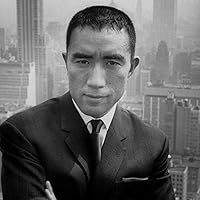
March 25, 2011
It struck me as horribly sad how homophobic the book is. "Faggot" is used liberally throughout. This runs counter to Philip Marlowe's otherwise bracing truthfulness. The two gay characters here are criminals: one is a pornographer, the other a murderer. Though they're not the sole wrongdoers, the relationship they share is viewed with untempered abhorrence. This will be upsetting to some readers, as it was to me, so be advised.
I generally abhor the hardboiled clichés and corny deadpan humor of the detective genre, but Chandler's action is relentless and his humor usually effective. Most of the narrative is explication of past action, then the action shifts into the present, then there's another section of recapitulation/explanation. This as opposed to, say, action that moves steadily ahead as an end in itself. There will always be characters/narrators discussing and reflecting on the action, but the extent to which that is taken here for purposes of an airtight plot I find annoying and unnecessary. Philip Marlowe is not an unreliable narrator but he controls the narrative that will be presented to the fictional public. At several points it becomes necessary to determine precisely what the public narrative will be. Marlowe decides what details are to be included, which left out, which modified. This is connected to the idea of his underlying belief in "the system," though he often verbally disdains it, he views cops as basically honest, as he sees himself. No matter what happens he is confident that he can talk himself out of it with the truth. He always comes clean to the authorities. He is their enabler, solving mysteries they themselves have been flummoxed by, so they need him, are willing to grant him special dispensation because of his utility.
I generally abhor the hardboiled clichés and corny deadpan humor of the detective genre, but Chandler's action is relentless and his humor usually effective. Most of the narrative is explication of past action, then the action shifts into the present, then there's another section of recapitulation/explanation. This as opposed to, say, action that moves steadily ahead as an end in itself. There will always be characters/narrators discussing and reflecting on the action, but the extent to which that is taken here for purposes of an airtight plot I find annoying and unnecessary. Philip Marlowe is not an unreliable narrator but he controls the narrative that will be presented to the fictional public. At several points it becomes necessary to determine precisely what the public narrative will be. Marlowe decides what details are to be included, which left out, which modified. This is connected to the idea of his underlying belief in "the system," though he often verbally disdains it, he views cops as basically honest, as he sees himself. No matter what happens he is confident that he can talk himself out of it with the truth. He always comes clean to the authorities. He is their enabler, solving mysteries they themselves have been flummoxed by, so they need him, are willing to grant him special dispensation because of his utility.

April 19, 2020
"Knights had no meaning in this game. It wasn’t a game for knights."

November 18, 2012
What style! Holy Moses! Chandler writes with a purpose: to put you right in the shit. In The Big Sleep he writes with the economy of biting words that surrounds Philip Marlowe, a detective whose seen the hardbitten world, with the street's lexicon.
Hardboiled? Certainly. But I've read some hardboiled stuff that was boiled down to a tasteless mass. This stuff's full of flavor, bitter and sometimes bittersweet.
You've seen the movie, now read the book. They're similar in style, but the story differs enough to make each quite enjoyable on its own.
I was urged to read Chandler by a Goodreads friend or two, and boy I'm glad I did. However, since this is my first go 'round I'm going to close the dam on this review. The Big Sleep has a twisty, complicated plot and Chandler's writing is good enough that both deserve further reading to give them their due.
Hardboiled? Certainly. But I've read some hardboiled stuff that was boiled down to a tasteless mass. This stuff's full of flavor, bitter and sometimes bittersweet.
You've seen the movie, now read the book. They're similar in style, but the story differs enough to make each quite enjoyable on its own.
I was urged to read Chandler by a Goodreads friend or two, and boy I'm glad I did. However, since this is my first go 'round I'm going to close the dam on this review. The Big Sleep has a twisty, complicated plot and Chandler's writing is good enough that both deserve further reading to give them their due.

February 3, 2020
Excellent detective writing by Raymond Chandler from a time long past. 6 of 10 stars

November 19, 2011
“Tall, aren't you?" she said.
"I didn't mean to be."
Her eyes rounded. She was puzzled. She was thinking. I could see, even on that short acquaintance, that thinking was always going to be a bother to her.”
― Raymond Chandler, The Big Sleep
A masterpiece of flowing words.
Marlowe investigates two daughters on the road to Perdition which leads to darker things than expected.
There's a lot to say but many others have already said it. They're right. It's brilliant. I prefer the novel but I listened to the audio and Elliot Gould was truly awesome with his voices. He caught the spirit of the book.
OVERALL GRADE: A minus.
"I didn't mean to be."
Her eyes rounded. She was puzzled. She was thinking. I could see, even on that short acquaintance, that thinking was always going to be a bother to her.”
― Raymond Chandler, The Big Sleep
A masterpiece of flowing words.
Marlowe investigates two daughters on the road to Perdition which leads to darker things than expected.
There's a lot to say but many others have already said it. They're right. It's brilliant. I prefer the novel but I listened to the audio and Elliot Gould was truly awesome with his voices. He caught the spirit of the book.
OVERALL GRADE: A minus.

September 10, 2017
Reading a hard-boiled detective novel long past the point when I'd already learned lots of things about the hard-boiled detective novel was an interesting experience. Marlowe's blunt, quippy language, his day drinking, and his over-the-top descriptions of women delighted me, not just on their own merits but simply because it was fun to read something that was exactly the way I'd always heard it would be. On the other hand, there were some elements of the book that surprised me. How much of the action took place during the day, for instance—for some reason I'd always assumed Raymond Chandler novels involved a lot of skulking around after midnight. The Big Sleep was also much, much funnier than I thought it would be, which was obviously a good thing. Most of all, though, I was surprised—although really, I shouldn't have been—to recognize exactly how much of a debt contemporary authors of detective novels owe to Chandler, the father of them all. No, The Big Sleep didn't entirely match the set of expectations I had going in, but it certainly didn't disappoint me.

September 9, 2017
>>> SALE <<<
This is on sale today for £0.99 at Amazon.co.uk
>>> <<<
This was an interesting experience, and I must admit that I enjoyed the Bogart & Bacall movie much more than the book. (It was fine-tuned by William Faulkner and Leigh Brackett, after all)
The early chapters are a bit stilted and forced, but with an almost too-snappy dialogue identical to the movie.
20% ... After a while, Chandler loosens up a bit, and begins to shine. Great stuff now.
Wow, I am witnessing Chandler find his true voice. What a feeling!
"You—a—you—a—" her throat jammed. I thought she was going to fall on her nose. Her whole body shivered and her face fell apart like a bride’s pie crust. She put it together again slowly, as if lifting a great weight, by sheer will power. The smile came back, with a couple of corners badly bent.
24% ... Wow, better than the movie now. What a thrill to see the change in prose! The descriptions flow and the pacing is very good.
26% ...Hard Boiled wooohoooooo! In my mind as I read, Bogart is indelibly Marlowe, and Bacall is forever Vivian, but I see her as light brunette or blonde, not raven as written by Chandler....

She took the photo out and stood looking at it, just inside the door. "She has a beautiful little body, hasn’t she?"
"Uh-huh."
She leaned a little towards me. "You ought to see mine," she said gravely.
"Can it be arranged?"
She laughed suddenly and sharply and went halfway through the door, then turned her head to say coolly: "You’re as cold-blooded a beast as I ever met, Marlowe. Or can I call you Phil?"
"Sure."
"You can call me Vivian."
"Thanks, Mrs. Regan."
"Oh, go to hell, Marlowe." She went on out and didn’t look back.
I let the door shut and stood with my hand on it, staring at the hand. My face felt a little hot. I went back to the desk and put the whiskey away and rinsed out the two pony glasses and put them away.
Trivia: In both this movie and To Have and Have Not, Bacall did all her own singing.
Chandler wrote The Big Sleep in 1938 or so, but before the ending of the filming of the movie in 1945, Bogart and Bacall were married... They had fallen in love during filming of To Have and Have Not, which was released in 1944, and remained deeply in love until Bogart's death in 1957.

when Bogart married Bacall... nice pics, too
Oh, and the famous scene about racing horses, to evade the Hays Code (about sex on the screen), was the fabrication of screenwriters William Faulkner, Jules Furthman and Leigh Brackett. It was added almost a year after filming was otherwise complete, in an attempt to inject the film with the kind of risqué innuendos that had made To Have and Have Not, and Bacall, so popular a two years earlier.

Especially in the last half of the book, Chandler’s descriptive passages do have a wonderful noir rhythm to them, which I appreciated.
84% ... Hard. Boiled. Delicious...
Her face under my mouth was like ice. She put her hands up and took hold of my head and kissed me hard on the lips. Her lips were like ice, too. I went out through the door and it closed behind me, without sound, and the rain blew in under the porch, not as cold as her lips.
... Not a kiss from Vivian, but from "Silver-Wig" ... What a surprise!
Unfortunately, the final pages become more confused, almost a dissertation, with some small gems thrown in. The ending is very different from the movie, darker and with less clarity and resolution. Perhaps more true to life? You tell me.
On the last page though, I did very much like the final paragraph: A surprising and poignant glimpse into Marlowe’s hidden heart ... (in bold below)
What did it matter where you lay once you were dead? In a dirty sump or in a marble tower on top of a high hill? You were dead, you were sleeping the big sleep, you were not bothered by things like that...
On the way downtown I stopped at a bar and had a couple of double Scotches. They didn’t do me any good. All they did was make me think of Silver-Wig, and I never saw her again.
.
More trivia here
This is on sale today for £0.99 at Amazon.co.uk
>>> <<<
This was an interesting experience, and I must admit that I enjoyed the Bogart & Bacall movie much more than the book. (It was fine-tuned by William Faulkner and Leigh Brackett, after all)
The early chapters are a bit stilted and forced, but with an almost too-snappy dialogue identical to the movie.
20% ... After a while, Chandler loosens up a bit, and begins to shine. Great stuff now.
Wow, I am witnessing Chandler find his true voice. What a feeling!
"You—a—you—a—" her throat jammed. I thought she was going to fall on her nose. Her whole body shivered and her face fell apart like a bride’s pie crust. She put it together again slowly, as if lifting a great weight, by sheer will power. The smile came back, with a couple of corners badly bent.
24% ... Wow, better than the movie now. What a thrill to see the change in prose! The descriptions flow and the pacing is very good.
26% ...Hard Boiled wooohoooooo! In my mind as I read, Bogart is indelibly Marlowe, and Bacall is forever Vivian, but I see her as light brunette or blonde, not raven as written by Chandler....
She took the photo out and stood looking at it, just inside the door. "She has a beautiful little body, hasn’t she?"
"Uh-huh."
She leaned a little towards me. "You ought to see mine," she said gravely.
"Can it be arranged?"
She laughed suddenly and sharply and went halfway through the door, then turned her head to say coolly: "You’re as cold-blooded a beast as I ever met, Marlowe. Or can I call you Phil?"
"Sure."
"You can call me Vivian."
"Thanks, Mrs. Regan."
"Oh, go to hell, Marlowe." She went on out and didn’t look back.
I let the door shut and stood with my hand on it, staring at the hand. My face felt a little hot. I went back to the desk and put the whiskey away and rinsed out the two pony glasses and put them away.
Trivia: In both this movie and To Have and Have Not, Bacall did all her own singing.
Chandler wrote The Big Sleep in 1938 or so, but before the ending of the filming of the movie in 1945, Bogart and Bacall were married... They had fallen in love during filming of To Have and Have Not, which was released in 1944, and remained deeply in love until Bogart's death in 1957.
when Bogart married Bacall... nice pics, too
Oh, and the famous scene about racing horses, to evade the Hays Code (about sex on the screen), was the fabrication of screenwriters William Faulkner, Jules Furthman and Leigh Brackett. It was added almost a year after filming was otherwise complete, in an attempt to inject the film with the kind of risqué innuendos that had made To Have and Have Not, and Bacall, so popular a two years earlier.
Especially in the last half of the book, Chandler’s descriptive passages do have a wonderful noir rhythm to them, which I appreciated.
84% ... Hard. Boiled. Delicious...
Her face under my mouth was like ice. She put her hands up and took hold of my head and kissed me hard on the lips. Her lips were like ice, too. I went out through the door and it closed behind me, without sound, and the rain blew in under the porch, not as cold as her lips.
... Not a kiss from Vivian, but from "Silver-Wig" ... What a surprise!
Unfortunately, the final pages become more confused, almost a dissertation, with some small gems thrown in. The ending is very different from the movie, darker and with less clarity and resolution. Perhaps more true to life? You tell me.
On the last page though, I did very much like the final paragraph: A surprising and poignant glimpse into Marlowe’s hidden heart ... (in bold below)
What did it matter where you lay once you were dead? In a dirty sump or in a marble tower on top of a high hill? You were dead, you were sleeping the big sleep, you were not bothered by things like that...
On the way downtown I stopped at a bar and had a couple of double Scotches. They didn’t do me any good. All they did was make me think of Silver-Wig, and I never saw her again.
.
More trivia here
Displaying 1 - 30 of 9,723 reviews