

What do you think?

Sabriya: Damascus Bitter Sweet (Emerging Voices
Sabriya portrays life in Damascus in the 1920's. Central to the story is Sabriya's journey to self-knowledge, intertwined with the rise and eclipse of national and feminist awareness during her painful life. The national revolt is crushed by superior foreign power and Sabriya's personal emancipation is stifled by the traditional values of a patriarchal society. Written from the point of view of a young girl passionately committed to the nationalist cause but unable, because of her sex, to take an active part, it seethes with the frustrated energy of the reluctant bystander and vividly expresses the terror of civilians living in a city rocked nightly by explosions.
248 pages, Hardcover
First published January 1, 1981
About the author
Ulfat Idilbi
7 books55 followersUlfat Idilbi (Arabic: ألفت الادلبي Ulfat al-Ādlibi) (November 1912, Damascus – 21 March 2007, Paris) was a Syrian novel writer. She wrote books that became best sellers in the Arabic-speaking world, such as "Dimashq ya Basimat el Huzn" ("Damascus - the Smile of Sadness", 1980), which was translated into many languages and filmed as "Basimat al Huzn" (TV series).
(from Wikipedia)
ولدت الاديبة السيدة الفت عمر باشا الادلبي في دمشق عام 1912، وتلقت علومها في مدرسة تجهيز البنات، وتزوجت عام 1929 من الدكتور حمدي الادلبي وهي في السابعة عشرة قبل أن تتم دراستها. ظهر ميلها إلى الادب وهي صغيرة، وكانت هوايتها المفضلة القراءة الدائبة المستمرة، لا تصرفها عنها مشاغل الحياة الكثيرة.. مرضت عام 1932 وظلت طريحة الفراش سنة كاملة، فانتهزت فرصة المرض لتقرأ وتشبع هوايتها وتعب من ينابيع الادب العربي والعالمي... كانت تقرأ عشر ساعات متواصلة يومياً، تنتقل فيها بين الادب القديم والحديث والمترجم، إلا أن قراءة القصة كانت هوايتها الاثيرة، لقد احبت الكاتبة دمشق بكل ما فيها وحرصت على كل تقليد من تقاليدها في الافراح والاتراح، ولذلك سجلت في قصصها ما كان يتردد في هذه المناسبات من زغاريد وامثال وخرافات لتصونها من الضياع والاندثار، فلا تمحي من الكتب إذا هي محيت من الاذهان، بعد أن امتدت إليها يد الحضارة والمدنية لتطمس بعض معالمها القديمة وتعفي على سماتها التي عرفت بها، ولذلك لا تبالي إذا خرجت عن مضمون القصة التي تكتبها لتطعّمها بشيء من الفولكلور وتخلع عليها اللون المحلي والطابع الدمشقي الصرف حقّقت أعمالها شهرة عالمية فتُرجم العديد من قصصها وكتبها إلى أكثر من عشر لغات عالمية منها: الإيطالية والإسبانية والألمانية، والروسية، والصينية، والتركية، والأوزباكستانية والروسية. كما تمّ اعتماد عدد من قصصها القصيرة لتدرّس في جامعات عالمية: في جامعات الصين، الولايات المتحدة، إسبانيا، روسيا، أوزبكستان. احدة من مجموعتها القصصية الأولى (قصص شامية) شكّلت منعطفاً مهماً في مسيرة «إلفة الإدلبي» إذ أرسلت قصتها هذه عام 1947 إلى مسابقة في الإذاعة البريطانية لتفوز بجائزة أفضل قصة في الوطن العربي، ما منحها ثقة عالية بالنفس شجعتها على إرسال قصتها (الدرس القاسي) من المجموعة ذاتها إلى مجلة (الرسالة) المصرية ذات الأهمية العالية في عالم الأدب والصحافة، وكانت المفاجأة بنشر المجلة لقصتها، ما زادها ثقة وإصراراً على المتابعة. عضو جمعية القصة والرواية.
وقد تركت وراءها إرثاً ثقافياً كبيراً من القصص والروايات والدراسات الأدبية التي تميزت بالواقعية والتركيز على الحياة الشرقية، وسجلت اسمها كواحدة من أكبر الاديبات السوريات والعرب حصلت على العديد من شهادات التقدير والجوائز السورية والعالمية.
(from Wikipedia)
ولدت الاديبة السيدة الفت عمر باشا الادلبي في دمشق عام 1912، وتلقت علومها في مدرسة تجهيز البنات، وتزوجت عام 1929 من الدكتور حمدي الادلبي وهي في السابعة عشرة قبل أن تتم دراستها. ظهر ميلها إلى الادب وهي صغيرة، وكانت هوايتها المفضلة القراءة الدائبة المستمرة، لا تصرفها عنها مشاغل الحياة الكثيرة.. مرضت عام 1932 وظلت طريحة الفراش سنة كاملة، فانتهزت فرصة المرض لتقرأ وتشبع هوايتها وتعب من ينابيع الادب العربي والعالمي... كانت تقرأ عشر ساعات متواصلة يومياً، تنتقل فيها بين الادب القديم والحديث والمترجم، إلا أن قراءة القصة كانت هوايتها الاثيرة، لقد احبت الكاتبة دمشق بكل ما فيها وحرصت على كل تقليد من تقاليدها في الافراح والاتراح، ولذلك سجلت في قصصها ما كان يتردد في هذه المناسبات من زغاريد وامثال وخرافات لتصونها من الضياع والاندثار، فلا تمحي من الكتب إذا هي محيت من الاذهان، بعد أن امتدت إليها يد الحضارة والمدنية لتطمس بعض معالمها القديمة وتعفي على سماتها التي عرفت بها، ولذلك لا تبالي إذا خرجت عن مضمون القصة التي تكتبها لتطعّمها بشيء من الفولكلور وتخلع عليها اللون المحلي والطابع الدمشقي الصرف حقّقت أعمالها شهرة عالمية فتُرجم العديد من قصصها وكتبها إلى أكثر من عشر لغات عالمية منها: الإيطالية والإسبانية والألمانية، والروسية، والصينية، والتركية، والأوزباكستانية والروسية. كما تمّ اعتماد عدد من قصصها القصيرة لتدرّس في جامعات عالمية: في جامعات الصين، الولايات المتحدة، إسبانيا، روسيا، أوزبكستان. احدة من مجموعتها القصصية الأولى (قصص شامية) شكّلت منعطفاً مهماً في مسيرة «إلفة الإدلبي» إذ أرسلت قصتها هذه عام 1947 إلى مسابقة في الإذاعة البريطانية لتفوز بجائزة أفضل قصة في الوطن العربي، ما منحها ثقة عالية بالنفس شجعتها على إرسال قصتها (الدرس القاسي) من المجموعة ذاتها إلى مجلة (الرسالة) المصرية ذات الأهمية العالية في عالم الأدب والصحافة، وكانت المفاجأة بنشر المجلة لقصتها، ما زادها ثقة وإصراراً على المتابعة. عضو جمعية القصة والرواية.
وقد تركت وراءها إرثاً ثقافياً كبيراً من القصص والروايات والدراسات الأدبية التي تميزت بالواقعية والتركيز على الحياة الشرقية، وسجلت اسمها كواحدة من أكبر الاديبات السوريات والعرب حصلت على العديد من شهادات التقدير والجوائز السورية والعالمية.
Ratings & Reviews
Friends & Following
Create a free account to discover what your friends think of this book!
Community Reviews
Displaying 1 - 30 of 111 reviews

May 29, 2012
أصابتني هذه الرواية بحيرة كبيرة عندما أردت تقييمها ... ملاحظات عديدة أودّ ذكرها:
- الكاتبة السورية (الفة ادلبي) تكتب رواية وكأنها تودّ سرد ذكريات طفولتها في دمشق ... تسهب في وصف البيت العربي وعادات اهل دمشق ... لا توفر كلمة في الحديث عن التخلف والطيبة والشهامة والشجاعة والجشع وكل ما علق بذاكرتها من رائحة الشام العتيقة .... عندما قرأت الرواية شعرت لوهلة بأنني اشاهد"باب الحارة"
- الأسلوب بسيط جداً ... طفولي في بعض الاحيان ... الأحداث متوقعة نوعاً ما بناءً على طبيعة الشخصيات ونفسيتها على الرغم من عنصر التشويق النابع من التعاطف الكبير مع بطلة الرواية ... لا شيء يصدمك سوى حدث وحيد غير متوقع لن أذكره هنا ... الشخصيات نمطية وكأن الكاتبة تريد أن ترسم صورة شاملة للإنسان بوجوهه وأنماطه المختلفة
- أزعجني جداً تطرف الكاتبة الاجتماعي في مواجهتها للتطرف والقمع السائد ... فهمها المغلوط للحرية الاجتماعية ... تشوه قيم الفضيلة ... ثناءها على دعوات السفور وخلع الحجاب ولو أنها التزمت الحيادية لكان أفضل ... ففي مجتمع متزمت منغلق تروي الكاتبة سعادة فتاة لم تكد تتجاوز العاشرة من عمرها في تلقي القبلات من حبيبها في أحد بساتين دمشق النائية !!
- الحديث عن المستعمر والثورة كان رائعاً ومؤثراً جداً
- بعض الشخصيات الرواية تحمل تقاطعات غريبة مع حياتي الشخصية وواقعي المعاش وهذا ما جذبني إليها بشدة ولامس أعماقي إلى أبعد الدرجات
- الرواية حزينة جداً ... كيئبة للغاية .. سوداوية إلى أقسى الدرجات ... ليس فيها بارقة أمل ... وأتخيل مشهد قارئ يحمل نفس هموم أبطال الرواية وهو يرى الأبواب تغلق في وجهه وربما قادته الكاتبة إلى الانتحار يأساً ... لعل اللمسة الإيمانية هي ما كان ينقص هذه الرواية ... وإيمان الإنسان بوجود محاكمة عادلة في الحياة الأخرى ... مكافأة مجزية وسعادة غامرة لكل من صبر وعانى وبذل أجمل ايام حياته فداءً للفضيلة وإيثاراً لسعادة الآخرين على سعادته الخاصة.
على العموم ... التهمت الرواية بسرعة كبيرة ... لبساطتها وقربها من حياتي اليوم ... خسرت الرواية نجمتان ... من أجل الحبكة الروائية المنقوصة والمبادئ الأخلاقية المشوهة وكنت أتمنى أن أعطيها أكثر من ذلك ... سعيدٌ أنا بما قرأت
- الكاتبة السورية (الفة ادلبي) تكتب رواية وكأنها تودّ سرد ذكريات طفولتها في دمشق ... تسهب في وصف البيت العربي وعادات اهل دمشق ... لا توفر كلمة في الحديث عن التخلف والطيبة والشهامة والشجاعة والجشع وكل ما علق بذاكرتها من رائحة الشام العتيقة .... عندما قرأت الرواية شعرت لوهلة بأنني اشاهد"باب الحارة"
- الأسلوب بسيط جداً ... طفولي في بعض الاحيان ... الأحداث متوقعة نوعاً ما بناءً على طبيعة الشخصيات ونفسيتها على الرغم من عنصر التشويق النابع من التعاطف الكبير مع بطلة الرواية ... لا شيء يصدمك سوى حدث وحيد غير متوقع لن أذكره هنا ... الشخصيات نمطية وكأن الكاتبة تريد أن ترسم صورة شاملة للإنسان بوجوهه وأنماطه المختلفة
- أزعجني جداً تطرف الكاتبة الاجتماعي في مواجهتها للتطرف والقمع السائد ... فهمها المغلوط للحرية الاجتماعية ... تشوه قيم الفضيلة ... ثناءها على دعوات السفور وخلع الحجاب ولو أنها التزمت الحيادية لكان أفضل ... ففي مجتمع متزمت منغلق تروي الكاتبة سعادة فتاة لم تكد تتجاوز العاشرة من عمرها في تلقي القبلات من حبيبها في أحد بساتين دمشق النائية !!
- الحديث عن المستعمر والثورة كان رائعاً ومؤثراً جداً
- بعض الشخصيات الرواية تحمل تقاطعات غريبة مع حياتي الشخصية وواقعي المعاش وهذا ما جذبني إليها بشدة ولامس أعماقي إلى أبعد الدرجات
- الرواية حزينة جداً ... كيئبة للغاية .. سوداوية إلى أقسى الدرجات ... ليس فيها بارقة أمل ... وأتخيل مشهد قارئ يحمل نفس هموم أبطال الرواية وهو يرى الأبواب تغلق في وجهه وربما قادته الكاتبة إلى الانتحار يأساً ... لعل اللمسة الإيمانية هي ما كان ينقص هذه الرواية ... وإيمان الإنسان بوجود محاكمة عادلة في الحياة الأخرى ... مكافأة مجزية وسعادة غامرة لكل من صبر وعانى وبذل أجمل ايام حياته فداءً للفضيلة وإيثاراً لسعادة الآخرين على سعادته الخاصة.
على العموم ... التهمت الرواية بسرعة كبيرة ... لبساطتها وقربها من حياتي اليوم ... خسرت الرواية نجمتان ... من أجل الحبكة الروائية المنقوصة والمبادئ الأخلاقية المشوهة وكنت أتمنى أن أعطيها أكثر من ذلك ... سعيدٌ أنا بما قرأت

February 25, 2013
! أن تقرأ " دمشق يا بسمة الحزن " بجلسة واحدة يستحق أن تأخذ شهقة طويلة جداً
عن البكاء وجمال الشهداء وفتنة دمشق .. عن صبريّة وسامي وعادل .. عن ثوار الغوطة وحي الميدان وحواجز الاحتلال الفرنسي
هنا شيء لا يوصف .. أحداث ثورة تشبه كثيرة القائمة حالياً
.. أتعبتنا من بعدك يا ألفة
عن البكاء وجمال الشهداء وفتنة دمشق .. عن صبريّة وسامي وعادل .. عن ثوار الغوطة وحي الميدان وحواجز الاحتلال الفرنسي
هنا شيء لا يوصف .. أحداث ثورة تشبه كثيرة القائمة حالياً
.. أتعبتنا من بعدك يا ألفة

September 4, 2015
تحميل رواية دمشق يا بسمة الحزن لـ ألفت الإدلبي من هذا الرابط
http://goo.gl/VSzte8
http://goo.gl/VSzte8

November 25, 2015
I wasn't intending on reading this book. Christa Wolf's Cassandra was supposed to be read in it's place, but then I set that aside and reached out to this one instead. I think I'm fortunate to have it in my collection, though I'm not sure it will stay there for long. It mustn't have gotten many prints when it was released in English and so I assume it is quite rare. I found it at a used book sale - one of those massive charity events where you see all sorts of familiar classics and discarded contemporary works. I walked through looking for unfamiliar names that sounded like they weren't "North American". It isn't a perfect method, but I've got a good sense of genealogy and language and naming conventions around the world so I like to think I can recognize small things. And it has led me to some pretty fantastic discoveries in the past and helped me move further and further into the vast library of world literature that is so frequently invisible in the big box book store that holds a near monopoly over my city.
Ulfat Idilbi fit my intrigue on that day in that book sale, so I picked up the book, read the back cover, and decided to add it to my small but growing pile to be purchased at a ridiculous discount. And given the Syrian Refugee crisis from the past several months I felt it was an appropriate time to give it a go - help me understand something of the nation which is at the heart of so much attention in the 2015 media.
I’m glad I read this book.
It caught me off guard in many ways.
First, I think it is worth noting that I know very little about Middle Eastern history or culture, just some snaps of the past and tiny episodes, and much of it is presented to me in an American or British or Canadian voice - sometimes I get to hear it from friends of mine who are Turkish or Iranian and the place becomes a great deal more remarkable and humane. These are both features that I strive for in my own work as a historian, but I work in a markedly different region with an entirely different history.
I think it is also worth noting that I haven’t read much literature from this region. Actually, I don’t think I have ever read any literature from this region - Naguib Mahfouz is on my shelf, and some others from North Eastern Africa might fit into that cultural zone as well. I haven’t even read any Israeli literature, though I have a book by a Palestinian that I would like to read soon, and The Owl has looked down and me at times and wondered why I haven’t decided to read it, and Elias Khoury looks marvelous. But for some reason or other I haven’t read any of these things, and so the literary of the voice of this area has always been silent for me.
I suppose that is no longer true, and certainly the voice Idilbi uses in this book is passionate and compassionate and opens up a whole different world than I can understand or truly appreciate without exploring more of the literature that her novel is talking to.
I can tell you that Idilbi’s work reveals a deep passion and love for her country - perhaps stronger than my own for Canada. The main character, Sabriya, loves Syria, she loves the Syrian people. She wants it to be free of the French who at one time had turned the region into one of its many colonial outposts. She admires the strength and fortitude of those who fight and those who support the fighters, and she herself helps as much as she is permitted to. She sells her pieces of jewellery, or gives it to fighters (including her brother) so that they can purchase their own armaments and food. This is, after all, a rebel force. It needs to be self-funded.
Sabriya is also incredibly intelligent - she has a clear sense of justice, of right and wrong, and she uses it to understand her world, including the potential threat of having Hitler come to the Middle East and become the new ruler over Syria. It is not something that Sabriya wants - she perhaps doesn’t have a thorough understanding of Hitler’s evil (but few of his contemporaries did) but she does understand him as another colonial ruler. No better or worse than the French, by her judgement. His tanks would offer no liberation to their country, but only a renewed oppression. Sabriya is skeptical.
Sabriya is also a feminist, fighting as best as she can against the various forms of oppression that she faces in her family, her society, her politics. This is perhaps the most impressive pairing of ideas that this novel provides - the mixing of the feminist ideal with the nationalist ideal, how easily the two could be combined but how quickly they founder at the hands of domineering and spiteful men who abuse their power (including her other brother). She wants to live without the veil, without the need to conceal, without the need to host the mourning for each dying family member, without the restrictions on her involvement in her country’s liberation.
And so it is quite sad to see that, though the connection between the liberation of the country and the liberation of the woman is clearly intended to be seen as partnered battles, one movement is a total success and the other is a lifelong struggle against oppressions of all sorts. Indeed, the entire story of Sabriya’s bittersweet life is one told in rememberance, from her diary, read by her neice who found her hanging body in the courtyard of her grandfather’s home. Suicide. Sabriya fought and fought and fought but in a moment of complete vulnerability, when conventions made her nothing more than the pawn in some game for her brothers and their wives to play, rather than accept the reality and continue living a life of disappointed hopes, lost love, and emotional exhaustion, she committed suicide.
It’s a striking story. Heartbreaking in retrospect. I’ve given the book to my mom. I think she will enjoy it.
Ulfat Idilbi fit my intrigue on that day in that book sale, so I picked up the book, read the back cover, and decided to add it to my small but growing pile to be purchased at a ridiculous discount. And given the Syrian Refugee crisis from the past several months I felt it was an appropriate time to give it a go - help me understand something of the nation which is at the heart of so much attention in the 2015 media.
I’m glad I read this book.
It caught me off guard in many ways.
First, I think it is worth noting that I know very little about Middle Eastern history or culture, just some snaps of the past and tiny episodes, and much of it is presented to me in an American or British or Canadian voice - sometimes I get to hear it from friends of mine who are Turkish or Iranian and the place becomes a great deal more remarkable and humane. These are both features that I strive for in my own work as a historian, but I work in a markedly different region with an entirely different history.
I think it is also worth noting that I haven’t read much literature from this region. Actually, I don’t think I have ever read any literature from this region - Naguib Mahfouz is on my shelf, and some others from North Eastern Africa might fit into that cultural zone as well. I haven’t even read any Israeli literature, though I have a book by a Palestinian that I would like to read soon, and The Owl has looked down and me at times and wondered why I haven’t decided to read it, and Elias Khoury looks marvelous. But for some reason or other I haven’t read any of these things, and so the literary of the voice of this area has always been silent for me.
I suppose that is no longer true, and certainly the voice Idilbi uses in this book is passionate and compassionate and opens up a whole different world than I can understand or truly appreciate without exploring more of the literature that her novel is talking to.
I can tell you that Idilbi’s work reveals a deep passion and love for her country - perhaps stronger than my own for Canada. The main character, Sabriya, loves Syria, she loves the Syrian people. She wants it to be free of the French who at one time had turned the region into one of its many colonial outposts. She admires the strength and fortitude of those who fight and those who support the fighters, and she herself helps as much as she is permitted to. She sells her pieces of jewellery, or gives it to fighters (including her brother) so that they can purchase their own armaments and food. This is, after all, a rebel force. It needs to be self-funded.
Sabriya is also incredibly intelligent - she has a clear sense of justice, of right and wrong, and she uses it to understand her world, including the potential threat of having Hitler come to the Middle East and become the new ruler over Syria. It is not something that Sabriya wants - she perhaps doesn’t have a thorough understanding of Hitler’s evil (but few of his contemporaries did) but she does understand him as another colonial ruler. No better or worse than the French, by her judgement. His tanks would offer no liberation to their country, but only a renewed oppression. Sabriya is skeptical.
Sabriya is also a feminist, fighting as best as she can against the various forms of oppression that she faces in her family, her society, her politics. This is perhaps the most impressive pairing of ideas that this novel provides - the mixing of the feminist ideal with the nationalist ideal, how easily the two could be combined but how quickly they founder at the hands of domineering and spiteful men who abuse their power (including her other brother). She wants to live without the veil, without the need to conceal, without the need to host the mourning for each dying family member, without the restrictions on her involvement in her country’s liberation.
And so it is quite sad to see that, though the connection between the liberation of the country and the liberation of the woman is clearly intended to be seen as partnered battles, one movement is a total success and the other is a lifelong struggle against oppressions of all sorts. Indeed, the entire story of Sabriya’s bittersweet life is one told in rememberance, from her diary, read by her neice who found her hanging body in the courtyard of her grandfather’s home. Suicide. Sabriya fought and fought and fought but in a moment of complete vulnerability, when conventions made her nothing more than the pawn in some game for her brothers and their wives to play, rather than accept the reality and continue living a life of disappointed hopes, lost love, and emotional exhaustion, she committed suicide.
It’s a striking story. Heartbreaking in retrospect. I’ve given the book to my mom. I think she will enjoy it.
October 5, 2020
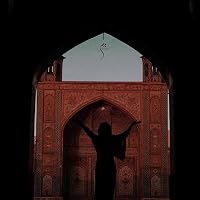
وأخيراً بفضل الله أتممتُ هدفي لهذه السنة💪
فخورة بنفسي جداً !
فخورة بنفسي جداً !

April 21, 2014
ما جعله ممتع حقاً، هو أني قرأته على والدتي، التي عاشت صباها بين دمشق وريفها، ترجمت لي مفردات لم آلفها في الغربة، شعَرت بتلكئي في قرائتها، فألهمتني، وعلمتني نطقها
يتحدث عن الحاجة الملحة للحرية، حاجة الشعب، وحاجة الفرد وعلى وجه الخصوص المرأة التي وقعت أسيرة قيود العادات والتقاليد باسم الدين
استخلصت أمراً هاماً هو أن توجه المرأة للسفور في الشرق، كان نتيجة الدين التقليدي،، أو لأقل التقاليد المصبوغة بصبغة دينية بالدرجة الأولى، وليس نتيجة مباشرة لجهود الغرب في ذلك.
بالطبع كانت العادات القادمة من الغرب حاضن جيد لمن ثارت عن هذه التقاليد، إذ لم تولي الجماعات الإسلامية المرأة اهتماماً كافيا، ولم تعمل جيدا على دمجها في أحداث المجتمع وهمومه
يتحدث عن الحاجة الملحة للحرية، حاجة الشعب، وحاجة الفرد وعلى وجه الخصوص المرأة التي وقعت أسيرة قيود العادات والتقاليد باسم الدين
استخلصت أمراً هاماً هو أن توجه المرأة للسفور في الشرق، كان نتيجة الدين التقليدي،، أو لأقل التقاليد المصبوغة بصبغة دينية بالدرجة الأولى، وليس نتيجة مباشرة لجهود الغرب في ذلك.
بالطبع كانت العادات القادمة من الغرب حاضن جيد لمن ثارت عن هذه التقاليد، إذ لم تولي الجماعات الإسلامية المرأة اهتماماً كافيا، ولم تعمل جيدا على دمجها في أحداث المجتمع وهمومه

January 24, 2019
..
..
مراجعة رواية دمشق يا بسمة الحزن.
..
..
اسم الكتاب: دمشق يا بسمة الحزن 😔💔 .
المؤلف: ألفت الإدلبي 🇸🇾.
نوع الكتاب: رواية 📖 ✨.
موضوع الكتاب: وطني، إجتماعي، حب.
عدد صفحات الكتاب: 272 صفحة 📖.
دار النشر: منشورات وزارة الثقافة والإرشاد القومي 🏛.
.
.
تبدأ ألفت الإدلبي الرواية معنا بحزن معمَّقٍ جدًا مع هذه الأرض المستباحة غصبًا وهي دمشق، نرى الروح الوطنية تعلو في نفوس الدمشقيين عامة وفي نفس ألفت خاصة، بطلتنا هي صبرية بنت أبي راغب، بعد انتحارها يأسًا تترك لنا قصتها من خلال كراسها الأزرق، ترويه لنا أبنت أخيها الوحيدة، تُسطِّر لنا الكاتبة حروفًا محزنة تتحدث فيها : الثورة الدمشقية التي كسرت أعناق شعبها من خلال فقدانها إيَّاهم فأصبح البعض متشردًا والآخر شهيدًا بجوار ربِّه، والحب المتأصل لدى الإنسان؛ وهذا الحب قد انقسم بين بطلتنا صبرية ومعشوقها عادل، ونرمين ومعشوقها سامي، والشرف الكائن في أعراض النساء الدمشقيين، والوطنية التي نراها منذ ابتداءها في وصف البيت الدمشقي الذي يتميز بباحة واسعة وليوان جميل وأشجار وأزهار حتى آخر فقرة من الرواية، وتحرر المرأة السوريِّة من قيود العبودية التي يفرضها عليها الرجل؛ وذلك بنزع الحجاب وحق المشاركة في أمور السياسة كالتظاهر مع الثوَّار، واختيارها مَن تحب لتكوين أسرة في المجتمع، كما أنَّ الكاتبة قد اختصرت شخصيات المجتمع الدمشقي في أفراد عائلة صبرية؛ فصبرية قد كانت تمثل البنت المكافحة التي ترفض بعض العادات والتقاليد المتحجرة في هذا المجتمع بكل شراسة وعنف. وأمَّا أخيها سامي المذكور آنفًا يمثل الرجل الرصين الثوري الذي يستمد رأيه من المطالعة والثقافة، والمكافح في بناء هذه الثورة والمجتمع وأعطاء الأنثى حقها في بناء المجتمع، وراغب الذي يمثل الفتى المتحجر المتمسك بكل عاداته وتقاليده والذي يعبر عن أخيه سامي بالتخلف. ومحمود الذي يمثل الحياد في كل القصة، والأم التي تسعى في إرضاء بعلها وأولادها مفنية حياتها في خدمتهم واسعادهم، والأب ويمثل السلطة في البيت، والرجل التاجر الثري، والذي يحكمه المجتمع الدمشقي. إستطاعت الكاتبة إدخالنا البيت الدمشقي وتعريفنا بعاداتهم وتقاليدهم سواء كانت محمودة أم مذمومة، كما أنَّا تمتلك إسلوب جيِّد في إيصال الرسالة، أبدت الكاتبة لغتها البسيطة للقارئ. الرواية جدًا حزينة وتبعث الكآبة في النفس مما تحويه من يأسٍ وخنوع.
.
.
إقتباسات من الكتاب:
.
.
- إن الفقر لكافر.
.
- كلما ازداد الخطر ارتفعت إرادة التضحية.
.
- كل شيء يبدأ صغيرًا ثم يكبر إلا الحزن يبدأ كبيرًا ثم يصغر.
.
- كل شيء دون المنية سهل.
.
- ما أحلا أنْ ترتفع الحواجز بين الأم وابنتها ويعيشا كصديقين حميمين.
.
- أصعب أنواع العشق وأشدها إيلامًا للنفس تلك التي لا يشعر فيها المعشوق بوجود عاشقه.
.
- ما نبيحه لأنفسنا لا نبيحه للآخرين.
.
- دمشق يا بسمة الحزن، يا حمّالة الأسى.
.
.
تقيمي للكتاب : ⭐️ ⭐️ ⭐️ [ 5/3 ].
.
.
كاتب المراجعة: حسن أبوسهيل'👨🏻.
حساب الانستغرام: @_z.183
..
مراجعة رواية دمشق يا بسمة الحزن.
..
..
اسم الكتاب: دمشق يا بسمة الحزن 😔💔 .
المؤلف: ألفت الإدلبي 🇸🇾.
نوع الكتاب: رواية 📖 ✨.
موضوع الكتاب: وطني، إجتماعي، حب.
عدد صفحات الكتاب: 272 صفحة 📖.
دار النشر: منشورات وزارة الثقافة والإرشاد القومي 🏛.
.
.
تبدأ ألفت الإدلبي الرواية معنا بحزن معمَّقٍ جدًا مع هذه الأرض المستباحة غصبًا وهي دمشق، نرى الروح الوطنية تعلو في نفوس الدمشقيين عامة وفي نفس ألفت خاصة، بطلتنا هي صبرية بنت أبي راغب، بعد انتحارها يأسًا تترك لنا قصتها من خلال كراسها الأزرق، ترويه لنا أبنت أخيها الوحيدة، تُسطِّر لنا الكاتبة حروفًا محزنة تتحدث فيها : الثورة الدمشقية التي كسرت أعناق شعبها من خلال فقدانها إيَّاهم فأصبح البعض متشردًا والآخر شهيدًا بجوار ربِّه، والحب المتأصل لدى الإنسان؛ وهذا الحب قد انقسم بين بطلتنا صبرية ومعشوقها عادل، ونرمين ومعشوقها سامي، والشرف الكائن في أعراض النساء الدمشقيين، والوطنية التي نراها منذ ابتداءها في وصف البيت الدمشقي الذي يتميز بباحة واسعة وليوان جميل وأشجار وأزهار حتى آخر فقرة من الرواية، وتحرر المرأة السوريِّة من قيود العبودية التي يفرضها عليها الرجل؛ وذلك بنزع الحجاب وحق المشاركة في أمور السياسة كالتظاهر مع الثوَّار، واختيارها مَن تحب لتكوين أسرة في المجتمع، كما أنَّ الكاتبة قد اختصرت شخصيات المجتمع الدمشقي في أفراد عائلة صبرية؛ فصبرية قد كانت تمثل البنت المكافحة التي ترفض بعض العادات والتقاليد المتحجرة في هذا المجتمع بكل شراسة وعنف. وأمَّا أخيها سامي المذكور آنفًا يمثل الرجل الرصين الثوري الذي يستمد رأيه من المطالعة والثقافة، والمكافح في بناء هذه الثورة والمجتمع وأعطاء الأنثى حقها في بناء المجتمع، وراغب الذي يمثل الفتى المتحجر المتمسك بكل عاداته وتقاليده والذي يعبر عن أخيه سامي بالتخلف. ومحمود الذي يمثل الحياد في كل القصة، والأم التي تسعى في إرضاء بعلها وأولادها مفنية حياتها في خدمتهم واسعادهم، والأب ويمثل السلطة في البيت، والرجل التاجر الثري، والذي يحكمه المجتمع الدمشقي. إستطاعت الكاتبة إدخالنا البيت الدمشقي وتعريفنا بعاداتهم وتقاليدهم سواء كانت محمودة أم مذمومة، كما أنَّا تمتلك إسلوب جيِّد في إيصال الرسالة، أبدت الكاتبة لغتها البسيطة للقارئ. الرواية جدًا حزينة وتبعث الكآبة في النفس مما تحويه من يأسٍ وخنوع.
.
.
إقتباسات من الكتاب:
.
.
- إن الفقر لكافر.
.
- كلما ازداد الخطر ارتفعت إرادة التضحية.
.
- كل شيء يبدأ صغيرًا ثم يكبر إلا الحزن يبدأ كبيرًا ثم يصغر.
.
- كل شيء دون المنية سهل.
.
- ما أحلا أنْ ترتفع الحواجز بين الأم وابنتها ويعيشا كصديقين حميمين.
.
- أصعب أنواع العشق وأشدها إيلامًا للنفس تلك التي لا يشعر فيها المعشوق بوجود عاشقه.
.
- ما نبيحه لأنفسنا لا نبيحه للآخرين.
.
- دمشق يا بسمة الحزن، يا حمّالة الأسى.
.
.
تقيمي للكتاب : ⭐️ ⭐️ ⭐️ [ 5/3 ].
.
.
كاتب المراجعة: حسن أبوسهيل'👨🏻.
حساب الانستغرام: @_z.183
April 14, 2013
بدأت مع الرواية في تلمس صورة دمشق بلمس سطورها و شممت رائحة تربتها و هوائها و بيوتها ..
فهمت حنايا شخصية " صبرية " و سبب تصرفاتها سلبا و إيجابا
أعجبت بوصف حال الناس حيال الثورة ضد الفرنسيين بشكل كبير .. بتفاصيله و بمشابهته بما يدور في أيامنا تشابها كبيرا ..
بل كان عندي أروع أجزائها
لكنني أرفض اﻹساءة إلى فريضة شرعية .. الحجاب .. و اعتبارها عادة اجتماعية يوصف أهلها بالرجعيين المتزمتين !
لم أجد داعيا الى تسويق القبﻻت في البستان بهذا الشكل
كنت أتمنى أن ﻻ يختم لصبرية نهاية بهذا الشكل الذي يغرق القارئ في اليأس
أيضا كنت أتمنى أن أجد لمسة إيمانية ترطب القلب عندما نقرأ عن معاناتها و مصائبها المتتالية التي تشبه فعﻻ ألسنة اللهب في جنون اشتعالها و سرعة تعاقبها و تناوبها
إلا أنني أيضا أتفهم تذمرها من الحجاب في مجتمع كان يفرض نتائج اﻹيمان فرضا بدون أن يأتي بأسبابها .. فتجد من تشبه صبرية تخرج إلى الدنيا بعقيدة هزيلة هشة تتحطم عند أول لفحة هواء
مشاعرها لعادل ﻻ تﻻم عليها .. فهي مشاعر فطرية تطرق قلوب الجميع .. حتى الدين ﻻ يلوم عليها .. إنما يتحكم بنتائجها و يقوم ثمراتها لصالح صاحبها
أتساءل أحيانا عن حال صاحب تلك الفجائع التي تدفع به إلى اﻻنتحار حين ﻻ يسعفه إيمانه .. ﻻ ألومه وحده .. بل ألوم كل شخص في محيطه رآه يغرق في اﻷلم ثم شاح بوجهه عنه بأنانية
أليس عليه ذنب هو اﻵخر ؟
أوقن بحرمة ذاك الفعل الشنيع .. و أنه عمل ممقوت مصيره النار
لكن في المقابل ﻻ أصدر عليه الحكم من تلقاء نفسي و أضعه في النار حتما كما يفعل الجميع .. دعوا الخلق للخالق
عموما .. الرواية كعمل أدبي .. استمتعت به جدا و وصلني منه الحال و الصورة بشكل جميل رشيق سلس .. و قد نقلني فعﻻ إلى ذاك الزمان و المكان الذي يبقى فيه قلبي سجينا ﻻ يطلب الحرية
مع ان كثير من اﻷحداث كان متوقعا إﻻ أن الكاتبة استطاعت أن تجعلنا نتشارك المشاعر في كل ناحية من نواحي القصة .. نفرح و نحزن معها و نستمتع بسردها لوﻻ أن نغص علي ذاك الكﻻم عن السفور و تلك النهاية المأساوية ..
فهمت حنايا شخصية " صبرية " و سبب تصرفاتها سلبا و إيجابا
أعجبت بوصف حال الناس حيال الثورة ضد الفرنسيين بشكل كبير .. بتفاصيله و بمشابهته بما يدور في أيامنا تشابها كبيرا ..
بل كان عندي أروع أجزائها
لكنني أرفض اﻹساءة إلى فريضة شرعية .. الحجاب .. و اعتبارها عادة اجتماعية يوصف أهلها بالرجعيين المتزمتين !
لم أجد داعيا الى تسويق القبﻻت في البستان بهذا الشكل
كنت أتمنى أن ﻻ يختم لصبرية نهاية بهذا الشكل الذي يغرق القارئ في اليأس
أيضا كنت أتمنى أن أجد لمسة إيمانية ترطب القلب عندما نقرأ عن معاناتها و مصائبها المتتالية التي تشبه فعﻻ ألسنة اللهب في جنون اشتعالها و سرعة تعاقبها و تناوبها
إلا أنني أيضا أتفهم تذمرها من الحجاب في مجتمع كان يفرض نتائج اﻹيمان فرضا بدون أن يأتي بأسبابها .. فتجد من تشبه صبرية تخرج إلى الدنيا بعقيدة هزيلة هشة تتحطم عند أول لفحة هواء
مشاعرها لعادل ﻻ تﻻم عليها .. فهي مشاعر فطرية تطرق قلوب الجميع .. حتى الدين ﻻ يلوم عليها .. إنما يتحكم بنتائجها و يقوم ثمراتها لصالح صاحبها
أتساءل أحيانا عن حال صاحب تلك الفجائع التي تدفع به إلى اﻻنتحار حين ﻻ يسعفه إيمانه .. ﻻ ألومه وحده .. بل ألوم كل شخص في محيطه رآه يغرق في اﻷلم ثم شاح بوجهه عنه بأنانية
أليس عليه ذنب هو اﻵخر ؟
أوقن بحرمة ذاك الفعل الشنيع .. و أنه عمل ممقوت مصيره النار
لكن في المقابل ﻻ أصدر عليه الحكم من تلقاء نفسي و أضعه في النار حتما كما يفعل الجميع .. دعوا الخلق للخالق
عموما .. الرواية كعمل أدبي .. استمتعت به جدا و وصلني منه الحال و الصورة بشكل جميل رشيق سلس .. و قد نقلني فعﻻ إلى ذاك الزمان و المكان الذي يبقى فيه قلبي سجينا ﻻ يطلب الحرية
مع ان كثير من اﻷحداث كان متوقعا إﻻ أن الكاتبة استطاعت أن تجعلنا نتشارك المشاعر في كل ناحية من نواحي القصة .. نفرح و نحزن معها و نستمتع بسردها لوﻻ أن نغص علي ذاك الكﻻم عن السفور و تلك النهاية المأساوية ..

March 11, 2025
رواية عجيبة جمعت بين الحب والغدر والثورة والتضحية والاضطرابات بين السياسة والقتال ضد العدو وبين مايحدث فب الواقع في تلك الفترات .
زمان تتجمع فيه القوى الشعبية والمناضيل ،زمان الرواية تضحيات من جهة وضغوطات عائلية من جهة أخرى.
سلمى الحفيدة هي الراوية لقصة العائلة والتي بطلتها عمتها صبرية والتي فقدت اخوها مع الثوار شهيدا مرابطا وفقدت حبيبها بأغتيال وفقدت أمها بالمرض وأبيها ايضا وفقدت صديقتها التي هاجرت.
سلمى تجد مذكرات عمتها التي أهدتها اياها لتقرأها وقد وجدت فيها تأريخا نديا بالآهات والالام .
زمان تتجمع فيه القوى الشعبية والمناضيل ،زمان الرواية تضحيات من جهة وضغوطات عائلية من جهة أخرى.
سلمى الحفيدة هي الراوية لقصة العائلة والتي بطلتها عمتها صبرية والتي فقدت اخوها مع الثوار شهيدا مرابطا وفقدت حبيبها بأغتيال وفقدت أمها بالمرض وأبيها ايضا وفقدت صديقتها التي هاجرت.
سلمى تجد مذكرات عمتها التي أهدتها اياها لتقرأها وقد وجدت فيها تأريخا نديا بالآهات والالام .

March 13, 2016
A sad story told in lovely, spare prose: a woman living in Syria in the 1920s - 1940s finds her life caged and ultimately ruined by imperialism, war, political corruption, and especially gender oppression. The weight of the tale is lightened by Idilbi's decision to frame the core story within a narrative told by a younger family member, whose life (at the story's end) still lies ahead, full of hope and possibility in a more modern era. That said, one can't read this story now - after five years of a brutal civil war that has killed as many as half a million people, driven 7 million more from their homes, and another 4 million out of the country altogether - without seeing the factionalism and destruction as a particularly bitter sequel, albeit decades later, to the historic events in the novel.
I searched out the story after encountering an excerpt in Salma Khadra Jayyusi's excellent anthology, Modern Arabic Fiction, in which the narrator recalls visiting the public baths as a girl with her grandmother. As I read Sabriya, I kept wondering how that selection would fit in to this story - not only were the characters not an obvious fit, but the tone was significantly different - wry and affectionate, rather than outraged and grieving. As it happens, it doesn't; I had misunderstood Jayyusi's introduction - the story about the grandmother at the baths was a free-standing short story. But it was a stroke of fortune to be lead to this book, full of empathy, compassion, and a strong sense of justice.
I searched out the story after encountering an excerpt in Salma Khadra Jayyusi's excellent anthology, Modern Arabic Fiction, in which the narrator recalls visiting the public baths as a girl with her grandmother. As I read Sabriya, I kept wondering how that selection would fit in to this story - not only were the characters not an obvious fit, but the tone was significantly different - wry and affectionate, rather than outraged and grieving. As it happens, it doesn't; I had misunderstood Jayyusi's introduction - the story about the grandmother at the baths was a free-standing short story. But it was a stroke of fortune to be lead to this book, full of empathy, compassion, and a strong sense of justice.

April 11, 2013
هي قصة حب ، قصة ثورة ، قصة صبر ونضال وأخيراً قصة استسلام هي قصة تجمع كل ذلك.. تدور أحداث هذه الرواية في دمشق في زمن الاحتلال الفرنسي لها وتحكي بعضاً من الأحداث التي رافقت الاستقلال ومن أهم الأشياء التي استخلصتها أنك ستجد في كل زمن من يقف ضد النضال لنيل الحرية وستجد منهم وعاظ السلاطين يبررون ويقفون ضد النضال .. ولن تجد عبارة تنطبق عليهم أفضل من عبارة أفلاطون : " لو أمطرت السماء حرية لرأيت بعض العبيد يحملون المظلات ".. وقراءتي لهذه الرواية زامنت متابعتي لأحداث مصر المؤسفة ومحاصرة مسجد الفتح وعن البطلة شيماء التي اسمترت لـ ١٣ ساعة حتى وقت كتابة هذه المراجعة وهي تنقل بواسطة صوتها وكاميرة جهازها صورة حية مباشرة من داخل المسجد المحاصر ربي يحفظها و ينصرهم و يحفظ بلاد المسلمين من كل شر .

October 4, 2017
- تتميز كتابات إلفت الادلبي بأسلوب قصصي شيق كما أن نصوصها تزخر بالمفردات المجازية البليغة.
- رواية دمشق يا بسمة الحزن تحكي عن سورية في عهد الاحتلال الفرنسي في الثلاثينيات من القرن المنصرم وصولاً إلى فترة الاستقلال، تضعك في جو يشبه جو بيئة مسلسل باب الحارة الشهير بحاراته وبيوته الدمشقية القديمة التي تتميز بباحة وليوان وأشجار وأزهار من كل الأصناف كما أنه تبين لي لاحقاً أن الرواية قد تحولت إلى عمل درامي في عام 1992.
- تستخدم إلفت الكثير من الأمثال الشعبية المحلية لتؤيد وجهات نظر شخصياتها.
- تصور لنا العادات والتقاليد التي سادت في زمن الاحتلال الفرنسي وما يسبقه نظراً لمعاصرتها له.
- المشاكل الاجتماعية المتصدى لها : معاملة المرأة العانس بغلظة وكالخادمة ، حرمان الإناث من نصيبهن من الميراث والعقارات ، النفاق الاجتماعي ، رجال الدين المتسلقين المتسلطين على أبناء المجتمع ، زواج القاصرات ، إجبارهن على الحجاب من سن صغيرة .
الشخصيات:
- صبرية: مثال عن المرأة السورية المكافحة للعادات والتقاليد التي تحاول أن تقاوم بشراسة وعنف بعلمها تخلفهم الصابرة (اسم على مسمى) المضحية ذات القلب الطيب .
- سامي: الشاب المتفهم المثقف الثوري المتحمس للنضال والقتال ، يفهم المرأة ويحاول أن تشاركه في بناء المجتمع.
- راغب: مثال العقل المتحجر المقاوم لكل الثورات والاحتجاجات ، القامع للمرأة الممثل الرئيسي عن التخلف الاجتماعي.
- محمود: مثال الرجل الحيادي الرمادي "لا يحل ولا يربط" صامت لا يبدي أي رأي إزاء أي قضية همه رزقه وعياله "يقول الحيط الحيط ويارب السترة"يفزعه جداً القتل والترويع والعنف.
- الأم: مثال الأم السورية الجاهلة الحنون المستعدة لإفناء حياتها فداءً لأولادها وزوجها وخدمتهم.
- الأب: مثال تاجر دمشقي ثري منقادٌ لآراء تأخذه وتحضره ليس له قرار ذاتي تحكمه إرادة المجتمع والزوجة وكلام الناس حتى لو تعارض ذلك مع رأيه الخاص فإنه في النهاية سينصاع لمجتمعه والرأي العام.
ملاحظاتي:
- ذكريات الثورة السسورية الكبرى قد جعلت من الحماس يدبّ في قلبي ، ذكريات القصف وانقطاع الكهرباء أعادت لي رعشة وقشعريرة تشابه تلك التي أصابتني عندما كنا محاصرين والطائرات تحوم فوقنا وتغير بنيرانها علينا وتقذف المدافع نيران حممها على بيوتنا.
- دور المرأة في الثورة وإذكاء فتيل الحماس مهم جداً لا يغفل سواء في الماضي أو الحاضر فحينما يرى الشاب أو الرجل النساء تناضل فإن ذلك يبعث فيه مزيجاً من الفخر والدعم النفسي والحاجة إلى "إبراز العضلات في الثورة أو القتال".
- تساؤل : لم يخطب صبرية سوى عادل اممم هل نستنتج من هذا ندرة الخاطبين أم أن الكاتبة أغفلتهم عمداً أو سهواً ؟
- تحدثت عن الحجاب بكره ظاهر وحقد جليّ وأظن حكاية بطلة القصة فيما يخص الحجاي هي ذاتها قصة الكاتبة لذا سأرد ومن منطق وواقع عايشته : الحق كل الحق معها في كره الحجاب لأنه فرض عليها لزاماً وإجباراً وقمعاً وهذا هو الحال الطبيعي وستموت كارهةً له محاولة التخلص منه .. وهذه جريرة يتحمل وزرها أهلها ومن كان شريكاً في تصويره لها على أنه اعتزال عن الحياة والناس وهذا ما رأيناه في أيامنا الحالية يتكرر عبر المهاجرات إلى الدول الأوروربية أو في إجبار بعض دول الخليج فتياتهن على النقاب وبهذا لا نجني إلا مزيداً من الحقد على الإسلام وشعائره ولا نحصد إلا الآثام وعكس ما وددنا لو آلت إليه الأحوال بعد هذا القمع ،
أما ما لا تملك الكاتبة الحق فيه فهو تحفيز القراء والمجتمع على كرهه فإن كان قضيتها الشخصية لا ننكر ولكن لا داعي للإساءة إلى شيء من مقدسات الديانة الإسلامية وكأنه عيب أو عادة جاهلية أو محدث لم يأتِ الإسلام به.
- رواية دمشق يا بسمة الحزن تحكي عن سورية في عهد الاحتلال الفرنسي في الثلاثينيات من القرن المنصرم وصولاً إلى فترة الاستقلال، تضعك في جو يشبه جو بيئة مسلسل باب الحارة الشهير بحاراته وبيوته الدمشقية القديمة التي تتميز بباحة وليوان وأشجار وأزهار من كل الأصناف كما أنه تبين لي لاحقاً أن الرواية قد تحولت إلى عمل درامي في عام 1992.
- تستخدم إلفت الكثير من الأمثال الشعبية المحلية لتؤيد وجهات نظر شخصياتها.
- تصور لنا العادات والتقاليد التي سادت في زمن الاحتلال الفرنسي وما يسبقه نظراً لمعاصرتها له.
- المشاكل الاجتماعية المتصدى لها : معاملة المرأة العانس بغلظة وكالخادمة ، حرمان الإناث من نصيبهن من الميراث والعقارات ، النفاق الاجتماعي ، رجال الدين المتسلقين المتسلطين على أبناء المجتمع ، زواج القاصرات ، إجبارهن على الحجاب من سن صغيرة .
الشخصيات:
- صبرية: مثال عن المرأة السورية المكافحة للعادات والتقاليد التي تحاول أن تقاوم بشراسة وعنف بعلمها تخلفهم الصابرة (اسم على مسمى) المضحية ذات القلب الطيب .
- سامي: الشاب المتفهم المثقف الثوري المتحمس للنضال والقتال ، يفهم المرأة ويحاول أن تشاركه في بناء المجتمع.
- راغب: مثال العقل المتحجر المقاوم لكل الثورات والاحتجاجات ، القامع للمرأة الممثل الرئيسي عن التخلف الاجتماعي.
- محمود: مثال الرجل الحيادي الرمادي "لا يحل ولا يربط" صامت لا يبدي أي رأي إزاء أي قضية همه رزقه وعياله "يقول الحيط الحيط ويارب السترة"يفزعه جداً القتل والترويع والعنف.
- الأم: مثال الأم السورية الجاهلة الحنون المستعدة لإفناء حياتها فداءً لأولادها وزوجها وخدمتهم.
- الأب: مثال تاجر دمشقي ثري منقادٌ لآراء تأخذه وتحضره ليس له قرار ذاتي تحكمه إرادة المجتمع والزوجة وكلام الناس حتى لو تعارض ذلك مع رأيه الخاص فإنه في النهاية سينصاع لمجتمعه والرأي العام.
ملاحظاتي:
- ذكريات الثورة السسورية الكبرى قد جعلت من الحماس يدبّ في قلبي ، ذكريات القصف وانقطاع الكهرباء أعادت لي رعشة وقشعريرة تشابه تلك التي أصابتني عندما كنا محاصرين والطائرات تحوم فوقنا وتغير بنيرانها علينا وتقذف المدافع نيران حممها على بيوتنا.
- دور المرأة في الثورة وإذكاء فتيل الحماس مهم جداً لا يغفل سواء في الماضي أو الحاضر فحينما يرى الشاب أو الرجل النساء تناضل فإن ذلك يبعث فيه مزيجاً من الفخر والدعم النفسي والحاجة إلى "إبراز العضلات في الثورة أو القتال".
- تساؤل : لم يخطب صبرية سوى عادل اممم هل نستنتج من هذا ندرة الخاطبين أم أن الكاتبة أغفلتهم عمداً أو سهواً ؟
- تحدثت عن الحجاب بكره ظاهر وحقد جليّ وأظن حكاية بطلة القصة فيما يخص الحجاي هي ذاتها قصة الكاتبة لذا سأرد ومن منطق وواقع عايشته : الحق كل الحق معها في كره الحجاب لأنه فرض عليها لزاماً وإجباراً وقمعاً وهذا هو الحال الطبيعي وستموت كارهةً له محاولة التخلص منه .. وهذه جريرة يتحمل وزرها أهلها ومن كان شريكاً في تصويره لها على أنه اعتزال عن الحياة والناس وهذا ما رأيناه في أيامنا الحالية يتكرر عبر المهاجرات إلى الدول الأوروربية أو في إجبار بعض دول الخليج فتياتهن على النقاب وبهذا لا نجني إلا مزيداً من الحقد على الإسلام وشعائره ولا نحصد إلا الآثام وعكس ما وددنا لو آلت إليه الأحوال بعد هذا القمع ،
أما ما لا تملك الكاتبة الحق فيه فهو تحفيز القراء والمجتمع على كرهه فإن كان قضيتها الشخصية لا ننكر ولكن لا داعي للإساءة إلى شيء من مقدسات الديانة الإسلامية وكأنه عيب أو عادة جاهلية أو محدث لم يأتِ الإسلام به.
June 22, 2023
لقد رأيت الشام في هذه الرواية، رأيت بيوتها ومحلاتها وشوارعها، شممت النارنج وتنشقت من عبير الياسمين وازهار العراتلي، وغفوتُ على أحلام الصبيّة الشغوفة التي حلمت بالانطلاق في سماء الدنيا الشاسعة، وما كان من نصيبها سوى ان تكبّل في قفصٍ ضيق لا يطلّ عليه أحد، شهدت انطفاءها شعلة شعلة، وتراءى لي شغفها وهو يخنق بحبل العائلة والمجتمع والاعراف.
اجادت الكاتبة ان تنقل القارئ للرواية، لا الرواية للقارئ، وهذا أشد ما اعجبني فيها.
ما انقص من قدر الرواية في نظري هو اهانتها للحجاب كانه عُرف فرضه عليها المجتمع والتقاليد، لا فرضٌ من الله.
اجادت الكاتبة ان تنقل القارئ للرواية، لا الرواية للقارئ، وهذا أشد ما اعجبني فيها.
ما انقص من قدر الرواية في نظري هو اهانتها للحجاب كانه عُرف فرضه عليها المجتمع والتقاليد، لا فرضٌ من الله.

May 12, 2022
الرواية أعمق بكثير من المسلسل ... انهيتها في يوم واحد ..
ولا تزال دمشق حتى الان بسمة الحزن الذي لن ينتهي
ولا تزال دمشق حتى الان بسمة الحزن الذي لن ينتهي
March 8, 2012
الرواية مشوقة جداً , ناقشت فيها الأديبة عدة محاور بانسجام ملفت للنظر و
بحبكة ذكية للقصة .
تحدثت عن الثورة ضد الانتداب الفرنسي و عن قصف دمشق بالمدافع في قصة تدور أحداثها ضمن بيت دمشقي و وصفت العادات و التقاليد الشامية .
كما تتقارب الرواية من الواقع الذي نعيشه اليوم في ظل ثورات الربيع العربي التي تطالب بالحرية بشتى أنواعها و تأتي شخصيات الرواية لتجسد الأنماط التي تسكن مجتمعاتنا اليوم , الابن المثقف اللامبالي و الابن الاناني الانتهازي و الابن المثقف الثائر و الفتاة بطلة الرواية و التي خلقت سجناً داخل نفسها إضافة للسجن الذي فرضه عليه
شخصيتها كان فيها انفصام نوعاً ما , ففي بداية الرواية كانت متمردة تنهم من الثقافة و العلم و تحدت محيطها و خرجت في مظاهرة ضاربة بالتقاليد و العادات عرض الحائط !!!
و لكنها تحولت لشخصية خانعة أخر الرواية بسبب فقدان أحبائها
و استسلمت للظروف و سلمت نفسها للقدر رافضة أية بداية جديدة في الحياة لتحكم على نفسها بالموت حية !
الرواية ككل أعجبتني جداً و أنهيتها بنهم في جلسة قراءة واحدة متواصلة
بحبكة ذكية للقصة .
تحدثت عن الثورة ضد الانتداب الفرنسي و عن قصف دمشق بالمدافع في قصة تدور أحداثها ضمن بيت دمشقي و وصفت العادات و التقاليد الشامية .
كما تتقارب الرواية من الواقع الذي نعيشه اليوم في ظل ثورات الربيع العربي التي تطالب بالحرية بشتى أنواعها و تأتي شخصيات الرواية لتجسد الأنماط التي تسكن مجتمعاتنا اليوم , الابن المثقف اللامبالي و الابن الاناني الانتهازي و الابن المثقف الثائر و الفتاة بطلة الرواية و التي خلقت سجناً داخل نفسها إضافة للسجن الذي فرضه عليه
شخصيتها كان فيها انفصام نوعاً ما , ففي بداية الرواية كانت متمردة تنهم من الثقافة و العلم و تحدت محيطها و خرجت في مظاهرة ضاربة بالتقاليد و العادات عرض الحائط !!!
و لكنها تحولت لشخصية خانعة أخر الرواية بسبب فقدان أحبائها
و استسلمت للظروف و سلمت نفسها للقدر رافضة أية بداية جديدة في الحياة لتحكم على نفسها بالموت حية !
الرواية ككل أعجبتني جداً و أنهيتها بنهم في جلسة قراءة واحدة متواصلة

March 13, 2017
رواية زاخرة بالكثير من المشاعر المتناقضة ببعض الأماكن
ابتسمت واسترجعت الكثير من التفاصيل التي ما زلت حية بذاكراتي مشيت بشوارع
"دمشق التي أحب " الشام القديمة ..المهاجرين ..الصالحية
شممت رائحة الياسمين والنارنج
وبالقسم الأكبر منها تألمت حد البكاء
أحداث الثورة السورية الكبرى 1925 ضد الاستعمار الفرنسي والتي تشبه في الكثير من
تفاصيلها ومواقف شخصياتها المتباينة الثورة الحالية ضد النظام
وبين الثورة والأجواء الدمشقية والحب تطرقت الكاتبة للكثير من العادات والتقاليد
البالية السائدة بتلك الفترة
تحولت الرواية لمسلسل ببداية التسعينات -
من المقاطع التي استوقفتني حوار بين راغب وصبرية بطلة الرواية
صبرية : ما اجبننا بلدنا يهدم ويحترق ونحن كالجرذان المختبئة في جحورها
راغب : ماذا تريدينا ان نفعل نخرمش السماء ؟ تريدون الثورة هكذا الثورات
لا يأتي منها إلا الخراب والدمار
صبرية : ولكنها لا تعمر حتى تخرب ..لو هاجم جميع الرجال الشام ونساؤها
القلعة لاستطاعوا ان يحتلوها ويسكتوا مدافعها
!!وكم من لو في تاريخ ثوراتنا العربية
ابتسمت واسترجعت الكثير من التفاصيل التي ما زلت حية بذاكراتي مشيت بشوارع
"دمشق التي أحب " الشام القديمة ..المهاجرين ..الصالحية
شممت رائحة الياسمين والنارنج
وبالقسم الأكبر منها تألمت حد البكاء
أحداث الثورة السورية الكبرى 1925 ضد الاستعمار الفرنسي والتي تشبه في الكثير من
تفاصيلها ومواقف شخصياتها المتباينة الثورة الحالية ضد النظام
وبين الثورة والأجواء الدمشقية والحب تطرقت الكاتبة للكثير من العادات والتقاليد
البالية السائدة بتلك الفترة
تحولت الرواية لمسلسل ببداية التسعينات -
من المقاطع التي استوقفتني حوار بين راغب وصبرية بطلة الرواية
صبرية : ما اجبننا بلدنا يهدم ويحترق ونحن كالجرذان المختبئة في جحورها
راغب : ماذا تريدينا ان نفعل نخرمش السماء ؟ تريدون الثورة هكذا الثورات
لا يأتي منها إلا الخراب والدمار
صبرية : ولكنها لا تعمر حتى تخرب ..لو هاجم جميع الرجال الشام ونساؤها
القلعة لاستطاعوا ان يحتلوها ويسكتوا مدافعها
!!وكم من لو في تاريخ ثوراتنا العربية

January 23, 2012
قراءةٌ ثانيةٌ :)
...
كان بودي لو أعطيها أربع نجمات ونصف :) ! هذه الرواية التي قرأتها خارج المنزل في زيارة ما، قبل النوم وأنا مرهقة، في السيارة، وفي زيارة أُخرى!، كنت أغوص فيها، في الواقع هي ما يجذبك إليها :)
كل شيء جميل، في موضع بسيط أحسست أن الكاتبة ترمي جزءا من تقييد الحريات على الحجاب، وفي بعض المواضع لم يعجبني فهمها للحرية -ولهذا أنقصتُ النصف- ولكن كل شيء آخر كان رائعا بالنسبة إليّ!
شكرا سورية، شكرا للثورة، شكرا ألفة، وشكرا لجدتي التي جلبت لي هذا الكتاب من سورية بناء على طلبي :) !
...
كان بودي لو أعطيها أربع نجمات ونصف :) ! هذه الرواية التي قرأتها خارج المنزل في زيارة ما، قبل النوم وأنا مرهقة، في السيارة، وفي زيارة أُخرى!، كنت أغوص فيها، في الواقع هي ما يجذبك إليها :)
كل شيء جميل، في موضع بسيط أحسست أن الكاتبة ترمي جزءا من تقييد الحريات على الحجاب، وفي بعض المواضع لم يعجبني فهمها للحرية -ولهذا أنقصتُ النصف- ولكن كل شيء آخر كان رائعا بالنسبة إليّ!
شكرا سورية، شكرا للثورة، شكرا ألفة، وشكرا لجدتي التي جلبت لي هذا الكتاب من سورية بناء على طلبي :) !
April 11, 2013
رواية رائعة جدا ومشوقة ,
تجري أحداثها في دمشق وقت الانتداب الفرنسي والثورة السورية
تناقش القصة الكثير من المبادئ : الحب , الإخاء,الثورة,الشرف , الوطنية , تحرر المرأة ...
في إطار العائلة ومن خلال أشخاصها والتي تعكس قيم ومبادئ مجتمع بأكمله
أخالف الكاتبة قليلا في وجهة نظرها بتحرر المرأة , ولكن هذه النظرة نتيجة طبيعية لعادات وتقاليد غبية ومتحجرة , ما زال بعضها إلى الآن وللأسف
أحببت الرواية جدا كما أنها قد أبكتني :(
تجري أحداثها في دمشق وقت الانتداب الفرنسي والثورة السورية
تناقش القصة الكثير من المبادئ : الحب , الإخاء,الثورة,الشرف , الوطنية , تحرر المرأة ...
في إطار العائلة ومن خلال أشخاصها والتي تعكس قيم ومبادئ مجتمع بأكمله
أخالف الكاتبة قليلا في وجهة نظرها بتحرر المرأة , ولكن هذه النظرة نتيجة طبيعية لعادات وتقاليد غبية ومتحجرة , ما زال بعضها إلى الآن وللأسف
أحببت الرواية جدا كما أنها قد أبكتني :(

January 4, 2008
This is possibly my favorite book (how can a girl decide?) It is in translation from Arabic, but it is beautifully translated. Set in Syria in the early 20th century, almost any girl can still relate to feeling some of the same emotions. The characters in the book speak to me and you really get caught up in the story. It's a pretty quick read and educational at the same time!

January 18, 2013
بعد أن شارفت الثورة على إتمام سنتها الثانية، لم يعد لي قِبل بمتابعة المستجدات السياسية كافة، صرت أضعف من أن أتحمس لخطوة دون أخرى، ولم أعد أرغب بمتابعة تحليلات التحركات الدولية المشلولة وأبعادها فقد بات معظم الأمر مكشوفًا واضحًا للجميع، ولن افترض أني على إطلاع كافٍ بالوضع الإنساني ومن قبله الاجتماعي، فلا زالت تفجؤني محاولات خلق الحياة وبثها من العدم، ولا زلت أجد في نفسي قدرة على التأثر بعد اعتقادي بنفاد الإحساس داخلي، كما يستمر الانترنت بوصفه نافذتي الأوسع على الثورة برفدي بصور عن الحياة اليومية والأدب والموسيقى والفنون السورية بعامة والثورية بخاصة.
وفي هذا الصدد قمت بالبحث عن كتب تتناول دمشق في سياقها الطبيعي أو العاطفي، فكان أن صادفت رواية دمشق: يا بسمة الحزن للروائية السورية ألفت الإدلبي، التي لم أحسب أنها ستفتح نافذة أخرى مغايرة ليس على الثورة وحسب بل على الثورة والحياة والأنثى والتضحية وثنائية الحزن والفرح المتلازمين أبد الدهر، كنت قد بدأت قراءة النسخة الإلكترونية مدفوعة بالشوق الدفين للمدينة\ التاريخ وقد جذبتني حقًّا بأجوائها الدمشقية لكنني ما لبثت أن تركتها مرغمة لحظة أحسست بترف القراءة عن سوريا في هذه الأوضاع... أعادني ترف في الوقت إليها بعد حين، وما إن أحرزت فيها تقدمًا حتى ذهلت لشدة تطابقها بسوريا اليوم، لكأنها تستطيل لتكتبها أقلام وأوجاع حاضرة، على اختلاف العصر والأدوات.
وها أنا الآن بعد الفراغ من تأملها سأعرض لها في هذا المقال، لا عن طريق إعادة سرد أحداثها وتلخيصها بل في ضوء تماسها وتقاطعها مع الثورة السورية المعاصرة، وبالابتداء بعتبات النص نجد أن العنوان، دمشق: يا بسمة الحزن، لا زال منطبقًا عليها، فها هي دمشق الآن بسمة الحزن وبسمة العتمة وبسمة الرماد... والدماء، دمشق التي تصلَح كل النعوت بها وتعلو أن تكون نعتًا لشيء، دمشق التي يجهد محبوها بالنداء عليها تسمعهم ولكن يحجبهم الطاغية أيًّا كانت هويته.
Sabriya: Damascus Bitter Sweet ويأتي عنوان الترجمة الانكليزية:
ليضيء جانبًا آخر هو الجانب الأنثوي البطولي الثوري الذي ينطبق بطبيعة الحال على نساء سوريا اليوم، فشأن البطلة "صبرية - التي لها كل النصيب من اسمها-" شأن حفيداتها اللواتي يصطبرن على الخسارات الفادحات لمعظم الأشخاص والأشياء، وهذا الجانب الذي طغى على الرواية دفعني بدوره لبحث التشابهات بين أحداث حياة صبرية وأحداث عاينتها مؤخرًا.
وقد استوقفتني مشاهد سأوردها ليست محورية في جسم الرواية بالضرورة، ولكنها تشابك بين الماضي والحاضر، فصبرية التي تعاني تضييق قيود المجتمع والعائلة والأعراف الاجتماعية وتحاول الانعتاق منها ببعض القوى التي أوتيت هي ذاتها الفتاة السورية التي تعي موقعها في التركيبة الاجتماعية وترغب التحرر من ذات القيود التي وإن خففت لا تزال تكبلها، وعلى صعيد آخر فإن صبرية التي لا تتوانى عن بذل أغلى ما يمكن بذله؛ أي حليها الذهبية في سبيل الثورة هي ذاتها الأخت والأم والزوجة السورية التي استغنت عن مظاهر الجمال في سبيل تأمين الحياة ومتطلباتها.
تعاني صبرية من حجابها الذي فرض عليها في وقت مبكر جدًّا، متحملة وزر جينات الطول لديها، تلك التي تجعلها أكبر من عمرها، تشعر به حاجبًا للدنيا، للهواء والطبيعة والألوان، ومرافقة أخيها وصديقه إلى المدرسة، ولعل الحجاب يوظف بصورة رمزية بالإضافة إلى حقيقته، فهو كما يبدو السجن المصغر أو المبدئي لهذه الفتاة التواقة للحياة، ولقد كان من دور الثورة المعاصرة أن هيئت لعدد ما من الفتيات مراجعة علاقتهن بالحجاب ونتج عن ذلك التمسك به أو التخلي عنه، وبدا خلعه في أحد المظاهر خلعًا للسلطة والقيد واندماجًا في الحياة وإن لم يبرر الجميع ذلك!
وعلى الرغم من تصريح صبرية بضيقها من الحجاب إلا أن الرواية لا تتخذ موقفًا متطرفًا منه بل يصبح أداة مساندة للتظاهر ومساندة الثورة ضد الفرنسيين، ويتجلى هذا في المشهد الذي يعرض للمظاهرة الكبرى التي أشركت فيها النساء وقد أسدلن حجبًا سميكة عليهن لإسكات كل الحجج، هكذا يتضح نهج الرواية الثنائي تجاه المسألة ففي البداية هو شخصي يعاين رأي صبرية منه وبعد ذلك هو عام وجمعي يعاين مكانته في المجتمع الدمشقي، وكذلك هو الوضع الآن فقد وصلتنا المحاولات الشخصية لنزعه والتحرر منه وكذلك الرأي الجمعي حوله الذي تمثل في الحفاظ عليه وإن تغيرت هيئته قليلا.
وبتوازٍ مع ما ورد في الرواية من دعوات للسفور عرض لها عادل الشاب المثقف المتفتح وجلبتها الصحف من
قبله لساحات النقاش، ظهرت في وقتنا مجموعات تدعو له كذلك، تعرض لها عدة أطراف جلبها الفضاء الالكتروني للنقاش، مثال عليها مجموعة صفحات سافرات (سوريات، كرديات...) وهذا إن دل على شيء فإنما يدل على تغير منطقة الحفر مع الابقاء على الأدوات ذاتها، وقد لا يتطابق مفهومي السفور في الدلالة من ذلك العصر وهذا ولكنهما يستندان إلى ذات القاعدة، وبتقديري فإن السفور في الدعوة الأولى حسبما ورد في الرواية منطلق من المعنى اللغوي الدقيق للكلمة وهو: كشف الوجه، بينما أن السفور المستخدم في عصرنا هذا يأخذ طابعًا معنوي أكثر منه مادي، فمنشورات الصفحة مثلاً لا تعلي من إثبات الحجاب الشرعي أو نزعه، بل تركز على نزع حجاب التهميش والإقصاء والإلغاء، ولست أظن الجدل الذي قام في زمن الرواية بأقل من النقاش الذي قام الآن، فلا يزال الدعاة يدعون والنهاة ينهون
على صعيد آخر تعرض الرواية مشهدًا في غاية الحساسية، حين يبتغي الأب أن يطمئن على شرف العائلة، بعد أن تكذب صبرية حول تأخرها عن المنزل لتقول أنها كانت في أحد المخافر إثر اشتراكها في المظاهرة السابقة الذكر، هذه الكذبة التي حولّت مسار حياتها وأوقعتها في شرك الذل والهوان، فقد كان الأذى الجسدي معروفًا ذاك الذي ينتج عن توقيف فتاة بيد الفرنسيين إثر انتمائها للثورة، وتتجرع صبرية ألم التجربة وقد نودي بالداية للكشف عليها، هذا ما يقارب حال بعض السوريات المعرضات للاعتقال أو غيره اليوم! مع اختلاف هوية الفاعل وتعاظم جرمه، فما كان شائعًا عن إجرام الفرنسيين يشيع الآن عن إجرام عصابات الأسد ولكنه يبدو أوقح وأشد، ومما يذكر في هذا الشأن تصريح لإحدى ناشطات الثورة المعاصرة يشابه في تعميمه المتسرع ما وقع به أهل صبرية فهم متأكدون من تعرض جميع الفتيات للاغتصاب كما أكدته الناشطة وقد أثار تصريحها جدلاً واسعًا جعلها شبه مرفوضة لدى الأوساط الثورية.
لقد تصدت جهات عديدة لمجموعة الأقاويل المثارة حول الفتاة السورية وجسدها بعد أهوال ما أصابها، وكان من بعض الحلول الزواج الذي قامت ضده ثورة معاكسة لا تراه الحل بل تراه تضخيمًا للمشكلة، بوصفه غير عادل على الأقل فهو يزيد من الاضطراب النفسي للفتاة المكلومة، ومثال ذلك صفحة لاجئات لا سبايا التي تحاول جهدها أن تحول بين الفتاة وهذه الصفقات الظالمة، وقد بدأ الحديث في الرواية عن الفهم الخاطئ لشرف العائلة ليماثل تمامًا الحديث عنه في عصرنا الحالي، تكاد الجمل تتطابق، لوحدة الأنثى أمام هذه القضايا، ولانعدام الحلول منذ ذلك الوقت...
تحمل الرواية تقاطعات أخرى في الأغنيات والمشاعر والوصف لدقائق الحياة ومآلاتها، ولم أعرض إلاّ لنزر قليل من هذه التقاطعات، تاركة المتبقي منها للقارئ الفضولي.
إن قراءة هذه الرواية في الوقت الراهن، تصيب المطلع على الثورة السورية المعاصرة بقشعريرة دائمة، العالم يمشي نحو الماضي بلا هوادة، ومفردات الثورة هي ذاتها على مر الزمان، والخاسرات هن الخاسرات، وها هي دمشق... تستريح على أكتاف من تعب.
You might also li
وفي هذا الصدد قمت بالبحث عن كتب تتناول دمشق في سياقها الطبيعي أو العاطفي، فكان أن صادفت رواية دمشق: يا بسمة الحزن للروائية السورية ألفت الإدلبي، التي لم أحسب أنها ستفتح نافذة أخرى مغايرة ليس على الثورة وحسب بل على الثورة والحياة والأنثى والتضحية وثنائية الحزن والفرح المتلازمين أبد الدهر، كنت قد بدأت قراءة النسخة الإلكترونية مدفوعة بالشوق الدفين للمدينة\ التاريخ وقد جذبتني حقًّا بأجوائها الدمشقية لكنني ما لبثت أن تركتها مرغمة لحظة أحسست بترف القراءة عن سوريا في هذه الأوضاع... أعادني ترف في الوقت إليها بعد حين، وما إن أحرزت فيها تقدمًا حتى ذهلت لشدة تطابقها بسوريا اليوم، لكأنها تستطيل لتكتبها أقلام وأوجاع حاضرة، على اختلاف العصر والأدوات.
وها أنا الآن بعد الفراغ من تأملها سأعرض لها في هذا المقال، لا عن طريق إعادة سرد أحداثها وتلخيصها بل في ضوء تماسها وتقاطعها مع الثورة السورية المعاصرة، وبالابتداء بعتبات النص نجد أن العنوان، دمشق: يا بسمة الحزن، لا زال منطبقًا عليها، فها هي دمشق الآن بسمة الحزن وبسمة العتمة وبسمة الرماد... والدماء، دمشق التي تصلَح كل النعوت بها وتعلو أن تكون نعتًا لشيء، دمشق التي يجهد محبوها بالنداء عليها تسمعهم ولكن يحجبهم الطاغية أيًّا كانت هويته.
Sabriya: Damascus Bitter Sweet ويأتي عنوان الترجمة الانكليزية:
ليضيء جانبًا آخر هو الجانب الأنثوي البطولي الثوري الذي ينطبق بطبيعة الحال على نساء سوريا اليوم، فشأن البطلة "صبرية - التي لها كل النصيب من اسمها-" شأن حفيداتها اللواتي يصطبرن على الخسارات الفادحات لمعظم الأشخاص والأشياء، وهذا الجانب الذي طغى على الرواية دفعني بدوره لبحث التشابهات بين أحداث حياة صبرية وأحداث عاينتها مؤخرًا.
وقد استوقفتني مشاهد سأوردها ليست محورية في جسم الرواية بالضرورة، ولكنها تشابك بين الماضي والحاضر، فصبرية التي تعاني تضييق قيود المجتمع والعائلة والأعراف الاجتماعية وتحاول الانعتاق منها ببعض القوى التي أوتيت هي ذاتها الفتاة السورية التي تعي موقعها في التركيبة الاجتماعية وترغب التحرر من ذات القيود التي وإن خففت لا تزال تكبلها، وعلى صعيد آخر فإن صبرية التي لا تتوانى عن بذل أغلى ما يمكن بذله؛ أي حليها الذهبية في سبيل الثورة هي ذاتها الأخت والأم والزوجة السورية التي استغنت عن مظاهر الجمال في سبيل تأمين الحياة ومتطلباتها.
تعاني صبرية من حجابها الذي فرض عليها في وقت مبكر جدًّا، متحملة وزر جينات الطول لديها، تلك التي تجعلها أكبر من عمرها، تشعر به حاجبًا للدنيا، للهواء والطبيعة والألوان، ومرافقة أخيها وصديقه إلى المدرسة، ولعل الحجاب يوظف بصورة رمزية بالإضافة إلى حقيقته، فهو كما يبدو السجن المصغر أو المبدئي لهذه الفتاة التواقة للحياة، ولقد كان من دور الثورة المعاصرة أن هيئت لعدد ما من الفتيات مراجعة علاقتهن بالحجاب ونتج عن ذلك التمسك به أو التخلي عنه، وبدا خلعه في أحد المظاهر خلعًا للسلطة والقيد واندماجًا في الحياة وإن لم يبرر الجميع ذلك!
وعلى الرغم من تصريح صبرية بضيقها من الحجاب إلا أن الرواية لا تتخذ موقفًا متطرفًا منه بل يصبح أداة مساندة للتظاهر ومساندة الثورة ضد الفرنسيين، ويتجلى هذا في المشهد الذي يعرض للمظاهرة الكبرى التي أشركت فيها النساء وقد أسدلن حجبًا سميكة عليهن لإسكات كل الحجج، هكذا يتضح نهج الرواية الثنائي تجاه المسألة ففي البداية هو شخصي يعاين رأي صبرية منه وبعد ذلك هو عام وجمعي يعاين مكانته في المجتمع الدمشقي، وكذلك هو الوضع الآن فقد وصلتنا المحاولات الشخصية لنزعه والتحرر منه وكذلك الرأي الجمعي حوله الذي تمثل في الحفاظ عليه وإن تغيرت هيئته قليلا.
وبتوازٍ مع ما ورد في الرواية من دعوات للسفور عرض لها عادل الشاب المثقف المتفتح وجلبتها الصحف من
قبله لساحات النقاش، ظهرت في وقتنا مجموعات تدعو له كذلك، تعرض لها عدة أطراف جلبها الفضاء الالكتروني للنقاش، مثال عليها مجموعة صفحات سافرات (سوريات، كرديات...) وهذا إن دل على شيء فإنما يدل على تغير منطقة الحفر مع الابقاء على الأدوات ذاتها، وقد لا يتطابق مفهومي السفور في الدلالة من ذلك العصر وهذا ولكنهما يستندان إلى ذات القاعدة، وبتقديري فإن السفور في الدعوة الأولى حسبما ورد في الرواية منطلق من المعنى اللغوي الدقيق للكلمة وهو: كشف الوجه، بينما أن السفور المستخدم في عصرنا هذا يأخذ طابعًا معنوي أكثر منه مادي، فمنشورات الصفحة مثلاً لا تعلي من إثبات الحجاب الشرعي أو نزعه، بل تركز على نزع حجاب التهميش والإقصاء والإلغاء، ولست أظن الجدل الذي قام في زمن الرواية بأقل من النقاش الذي قام الآن، فلا يزال الدعاة يدعون والنهاة ينهون
على صعيد آخر تعرض الرواية مشهدًا في غاية الحساسية، حين يبتغي الأب أن يطمئن على شرف العائلة، بعد أن تكذب صبرية حول تأخرها عن المنزل لتقول أنها كانت في أحد المخافر إثر اشتراكها في المظاهرة السابقة الذكر، هذه الكذبة التي حولّت مسار حياتها وأوقعتها في شرك الذل والهوان، فقد كان الأذى الجسدي معروفًا ذاك الذي ينتج عن توقيف فتاة بيد الفرنسيين إثر انتمائها للثورة، وتتجرع صبرية ألم التجربة وقد نودي بالداية للكشف عليها، هذا ما يقارب حال بعض السوريات المعرضات للاعتقال أو غيره اليوم! مع اختلاف هوية الفاعل وتعاظم جرمه، فما كان شائعًا عن إجرام الفرنسيين يشيع الآن عن إجرام عصابات الأسد ولكنه يبدو أوقح وأشد، ومما يذكر في هذا الشأن تصريح لإحدى ناشطات الثورة المعاصرة يشابه في تعميمه المتسرع ما وقع به أهل صبرية فهم متأكدون من تعرض جميع الفتيات للاغتصاب كما أكدته الناشطة وقد أثار تصريحها جدلاً واسعًا جعلها شبه مرفوضة لدى الأوساط الثورية.
لقد تصدت جهات عديدة لمجموعة الأقاويل المثارة حول الفتاة السورية وجسدها بعد أهوال ما أصابها، وكان من بعض الحلول الزواج الذي قامت ضده ثورة معاكسة لا تراه الحل بل تراه تضخيمًا للمشكلة، بوصفه غير عادل على الأقل فهو يزيد من الاضطراب النفسي للفتاة المكلومة، ومثال ذلك صفحة لاجئات لا سبايا التي تحاول جهدها أن تحول بين الفتاة وهذه الصفقات الظالمة، وقد بدأ الحديث في الرواية عن الفهم الخاطئ لشرف العائلة ليماثل تمامًا الحديث عنه في عصرنا الحالي، تكاد الجمل تتطابق، لوحدة الأنثى أمام هذه القضايا، ولانعدام الحلول منذ ذلك الوقت...
تحمل الرواية تقاطعات أخرى في الأغنيات والمشاعر والوصف لدقائق الحياة ومآلاتها، ولم أعرض إلاّ لنزر قليل من هذه التقاطعات، تاركة المتبقي منها للقارئ الفضولي.
إن قراءة هذه الرواية في الوقت الراهن، تصيب المطلع على الثورة السورية المعاصرة بقشعريرة دائمة، العالم يمشي نحو الماضي بلا هوادة، ومفردات الثورة هي ذاتها على مر الزمان، والخاسرات هن الخاسرات، وها هي دمشق... تستريح على أكتاف من تعب.
You might also li

December 5, 2022
“That night I dreamt sweet dreams. I saw Adil and myself in our house sitting under the jasmine tree where I had once seen my parents flirting with each other. I saw him pulling me to him and hugging me violently. He would kiss me fervently on the mouth and my neck. I woke up, excited and happy. Then I closed my eyes again hoping that the dream would return. But I couldn’t get to sleep. I stayed awake, drunk till dawn with my sweet dream.”
Ulfat Idilbis verk ger en mångfacetterad bild över Damaskus på 1920-talet. Häri kommer en mängd olika människor – med vitt skilda värderingar – till liv bland alla sidor. Men centralt för berättelsen finner vi den unga Sabriya som kämpar sig igenom livet utifrån de förutsättningar hon har tilldelats. Hon genomgår en resa av inre reflektion där en strävan efter mer personlig frihet växer sig allt starkare: hon bär på en önskan att på liknande villkor som sina bröder kunna komma och gå lite som hon vill, och kanske framförallt kunna älska den hon vill. Det hela flätas samman med den syriska revolutionen mot den franska koloniala regimen som pågick under samma tid. Och det kan liknas lite med hur männen kämpar för sin egen frihet i samma veva som (framförallt) många kvinnor i sin tur tvingades föra två kamper samtidigt – dels den för sitt eget land och dels en feministisk sådan. Det är en väldigt smärtsam roman, men samtidigt också så otroligt vacker. Sabriyas lycka blev min lycka, och hennes sorg blev min sorg. En av de bästa böckerna jag har läst i år.
Ulfat Idilbis verk ger en mångfacetterad bild över Damaskus på 1920-talet. Häri kommer en mängd olika människor – med vitt skilda värderingar – till liv bland alla sidor. Men centralt för berättelsen finner vi den unga Sabriya som kämpar sig igenom livet utifrån de förutsättningar hon har tilldelats. Hon genomgår en resa av inre reflektion där en strävan efter mer personlig frihet växer sig allt starkare: hon bär på en önskan att på liknande villkor som sina bröder kunna komma och gå lite som hon vill, och kanske framförallt kunna älska den hon vill. Det hela flätas samman med den syriska revolutionen mot den franska koloniala regimen som pågick under samma tid. Och det kan liknas lite med hur männen kämpar för sin egen frihet i samma veva som (framförallt) många kvinnor i sin tur tvingades föra två kamper samtidigt – dels den för sitt eget land och dels en feministisk sådan. Det är en väldigt smärtsam roman, men samtidigt också så otroligt vacker. Sabriyas lycka blev min lycka, och hennes sorg blev min sorg. En av de bästa böckerna jag har läst i år.

January 16, 2023
I decided to read some books that are classics in the country they are from. This is a great story that mostly takes place during the French occupation of Syria in the 1920's. Love reading some familiar words and phrases, loved reading about some of the places I've visited in Syria, loved reading about the culture. The only reason for 4 stars and not 5 is the translation. It was a slow read just because it is translated in a way that is not natural to our speech, so it wasn't completely fluid to read. But completely worth a read.
April 26, 2024
god, what a devastating book. this book is told through two main characters, salma and sabriya. without giving any of the major plots away, this is a tale of love, tragedy, resistance, feminism, and anti-colonialism. it's set against the backdrop of syrian revolts again their french occupiers in the 1920s, and sabriya and salma both represent the role of the woman in the revolution and what it entails.
the book is definitely one of the saddest i've read in my life so far. it's an emotional novel to read as an arab, seeing that the issues highlighted in 1920s damascus still ring true across the arab world today. i think ulfat idilbi's writing was amazing in this, and it conveyed the struggles and personalities of the the main characters, especially sabriya, which made you feel connected with the character.
although this isn't a "fun" book to read, i would definitely recommend this if you want to get into reading some arab, and in this case, syrian, literature :)
the book is definitely one of the saddest i've read in my life so far. it's an emotional novel to read as an arab, seeing that the issues highlighted in 1920s damascus still ring true across the arab world today. i think ulfat idilbi's writing was amazing in this, and it conveyed the struggles and personalities of the the main characters, especially sabriya, which made you feel connected with the character.
although this isn't a "fun" book to read, i would definitely recommend this if you want to get into reading some arab, and in this case, syrian, literature :)

August 8, 2025
truly stunning and utterly devastating.
"But they do not know Sabriya, the girl of ambition, the educated girl. They do not know the days when she had been fired with enthusiasm and passion, when she radiated joy in the house with her talk and her sound comments, the days when each of her brothers took careful account of her acute and critical observations. No. They know me only as a person dead in feeling and sentiment. I sit among them as if I am not there."
"But they do not know Sabriya, the girl of ambition, the educated girl. They do not know the days when she had been fired with enthusiasm and passion, when she radiated joy in the house with her talk and her sound comments, the days when each of her brothers took careful account of her acute and critical observations. No. They know me only as a person dead in feeling and sentiment. I sit among them as if I am not there."

March 23, 2017
This is one of those books where you know the outcome at the beginning, but you still hope throughout the story that it'll be different. I liked the idea of Sabriya through the lens of her niece as well as reading the story through her own eyes since it offered the chance to see Sabriya from an external point of view while also exposing her internal monologue. I wish I knew more about Syrian history, though, because I wasn't quite up on who was fighting what and when.
April 17, 2026
Fantastic book and very important to read.
Some quotes:
“Mother was one of those people who live only for others, to satisfy them or to serve them. She did not live to satisfy herself or to provide comfort for herself. It pains me to think that most of the women of our country are like this.”
“Why is it that people of my country demand freedom and at the same time cannot grant it to each other?”
“We have begun to reap the fruit of the blood sown by our martyrs.”
“He is a prisoner to those beliefs that have embedded themselves in his innermost being, the work of generation after generation, for hundreds of years.”
Some quotes:
“Mother was one of those people who live only for others, to satisfy them or to serve them. She did not live to satisfy herself or to provide comfort for herself. It pains me to think that most of the women of our country are like this.”
“Why is it that people of my country demand freedom and at the same time cannot grant it to each other?”
“We have begun to reap the fruit of the blood sown by our martyrs.”
“He is a prisoner to those beliefs that have embedded themselves in his innermost being, the work of generation after generation, for hundreds of years.”

May 13, 2023
When I first read this book I rated it as a 3-4 and wasn’t particularly blown away although I enjoyed it. But as weeks go by I find myself thinking of it regularly. I guess it made more of an impact than I thought. It said a lot of what needs to be said and provoked a lot of feelings.

May 18, 2023
a brilliant and tragic story of a young woman and young Syria, told through a diary left posthumously as a last legacy. had to read this for class and thoroughly enjoyed every second of it. one of the books i devoured and that will stay within me forever. so incredibly beautiful- makes me wish I could have read it in it’s original language rather than a translation that i know could never really capture it’s beauty. made me sob, in short, and that is always a good thing.

March 25, 2023
ليست قصة حب، او ملحمة تاريخية عن حروب و ثورات
تحكي الكاتبة عن الممات في الحياة، عن الشعور الذي قد ينتابنا عندما نظن ان لا ضوء اخر النفق
تحكي الكاتبة عن الممات في الحياة، عن الشعور الذي قد ينتابنا عندما نظن ان لا ضوء اخر النفق

July 17, 2020
A wonderful translation of a modern classic written by Syrian author Ulfat Idilbi. If you’re interested in feminism and French colonialism of Arab countries this is for you. Set in 1920s-1940s Syria against the backdrop of the Syrian revolts against the French colonisers, Sabriya is the tale of Salma who wakes up to find her favourite aunt Sabriya has hung herself after a life of caring for her sick parents. Sabriya has left her memoir to her niece and the book narrates the life of Sabriya and how she reaches the point of dying by suicide - so it’s one of those books that start at the end and then goes back to the beginning and works its way from there.
This was an emotional tale that resonated deeply with me as an Arab woman myself, as I read and discovered that attitudes towards women in the Arab world today are no different to how they were in Syria in the 1920s. I loved that the female characters in this book had stronger personalities than the male characters and they are defiant despite attitudes towards women regarding guarding one’s family’s reputation and honour. The book includes tales of love, heartbreak and grief. Sabriya is a feminist who loves reading, is passionate about politics and was smart at school/college, and she breaks the stereotype of Arab women in the early 20th century. I loved this book and I’m sure I’ll read it again in the future.
This was an emotional tale that resonated deeply with me as an Arab woman myself, as I read and discovered that attitudes towards women in the Arab world today are no different to how they were in Syria in the 1920s. I loved that the female characters in this book had stronger personalities than the male characters and they are defiant despite attitudes towards women regarding guarding one’s family’s reputation and honour. The book includes tales of love, heartbreak and grief. Sabriya is a feminist who loves reading, is passionate about politics and was smart at school/college, and she breaks the stereotype of Arab women in the early 20th century. I loved this book and I’m sure I’ll read it again in the future.
Displaying 1 - 30 of 111 reviews