What do you think?
Rate this book


900 pages, Paperback
First published January 1, 1950


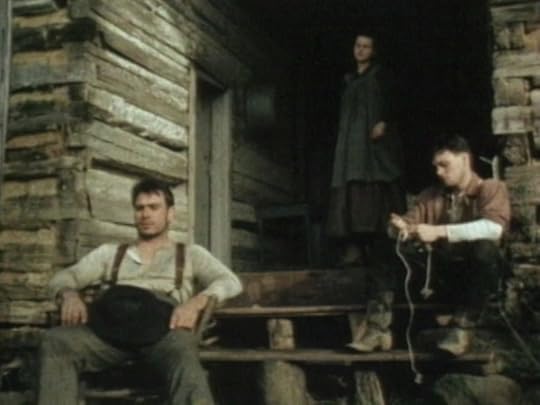
They went to work then, splitting the cuts into bolts and riving the bolts into shingles for Tull and Snopes and the others that had promised for tomorrow to start nailing onto the church roof when they finished pulling the old shingles off. They set flat on the ground in a kind of circle, with their legs spraddled out on either side of the propped-up bolt, Solon and Homer working light and easy and steady as two clocks ticking, but pap making every lick of hisn like he was killing a moccasin.
Then they hear a sound, a short, guttural word. Not ten yards away and behind a ruined wall leveled breast-high and facing the bridge, four men squat about a machine gun. The captain raises his hand again. They grasp their rifles: a rush of hobnails on cobblestones, a cry of astonishment cut sharply off; blows, short, hard breaths, curses; not a shot.
The man with the bandaged head begins to laugh, shrilly, until someone hushes him with a hand that tastes like brass. Under the captain’s direction they bash in the door of the house and drag the gun and the four bodies into it. They hoist the gun upstairs and set it up in a window looking down upon the bridgehead.
Sutpen returned in 1865, on the black stallion. He seemed to have aged ten years. His son had been killed in action the same winter in which his wife had died. He returned with his citation for gallantry from the hand of General Lee to a ruined plantation, where for a year now his daughter had subsisted partially on the meager bounty of the man to whom fifteen years ago he had granted permission to live in that tumbledown fishing camp whose very existence he had at the time forgotten.