This is the eyewitness story of Iranian revolution. Mukhtar Masood was in Tehran as the Secretary-General of Regional Cooperation for Development (RCD)
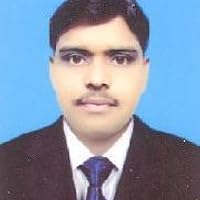
Mukhtar Masood (Urdu: مختار مسعود) is a Pakistani Urdu writer and bureaucrat. A graduate from Sir Syed's Muslim University Aligarh, he migrated to Pakistan after independence and was among the three candidates who succeeded in the civil service competitive exam held in January 1949. He then gradually rose to become a commissioner and a federal secretary. Later on he served as chairman of the Pakistan Industrial Development Corporation (PIDC), Agricultural Development Bank of Pakistan (ADBP) and secretary-general of the Regional Cooperation for Development (RCD).
So far he has written 3 books in Urdu: 1. Awaz e Dost (Urdu: آوازِ دوست) 2. Safar e Naseeb (Urdu: سفرِ نصیب) 3. Loh e Ayyam (Urdu: لوحِ ایام)
He has been awarded Sitara-i-Imtiaz, one of the highest civil awards by Government of Pakistan.
Loh Ayam By Mukhtar Masood. 1.Author spend four years in Tehran as RCD executive. 2.He witnessed Iranian Revolution unfolding before his eyes. 3.Book is divided into three parts and 17 chapters.First part contains pre revolution days situation. Part 2 is about revolution itself while part three is about cultural aspects. 4.Authors writing about Dr Ali Shariti and Murtaza Muthari are very interesting. 5.An excellent read.
A highly readable but romanticized account of Iranian revolution. I wish the author had also considered the realistic negative repercussions on Shias in Pakistan and resulant Sunni anger.
I was more interested in getting to know the detailed philosophical and economic reasons of the revolution which this book discusses only as a passing acquaintance. Rather it focuses more on the current happenings i.e. brutality, destruction, civil war of the Iranian Islamic Revolution. Overall a good read, but I couldn't extract the knowledge I had expected. The thirst to know more about Ali Shariati and Ayatollah Khomenei, why's and how's of their prominence remained un-quenched even after reading the whole book. It was jaw-dropping to know that even during the revolution, some of the great-minds were speaking of Uncle Sam's interests behind that revolution. Recommended for those who are more interested in getting an eye witness account of the revolution instead of all-inclusive causes that were behind it.
....Since Iran is again is in news with a threat of an all out war looming on the region this book should be considered as a must read.
Mr.Muhtar Masood was appointed as a Secretary General of RCD in July 78'; this was a very important time in Iranian history as the momentum of revolution started picking up from there. He was there just in time to observe and capture the events,emotions, strategies and counter strategies from ground zero.
His presence there was of great importance because he was in the position to not only see what is happening on the streets but also what was the view from the diplomatic enclave and more so what was the mood inside the close quarters of regime; he had a one to one meeting with Shah of Iran only a few days before his exit from the throne.
Its an incredible account of things that happened before, during and after the revolution so if any body wants to know the actual happening of revolution then this book should be considered as a text book on the subject.
However if one is expecting a narrative with a feel of travelogue or sort of a coffee table item then it will be a wrong choice; this one is a literary piece like his other books with quiet a non linear style of narration .
The author possessed a command over Persian which some time becomes bit laborious for a common man of today, another aspect of his writing is that he often takes a detour from a plain narration and place the reader into a different territory both historically and geographically this often cause a bit of irritation for a layman, it seems that he penned his random thoughts when and where these occur , this is a very creative approach of writing but could only be enjoyed by those with higher academic capability.
Somebody has mentioned to me on this very portal that this is a romantic account of Iranian Revolution; well I agree with it partially because Mr.Mukhtar is philosophically attached to this revolution and considered it as a great happening but he also pointed out the hardships,weaknesses and contradiction that existed in that era I considered it as a positive but objective commentary on this subject.
One of the reason of me liking this book is the validation of my point of view by such a scholarly figure like Mr. Mukhtar Masood; this moment came at the very end of the book when at his farewell party an Iranian youth asked him about the chances of the replication of the revolution in other parts of Islamic world, he replied that the success and survival of this revolution owes much to the power of Crude Oil which is not a common phenomenon in many Muslim countries which are considered as having lower income economies.
All in all this is very valuable addition in the world of non-fiction writing.
The narrative grips you from the very first page. It is a must read for anyone interested in history, particularly history of south and middle Asia. The book also sheds light on causes and effects of a revolution on a society. The author witnessed a revolution as it was happening. It is an amazing story told in a beautiful way.
جس میں نہ ہو انقلاب، موت ہے وہ زندگی روح امم کی حیات، کشمکش انقلاب
موضوع انقلاب ایران، مخاطب اہل پاکستان، لکھنے والا انقلاب کا چشم دید گواہ، واقعات حیران کن، بیان مسحور کن، نتیجہ "لوح ایام" کی صورت ایک منفرد ادبی شاہکار۔۔۔۔۔ یہ صفحہ تاریخ پہ لکھے ہوئے ان بیتے دنوں کی کہانی ہے جو انقلاب ایران کے گواہ تھے۔ یہ کہانی ہے تخت کا تختہ ہونے کی، جس کی وجوہات میں مغرب زدگی، عیش وعشرت اور ناحق ظلم و ستم شامل ہیں۔
یہ داستاں ایران کی ضرور ہے مگر اس کے پس پردہ پاکستان کے حالات اور اسکے اعلی حکام کی حکایات بھی شامل ہیں تاکہ پڑھنے والا جان سکے کہ جو قومیں اپنی ترجیحات متعین نہیں کرتیں اور اپنی روایات کی حفاظت کرنے کی بجائے بنا سوچے سمجھے دوسروں کی نقالی اور آرام و عیش پرستی کو آزادی کا حاصل سمجھ لیتی ہیں ان سے سرزمیں کا حق ملکیت، ان کی حکومت سے حق حکمرانی اور بلآخر لوگوں سے زندہ رہنے کا حق چھین لیا جاتا ہے۔
عوام کی آواز کو دبانا ایک فن ہے اور حکومت وقت ہمیشہ سے اس فن کی قدردان اور سرپرست رہی ہے۔ مگر جب عوام اپنی گردن پہ سوار ہونے والوں کو نیچے پٹک دیں تو اس عمل کو انقلاب کہتے ہیں۔ جس حاکم سے انصاف نہ ملے لوگ اس کی جگہ نیا حکمران لے آتے ہیں، جس ملک میں انصاف دستیاب نہ ہو، لوگ اسے دوسرے ملک میں ضم کر دیتے ہیں۔
انقلاب خواہ کتنا ہی پرانا کیوں نہ ہو جائے اسکی داستاں ہمیشہ تازہ رہتی ہے۔زمانہ اس کو بار بار دہراتا ہے، فرق صرف نام ،مقام اور وقت کا ہوتا ہے۔
اس کتاب کی سب سے اچھی بات اس کا انداز بیاں ہے۔ جملوں کی برجستگی اور شگفتگی، موضوع خشک ہونے کے باوجود قاری کو کہیں بھی بور نہیں ہونے دیتی ، اور مصنف کا بات سے بات نکالنے کا انداز قاری کا انہماک برقرار رکھتا ہے۔ منظر نگاری اس کمال کی ہے کہ پڑھنے والا خود کو اسی ماحول کا حصہ محسوس کرتا ہے۔ میرا اس کتاب کا سب سے پسندیدہ باب "الفاظ" ہے۔ جس میں مختلف فارسی الفاظ اور ان کا مطلب بتایا گیا ہے۔ اور انہی الفاظ کا اردو میں کیا مطلب ہے یہ بھی بتایا گیا ہے۔ اس باب میں فارسی اور اردو کا ٹکراو دلچسپ ہے۔
As an eye witness to Iran Revolution, he briefly described all important events. The only thing I got to learn was, Why Iran Revolution didn't work? This book contains information about the initial tragedies of Revolution. A brief discussion of his meetings with the government officials. I recommended this book.
سفارتی دنیا مفت شراب نوشی کا سب سے بڑا بین الااقوامی کلب ہے۔ دوسرے ملکوں میں امیگریشن لے کر آنے والے مہمان کارکن بھی عجیب ہوتے ہیں۔ اپنی صحت اور صلاحیت غیر ملک میں صرف کر دیتے ہیں۔ جب وطن واپس جاتے ہیں تو ان کے ہمراہ صرف دو چیزیں ہوتی ہیں، فارن ایکسچیج اور فرسٹریشن۔
Book Contain history of Iran, Little bit Cool With Different Opinions As said In urdu " Jitne Mu Itni Baatein".... And Also Gave A good Sauce Of urdu Adab.