

What do you think?

The Flanders Panel
While restoring a 15th-century painting which depicts a chess game between the Duke of Flanders and his knight, Julia, a young art expert, discovers a hidden inscription in the corner: Quis Necavit Equitem. Translation: Who killed the knight? Breaking the silence of five centuries, Julia's hunt for a Renaissance murderer leads her into a modern-day game of sin, betrayal, and death.
295 pages, Paperback
First published January 1, 1990
About the author
Arturo Pérez-Reverte
191 books6,554 followersArturo Pérez-Reverte Gutiérrez, is a Spanish novelist and ex-journalist. He worked as a war reporter for twenty-one years (1973 - 1994). He started his journalistic career writing for the now-defunct newspaper Pueblo. Then, he jumped to news reporter for TVE, Spanish national channel. As a war journalist he traveled to several countries, covering many conflicts. He put this experience into his book 'Territorio Comanche', focusing on the years of Bosnian massacres. That was in 1994, but his debut as a fiction writer started in 1983, with 'El húsar', a historical novella inspired in the Napoleonic era.
Although his debut was not quite successful, in 1988, with 'The Fencing Master', he put his name as a serious writer of historic novels. That was confirmed in 1996, when was published the first book of his Captain Alatriste saga, which has been his trademark. After this book, he could leave definitely journalism for focusing on his career as a fiction writer. This saga, that happens in the years of the Spanish golden age, has seen, for now, seven volumes, where Pérez-Reverte shows, from his particular point of view, historical events from Spanish history in the 16th century.
Apart from these, he also penned another successful works like Dumas Club and Flanders Panel, titles that, among others, made Pérez-Reverte one of the most famous and bestseller authors of Spanish fiction of our era.
Although his debut was not quite successful, in 1988, with 'The Fencing Master', he put his name as a serious writer of historic novels. That was confirmed in 1996, when was published the first book of his Captain Alatriste saga, which has been his trademark. After this book, he could leave definitely journalism for focusing on his career as a fiction writer. This saga, that happens in the years of the Spanish golden age, has seen, for now, seven volumes, where Pérez-Reverte shows, from his particular point of view, historical events from Spanish history in the 16th century.
Apart from these, he also penned another successful works like Dumas Club and Flanders Panel, titles that, among others, made Pérez-Reverte one of the most famous and bestseller authors of Spanish fiction of our era.
Ratings & Reviews
Friends & Following
Create a free account to discover what your friends think of this book!
Community Reviews
Displaying 1 - 30 of 1,653 reviews

May 15, 2022
If I were the publisher of this book I would change the title. I’ve been aware of this book for years but I always assumed it was a historical novel about a bunch of old Dutch Masters in wigs in discussion around a table. (And, yes, I know Flanders is in Belgium, not the Netherlands, but still…) I subconsciously thought…boring. It turns out ‘panel’ refers to one panel of a triptych painting.

And yes, there’s the flavor of a historical novel in the history of the painting, but this is a modern as well as an ancient murder mystery story. The 15th-century painting by a Flemish master depicts a chess game between the Duke of Flanders and one of his knights while the Duke’s wife looks on. History tells us the knight was later murdered.
Julia, a beautiful young art restoration expert, uncovers a 500-year-old painted-over message in Latin: "Who killed the white knight?" Perhaps the Duke, the black king? Or his lover, the Duke’s wife, the black queen?
The auction house and the painting’s owner work with Julia to hire a chess expert to retroactively re-create the game to discover the hidden meaning. Recreating the game is a long, complex process because millions of moves are possible to achieve the exact layout of the board in the painting. (Maybe a 5-minute job for AI now? lol) They also work with an art historian, an expert in that time period.
The hidden message and the intrigue make the estimated auction value of the painting skyrocket. Suddenly bodies start dropping as someone else is apparently after the painting. He or she is also a chess expert, leaving a trail of clues as to possible moves. The murderer sees Julia as the white queen. She might be the next victim, especially since she’s being followed.
One of the victims was a recent former lover of Julia’s. She was the last one to see him alive. The police are torn: is she a possible next victim? Or is she a suspect?
A good story with a lot of intriguing characters. There's also enough about chess and art that I added the book to both of those shelves.
About the painting: Is it real? Yes, the historical characters and the artist are real, but NO, the painting is not. In the story, the painting is attributed to a real Flemish artist, Pieter Van Huys, but Van Huys lived a century after the timeline of the artist in the story who painted it. The publisher commissioned a modern painting in Old Master style for the book cover on some editions. That painting is shown above. You’ll see that painting on the web: “Yes, it’s real - here it is.” But we’ve learned not to trust everything we see on the web, haven’t we?

The Spanish author (b. 1951) has written about three dozen novels, most translated into English. He’s best known by English readers for The Club Dumas. Here are links to my reviews of other books by Arturo Perez-Reverte:
The Queen of the South
The Seville Communion
The Painter of Battles
The painting from whathasbeenread.files.wordpress.com
The author from thetimes.co.uk
And yes, there’s the flavor of a historical novel in the history of the painting, but this is a modern as well as an ancient murder mystery story. The 15th-century painting by a Flemish master depicts a chess game between the Duke of Flanders and one of his knights while the Duke’s wife looks on. History tells us the knight was later murdered.
Julia, a beautiful young art restoration expert, uncovers a 500-year-old painted-over message in Latin: "Who killed the white knight?" Perhaps the Duke, the black king? Or his lover, the Duke’s wife, the black queen?
The auction house and the painting’s owner work with Julia to hire a chess expert to retroactively re-create the game to discover the hidden meaning. Recreating the game is a long, complex process because millions of moves are possible to achieve the exact layout of the board in the painting. (Maybe a 5-minute job for AI now? lol) They also work with an art historian, an expert in that time period.
The hidden message and the intrigue make the estimated auction value of the painting skyrocket. Suddenly bodies start dropping as someone else is apparently after the painting. He or she is also a chess expert, leaving a trail of clues as to possible moves. The murderer sees Julia as the white queen. She might be the next victim, especially since she’s being followed.
One of the victims was a recent former lover of Julia’s. She was the last one to see him alive. The police are torn: is she a possible next victim? Or is she a suspect?
A good story with a lot of intriguing characters. There's also enough about chess and art that I added the book to both of those shelves.
About the painting: Is it real? Yes, the historical characters and the artist are real, but NO, the painting is not. In the story, the painting is attributed to a real Flemish artist, Pieter Van Huys, but Van Huys lived a century after the timeline of the artist in the story who painted it. The publisher commissioned a modern painting in Old Master style for the book cover on some editions. That painting is shown above. You’ll see that painting on the web: “Yes, it’s real - here it is.” But we’ve learned not to trust everything we see on the web, haven’t we?
The Spanish author (b. 1951) has written about three dozen novels, most translated into English. He’s best known by English readers for The Club Dumas. Here are links to my reviews of other books by Arturo Perez-Reverte:
The Queen of the South
The Seville Communion
The Painter of Battles
The painting from whathasbeenread.files.wordpress.com
The author from thetimes.co.uk

January 10, 2014
Review written in 2026, book read in 2014
I am trying to write/ re-write a a few reviews for books I enjoyed in the past.
I read it in Romanian so I cannot comment on the English version, however it was translated by the same person who did Saramago, so it should be good enough.
Who knew that chess could be this interesting? Not me, as my father is a sad witness. He really hoped he will make me enjoy it, but alas.
This was my first Pérez-Reverte and it remains my favorite. An art restorer discovers a hidden message in a 15th century Flemish painting depicting a chess game. The message asks who killed the knight. From that moment, the novel becomes a brilliant puzzle that operates on two levels simultaneously, the medieval mystery hidden in the painting and a very present and dangerous one unfolding in modern Madrid. It was so exciting.
Pérez-Reverte uses chess as both a plot device and a metaphor throughout the novel and somehow makes it completely gripping even if you know nothing about the game. I certainly did not (except some basics) and I was on the edge of my seat.
If you enjoy smart, literary thrillers with a strong sense of place and a puzzle that keeps you guessing, this is the perfect place to start with Pérez-Reverte. I cannot recommend it highly enough. A Dan Brown without the religion and better written, if I remember well.
I am trying to write/ re-write a a few reviews for books I enjoyed in the past.
I read it in Romanian so I cannot comment on the English version, however it was translated by the same person who did Saramago, so it should be good enough.
Who knew that chess could be this interesting? Not me, as my father is a sad witness. He really hoped he will make me enjoy it, but alas.
This was my first Pérez-Reverte and it remains my favorite. An art restorer discovers a hidden message in a 15th century Flemish painting depicting a chess game. The message asks who killed the knight. From that moment, the novel becomes a brilliant puzzle that operates on two levels simultaneously, the medieval mystery hidden in the painting and a very present and dangerous one unfolding in modern Madrid. It was so exciting.
Pérez-Reverte uses chess as both a plot device and a metaphor throughout the novel and somehow makes it completely gripping even if you know nothing about the game. I certainly did not (except some basics) and I was on the edge of my seat.
If you enjoy smart, literary thrillers with a strong sense of place and a puzzle that keeps you guessing, this is the perfect place to start with Pérez-Reverte. I cannot recommend it highly enough. A Dan Brown without the religion and better written, if I remember well.

June 19, 2009
Not (also a chessplayer) told me I had to read this, and she was indeed right. I couldn't put it down and finished it in about a day. It's... well, what is it? I read it as a kind of postmodernist reimagining of Alice Through The Looking-Glass. Other books I immediately thought of were The Name of the Rose, Gödel, Escher, Bach and Luzhin's Defense.
Formally, it's a very stylized murder mystery. Julia, the sexy but childlike Alice figure, is a Madrid art restorer. She receives an unusual commission, a 15th century painting of a chess game. There are multiple layers of reference: two of the people in the painting are playing chess, while the third one, a mysterious lady in black, watches. But they are also identified with the pieces, since it turns out that the picture contains a hidden message about the relationships between them, coded in the position of the game itself. Which in turn is reflected in the mirror shown on one side of the painting.
So, self-reference, reflections, semantics, maps and territories. And, just as in Looking-Glass, the chess game escapes into the real world, or possibly the people fall into the chess world, and everything is simultaneously several other things. César, the older man who has known Julia/Alice since she was a little girl and is her dearest friend, stands in for Lewis Carroll, but he is also the murderer. I was reminded of Michael Dibdin's The Last Sherlock Holmes Story, where Holmes turns out to be also Moriarty and Jack the Ripper. Muñoz, the strange, emotionless chessplayer who helps Julia, is Sherlock Holmes, William de Baskerville and Luzhin. And I wonder if his name is a coincidence. In 1960, Bobby Fischer had a very surprising loss to an unknown Ecuadorian player called César Muñoz. Their encounter is moderately famous.
One of the best and most unexpected meta-jokes is about the chess itself. I'm a strong chessplayer, so at first I found the game annoying. The author is clearly not very good at chess, and there are some weird moments. Yet, as the play escapes into the real world, and captured pieces become dead bodies, the chess began to make more sense. At the end, the combinations, previously dream-like and impossible, do in fact become more or less coherent, but still only in a very odd way. Who on earth had been advising him? I couldn't understand it, until he finally revealed that he had been getting help from a chess program. As he points out, once we had the Mechanical Turk, where the machine hid a human player; but here, in the looking-glass world, the machine is hidden in the human. So, this is also one of the first novels I've come across that's been composed partly by a computer; and, now I think of it, the association between Julia and the automaton-like Muñoz is yet another reflection. You were given a clue here too.
What a clever, original, beautiful book. Thank you Not!
__________________________
I woke up this morning and... of course! It was staring me in the face all along! Watson, how could I have been so blind!
I said that he admitted to receiving help from a machine, and I still think he did. The play at the end has a machine-like quality, and César's admission about his chess computer seems to refer to the author too. But the position in the van Huys painting is a retrograde analysis problem - a chess puzzle where the task is to work out the preceding moves - and no machine can compose a retrograde analysis problem. He needed assistance from a strong human player as well. So the real mystery is not the identity of the murderer, but the question of who composed the problem.
Well... he certainly gives you plenty of hints. The references to Bach pieces where the composer's name is hidden in the notes. I was sure there was a message hidden here, but I couldn't see it. And consider Julia's two helpers. César is always referred to by his first name, Muñoz always by his last. All of this together is too much to be just an accident.
César Muñoz, step forward and take a bow. You've had a very unusual chess career. You beat Bobby Fischer as black, and you helped write this marvellous book. And you were so modest about your contribution that you were willing for it to remain hidden in this cypher. I wonder if I am the first person to crack the code. I just looked around on Google, and if anyone else has spotted it they've been very quiet. The riddle has been lying there for 21 years, waiting for me, the reader.
Of course, of course! He shows you all those semantic reference diagrams and insinuates that the game can reach out into the real world. It has! Now I am in the picture too!
Applause!!!
Formally, it's a very stylized murder mystery. Julia, the sexy but childlike Alice figure, is a Madrid art restorer. She receives an unusual commission, a 15th century painting of a chess game. There are multiple layers of reference: two of the people in the painting are playing chess, while the third one, a mysterious lady in black, watches. But they are also identified with the pieces, since it turns out that the picture contains a hidden message about the relationships between them, coded in the position of the game itself. Which in turn is reflected in the mirror shown on one side of the painting.
So, self-reference, reflections, semantics, maps and territories. And, just as in Looking-Glass, the chess game escapes into the real world, or possibly the people fall into the chess world, and everything is simultaneously several other things. César, the older man who has known Julia/Alice since she was a little girl and is her dearest friend, stands in for Lewis Carroll, but he is also the murderer. I was reminded of Michael Dibdin's The Last Sherlock Holmes Story, where Holmes turns out to be also Moriarty and Jack the Ripper. Muñoz, the strange, emotionless chessplayer who helps Julia, is Sherlock Holmes, William de Baskerville and Luzhin. And I wonder if his name is a coincidence. In 1960, Bobby Fischer had a very surprising loss to an unknown Ecuadorian player called César Muñoz. Their encounter is moderately famous.
One of the best and most unexpected meta-jokes is about the chess itself. I'm a strong chessplayer, so at first I found the game annoying. The author is clearly not very good at chess, and there are some weird moments. Yet, as the play escapes into the real world, and captured pieces become dead bodies, the chess began to make more sense. At the end, the combinations, previously dream-like and impossible, do in fact become more or less coherent, but still only in a very odd way. Who on earth had been advising him? I couldn't understand it, until he finally revealed that he had been getting help from a chess program. As he points out, once we had the Mechanical Turk, where the machine hid a human player; but here, in the looking-glass world, the machine is hidden in the human. So, this is also one of the first novels I've come across that's been composed partly by a computer; and, now I think of it, the association between Julia and the automaton-like Muñoz is yet another reflection. You were given a clue here too.
What a clever, original, beautiful book. Thank you Not!
__________________________
I woke up this morning and... of course! It was staring me in the face all along! Watson, how could I have been so blind!
I said that he admitted to receiving help from a machine, and I still think he did. The play at the end has a machine-like quality, and César's admission about his chess computer seems to refer to the author too. But the position in the van Huys painting is a retrograde analysis problem - a chess puzzle where the task is to work out the preceding moves - and no machine can compose a retrograde analysis problem. He needed assistance from a strong human player as well. So the real mystery is not the identity of the murderer, but the question of who composed the problem.
Well... he certainly gives you plenty of hints. The references to Bach pieces where the composer's name is hidden in the notes. I was sure there was a message hidden here, but I couldn't see it. And consider Julia's two helpers. César is always referred to by his first name, Muñoz always by his last. All of this together is too much to be just an accident.
César Muñoz, step forward and take a bow. You've had a very unusual chess career. You beat Bobby Fischer as black, and you helped write this marvellous book. And you were so modest about your contribution that you were willing for it to remain hidden in this cypher. I wonder if I am the first person to crack the code. I just looked around on Google, and if anyone else has spotted it they've been very quiet. The riddle has been lying there for 21 years, waiting for me, the reader.
Of course, of course! He shows you all those semantic reference diagrams and insinuates that the game can reach out into the real world. It has! Now I am in the picture too!
Applause!!!

February 4, 2017
Ένας αντικέρ, μια συντηρήτρια έργων τέχνης και ένα ιδιόρρυθμος σκακιστής ψάχνουν την λύση πίσω από μια σκακιστική παρτίδα ενός Φλαμανδικού πίνακα. Όσο όμως ξετυλίγουν τo κουβάρι του μεσαιωνικού πίνακα, μπλέκονται και στα πόδια ενός κατά συρροή δολοφόνου ο οποίος φαίνεται να προσπαθεί να κρατήσει το μυστικό του πίνακα κρυμμένο.
Όλο το βιβλίο είναι μια σκακιστική παρτίδα στημένη με μαεστρία από τον συγγραφέα.
Οι χαρακτήρες τις ιστορίας είναι πολύ καλά δομημένοι ενώ παρόλο το μέγεθος του, το βιβλίο δεν κάνει πουθενά "κοιλιά"
Απολαυστικό!
5/5
Εδιτ: Όσοι γνωρίζουν έστω και τους βασικούς κανόνες στο σκάκι θα ευχαριστηθούν το βιβλίο λίγο παραπάνω, χωρίς αυτό να σημαίνει πως οι υπόλοιποι δεν θα βρουν το ενδιαφέρον το μυστήριο και ελκυστική την λύση του...
Όλο το βιβλίο είναι μια σκακιστική παρτίδα στημένη με μαεστρία από τον συγγραφέα.
Οι χαρακτήρες τις ιστορίας είναι πολύ καλά δομημένοι ενώ παρόλο το μέγεθος του, το βιβλίο δεν κάνει πουθενά "κοιλιά"
Απολαυστικό!
5/5
Εδιτ: Όσοι γνωρίζουν έστω και τους βασικούς κανόνες στο σκάκι θα ευχαριστηθούν το βιβλίο λίγο παραπάνω, χωρίς αυτό να σημαίνει πως οι υπόλοιποι δεν θα βρουν το ενδιαφέρον το μυστήριο και ελκυστική την λύση του...

March 17, 2017
Εξαίσιο. Η σχεδόν αστυνομική πλοκή σε συνδυασμό, η χαρακτηριστική γραφή του συγγραφέα, η σχέση που αναπτύσσεται μεταξύ των ηρώων, όλα συντείνουν στην δημιουργία μιας σπάνιας αναγνωστικής εμπειρίας.
August 10, 2011
I wanted so badly to love this book.
The simplest way to describe it is the novelisation of Douglas Hofstadter's opus, "Godel, Escher, Bach." In fact, it is impossible to believe that Perez-Reverte had finished G.E.B. more than ten minutes before furiously scribing "The Flanders Panel."
I wanted to love it because I love books based on puzzles and logic, and GEB may be one of my favorite books of all time.
But the novel is just so weak. The characters (caricatures?) were flat and absurd - how many times must we hear that one character was suave beyond comprehension or another gets more beautiful by the moment. The dramatic tension never took hold, and it was terribly hard to care whether any of them lived or died.
I think the author knew the book didn't work. Virtually every scene is littered with descriptions of how interesting, beautiful, or fascinating the characters or scene was. The writing simply couldn't convey beauty, so he pulled out his labelmaker and applied enough adjectives to make certain you didn't miss it.
If you love the idea of logical puzzles and playful minds, read "Godel Escher Bach". But leave "Flanders Panel" on the shelf.
The simplest way to describe it is the novelisation of Douglas Hofstadter's opus, "Godel, Escher, Bach." In fact, it is impossible to believe that Perez-Reverte had finished G.E.B. more than ten minutes before furiously scribing "The Flanders Panel."
I wanted to love it because I love books based on puzzles and logic, and GEB may be one of my favorite books of all time.
But the novel is just so weak. The characters (caricatures?) were flat and absurd - how many times must we hear that one character was suave beyond comprehension or another gets more beautiful by the moment. The dramatic tension never took hold, and it was terribly hard to care whether any of them lived or died.
I think the author knew the book didn't work. Virtually every scene is littered with descriptions of how interesting, beautiful, or fascinating the characters or scene was. The writing simply couldn't convey beauty, so he pulled out his labelmaker and applied enough adjectives to make certain you didn't miss it.
If you love the idea of logical puzzles and playful minds, read "Godel Escher Bach". But leave "Flanders Panel" on the shelf.

October 23, 2016
Theo cảm nhận của riêng tôi, tác phẩm này còn hay hơn cả "Câu lạc bộ Dumas" - cuốn tiểu thuyết đã làm nên tên tuổi của tác giả người Tây Ban Nha Arturo Pérez-Reverte. Không có hai cốt truyện chính chạy song song nhau, không có những bức tranh khắc gỗ mang dáng dấp hình ảnh những lá bài tarot đầy ám ảnh, “Bí ẩn quân hậu đen” trung thành với một cốt truyện chính duy nhất, đi sâu vào thế giới cờ vua đầy trí tuệ và say mê để làm nên một cuốn tiểu thuyết trinh thám ám ảnh không kém. Sự ám ảnh đến từ suy nghĩ điên loạn của kẻ thủ ác và cái trò chơi giết chóc mà hắn đã dày công sắp đặt.
Câu chuyện bắt đầu khi Julia, một nhà phục chế tranh cổ, được giao nhiệm vụ phục chế bức tranh “Ván cờ” nổi tiếng của họa sĩ Pieter Van Huys thuộc trường phái Flemish, vẽ vào năm 1471. Ẩn bên dưới lớp màu vẽ đó, Julia phát hiện ra một dòng chữ Latin bí hiểm cất giấu một bí mật đau lòng của quá khứ 500 năm về trước: “Quis necavit equitem?”, nghĩa là “Ai đã giết hiệp sĩ?”. Đứng trước một câu hỏi mang tính gợi mở đầy thách thức đó, Julia, cùng với César – một nhà buôn đồ cổ, người bảo trợ và nuôi nấng cô từ trước đến nay, và bà Menchu Roch – một nhà trung gian buôn tranh cổ, luôn cặp kè với những anh chàng trẻ tuổi đẹp trai, đã phải viện dẫn đến sự giúp đỡ giáo sư Alvaro, rồi sau này là kỳ thủ Munoz - một kế toán viên tầm thường nhưng đồng thời cũng là một kỳ thủ siêu hạng, để có thể giải mã được thông điệp của bức tranh và tìm lời giải đáp cho câu hỏi bí ẩn được Pieter Van Huys kín đáo cất giữ trong lòng bức họa.
Với sự giúp đỡ của Alvaro, Julia biết được hai vị kỳ thủ ngồi chơi cờ đối mặt nhau trong bức “Ván cờ” chính là Ferdinand, công tước xứ Ostenburg, và Roger de Arras, một hiệp sĩ cũng của công quốc này, người đã từng sát cánh với quân đội Pháp trong cuộc chiến chống lại người Anh do vua Pháp Charles VII phát động. Nhân vật còn lại, người thiếu phụ trong bộ đầm nhung đen, ngồi ở một góc xa, trên tay cầm tập thơ “Thơ về hoa hồng và hiệp sĩ” tưởng chừng như đang đắm chìm vào cuốn sách, chính là Beatrice xứ Burgundy – vợ của công tước Ferdinand. Càng tìm hiểu sâu hơn về lịch sử, về những gì đã diễn ra giữa ba con người của quá khứ này, Julia càng bị cuốn vào những sự kiện mang màu sắc chính trị và cả một mối tình tay ba kết thúc trong bi kịch.
Đó là thời kỳ mà cả Ostenburg và Burgundy còn là những công quốc nhỏ bé, nằm trong tầm ngắm thôn tính của vua Pháp. Trong lòng Ostenburg chia ra làm hai phe phái: một bên với chủ trương thân Pháp, tiêu biểu là hiệp sĩ Roger de Arras; bên còn lại muốn sáp nhập Ostenburg và Burgundy trở thành một thể thống nhất, một thế lực có đủ sức mạnh để chống lại âm mưu xâm chiếm của Pháp quốc oai hùng. Sự sáp nhập ấy bước đầu được thực hiện thông qua cuộc hôn nhân mang tính chính trị giữa Ferdinand và Beatrice nhằm thắt chặt tình đoàn kết giữa hai bên. Kết hôn vì mục đích chính trị, lẽ dĩ nhiên, Beatrice không hề dành tình yêu cho chồng mình. Mà đau lòng thay, tình yêu ấy, bà đem dành cho Roger de Arras, cho người bạn thân của Ferdinand, cho người đàn ông ở phe thân Pháp, chỉ biết đi cạnh đám rước của bà trong ngày bà xuất giá, cho người hiệp sĩ cuối cùng đã bị ám sát một cách tức tưởi bằng một mũi tên đâm xuyên qua ngực.
Roger de Arras chính là vị hiệp sĩ đã bị giết, chính là quân hiệp sĩ đã bị ăn trên bàn cờ. Và danh tính của kẻ giết ông được tiết lộ bằng chính bức tranh mà càng tìm hiểu sâu hơn, càng dành hết tâm sức vào việc nghiền ngẫm những thông điệp mà bức tranh ẩn giấu, Julia càng phát hiện ra nhiều tầng không gian khác nhau, cho phép cô như ngược dòng trở về quá khứ, soi chiếu những gì cô biết về thời kỳ đầy biến động và âm mưu ở xứ Flanders, đồng thời dự phần vào tấn bi kịch đẫm máu, vào mối tình tay ba đầy éo le đã kết thúc trong tang thương.
Những đoạn Munoz thoát khỏi vẻ ngoài nhân viên văn phòng chán ngắt và sầu khổ của mình để trọn vẹn sống đúng với đam mê và tư duy cờ vua siêu việt của ông, từng bước từng bước đưa ra được lời giải đáp cuối cùng cho câu hỏi “Ai đã giết hiệp sĩ?” bằng phân tích hồi cứu và những suy luận sắc bén về các nước cờ là những đoạn hay nhất tác phẩm. Nó lôi cuốn và đẹp đẽ, say mê và gây ghiện như chính những gì kỳ thủ cờ vua cảm nhận về môn thể thao trí tuệ này. Mặc dù là người không hề biết chơi cờ, và hầu như không thể nào hiểu được những nước đi, những ô số mà Munoz nêu ra, thế nhưng, tôi vẫn thấy cuốn hút không rời trước tư duy, phân tích và suy luận của vị kỳ thủ.
Nhưng tìm ra câu trả lời ấy chỉ mới là phân nửa đoạn đường bởi sự xuất hiện của một kỳ thủ thứ tư, người dường như lấy bức tranh “Ván cờ” làm cái cớ cho một cuộc thách đấu mang màu chết chóc. Julia, César, bà Menchu và cả Munoz bỗng chốc trở thành những quân cờ trong một cuộc chơi bệnh hoạn do kẻ thủ ác bày ra, nối tiếp ván cờ cổ năm nào. Kẻ ấy núp bóng quân hậu đen, gửi đến Julia những tấm thẻ trắng ghi nước đi của hắn, những nước đi đại diện cho toan tính giết người ngoài đời thật. Cùng lúc đó, những cái chết tàn nhẫn đến lạnh sống lưng lần lượt xảy ra. Giữa những cái chết ấy là nhân dạng một người phụ nữ tóc vàng, luôn mặt áo mưa mà Julia tình nghi là thủ phạm; là sự xuất hiện của một chiếc xe Ford màu xanh kiếng đen dường như luôn đi theo Julia mọi lúc mọi nơi.
Giữa sự giúp sức chẳng mấy hiệu quả của cảnh sát, Julia, César và Munoz buộc lòng phải vào cuộc và chơi ván cờ của kẻ sát nhân, phải thực hiện những nước đi cho quân trắng trong lúc suy luận và dự đoán nước đi tiếp theo của kẻ kỳ thủ ẩn mình bên phía quân đen, đồng thời phải tự điều tra và đưa ra những giả thiết về nhân dạng của hung thủ. Đến cuối cùng, chỉ có tư duy của một người chơi cờ lâu năm như Munoz mới có thể đưa đến lời giải đáp cho tấn bi kịch của hiện tại, mới có thể đưa ánh sáng tên tuổi của kẻ núp bóng quân hậu đen, gây ra hàng loạt án mạng kinh hoàng. Đó là kẻ mà cả Julia và chắc hẳn toàn bộ độc giả không thể nào ngờ tới, kẻ mà vì tình yêu mù quáng dành cho Julia – quân hậu trắng – đã rắp tâm sắp đặt một âm mưu giải thoát cô khỏi những người mà hắn cho rằng đã và đang làm phương hại đến cuộc đời cô.
Bên cạnh việc là một cuốn tiểu thuyết trinh thám hấp dẫn diễn ra ở hiện tại với sự liên kết tới những sự kiện trong quá khứ, đúng kiểu của Arturo Pérez-Reverte, “Bí ẩn quân hậu đen” còn hút hồn người đọc bởi những đoạn văn đầy chất thơ, thể hiện cái nhìn và cảm nhận của Julia đối với câu chuyện tình tay ba của lịch sử, đặc biệt là với nhân vật Beatrice xứ Burgundy, với những dòng thơ chất chứa tâm sự như thay lời nói của Roger de Arras dành cho bà:
Và còn đó một Beatrice xứ Burgundy cúi đầu xuống tập thơ trong tay, nhưng thực chất tâm trí và ánh mắt của bà lại đang để vào ván cờ định mệnh, bên tiếng đàn buồn không sao tả xiết và vẻ đẹp nhói đau của những dòng thơ bất chợt soi chiếu trong tâm hồn bà:
Rồi còn những chi tiết phân tích sâu xa về âm nhạc của nhà soạn nhạc lừng danh người Đức Johann Sebastian Bach, về cái cách mà ông thích đảo chiều những nốt nhạc của mình để cho ra đời những giai điệu tuyệt diệu khác nhau; về việc liệu luôn có cách để chúng ta có thể giải đáp hết toàn bộ những bí ẩn của thế giới này, hay con người luôn bị giới hạn bởi một lực lượng siêu hình nào đó. Tất cả được thể hiện thông qua những đoạn tranh luận đầy tính triết học giữa Munoz và ông lão Belmonte – người sở hữu bức “Ván cờ”, làm nên một “Bí ẩn quân hậu đen” vừa lôi cuốn bởi tư duy chơi cờ và tính suy luận logic, vừa làm đắm say lòng người đọc bởi vẻ đẹp của âm nhạc, khoa học và văn chương. Rốt cuộc thì, chúng ta còn có thể đòi hỏi gì hơn ở một cuốn tiểu thuyết như thế?... Đơn giản là một cuốn sách gây nghiện.
Câu chuyện bắt đầu khi Julia, một nhà phục chế tranh cổ, được giao nhiệm vụ phục chế bức tranh “Ván cờ” nổi tiếng của họa sĩ Pieter Van Huys thuộc trường phái Flemish, vẽ vào năm 1471. Ẩn bên dưới lớp màu vẽ đó, Julia phát hiện ra một dòng chữ Latin bí hiểm cất giấu một bí mật đau lòng của quá khứ 500 năm về trước: “Quis necavit equitem?”, nghĩa là “Ai đã giết hiệp sĩ?”. Đứng trước một câu hỏi mang tính gợi mở đầy thách thức đó, Julia, cùng với César – một nhà buôn đồ cổ, người bảo trợ và nuôi nấng cô từ trước đến nay, và bà Menchu Roch – một nhà trung gian buôn tranh cổ, luôn cặp kè với những anh chàng trẻ tuổi đẹp trai, đã phải viện dẫn đến sự giúp đỡ giáo sư Alvaro, rồi sau này là kỳ thủ Munoz - một kế toán viên tầm thường nhưng đồng thời cũng là một kỳ thủ siêu hạng, để có thể giải mã được thông điệp của bức tranh và tìm lời giải đáp cho câu hỏi bí ẩn được Pieter Van Huys kín đáo cất giữ trong lòng bức họa.
Với sự giúp đỡ của Alvaro, Julia biết được hai vị kỳ thủ ngồi chơi cờ đối mặt nhau trong bức “Ván cờ” chính là Ferdinand, công tước xứ Ostenburg, và Roger de Arras, một hiệp sĩ cũng của công quốc này, người đã từng sát cánh với quân đội Pháp trong cuộc chiến chống lại người Anh do vua Pháp Charles VII phát động. Nhân vật còn lại, người thiếu phụ trong bộ đầm nhung đen, ngồi ở một góc xa, trên tay cầm tập thơ “Thơ về hoa hồng và hiệp sĩ” tưởng chừng như đang đắm chìm vào cuốn sách, chính là Beatrice xứ Burgundy – vợ của công tước Ferdinand. Càng tìm hiểu sâu hơn về lịch sử, về những gì đã diễn ra giữa ba con người của quá khứ này, Julia càng bị cuốn vào những sự kiện mang màu sắc chính trị và cả một mối tình tay ba kết thúc trong bi kịch.
Đó là thời kỳ mà cả Ostenburg và Burgundy còn là những công quốc nhỏ bé, nằm trong tầm ngắm thôn tính của vua Pháp. Trong lòng Ostenburg chia ra làm hai phe phái: một bên với chủ trương thân Pháp, tiêu biểu là hiệp sĩ Roger de Arras; bên còn lại muốn sáp nhập Ostenburg và Burgundy trở thành một thể thống nhất, một thế lực có đủ sức mạnh để chống lại âm mưu xâm chiếm của Pháp quốc oai hùng. Sự sáp nhập ấy bước đầu được thực hiện thông qua cuộc hôn nhân mang tính chính trị giữa Ferdinand và Beatrice nhằm thắt chặt tình đoàn kết giữa hai bên. Kết hôn vì mục đích chính trị, lẽ dĩ nhiên, Beatrice không hề dành tình yêu cho chồng mình. Mà đau lòng thay, tình yêu ấy, bà đem dành cho Roger de Arras, cho người bạn thân của Ferdinand, cho người đàn ông ở phe thân Pháp, chỉ biết đi cạnh đám rước của bà trong ngày bà xuất giá, cho người hiệp sĩ cuối cùng đã bị ám sát một cách tức tưởi bằng một mũi tên đâm xuyên qua ngực.
Roger de Arras chính là vị hiệp sĩ đã bị giết, chính là quân hiệp sĩ đã bị ăn trên bàn cờ. Và danh tính của kẻ giết ông được tiết lộ bằng chính bức tranh mà càng tìm hiểu sâu hơn, càng dành hết tâm sức vào việc nghiền ngẫm những thông điệp mà bức tranh ẩn giấu, Julia càng phát hiện ra nhiều tầng không gian khác nhau, cho phép cô như ngược dòng trở về quá khứ, soi chiếu những gì cô biết về thời kỳ đầy biến động và âm mưu ở xứ Flanders, đồng thời dự phần vào tấn bi kịch đẫm máu, vào mối tình tay ba đầy éo le đã kết thúc trong tang thương.
Những đoạn Munoz thoát khỏi vẻ ngoài nhân viên văn phòng chán ngắt và sầu khổ của mình để trọn vẹn sống đúng với đam mê và tư duy cờ vua siêu việt của ông, từng bước từng bước đưa ra được lời giải đáp cuối cùng cho câu hỏi “Ai đã giết hiệp sĩ?” bằng phân tích hồi cứu và những suy luận sắc bén về các nước cờ là những đoạn hay nhất tác phẩm. Nó lôi cuốn và đẹp đẽ, say mê và gây ghiện như chính những gì kỳ thủ cờ vua cảm nhận về môn thể thao trí tuệ này. Mặc dù là người không hề biết chơi cờ, và hầu như không thể nào hiểu được những nước đi, những ô số mà Munoz nêu ra, thế nhưng, tôi vẫn thấy cuốn hút không rời trước tư duy, phân tích và suy luận của vị kỳ thủ.
Nhưng tìm ra câu trả lời ấy chỉ mới là phân nửa đoạn đường bởi sự xuất hiện của một kỳ thủ thứ tư, người dường như lấy bức tranh “Ván cờ” làm cái cớ cho một cuộc thách đấu mang màu chết chóc. Julia, César, bà Menchu và cả Munoz bỗng chốc trở thành những quân cờ trong một cuộc chơi bệnh hoạn do kẻ thủ ác bày ra, nối tiếp ván cờ cổ năm nào. Kẻ ấy núp bóng quân hậu đen, gửi đến Julia những tấm thẻ trắng ghi nước đi của hắn, những nước đi đại diện cho toan tính giết người ngoài đời thật. Cùng lúc đó, những cái chết tàn nhẫn đến lạnh sống lưng lần lượt xảy ra. Giữa những cái chết ấy là nhân dạng một người phụ nữ tóc vàng, luôn mặt áo mưa mà Julia tình nghi là thủ phạm; là sự xuất hiện của một chiếc xe Ford màu xanh kiếng đen dường như luôn đi theo Julia mọi lúc mọi nơi.
Giữa sự giúp sức chẳng mấy hiệu quả của cảnh sát, Julia, César và Munoz buộc lòng phải vào cuộc và chơi ván cờ của kẻ sát nhân, phải thực hiện những nước đi cho quân trắng trong lúc suy luận và dự đoán nước đi tiếp theo của kẻ kỳ thủ ẩn mình bên phía quân đen, đồng thời phải tự điều tra và đưa ra những giả thiết về nhân dạng của hung thủ. Đến cuối cùng, chỉ có tư duy của một người chơi cờ lâu năm như Munoz mới có thể đưa đến lời giải đáp cho tấn bi kịch của hiện tại, mới có thể đưa ánh sáng tên tuổi của kẻ núp bóng quân hậu đen, gây ra hàng loạt án mạng kinh hoàng. Đó là kẻ mà cả Julia và chắc hẳn toàn bộ độc giả không thể nào ngờ tới, kẻ mà vì tình yêu mù quáng dành cho Julia – quân hậu trắng – đã rắp tâm sắp đặt một âm mưu giải thoát cô khỏi những người mà hắn cho rằng đã và đang làm phương hại đến cuộc đời cô.
Bên cạnh việc là một cuốn tiểu thuyết trinh thám hấp dẫn diễn ra ở hiện tại với sự liên kết tới những sự kiện trong quá khứ, đúng kiểu của Arturo Pérez-Reverte, “Bí ẩn quân hậu đen” còn hút hồn người đọc bởi những đoạn văn đầy chất thơ, thể hiện cái nhìn và cảm nhận của Julia đối với câu chuyện tình tay ba của lịch sử, đặc biệt là với nhân vật Beatrice xứ Burgundy, với những dòng thơ chất chứa tâm sự như thay lời nói của Roger de Arras dành cho bà:
“Thưa phu nhân, những giọt sương
vào lúc bình minh
đọng trên những đóa hồng
trong khu vườn phủ đầy sương muối của bà
rớt xuống giữa chốn sa trường
như những giọt lệ
trên trái tim tôi
trên đôi mắt tôi, trên thanh kiếm của tôi.”
Và còn đó một Beatrice xứ Burgundy cúi đầu xuống tập thơ trong tay, nhưng thực chất tâm trí và ánh mắt của bà lại đang để vào ván cờ định mệnh, bên tiếng đàn buồn không sao tả xiết và vẻ đẹp nhói đau của những dòng thơ bất chợt soi chiếu trong tâm hồn bà:
“Điệu nhạc quyện lẫn vào những lời thì thầm của hai kỳ thủ đang mải mê với ván cờ, và đột nhiên vị phu nhân quyền quý nhận ra một vẻ đẹp đến nhói lòng trong những câu của bài thơ đang nằm run rẩy trên tay bà. Cũng sinh ra từ chính những giọt sương đã đọng trên bông hồng và thanh kiếm của người hiệp sĩ, một giọt lệ long lanh xuất hiện trong đôi mắt xanh của nữ công tước khi bà ngước nhìn lên và bắt gặp cái nhìn của Julia, đang im lặng ngắm nhìn trong bóng tối. Và nữ công tước thầm nghĩ cái nhìn của cô gái trẻ có đôi mắt sẫm màu đậm chất Italia đó chỉ là một hình ảnh phản chiếu của chính đôi mắt bà, bất động và sầu muộn, lờ mờ trên bề mặt một chiếc gương đặt phía xa.”
Rồi còn những chi tiết phân tích sâu xa về âm nhạc của nhà soạn nhạc lừng danh người Đức Johann Sebastian Bach, về cái cách mà ông thích đảo chiều những nốt nhạc của mình để cho ra đời những giai điệu tuyệt diệu khác nhau; về việc liệu luôn có cách để chúng ta có thể giải đáp hết toàn bộ những bí ẩn của thế giới này, hay con người luôn bị giới hạn bởi một lực lượng siêu hình nào đó. Tất cả được thể hiện thông qua những đoạn tranh luận đầy tính triết học giữa Munoz và ông lão Belmonte – người sở hữu bức “Ván cờ”, làm nên một “Bí ẩn quân hậu đen” vừa lôi cuốn bởi tư duy chơi cờ và tính suy luận logic, vừa làm đắm say lòng người đọc bởi vẻ đẹp của âm nhạc, khoa học và văn chương. Rốt cuộc thì, chúng ta còn có thể đòi hỏi gì hơn ở một cuốn tiểu thuyết như thế?... Đơn giản là một cuốn sách gây nghiện.

September 25, 2017
Πραγματολογικά στοιχεία σε πλήρη κοινοτοπία και ζωηρά επιφανειακή χρήση.
Δεν θα πω κάτι για την πλοκή του βιβλίου, καλύπτεται στην άψογη περιγραφή του οπισθόφυλλου με μεγάλη επιτυχία. Αν προσπαθήσω να πω κάτι περισσότερο θα προβώ σε μη πρέπουσες Προοικονομίες.
Τέχνη, ιστορία, σκακιστικές αναλύσεις, διαπροσωπικές σχέσεις ζωής, αστυνομικό μυστήριο, φόνοι, κίνητρα συνωμοσιολογίας που εκπορεύονται απο το 15ο αιώνα, υψηλή αισθητική, πάθη, σκοτεινά ένστικτα, διττή προσωποποίηση καλού κακού, και επιφανειακή φιλοσοφία μπορούν να χαρακτηριστούν ως σύνολο με τη φράση του Σωκράτη: «λίθοι και πλίνθοι και ξύλα και κέραμοι ατάκτως ερριμμένα».
Όλα τα παραπάνω στοιχεία αποτελούν περίφημα υλικά για ενα πεζογράφημα συναρπαστικό, μα είναι ανάκατα, αφελέστατα και άχρηστα στις περισσότερες αναφορές που χτίζουν μια πεζή αποτυχία σε τούτο το μυθιστόρημα.
Η μεγάλη αδυναμία του βιβλίου έγκειται στο γεγονός της λύσης ενός αινίγματος δολοφονίας πριν 500 χρόνια που καμία απολύτως εγγενή σχέση ή κάποιον λόγο σχετικότητας δεν τη συνδέει με τις παροντικά αφηγηματικές δολοφονίες και δολοπλοκίες ή με την τέχνη της ζωγραφικής, που χρησιμοποιείται εκτεταμένα και υπερβολικά.
Ήδη στο στο πρώτο τρίτο λογικής συνοχής του βιβλίου - για όσους έχουν ασχοληθεί με παρόμοια αναγνώσματα- ο δολοφόνος είναι προφανής όχι όμως και τα ανεξήγητα ως το τέλος κίνητρα του.
Κάνουμε πολύ κόπο και καλλιεργούμε προσδοκίες για να φτάσουμε σε ένα τέλος στεροτυπικά και ζωηρά ΠΕΖΟ!!
Η κύρια ιδέα του βιβλίου είναι πως ο δολοφόνος χρησιμοποιεί μια παρτίδα σκάκι -παίζεται μπροςπίσω- για να αποκαλύψει το επόμενο θύμα σε εκείνους που προσπαθούν να αποκρυπτογραφήσουν το μυστήριο.
Και εδώ με άδειασε ο συγγραφέας. Με απογοήτευσε, με κούρασε με την ρηχή πραγματικότητα που προσπαθεί να χώσει σε παραδοξολογία με επινοημένο μυστήριο στα όρια της επιτήδευσης.
ΜΑ ΓΙΑΤΙ;;;;;;
Θα έπρεπε να υπάρχουν πολύ ισχυρά κίνητρα και λόγοι για να γίνουν ολα αυτά. Γιατί ο δολοφόνος φτάνει σε τέτοιο μήκος ασυναρτησίας;;;;;;( παρελθόν- παρόν).
Βρίθει πλατιασμών, περιττών περιγραφών και ασυναίσθητα επιφανειακή ψυχογραφία όλων των χαρακτήρων.
Μια διπλή ιστορία σε παρελθόν και παρόν όπου τη διαλεύκανση του μυστηρίου την κάνει η σκακιέρα.
Σκακιστικά, εικαστικά, μουσικά δρώμενα χωρίς σχέση με την ιστορία εκνευρίζουν όποιον δεν πιστεύει πως με το κλειδί για το μυστικό που κρύβεται σε έναν πίνακα του 15ου αιώνα και στο σκακιστικό αποτέλεσμα εξαρτάται μια κοσμοϊστορική αλλαγή σχετικά με την ιστορία της Ευρώπης.
Μακριά απο μένα τέτοια μυστικά με ιστορικές /κοινωνικές /κοσμικές διαστάσεις.
Αναγνώστες εξοικειωμένοι με την ιστορική μυθοπλασία θα μείνουν αρνητικά κατάπληκτοι.
Λατρεύω το παράλογο, το παράδοξο και το μυθοπλαστικό, μα είμαι οπαδός του ρεαλισμού για να το δεχτώ τόσο επιφανειακά και κοσμικά.
Καλή ανάγνωση.
Πολλούς ασπασμούς.
Δεν θα πω κάτι για την πλοκή του βιβλίου, καλύπτεται στην άψογη περιγραφή του οπισθόφυλλου με μεγάλη επιτυχία. Αν προσπαθήσω να πω κάτι περισσότερο θα προβώ σε μη πρέπουσες Προοικονομίες.
Τέχνη, ιστορία, σκακιστικές αναλύσεις, διαπροσωπικές σχέσεις ζωής, αστυνομικό μυστήριο, φόνοι, κίνητρα συνωμοσιολογίας που εκπορεύονται απο το 15ο αιώνα, υψηλή αισθητική, πάθη, σκοτεινά ένστικτα, διττή προσωποποίηση καλού κακού, και επιφανειακή φιλοσοφία μπορούν να χαρακτηριστούν ως σύνολο με τη φράση του Σωκράτη: «λίθοι και πλίνθοι και ξύλα και κέραμοι ατάκτως ερριμμένα».
Όλα τα παραπάνω στοιχεία αποτελούν περίφημα υλικά για ενα πεζογράφημα συναρπαστικό, μα είναι ανάκατα, αφελέστατα και άχρηστα στις περισσότερες αναφορές που χτίζουν μια πεζή αποτυχία σε τούτο το μυθιστόρημα.
Η μεγάλη αδυναμία του βιβλίου έγκειται στο γεγονός της λύσης ενός αινίγματος δολοφονίας πριν 500 χρόνια που καμία απολύτως εγγενή σχέση ή κάποιον λόγο σχετικότητας δεν τη συνδέει με τις παροντικά αφηγηματικές δολοφονίες και δολοπλοκίες ή με την τέχνη της ζωγραφικής, που χρησιμοποιείται εκτεταμένα και υπερβολικά.
Ήδη στο στο πρώτο τρίτο λογικής συνοχής του βιβλίου - για όσους έχουν ασχοληθεί με παρόμοια αναγνώσματα- ο δολοφόνος είναι προφανής όχι όμως και τα ανεξήγητα ως το τέλος κίνητρα του.
Κάνουμε πολύ κόπο και καλλιεργούμε προσδοκίες για να φτάσουμε σε ένα τέλος στεροτυπικά και ζωηρά ΠΕΖΟ!!
Η κύρια ιδέα του βιβλίου είναι πως ο δολοφόνος χρησιμοποιεί μια παρτίδα σκάκι -παίζεται μπροςπίσω- για να αποκαλύψει το επόμενο θύμα σε εκείνους που προσπαθούν να αποκρυπτογραφήσουν το μυστήριο.
Και εδώ με άδειασε ο συγγραφέας. Με απογοήτευσε, με κούρασε με την ρηχή πραγματικότητα που προσπαθεί να χώσει σε παραδοξολογία με επινοημένο μυστήριο στα όρια της επιτήδευσης.
ΜΑ ΓΙΑΤΙ;;;;;;
Θα έπρεπε να υπάρχουν πολύ ισχυρά κίνητρα και λόγοι για να γίνουν ολα αυτά. Γιατί ο δολοφόνος φτάνει σε τέτοιο μήκος ασυναρτησίας;;;;;;( παρελθόν- παρόν).
Βρίθει πλατιασμών, περιττών περιγραφών και ασυναίσθητα επιφανειακή ψυχογραφία όλων των χαρακτήρων.
Μια διπλή ιστορία σε παρελθόν και παρόν όπου τη διαλεύκανση του μυστηρίου την κάνει η σκακιέρα.
Σκακιστικά, εικαστικά, μουσικά δρώμενα χωρίς σχέση με την ιστορία εκνευρίζουν όποιον δεν πιστεύει πως με το κλειδί για το μυστικό που κρύβεται σε έναν πίνακα του 15ου αιώνα και στο σκακιστικό αποτέλεσμα εξαρτάται μια κοσμοϊστορική αλλαγή σχετικά με την ιστορία της Ευρώπης.
Μακριά απο μένα τέτοια μυστικά με ιστορικές /κοινωνικές /κοσμικές διαστάσεις.
Αναγνώστες εξοικειωμένοι με την ιστορική μυθοπλασία θα μείνουν αρνητικά κατάπληκτοι.
Λατρεύω το παράλογο, το παράδοξο και το μυθοπλαστικό, μα είμαι οπαδός του ρεαλισμού για να το δεχτώ τόσο επιφανειακά και κοσμικά.
Καλή ανάγνωση.
Πολλούς ασπασμούς.

May 31, 2007
Well that was just as good as I remembered. Everything I said below still holds true. The tale may have felt a bit more heavy handed this time, but I think that's only because I knew who the murderer was and as Sherlock Holmes says, "I only saw it because I knew what I was looking for." It didn't diminish the pleasure of the experience.
This re-read had me focusing a lot more on characterization since I didn't have to be obsessively caught up in the mystery. What is beautifully done here is showing the importance of story- the stories that we create for ourselves each day and our reluctance to deviate from the character that we've created for ourselves. It's the dark side of far too much education- if there's nothing new under the sun, then all that remains is to Choose Your Own Adventure to suit yourself.
But yes, everyone I've recommended this to lately, I've checked on this, and I did not lead you astray! Feel free to proceed and enjoy!
* * * * *
Original Review: I discovered Arturo Perez-Reverte while in Paris on study abroad. This was incredibly unfortunate for me, as english language bookstores were limited, and my yen to read everything he's ever written became quite overwhelming. I still think fondly of that poor bookseller and his terrifed expression when I would walk in every week and demand: "Reverte, s'il vous plait!"
But to the book itself. This book is quite well constructed. From beginning to climax to the hushed end, everything felt as if it was exactly as it should be, without being dull or predictable. Reverte specializes in the "chamber mystery," genre. Which I discovered is the kind of mystery that is right up my alley. He's very good at playing mind games with his readers and challenging them to solve the mystery along with the characters. I was personally too distracted with the beauty of what was being constructed to really devote all my mental energy to solving the puzzle, though. I finished this book in a feverish 48 hours of non-stop reading. I could not put it down.
Perez-Reverte is capable of a feeling of quiet poetry in the events of his novel, his choices in terms of where to take them next. His style is certainly an homage to certain other genres, but he does it so gracefully and so well that not only does it translate into his own peculiar mixing of genre.. it translates beautifully from the Spanish original. (With only minor mistakes that I think are the fault of the translator and not the universal relatability of the writer's prose.)
This is what a well told tale looks like.
This re-read had me focusing a lot more on characterization since I didn't have to be obsessively caught up in the mystery. What is beautifully done here is showing the importance of story- the stories that we create for ourselves each day and our reluctance to deviate from the character that we've created for ourselves. It's the dark side of far too much education- if there's nothing new under the sun, then all that remains is to Choose Your Own Adventure to suit yourself.
But yes, everyone I've recommended this to lately, I've checked on this, and I did not lead you astray! Feel free to proceed and enjoy!
* * * * *
Original Review: I discovered Arturo Perez-Reverte while in Paris on study abroad. This was incredibly unfortunate for me, as english language bookstores were limited, and my yen to read everything he's ever written became quite overwhelming. I still think fondly of that poor bookseller and his terrifed expression when I would walk in every week and demand: "Reverte, s'il vous plait!"
But to the book itself. This book is quite well constructed. From beginning to climax to the hushed end, everything felt as if it was exactly as it should be, without being dull or predictable. Reverte specializes in the "chamber mystery," genre. Which I discovered is the kind of mystery that is right up my alley. He's very good at playing mind games with his readers and challenging them to solve the mystery along with the characters. I was personally too distracted with the beauty of what was being constructed to really devote all my mental energy to solving the puzzle, though. I finished this book in a feverish 48 hours of non-stop reading. I could not put it down.
Perez-Reverte is capable of a feeling of quiet poetry in the events of his novel, his choices in terms of where to take them next. His style is certainly an homage to certain other genres, but he does it so gracefully and so well that not only does it translate into his own peculiar mixing of genre.. it translates beautifully from the Spanish original. (With only minor mistakes that I think are the fault of the translator and not the universal relatability of the writer's prose.)
This is what a well told tale looks like.

August 12, 2026
Since I read the book in Spanish, the Spanish version of the review will follow the English one.
………
Okay, wow. I went into The Flanders Panel expecting a quiet, dusty art-history lecture, and instead I got a heart-pounding, cerebral thriller that literally made me want to dig out my old chessboard. This book is smart, but not in a show-offy way — it just pulls you into its web and refuses to let go.
The setup is absolutely irresistible: a young art restorer in Madrid finds a hidden inscription on a 15th-century Flemish painting that reads, “Quis necavit equitem” (“Who killed the knight?”). At first, it's a fun historical puzzle — but then people start dying in the present day, and the painting's chess game suddenly looks a lot like a blueprint for murder. I was HOOKED from page one.
What I loved most is how Pérez-Reverte makes chess feel like pure magic and menace. There's a line that gave me actual chills: “I would say that chess has more to do with the art of murder than it does with the art of war.”
“Sometimes I wonder if chess is something man invented or if he merely discovered it... Like whole numbers.”
The mystery is so tightly plotted — every chapter feels like moving a piece on the board, and I honestly could NOT guess the ending. I love when a thriller outsmarts me!
Was it absolutely flawless? Hmm, maybe the side characters could have used a tiny bit more depth — they sometimes felt like pawns in the bigger game (pun intended). But honestly? I was having so much fun racing through the pages that I barely noticed.
If you love art, history, puzzles, or just a brilliantly clever whodunnit, please do yourself a favor and pick this up. I devoured it in two days and my brain is still replaying all the moves. Solid 4 stars — highly, highly recommend! ♟️📖
………..
Vale, ¡qué pasada! Empecé La tabla de Flandes esperando una charla de historia del arte polvorienta y sosa, y en cambio me encontré con un thriller cerebral que me puso los pelos de punta y me hizo hasta querer desempolvar mi viejo tablero de ajedrez. Este libro es inteligente, pero sin ser pedante — te atrapa en su red y ya no te suelta.
La premisa es una auténtica locura: una joven restauradora de arte en Madrid descubre una inscripción oculta en un cuadro flamenco del siglo XV que dice: “Quis necavit equitem” (“¿Quién mató al caballero?”). Al principio parece un divertido acertijo histórico… pero entonces empiezan a morir personas en el presente, y la partida de ajedrez del cuadro empieza a parecer un plano para asesinatos. ¡Me enganchó desde la primera página!
Lo que más me flipó es cómo Pérez-Reverte logra que el ajedrez se sienta como pura magia y amenaza. Hay una frase que me puso la piel de gallina: “Yo diría que el ajedrez tiene más que ver con el arte del asesinato que con el arte de la guerra.”
“A veces me pregunto si el ajedrez es algo que el hombre inventó o si simplemente lo descubrió… Como los números enteros.”
El misterio está tan bien hilado que cada capítulo se siente como mover una ficha en el tablero. Y lo mejor: ¡no pude adivinar el final ni de broma! Me encanta cuando un thriller me da una lección de humildad.
¿Es perfecto? Bueno, quizá los personajes secundarios podrían tener un poquito más de chicha — a veces parecen peones al servicio de la trama (perdón por el chiste fácil). Pero, sinceramente, estaba tan enganchada pasando páginas que apenas lo noté.
Si te gusta el arte, la historia, los enigmas o simplemente un whodunnit ingeniosísimo, hazte un favor y cómpratelo. Me lo devoré en dos días y mi cerebro sigue repasando todas las jugadas. ¡Sólidas 4 estrellas! ¡Altamente, altamente recomendado! ♟️📖
………
Okay, wow. I went into The Flanders Panel expecting a quiet, dusty art-history lecture, and instead I got a heart-pounding, cerebral thriller that literally made me want to dig out my old chessboard. This book is smart, but not in a show-offy way — it just pulls you into its web and refuses to let go.
The setup is absolutely irresistible: a young art restorer in Madrid finds a hidden inscription on a 15th-century Flemish painting that reads, “Quis necavit equitem” (“Who killed the knight?”). At first, it's a fun historical puzzle — but then people start dying in the present day, and the painting's chess game suddenly looks a lot like a blueprint for murder. I was HOOKED from page one.
What I loved most is how Pérez-Reverte makes chess feel like pure magic and menace. There's a line that gave me actual chills: “I would say that chess has more to do with the art of murder than it does with the art of war.”
“Sometimes I wonder if chess is something man invented or if he merely discovered it... Like whole numbers.”
The mystery is so tightly plotted — every chapter feels like moving a piece on the board, and I honestly could NOT guess the ending. I love when a thriller outsmarts me!
Was it absolutely flawless? Hmm, maybe the side characters could have used a tiny bit more depth — they sometimes felt like pawns in the bigger game (pun intended). But honestly? I was having so much fun racing through the pages that I barely noticed.
If you love art, history, puzzles, or just a brilliantly clever whodunnit, please do yourself a favor and pick this up. I devoured it in two days and my brain is still replaying all the moves. Solid 4 stars — highly, highly recommend! ♟️📖
………..
Vale, ¡qué pasada! Empecé La tabla de Flandes esperando una charla de historia del arte polvorienta y sosa, y en cambio me encontré con un thriller cerebral que me puso los pelos de punta y me hizo hasta querer desempolvar mi viejo tablero de ajedrez. Este libro es inteligente, pero sin ser pedante — te atrapa en su red y ya no te suelta.
La premisa es una auténtica locura: una joven restauradora de arte en Madrid descubre una inscripción oculta en un cuadro flamenco del siglo XV que dice: “Quis necavit equitem” (“¿Quién mató al caballero?”). Al principio parece un divertido acertijo histórico… pero entonces empiezan a morir personas en el presente, y la partida de ajedrez del cuadro empieza a parecer un plano para asesinatos. ¡Me enganchó desde la primera página!
Lo que más me flipó es cómo Pérez-Reverte logra que el ajedrez se sienta como pura magia y amenaza. Hay una frase que me puso la piel de gallina: “Yo diría que el ajedrez tiene más que ver con el arte del asesinato que con el arte de la guerra.”
“A veces me pregunto si el ajedrez es algo que el hombre inventó o si simplemente lo descubrió… Como los números enteros.”
El misterio está tan bien hilado que cada capítulo se siente como mover una ficha en el tablero. Y lo mejor: ¡no pude adivinar el final ni de broma! Me encanta cuando un thriller me da una lección de humildad.
¿Es perfecto? Bueno, quizá los personajes secundarios podrían tener un poquito más de chicha — a veces parecen peones al servicio de la trama (perdón por el chiste fácil). Pero, sinceramente, estaba tan enganchada pasando páginas que apenas lo noté.
Si te gusta el arte, la historia, los enigmas o simplemente un whodunnit ingeniosísimo, hazte un favor y cómpratelo. Me lo devoré en dos días y mi cerebro sigue repasando todas las jugadas. ¡Sólidas 4 estrellas! ¡Altamente, altamente recomendado! ♟️📖

December 4, 2008
I got this as a birthday present and took it with me on our Thanksgiving trip. I wish I had taken the Manhattan phone book instead. It would have had a lot more interesting characters and none of them would be such implausible things as the characters of this novel. The whole structure is so contrived it ultimately collapses under its own weight. The book is built around a convoluted metaphor like "art is chess is life is art," but the harder the author works at it, the more tenuous it becomes. The reader needs a degree in art history and a US Chess Federation rating of Expert or higher. Even with twenty-five pages of explanation at the end (always a bad sign), I still have no firm idea what motivated the villain to murder two people.
I suspect this novel suffers from a pedestrian translation. It probably reads a lot better in Spanish. However, the author has to bear the onus of the cumbersome structure.
I suspect this novel suffers from a pedestrian translation. It probably reads a lot better in Spanish. However, the author has to bear the onus of the cumbersome structure.
May 20, 2017
I have never been more insulted by a book than I have by this one. As a gay man, I have put up with a lot of insults, but the motivation behind the murderer is so absolutely cliché, stupid, and unrealistic that when I finished it, I threw it across the room. I also recoil at burning or throwing away this books, but I threw this one away. I didn't want any more people exposed to this crap.
This entire review has been hidden because of spoilers.

October 11, 2016
Una de las primeras novelas del gran Pérez-Reverte. Una joven restauradora de arte, a cuyas manos llega un cuadro del Renacimiento donde se esconde un gran secreto. A partir de ahí teje una novela de aventuras y acción, que sin estar ni mucho menos entre sus mejores obras, se lee con interés. El tejer la trama como una partida de ajedrez le da un toque de originalidad, y cada movimiento de la partida da lugar a un acontecimiento en la narración. Recomendable.

March 19, 2026
“If someone had told me that one day I’d be tracking a possible murderer with the help of a chessboard, I’d have said he was stark, raving mad.”
It all starts with a restoration project. Julia, a young and beautiful professional, well respected at the Prado Museum in Madrid, receives a commission from a private owner to restore an old Flemish painting, ahead of an auction. Before Julia starts work on the panel, she does a couple of preliminary modern scanning that reveal a hidden text : Who killed the knight?
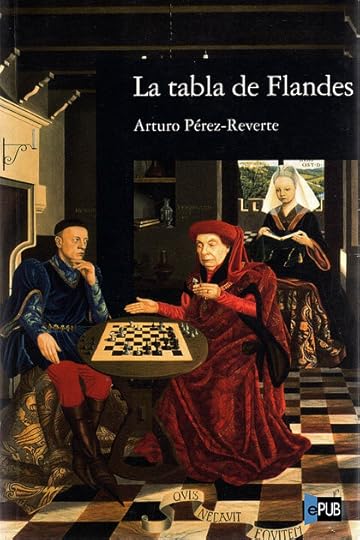
The Game of Chess , oil on wood, pained in 1471 by Pieter van Huys.
Believing that the answer to the five hundred years old case of murder can be found in the details of the painting, Julia starts her own inquiries among her circle of friends: Alvaro, a former lover and art historian; Cesar, an antique dealer and family friend; Menchu and Montegrifo, a couple of rival art dealers competing for the cnomission on the painting; Belmonte, the old owner of the painting, forced to put it on sale by his greedy relatives. The team is soon completed by the addition of the reclusive and socially abrasive Munoz, the genius level player at a local chess club.
“It’s all a question of logic, I suppose,” he replied. “And that might be something that’s common to both chess players and detectives.” Julia couldn’t tell if he was serious or only joking. “Apparently Sherlock Holmes played chess.”
“You know, Agatha Christie could have made a blockbuster out of this.”
Before the answer to the five hundred years old mystery can be found, a new series of murders begins to trim the group of amateur sleuths. The intellectual game morphs into a game of survival.
“Now, hang on, Princess. We’re getting ourselves tied in knots here. No murderer can survive for five hundred years. And a painting can’t kill.”
Except it does and the game of chess depicted in the old Flemish panel is now played on the larger squares of the city, with human pieces and deadly consequences.
>>><<<>>><<<
The conspiracy thriller is admittedly clunky in places, especially in the strained conversations between the actors, but it is still several classes above in intelligence and originality to Dan Brown, whose own blockbuster books were published more than a decade after Perez-Reverte penned this one.
... it was all there: life, beauty, love, death, betrayal.
The Renaissance investigation, the details of life in Burgundy in the Middle Ages and of painting techniques for the Dutch school worked better for me than the modern cat and mouse game on the streets of Madrid. The three characters depicted in the (fictional) van Huys masterpiece are brought in focus beautifully by the author.
The way the actual game of chess is integrated into the plot, including the descriptions of the movements, strategies and sacrifices involved, is what kept me engaged with the story when the very long saloon conversations about metaphysics, art and sex threatened to put me to sleep.
In his defence, Perez-Reverte did his research extremely well, with pointed references not only to Agatha Christie and Arthur Conan Doyle, but also relevant quotes from Jorge Luis Borges, Vladimir Nabokov, Edgar Alan Poe, Lewis Carroll, Gary Kasparov and others. A detailed exposition of the mathematical talent of Johann Sebastian Bach is also offered. Still, when the discussion turned to the Freudian / Oedipian aspects of chess I couldn't help laughing at the overkill vibes.
The final resolution stretches the suspension of disbelief almost to breaking point, but it is rather elegant in the context of the chess game played with actual people for pieces.
I think I prefer the Captain Alatriste swashbuckling adventures from the author over his modern thrillers, but the last couple of episodes have not been translated into English yet.
It all starts with a restoration project. Julia, a young and beautiful professional, well respected at the Prado Museum in Madrid, receives a commission from a private owner to restore an old Flemish painting, ahead of an auction. Before Julia starts work on the panel, she does a couple of preliminary modern scanning that reveal a hidden text : Who killed the knight?
The Game of Chess , oil on wood, pained in 1471 by Pieter van Huys.
Believing that the answer to the five hundred years old case of murder can be found in the details of the painting, Julia starts her own inquiries among her circle of friends: Alvaro, a former lover and art historian; Cesar, an antique dealer and family friend; Menchu and Montegrifo, a couple of rival art dealers competing for the cnomission on the painting; Belmonte, the old owner of the painting, forced to put it on sale by his greedy relatives. The team is soon completed by the addition of the reclusive and socially abrasive Munoz, the genius level player at a local chess club.
“It’s all a question of logic, I suppose,” he replied. “And that might be something that’s common to both chess players and detectives.” Julia couldn’t tell if he was serious or only joking. “Apparently Sherlock Holmes played chess.”
“You know, Agatha Christie could have made a blockbuster out of this.”
Before the answer to the five hundred years old mystery can be found, a new series of murders begins to trim the group of amateur sleuths. The intellectual game morphs into a game of survival.
“Now, hang on, Princess. We’re getting ourselves tied in knots here. No murderer can survive for five hundred years. And a painting can’t kill.”
Except it does and the game of chess depicted in the old Flemish panel is now played on the larger squares of the city, with human pieces and deadly consequences.
>>><<<>>><<<
The conspiracy thriller is admittedly clunky in places, especially in the strained conversations between the actors, but it is still several classes above in intelligence and originality to Dan Brown, whose own blockbuster books were published more than a decade after Perez-Reverte penned this one.
... it was all there: life, beauty, love, death, betrayal.
The Renaissance investigation, the details of life in Burgundy in the Middle Ages and of painting techniques for the Dutch school worked better for me than the modern cat and mouse game on the streets of Madrid. The three characters depicted in the (fictional) van Huys masterpiece are brought in focus beautifully by the author.
The way the actual game of chess is integrated into the plot, including the descriptions of the movements, strategies and sacrifices involved, is what kept me engaged with the story when the very long saloon conversations about metaphysics, art and sex threatened to put me to sleep.
In his defence, Perez-Reverte did his research extremely well, with pointed references not only to Agatha Christie and Arthur Conan Doyle, but also relevant quotes from Jorge Luis Borges, Vladimir Nabokov, Edgar Alan Poe, Lewis Carroll, Gary Kasparov and others. A detailed exposition of the mathematical talent of Johann Sebastian Bach is also offered. Still, when the discussion turned to the Freudian / Oedipian aspects of chess I couldn't help laughing at the overkill vibes.
The final resolution stretches the suspension of disbelief almost to breaking point, but it is rather elegant in the context of the chess game played with actual people for pieces.
I think I prefer the Captain Alatriste swashbuckling adventures from the author over his modern thrillers, but the last couple of episodes have not been translated into English yet.

August 5, 2015
I had high hopes with this one. Alas!
Flanders Panel opened up brilliantly and hooked me right in. Nonetheless, what started with arts and history culminates into a mundane anti-climax (You don’t see such a miserable finale often). Pathetic!
No spoilers here, but I can’t help sharing a particularly foolish, absurd and downright annoying inference from such a sublime and graceful game of Chess. Hold your breaths and read this conversation between two characters:
“The mathematical aspect of chess,” he replied, unaffected by Julia’s ill humour, “gives the game a very particular character, something that specialists would define as anal sadistic. You know what I mean: chess as a silent battle between two men, evocative of terms such as aggression, narcissism, masturbation ... and homosexuality. Winning equals conquering the dominant father or mother, placing oneself above them. Losing equals defeat, submission” ...
That’s fucking blasphemous. Don’t know what cheap drug Pérez-Reverte was on; perhaps he was anally abused by some chess player and decided to blame chess for it.
Flanders Panel opened up brilliantly and hooked me right in. Nonetheless, what started with arts and history culminates into a mundane anti-climax (You don’t see such a miserable finale often). Pathetic!
No spoilers here, but I can’t help sharing a particularly foolish, absurd and downright annoying inference from such a sublime and graceful game of Chess. Hold your breaths and read this conversation between two characters:
“The mathematical aspect of chess,” he replied, unaffected by Julia’s ill humour, “gives the game a very particular character, something that specialists would define as anal sadistic. You know what I mean: chess as a silent battle between two men, evocative of terms such as aggression, narcissism, masturbation ... and homosexuality. Winning equals conquering the dominant father or mother, placing oneself above them. Losing equals defeat, submission” ...
That’s fucking blasphemous. Don’t know what cheap drug Pérez-Reverte was on; perhaps he was anally abused by some chess player and decided to blame chess for it.

July 9, 2017
I found this book very tedious, from the turgid writing style (translated too literally from the original Spanish, I suspect) to the excessively detailed chess expositions to the surprisingly boring analyses of the medieval mystery of the white knight's death. The misogyny and homophobia throughout the book are problematic too. It was interesting enough to keep reading, but unappealing enough that I regret having stuck with it.

March 27, 2015
I have read this book almost 16 years ago, but I still remember how fascinated I was after.
For me, back in the '90-'00s, if you haven't read a book of Mr Reverte, couldn't have a clue about his writing skills!
I recommend this one, to anyone who adores art and mystery, especially if they are bond so well in a book
For me, back in the '90-'00s, if you haven't read a book of Mr Reverte, couldn't have a clue about his writing skills!
I recommend this one, to anyone who adores art and mystery, especially if they are bond so well in a book

November 18, 2014
The book's main theme is a painting by Peter van Huys. Julia is restoring paintings and a painting representing a chess game between the Duke of Flanders and his knight is her current task. While running her tests she discovers a hidden message under the tablecloth saying: Who killed the knight? So Julia starts trying to solve the mystery of a murder that took place centuries ago. But murders start taking place around Julia and then the chess game becomes a death threat.
Although the book started well, it left a quite strange taste in the end. I liked the idea of a puzzle and I followed the chess game closely and with interest. All the rest was that made the story strange and at the end uninteresting.
The medieval murder is given an inexplicable importance. As if finding out who the murderer of Rose d'Arras would unbalance history. The nicest character is the book is the chess player. The rest of the characters start getting boring after a point. It seems that about half the way of the book the writer decided to prolong his story, so the endless thoughts are starting. The whole plot gets extravagant. And once you finish the book and find out what is happening, it just seems exaggerated and unreal.
Although the book started well, it left a quite strange taste in the end. I liked the idea of a puzzle and I followed the chess game closely and with interest. All the rest was that made the story strange and at the end uninteresting.
The medieval murder is given an inexplicable importance. As if finding out who the murderer of Rose d'Arras would unbalance history. The nicest character is the book is the chess player. The rest of the characters start getting boring after a point. It seems that about half the way of the book the writer decided to prolong his story, so the endless thoughts are starting. The whole plot gets extravagant. And once you finish the book and find out what is happening, it just seems exaggerated and unreal.

November 11, 2018
OMG!! Cuốn này sẽ là cuốn sách mình thích nhất trong năm nay!!!
Một vụ điều tra án mạng trong tranh vượt qua cả không gian và thời gian.
Bạn đã bao giờ chiêm ngưỡng một tác phẩm hội họa nổi tiếng rồi bỗng dưng có một khao khát muốn tìm hiểu các nhân vật trong bức tranh có kết cục như thế nào chưa? Đối với những ai tò mò (ví dụ như mình) thì chắc cũng đã từng có ý nghĩ hơi điên đó rồi!
Julia, một nhà phục chếtranh nghệ thuật nhận được bức tranh Ván cờ của họa sĩ nổi tiếng Van Huys kèm theo thông điệp bí ẩn mà vị họa sĩ đã khéo léo lồng vào bức tranh mà không một ai phát hiện ra - mãi đến tận năm thế kỉ sau : "Qvis Necavit Eqvitem? - Ai đã giết hiệp sĩ?". Van Huys đã để lại dòng chữ này trên tác phẩm hội họa của mình rồi lại tìm mọi cách che giấu nó đi vì lí do gì?
Lời giải đáp cho câu hỏi này nằm trong ván cờ đang được chơi dang dở trong bức tranh. "Hiệp sĩ" trong thông điệp tác giả để lại mang 2 nghĩa : Một là quân Hiệp sĩ trong ván cờ, hai chính là vị hiệp sĩ cương trực đáng kính ngồi phía tay trái trong bức tranh. Julia quyết định cùng hai người bạn đồng hành của mình - Người bố nuôi sở hữu tiệm bán đồ cổ nghệ thuật và một kì thủ xuất chúng - cùng lật lại quá khứ của bức Ván cờ, cùng quay về nước Pháp năm trăm năm trước để tìm ra hung thủ đã ám sát hiệp sĩ.
Ba con người đã cùng nhau dàn dựng lại ván cờ , nhưng bằng cách khác thường: chơi ngược lại các nước đi, để tìm ra quân nào là quân đã ra nước đi cuối cùng đã "ăn/giết" quân Hiệp sĩ. Cứ ngỡ sau khi đã tìm ra được quân chủ chốt , đồng thời tìm ra kẻ ra tay ám sát vị Hiệp sĩ là ai thì mọi việc đã kết thúc. Nhưng mọi chuyện không còn đơn giản là trò truy tìm bí ẩn của bức tranh nữa
Một kẻ núp trong bóng tối xuất hiện, thách thức nhóm Julia sau khi đã ra tay sát hại hai người bạn của cô. Hắn gửi cho nhóm những manh mối kèm theo một yêu cầu đầy quái gở : Từ giờ phút này cả 2 bên phải chơi tiếp ván cờ còn bỏ ngỏ trong bức tranh để phân định xem ai là người thắng cuộc. Một bên là nhóm Julia chơi quân trắng, còn hắn - tên giết người - sẽ ra các nước đi của quân đen. Sau khi đã đi một vòng lớn chơi ngược lại ván cờ, giờ đây họ phải chơi tiếp đến đường cuối cùng. Một cuộc đấu trí đầy nghẹt thở gay cấn giữa hai bên khi cả ba càng lúc càng dấn thân vào thì càng phát hiện ra rằng bản thân mỗi người đã trở thành đại diện cho mỗi quân cờ trong chính trận đấu này : Một quân tượng, một quân hiệp sĩ và một quân hậu trắng. Rồi ai sẽ là người bị "ăn" tiếp theo trên ván cờ cận kề cái chết này?
Đây là một quyển trinh thám rất lạ! Liên quan hoàn toàn đến cờ vua. Mỗi một nước đi sẽ quyết định số phận của nhóm Julia là sống hay chết. Cái đặc sắc của truyện chính là ván cờ trong tranh trở thành manh mối mấu chốt để tìm ra kẻ giết người trong quá khứ lẫn kẻ trong hiện tại. Nhờ đọc quyển này mà mình cũng đi tìm hiểu được một chút kiến thức cơ bản về cờ vua, khá là thú vị.
Bức tranh theo trường phái Flemish gồm rất nhiều không gian bao trùm, tựa như bao hàm luôn cả không gian thực thế nơi nhóm Julia đang đứng, làm cho các vụ án trở nên như chắp nối, đan xen lại với nhau thành một tấn bi kịch vượt qua cả thời không. Đến khi màn kịch đã đến hồi kết, kẻ thủ ác lộ diện - một cái plot twist mà mình không ngờ tới! - thì ván cờ dường như cũng phải ngậm ngùi nhường lối cho thực tại.
Mình cực kì thích những bộ truyện lồng vào tìm hiểu các kiến thức, manh mối bí ẩn về nghệ thuật hội họa (nhất là vào thời Trung cổ) như của Dan Brown, hay Hoa súng đen, nên đối với mình mà nói bộ này khơi gợi lên tất cả hứng thú trong mình. Vừa đọc vừa tự nghiền ngẫm bức tranh cùng ván cờ đó thật là một thú vui không thể nào tả nổi! Cái cách không gian lồng trong không gian, người đời thực như bị cuốn vào màn kịch đau thương trong bức tranh, sống lại cùng các nhân vật trong đó, như thời gian ngưng đọng, đưa tất cả trở về thế kỉ 15,về thời Phục Hưng, nơi các trường phái hội họa đang nổi lên cuồn cuộn, về trước khi tất cả mọi đau thương bắt đầu, cái cảm giác đó chính là điều mình thích nhất ở cuốn sách này!
Một tuyệt phẩm Tây Ban Nha cực kì cực kì xuất sắc!! Đối với mình giờ nó nằm chễm chệ hàng no.1 trong Top sách mình thích nhất rồi, Thiên thần và Ác quỷ chính thức nhường chỗ cho ẻm nhé! :P
Các quân trắng và các quân đen dường như đại diện cho sự đối lập giữa ánh sáng và bóng tối, tốt và cấu trong tâm hồn của chính con người
Con người ta không được sinh ra để giải quyết những vấn đề của thế giới, mà chỉ đơn thuần để khám phá xem những vấn đề đó nằm ở đâu
Một vụ điều tra án mạng trong tranh vượt qua cả không gian và thời gian.
Bạn đã bao giờ chiêm ngưỡng một tác phẩm hội họa nổi tiếng rồi bỗng dưng có một khao khát muốn tìm hiểu các nhân vật trong bức tranh có kết cục như thế nào chưa? Đối với những ai tò mò (ví dụ như mình) thì chắc cũng đã từng có ý nghĩ hơi điên đó rồi!
Julia, một nhà phục chếtranh nghệ thuật nhận được bức tranh Ván cờ của họa sĩ nổi tiếng Van Huys kèm theo thông điệp bí ẩn mà vị họa sĩ đã khéo léo lồng vào bức tranh mà không một ai phát hiện ra - mãi đến tận năm thế kỉ sau : "Qvis Necavit Eqvitem? - Ai đã giết hiệp sĩ?". Van Huys đã để lại dòng chữ này trên tác phẩm hội họa của mình rồi lại tìm mọi cách che giấu nó đi vì lí do gì?
Lời giải đáp cho câu hỏi này nằm trong ván cờ đang được chơi dang dở trong bức tranh. "Hiệp sĩ" trong thông điệp tác giả để lại mang 2 nghĩa : Một là quân Hiệp sĩ trong ván cờ, hai chính là vị hiệp sĩ cương trực đáng kính ngồi phía tay trái trong bức tranh. Julia quyết định cùng hai người bạn đồng hành của mình - Người bố nuôi sở hữu tiệm bán đồ cổ nghệ thuật và một kì thủ xuất chúng - cùng lật lại quá khứ của bức Ván cờ, cùng quay về nước Pháp năm trăm năm trước để tìm ra hung thủ đã ám sát hiệp sĩ.
Ba con người đã cùng nhau dàn dựng lại ván cờ , nhưng bằng cách khác thường: chơi ngược lại các nước đi, để tìm ra quân nào là quân đã ra nước đi cuối cùng đã "ăn/giết" quân Hiệp sĩ. Cứ ngỡ sau khi đã tìm ra được quân chủ chốt , đồng thời tìm ra kẻ ra tay ám sát vị Hiệp sĩ là ai thì mọi việc đã kết thúc. Nhưng mọi chuyện không còn đơn giản là trò truy tìm bí ẩn của bức tranh nữa
Một kẻ núp trong bóng tối xuất hiện, thách thức nhóm Julia sau khi đã ra tay sát hại hai người bạn của cô. Hắn gửi cho nhóm những manh mối kèm theo một yêu cầu đầy quái gở : Từ giờ phút này cả 2 bên phải chơi tiếp ván cờ còn bỏ ngỏ trong bức tranh để phân định xem ai là người thắng cuộc. Một bên là nhóm Julia chơi quân trắng, còn hắn - tên giết người - sẽ ra các nước đi của quân đen. Sau khi đã đi một vòng lớn chơi ngược lại ván cờ, giờ đây họ phải chơi tiếp đến đường cuối cùng. Một cuộc đấu trí đầy nghẹt thở gay cấn giữa hai bên khi cả ba càng lúc càng dấn thân vào thì càng phát hiện ra rằng bản thân mỗi người đã trở thành đại diện cho mỗi quân cờ trong chính trận đấu này : Một quân tượng, một quân hiệp sĩ và một quân hậu trắng. Rồi ai sẽ là người bị "ăn" tiếp theo trên ván cờ cận kề cái chết này?
Đây là một quyển trinh thám rất lạ! Liên quan hoàn toàn đến cờ vua. Mỗi một nước đi sẽ quyết định số phận của nhóm Julia là sống hay chết. Cái đặc sắc của truyện chính là ván cờ trong tranh trở thành manh mối mấu chốt để tìm ra kẻ giết người trong quá khứ lẫn kẻ trong hiện tại. Nhờ đọc quyển này mà mình cũng đi tìm hiểu được một chút kiến thức cơ bản về cờ vua, khá là thú vị.
Bức tranh theo trường phái Flemish gồm rất nhiều không gian bao trùm, tựa như bao hàm luôn cả không gian thực thế nơi nhóm Julia đang đứng, làm cho các vụ án trở nên như chắp nối, đan xen lại với nhau thành một tấn bi kịch vượt qua cả thời không. Đến khi màn kịch đã đến hồi kết, kẻ thủ ác lộ diện - một cái plot twist mà mình không ngờ tới! - thì ván cờ dường như cũng phải ngậm ngùi nhường lối cho thực tại.
Mình cực kì thích những bộ truyện lồng vào tìm hiểu các kiến thức, manh mối bí ẩn về nghệ thuật hội họa (nhất là vào thời Trung cổ) như của Dan Brown, hay Hoa súng đen, nên đối với mình mà nói bộ này khơi gợi lên tất cả hứng thú trong mình. Vừa đọc vừa tự nghiền ngẫm bức tranh cùng ván cờ đó thật là một thú vui không thể nào tả nổi! Cái cách không gian lồng trong không gian, người đời thực như bị cuốn vào màn kịch đau thương trong bức tranh, sống lại cùng các nhân vật trong đó, như thời gian ngưng đọng, đưa tất cả trở về thế kỉ 15,về thời Phục Hưng, nơi các trường phái hội họa đang nổi lên cuồn cuộn, về trước khi tất cả mọi đau thương bắt đầu, cái cảm giác đó chính là điều mình thích nhất ở cuốn sách này!
Một tuyệt phẩm Tây Ban Nha cực kì cực kì xuất sắc!! Đối với mình giờ nó nằm chễm chệ hàng no.1 trong Top sách mình thích nhất rồi, Thiên thần và Ác quỷ chính thức nhường chỗ cho ẻm nhé! :P
Các quân trắng và các quân đen dường như đại diện cho sự đối lập giữa ánh sáng và bóng tối, tốt và cấu trong tâm hồn của chính con người
Con người ta không được sinh ra để giải quyết những vấn đề của thế giới, mà chỉ đơn thuần để khám phá xem những vấn đề đó nằm ở đâu

Read
February 10, 2024Ein Kunstkrimi, der mich schon einmal in den Urlaub in Spanien entführt – das klang reizvoll, Schon auf den ersten Seiten empfand ich das aber als schlecht und klischeehaft geschrieben. Frauen sind schön, Männer benehmen sich machohaft… Der Eindruck verstärkte sich beim Durchblättern und hier und da reinlesen. Nee, das kann ich nicht!
Ich wollte den Plot mit weniger Zeiteinsatz wenigstens per Verfilmung eine Chance geben, und ich fürchte, das ist noch schlimmer als das Buch. Zumindest in der Synchronisierung säuselt Kate Beckingsale in unschuldiger Kinderstimme, während die Männer ständig baggern, flirten, zuzwinkern.
Schwer zu ertragen. Und schade, denn man hätte ja einfach einen guten Kunstkrimi erzählen können. Also keine Bewertung, aber eine Lese- und Schauwarnung!
Ich wollte den Plot mit weniger Zeiteinsatz wenigstens per Verfilmung eine Chance geben, und ich fürchte, das ist noch schlimmer als das Buch. Zumindest in der Synchronisierung säuselt Kate Beckingsale in unschuldiger Kinderstimme, während die Männer ständig baggern, flirten, zuzwinkern.
Schwer zu ertragen. Und schade, denn man hätte ja einfach einen guten Kunstkrimi erzählen können. Also keine Bewertung, aber eine Lese- und Schauwarnung!

April 22, 2019
Si no te gusta el ajedrez no leas este libro, porque la historia y los personajes giran en torno a las piezas de ajedrez que aparecen en un cuadro que esconde un misterio. Y hay conversaciones enteras en las que solo se habla de movimientos de las piezas y teoría del ajedrez.
La historia en sí es entretenida y Reverte la sabe llevar perfectamente hasta casi el final, donde en el último capítulo se embarra y explica con detalle todo lo que ha ocurrido en el libro y por culpa de eso pierde el buen ritmo que llevaba.
Pero como me gusta mucho el ajedrez y la pintura al final me queda buen sabor de boca.
La historia en sí es entretenida y Reverte la sabe llevar perfectamente hasta casi el final, donde en el último capítulo se embarra y explica con detalle todo lo que ha ocurrido en el libro y por culpa de eso pierde el buen ritmo que llevaba.
Pero como me gusta mucho el ajedrez y la pintura al final me queda buen sabor de boca.

November 30, 2025
This is the first Pérez-Reverte that I have read in a long time. It is an entertaining mystery, with interesting characters. Julia, César, and Muñoz are all intriguing eccentrics. The story revolves around a fifteenth-century painting of a chess game and the people in it. There are occasional shifts between past and present, but the story is mostly in modern Madrid. There is a lot of chess. You don't have to be a chess-player to read it, but it certainly helps. I am a mediocre player at best, but I was at least able to follow the moves.
The art dealers are all sleazy. Menchu, Julia's friend, has morals more flexible than an Olympic gymnast. Montegrifo, the principal of the local branch of Claymore's, a fictitious art auction house, is similarly flexible. I know that Pérez-Reverte wouldn't use a real company like Sotheby's for obvious reasons, but Claymore's? Really? I think of two things when I hear Claymore: highland broadswords and landmines. Maybe it is his background as a war correspondent showing through.
It is a good mystery. A lot of tension and suspense, and a lot of red herrings. I was completely surprised by the ending.
The art dealers are all sleazy. Menchu, Julia's friend, has morals more flexible than an Olympic gymnast. Montegrifo, the principal of the local branch of Claymore's, a fictitious art auction house, is similarly flexible. I know that Pérez-Reverte wouldn't use a real company like Sotheby's for obvious reasons, but Claymore's? Really? I think of two things when I hear Claymore: highland broadswords and landmines. Maybe it is his background as a war correspondent showing through.
It is a good mystery. A lot of tension and suspense, and a lot of red herrings. I was completely surprised by the ending.

November 11, 2008
Read as a trashy mystery novel, there's really nothing objectionable about this, although for some reason, I was really expecting more. Especially galling was the villain, complete with a needlessly complicated, and mostly pointless, plan that seems to exist only so that the novel might exist. When the villain finally gives an explanatory monologue at the end, the rationale is, quite frankly, kind of offensive (and it feels unintentionally so).
The chess and historical subplots ended up seeming rather superficial. The chess, especially, seemed far too elementary to hang much of a plot on, while simultaneously being treated with far too much reverence and symbolic import by the characters.
The chess and historical subplots ended up seeming rather superficial. The chess, especially, seemed far too elementary to hang much of a plot on, while simultaneously being treated with far too much reverence and symbolic import by the characters.

September 7, 2017
Half way into this book I was almost ready to give it up. However, some morbid curiosity kept me going. I still hoped that, somewhere along the last lines, there will be an unexpected series of events, a revelation, a smarter ending. But no, the flat characters lived up their predictable ending.
Actually, I am wrong. Not all endings were so predictable. For Cesar, the ending was horrid. I could see that, throughout the book, the author does not think that highly of gay people or even women (they are always so beautiful, described only through their physical traits, and hey, they can't be that good at playing chess because apparently they care too much about what other people think) - but to kill your gay antagonist by giving him with a rectal tumor? *Really? *(well this is not what killed him, but anyway, what helped put this entire charade into motion).
Now back to the plot. It was thin, poorly laid out, and I got tired from all the long paragraphs in which the author basically tells me how I am supposed to feel. Not to mention the long phrases describing how Julia is so beautiful and how she smokes so much. The scary parts were funny at best, and the entire style was too pretentious for my taste.
I would have given this one star if it were not for the thorough documentation that was put into this. But honestly, all those chess parts, although well-researched, I am sure, were at times bit superfluous for those of us who don't play.
Bottom line, I would gladly invest my time in other kinds of murder-mystery books.
Actually, I am wrong. Not all endings were so predictable. For Cesar, the ending was horrid. I could see that, throughout the book, the author does not think that highly of gay people or even women (they are always so beautiful, described only through their physical traits, and hey, they can't be that good at playing chess because apparently they care too much about what other people think) - but to kill your gay antagonist by giving him with a rectal tumor? *Really? *(well this is not what killed him, but anyway, what helped put this entire charade into motion).
Now back to the plot. It was thin, poorly laid out, and I got tired from all the long paragraphs in which the author basically tells me how I am supposed to feel. Not to mention the long phrases describing how Julia is so beautiful and how she smokes so much. The scary parts were funny at best, and the entire style was too pretentious for my taste.
I would have given this one star if it were not for the thorough documentation that was put into this. But honestly, all those chess parts, although well-researched, I am sure, were at times bit superfluous for those of us who don't play.
Bottom line, I would gladly invest my time in other kinds of murder-mystery books.
This entire review has been hidden because of spoilers.

October 11, 2020
1º que leí de este autor. Buena lectura con grandes dosis de intriga. 8/10

October 1, 2017
I left this book feeling the author did not really ave a story and just made up stuff on the spot. I think this would have made a great short story about discovering the story behind the painting via chess. And stop there. But no, there is some convoluted and needlessly graphic murder plot that makes absolutely no sense whatsoever. The motivations of the killer left me scratching my head and I've read quite a few crime novels with outlandish premises.
Which is disappointing, because the part of playing chess back, reconstructing the moves in order to find out the murderer is so good. It's interesting, intellectually stimulating and quite unique.
But all goes downhill due to lackluster dialogue (anything not connected to chess or the painting is pure cringe), cartoony characters (the sassy gay man, the brilliant and quiet chess player and Samantha from Sex and the City + cocaine) and dumb plot.
The main character barely has something to do, but she's pretty, which is something we find out again and again. Also the ending makes her quite a d*ck, together with Munoz ().
And even the chess thing that was supposed to be the smart thing in the book falls flat. () And don't even get me started on the sexual interpretations of chess. Like moving in diagonals? You're gay!
Overall a wasted opportunity with a plot that makes no sense and bad characters. I prefer crime books with stupid plots that know what they are and don't pretend to be anything else. At least that's entertaining bad.
Which is disappointing, because the part of playing chess back, reconstructing the moves in order to find out the murderer is so good. It's interesting, intellectually stimulating and quite unique.
But all goes downhill due to lackluster dialogue (anything not connected to chess or the painting is pure cringe), cartoony characters (the sassy gay man, the brilliant and quiet chess player and Samantha from Sex and the City + cocaine) and dumb plot.
The main character barely has something to do, but she's pretty, which is something we find out again and again. Also the ending makes her quite a d*ck, together with Munoz ().
And even the chess thing that was supposed to be the smart thing in the book falls flat. () And don't even get me started on the sexual interpretations of chess. Like moving in diagonals? You're gay!
Overall a wasted opportunity with a plot that makes no sense and bad characters. I prefer crime books with stupid plots that know what they are and don't pretend to be anything else. At least that's entertaining bad.

May 16, 2020
Resumen:
Julia es una reputada restauradora de arte que tiene que reparar un importante cuadro del siglo XV para subastarlo. Gracias a los rayos X aparece una misteriosa frase en latín que junto a la enigmática partida de ajedrez del cuadro pondrán en jaque a la restauradora. Julia decide investigar todo lo que rodea a la pintura y pide ayuda a un anticuario amigo suyo de toda la vida, César, y a Muñoz, un jugador de ajedrez un tanto peculiar. Cuando se empiezan a dar asesinatos en extrañas circunstancias se dan cuenta que la partida de ajedrez todavía no ha terminado. ¿Quién hará jaque mate?
Opinión:
Me ha costado un poco acostumbrarme a la forma de escribir de Reverte, pero una vez leídas unas cuántas páginas la lectura resultó más fácil. Nos encontramos ante un libro que a pesar de no tener una trama llena de acción, no te deja aburrirte en ningún momento. Tiene todos los ingredientes que hacen que una novela me guste.
Los personajes están bastante bien construidos desde el principio y vamos viendo como poco a poco las piezas del rompecabezas empiezan a encajar. Aunque tengo que decir que no me vi llegar el final, me gustó eso, el poder sorprenderme. Acompañamos a los protagonistas en la que quizá es la partida de sus vidas.
Creo que si supiera jugar bien al ajedrez hubiera podido disfrutar aún más de esas conversaciones entorno a la partida que se estaba jugando y hubiera podido captar más cosas, pero ha despertado en mi interior el gusanillo de, por fin, aprender a jugar al ajedrez. ¿Lo conseguiré?
En resumen, me ha parecido una muy buena novela que llegó a mis manos gracias a la recomendación de un amigo que supo transmitirme su amor por los libros de Reverte, abriendo ante mi un mundo lleno de historias por descubrir.
Julia es una reputada restauradora de arte que tiene que reparar un importante cuadro del siglo XV para subastarlo. Gracias a los rayos X aparece una misteriosa frase en latín que junto a la enigmática partida de ajedrez del cuadro pondrán en jaque a la restauradora. Julia decide investigar todo lo que rodea a la pintura y pide ayuda a un anticuario amigo suyo de toda la vida, César, y a Muñoz, un jugador de ajedrez un tanto peculiar. Cuando se empiezan a dar asesinatos en extrañas circunstancias se dan cuenta que la partida de ajedrez todavía no ha terminado. ¿Quién hará jaque mate?
Opinión:
Me ha costado un poco acostumbrarme a la forma de escribir de Reverte, pero una vez leídas unas cuántas páginas la lectura resultó más fácil. Nos encontramos ante un libro que a pesar de no tener una trama llena de acción, no te deja aburrirte en ningún momento. Tiene todos los ingredientes que hacen que una novela me guste.
Los personajes están bastante bien construidos desde el principio y vamos viendo como poco a poco las piezas del rompecabezas empiezan a encajar. Aunque tengo que decir que no me vi llegar el final, me gustó eso, el poder sorprenderme. Acompañamos a los protagonistas en la que quizá es la partida de sus vidas.
Creo que si supiera jugar bien al ajedrez hubiera podido disfrutar aún más de esas conversaciones entorno a la partida que se estaba jugando y hubiera podido captar más cosas, pero ha despertado en mi interior el gusanillo de, por fin, aprender a jugar al ajedrez. ¿Lo conseguiré?
En resumen, me ha parecido una muy buena novela que llegó a mis manos gracias a la recomendación de un amigo que supo transmitirme su amor por los libros de Reverte, abriendo ante mi un mundo lleno de historias por descubrir.

December 31, 2023
„Фламандският майстор“ е много добра и интересна криминална мистерия! Нейният сюжет е майсторски заплетен около загадъчните послания на картина на фламандски художник от 15-ти век, свързана с игра на шах. Действието в романа се развива в Мадрид в края на 20-ти век, като Реверте увлекателно е разказал мрачна, но и въздействаща история...
„— Вие никога ли не грешите?
Муньос бавно премести очи от картината към Хулия. Далечна следа от невесела усмивка се мерна по устните му.
— Не и когато играя шах.
— Как можете да бъдете толкова сигурен?
— Когато човек играе, пред него се изправят безброй възможни ситуации. Понякога решенията се вземат с помощта на прости правила, а понякога има нужда от други правила, с помощта на които да решиш кои от простите правила да приложиш. Възникват напълно непознати положения и трябва да си изобретиш нови правила, които или включват, или изключват предишните. Единственият момент, в който се прави грешка, е когато се избира едно правило, а се отхвърля друго — моментът на избирането на вариант.“
„— Вие никога ли не грешите?
Муньос бавно премести очи от картината към Хулия. Далечна следа от невесела усмивка се мерна по устните му.
— Не и когато играя шах.
— Как можете да бъдете толкова сигурен?
— Когато човек играе, пред него се изправят безброй възможни ситуации. Понякога решенията се вземат с помощта на прости правила, а понякога има нужда от други правила, с помощта на които да решиш кои от простите правила да приложиш. Възникват напълно непознати положения и трябва да си изобретиш нови правила, които или включват, или изключват предишните. Единственият момент, в който се прави грешка, е когато се избира едно правило, а се отхвърля друго — моментът на избирането на вариант.“

July 2, 2024
“Kod da Vinci” tylko lepszy.

November 12, 2020
The ranking of genres by GR members is Mystery, Historical Fiction, Thriller. It is all of these. I note that Wilkie Collins' The Moonstone has the same genres, although in slightly different order. I looked because I wonder if Arturo Pérez-Reverte will eventually also be included with other classics. For both writing style and plot I think he certainly deserves such a place. I tend to expect more of characterization with modern authors. Here the main characters are certainly drawn well enough, though I think no one would call them spectacular.
The basis for this novel is a painting by the 15th Century Flemish painter Van Huys. I am not certain this is a real painting, but no matter. Front and center to this painting are two men playing chess. It is the premise that there is a story associated with the painting and part of the story is that one of the men in the painting died 2 years earlier and therefore could not have been sitting for the artist. So what was Van Huys trying to say here? Does Van Huys use the placement of the chess pieces to tell more story than would be immediately discerned? (And yes, it would be very helpful for the reader to have at least a rudimentary understanding of the game.)
All of that sounds as if this novels takes place contemporary to the painting. Not so. First published in 1990, the novel is contemporary. I say that even though there are no cell phones and no internet. Honestly, I didn't even notice those absences - telephone booths seemed entirely normal. And there is more contemporary mystery than whatever Van Huys did or did not include in his painting. This is definitely at the top of my ratings for the mystery genre and might even be 5-stars, though I won't color in that last one.
The basis for this novel is a painting by the 15th Century Flemish painter Van Huys. I am not certain this is a real painting, but no matter. Front and center to this painting are two men playing chess. It is the premise that there is a story associated with the painting and part of the story is that one of the men in the painting died 2 years earlier and therefore could not have been sitting for the artist. So what was Van Huys trying to say here? Does Van Huys use the placement of the chess pieces to tell more story than would be immediately discerned? (And yes, it would be very helpful for the reader to have at least a rudimentary understanding of the game.)
All of that sounds as if this novels takes place contemporary to the painting. Not so. First published in 1990, the novel is contemporary. I say that even though there are no cell phones and no internet. Honestly, I didn't even notice those absences - telephone booths seemed entirely normal. And there is more contemporary mystery than whatever Van Huys did or did not include in his painting. This is definitely at the top of my ratings for the mystery genre and might even be 5-stars, though I won't color in that last one.
Displaying 1 - 30 of 1,653 reviews