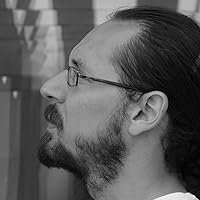
Bernardo Atxaga (Joseba Irazu Garmendia, Asteasu, Guipúzcoa, 1951) belongs to the young group of Basque writers that began publishing in his mother language, Euskara, in the Seventies. Graduated in Economics for the Bilbao University, he later studied Philosophy at the University of Barcelona.
His first short story, Ziutateaz was published in 1976 and his first book of poetry Etiopia in 1978. Both works received the National Critics Prize for the best works in the Basque language.
He cultivates most genres: poetry, radio, cinema scriptwriting, theatre, children's books, articles, short stories... His national –and soon after international– recognition arrived with Obabakoak (1988) which, among other prizes, was awarded the National Literature Prize 1989 and that has been translated into more than twenty languages.
Many of his poems have also been translated into other languages and published by prestigious magazines such as Jahbuch der Lyrik, 1993, Die horen, 1995, Lichtungen, 1997 (Germany), Lyrikklubbss bibliotek, 1993 (Sweden), Vuelta, 1990 (Mexico), Linea d'ombra, 1992 (Italy) and others.
Nueva edición, ampliada con un par de textos, del minibolsillo que publico Alianza en 1997. Aquí caben reflexiones políticas, literarias o sobre el hecho de viajar y el turismo de masas. Todo pasado por el tamiz del humor un poco tristón de Atxaga.
Los textos que más me han gustado son los que algunos considerarán más bobos: el de la amistad con el burro Feliciano y el de la indagación detectivesca para descubrir el secreto que esconde una canción infantil popular vasca:
El petirrojo canta, La malviz es el alcaide, Con la mediación del mirlo, Al reyezuelo lo han metido preso.
«Reflexiones un tanto francesas», la última parte del libro, no tiene desperdicio. Solo por eso merece la pena leerlo. Una impagable lección de literatura, identidad, nacionalismo... Y miseria.