

What do you think?
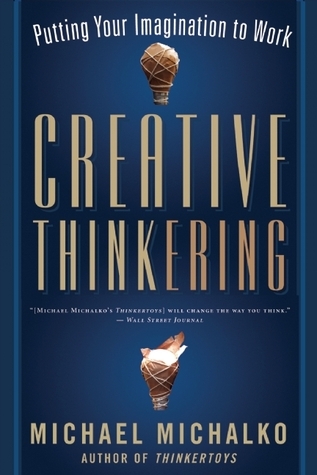
Creative Thinkering: Putting Your Imagination to Work
Why isn’t everyone creative? Why doesn’t education foster more ingenuity? Why is expertise often the enemy of innovation? Best-selling creativity expert Michael Michalko shows that in every field of endeavor, from business and science to government, the arts, and even day-to-day life — natural creativity is limited by the prejudices of logic and the structures of accepted categories and concepts. Through step-by-step exercises, illustrated strategies, and inspiring real-world examples he shows readers how to liberate their thinking and literally expand their imaginations by learning to synthesize dissimilar subjects, think paradoxically, and enlist the help of the subconscious mind. He also reveals the attitudes and approaches diverse geniuses share — and anyone can emulate. Fascinating and fun, Michalko’s strategies facilitate the kind of light-bulb moment thinking that changes lives — for the better.
256 pages, Paperback
First published August 10, 2010
About the author
Michael Michalko
18 books88 followersMichael Michalko is one of the most highly acclaimed creativity experts in the world. As an officer in the U.S. Army, Michael organized a team of NATO intelligence specialists and international academics in Frankfurt, Germany, to research, collect, and categorize all known inventive-thinking methods. His team applied the methods to various NATO military, political, and social problems and produced a variety of breakthrough ideas and creative solutions to new and old problems. Michael later applied these creative-thinking techniques to problems in the corporate world with outstanding successes. The companies he worked with were thrilled with the breakthrough results they achieved, and Michael has since been in the business of developing and teaching creative-thinking workshops and seminars for corporate clients around the world.
He is the author of the best-seller THINKERTOYS: A HANDBOOK OF CREATIVE THINKING TECHNIQUES.
He is also the author of Thinkpak (A Brainstorming Card Set), which is a novel creative-thinking tool that is designed to facilitate brainstorming sessions, and Cracking Creativity (The Secrets of Creative Geniuses)which describes the common thinking strategies creative geniuses have used in the sciences, art, and industry throughout history and shows how we can apply them to become more creative in our business and personal lives.
He is the author of the best-seller THINKERTOYS: A HANDBOOK OF CREATIVE THINKING TECHNIQUES.
He is also the author of Thinkpak (A Brainstorming Card Set), which is a novel creative-thinking tool that is designed to facilitate brainstorming sessions, and Cracking Creativity (The Secrets of Creative Geniuses)which describes the common thinking strategies creative geniuses have used in the sciences, art, and industry throughout history and shows how we can apply them to become more creative in our business and personal lives.
Ratings & Reviews
Friends & Following
Create a free account to discover what your friends think of this book!
Community Reviews
Displaying 1 - 30 of 37 reviews

November 25, 2011
This has been the best book I've read in a while - for using your brain as a tool to yield the results you want. Easy to read, well written with lots of valid examples and things to try on your own plus a great resource list at the back on key words and other sources to check out. It has some really excellent visual examples too - some I've seen before but lots of others I haven't. It really is a great book to get you beyond the wall - whether it's creativity or just in your life in general.
It was interesting that he left the personal application at the end of the book because I don't think he really wants you to focus primarily on that part - even though it's still an important aspect to realize to attain your goals. It's more the idea that you can yield the results you want if you just look for them - especially outside the box. The personal side of it though is one of the more deciding factors - you have to believe in yourself and you have to make your own happiness ... even if it means it's at the expense of the expectations of others and especially because of that.
There was some real gems of ideas in this book. Lots to think about ....and lots to apply.
It was interesting that he left the personal application at the end of the book because I don't think he really wants you to focus primarily on that part - even though it's still an important aspect to realize to attain your goals. It's more the idea that you can yield the results you want if you just look for them - especially outside the box. The personal side of it though is one of the more deciding factors - you have to believe in yourself and you have to make your own happiness ... even if it means it's at the expense of the expectations of others and especially because of that.
There was some real gems of ideas in this book. Lots to think about ....and lots to apply.

July 16, 2018
This book is annoying. Worthwhile mind hacks combined with trite e-mail-forward-worthy optical illusions blended with feel-good New Age pop philosophy creates a fluffy, feel-good, you-can-do-it self-help book that almost accidentally includes some good observations and techniques for creative thought. Skim the book for those tips and pulp the rest- a grudging three stars.

April 15, 2012
We’ve all heard the saying that you can’t solve a problem using the same type of thinking that got you into the problem. Doing so, is just a good way to get stuck. Perhaps that’s why many of the greatest innovations come from out of the box thinking.
But what exactly is out of the box thinking? Yes, we can easily stretch the boundaries of the box. However, often, the best thing to do is to look in a completely new direction.
This is what Create Thinkering is about. Taking a problem and finding a completely new way to look at that problem. Perhaps the answer lies in a completely different field. Maybe the answer will spontaneously happen when your attention is elsewhere. That’s creative thinkering.
But what exactly is out of the box thinking? Yes, we can easily stretch the boundaries of the box. However, often, the best thing to do is to look in a completely new direction.
This is what Create Thinkering is about. Taking a problem and finding a completely new way to look at that problem. Perhaps the answer lies in a completely different field. Maybe the answer will spontaneously happen when your attention is elsewhere. That’s creative thinkering.

April 29, 2019
Düşünülmeyeni nasıl düşüneceğiz? Düşündüğümüzü nasıl yaratıcılıkla bağdaştıracağız? Yaratıcılığımızı kullanarak çevremize nasıl fayda sağlayacağız? Michael Michalko öncelikle Guillaume Apollinaire’nin değerli şiiriyle birinci dakikada ilk golü atıyor:
‘’Eşiğe gelin.’’
‘’Yapamayız. Korkuyoruz.’’
‘’Eşiğe gelin.’’
‘’Yapamayız. Düşeriz!’’
‘’Eşiğe gelin.’’
Ve geldiler.
Ve onları itti.
Ve uçtular.
Çevirin sayfaları bir süre okuyarak, hemen ikinci sinyal Robert Scott-Bernstein’dan geliyor:
‘’Aralarındaki bağlantıyı algılayabilseydim bildiğim kaç şeyin birdenbire yeni anlamlar kazanacağını merak etmeye başlıyorum.’’
Öte yandan Picasso da uyarısını yapmadan edemiyor:
‘’Her çocuk bir sanatçıdır.
Sorun, büyüdüğümüzde de sanatçı kalmayı sürdürmektir.’’
O kadar yaratıcı kalmayı başarınca da bu sefer toplum yararına ilginç keşifler başlıyor:
‘’Arabaların nasıl çalıştığı üzerine çalışırken heyecanlandılar. Arabalar bir oto yıkama yerinde temizlenebilir. Oto yıkama yerleri farklı yönlerde çoklu sabunlama ve fırçalama eylemleri kullanır. Bilim insanları arabalarla dişler arasında bir bağlantı gördü ve dişleri farklı yönlere doğru temizleyen çoklu fırça prensibini, dünyada en çok satan diş fırçasına dönüştüren Oral B elektrikli diş fırçasına uyarladı.’’
Yani bu kitabı okuyun okuyun ilham alın, okuyun okuyun ilham alın...tavsiye ederim.
‘’Eşiğe gelin.’’
‘’Yapamayız. Korkuyoruz.’’
‘’Eşiğe gelin.’’
‘’Yapamayız. Düşeriz!’’
‘’Eşiğe gelin.’’
Ve geldiler.
Ve onları itti.
Ve uçtular.
Çevirin sayfaları bir süre okuyarak, hemen ikinci sinyal Robert Scott-Bernstein’dan geliyor:
‘’Aralarındaki bağlantıyı algılayabilseydim bildiğim kaç şeyin birdenbire yeni anlamlar kazanacağını merak etmeye başlıyorum.’’
Öte yandan Picasso da uyarısını yapmadan edemiyor:
‘’Her çocuk bir sanatçıdır.
Sorun, büyüdüğümüzde de sanatçı kalmayı sürdürmektir.’’
O kadar yaratıcı kalmayı başarınca da bu sefer toplum yararına ilginç keşifler başlıyor:
‘’Arabaların nasıl çalıştığı üzerine çalışırken heyecanlandılar. Arabalar bir oto yıkama yerinde temizlenebilir. Oto yıkama yerleri farklı yönlerde çoklu sabunlama ve fırçalama eylemleri kullanır. Bilim insanları arabalarla dişler arasında bir bağlantı gördü ve dişleri farklı yönlere doğru temizleyen çoklu fırça prensibini, dünyada en çok satan diş fırçasına dönüştüren Oral B elektrikli diş fırçasına uyarladı.’’
Yani bu kitabı okuyun okuyun ilham alın, okuyun okuyun ilham alın...tavsiye ederim.

February 18, 2022
"İlişkisiz iki konu arasında bağlantı kurduğunuzda hayal gücünüz boşlukları doldurarak anlamlandırmak için sıçramalar yapacaktır."
"Sanki okula bir ? olarak gelip bir . olarak mezun olmuştuk!"
Paul Valery- "Herhangi bir şey icat etmek iki kişi gerektirir. Biri bileşenleri ortaya koyar, diğeri seçer."
"(Algı/bellek) "gerçekliği" kaydetmekten çok inşa eder./oldukları gibi değil, olduğumuz gibi görürüz."
"Yaraya dürbünün tersinden bakarak algıda küçültmek ağrı kesici işlevi görür."
Einstein- "Fikriniz başlangıçta absürt değilse, onun için umut yoktur."
Yazar yaratıcılık için bir konuya belli süre odaklanmanın ardından onu bırakıp gevşemeyi ve başka işlerle meşgul olmayı; konuya daha sonra geri dönüp tüm fikirleri yazmayı ve hataları kötülemek yerine kucaklamayı öneriyor.
Yaşamının öznesi olmayı isteyenlere ise yaşından bağımsız oyun oynamayı sürdürmeyi ve olmak istediği kişi gibi düşünmeyi/davranmayı öğütlüyor.
"Sanki okula bir ? olarak gelip bir . olarak mezun olmuştuk!"
Paul Valery- "Herhangi bir şey icat etmek iki kişi gerektirir. Biri bileşenleri ortaya koyar, diğeri seçer."
"(Algı/bellek) "gerçekliği" kaydetmekten çok inşa eder./oldukları gibi değil, olduğumuz gibi görürüz."
"Yaraya dürbünün tersinden bakarak algıda küçültmek ağrı kesici işlevi görür."
Einstein- "Fikriniz başlangıçta absürt değilse, onun için umut yoktur."
Yazar yaratıcılık için bir konuya belli süre odaklanmanın ardından onu bırakıp gevşemeyi ve başka işlerle meşgul olmayı; konuya daha sonra geri dönüp tüm fikirleri yazmayı ve hataları kötülemek yerine kucaklamayı öneriyor.
Yaşamının öznesi olmayı isteyenlere ise yaşından bağımsız oyun oynamayı sürdürmeyi ve olmak istediği kişi gibi düşünmeyi/davranmayı öğütlüyor.
This entire review has been hidden because of spoilers.

September 23, 2017
This book seemed to lose direction. The first half or so discussed how creativity is important and can't be forced but tried to make the point with an odd collection of minor illusions. Then instead of explaining how to be creative the last few chapters turned into a declaration for thinking positive. The book just seemed disjointed to me and did not make it's point very well.

May 12, 2017
Mr.Michalko provides various examples to how to expand creative thinking or brainstorming. Moreover, he gives various historical figures such as Albert Einstein, Federick Smith (Founder of FedEx), and many others, who utilized creative thinking when constructing brilliant concepts or ideas. This is a book that I will revisit from time to time. To follow up with exercise to use for brainstorming would be his book: Thinkertoys. This literature provides expansive exercises that can be used in various settings for ideation.
February 13, 2018
Some of the book was more repetitive than necessary, I felt. But it calibrated my creative mind in a new way and I really liked the ending of the book. A worthwhile read for anyone who wants to expand their creative thinking.

June 1, 2023
I read this book as part of a requirement for a club that I do, and I actually really enjoyed it. I thought it took a really well-researched and simultaneously philosophical approach to understanding how the mind comes about making "original" ideas.

January 3, 2018
Makes you use forgotten sides of your mind.

April 3, 2019
Awesome book!
July 22, 2019
Speeches

January 29, 2021
Fun read with lots of practical ways to get your creative juices going.
March 23, 2024
Lots of good ideas and practices to use in my thinking process.
This entire review has been hidden because of spoilers.
January 11, 2025
kinda good, makes you think would not recommend reading it all in one sitting

February 14, 2024
Honestly, not a very good book. There were many points that were very hypocritical and very much Andrew Tate like. Such as how not going to school could foster your creativity, which is true, but if everyone didn't go to school then people would be free to do whatever. And people, especially with all the tech, tiktok, and youtube, would go the path of least effort (thinking fast and slow). Going the path of least effort would mean no more working hard to do stuff. No more knowledge as well, as books were written by scholars and colleagues that were philosophers, which, in Micheals words, would restrict your thinking. Yes, geniuses do rely on creativity, but some people are just built to think rationally, and the world depends on the carefree, and the rational. And when geniuses to come up with a super profound thought using creativity, it often requires rationality, and procedural thinking, to pave the way and expand based off of that initial idea.
In fact, the first half talks about creativity, but the second half doesn't even talk about creativity at all, it's just a load of, "pull yourself together and stop complaining and start being happy." Even though not complaining would mean holding everything in, which is absolutely not healthy. So yeah, I read the whole thing, and throughout the whole book, I just thought it was 1: impractical, the techniques listed to help you be more creative are really impractical and inefficient to actively use in a workplace. 2: Hypocritical, there were so many things that were just so absurdly contradictory that I can't remember, you just kind of have to look. 3: Inconsistent: Half of the whole book doesn't even talk about creativity, just being happy!
In fact, the first half talks about creativity, but the second half doesn't even talk about creativity at all, it's just a load of, "pull yourself together and stop complaining and start being happy." Even though not complaining would mean holding everything in, which is absolutely not healthy. So yeah, I read the whole thing, and throughout the whole book, I just thought it was 1: impractical, the techniques listed to help you be more creative are really impractical and inefficient to actively use in a workplace. 2: Hypocritical, there were so many things that were just so absurdly contradictory that I can't remember, you just kind of have to look. 3: Inconsistent: Half of the whole book doesn't even talk about creativity, just being happy!

January 18, 2012
Of the three Michael Michalko books I've read (Thinkertoys and Cracking Creativity), this was the least useful.
Michalko starts by expanding on the technique of association for generating ideas and spends much of the book on variations of this theme. This was the least useful portion of the book.
Michalko does later present two ideas that I found extremely useful:
1. Write a letter to your subconscious mind. After mulling over the problem for a period of time, write an extremely detailed letter to your mind asking it to solve the problem for you. Then days or weeks later, open the letter and see what your mind has come up with.
2. Ten minutes of stream of consciousness writing each day. I think in pictures and bullet lists, so stream of consciousness writing is difficult for me. Michalko makes the statement to write down anything - bullet points, words, sentence fragments, diagrams - anything that captures what you are thinking. Do this for five days, and then on day six review what you wrote or drew on the previous days. He states you will be surprised at the connections, insights and new ideas that will flood your mind.
All in all, this is not a bad read, but I would recommend starting with Michalko's other books as opposed to this one.
Michalko starts by expanding on the technique of association for generating ideas and spends much of the book on variations of this theme. This was the least useful portion of the book.
Michalko does later present two ideas that I found extremely useful:
1. Write a letter to your subconscious mind. After mulling over the problem for a period of time, write an extremely detailed letter to your mind asking it to solve the problem for you. Then days or weeks later, open the letter and see what your mind has come up with.
2. Ten minutes of stream of consciousness writing each day. I think in pictures and bullet lists, so stream of consciousness writing is difficult for me. Michalko makes the statement to write down anything - bullet points, words, sentence fragments, diagrams - anything that captures what you are thinking. Do this for five days, and then on day six review what you wrote or drew on the previous days. He states you will be surprised at the connections, insights and new ideas that will flood your mind.
All in all, this is not a bad read, but I would recommend starting with Michalko's other books as opposed to this one.

July 17, 2015
Es uno de los libros mas interesantes que leí sobre creatividad personal. Descubrí gratamente que el libro tiene muchos ejemplos de bisociación, aunque no utilice este termino para describirlos. Muy recomendable para aquellos que desean desarrollar su potencial creativo.
It is one of the most interesting books I read on personal creativity. I pleasantly discovered that the book has many examples of bisociation, but do not use this term to describe them. Highly recommended for those who wish to develop their creative potential.
It is one of the most interesting books I read on personal creativity. I pleasantly discovered that the book has many examples of bisociation, but do not use this term to describe them. Highly recommended for those who wish to develop their creative potential.

January 23, 2016
In today 19s world we are encouraged to be no different than the other, creating a life of boredom, monotony, and uncreative beings. Look around and listen, everyone on television looks and sounds the same. Unfortunately it seems many try to become what they see in others. Our very society stifles any attempt to be different. I have long believed there is no longer one creative thought or idea left in this world. Michael Michalko challenges us to stop being the object and start becoming the subject of life, tapping into the natural creativeness of the human mind and spirit.
November 15, 2016
Michalko has written a number of books on creativity and how to harness one's inner creativity. This book follows his 2nd edition of "Thinkertoys." Both books include numerous exercises to assist the reader in practicing key concepts behind your own "creative ruts and grooves" (Tharp, 2003). There are two sections of the book: Creative Thinking, which discusses the brain's ability to organize diverse, chaotic thought and recognize patterns and fusing ideas. The second part, Creative Thinker, is an investigation for the reader on how to be more creative, how to practice one's creativity.

December 5, 2011
I like to think I've always been pretty creative and reading Creative Thinkering just puts those practices into a sort of scientific container. Michalko easily outlines how creativity comes out of us. Not only that, he gives tips and steps on how to be more creative.
A must read for those who strive to be forward thinking.
A must read for those who strive to be forward thinking.

February 6, 2012
I read this book to try to understand innovative thinking which would help me at work. I need to design creative eLearning projects. Basically innovative ideas come from combining a multitude of things, ideas or experiences. For example, a unique German shower head was used to solve the Hubble telescope problem of not being in-focus. Book contains multiple examples of creative thinking.

October 23, 2012
Awesome book on thinking out of the box. Chapter on changing your speech and how you answer people. Discussion on changing your attitude and some great ideas on how to think out of the box on any subject. Very good book for those of us who feel we need to think a little bit more creatively. Great ideas on how to think and how to get the ball rolling on new ideas.

October 3, 2014
A must read. Believe in yourself, think outside the box, start thinking positive, surround yourself around like minded people are just a few topics that Michael Michalko expounds on. Chapter 7 Change the Way You Look at Things, and the Things You Look at Change to me hit the hammer right on the nail for me. This book will definitely get the wheels turning in your head.

June 19, 2012
It took me a long time to get through this book, but in the end I found it repetitive but inspiring. I think (or at least hope) I will return to it in the future when I need a creative spark or ideas for a class activity for brainstorming.

September 24, 2012
The book has some interesting ideas and exercises to help foster creativity. However, I found that the writing was unstructured making it feel like the book ends all of a sudden without reaching any sort of conclusion.

September 22, 2013
The first part about cognitive blending drags on a bit too long, but the second part of this book on positive thinking could prove to be life changing for some people. I finished this book eager to be fully present in life, to live this life as a full and active participant, each and every moment.

September 12, 2011
Yippeee! Michael Michalko has written a new book. Always helpful.

January 25, 2012
Must Read: 3
Kept Attention: 5
Well-written: 3
Meaningful: 5
Accessible: 5
Kept Attention: 5
Well-written: 3
Meaningful: 5
Accessible: 5

May 30, 2012
LOVED this book. so engrossing as well as informative. the idea of combinations was really an eye opener! lots of very good examples and exercises to keep you going.
Displaying 1 - 30 of 37 reviews