

What do you think?

التاريخ السري لأمير موساشي
مرت تجربة الروائي الياباني جونيتشيرو تانيزاكي الأدبية بمراحل ثلاث. فقد بدأ الكاتب الياباني الكبير إبداعه متأثراً بكتّاب الغرب الذين قرأ لهم وبصفة خاصة وايلد، وبو، وبودليد، وفي هذه المرحلة شغله ذلك الارتباط القائم والغريب بين نزعة التحلل والانحدار وبين الجنس وتجسد هذه البداية قصة قصيرة محددة هي "الضحية"، التي ترجمت إلى العربية مراراً تحت عنوان "الوشم" ونشرها عام 1909. وفي كتابه الذي يركز فيه على تزاوج الشهوة والقتل بعنوان "قضية الربيع" 1914 يستمر هذا الاتجاه، جنباً إلى جنب مع الاهتمام بالموضوعات التاريخية.
لكن التحول التدريجي من المناداة بالتغريب على إطلاقه إلى ضرورة التحديث وبعث الروح اليابانية العريقة يشرع وئيداً في ترك بصمته في المرحلة الثانية لتطور عالم نانيزاكي الروائي، ويبدو هذا في رواية "عشق الأبله"، التي ترجمت إلى اللغات الأوروبية تحت اسم البطلة "ناوومي" 1924-1925، وتلك رواية يبدو فيها واضحاً تبني أسلوب الكاتب الإنكليزى سومرست موم في روايته الضافية "عبودية إنسانية" وإعادة صياغتها في إطار ياباني، وهذه تكشف تقلقل إيمان تانيزاكي بالتغريب المطلق، بل لعلها تحذير من خطورة هذا المنهاج لمن يتبنونه على إطلاقه.
وشأن كل كتاب اليابان جميعاً فإن عنصر السيرة الذاتية يترك بصمته على عمل تانيزاكي. وابتداءً من الثلاثينات والأربعينات يلج تانيزاكي مرحلته الثالثة والأخيرة باعتباره كاتباً من أبرز كتاب اليابان، وإلى هذه المرحلة ينتمي العملان اللذان يضمهما هذا الكتاب وهما: "التاريخ السري لأمير موساشي" و"المرنطة". وقد كان هذان العملان من الأعمال الأثيرة لدى تانيزاكي والمحببة إلى نفسه. سيلاحظ القارئ وعلى الفور أن العمل الأول كتب بالإحالة إلى الأسلوب التوثيقي، إذ يتناهى لنا عبر مخطوطات قديمة تفضي أسرارها، وهو أسلوب يبدو أثيراً اليوم لدى الكتاب العرب. أما العمل الثاني فقد يخاطب من يتحمسون لأسلوب القصة، المقال، ومن تداعب خيالهم منجزات الواقعية السحرية، وقد يهمهم أن يروا عملاً وصل إلى هذا الحد من الإبداع، قبل أن يجد هذا الاصطلاح من يتصدى لصياغته. يوضح هذان العملان الحدود القصوى لبراعة تانيزاكي، وتعدو جوانب إبداعه، غير انهما يشتركان مع أعماله الروائية كافة في الخصائص الرئيسية، التي تميز فنه الروائي "السعي وراء المرأة المثالية" وإدراك أنه كما عبر ووردذورث: "الطفل هو أبو الرجل" وأسلوب بليغ متميز بالقرار، وفي المقام الأول الاستمتاع على الطراز القديم بالقصة الجدية، التي تروى على نحو رائع.
هذا وأن أسلوب السرد في كل من "المرنطة" و"التاريخ السري موساشي" استلهمه تانيزاكي من "راهبة كاسترو" لستندال. والرواية في قصة ستندال، شأن راوية "المرنطة"، يرتحل إلى بقعة نائية في إيطاليا لتبين حقيقة قصة يكتمها مؤرخون متميزون. ومثل راوية "التاريخ السري" فإنه يبني قصته على أساس مخطوطين عتيقين. غير أن هناك فارقاً، فقد استخدم ستندال مخطوطات إيطالية حقيقية، كأساس للحكايات الواردة في مؤلف "قصص إيطالية" الذي يضم بين دفتيه قصة "راهبة كاسترو"، بينما اصطنع تانيزاكي المخطوطات التي يذهب إلى أن "التاريخ السري" يقوم على أساسها، وجميع الشخصيات والأحداث (باستثناء عدد من القادة الذين ورد ذكرهم في التصدير والكتاب الأول) هي من نسج الخيال الروائي. ومن ناحية أخرى فإن المصادر المذكورة في "المرنطة" هي مصادر أصلية كلها.
لكن التحول التدريجي من المناداة بالتغريب على إطلاقه إلى ضرورة التحديث وبعث الروح اليابانية العريقة يشرع وئيداً في ترك بصمته في المرحلة الثانية لتطور عالم نانيزاكي الروائي، ويبدو هذا في رواية "عشق الأبله"، التي ترجمت إلى اللغات الأوروبية تحت اسم البطلة "ناوومي" 1924-1925، وتلك رواية يبدو فيها واضحاً تبني أسلوب الكاتب الإنكليزى سومرست موم في روايته الضافية "عبودية إنسانية" وإعادة صياغتها في إطار ياباني، وهذه تكشف تقلقل إيمان تانيزاكي بالتغريب المطلق، بل لعلها تحذير من خطورة هذا المنهاج لمن يتبنونه على إطلاقه.
وشأن كل كتاب اليابان جميعاً فإن عنصر السيرة الذاتية يترك بصمته على عمل تانيزاكي. وابتداءً من الثلاثينات والأربعينات يلج تانيزاكي مرحلته الثالثة والأخيرة باعتباره كاتباً من أبرز كتاب اليابان، وإلى هذه المرحلة ينتمي العملان اللذان يضمهما هذا الكتاب وهما: "التاريخ السري لأمير موساشي" و"المرنطة". وقد كان هذان العملان من الأعمال الأثيرة لدى تانيزاكي والمحببة إلى نفسه. سيلاحظ القارئ وعلى الفور أن العمل الأول كتب بالإحالة إلى الأسلوب التوثيقي، إذ يتناهى لنا عبر مخطوطات قديمة تفضي أسرارها، وهو أسلوب يبدو أثيراً اليوم لدى الكتاب العرب. أما العمل الثاني فقد يخاطب من يتحمسون لأسلوب القصة، المقال، ومن تداعب خيالهم منجزات الواقعية السحرية، وقد يهمهم أن يروا عملاً وصل إلى هذا الحد من الإبداع، قبل أن يجد هذا الاصطلاح من يتصدى لصياغته. يوضح هذان العملان الحدود القصوى لبراعة تانيزاكي، وتعدو جوانب إبداعه، غير انهما يشتركان مع أعماله الروائية كافة في الخصائص الرئيسية، التي تميز فنه الروائي "السعي وراء المرأة المثالية" وإدراك أنه كما عبر ووردذورث: "الطفل هو أبو الرجل" وأسلوب بليغ متميز بالقرار، وفي المقام الأول الاستمتاع على الطراز القديم بالقصة الجدية، التي تروى على نحو رائع.
هذا وأن أسلوب السرد في كل من "المرنطة" و"التاريخ السري موساشي" استلهمه تانيزاكي من "راهبة كاسترو" لستندال. والرواية في قصة ستندال، شأن راوية "المرنطة"، يرتحل إلى بقعة نائية في إيطاليا لتبين حقيقة قصة يكتمها مؤرخون متميزون. ومثل راوية "التاريخ السري" فإنه يبني قصته على أساس مخطوطين عتيقين. غير أن هناك فارقاً، فقد استخدم ستندال مخطوطات إيطالية حقيقية، كأساس للحكايات الواردة في مؤلف "قصص إيطالية" الذي يضم بين دفتيه قصة "راهبة كاسترو"، بينما اصطنع تانيزاكي المخطوطات التي يذهب إلى أن "التاريخ السري" يقوم على أساسها، وجميع الشخصيات والأحداث (باستثناء عدد من القادة الذين ورد ذكرهم في التصدير والكتاب الأول) هي من نسج الخيال الروائي. ومن ناحية أخرى فإن المصادر المذكورة في "المرنطة" هي مصادر أصلية كلها.
272 pages
First published January 1, 1931
About the author
Jun'ichirō Tanizaki
609 books2,323 followersJun'ichirō Tanizaki (谷崎 潤一郎) was a Japanese author, and one of the major writers of modern Japanese literature, perhaps the most popular Japanese novelist after Natsume Sōseki.
Some of his works present a rather shocking world of sexuality and destructive erotic obsessions; others, less sensational, subtly portray the dynamics of family life in the context of the rapid changes in 20th-century Japanese society.
Frequently his stories are narrated in the context of a search for cultural identity in which constructions of "the West" and "Japanese tradition" are juxtaposed. The results are complex, ironic, demure, and provocative.
Some of his works present a rather shocking world of sexuality and destructive erotic obsessions; others, less sensational, subtly portray the dynamics of family life in the context of the rapid changes in 20th-century Japanese society.
Frequently his stories are narrated in the context of a search for cultural identity in which constructions of "the West" and "Japanese tradition" are juxtaposed. The results are complex, ironic, demure, and provocative.
Ratings & Reviews
Friends & Following
Create a free account to discover what your friends think of this book!
Community Reviews
Displaying 1 - 30 of 135 reviews

January 15, 2020
E de 3, 5 steluțe, cred. Dar este sub Însemnările unui bătrîn nebun - care ar fi, în opinia mea, de 4 steluțe sau chiar de 5.
Voi începe cu un citat pentru iubitorii de înțelepciune:
„Judecînd după purtarea seniorului din Musashi, am înțeles că în lumea aceasta oamenii nu sînt nici buni, nici răi, nici măreți și nici neînsemnați. Cei mari sînt cîteodată nenorociți, iar cei viteji pot fi uneori slabi. Cel care ieri a ucis o sută de dușmani pe cîmpul de luptă trăiește azi în casa lui, biciuit de diavolii iadului; cea mai fermecătoare femeie poate deveni un demon mîncător de oameni...” (pp.5-6).
Seniorul se numește Terukatsu, femeia-demon e doamna Kikyō. Sînt din clanuri adverse. Se iubesc o vreme (îi unește interesul), după care se despart definitiv, din pricina unui Nas. Da, a unui Nas gogolian! Acțiunea se petrece pe la 1550, să zicem, cînd clanurile se luptă între ele pentru pămînt și prestigiu. Totul se rotește, în realitate, în jurul unui nas (tăiat). Asta mi-a amintit de povestirea lui Gogol.
Naratorul spune mereu că seniorul Terukatsu e un psihopat odios (în Japonia medievală, cam toți samuraii aveau nervii slabi), dar portretul „nebunului” nu este întru totul convingător. Au fost în literatură nebuni cu mult mai nebuni decît Terukatsu. Totul rămîne la aluziile cronicarului (care se sfiește să povestească direct), aluzii din care nu putem decide adevărata stare mintală a protagonistului. Curajul nesăbuit și istețimea lui ni-l fac mai degrabă simpatic. În fine, Terukatsu nu e, totuși, Ivan cel Groaznic.
Probabil că prozatorul nu vorbește întru totul serios, bănuiesc că pasajul următor e ironic. Dar cine poate ști cînd e serios un prozator japonez și cînd nu? Deci:
„[Prințesa Kikyō] spunea că la vederea nasurilor pline de satisfacție de pe fața socrului și a soțului său inima i se umplea de milă pentru tatăl ei. Probabil că se înfuria dacă vedea un nas pe orice față. Chiar faptul că ea însăși avea nas trebuie să‑i fi zgîndărit rana încontinuu. Se prea poate să fi crezut că nefericirea tatălui ei putea fi alinată numai dacă nici un om de pe pămînt n-ar mai fi avut nas” (p.117). Ce pățise tatăl ei? Fusese ucis și criminalul (de 13 ani) îi tăiase nasul ca trofeu. În consecință, prințesa își propune să-l lase fără nas pe însuși soțul și stăpînul ei, numitul Norishige, un bărbat iubitor de poezie și cam apatic.
V-am spus că totul se petrece în jurul unui nas (nu la fel de ascuțit ca al Cleopatrei sau detectivilor), toată lumea pare obsedată de prezența / absența lui.
Voi începe cu un citat pentru iubitorii de înțelepciune:
„Judecînd după purtarea seniorului din Musashi, am înțeles că în lumea aceasta oamenii nu sînt nici buni, nici răi, nici măreți și nici neînsemnați. Cei mari sînt cîteodată nenorociți, iar cei viteji pot fi uneori slabi. Cel care ieri a ucis o sută de dușmani pe cîmpul de luptă trăiește azi în casa lui, biciuit de diavolii iadului; cea mai fermecătoare femeie poate deveni un demon mîncător de oameni...” (pp.5-6).
Seniorul se numește Terukatsu, femeia-demon e doamna Kikyō. Sînt din clanuri adverse. Se iubesc o vreme (îi unește interesul), după care se despart definitiv, din pricina unui Nas. Da, a unui Nas gogolian! Acțiunea se petrece pe la 1550, să zicem, cînd clanurile se luptă între ele pentru pămînt și prestigiu. Totul se rotește, în realitate, în jurul unui nas (tăiat). Asta mi-a amintit de povestirea lui Gogol.
Naratorul spune mereu că seniorul Terukatsu e un psihopat odios (în Japonia medievală, cam toți samuraii aveau nervii slabi), dar portretul „nebunului” nu este întru totul convingător. Au fost în literatură nebuni cu mult mai nebuni decît Terukatsu. Totul rămîne la aluziile cronicarului (care se sfiește să povestească direct), aluzii din care nu putem decide adevărata stare mintală a protagonistului. Curajul nesăbuit și istețimea lui ni-l fac mai degrabă simpatic. În fine, Terukatsu nu e, totuși, Ivan cel Groaznic.
Probabil că prozatorul nu vorbește întru totul serios, bănuiesc că pasajul următor e ironic. Dar cine poate ști cînd e serios un prozator japonez și cînd nu? Deci:
„[Prințesa Kikyō] spunea că la vederea nasurilor pline de satisfacție de pe fața socrului și a soțului său inima i se umplea de milă pentru tatăl ei. Probabil că se înfuria dacă vedea un nas pe orice față. Chiar faptul că ea însăși avea nas trebuie să‑i fi zgîndărit rana încontinuu. Se prea poate să fi crezut că nefericirea tatălui ei putea fi alinată numai dacă nici un om de pe pămînt n-ar mai fi avut nas” (p.117). Ce pățise tatăl ei? Fusese ucis și criminalul (de 13 ani) îi tăiase nasul ca trofeu. În consecință, prințesa își propune să-l lase fără nas pe însuși soțul și stăpînul ei, numitul Norishige, un bărbat iubitor de poezie și cam apatic.
V-am spus că totul se petrece în jurul unui nas (nu la fel de ascuțit ca al Cleopatrei sau detectivilor), toată lumea pare obsedată de prezența / absența lui.
June 21, 2021
I rate the first story as a 3, the second as a 4, so it should be overall, a 3.5 level book.
1) The Secret History of the Lord of Musashi
Severed Schnozz Sexually Stimulates Samurai Stripling!
While strange obsessions and weird behavior are not strangers in fiction around the world, somehow I have a feeling that they loom slightly larger in Japan. Tanizaki himself wrote “The Key” and “Diary of a Mad Old Man” and his compatriot Kawabata Yasunari wrote a creepy story called “The House of the Sleeping Beauties”. Several novels by Mishima diverge from “normal” behavior substantially and I’m not talking about homosexuality. So, I’m not overly surprised to find this possibly tongue-in-cheek piece, set in 16th century Japan in a period of clan warfare. Terukatsu, a teenage samurai in the making, sees a pretty girl cleaning and grooming heads of dead warriors taken in battle. One of them lacks a nose. Somehow the scene and his sexual arousal get joined and he’s forever trapped in a bizarre desire to duplicate that scene. The young samurai rushes off, penetrates the enemy siege lines and kills a general, slicing off his nose; Terukatsu’s morbid lusts and a Lady Kikyō’s wish for revenge spark a series of events. Some involve secret tunnels and hideouts in a castle latrine, not to mention noses kept in brocade bags. A live man is turned into a model for the treatment of chopped off heads. The novel traces the step-by-step mutilation of hapless lord Norishige’s ears, nose, mouth and teeth by unknown attackers. What else could we throw in here? I’m afraid I did not thrill with excitement to this strange story, rather I wondered why the author wished to create such a tale. But I did conclude that Norishige definitely lost face.
2) Arrowroot
A Country Tour in Search of Memory
This short tale couldn’t be more different from the first one. It is a quiet story of a search for old family ties and knowledge of his mother’s past by Tsumura, a friend of the author. It involves walking into the mountainous back country of central Honshu in the early Taisho era (around 1912) when road and rail transport did not exist. Links are made with Japanese history, with fox spirits, and with the landscape. It is always difficult to trace one’s own family back into the past. Even though their lives were anything but controversial, facts blur and memories fade. Different people develop different narratives over the years and the same person might be perceived differently by various relatives. People don’t record events, nothing remains but faint traces and vague dreams. You still want to know, but such knowledge is tenuous; there are no real facts available. If there is anything unconventional about a person, the descendants are often reluctant to discuss it. Yet, the expeditions into the remote rural region by the author and his friend Tsumura uncovered certain facts and wound up in a marriage. And you, the reader, wind up with a quiet tale of a vanished Japan which ends on an understated note saying that although the author hoped to write a historical novel about all this, it never happened. A gem by Tanizaki, whose talents rose far above samurai nose fetishes and swordplay antics, in my opinion.
1) The Secret History of the Lord of Musashi
Severed Schnozz Sexually Stimulates Samurai Stripling!
While strange obsessions and weird behavior are not strangers in fiction around the world, somehow I have a feeling that they loom slightly larger in Japan. Tanizaki himself wrote “The Key” and “Diary of a Mad Old Man” and his compatriot Kawabata Yasunari wrote a creepy story called “The House of the Sleeping Beauties”. Several novels by Mishima diverge from “normal” behavior substantially and I’m not talking about homosexuality. So, I’m not overly surprised to find this possibly tongue-in-cheek piece, set in 16th century Japan in a period of clan warfare. Terukatsu, a teenage samurai in the making, sees a pretty girl cleaning and grooming heads of dead warriors taken in battle. One of them lacks a nose. Somehow the scene and his sexual arousal get joined and he’s forever trapped in a bizarre desire to duplicate that scene. The young samurai rushes off, penetrates the enemy siege lines and kills a general, slicing off his nose; Terukatsu’s morbid lusts and a Lady Kikyō’s wish for revenge spark a series of events. Some involve secret tunnels and hideouts in a castle latrine, not to mention noses kept in brocade bags. A live man is turned into a model for the treatment of chopped off heads. The novel traces the step-by-step mutilation of hapless lord Norishige’s ears, nose, mouth and teeth by unknown attackers. What else could we throw in here? I’m afraid I did not thrill with excitement to this strange story, rather I wondered why the author wished to create such a tale. But I did conclude that Norishige definitely lost face.
2) Arrowroot
A Country Tour in Search of Memory
This short tale couldn’t be more different from the first one. It is a quiet story of a search for old family ties and knowledge of his mother’s past by Tsumura, a friend of the author. It involves walking into the mountainous back country of central Honshu in the early Taisho era (around 1912) when road and rail transport did not exist. Links are made with Japanese history, with fox spirits, and with the landscape. It is always difficult to trace one’s own family back into the past. Even though their lives were anything but controversial, facts blur and memories fade. Different people develop different narratives over the years and the same person might be perceived differently by various relatives. People don’t record events, nothing remains but faint traces and vague dreams. You still want to know, but such knowledge is tenuous; there are no real facts available. If there is anything unconventional about a person, the descendants are often reluctant to discuss it. Yet, the expeditions into the remote rural region by the author and his friend Tsumura uncovered certain facts and wound up in a marriage. And you, the reader, wind up with a quiet tale of a vanished Japan which ends on an understated note saying that although the author hoped to write a historical novel about all this, it never happened. A gem by Tanizaki, whose talents rose far above samurai nose fetishes and swordplay antics, in my opinion.

June 23, 2011
My second big discovery in Japanese writing (after the short stories of Masuji Ibuse) was The Secret History of the Lord of Musashi, a lesser-known novel by this well-known author. If you've read much Tanizaki then you won't be surprised to hear there's a psycho-sexual element here, but nowhere else (that I'm aware of) does he take it quite so far as this. A samurai warlord with a fetish for 'woman heads' (severed heads with the noses cut off) and a complicated psychology that makes this fetish possible, the Lord of Musashi is as despicable and outrageous a character as any you'll find in French surrealism, and Tanizaki's way of telling his tale (essayistic, with fictional historical sources, footnotes, etc) gives it a delicious deadpan hilarity. From memory it kind of peters out near the end, but along the way it visits places previously uncharted in literature. In my early twenties I had an incurable craving for novels like this - Bataille's The Story of the Eye, Reage's The Story of O., Gombrowicz's Pornografia - black humorous explorations of the dark side of sexuality. Most people who talk about Tanizaki seem to recommend Naomi, but to me that was a fairly flat and straightforward piece of social realism that may have been culturally significant but didn't break new ground artistically. The Key and Diary of a Mad Old Man were better, but neither seemed to fully exploit its possibilities, despite a promisingly twisted premise in each. I remember an early, very Poe-esque short story about a tattoo, but aside from that The Lord of Musashi is the only work by Tanizaki to really make an impression on me. For some reason, I sense that this is a one-off, and maybe it's all the better for it. A lost classic.

July 31, 2016
Antes ya me gustaba Tanizaki, pero con esta obra ha quedado claro el gran maestro de la literatura japonesa que es. Mezclando una historia de samurais con el toque perverso que caracteriza todas sus historias, con un tono de crónica histórica, logra que quieras leer más y más. Una preciosidad de novela.

July 4, 2022
Non sono avvezzo alla letteratura giapponese, abituarmi del tutto ad una scrittura tradizionalmente diversa dalla nostra è stato abbastanza complesso. Detto ciò, l'edizione letta contiene tre romanzi brevi di Tanizaki: "Vita segreta del signore di Bushu", "Racconto d'un cieco", e "La gatta, Shozo e le due donne". Il primo romanzo, il più popolare e conosciuto dei tre, narra le vicende del signore di Bushu, dalla sua infanzia fino alla sua morte. Ambientato nel periodo delle guerre, il XVI secolo circa, il testo è incentrato soprattutto sull'ambigua passione del signore: le teste mozze, passione sorta durante un assedio al castello nel quale viveva da adolescente, in piena età puberale, dove alcune donne, e particolarmente un'affascinante adolescente poco più grande del protagonista, sistemano ed etichettano le teste dei samurai e soldati morti durante la giornata di battaglia, affinché esse vengano riconosciute. In particolare, il giovane signore nutre una vera e propria ossessione nei confronti della testa detta femminile, ossia una testa mozza privata del naso, a tal punto da spingerlo a compiere il suo primo eroico gesto sul campo di guerra a soli tredici anni, teso unicamente a soddisfare le sue pulsioni sessuali. Da questo momento in poi, nonostante le fortune e le imprese del giovane signore e del suo casato, il signore non avrà altro sogno che rivivere quella fatidica passione, addirittura architettando ed eseguendo un attentato nei confronti del suo feudatario, compiendo appunto l'amputazione del suo naso. Per quanto possa essere originale e grottesca la trama, il romanzo non la esalta del tutto: spesso la fittizia componente storica tende a prevalere quasi del tutto sulla singolare componente psicologico-erotica. Qualche passo tuttavia, come il passo relativo all'attentato o al primo assassinio del giovane signore, sono estremamente suggestivi e trepidanti di suspense. Stesso discorso vale sul secondo dei tre romanzi brevi, Il racconto d'un cieco. In questo caso, attraverso la figura del fittizio servitore di corte cieco, musico e massaggiatore, tuttavia Tanizaki narra le reali vicende storiche dei conflitti durante il periodo Sengoku (sempre periodo delle guerre), incentrandosi soprattutto sulla figura di donna O-ichi, nobildonna giapponese sposata col valente sire Nagamasa, e signora del cieco. Anche in questo caso in effetti, la componente storica e l'esigenza di aderire alla realtà dei fatti tendono a opprimere la fantasia e la libertà del racconto. Non a caso, il romanzo che maggiormente ho gradito è il terzo, La gatta, Shozo e le due donne, libero da qualsiasi esigenza di verosimiglianza storica, essendo inoltre ambientato in età contemporanea. Il romanzo narra le vicende di Shozo e della sua amata gatta Lily, che Shozo si trova costretto a cedere contro voglia alla sua ex moglie, a causa di un astuto piano da essa architettato e dalla gelosia della nuova moglie verso la gatta. Narrando dunque questo originale ed intricato intreccio, Tanizaki raggiunge delle vette riguardo la complessità psicologica dei personaggi, indagando con maestria i loro pensieri e le loro intenzioni, talvolta mostrando o celando i loro desideri e le loro paure, sempre tuttavia connessi alla figura della misteriosa ed inquietante gatta.

March 6, 2019
تدور أحداث الرواية فى قلاع أمراء العصر الإقطاعى، وحروب الساموراى. وتسرد تصورا عن حياة سرية لأمير موساشى من خلال مذكرات مهرج بلاطه. والتاريخ السرى لأمير موساشى هو بمثابة وعى باطن خلف ما ترسمه الحوليات الرسمية وكتب الحروب والمنجزات البطولية. فخلف أحداث تمتد لعشر سنوات وتشمل حروبا ونزاعات أدت لأهوال وسقوط عشائر، تمتد شبكة من الوقائع السرية التى سببتها ميول جنسية انحرافية عند أمير موساشى. والحبكة التى ربطت الاحداث الخارجية، بالوقائع السرية التى كانت تقع فى مخادع القلاع وممراتها وأركانها الحميمية التى يتجمع بها الحريم، بل وفى الأنفاق التى تمتد من مراحيض الأميرات إلى الغابات التى تحف بالأسوار الخارجية، هى حبكة عبقرية، استغل فيها تانيزاكى كل عنصر ثقافى فى هذا العصر: طقوسه، احتفالاته، أدبياته، معماره، ليمهد لزحف أذرع العالم السرى الخبىء والمنحرف، الكامن خلف المظهر الوقور والصارم لرجال الساموراى الأبطال ونسائهم الفاضلات. هذه هى أرشق وألمع وأذكى رواية قرأتها فى الأدب اليابانى، ومن الاعمال القليلة جدا التى جسدت تصورات مثالية لى عن العمل الأدبى الذى أود أن أكتبه : هذا الشكل الجدّى الملحمى من عناصر هزلية تتمثل الجدية والمأساة والشعر. 0

November 9, 2023
Savaş görüntülerinin, on üç yaşında bir çocuk üzerinde yarattığı travmayı temel alan bir Tanizaki romanı. Bu derece korkunç bir hikayeyi bu kadar akıcı, heyecanlı ve güzel anlatmayı sadece, bir dönem benzer metinler yazmış olan Tanizaki başarabilirdi.
Kısa, etkileyici bir kitap.
Kısa, etkileyici bir kitap.

March 7, 2026
Din momentul in care am terminat de citit cartea, mi-a ramas o intrebare recurenta in minte: wtf did i just read?
Mi-a adus aminte de Bukowski, dar nu la nivel de scriitura, caci aceasta difera foarte mult, ci la nivel de simtire. Emotiile pe care le-a trezit in mine au fost (si inca sunt) destul de intense.
Cartea mi se pare ca este ca un fel de studiu de caz despre cum o trauma vizuala timpurie fuzioneaza cu sexualitatea si setea de putere. Tanizaki a creat un personaj profund disfunctional, a carui intreaga viata este guvernata de o fixatie fetisista.
Personajul principal dezvolta o obsesie pentru imaginea femeii care toaleteaza un cap taiat, dar mai ales pentru chipurile feminine (=chipurile masculine cu nas taiat) si astfel, frumusetea feminina si estetica mortii devin inseparabile, iar viata lui se invarte in jurul dorintei de a retrai placerea pe care a avut-o in copilarie, cand a vazut capetele taiate. De altfel, el sufera si de o scindare profunda a personalitatii, purtand masca publica in care este un razboinic de fier si bun strateg, dar si masca privata, sinele secret, subjugat de fantezii umilitoare si care isi construieste intreaga existenta pentru a recrea un singur moment de extaz estetic si dureros.
Tanizaki este fascinat de relatie dintre cruzime, frumusete si masochism. Imi place scriitura si faptul ca foloseste un truc literar minunat: scrie cartea ca si cum ar fi un cercetator care a descoperit niste manuscrise secrete; ceea ce ofera credibilitate povestii (care exploreaza fetisuri neobisnuite si teme psihologice).
Un amestec frumos, din punctul meu de vedere, de istorie, obsesie si psihologie.
Las aici si 3 citate care mi-au placut:
« judecand dupa purtarea seniorului din Musashi, am inteles ca in lumea aceasta oamenii nu sunt nici buni, nici rai, nici mareti si nici neinsemnati. Cei mari sunt cateodata nenorociti, iar cei viteji pot fi uneori slabi. Cel care ieri a ucis o suta de dusmani pe campul de lupta traieste azi in casa lui, biciuit de diavolii iadului; cea mai fermecatoare femeie poate deveni un demon mancator de oameni; cel mai viteaz luptator se poate transforma in fiara. »
« Nimic nu este mai tainic decat sufletul omului »
« Nu este ceva mai efemer si mai nestatornic decat dragostea nestiuta de nimeni si neimpartasita a unui baiat catre o fata mai mare »
Mi-a adus aminte de Bukowski, dar nu la nivel de scriitura, caci aceasta difera foarte mult, ci la nivel de simtire. Emotiile pe care le-a trezit in mine au fost (si inca sunt) destul de intense.
Cartea mi se pare ca este ca un fel de studiu de caz despre cum o trauma vizuala timpurie fuzioneaza cu sexualitatea si setea de putere. Tanizaki a creat un personaj profund disfunctional, a carui intreaga viata este guvernata de o fixatie fetisista.
Personajul principal dezvolta o obsesie pentru imaginea femeii care toaleteaza un cap taiat, dar mai ales pentru chipurile feminine (=chipurile masculine cu nas taiat) si astfel, frumusetea feminina si estetica mortii devin inseparabile, iar viata lui se invarte in jurul dorintei de a retrai placerea pe care a avut-o in copilarie, cand a vazut capetele taiate. De altfel, el sufera si de o scindare profunda a personalitatii, purtand masca publica in care este un razboinic de fier si bun strateg, dar si masca privata, sinele secret, subjugat de fantezii umilitoare si care isi construieste intreaga existenta pentru a recrea un singur moment de extaz estetic si dureros.
Tanizaki este fascinat de relatie dintre cruzime, frumusete si masochism. Imi place scriitura si faptul ca foloseste un truc literar minunat: scrie cartea ca si cum ar fi un cercetator care a descoperit niste manuscrise secrete; ceea ce ofera credibilitate povestii (care exploreaza fetisuri neobisnuite si teme psihologice).
Un amestec frumos, din punctul meu de vedere, de istorie, obsesie si psihologie.
Las aici si 3 citate care mi-au placut:
« judecand dupa purtarea seniorului din Musashi, am inteles ca in lumea aceasta oamenii nu sunt nici buni, nici rai, nici mareti si nici neinsemnati. Cei mari sunt cateodata nenorociti, iar cei viteji pot fi uneori slabi. Cel care ieri a ucis o suta de dusmani pe campul de lupta traieste azi in casa lui, biciuit de diavolii iadului; cea mai fermecatoare femeie poate deveni un demon mancator de oameni; cel mai viteaz luptator se poate transforma in fiara. »
« Nimic nu este mai tainic decat sufletul omului »
« Nu este ceva mai efemer si mai nestatornic decat dragostea nestiuta de nimeni si neimpartasita a unui baiat catre o fata mai mare »

April 13, 2018
Questi giapponesi!
Nel XVI secolo, tempo di samurai e feudatari c'è un giovane guerriero.
Una testa mozzata, priva di naso, tra le mani di una bellissima fanciulla che la pulisce dal sangue e la acconcia per l'esposizione come trofeo di guerra: questa immagine si fissa nella giovane mente del protagonista e diventa la sua ossessione erotica di tutta la vita.
Potremo mai capire gli abissi dell'animo umano?
Nel XVI secolo, tempo di samurai e feudatari c'è un giovane guerriero.
Una testa mozzata, priva di naso, tra le mani di una bellissima fanciulla che la pulisce dal sangue e la acconcia per l'esposizione come trofeo di guerra: questa immagine si fissa nella giovane mente del protagonista e diventa la sua ossessione erotica di tutta la vita.
Potremo mai capire gli abissi dell'animo umano?
This entire review has been hidden because of spoilers.

August 18, 2021
تعثرت بالروية مصادفة، ولله الحمد لم أسقط بل حلقت. "جونتشيرو تانيزاكي" أهلا وسهلا بك، بالتأكيد سنلتقي مرة أخرى.... قد تحمل الرواية عنوان "التاريخ السري لأمير موساشي" ولكنها تحتوي بالنهاية على نوفيلا "المرنطة" وكان من الأنسب لدار النشر أن تضيف عنوان فرعي تحت الرئيسي للتنويه.0
لنبدأ بالأمير موساشي: استحقت خمس نجوم بجدارة. مع توالي القراءات نحتاج بين الحين والآخر لنفس جديد وكانت الرواية بالنسبة لي تلك النسمة المنعشة. للتوضيح لا علاقة بمفهوم النسيم المنعش بالمحتوى، فالرواية عجيبة مريبة ومجفلة نوعاً ما ولكن بطريقة جيدة.0
للأمير تيروكاتسو خيالات جنسية مرضيَّة وسادية تدور حول نشوءها وإشباعها فكرة الرواية. والمضحك نوعا ما، يصح أن نقول أنها خيالات فنية جداً. أحب أن أقول للذين لا يحبون المحتوى الجنسي الفاضح فيما يقرءون فإن الرواية ليست كذلك أبداً فهي مؤدبة جداً ولكن الإيحاء ومستوى الإثارة العالي موجود. باختصار قلم محترف يوصل ما يريد من غير الخوص في التفاصيل..... وبخصوص هذا القلم أحب أن أقول أني وقعت في غرام ما قرأت. أسلوب تقريري روائي عالي المستوى لا يشوبه الملل أبداً. أشبه بالاستماع لشخص رصين واثق مما يقول وأخر همه التصفيق وهذه الحالة تخلق هالة تجذب المستمع بشده لما يقول.0
*** ** * ** ***
بالنسبة للمرنطة: نوفيلا تقريباً سبعين صفحة. خلال الثلاثون الأولى أحسست أني سقطت على وجهي بعدما حلقت مع الأمير موساشي ولسان حالي يقول ما هذه الورطة. الأمور تغيرت بظهور العنوان "صرخة الثعلب"، من هنا عاد جونشيروا لإبهاري مرة أخرى. حكاية بديعة ودافئة جداً عن البحت عن الجذور لشخص يتيم يبحث عن طيف أمه التي لم يُكتب لها العيش طويلا لتترسّخ في ذاكرته. الحكاية تتخذ من الثعلب رمزاً لها ونتعرف على أحد الأوجه هنا؛ فللثعلب في الثقافة اليابانية معاني كثيرة ومحيرة لمن يقرأ عنها للمرة الأولى.هنا الوجه الطيب للثعلب يسود الأجواء.0
لنبدأ بالأمير موساشي: استحقت خمس نجوم بجدارة. مع توالي القراءات نحتاج بين الحين والآخر لنفس جديد وكانت الرواية بالنسبة لي تلك النسمة المنعشة. للتوضيح لا علاقة بمفهوم النسيم المنعش بالمحتوى، فالرواية عجيبة مريبة ومجفلة نوعاً ما ولكن بطريقة جيدة.0
للأمير تيروكاتسو خيالات جنسية مرضيَّة وسادية تدور حول نشوءها وإشباعها فكرة الرواية. والمضحك نوعا ما، يصح أن نقول أنها خيالات فنية جداً. أحب أن أقول للذين لا يحبون المحتوى الجنسي الفاضح فيما يقرءون فإن الرواية ليست كذلك أبداً فهي مؤدبة جداً ولكن الإيحاء ومستوى الإثارة العالي موجود. باختصار قلم محترف يوصل ما يريد من غير الخوص في التفاصيل..... وبخصوص هذا القلم أحب أن أقول أني وقعت في غرام ما قرأت. أسلوب تقريري روائي عالي المستوى لا يشوبه الملل أبداً. أشبه بالاستماع لشخص رصين واثق مما يقول وأخر همه التصفيق وهذه الحالة تخلق هالة تجذب المستمع بشده لما يقول.0
*** ** * ** ***
بالنسبة للمرنطة: نوفيلا تقريباً سبعين صفحة. خلال الثلاثون الأولى أحسست أني سقطت على وجهي بعدما حلقت مع الأمير موساشي ولسان حالي يقول ما هذه الورطة. الأمور تغيرت بظهور العنوان "صرخة الثعلب"، من هنا عاد جونشيروا لإبهاري مرة أخرى. حكاية بديعة ودافئة جداً عن البحت عن الجذور لشخص يتيم يبحث عن طيف أمه التي لم يُكتب لها العيش طويلا لتترسّخ في ذاكرته. الحكاية تتخذ من الثعلب رمزاً لها ونتعرف على أحد الأوجه هنا؛ فللثعلب في الثقافة اليابانية معاني كثيرة ومحيرة لمن يقرأ عنها للمرة الأولى.هنا الوجه الطيب للثعلب يسود الأجواء.0

January 11, 2025
El libro va sobre la juventud de lo que se convertirá en el señor Musashi, de cómo es que diferentes eventos en sus años jóvenes lo transformaron en presande sus propias perversiones. Es bastante interesante, contado de manera que solo Tanizaki podría, es muy entretenido y corto. Lo único que podría decir, es que en mi perspectiva, el libro no llega a una parte que se podría decir climax, avanza muy bien, pero como que no concluye mucho, uno por ejemplo, termina por no enterarse de que clase de perversiones tiene el señor, y está bien, es parte del texto dejar eso aparte para hablar más de las causas. Me gustó bastante.
July 19, 2012
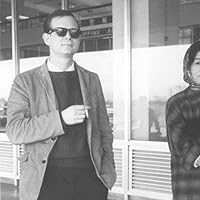
Translator Anthony H. Chambers in his Introduction to The Secret History of the Lord of Musashi writes: Indeed, Tanizaki's fiction is far less autobiographical than that of most Japanese novelists. He preferred to use his imagination. "I have acquired a bad habit recently," he wrote in 1926.
I was going to say that this story will appeal most to scholars, scholars of ancient Chinese or Japanese historical writings in particular, but like the imaginary scholarly writings of Jorge Borges, the amusement transcends that narrow realm. It may be more accurate to say that Tanizaki's style will most appeal to them. Yes, the story itself can stand very well on its own.
A taste of the style:
As I said, the story itself will appeal beyond the scholarly realm per se, to perverts everywhere or again, to be more specific, to would-be perverts. Real perverts, I fear, will be too busy actually doing perverted things to read about them, especially in a translation of an unofficial history allegedly written by a nun who, in her past, may have seen service among the Lord of Musashi's household staff. The famous Lord Musashi, however, cannot escape the classification, for to have an unnatural and sexually-related obsession with severed heads counts as perversion pretty much everywhere, I feel.
Perhaps because I'm somewhat predisposed toward adding a scholarly guise to my own fiction wirting, I especially enjoyed Tanizaki's tale.
Jo
I cannot bring myself to write or read anything that takes real facts for its material, or that is even realistic. This is one reason I make no attempt to read the works of contemporary authors that appear in the magazines every month. I'll scan the first five or six lines, say to myself, "Aha! he's writing about himself," and lose all desire to go on reading. When I read historical novels, nonsense tales, even realistic novels of fifty years ago, or contemporary Western novels far removed from Japanese society, I can enjoy them as so many imaginary worlds.
I was going to say that this story will appeal most to scholars, scholars of ancient Chinese or Japanese historical writings in particular, but like the imaginary scholarly writings of Jorge Borges, the amusement transcends that narrow realm. It may be more accurate to say that Tanizaki's style will most appeal to them. Yes, the story itself can stand very well on its own.
A taste of the style:
The glaring eyes, for example, the tight lips, the angry nose, and the set of the shoulders would inspire the same awe in a viewer as the picture of a bloodthirsty tiger; and yet, seen in a different frame of mind, Terukatsu looks like a man suffering from rheumatism and struggling to endure the excruciating pain in his joints. The European breastplate and the helmet, with its sweeping horns and Taishakuten crest, are open to suspicion as well.
As I said, the story itself will appeal beyond the scholarly realm per se, to perverts everywhere or again, to be more specific, to would-be perverts. Real perverts, I fear, will be too busy actually doing perverted things to read about them, especially in a translation of an unofficial history allegedly written by a nun who, in her past, may have seen service among the Lord of Musashi's household staff. The famous Lord Musashi, however, cannot escape the classification, for to have an unnatural and sexually-related obsession with severed heads counts as perversion pretty much everywhere, I feel.
Perhaps because I'm somewhat predisposed toward adding a scholarly guise to my own fiction wirting, I especially enjoyed Tanizaki's tale.
Jo

January 11, 2021
Two great fiction stories in one book!
Junichiro Tanizaki's two classic novels "The Secret History of the Lord of Musashi" and "Arrowroot" are presented together respectively and are both joys to read. Although dealing with entirely different plotlines, the two tales feature wonderfully powerful story themes that only a few masters like Tanizaki can create for Japanese literature readers.
The first novel, "The Secret History of the Lord of Musashi", is a fictional retelling of a samurai from 1500's Japan who, during a siege on his people's castle by an enemy tribe, develops an odd fixation as an older child after he witnesses women preparing the heads of fallen enemy soldiers for use as trophies. Enchanted by what he saw during his childhood, as an adult he vows to recreate his bizarre fantasy and gets himself entangled with a woman from another family who seems to seek a very similar desire. A mixture of hilarity and violence ensues, with themes of love and grotesque imagery intertwined in this surprisingly shocking yet funny story.
"Arrowroot", the second story, is a shorter piece that is set in the early twentieth century Japan and takes readers on a curious journey with two writers. At first attempting to find ideas for writing a novel by visiting an old Japanese countryside, the narrator and his friend Tsumura are shown some ancient trinkets that somehow link to bits and pieces of Tsumura's mother who disappeared from his life at a very early age. The narrator then accompanies his friend Tsumura on his quest to find out more about what happened to his mother, uncovering fascinating cultural connections along the way.
Both these stories are superbly written and are definitely some of Mr. Tanizaki's best works. He demonstrates his excellent storytelling talents by managing to tackle broad plots and condensing them into easily readable tales that can be easily understood by readers even outside of Japan. Although both stories are strikingly different in plot, timeline, and mood, they share in common very rich themes that are often prominently presented in Japanese fiction. They are also very entertaining tales to read, albeit in different ways (one is action-packed and humorous, while the other is more tranquil and mysterious).
All in all, "The Secret History of the Lord of Musashi" and "Arrowroot" are nice fiction stories that are a pleasure to read even back to back, and all the more satisfyingly packaged into one book. Highly recommended reading and a very good travel companion book as well!
Junichiro Tanizaki's two classic novels "The Secret History of the Lord of Musashi" and "Arrowroot" are presented together respectively and are both joys to read. Although dealing with entirely different plotlines, the two tales feature wonderfully powerful story themes that only a few masters like Tanizaki can create for Japanese literature readers.
The first novel, "The Secret History of the Lord of Musashi", is a fictional retelling of a samurai from 1500's Japan who, during a siege on his people's castle by an enemy tribe, develops an odd fixation as an older child after he witnesses women preparing the heads of fallen enemy soldiers for use as trophies. Enchanted by what he saw during his childhood, as an adult he vows to recreate his bizarre fantasy and gets himself entangled with a woman from another family who seems to seek a very similar desire. A mixture of hilarity and violence ensues, with themes of love and grotesque imagery intertwined in this surprisingly shocking yet funny story.
"Arrowroot", the second story, is a shorter piece that is set in the early twentieth century Japan and takes readers on a curious journey with two writers. At first attempting to find ideas for writing a novel by visiting an old Japanese countryside, the narrator and his friend Tsumura are shown some ancient trinkets that somehow link to bits and pieces of Tsumura's mother who disappeared from his life at a very early age. The narrator then accompanies his friend Tsumura on his quest to find out more about what happened to his mother, uncovering fascinating cultural connections along the way.
Both these stories are superbly written and are definitely some of Mr. Tanizaki's best works. He demonstrates his excellent storytelling talents by managing to tackle broad plots and condensing them into easily readable tales that can be easily understood by readers even outside of Japan. Although both stories are strikingly different in plot, timeline, and mood, they share in common very rich themes that are often prominently presented in Japanese fiction. They are also very entertaining tales to read, albeit in different ways (one is action-packed and humorous, while the other is more tranquil and mysterious).
All in all, "The Secret History of the Lord of Musashi" and "Arrowroot" are nice fiction stories that are a pleasure to read even back to back, and all the more satisfyingly packaged into one book. Highly recommended reading and a very good travel companion book as well!

June 29, 2021
Variazioni sul tema del sadismo e del masochismo, nascosti da sentimenti diversi. In fondo il vero filo rosso della trama è la simulazione: nascondere i propri veri sentimenti, il proprio vero motivo di eccitazione. Il protagonista ha una forma di perversione talmente originale da rendere in sostanza impossibile il suo soddisfacimento. Nondimeno finisce per distinguersi come guerriero e conquistatore proprio per inseguire un fantasma.
Finale, a mio avviso, un po’ affrettato, che toglie la possibilità delle “5 stelle”.
Una sezione che da sola vale la lettura è quella che descrive il tentativo del Signore di Bushu di educare la moglie quindicenne alla crudeltà.
Finale, a mio avviso, un po’ affrettato, che toglie la possibilità delle “5 stelle”.
Una sezione che da sola vale la lettura è quella che descrive il tentativo del Signore di Bushu di educare la moglie quindicenne alla crudeltà.

July 31, 2021
The Secret History of the Lord of Musashi:
This one felt just plain weird.
Arrowroot: I really like this story. The legends woven into the story of a young boy searching for his mother's past is portrayed really well.
This one felt just plain weird.
Arrowroot: I really like this story. The legends woven into the story of a young boy searching for his mother's past is portrayed really well.

December 31, 2021
The two stories were good. The fact that I just finished my 2021 Goodreads Challenge is a miracle!

July 14, 2021
Strano e probabilmente irrisolto romanzo ambientato nel Giappone del VXI secolo. Samurai, castelli assediati, passaggi segreti, belle castellane e soprattutto signori della guerra guidati da ancestrali regole d'onore. Uno scenario classico che e' in realta' solo il palcoscenico per la rappresentazione delle ben piu' singolari attitudini del signore di Bushu del titolo, delle sue inclinazioni sessuali e manie. Colpisce come sempre la capacita', penso tutta giapponese, di descrivere anche le enormita', con un tono di incredibile leggerezza ed eleganza (mi viene in mente la moderna Kirino). Le descrizioni degli ambienti, del paesaggio, delle luci, fanno il resto.
October 19, 2012
Two works written in the early 1930s by Junichiro Tanizaki. The Secret History of the Lord of Musashi is probably best described as a novella, Arrowroot a short story. I have read two of Tanizaki’s earlier works, both worked within a realist aesthetic: rounded characters existed within a detailed and believable world, the story telling of recognizable events. Something different is happening in these two works. The Secret History of the Lord Musashi tells of a Sixteenth Century Japanese lord who is sexual aroused by the image of a woman smiling at a decapitated head that has had its nose sliced off. Although these are circumstances that maybe occurred more often in Sixteenth Century Japan than today, having seen such an event in his childhood, the Lord tries to recreate it later in his life. The story, however, is told as though it were a history, the narrator drawing on two (fictional) historical documents. (I presumed the Lord Musashi was a historical figure, but if he is he eludes Google.) The story is therefore told with a cool objectivity that contrasts with the sensationalism of its subject matter, the narrator often noting the uncertainties of history: there is a certain literary paradox in that although the narrative is presented as though it is a non-fiction construction of historical sources, it doesn’t claim to be the ‘truth’ in the way a piece of realist fiction does: we are given a space that allows us to ponder the feasibility or ‘truth value’ of the story. Tanizaki had previously translated Stendhal’s The Abbess of Castro into Japanese: this is not a work I know but apparently the narrator of that story basis his narrative on two manuscripts. This was obviously Tanizaki’s inspiration for his method. But it reminds me more of later writers such as Borges...a Japanese Borges reimagining a story by Bunuel. Arrowroot is a sort of travelogue, the narrator, a writer, telling of a journey he took with a friend. But this is a journey that constantly points to other narratives: a story of Medieval Japan that the narrator is planning to use in a historical novel, the story told by a manuscript kept by a local farmer, the story of the companion’s family...and there are other references to plays and other narratives within the journey. The result is an intriguing mix of journey as narrative, narrative as journey, but I found it less satisfactory than The Secret History, lacking a central focus of purpose.

January 3, 2022
The third book of Tanizaki’s I’ve read in quick succession, and the third one to have a completely different tone. This one replete with the macabre, gruesome and occasionally dark humour, and not a little of the perverse. I’m growing to love this man and everything he pens.

April 30, 2016
The first novel was just...weird. The second was boring.
June 25, 2023
Canim bebegimin bana getirdigi ilk kitap... koklaya koklaya okudum
May 7, 2026
La primera obra, basándose en algunos hechos reales, aunque tomándose grandes licencias narrativas, nos sitúa a finales del siglo XVI, cuando concluía el periodo de las grandes guerras. Mushashi es, posiblemente, uno de los guerreros más respetados de la historia de Japón y, creo, está considerado un maestro del arte de la espada, de aspecto desaliñado, como si estuviera por encima de los deseos mundanos.
Y aquí Tanizaki novela su vida amorosa, presentándola con ese sabor no convencional, trasgresor, algo cruel y hasta un poco fetichista tan típico de este autor. También aparece la figura de la mujer manipuladora y sádica, por la que el protagonista se siente totalmente seducido, pudiendo dar rienda suelta, con ella, a su lado más sádico; y la mujer inocente que, en el fondo, resulta tan despiadada como la que más. En realidad, ninguno de los personajes se libra de mostrar una conducta extravagante, violenta y cruel.
Todo esto narrado de una manera bellísima, describiendo con detalle el arte de pintar unos labios, de embellecer una máscara o de peinar una hermosa cabellera negra.
Y aquí Tanizaki novela su vida amorosa, presentándola con ese sabor no convencional, trasgresor, algo cruel y hasta un poco fetichista tan típico de este autor. También aparece la figura de la mujer manipuladora y sádica, por la que el protagonista se siente totalmente seducido, pudiendo dar rienda suelta, con ella, a su lado más sádico; y la mujer inocente que, en el fondo, resulta tan despiadada como la que más. En realidad, ninguno de los personajes se libra de mostrar una conducta extravagante, violenta y cruel.
Todo esto narrado de una manera bellísima, describiendo con detalle el arte de pintar unos labios, de embellecer una máscara o de peinar una hermosa cabellera negra.

April 21, 2017
Pirmais gabals bija ļoti forša vēsturiski sadistiska fantāzija, tiesa, bez nobeiguma, savukārt "Arrowroot" man tik ļoti pietrūka konteksta zināšanu, ka viss vienkārši aizlidoja pāri galvai.
August 27, 2018
قرأت للكاتب ابراهيم العريس مقال عن هذا الروائي الياباني واخترت ان أبدا بهذة الرواية
اعجبني اُسلوب الكاتب وسخريته من المجتمع الياباني وكذلك وصف دقيق لعادات اليابانيين الغريبة
اعجبني اُسلوب الكاتب وسخريته من المجتمع الياباني وكذلك وصف دقيق لعادات اليابانيين الغريبة

July 20, 2022
Left the DMV one ID richer and one book wiser.
February 27, 2026
Habrá partes de este libro que jamás podre olvidar 😅

June 7, 2026
Un petit côté tragédie de Shakespeare sauf que c'est au Japon du 16ème siècle

January 9, 2026
3.5 stars rounded up.
The Secret History of the Lord of Musashi - 4 stars
Arrowroot - 3 stars
p 30 - Probably this smile was simply an expression of the girl's affability. She had formed the habit of smiling pleasantly before others and unconsciously smiled in the same way at a dead person. It would be only natural for her to grow insensitive to the repulsiveness of the heads she worked with, and, as she applied the cosmetics, even to feel affection for them and to respond to them as she would to living persons. But to someone bursting in upon this scene - on one side, the heads, with the agonies of death frozen in the pallid features, and on the other, the young, red lips of the fair girl - her smile, however faint, must have been stimulating. Hers was a bewitching beauty, spiced with the bitterness of cruelty. Thus it is not surprising that the twelve-year-old Hoshimaru should have been fascinated by such beauty. Over and above this fascination, however, he experienced an intense emotion beyond the reach of the normal man. According to "Confessions of Doami," in which the boy's state of mind is described in detail, Hoshimaru envied the head placed before the beautiful girl. He was jealous. But it is important to understand the nature of this jealousy. It is not simply that he envied the head for having the girl dress it's hair, shave its pate, or gaze at it with that cruel smile; he wanted to be killed, transformed into a ghastly head with an agonized expression, and manipulated in the girl's hands. Becoming a severed head was a necessary condition. He found no pleasure in imagining himself alive at her side; but if he could become such a head and be set before her in all her charm, how happy he would be!
p 49 - Now and then, after making sure that he was alone, he would take the nose from his breast and fall into a reverie. The corpse's face at the moment he cut off the nose was deeply etched in his imagination, and the image grew more vivid each time he took out the little lump of flesh.
The Secret History of the Lord of Musashi - 4 stars
Arrowroot - 3 stars
p 30 - Probably this smile was simply an expression of the girl's affability. She had formed the habit of smiling pleasantly before others and unconsciously smiled in the same way at a dead person. It would be only natural for her to grow insensitive to the repulsiveness of the heads she worked with, and, as she applied the cosmetics, even to feel affection for them and to respond to them as she would to living persons. But to someone bursting in upon this scene - on one side, the heads, with the agonies of death frozen in the pallid features, and on the other, the young, red lips of the fair girl - her smile, however faint, must have been stimulating. Hers was a bewitching beauty, spiced with the bitterness of cruelty. Thus it is not surprising that the twelve-year-old Hoshimaru should have been fascinated by such beauty. Over and above this fascination, however, he experienced an intense emotion beyond the reach of the normal man. According to "Confessions of Doami," in which the boy's state of mind is described in detail, Hoshimaru envied the head placed before the beautiful girl. He was jealous. But it is important to understand the nature of this jealousy. It is not simply that he envied the head for having the girl dress it's hair, shave its pate, or gaze at it with that cruel smile; he wanted to be killed, transformed into a ghastly head with an agonized expression, and manipulated in the girl's hands. Becoming a severed head was a necessary condition. He found no pleasure in imagining himself alive at her side; but if he could become such a head and be set before her in all her charm, how happy he would be!
p 49 - Now and then, after making sure that he was alone, he would take the nose from his breast and fall into a reverie. The corpse's face at the moment he cut off the nose was deeply etched in his imagination, and the image grew more vivid each time he took out the little lump of flesh.

February 2, 2026
Prometía más de lo que ha acabado siendo. Hacia el final ha empezado a despegar, pero ya era tarde.
Aun así, me gustaría leer algo más del autor.
Aun así, me gustaría leer algo más del autor.
August 10, 2025
يروي الكتاب سيرة ذاتية كتبها الرَّاوي للحياة الجنسية والميول الشاذّة لامير الساموراي مياماتو موساشي بناءًا على مذكرات خادمه ومصادر اخرى. اخذني الملل صفحة بعد صفحة على الرغم من ان السردية كانت تشدّ في البداية، واعتقد السبب يرجع للترجمة الرديئة في صفحات والرائعة في فصول اخرى وكأن المترجم شخصين مو واحد. اخر الفصول تناولت حنين تسومورا الى والدته وايضاح كيف ان الذكريات ممكن تخدعنا بناءًا على احتياجاتنا النفسية الباطنية. القصائد الريفية كانت رائعة وترجمتها عذبة. شد انتباهي افكار اليابانيين حيال الثعالب وايمانهم بقواها السحرية واختلاف تجلّياتها وكيف انها شبيهة جدًا بمفهوم المسّ في الديانات التوحيدية. كتاب ما استمتعت فيه واصابني فتور شديد وانا اقراه على الرغم من انه قصير.
Displaying 1 - 30 of 135 reviews