Jump to ratings and reviews
Rate this book

El hombre jazmín: Impresiones de una enfermedad mental

Rate this book
"Cuando trata de leer, las líneas se tuercen y confunden. El médico le ordena dibujar un cuadrado. Ella no puede. No hay manera de que se unan las cuatro líneas. Cuando mueve una mano, se asusta de su propio movimiento, como si la mano no fuera suya, como si no formara parte de su cuerpo. Algún tiempo después, trata de dibujar la cabeza de un animal. Pero no consigue resolver el problema de meterle los dientes en la cabeza y los dibuja fuera. Ha perdido el sentido de la orientación".

Después de la publicación de El trapecio del destino y otros cuentos (Siruela 2004) y de su estremecedora novela corta Primavera sombría (Siruela, 2005), esta escritora y artista alemana ha recuperado el lugar que merecía en la literatura del siglo XX. Y como una delicada joya, se recupera ahora este sobrecogedor testimonio autobiográfico de Unica Zürn sobre la esquizofrenia, la enfermedad que a lo largo de su vida la llevó de clínica en clínica psquiátrica y, finalmente, al suicidio.

128 pages, Hardcover

First published January 1, 1971

39 people are currently reading
2202 people want to read

About the author

Unica Zürn

25 books189 followers
Unica Zürn was a German author and painter. She is remembered for her works of anagram poetry, exhibitions of automatic drawing, and her photographic collaborations with Hans Bellmer.

Ratings & Reviews

What do you think?
Rate this book

Friends & Following

Create a free account to discover what your friends think of this book!

Community Reviews

5 stars
251 (44%)
4 stars
221 (39%)
3 stars
65 (11%)
2 stars
20 (3%)
1 star
5 (<1%)
Displaying 1 - 30 of 60 reviews
Profile Image for trestitia ⵊⵊⵊ deamorski.
1,539 reviews448 followers
November 8, 2022
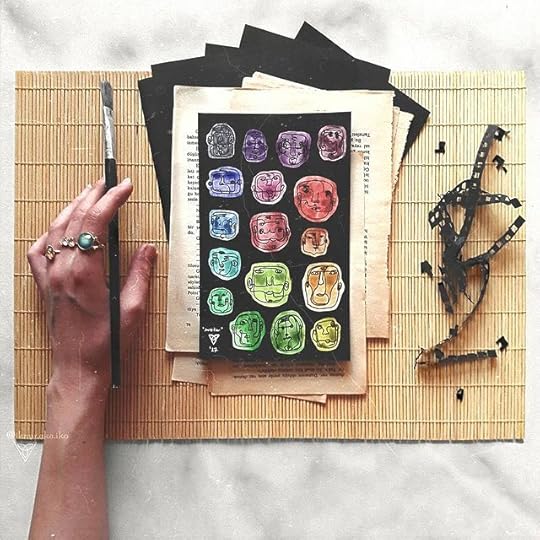
“Oldu olası yüzlere tutkun olduğundan yüzler çiziyor. Tüyün, beyaz kâğıt üzerindeki ilk çekingen yüzüşü sonrası yerini buluyor. Ona kâğıttan bakıldığında yolunu bulabiliyor ve hızlıca bir motifi diğerine eklemeyi başlıyor. Bu şekilde hiç sahip olmadığı aileyi çiziyor ve onlar tarafından evlat ediliyor. Dudaklarının kenarına küçük, zarif bir gülümseme olan, kedi gözlü, suskun, sabırlı bir aile.”


Bilen bilir, sürekli, minik, tek çizgiden oluşan suratlar çizerim ben.

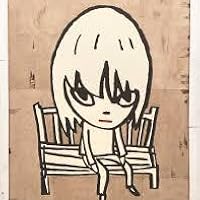
bu fotoğraf ve çizim bana ait.


Aynı şeyi, farklı yöntemlerle çizsek ve ayrı öze sahip olsalar da kaygılarımız benzer. Kitap bu açıdan beni en çok buradan vurdu.


bu fotoğraf bana, fotoğraftaki çizimler zürn'e ait :')


Gelelim kitaba; kendine deli denmesinde bir sakınca görmeyen, psikolojik rahatsızlığı olan, o klinikten ötekine sürüklenen, intihar meyilli, yasemin adamı düşleyen kadın karakterimizi dinliyoruz. Metin, oldukça yoğun otobiyografik ögeler barındırıyor. Dolayısıyla hastalığın, hasta düşüncelerin ve düşlerin arasında süzülüp duruyoruz. Süzülüyoruz diyorum çünkü çok katmanlı, iç içe geçmiş, sürrealist bir metinler kaotizmi var karşımızda ama bu tarzın en sıkıntılı kısmını, yani tümevarıma ulaşmayı başarmış. Zaman atlamaları, mekan geçişleri, karakter okunuşları zayıf ama bu zaten olağan bir durum. Aynı zamanda bence belki üslubundan belki bilinçli bir tercih bilemiyorum ama Zürn, okuyucuyla arasına mesafe koyuyor. Siz -yukarıda olduğu gibi- ‘işte ben’ deseniz dahi onu yazardan alıp içinizde bir yere koyamıyorsunuz, kendinize dönüyorsunuz daha çok. Otobiyografik ögeler barındırsa da kendiyle ilgili ayrıntılara girmemesinden de ileri gelebilir bu, emin değilim öznel bir görüş benimki.

“Burada bir yerlerde ne yapmam gerektiğini söyleyen, beni sabır ve zekasıyla, yoğun bir şekilde sevdiğim bir şeye uğraşmamı sağlayan biri olsa, belki, belki o zaman bu depresyondan tekrar çıkabilir ve kurtulabilirim.”

En baştan söylemek istediğim ise şu, ve bu tarz kitaplarda hep de söylerim, rica ediyorum ‘çok karamsardı içim bayıldı’ deyip bir kitabı eleştirebilirsiniz ama bu ona tutup düşük puanlar vermenize, kesinlikle önermemenize bir neden değildir. Pozitif düşünce, umut ışığı ve benzeri püsürükleri barındıran pek çok kitap okudum ama hiçbir kitaba ‘ay bu çok aydınlıktı içim kıyıldı’ desem de gidip sakın okumayın demedim; onun yerine mümkün mertebe edebi yanını görmeye çalıştım; edebi olduğunu düşünmüyorsam da hiç bulaşmadım kitaba. Şu da var, aynı ‘şey’leri paylaşmak zorunda değilsiniz bir kitapla, ona ortak olmak için. Zürn’ün Yasemin Adam’ını beklemesinden çizdiği yüzlere, hatta intiharına kadar pek çok ‘şey’imiz bir, ama geçemedik iç içe, sarsmadı beni.

Arka kapaktaki Tezer Özlü karşılaştırmasından ve daha önce üzerlerinde bir inceleme yapıldığı için belirtme ihtiyacı duyuyorum ama ben işin içine -yapmazsam çatlarım- Slyvia Plath’i de katacağım. Plath iki yazara da coğrafya ve kültürel olarak uzak ama dönem itibariyle ikisinin arasında, Zürn ve Özlü benzer hamurdan çıkma. Üçünde de psikolojik rahatsızlık var ve buna bağlı olarak ‘itirafçılık’ diye çevirebileceğim bir tarz izliyorlar. Ama Plath şiir (ve günce) yazıyor, Özlü anlatı-roman, Zürn kurgu-roman. Plath sembolisttir ve başkaldırır, melankoliktir; Özlü gerçekçivari, aykırı, karamsar; Zürn sürrealist, ayrık, depresif. Plath’in (çoğunlukla) sanatsal duvarını yıkınca olduğumu gibi özümsüyorsunuz; Özlü’de almamak için direnseniz bile hiçbir şey yapmanıza gerek yok yani yapamazsınız; Zürn’de de yukarıda bahsettiğim gibi çoğu şeyi somutlaştırsanız da alamıyorsunuz. Bu açıdan bir sıralama yapsam Özlü ikisini de geride bırakır, kömürle boyanmış tuval kadın; Plath şu parayla kazıyınca altından kod çıkan kağıtlar gibi, lakin kod değil gece var gümüş şeridin altında; Zürn de siyahlı grili bir hologram kağıt. Bu kadarı yeter herhalde sanıyorum. (İlginç olan Plath 32, Zürn 54 yaşında intihar etti ama Özlü 42’sinde kanserden öldü. Lakin Özlü de Plath de gençliğinden itibaren psikolojileriyle boğuşurken Zürn’ün 40 yaşlarına kadar kitli kalmışsa da uyuşturucuyla yüzeye çıkmış.)

Böyle yazınca beğenmedim sanmayın, kitaba bayıldım neredeyse ama dediğim o sarsmama var bir sınırdan ötürü. Fazla soğukkanlı dili, belki de ondan.
Kitabın içeriğini, otobiyografik izleri anlatmayacağım, bir anlamı kalmaz ama değinmenin hoş olacağını varsaydığım bir şey var ki, Zürn, çok naif ‘deli’ düşüncelere sahip. Yolculuğunda hosttan sigara istediği zaman getiren genci bir kitapçı zannedip onun yolculuk için yanına verilen bir şövalye olduğunu düşünüyor; o roman kahramanlarıyla her an karşılaşacağına ve onun mutluluğu için yaşamaya başladıklarına inanıyor; ‘ekmek ağacını dikmek’, kelime ve sayılarla olan münasebeti… Daha bir sürü saçma veya sapan veya sarsak hareket, duyum, algı. Delilik güzel bir şey; ufuk genişletir, cevher çıkarır, zihin açar; zaten kendi de 'en güzel, inanılmaz fikirler yasemin gibi açıyor' diyor (bunlar için deliliğe ihtiyacınız yoksa ne âlâ.)

Okudukça Girl, Interrupted (1999), Shutter Island (2010), One Flew Over the Cuckoo's Nest (1975) {edit: okuduktan sonra izlediğim için bu yorumu yazarken bahsedemedim ama demek isterim ki I'm a Cyborg, But That's OK (2006) öküz gibi çağrışım yapıyor, o benzer şiirsel anlatım} gibi filmler geliyor gözünüzün önüne, klinik süreçlerinde başka deliler de eşlik ediyor bize (ama öyle bir şey ki onlar ve deliliklerinin biçimleri gerçek mi yoksa bu da mı anlatıcının bir düşü ayrımsıyamıyorsunuz). Ya da yaşlı bi adamın gözlüklerini camdan aşağı atıp yeterince gördün dediğinde aklıma Kinyas ve Kayra’sı geliyor Günday’ın, çizemediği dörtgen ile Will Graham’ın saati, omurgasının yılana dönüştüğünü hissetmesiyle Andrew Davidson’ın Zebani’sindeki isimsiz anlatıcımızın uyuşturucu bağımlılığı, yaşlı ve şişmanlar için fikirleri Parfümün Dansı’ndaki önemsiz bir kesiti…

Fransızca cümleler neden çevrilmemiş dipnotlarda anlamadım ama thank god google translate yeni algoritmayla su gibi çeviriyor; çeviriyi de genel olarak sevdim. Anagramları anlamayı beklemeyin, anlamını anlamaya çalışın (anagramda aynı harfleri kullanarak farklı bir kelime/cümle yaratırsınız, benim Almanca’sından bakıp gördüğüm, tam anagram yapmıyor).

Ah, hepimiz istisnai bir vakayız Zürn, bunda bir yanlış yok, tıpkı bu hastalığı çemberle tasvir etmen gibi
xoxoxo
iko
223 reviews189 followers
November 12, 2012
The Man of Jasmine is an autobiography, but highly stylised. And because Unica Zurn mingled with a surrealist crowd in the 1940s and 50s, (Ray, Michaeux, Ernst) as a result both of her liaison with Hans Bellmer and also her anagram poetry and automatic painting, its real easy to fall prey to contra-Fundamental Attribution Error (which here means overvaluing the situational status quo vs personal attributes) and assume Zurn is engaged in surrealistic existential angst, buoyed by her well documented depression.

In fact, its my theory that quite the opposite is occurring. In literary detective mode, right at the back of reading Marya Hornbacher’s Harrowing ‘Madness’, I’m ascertaining bipolar 1 disorder with severe psychotic episodes for Zurn.. Hornbacher and Zurn speak from the same hymn sheet: its uncanny. But whereas the former, informed within the framework of a diagnosis in the 1990s, is able to contectualise the hypomania, mixed moods and hypnogogia, Zurn, suffering in the 50s without benefit of clarity, in the medical profession as well, is surely burning ‘like a candle in the wind’: even her own psychiatrist washes his hands of her towards the end (of her life, that is), for being too ‘difficult’ to understand. Hence, Zurn is not ‘fantasising’ or being creatively oblique in the Man of Jasmine: she is in fact, giving a true account, (as true as a mentally ill person with bipolar can) of her condition, and if it seems surrealistic, that is only a by-product rather than the intention of the author.

There is now a clear and positive correlation noted between creativity and bipolar disorder. Both Hornbacher and Zurn are wordsmiths nonpareil, hypnotic, intuitive with language, engaging storytellers. This is inevitably followed by ‘lows’ which lead to hospitalisation whereby years are spent in vegetative, catatonic states: these women (e.g. sufferers) lose the ability to read (!!!!!!) let alone write! And then the fog lifts (no one knows why),and they are on the rise again: eloquent, imaginative, gregarious, self-assured, creative. It would be difficult to surmise much of this only purely reading Zurn: it’s a conjunctive reading with Hornbacher, which completes the ying-yang universality of this horrific condition.

Its also interesting to note what Zurn was doing in her pare time with Bellmer: why, BDSM photography, of course. For the surrealist cause. Here she is, but why, Unica, why? (Or is it just me who likes to keep the roly poly packed away?)

[image error]


[image error]


[image error]

Profile Image for Eddie Watkins.
Author 48 books5,557 followers
October 8, 2014
All of these “texts” revolve around Unica Zurn’s obsession with “The Man of Jasmine”. She first encountered him among jasmine flowers in a garden vision after fleeing her mother’s revolting folds of flesh. To young Unica he was the pinnacle of love and she secretly married him. For the remainder of her life he alternately haunted and solaced her, a vision of purity leading her to heights of joy, then over the edge into depression. In her obsessive imagination he became linked with Herman Melville, and physically manifested as Henri Michaux. Her first meeting with Michaux precipitated one of the psychic breakdowns described in clinical detail in The Man of Jasmine.

This “text” (decidedly not a literary story), while clearly autobiographical, is told in the third person with very little emotional inflection, with a cold but compassionate detachment. Every detail in the text is reflective of her fragile psychic state, as if nothing not tinged by her mind exists, everything she encounters feeding her obsessions, coincident details linking together with occult significance into webs of fleeting but profound meaning, promising to reveal the marvelous, and often delivering. The world portrayed is a chilling, alien landscape with very little demarcation between inner and outer, the whole surcharged with her mental state, saturated with her inner self, and then given outer meaning by her obsessions, particularly through the writing of anagrams. She creates these anagrams by latching onto a particular sentence that then “gives birth” to new sentences composed only of the letters in the original. This entirely artificial process produces real meanings for her; at times she feels she is in possession of the keys to the universe, but at other times… total despair. But her megalomania is a humble variety, reached by total passivity. She is a puppet of the universe who can follow her strings up to momentarily become puppeteer, and beyond, to the Man of Jasmine; but then always the plummet back down, deep down.

The Man of Jasmine is a profound and disturbing document, offering us a first-hand account (free of psychologizing) of the minute vicissitudes of serious mental illness, told through the eyes of a very sensitive and courageous artist attentive to every significant, even if microscopic, detail.


Profile Image for Nate D.
1,653 reviews1,251 followers
November 12, 2012
Even better than her semi-autobiographical tale of almost-pre-teen-angst, Dark Spring, Unica Zurn's more overtly autiobiographical account of her years of battling what seems like a kind of severe bipolar disorder is somehow both more real and far more surreal, as she meticulously documents both the strange and captivating visions and thought so of her elevated moods along with the crippling stasis and boredom of her hospitalizations during the depressive stretches. Along the way, the terribly relateable sensation that real life and life-purpose must be only just about to begin, if only the right encounter occurs. Everyone hopes for these significant life-changes, I'd imagine, but to wait for them is fatal.

Large shapes -- like wings -- float up to her, opening and closing -- gently at first -- until they slowly fill the room and she has the impression that she is in the presence of apparitions which are not at all related to this world. None of her acquaintances has ever mentioned similar apparitions to her. These beings -- she can not describe them in any other way, reveal that they have the clear and frightening intention of encircling her. They exude a feeling of dissipation, of annihilation, and her forgotten childhood fear of the horrible and inexplicable returns to her. Whenever these birdless, greyish-black wings fly up too close to her, she raises her hand in a sudden anxiety and fends them off. They retreat for a moment into the background of the dark room, then approach once again, and slowly she gets used to this strange presence until she notices that the wings are insubstantial and can fly straight through her upright body, as if she herself had become bodiless. This both entrances and appalls her. Looking at them carefully, these creatures have in fact nothing terrifying about them -- they lack eyes and faces, and they radiate an enormous dignity, an uncanny seriousness, something very noble.
Profile Image for S̶e̶a̶n̶.
978 reviews581 followers
January 5, 2016

The centerpiece of this collection of works by occasional Surrealist sympathizer and master anagram poet Zürn is The Man of Jasmine, followed by The Whiteness of the Red, which dovetails nicely as a companion piece. The remainder of the texts combine to provide a survey of the depth of Zürn's artistry.

The Man of Jasmine

This is Zürn's chronicle of her periods of revelatory visions, annihilating depression, and subsequent stays, both voluntary and forced, in psychiatric wards. Similar in tone and subject matter to Leonora Carrington's Down Below (available in English in House of Fear) but more stylized than that piece, The Man of Jasmine is written in a third-person viewpoint that allows for the detachment also found in Down Below as well as some of Anna Kavan's work covering similar ground (e.g., the second part of Asylum Piece and several stories in I Am Lazarus). This detached viewpoint is a powerful literary tool used by all three of these writers to effectively shape personal experience into a deep criticism of what goes on inside psychiatric hospitals. From a creative standpoint, of the three Zürn arguably offers the most compelling (though they are all uniquely amazing) blend of personal insight and sharp condemnation of the inhumane conditions found inside these wards. Of particular note is the inclusion of a few of her stunning anagram poems, my favorite of which is this one anagrammed from the sentence 'The strange adventures of Mr K.' (translated within the text from the original German):

It is cold. Ravens are talking around the lake. Deer
and blackbird are drinking tea. Raven, seer
of the evil in the evening. First stars. Speak, K!
The first toad died in great misery of
Hik. The donkeys' dream was talking next door. Poor
Mr K.'s nose bled. Lake,
dark lake of the ravens. Breath means
life, means winding dreams of the
strange adventure. Those of Mr K.?


Notes on Her Last (?) Crisis

A detailed description of one particular crisis, covering similar ground to The Man of Jasmine but told using more stripped-down, straightforward language in a style that at times approaches breezy.

The Whiteness with the Red Spot

A beautiful three-part confessional poem written in first-person p.o.v. and marked by yearning and melancholy, in which Zürn reflects on many of her concerns regarding her development into the person she is at the time. Mentioned here are most if not all of her primary personal themes: a desire to transcend gender, the importance of distance, 'the white man', collecting fragments. Coupling this with The Man of Jasmine results in what feels like a very full portrait of the boundless heights and dark depths that Zürn traveled to along the trajectory of her life.

Les Jeux à deux

Fascinating description of a game to be played by two lovers, with examples of different variations (my favorite being 'The Game of Dangerous Unreality' which involves shared dreaming). The game offers creative and playful ways for a woman and man to achieve intimacy through non-sexual means while maintaining the greatest possible distance between them. Zürn explicates the game's variations using the device of two people, Norma and Flavius, who meet on the date 9.9.99 B.C. while living in the fictional land of Romantica. This piece also revolves around many of Zürn's personal mythic preoccupations, but in a more detached fictional way than the previous piece, while at the same time mirroring some of her experiences with 'the white man' (whom she recognizes as Henri Michaux) as described in The Man of Jasmine. Included here are her motifs of red/white contrast, the number 9, and distance.

In Ambush

A strange and rambling story that incorporates some (many?) of her anagrams. Rather indescribable.
Profile Image for Kaplumbağa Felsefecisi.
468 reviews81 followers
August 12, 2019
Unica Zürn, Henry Michaux ile 1957 yılında tanışması sonrası Yasemin Adam ile tanışmış olmanın hazzıyla mucizevi bir yola girer. Ailesi ile ilgili problemlerin altyapısı ile şizofrenisi ise 1960 yılında ortaya çıkmaya başlar. Yasemin Adam kitabı Michaux'tan olduğu kadar Hans Bellmer'den de ilhamını alıyor çokca... Yayınevinin Tezer Özlü'ye benzettiği Unica, otomatik metinleri ve yarı otobiyografik anlatısıyla tam bir sürrealist olması sebebiyle hayatını intihar ederek sonlandırması ve umutsuz cümleleri dışında dil bakımından hiç de benzemiyor. Kütüphanede daha evvel Kara Bahar kitabını kataloglarken keşfettiğim bu yazar meğerse Hans Bellmer'i araştırırken de birlikte yaptıkları çalışmalar ve yakın ilişkileyle de karşıma çıkacakmış. Kara Bahar'ı bir anda içine çekilmişim gibi okumaya başlamış, akşama eve götürüp bitirmiştim. Sonrasında ise kitaplığımın nadide köşesine birlikte yaşamak üzere alıp koymuştum. Şimdi ise Yasemin Adam'ı okuduğumda iki kitabı tek baskı da görebilir ve o kopuk metinleri bir araya getirebilirmişiz gibi geliyor. Sanki kafamızı tekrar tekrar bulandırıp, çakıl taşlarının elmas olmadığı gerçeği ile hayatımızın tek gerçeğinin bir zihin akışı olmasına izin verebilirmişiz gibi geliyor.
Dedalus yayınevi, bazı çeviri notlarını parantez içinde çeviri notu olduğunu belirtmeden vermişti. Bu çok can sıkıcı ve akışı bozan bir şeydi. Biraz karamsar havası olsa da Unica ile birkaç saat geçirmeye değerdi elbette...
"Burada kainatı ölüm döşeğinde görüyorsun. Ölüm döşeğinde öyle yaşlı, öyle cinsiyetsiz ki,kadın ya da erkek olarak tanımlanamıyor. Sadece "o" diye ifade ediliyor. Böyle bir şeyi daha önce hiç göememişti. Kolundan şişeye giden bir hortum ve şişeden damla damla evrenin damarlarına berrak bir sıvı boşalıyor. Ah! Evreni damla damla hayatta tutmaya çalışan şu insanlar! Evrenin başı beyazbir yumruktan büyük değil gibi görünüyor.
Ama evren nasıl olmuşta insanların eline geçmişti? Sanki insanların tardımına ihtitacı var da! Hata, yanılgı!"
Profile Image for Laurent De Maertelaer.
804 reviews163 followers
April 16, 2023
Hyperintens relaas van een tuimelen in de waanzin. De man in jasmijn is niemand minder dan Henri Michaux. Ook Hans Bellmer waart rond in dit bezwerend egodocument. In het jongste nummer van nY schreef dichter Sarah de Koning een mooie reeks over Unica Zürn, een avant-gardistisch figuur die blijft intrigreren.
Profile Image for amanda.
160 reviews20 followers
November 8, 2024
svo mögnuð innsýn inn í alvarleg andleg veikindi og kyngervi á samtíma Zürn, mér finnst hún ótrúlega fallegur penni.
Profile Image for B..
165 reviews79 followers
May 17, 2024
Wasn't a fan of the last two texts, but the first few about her experiences with madness were quite enjoyable. I was also pleasantly surprised by the third text The Redness with the White Spot as there were passages indicating Zürn's gender identity, which is agender like me, but back when it was written in the late 50's there was no word for it so she was describing it and sharing her loneliness about not being able to discuss it with anyone because no one else felt the same.

Here are a couple of illuminating lines she—or rather "they"—wrote that I relate to myself:

"How good I would feel if I could be something that called itself neither man nor woman."
"What terrible shame overcomes me when I discover the male or female in myself!"

This book is a great follow up to The House of Illnesses and is of particular interest to those interested in Zürn and how they went mad by meeting Henri Michaux—the real life incarnation of a fantasy figure from their childhood, The Man of Jasmine. Well worth the read.
Profile Image for Pelle "sometimes here" Parrafin.
70 reviews57 followers
Read
February 5, 2022
we are a small gang who are going to the park later to bring back all male surrealists from their graves, engineer some elaborate scenario apt to drive them mad, fetishize and infantilize their madness, underestimate and devalue their work, refer to them only as so-and-so's boyfriend/husband/son/brother in all written accounts of their lives and eventually kill them a second time in cold blood and play frisbee golf feel free to join
Profile Image for Zeynep T..
924 reviews130 followers
dnf
June 20, 2022
DNF (did not finish). 120 sayfalık kitabın 40 sayfasını okudum, devam etmeyeceğim.

1970 yılında bir otelin altıncı katından atlayarak yaşamına son veren, şizofreni teşhisi almış bir yazarın otobiyografik izler taşıyan anlatısı bu metin. Yayıncının belirttiği gibi hastalığın izleri yazıya geçirilmiş. Yazar anagram kurmayı çok seviyor. Çeviri başarılı olsa da anagram denemeleri dilimizde büyük bir etki yaratmıyor. Ya da verilmek istenen mesajı ben anlayamadım, bilemiyorum.

Yazarın birçok açıdan Tezer Özlü’yü hatırlattığı belirtilmiş. Bu tespite katılmakla beraber Tezer Hanım'ın çok daha başarılı olduğunu ve bütüncül eseler ortaya koyduğunu düşünüyorum. Bence Unica Zürn'ün ressam/çizer olarak verdiği eserler daha değerli.

Klişe bir tabir olacak ama oldukça deneysel bir metin. Yazarın yeteneğinin parladığı kısımlar var ama çoğunlukla okurken sıkıldım. Bir kitabı bitirmek için kendimi zorlamıyorum. Geleneksel edebiyat kalıplarından sıkılanlar bir şans verebilir.
Profile Image for Troy.
300 reviews190 followers
April 26, 2013
For those who don't know, Unica Zürn was a surrealist luminary who dated Hans Bellmer and who had a psychotic break when she met Henri Michaux. Michaux reminded her of "The Man of Jasmine," a fictional character she "married" when she was six. Two of the stories in this book document her mental break and, damn, it's intense.

She's not the most beautiful of writers, and honestly, the prose is fairly pedestrian (is it the translation?) but what she has to say, how she documents her falls from "normalcy," her delusions, her obsessions, her lines of thought that slip from encounter to event to thought seamlessly crossing lines and boundaries and sloughing off pieces of her now with a stranger, now at a cafe, now at a park, now at a mosque, now at a mental institute where now she slowly kneads herself back together, now while watching the women worse off then her, stuck in their own insanities and dealing with them as best as they can; all is intoxicating and terrifying and if you've ever been anywhere close to a break——or even if you haven't——this is about as close as you ever want to get.

Her obsessions, from her constant anagram poems (which are Byzantine and awe-inducing) to her numerology or her visions (usually of faces and bodies in flux) or her obsession with the remote control "the Man of Jasmine" has over her or her paranoid delusions of strangers either plotting against her or secretly helping out or or or

If any of this is your thing; Zürn's book is the best personal account of a breakdown I've read except for Memoirs of My Nervous Illness which is equally as great and equally as weird.
Profile Image for Beatriz V..
420 reviews
January 31, 2020
“El hombre jazmín” es el sobrecogedor testimonio autobiográfico de Unica Zürn sobre la esquizofrenia, la enfermedad que a lo largo de su vida la llevó de clínica en clínica psiquiátrica.
Cuando te adentras en este testimonio sabes que será una lectura dura y complicada pero todo lo que uno se pueda imaginar es mínimo al leer las vivencias personales y cómo es su vida con los delirios y en la ‘cordura’.
Desde el principio hasta el final he tenido un nudo ahogado en la garganta, mi alma se ha roto porque al sentir de esa forma tan clara y cruda esa realidad de vida traspasas el papel y sientes como tuyo cada momento de euforia y de sufrimiento. La melancolía se apodera de tu corazón y deseas cogerle la mano y no soltarla para que esa soledad, esa tristeza y esa búsqueda de amor que la ha acompañado desde su infancia se haga realidad, aunque sean unos instantes fugaces.
Una mujer fascinante y que su genialidad como artista venía de la mano del otro lado del espejo dónde todo es posible y cada alucinación se convierte en un regalo de la vida. «Si alguien le hubiera dicho que había que volverse loca para tener estas alucinaciones no habría tenido inconveniente en enloquecer. Sigue siendo lo más asombroso que ha visto nunca.»

Para quienes deseen leer este libro les recomiendo que primero lean “Primavera sombría” que aunque ambos son totalmente independientes entre sí, se complementan y el lector puede apreciar mejor las luces y sombras de la vida de esta mujer, tan poco reconocida, pero única y excepcional en todos los aspectos.
Profile Image for Piotr.
93 reviews6 followers
October 9, 2024
tout est dit dans le titre, elle raconte sa vie avec sa perspective de malade mentale. Ce livre a eu un effet spécial sur moi, comme s'il était l'"accomplissement" de précédentes lectures comme Le Vin est tiré..., la mise en roman du "sentiment" de Plupart du temps en ayant cet aura surréelle de Nadja.
le livre reste pauvre sur le plan stylistique et est volontairement tiré sur la longueur pour x raisons expliquées à la fin, les dernières parties du livres sont très abstraites et honnêtement la première partie aurait suffit amplement car je me retrouve dans le dernier quart du bouquin sur du surréel (encore plus qu'avant) avec le cerveau en bouillie concrètement le livre m'a bouffé le cerveau et je me sens un peu fou mtn..

///

edit: je conseille vivement le podcast de France Culture sur l'œuvre de Zürn, il ajoute bcp de profondeur et d'explications concernant le roman et la vie de l'auteure, le livre gagne une toute autre dimension, à relire
Profile Image for Offuscatio.
163 reviews
November 11, 2012
Un relato de los abismos de la locura; una pluma maldita, loca, triste y dolorosa. Probablemente uno de los libros más duros y escalofriantes que he leído este año.
Profile Image for Rafa .
539 reviews30 followers
November 11, 2012
"[el hombre Jazmín]la vieja visión que en los momentos de mayor necesidad entró en su niñez como un gran ejemplo para salvarla del mundo de los mayores, incomprensible y sospechoso."
Profile Image for Side Real Press.
310 reviews107 followers
April 10, 2021
A wonderful (if that is the right word) account of mental illness, specifically schizophrenia. Although written in the third person it would appear that this really is autobiographical, but an autobiography with episodes of obvious delusions/hallucinations as well as acute observation of other patients in the various metal hospitals that she found herself taken or committed to and her interactions with doctors.

What lifts this way beyond any patients ‘case notes’ (“What happened Ms Zurn?”) or straight biographical accounts given in books on ‘outsider’ artists, is that it is extremely articulate, no doubt aided by Zurn’ s obsessive seeking for words to create her anagram poems.

It is not really necessary to know Zurn’s work, in the same way, that you do not need to know Sylvia Plath’s poetry to get something from ‘The Bell Jar’, but googling Zurn with bring up plenty of it. It is ‘typical’ schizophrenic stuff- small intense squiggly ‘automatic’ black and white checkerboard organic forms, faces, beasties, flowers etc. We’ve all (well I have) seen it a million times. Zurn’s is also a cut above the average in this department as well.

The book is suitably thought-provoking. Of course, there is the old ‘can mentally ill people create great ‘art’ ’ debate. In my opinion, of course, they can, but not all art created by mentally ill people is great art. Zurn was, by any reckoning, mentally ill. Of more interest is the idea of whether Zurn would have created the art she did a) if she hadn’t meet Henri Michaux (The Man of Jasmine) and b) been encouraged by the surrealists and her especial association with artist Hans Bellmer. In her account, she relates how Bellmer and her Gallerist would bring her paper and ink to create drawings. It’s hard to say whether this doing Zurn a service by relieving the monotony of day to day life in the hospital or encouraging her to do activities that exacerbate her illness. Zurn observes that when she fully obsessed with anagrams that things may be about to take a downward turn but anagrams were part of her artistic practice. In the surrealist milieu, she appears to have been supported in her efforts but it is hard not to think of Dali’s famous quote “the only difference between me and a madman is that I am not mad”. Poor Unica!

Atlas Press, with their love of experimental writing especially Oulipo (Anagram poetry is surely Oulipean in its constraint of using every letter of the source material), also have a bit of an axe to grind with her promotion. One of the extra texts, ‘In Ambush’ is the ‘typical’ surrealist cut-up/dream based non-sequiturs presented as great literature. Most peoples dreams are just as good as anything in this text and because they are your own, are infinitely more fun. I last dreamt of German Shepherd dogs as big as elephants being trained to destroy houses by being made to chew down on stainless steel sink units in a huge amphitheatre. Top-quality surrealist stuff - albeit not as beautifully articulated as Zurn would have done.

Atlas also undermine their presentation by overstating Zurn's legacy: “In recent decades Unica Zurn has come to be recognised as a great artist at least the equal of her partner Hans Bellmer”.” Really? Certainly a quarter of a century has seen a huge increase in the recognition of a) women artists in general and b) ‘outsider’/ ‘Art Brut’/ ‘art singulier’ etc, but “at least the equal of Hans Bellmer?” I really think not. Bellmer is up there with Austin Osman Spare as a draughts-person and has far more to offer the viewer than Zurn, and I like Zurn’ works as far as they go. It’s a great pity that Atlas did not back this up by including any of her artwork in this book. For that, we must look at their edition of ‘The House of Illnesses’. See my review on that book elsewhere on this site.
Profile Image for Aynur Aslanova.
344 reviews31 followers
May 15, 2022
Şizofrenligin metinlere yansıması, otoboyografik ögeleri sorgulanması kitabı değerli kılan belirtiydi.
Profile Image for Nicholaus Patnaude.
Author 11 books37 followers
April 1, 2013
When The Man of Jasmine grows leather wings, the magic sparkling sands in his sack can tie the night back together once again.
Profile Image for Betül YILMAZ.
64 reviews16 followers
March 31, 2018
Kitap bir şizofren tanısı konan Unica Zurn’un otobiyografisi niteliğinde. Bir insanın kendi psikolojik episode’larını bu denli açıklıkla yazabilmiş olması oldukça ilginç. Çocukluğundaki bir imge Yasemin Adam, sonra Paris’te onunla karşılaşıyor, tımarhane olarak tanımladığı hastanelere olan yolculuğunu başlatıyor bu karşılaşma. Bilinçsizliğin içindeki bir bilinçle yazılmış, hareket edemediği, kendisini her Şeyden soyutladığı ağır depresyonlarında görünür oluyor bu ikincil bilinç durumu. Kendisinin başucunda oturuyor. Depresyon, şizofreni bireyin üzerine çökmüş bir sis bulutu gibi, yazarken ondan sıyrılsa dahi yaşamında peşini bırakmıyor. İçinde bulunduğu sürrealist çevresi gereği çizimleri, cümleleri, anagramları bu “deliliği” bir çıkış noktasına çeviriyor. Cümlelerin öznesi iken, anlatıcısı olmaya geçiyor yer yer. Sanırım bu boşluklar kayıp olan zamanı gösteriyor. Psikolojik ve sanatsal öğeleri nedeniyle okunmasını tavsiye edebileceğim bir kitap. Muhtemelen bu tarz konulardan oluşan bir seri takip edilirse daha açıklayıcı bir değerlendirme yapılabilir. Sanırım kendimi bu konuda yetkin görmüyorum henüz.
Profile Image for Gob.
4 reviews
May 16, 2024
I wanted to read this because I was curious about zurn’s anagram poetry and it impressed me a lot. I really relate to her describing the anagrams as a cathartic act and means of coping with her mental condition, and felt especially sad knowing that she would take her life shortly after writing these texts. In Ambush was a little hard to follow, maybe it’s just not for me.
Profile Image for karoline.
67 reviews
læstebøgeribogreolen
December 3, 2022
en bog - et krat. den er utrolig brutal og uhyggelig (ligesom de to andre jeg har læst). men lige så uhyggelig og grufuld den er, lige så smukke perioder er der i den, som ramte mig dybt i hjertet.
Profile Image for ag.
40 reviews3 followers
Read
January 18, 2023
no trudno się to czyta jak się ostatni raz uczyło niemieckiego 12 lat temu
Profile Image for Jógvan Helge.
192 reviews2 followers
December 6, 2023
Det første auget oppstår i det kvite.
Tei, svarte Gud, stopp itte fødeåret!
Fråde, seie, trave, titte - Godt! P-pust!
Stå stutte ferda: Vipp eige dotter.
Dei tuste få grotte i det svarte.
Profile Image for Alana.
359 reviews60 followers
December 19, 2025
“What’s that Taylor Swift lyric something about not lasting a minute in the asylum where they raised her or something?”
Profile Image for aleyna.
20 reviews1 follower
August 25, 2025
Kitap yayımlanmadan önce hiç mi kontrolden geçmez? Bir sürü hata vardı ve Fransızca cümleler çevirilmemişti, çeviri de kötüydü, okuma zevkini düşürdü. Kitaba gelirsem neredeyse tamamen otobiyografik bir eser olduğunu düşünüyorum. Şizofreni ve manik depresyonunun en tepe noktasındayken hissettiklerini bu kadar iyi yazabilmesi inanilmaz, resmen beyninin içerisinde gibisiniz okurken. Kolay ve eglenceli bir okuma olmuyor ama farklı birsey denemek isterseniz mutlaka okuyun
Profile Image for Queridobartleby.
62 reviews2 followers
February 18, 2025
Si queréis un poco de información sobre Unica Zürn, podéis acudir a una entrada anterior en la que hago un recorrido general por su vida y obra, con detenimiento especial en el libro autobiográfico editado por Pepitas, “Primavera sombría” (https://queridobartleby.es/unica-zurn...)

Recientemente, Wunderkammer ha editado “El hombre del jazmín”, complementado con tres textos autobiográficos inéditos en español: “Notas de una anémica”, “La casa de las enfermedades. Historias y dibujos de una ictericia” y “El blanco con el punto rojo: El azar revelado o la suma de los dígitos de los rostros da su resultado”.

Notas de una anémica está escrito entre finales de diciembre de 1957 y julio de 1958. Unica en 1957, sufre los primeros desequilibrios nerviosos siendo ingresada en Wittenau. Las notas que escribe en el texto en cuestión, denotan un estado de debilidad física y mental en lenta recuperación después del alta.

En estas notas, Unica muestra una obsesión por el número 9. El número 99 se presenta en su vida a través de Henri Michaux, al que ha conocido el mismo año y el 99 tiene su especial presencia en su fecha de nacimiento, 1899. Enigmáticamente introduce en las notas la posibilidad de un milagro con la muerte como paso siguiente:

«Este mes he descubierto cual es mi número de la suerte –el 99-, justo ahora, en el momento en el que empiezo a escribir. Hace que me convenza cada vez con más fuerza de que el milagro se acerca; el milagro, cuyo siguiente paso será la muerte. ¡Hermosos, patéticos sueños!»

Por las notas, sabemos que el año 1957 está finalizando. A pesar de la crisis sufrida y el debilitamiento general en el momento de la escritura, establece que ha sido especial. El año le ha brindado la posibilidad de conocer a artistas únicos, acompañando a Bellmer en sesiones de pintura, donde su amigo ha retratado —y Unica conocido—, a Man Ray, Gaston Bachelard, Henri Michaux, Roberto Matta, Wilfredo Lann, Hans Arp, Victor Brauner o Max Ernst:

«Ha sido el año más importante de todos, por mucho que me desagrade la palabra importante. Me he entregado al gozo de observar esos rostros y esas obras. Mi viejo anhelo de relacionarme con gente a la que puedo admirar se ha visto colmado. Me ha conmovido este año, casi me ha herido de alegría. Cada uno de esos hombres es único».

En el momento en que escribe, insinúa, como dije antes, un final próximo. Percibe señales coincidentes con las ocurridas en su infancia:

«Justo ahora que la vida llega a su fin, vuelven a asaltarme avisos tan claros como los de los días de mi niñez».

Se encuentra en un estado convaleciente depresivo sin esperanza alguna en el mañana:

«Envejezco. La madurez y la infancia empiezan a parecerse. Nunca he sido joven. Soy una niña vieja. No seré adulta antes de que me llegue la muerte. ¡Qué inmerecida dicha! Pero que feliz sería si no amaneciese un nuevo día. Despertarme cada mañana no me depara ninguna alegría».

Unica se ampara en un gato que tiene, Heinrich. Los animales y la naturaleza como refugio anímico, al igual que sucedía en Anna Kavan 🔗

Escribiendo las notas se encuentra junto a Hans Bellmer en la pequeña población de Ermenonville. Hans tiene una pequeña vivienda con un estudio para sus trabajos. Bellmer quiere proporcionar un lugar tranquilo para el restablecimiento de Unica. En las notas, la autora refleja el contraste entre la pequeña población y París. Parece preferir el bullicio de París, pero por otro lado, relaciona la felicidad de su vida infantil y juvenil en Grunewald, con la de los días soleados de Ermenonville:

«Creo que, desde mi infancia allí, nunca he vuelto a ser tan feliz como en Ermenonville. Cuando brilla el sol, enseguida me encuentro mejor. Cuando brilla el sol, mi tristeza retrocede un paso y se queda a la espera, en las sombras».

Lee los “Cuentos” de Andersen y “El gran Meaulnes” de Fournier. Piensa en la tristeza de su hijo Christian. El nombre de su hijo también tiene 9 letras, nos indica la escritora. Tiene recuerdos para el pintor Werner Heldt, fallecido en 1954 con 49 años. Dice presentir una presencia amenazadora, que me recuerda mucho a la presencia de un “enemigo”, percibida por Anna Kavan —Anna, en un momento dado, establece que ese enemigo puede estar en ella misma, parece suceder mentalmente lo mismo a Unica—. Atisba que esa presencia será temporal e irá desapareciendo:

«ESO, que va a por mí y que al final pasará de largo; desaparecerá, será la salvación».

El estado de debilidad era producto de la anemia —de ahí, el título de las notas— tal como determina el doctor. El “milagro” que esperaba Unica nos dice que llega en la toma de sangre de hígado para reponer los glóbulos rojos.

La casa de las enfermedades. Historias y dibujos de una ictericia. Los textos y dibujos están comprendidos entre abril y mayo de 1958.

Unica refiere periodos de internamiento en clínicas psiquiátricas. Se observa en sus escritos un temor a las instituciones mentales. Hay una mezcla de realidad con imágenes irreales, cercanas al surrealismo. Aparece la figura del doctor Mortimer, del que la escritora piensa que busca su anulación como persona:

«El doctor Mortimer, la persona que más indiferente me resultaba en la Casa de las Enfermedades, era –y había tardado mucho en descubrirlo- mi “muerte personal”».

Unica no parece tener miedo del doctor, es más, le resulta indiferente y únicamente valora el suministro de narcóticos:

«Lo único que apreciaba de él eran las excelentes inyecciones de somníferos; me las dispensaba alegremente».

Imagina a un caballero salvador de pelo blanco de su infancia —parece identificarse con “el hombre del jazmín”— que va a volver a ser quien le brinde protección:

«Ahora sé que fue otro quien me arrancó de verdad de mi hastío mortal: el caballero de pelo blanco que, de niña, me daba sopas de letras, cucharada a cucharada.Estoy casi segura de que, si el enemigo vuelve a atacarme, el caballero vendrá».

Las imágenes que amenazan a Unica, están representadas en el azor y el escorpión.

Nuestra autora, parece querer una recuperación donde ella pueda tomar el control de la situación. Pero no desdeña ese estado alucinatorio en el que se encuentra:

«Tengo que recuperar fuerzas para volver a tomar el control, aunque, para mí, no tomar el control sea, en estos momentos, el mejor de los estados».

Establece una división de la humanidad. Víctimas y asesinos. Se adscribe, por supuesto, al primer grupo. Ambos grupos son hipocondríacos en su concepción:

«Hasta ahora no he conseguido convertirme en asesina. Ser eternamente la víctima, ese es mi sino. Como es natural, como cualquier víctima verdadera o como cualquier verdadero asesino, me vuelvo hipocondríaca».

Crítica completa: https://queridobartleby.es/unica-zurn...
Profile Image for Esthër.
167 reviews39 followers
July 29, 2015
"Aquella mañana la embarga una soledad inexplicable y entra en la habitación de su madre con el propósito -si ello fuera posible- de regresar por aquella cama al lugar del que ha venido, para no ver nada más."
Profile Image for Sara the dreamer.
317 reviews138 followers
November 4, 2018
I fell asleep while reading this book so you can probably guess how I feel about it.
Displaying 1 - 30 of 60 reviews

Can't find what you're looking for?

Get help and learn more about the design.