

What do you think?

المزحة
"سأقول لك شيئاً: كان يعيش في جنيف، عندما كان كالفن سيداً فيها، صبي ذكي ومَزوح. وقعت دفاتره المليئة بنكاتٍ على يسوع المسيح والكتاب المقدس في أيدي السلطة. لا شك في أن هذا الصبي الذي يشبهك كثيراً قد تساءل: أهناك ما يُغضب؟ فبعد كل شيء، لم يقترف شراً، إنه يمزح، هذا هو كل شيء. الكراهية؟ لم يعرفها أبداً. لم يكن يعرف، دون شك، إلا السخرية واللامبالاة، وقد أُعدم.
آه، لا يذهب بك الظن إلى أني من أنصار مثل هذه القسوة! أريد ببساطة أن أقول بأن أية حركة كبيرة تريد تحويل العالم لا تتسامح بالتهكم، أو بالسخرية لأنهما صدأ يأكل كل شيء."
إنها رواية صراع الفرد مع المؤسسة الحزبية، عندما تكون هذه المؤسسة ضيقة الأفق، تلغي هامش الحرية للفرد، من خلال هيمنتها الإيديولوجية ورؤيتها الأحادية.
بأسلوب تحليلي، ساخر، يروي كونديرا الحالة المأساوية للإنسان المحاصر داخل حلقة من حلقات الميراث الستاليني في ظل النظام الاشتراكي في تشيكوسلوفاكيا.
آه، لا يذهب بك الظن إلى أني من أنصار مثل هذه القسوة! أريد ببساطة أن أقول بأن أية حركة كبيرة تريد تحويل العالم لا تتسامح بالتهكم، أو بالسخرية لأنهما صدأ يأكل كل شيء."
إنها رواية صراع الفرد مع المؤسسة الحزبية، عندما تكون هذه المؤسسة ضيقة الأفق، تلغي هامش الحرية للفرد، من خلال هيمنتها الإيديولوجية ورؤيتها الأحادية.
بأسلوب تحليلي، ساخر، يروي كونديرا الحالة المأساوية للإنسان المحاصر داخل حلقة من حلقات الميراث الستاليني في ظل النظام الاشتراكي في تشيكوسلوفاكيا.
368 pages, Paperback
First published January 1, 1967
About the author
Milan Kundera
171 books19.7k followersMilan Kundera (1 April 1929 – 11 July 2023) was a Czech and French novelist. He went into exile in France in 1975, acquiring citizenship in 1981. His Czechoslovak citizenship was revoked in 1979, but he was granted Czech citizenship in 2019.
Kundera wrote in Czech and French. He revises the French translations of all his books; people therefore consider these original works as not translations. He is best known for his novels, including The Joke (1967), The Book of Laughter and Forgetting (1979), and The Unbearable Lightness of Being (1984), all of which exhibit his extreme though often comical skepticism.
Kundera wrote in Czech and French. He revises the French translations of all his books; people therefore consider these original works as not translations. He is best known for his novels, including The Joke (1967), The Book of Laughter and Forgetting (1979), and The Unbearable Lightness of Being (1984), all of which exhibit his extreme though often comical skepticism.
Ratings & Reviews
Friends & Following
Create a free account to discover what your friends think of this book!
Community Reviews
Displaying 1 - 30 of 2,646 reviews

March 11, 2008
On Monday at around 3 o'clock in the afternoon I decided I was going to read "The Joke." I don't really know why; it occurred to me out of the blue -- the only thought I'd ever given Kundera before that point was that the titles of his books obviously lived in a world devoid of irony in order to persist in their existence, and that that unironic world was one I wanted no part of. On the other hand, I really liked the title "The Joke" and I'd always liked the font in which it was written. That was about all I needed, so I took the train over to the Strand and picked up their only copy (Shhh -- it was fate!).
Anyway, now it's about 1:30 AM on Wednesday and I just finished the book, so I'm having a Moment. Luckily, the pensive/sad confusion I was left with upon finishing the book had worked itself out in my head even before I'd finished spreading jam on my Post-Reading Biscuit (not an allegory, I actually did just eat a biscuit): "The Joke" is basically about that moment when you realize that the past has just caught up with you/resolved itself/tortured you for far longer than it needed.
It reminds me of this time a few years ago when I started sobbing over old photos of myself as a little kid one night while I was at my parents' house. I sort of ended up burying my head in my mother's lap and she said something shockingly insightful, just about the most shockingly insightful thing she's ever said to me -- that sometimes we feel sad about the past just because we can't get it back, and that's okay. The implication -- which was clear then but I've lost in the re-telling -- was that even the parts of the past that aren't all that significant are overwhelmingly ultimate in their "lost-ness" with the passage of time, and the shock of that can often be kind of crushing, but our reaction to that (in my case, sobbing and snotting all over my mother's lap and afghan) is totally human and completely all right.
It's weird I remember that, because "The Joke" is actually not about inconsequential parts of the past. It's about the earth-shattering bits that shape a person (for better or worse), as well as the slow, creeping dissatisfaction of regret. This is probably what most first novels are about, because why else would a beginning writer finally commit all those words to paper for the first time if they weren't plagued by something they wanted to release, i.e. themselves from i.e. the past?
Right. So probably most first novels are about this, but "The Joke" pretends to be about a lot of other things before that, which is its trick. It relaxes you with detached and dated political analysis and historical references and discussions of music and quirky post-modern unreliable narrators and Wuthering Heights-esque generation-spanning love.
But in the last fifty pages or so it starts twisting and revealing itself, almost clumsily, and by the end you realize it's so freaking obvious! No wonder that for the past two days you've inexplicably been thinking about the sadnesses of your own life and your past relationships and people you know who've died. And no wonder you're sitting up in the middle of the night writing a confessional missive on the internet wankfest that is Goodreads. That's ALL THAT FREAKING BOOK WAS ABOUT! And you can't even tell what part of what you're thinking is something that happened in the book and what part is something that happened to you.
Anyway. The other thing is that there aren't any actual jokes in it. And maybe I was at my most pure when I was seventeen. The End.
Anyway, now it's about 1:30 AM on Wednesday and I just finished the book, so I'm having a Moment. Luckily, the pensive/sad confusion I was left with upon finishing the book had worked itself out in my head even before I'd finished spreading jam on my Post-Reading Biscuit (not an allegory, I actually did just eat a biscuit): "The Joke" is basically about that moment when you realize that the past has just caught up with you/resolved itself/tortured you for far longer than it needed.
It reminds me of this time a few years ago when I started sobbing over old photos of myself as a little kid one night while I was at my parents' house. I sort of ended up burying my head in my mother's lap and she said something shockingly insightful, just about the most shockingly insightful thing she's ever said to me -- that sometimes we feel sad about the past just because we can't get it back, and that's okay. The implication -- which was clear then but I've lost in the re-telling -- was that even the parts of the past that aren't all that significant are overwhelmingly ultimate in their "lost-ness" with the passage of time, and the shock of that can often be kind of crushing, but our reaction to that (in my case, sobbing and snotting all over my mother's lap and afghan) is totally human and completely all right.
It's weird I remember that, because "The Joke" is actually not about inconsequential parts of the past. It's about the earth-shattering bits that shape a person (for better or worse), as well as the slow, creeping dissatisfaction of regret. This is probably what most first novels are about, because why else would a beginning writer finally commit all those words to paper for the first time if they weren't plagued by something they wanted to release, i.e. themselves from i.e. the past?
Right. So probably most first novels are about this, but "The Joke" pretends to be about a lot of other things before that, which is its trick. It relaxes you with detached and dated political analysis and historical references and discussions of music and quirky post-modern unreliable narrators and Wuthering Heights-esque generation-spanning love.
But in the last fifty pages or so it starts twisting and revealing itself, almost clumsily, and by the end you realize it's so freaking obvious! No wonder that for the past two days you've inexplicably been thinking about the sadnesses of your own life and your past relationships and people you know who've died. And no wonder you're sitting up in the middle of the night writing a confessional missive on the internet wankfest that is Goodreads. That's ALL THAT FREAKING BOOK WAS ABOUT! And you can't even tell what part of what you're thinking is something that happened in the book and what part is something that happened to you.
Anyway. The other thing is that there aren't any actual jokes in it. And maybe I was at my most pure when I was seventeen. The End.

January 20, 2023
Primul roman al lui Kundera (terminat în decembrie 1965, publicat abia în 1967). Mai puțin eseu decît în celelalte romane. Acțiunea e prilej de meditație, dar reflecțiile personajelor (și numai ale personajelor) se înscriu firesc în desfășurarea evenimentelor, nu sînt excesive și nu fac romanul artificios (precum Insuportabila ușurătate a ființei). Deocamdată, „vocea auctorială” lipsește.
Gluma m-a dus cu gîndul la romanul rusesc din secolul al XIX-lea.. De pildă, Lucia Šebestkova și „mîntuitorul” ei, Kostka, sînt personaje dostoievskiene. Eroii își rememorează greșelile, păcatele și conchid că „viața și-a bătut joc de ei”. Destinul e cît se poate de ironic, măcar în cazul lui Jahn Ludvík și Kostka. Amîndoi au fost stăpîniți de idei despotice, de pasiuni nemiloase, amîndoi au fost amăgiți (ori s-au amăgit singuri), nici unul nu găsește o soluție izbăvitoare. Viețile lor pornesc de la o glumă, continuă ca farsă (uneori, tragică) și se rezolvă în caricatura cea mai trivială. Mă refer, firește, la episodul final cu Helena Zemánková. Femeia încearcă să se sinucidă din dragoste, dar înghite, din greșeală, un pumn de laxative. Să ajungi într-un closet, fiindcă iubești năprasnic un bărbat fără scrupule, fiindcă vrei să-l pedepsești, pare (și chiar este) o nedreptate strigătoare la cer.
Într-un eseu din Arta romanului (2022, pp.109-110), Milan Kundera afirmă că a construit cu maximă atenție arhitectura romanului. Un roman nu trebuie să fie inform (ca Omul fără însușiri, de exemplu):
(20.01.23, joi)
Gluma m-a dus cu gîndul la romanul rusesc din secolul al XIX-lea.. De pildă, Lucia Šebestkova și „mîntuitorul” ei, Kostka, sînt personaje dostoievskiene. Eroii își rememorează greșelile, păcatele și conchid că „viața și-a bătut joc de ei”. Destinul e cît se poate de ironic, măcar în cazul lui Jahn Ludvík și Kostka. Amîndoi au fost stăpîniți de idei despotice, de pasiuni nemiloase, amîndoi au fost amăgiți (ori s-au amăgit singuri), nici unul nu găsește o soluție izbăvitoare. Viețile lor pornesc de la o glumă, continuă ca farsă (uneori, tragică) și se rezolvă în caricatura cea mai trivială. Mă refer, firește, la episodul final cu Helena Zemánková. Femeia încearcă să se sinucidă din dragoste, dar înghite, din greșeală, un pumn de laxative. Să ajungi într-un closet, fiindcă iubești năprasnic un bărbat fără scrupule, fiindcă vrei să-l pedepsești, pare (și chiar este) o nedreptate strigătoare la cer.
Într-un eseu din Arta romanului (2022, pp.109-110), Milan Kundera afirmă că a construit cu maximă atenție arhitectura romanului. Un roman nu trebuie să fie inform (ca Omul fără însușiri, de exemplu):
„Monologul lui Ludvík ocupă 2/3 din carte, monologurile celorlalţi împreună, ocupă 1/3 din carte (Jaroslav 1/6, Kostka 1/9, Helena 1/18). Prin această structură matematică este determinată ceea ce aş numi punerea în lumină a personajelor. Ludvík se află în plină lumină, luminat şi din interior (prin propriul lui monolog) şi din exterior (toate celelalte personaje îi trasează portretul), Jaroslav ocupă prin monologul lui o şesime a cărţii, iar autoportretul lui e modelat din exterior de monologul lui Ludvík. Et caetera. Fiecare personaj e luminat cu o altă intensitate şi într-un mod diferit. Lucia, unul dintre personajele cele mai importante, nu are un monolog al ei şi e luminată doar din exterior de monologurile lui Ludvík şi Kostka. Absenţa luminării interioare îi dă un caracter misterios şi insesizabil. Ea se găseşte, ca să spun aşa, de cealaltă parte a geamului, nu poate fi atinsă”.
(20.01.23, joi)

August 2, 2015
The Set Up
Milan Kundera wrote this, his first, novel in his early 30's.
I had already read and loved two later works, and was expecting it to be somehow inferior, as if he was still learning the ropes. However, it's an amazingly mature novel, and could fit anywhere in his body of work.
For all its metaphysical concerns, the writing style is very much concerned with the material world and the dynamism within it. Philosophy derives partly from the activity of external factors. The first person narrators discover what people are thinking indirectly from their actions. Kundera observes and describes a character's behaviour rather than dwelling directly on their psychology. We see what characters have done, then we see them come undone. Bit by bit, by accumulation of knowledge, we start to understand why.
The novel plays out like a tense game of chess. Every move is precisely choreographed. Kundera sets the characters off on their journey, then follows them with his camera. And we follow him. Sometimes the work reads like a novelisation of a film or play. It portrays exactly what we see. Not a word is wasted.

The Joke
The concept of a joke pervades the novel. The title derives from a postcard the protagonist, Ludvik, writes to Marketa, the target of his affection, while she is studying Marxism in a Czech summer school in the early 60's:
"Optimism is the opium of the people! A healthy atmosphere stinks of stupidity! Long live Trotsky!"
The postcard is discovered by the Communist authorities, and after a brief investigation, hearing and vote, Ludvik is expelled from the Party, sacked from his teaching position at a university and sent off to work in a mine with enemies of the state.
Despite her beauty, Marketa is credulous, intellectually dull and lacking in a sense of humour. Ludvik's postcard is an attempt to play a silly joke on Marketa. However, the joke is lost on both Marketa and the state.
The Trap
In his preface, Kundera denies that the novel was designed to be a "major indictment of Stalinism". Instead, he argues that it's a love story. It is that, but I think he's being just a little ingenuous. Kundera pays equal attention to the political. Whether or not society had similar problems under Communism and Capitalism, Kundera describes a rigidity and humourlessness that affects both individuals and the state. Later, he would write of "the trap the world has become".
The underlying problem is both social and political: the tendency of both the individual and the state to be overly serious, inflexible, self-protective and punitive.
Whatever the political system, a sense of humour is a safety valve that allows pent up personal and social pressures to escape. Humour can relax, relieve and release tension (not to mention pretension).
If humour isn't possible or it doesn't work in the circumstances, the person, the collective remains too highly-strung, too highly sprung. The joke is a spring, a coil that allows the situation to uncoil and the tension to dissipate. A joke is what allows a tree to bend and sway in the wind.
The Structure
Kundera tells his tale in seven separate parts, each of which is divided into sub-parts. Each part is narrated by one of the major characters, three men, and one woman (Helena). One of the other characters, Lucie, is a trigger point for much of the action. However, she doesn't tell her own story. Instead, the other characters shine a light on her from outside. We are never confident that we have gotten to know her. She remains elusive.
After publication, a Czech critic observed that there was a mathematical structure to the novel (that wasn't apparent to Kundera himself). If you broke the novel into 18 parts, Ludvik's monologue took up 12, Jaroslav three, Kostka two, and Helena one. I can't help picturing this as a fern-like fractal that furls and unfurls in the telling. Thus, the coiling and uncoiling of the joke (and its aftermath) is reflected in the structure of the novel.
The Punch Line
Apart from the joke, as Kundera states, the novel is a love story. We see most of it from Ludvik's twenty/thirty-something point of view. We see what he does to women and why. It's not always a pretty picture, but it is truthful. Ludvik's goal isn't always his own sexual pleasure or that of his companion. His relationship with Helena (whose story we hear from her) is motivated by revenge on a rival (which proves to be misconceived).
Some readers might complain about Ludvik's or Kundera's sexism and cruelty. However, overall, the design of the novel allows us to witness different perspectives in a polyphonic manner. When we see the situation from the other side(s), we learn that Ludvik might equally have been the victim of a cosmic joke.

[Both photos are stills from the 1969 film of the novel directed by Jaromil Jireš.]
The Recognition
"The Joke" is effectively a caveat against egotism, a warning against selfishness, especially in sexual relationships. In the Communist polit-speak used against Ludvik, it's a reproach of "traces of individualism" and "intellectual tendencies", the refusal to submit to the greater good (whether of the couple or of society). However, these traces and tendencies go further than Communist society, hence the broader ambitions Kundera had for his novel.
Whatever the political environment, Kundera describes a "depression over the bleakness of our erotic horizons".
How men in particular deal with this bleakness and depression reflects in their sexual behaviour. It's too easy for men to take it out on the woman closest to them.
Ludvik comments on "the incredible human capacity for transforming reality into a likeness of desires or ideals..." He describes the women in his life as angels and goddesses. There's a lack of reality in his perspective. Inevitably, it compromises the relationship itself:
"...a man may ask anything of a woman, but unless he wishes to appear a brute, he must make it possible for her to act in harmony with her deepest self-deceptions."
So women, equally, have desires and ideals that might misguide them. For both genders, then, desire is often founded in self-deceit, if not also the deceit of others.
The Vain Pursuit
Ludvik defines women in relation to himself and his own needs. Lucie's truth is hidden from Ludvik, because his gaze is single-mindedly selfish:
"I'd always taken comfort in seeing Lucie as something abstract, a legend and a myth, but now I realised that behind the poetry of my vision hid a starkly unpoetic reality; that I didn't know her as she actually was, in and of herself. All I'd been able to perceive (in my youthful egocentricity) was those aspects of her being touching directly on me (my loneliness, my captivity, my desire for tenderness and affection); she had never been anything more to me than a function of my situation, everything she was in her own right, had escaped me entirely."
Ultimately, Lucie reveals to Ludvik and via him to all men how much of their love is mere "vain pursuit". By extension, Kundera suggests that, both in our vanity and in our pursuit, we are the brunt of our own joke.
Milan Kundera wrote this, his first, novel in his early 30's.
I had already read and loved two later works, and was expecting it to be somehow inferior, as if he was still learning the ropes. However, it's an amazingly mature novel, and could fit anywhere in his body of work.
For all its metaphysical concerns, the writing style is very much concerned with the material world and the dynamism within it. Philosophy derives partly from the activity of external factors. The first person narrators discover what people are thinking indirectly from their actions. Kundera observes and describes a character's behaviour rather than dwelling directly on their psychology. We see what characters have done, then we see them come undone. Bit by bit, by accumulation of knowledge, we start to understand why.
The novel plays out like a tense game of chess. Every move is precisely choreographed. Kundera sets the characters off on their journey, then follows them with his camera. And we follow him. Sometimes the work reads like a novelisation of a film or play. It portrays exactly what we see. Not a word is wasted.
The Joke
The concept of a joke pervades the novel. The title derives from a postcard the protagonist, Ludvik, writes to Marketa, the target of his affection, while she is studying Marxism in a Czech summer school in the early 60's:
"Optimism is the opium of the people! A healthy atmosphere stinks of stupidity! Long live Trotsky!"
The postcard is discovered by the Communist authorities, and after a brief investigation, hearing and vote, Ludvik is expelled from the Party, sacked from his teaching position at a university and sent off to work in a mine with enemies of the state.
Despite her beauty, Marketa is credulous, intellectually dull and lacking in a sense of humour. Ludvik's postcard is an attempt to play a silly joke on Marketa. However, the joke is lost on both Marketa and the state.
The Trap
In his preface, Kundera denies that the novel was designed to be a "major indictment of Stalinism". Instead, he argues that it's a love story. It is that, but I think he's being just a little ingenuous. Kundera pays equal attention to the political. Whether or not society had similar problems under Communism and Capitalism, Kundera describes a rigidity and humourlessness that affects both individuals and the state. Later, he would write of "the trap the world has become".
The underlying problem is both social and political: the tendency of both the individual and the state to be overly serious, inflexible, self-protective and punitive.
Whatever the political system, a sense of humour is a safety valve that allows pent up personal and social pressures to escape. Humour can relax, relieve and release tension (not to mention pretension).
If humour isn't possible or it doesn't work in the circumstances, the person, the collective remains too highly-strung, too highly sprung. The joke is a spring, a coil that allows the situation to uncoil and the tension to dissipate. A joke is what allows a tree to bend and sway in the wind.
The Structure
Kundera tells his tale in seven separate parts, each of which is divided into sub-parts. Each part is narrated by one of the major characters, three men, and one woman (Helena). One of the other characters, Lucie, is a trigger point for much of the action. However, she doesn't tell her own story. Instead, the other characters shine a light on her from outside. We are never confident that we have gotten to know her. She remains elusive.
After publication, a Czech critic observed that there was a mathematical structure to the novel (that wasn't apparent to Kundera himself). If you broke the novel into 18 parts, Ludvik's monologue took up 12, Jaroslav three, Kostka two, and Helena one. I can't help picturing this as a fern-like fractal that furls and unfurls in the telling. Thus, the coiling and uncoiling of the joke (and its aftermath) is reflected in the structure of the novel.
The Punch Line
Apart from the joke, as Kundera states, the novel is a love story. We see most of it from Ludvik's twenty/thirty-something point of view. We see what he does to women and why. It's not always a pretty picture, but it is truthful. Ludvik's goal isn't always his own sexual pleasure or that of his companion. His relationship with Helena (whose story we hear from her) is motivated by revenge on a rival (which proves to be misconceived).
Some readers might complain about Ludvik's or Kundera's sexism and cruelty. However, overall, the design of the novel allows us to witness different perspectives in a polyphonic manner. When we see the situation from the other side(s), we learn that Ludvik might equally have been the victim of a cosmic joke.
[Both photos are stills from the 1969 film of the novel directed by Jaromil Jireš.]
The Recognition
"The Joke" is effectively a caveat against egotism, a warning against selfishness, especially in sexual relationships. In the Communist polit-speak used against Ludvik, it's a reproach of "traces of individualism" and "intellectual tendencies", the refusal to submit to the greater good (whether of the couple or of society). However, these traces and tendencies go further than Communist society, hence the broader ambitions Kundera had for his novel.
Whatever the political environment, Kundera describes a "depression over the bleakness of our erotic horizons".
How men in particular deal with this bleakness and depression reflects in their sexual behaviour. It's too easy for men to take it out on the woman closest to them.
Ludvik comments on "the incredible human capacity for transforming reality into a likeness of desires or ideals..." He describes the women in his life as angels and goddesses. There's a lack of reality in his perspective. Inevitably, it compromises the relationship itself:
"...a man may ask anything of a woman, but unless he wishes to appear a brute, he must make it possible for her to act in harmony with her deepest self-deceptions."
So women, equally, have desires and ideals that might misguide them. For both genders, then, desire is often founded in self-deceit, if not also the deceit of others.
The Vain Pursuit
Ludvik defines women in relation to himself and his own needs. Lucie's truth is hidden from Ludvik, because his gaze is single-mindedly selfish:
"I'd always taken comfort in seeing Lucie as something abstract, a legend and a myth, but now I realised that behind the poetry of my vision hid a starkly unpoetic reality; that I didn't know her as she actually was, in and of herself. All I'd been able to perceive (in my youthful egocentricity) was those aspects of her being touching directly on me (my loneliness, my captivity, my desire for tenderness and affection); she had never been anything more to me than a function of my situation, everything she was in her own right, had escaped me entirely."
Ultimately, Lucie reveals to Ludvik and via him to all men how much of their love is mere "vain pursuit". By extension, Kundera suggests that, both in our vanity and in our pursuit, we are the brunt of our own joke.

July 14, 2023
هو إحنا ليه بنقرأ؟
بنقرأ عشان نستمتع ونستفاد..
بنقرأ عشان نفهم نفسنا أكتر..
بنقرأ للبحث عن الحرية..عن الثورة و حتي للتمرد أحياناً علي ما نؤمن به..
كل دة حتلاقيه في كتب كونديرا😍
المزحة...الرواية الأولي لميلان كونديرا وهي تعتبر واحدة من أشهر رواياته وكانت ضمن الأسباب التي جعلته من أهم الكُتاب في الأدب العالمي و كان بالتأكيد يستحق جائزة نوبل ولكنه توفي منذ أيام قليلة راحلاً بدون الحصول عليها..
تدور أحداث الرواية بدءًا من أواخر أربعينيات القرن الماضي وقت حكم الحزب الشيوعي لتشيكوسلافكيا.. من خلال العديد من الشخصيات ذات قناعات مختلفة إستطاع كونديرا أن يرسم صورة شاملة لهذا العصر..
ستجد الشيوعي الملحد و الشيوعي المسيحي..
الشيوعي الذي يعيش علي أطلال الماضي و الشيوعي المتعصب و لكنه اتغير تماماً مع الوقت...
٤ شخصيات..٤ توجهات و لكنها كلها تفككت وانهارت مع تفكك الشيوعية...
الرواية مقسمة إلي ٧ أقسام ويُقال إن معظم روايات كونديرا مقسمة بهذا الشكل و كإنها تنظيم اوركسترالي ودة نتيجة لحبه ودراسته للموسيقي ودة كان واضح جداً في القسم الرابع من الكتاب..
يتناوب السرد في الرواية علي لسان عدة رواة وفي كل فصل بتقدر تتعمق اكتر في الاحداث وتفهم الشخصيات اللي كانت كلها بلا استثناء مرسومة مش بس ببراعة و لكن علي مراحل متعددة أيضاً مما جعل قراءة العمل مشوقة حتي القسم الأخير الذي تتضح فيه الصورة الكاملة لكل الأحداث والشخصيات...
الرواية مش بس رواية سياسية و فيها نقد واضح للحزب الشيوعي ولكن كونديرا أبدع أيضاً في وصف النفس البشرية بكل تعقيدتها ...اتكلم علي الصراعات الداخلية اللي بتدور جوة كل شخصيات الرواية وجوانا إحنا كمان ...فيها تأملات فلسفية رائعة.. فيها كلام عن الحب واحتياجنا له احياناً عشان بس ظروف معينة بنعيشها..
فيها كلام عن الدين.. عن التدين ...عن البحث علي الحرية ...عن جدوي الانتقام ..عن الماضي و تأثيره علينا و هل فعلاً بنعرف نتخطاه بصعوباته ولا بنفضل واقفين عنده ..
علي الرغم إن الشخصيات مش كتير إلا أن الرواية دسمة وثرية جداً ومحتاجة تركيز في قراءتها وعبقرية كونديرا إنه استطاع أن يبني هذه الرواية بناء محكم جداً ودة كان واضح سواء في السرد الرائع و أيضاً في تشابك كل مصائر الشخصيات مع بعض باحترافية و مستحيل تصدق إن دي أول رواية له و أنا بعتبرها إلي حد كبير تعبر عن حياة كونديرا الشخصية التي تتشابه مع بطل الرواية لودفيك فهو مثله آمن بالشيوعية و لكنه انتهي به الحال بنقدها وفصل من الحزب كما إنه طرد من بلده وعاش في فرنسا...
يعيب الرواية وجود بعض التطويل احياناً بجانب إن الترجمة كانت مش أحسن حاجة و كان في بعض الكلمات محتاجة توضيح وده السبب الوحيد اللي منعني إني أديها العلامة الكاملة...
صحيح الرواية بدأت بمزحة أرسلها بطل الرواية لحبيبته عبر بطاقة بريدية لتصبح دليلًا على عدائه للشيوعية ولكن كونديرا في هذا العمل الاستثنائي بيتكلم عن مزحة أكبر بكتير..
كونديرا يتهكم علي الانظمة الشمولية...
يتهكم علي أفكارنا و قناعتنا...
يتهكم علي حال الإنسان المقموع في ظل النظام الاشتراكي..
و أخيراً يتهكم علي عصر كامل فقد مصدقيته وشعبيته و تبين زيفه في عيون كل معاصريه..
بنقول ساعات علي بعض الكُتاب صاحب مدرسة السهل الممتنع...
بس كونديرا عمره ما حيكون سهل و لكنه سيظل دائماً عبقري...ثائر..فيلسوف..مفكر...جرئ.. و بالتأكيد مختلف😍
الكتاب كان قراءة مشتركة مع أصدقائي الأعزاء محمد مكرم و محمد قائد اللي بستفاد و بتعلم منهم من أول ما بدأت قراءة و في هذه الرواية تحديداً إستفادت و اتعلمت منهم كتير ويمكن تكون من أحلي القراءات الجماعية اللي اشتركت فيها من فترة طويلة😍
شكراً ليهم وشكراً لكونديرا وشكراً للكتب الحلوة اللي من غيرها حياتنا أكيد بيكون ناقصها حاجات كتير❤️
بنقرأ عشان نستمتع ونستفاد..
بنقرأ عشان نفهم نفسنا أكتر..
بنقرأ للبحث عن الحرية..عن الثورة و حتي للتمرد أحياناً علي ما نؤمن به..
كل دة حتلاقيه في كتب كونديرا😍
المزحة...الرواية الأولي لميلان كونديرا وهي تعتبر واحدة من أشهر رواياته وكانت ضمن الأسباب التي جعلته من أهم الكُتاب في الأدب العالمي و كان بالتأكيد يستحق جائزة نوبل ولكنه توفي منذ أيام قليلة راحلاً بدون الحصول عليها..
تدور أحداث الرواية بدءًا من أواخر أربعينيات القرن الماضي وقت حكم الحزب الشيوعي لتشيكوسلافكيا.. من خلال العديد من الشخصيات ذات قناعات مختلفة إستطاع كونديرا أن يرسم صورة شاملة لهذا العصر..
ستجد الشيوعي الملحد و الشيوعي المسيحي..
الشيوعي الذي يعيش علي أطلال الماضي و الشيوعي المتعصب و لكنه اتغير تماماً مع الوقت...
٤ شخصيات..٤ توجهات و لكنها كلها تفككت وانهارت مع تفكك الشيوعية...
الرواية مقسمة إلي ٧ أقسام ويُقال إن معظم روايات كونديرا مقسمة بهذا الشكل و كإنها تنظيم اوركسترالي ودة نتيجة لحبه ودراسته للموسيقي ودة كان واضح جداً في القسم الرابع من الكتاب..
يتناوب السرد في الرواية علي لسان عدة رواة وفي كل فصل بتقدر تتعمق اكتر في الاحداث وتفهم الشخصيات اللي كانت كلها بلا استثناء مرسومة مش بس ببراعة و لكن علي مراحل متعددة أيضاً مما جعل قراءة العمل مشوقة حتي القسم الأخير الذي تتضح فيه الصورة الكاملة لكل الأحداث والشخصيات...
الرواية مش بس رواية سياسية و فيها نقد واضح للحزب الشيوعي ولكن كونديرا أبدع أيضاً في وصف النفس البشرية بكل تعقيدتها ...اتكلم علي الصراعات الداخلية اللي بتدور جوة كل شخصيات الرواية وجوانا إحنا كمان ...فيها تأملات فلسفية رائعة.. فيها كلام عن الحب واحتياجنا له احياناً عشان بس ظروف معينة بنعيشها..
فيها كلام عن الدين.. عن التدين ...عن البحث علي الحرية ...عن جدوي الانتقام ..عن الماضي و تأثيره علينا و هل فعلاً بنعرف نتخطاه بصعوباته ولا بنفضل واقفين عنده ..
علي الرغم إن الشخصيات مش كتير إلا أن الرواية دسمة وثرية جداً ومحتاجة تركيز في قراءتها وعبقرية كونديرا إنه استطاع أن يبني هذه الرواية بناء محكم جداً ودة كان واضح سواء في السرد الرائع و أيضاً في تشابك كل مصائر الشخصيات مع بعض باحترافية و مستحيل تصدق إن دي أول رواية له و أنا بعتبرها إلي حد كبير تعبر عن حياة كونديرا الشخصية التي تتشابه مع بطل الرواية لودفيك فهو مثله آمن بالشيوعية و لكنه انتهي به الحال بنقدها وفصل من الحزب كما إنه طرد من بلده وعاش في فرنسا...
يعيب الرواية وجود بعض التطويل احياناً بجانب إن الترجمة كانت مش أحسن حاجة و كان في بعض الكلمات محتاجة توضيح وده السبب الوحيد اللي منعني إني أديها العلامة الكاملة...
صحيح الرواية بدأت بمزحة أرسلها بطل الرواية لحبيبته عبر بطاقة بريدية لتصبح دليلًا على عدائه للشيوعية ولكن كونديرا في هذا العمل الاستثنائي بيتكلم عن مزحة أكبر بكتير..
كونديرا يتهكم علي الانظمة الشمولية...
يتهكم علي أفكارنا و قناعتنا...
يتهكم علي حال الإنسان المقموع في ظل النظام الاشتراكي..
و أخيراً يتهكم علي عصر كامل فقد مصدقيته وشعبيته و تبين زيفه في عيون كل معاصريه..
بنقول ساعات علي بعض الكُتاب صاحب مدرسة السهل الممتنع...
بس كونديرا عمره ما حيكون سهل و لكنه سيظل دائماً عبقري...ثائر..فيلسوف..مفكر...جرئ.. و بالتأكيد مختلف😍
الكتاب كان قراءة مشتركة مع أصدقائي الأعزاء محمد مكرم و محمد قائد اللي بستفاد و بتعلم منهم من أول ما بدأت قراءة و في هذه الرواية تحديداً إستفادت و اتعلمت منهم كتير ويمكن تكون من أحلي القراءات الجماعية اللي اشتركت فيها من فترة طويلة😍
شكراً ليهم وشكراً لكونديرا وشكراً للكتب الحلوة اللي من غيرها حياتنا أكيد بيكون ناقصها حاجات كتير❤️
December 9, 2021
Going into this, the last Kundera novel I had left to read, and knowing what he'd been like in regards to his treatment of women in other novels, I'd put my life on it that in here somewhere there would be either the threat of rape, attempted rape, an actual rape or, at the very least, some sort of other humiliation for one of his female characters. We pretty much get the lot. I swear this guy must have been given the cold shoulder by hundreds of women in his younger days to turn out the way he did in his novels. The Joke, his first, can be seen as both a love story - well, Kundera's idea of a love story anyway, and a political farce on Czechoslovakia in the 50s and early 60s. Kundera uses four narrative voices to clever effect, including Ludvik Jahn, the loyal Communist, whose prankish Trotsky joke at beginning of the novel lands him in deep water with the Party and his university, which sees him sent off to mines as a labourer. He has love affair with a timid girl called Lucie - who we would learn later was gang raped, and sneaks off one night to meet her, but is left annoyed by her lack of wanting to be intimate. Years later, an embittered Ludvik, plans a revenge mission on his old friend, Pavel; the one who denounced him, by coldly seducing his radio commentator wife, Helena, who arrives in a provincial town to meet Ludvik as well as interview Ludvik's old friend Jaroslav, who is trying to restore to past glory days the traditional folk ritual known as The Ride of the Kings. When the scene comes around of Ludvik trying to sexual humiliate Helena, it was one of the most intolerable things Kundera has ever done. It seemed to drag on for ages for his purpose only, like he was actually enjoying it. Then comes another truly embarrassing scene when Helena, after learning of Ludvik's real reason for wanting to bed her, takes an overdose of what she thinks is aspirins when it fact it was laxatives. Rushing to try and save her life, Ludvik bursts in on her on the toilet, and lets just say that she isn't exactly welcoming. What might have seemed like a thing to laugh about, in the manner that it was all presented, became more in the way of a wince. The thing is, taking the whole narrative into account, it's actually Ludvik that comes off the worst. The joke back fired, resulting in political ruin, and Pavel wasn't even bothered that he was trying to seduce his wife so the mission failed there too, thus, as Kundera puts it, man is condemned to triviality, as the tragedy lies in the fact that the joke has deprived him of the right to tragedy. I thought Kundera was great when focusing on Czech folk culture, and I could really see an affectionate and warm heart shining through, but the constant torment and molesting of his women is just starting to bore me now. With no more novels to read though, I won't have to put myself through it again. Overall, The Joke was certainly better than the last couple I read - The Farewell Party & Identity , but it doesn't lay a glove on the utter brilliance of immortality. That for me, now having read them all, comes out on top.

November 30, 2015
تشيكوسلوفاكيا حاضرة بقوة في روايات كونديرا فترة حكم الحزب الشيوعي
الحرية الفردية المفقودة في ظل السلطة الشيوعية التي نصبت نفسها حَكم على كلام الناس وأفعالهم ونواياهم
مجرد مزحة صغيرة تقلب حياة لودفيك بطل الرواية وتحوله إلى مُتهم
رواية تمتزج فيها السياسة والمبادئ والموسيقى والحب, ينتقل فيها كونديرا بين الشخصيات وحياتهم المتداخلة بسلاسة
ويكتب عن التغيرات التي تطرأ على الشخصية بمرور الزمن وتغير الظروف والأفكار
وأثر الأذى والظلم على نفس الانسان وقدرته على الصفح أو حتى النسيان
الحرية الفردية المفقودة في ظل السلطة الشيوعية التي نصبت نفسها حَكم على كلام الناس وأفعالهم ونواياهم
مجرد مزحة صغيرة تقلب حياة لودفيك بطل الرواية وتحوله إلى مُتهم
رواية تمتزج فيها السياسة والمبادئ والموسيقى والحب, ينتقل فيها كونديرا بين الشخصيات وحياتهم المتداخلة بسلاسة
ويكتب عن التغيرات التي تطرأ على الشخصية بمرور الزمن وتغير الظروف والأفكار
وأثر الأذى والظلم على نفس الانسان وقدرته على الصفح أو حتى النسيان

February 18, 2014
Personal relationships are paramount in life. At their best they can confirm the highest ideals we have about human life. Relationships are how we learn about ourselves. How we evolve, both as individuals and communities. How we learn about the world around us. Relationships are the most accessible source of inspiration. They can bring us to our knees; they can move us close to heaven. Personal relationships are our sacred text, our scripture. Every totalitarian state seeks to undermine the power of personal relationships. The party line takes precedence over every other consideration...
Early on, Ludvik is embroiled in a sexual power play with a girl he fancies. He's irritated by her earnest piety towards a Czech national hero - a resistance fighter who was murdered by the Nazis. He writes her a postcard with a facetious remark about this man. Soon, he is on trial. A friend of his adjudicates his case, finds him guilty and he is banished from the Communist party, the university and sent for political re-education. The postcard, in his eyes, was nothing more than a joke. Kundera does a good job of dramatizing the inevitable demoralisation and nihilism that a totalitarian state bleeds out, the fatal rifts in personal relationships it brings about. But…
I tire of Kundera's relentless hostility towards pop culture, motorbikes, leather jackets, youthful posturing. He just sounds like a grumpy old man full of bogus nostalgia for a reality that never existed. In this novel, he gives us what he thinks of as a better alternative: folk culture. Frankly, this element of the novel bored me silly. I also tire of his adolescent macho sexuality. I've defended him in my reviews of his later and much better novels but it's hard here. Ludvik's plan for revenging himself on the friend who tried and sentenced him is to sleep with his wife. The scene when this takes place is excruciating. I think in all his novels there's at least one scene in which a male sexually humiliates a female. Here, he goes way beyond what the plot demands in his exultant abuse of the (wholly innocent) female character. He also provides what sounds like excerpts from a self-help manual on how to seduce women which I found comically crass. Kundera the womaniser, like Kundera the cultural arbiter, is a crushing bore. He's not a good looking man, never was. You can't help wondering if the sexual passages of his novels are some sort of cathartic fantasy in which he's able to play a sexual role, both triumphant and vindictive, he was denied in real life.
I've just read Kundera snitched on someone to the communist regime which resulted in the individual spending 22 years in prison. That seals it for me - Milan Kundera gets my vote as the most unlikeable author out there. It's almost a shame he can also be a genius.
Early on, Ludvik is embroiled in a sexual power play with a girl he fancies. He's irritated by her earnest piety towards a Czech national hero - a resistance fighter who was murdered by the Nazis. He writes her a postcard with a facetious remark about this man. Soon, he is on trial. A friend of his adjudicates his case, finds him guilty and he is banished from the Communist party, the university and sent for political re-education. The postcard, in his eyes, was nothing more than a joke. Kundera does a good job of dramatizing the inevitable demoralisation and nihilism that a totalitarian state bleeds out, the fatal rifts in personal relationships it brings about. But…
I tire of Kundera's relentless hostility towards pop culture, motorbikes, leather jackets, youthful posturing. He just sounds like a grumpy old man full of bogus nostalgia for a reality that never existed. In this novel, he gives us what he thinks of as a better alternative: folk culture. Frankly, this element of the novel bored me silly. I also tire of his adolescent macho sexuality. I've defended him in my reviews of his later and much better novels but it's hard here. Ludvik's plan for revenging himself on the friend who tried and sentenced him is to sleep with his wife. The scene when this takes place is excruciating. I think in all his novels there's at least one scene in which a male sexually humiliates a female. Here, he goes way beyond what the plot demands in his exultant abuse of the (wholly innocent) female character. He also provides what sounds like excerpts from a self-help manual on how to seduce women which I found comically crass. Kundera the womaniser, like Kundera the cultural arbiter, is a crushing bore. He's not a good looking man, never was. You can't help wondering if the sexual passages of his novels are some sort of cathartic fantasy in which he's able to play a sexual role, both triumphant and vindictive, he was denied in real life.
I've just read Kundera snitched on someone to the communist regime which resulted in the individual spending 22 years in prison. That seals it for me - Milan Kundera gets my vote as the most unlikeable author out there. It's almost a shame he can also be a genius.

June 25, 2014
There was a time when a joke could force you into exile or send you to jail!
Nowadays you can make the most outrageous claims and actually mean them. If anybody calls you out on your complete lack of truth or empathy or both, you just say:
"Joke!"
And there won't be any consequences. The right to a disgusting sense of humour seems engraved in populist politicians' minds, and their sycophants are the master interpreters of jokes just like the secret police forces in the former Communist world were the official detectors of seriousness hidden behind witty word play. I wonder which of these two bizarre world concepts, both of which I have managed to experience in my own lifetime (and I am not entirely methuselah-aged yet!), is worse for humanity?
Loss of freedom to massive control of mind and body? Loss of accountability due to Orwellian Newspeak Joker carte blanche?
I am scared, and I am not joking!
Nowadays you can make the most outrageous claims and actually mean them. If anybody calls you out on your complete lack of truth or empathy or both, you just say:
"Joke!"
And there won't be any consequences. The right to a disgusting sense of humour seems engraved in populist politicians' minds, and their sycophants are the master interpreters of jokes just like the secret police forces in the former Communist world were the official detectors of seriousness hidden behind witty word play. I wonder which of these two bizarre world concepts, both of which I have managed to experience in my own lifetime (and I am not entirely methuselah-aged yet!), is worse for humanity?
Loss of freedom to massive control of mind and body? Loss of accountability due to Orwellian Newspeak Joker carte blanche?
I am scared, and I am not joking!

September 3, 2014
فى حـوار صحفى قديم سُأل كونديرا :
- هل غنى التجربة الحياتية هو ما يجعل رواياتك اقرب للسيرة الذاتية؟
فأجاب كونديرا: "لم اكن متواجداً في اي شخصية من شخصياتي، كما ان شخصياتي ليست تجسيدا لاي شخص من لحم ودم. اكره السير الذاتية المقنعة، ولا احب طيش الكتاب. الطيش بالنسبة لي خطيئة لا تغتفر."
الآن، وبعـد أن انهيت أعمال كونديرا الروائية أقول بكل ثقة أن كونديـرا كان يكذب..
كونديرا يظهـر فى كل شخصياته.. يطل برأسه مع كل موقف، ويترك جزءًا منه فى كل رواية يكتبها.. حتى بطلاته النساء يمنحهن جزءًا من حياة نساء عشقها أو كرهها..
فى مراجعة رواية "كتاب الضحك والنسيان" كتبتُ:
"طبّق كونديرا ما يقول فى الاقتباس الأول بحذافيره ، فكتب كتابًا سياسيًا عن الحب ، أو كتاب حبّ عن السياسة. كتب فيه أجزاء من يومياته الخاصة ، وقطع من سيرته الذاتيه وعلاقته بالحزب الشيوعى ، واجتياح الروس لبوهيميا ، وهاجم فيه رؤساء التشيك التابعين للاتحاد السوفيتى ، وهو ما أدى فى النهاية إلى اسقاط جنسيته التشيكية وطرده إلى فرنسا حيث حصل على الجنسية الفرنسية وبدأ بالكتابة باللغة الفرنسية أيضًا ..
يوزّع كونديرا نفسه على شخصياته ، فتجد أن كل شخصية قد حصلت على جزء منه ; السياسى المنافق والمحامى البارع ونادلة البار والمرأة الريفية والشاعر العظيم وعاهرات المدينة وغيرها .. تستطيع أن تشم رائحته فى كل هذا"
وفى مراجعة رواية "الجهل":
"ليس الجهل هنا هو عدم المعرفة، وإنما هو "الصدمة" ..
صدمة العائدين إلى أوطانهم، صدمة الذكريات المبتورة والصور الممزقة، صدمة السنين الضائعة والبلدان المهجورة..
صدمة "إيرينا" و "جوزيف" العائديْن إلى بلدانهم بعد "الهجر" ..
لفظتهم أوطانهم وتبرّأت منهم ذكرياتهم، ووجدوا أنفسهم على حافة النسيان..
ماذا يحدث بعد عشرات السنين من "الهجر" ؟
ماذا لو قرروا العودة مرة أخرى؟
هل تقابلهم أوطانهم بأيادٍ مفتوحة أم تلفظهم كما لفظتهم من قبل ؟
يجيب كونديـرا عن السـؤال ..
يجيب، وهو أفضل من يجيب عن تساؤلٍ كهذا ..
طُرِد من بلده لمناهضته للشيوعية، والتجأ بفرنسا وكتب بلغتها، وبهذا فقد عايش كل ما يصف، وربما كان يتحدث عن نفسه هنـا .. "
أما هنا، فى "المزحة" فالأمـر أكثـر وضوحًا..
تتبّع معى حياة "لودفيك" بطل الرواية؛ انضم للحزب الشيوعى وأخلص له، ثم، لمزحة غريبة أسئ تفسيرها، وجد نفسه مطـرودًا من الحـزب، ومحرومًا من إكمال الدراسة، ومنبوذًا من صفوف الوطنية إلى الأبـد..
سنين يقضيها فى محاولات للعـودة، وعندما يأس من المحاولة تحوّل تمامًا.. أنتهج سياسة العداء والمقاومة، العداء لأفكاره الأولى، والمقاومة ضد حزبه السابق..
وفى النهاية يرى الحقيقة المرة.. لا فائدة!
هل ترى كل هذا مألوفًا ؟
هل تذكّرك هذه الأحداث بشخصٍ ما ؟
نعم، إنه كونديـرا.. هذه هى حياته الكاملة..
الرواية سياسية بالدرجة الأولى، اختفى منها، أو كاد، النضج الفلسفى الذى يميز كتابات كونديرا، وإن أظهرت الرواية الروح الساخرة، والناقمة فى الوقت ذاته، لكونديـرا..
"المزحة" هى أولى روايات كونديرا، ورغم ذلك نصّبته روائيًا من الدرجة الأولى، وهيأته ليصير، فيما بعد، أحد أهم الروائيين فى القرن العشرين..
فى النهاية أقدم لك نصيحة مهمة: إذا كنت من مواطنى الدول الشمولية فإياك والمزاح..
- هل غنى التجربة الحياتية هو ما يجعل رواياتك اقرب للسيرة الذاتية؟
فأجاب كونديرا: "لم اكن متواجداً في اي شخصية من شخصياتي، كما ان شخصياتي ليست تجسيدا لاي شخص من لحم ودم. اكره السير الذاتية المقنعة، ولا احب طيش الكتاب. الطيش بالنسبة لي خطيئة لا تغتفر."
الآن، وبعـد أن انهيت أعمال كونديرا الروائية أقول بكل ثقة أن كونديـرا كان يكذب..
كونديرا يظهـر فى كل شخصياته.. يطل برأسه مع كل موقف، ويترك جزءًا منه فى كل رواية يكتبها.. حتى بطلاته النساء يمنحهن جزءًا من حياة نساء عشقها أو كرهها..
فى مراجعة رواية "كتاب الضحك والنسيان" كتبتُ:
"طبّق كونديرا ما يقول فى الاقتباس الأول بحذافيره ، فكتب كتابًا سياسيًا عن الحب ، أو كتاب حبّ عن السياسة. كتب فيه أجزاء من يومياته الخاصة ، وقطع من سيرته الذاتيه وعلاقته بالحزب الشيوعى ، واجتياح الروس لبوهيميا ، وهاجم فيه رؤساء التشيك التابعين للاتحاد السوفيتى ، وهو ما أدى فى النهاية إلى اسقاط جنسيته التشيكية وطرده إلى فرنسا حيث حصل على الجنسية الفرنسية وبدأ بالكتابة باللغة الفرنسية أيضًا ..
يوزّع كونديرا نفسه على شخصياته ، فتجد أن كل شخصية قد حصلت على جزء منه ; السياسى المنافق والمحامى البارع ونادلة البار والمرأة الريفية والشاعر العظيم وعاهرات المدينة وغيرها .. تستطيع أن تشم رائحته فى كل هذا"
وفى مراجعة رواية "الجهل":
"ليس الجهل هنا هو عدم المعرفة، وإنما هو "الصدمة" ..
صدمة العائدين إلى أوطانهم، صدمة الذكريات المبتورة والصور الممزقة، صدمة السنين الضائعة والبلدان المهجورة..
صدمة "إيرينا" و "جوزيف" العائديْن إلى بلدانهم بعد "الهجر" ..
لفظتهم أوطانهم وتبرّأت منهم ذكرياتهم، ووجدوا أنفسهم على حافة النسيان..
ماذا يحدث بعد عشرات السنين من "الهجر" ؟
ماذا لو قرروا العودة مرة أخرى؟
هل تقابلهم أوطانهم بأيادٍ مفتوحة أم تلفظهم كما لفظتهم من قبل ؟
يجيب كونديـرا عن السـؤال ..
يجيب، وهو أفضل من يجيب عن تساؤلٍ كهذا ..
طُرِد من بلده لمناهضته للشيوعية، والتجأ بفرنسا وكتب بلغتها، وبهذا فقد عايش كل ما يصف، وربما كان يتحدث عن نفسه هنـا .. "
أما هنا، فى "المزحة" فالأمـر أكثـر وضوحًا..
تتبّع معى حياة "لودفيك" بطل الرواية؛ انضم للحزب الشيوعى وأخلص له، ثم، لمزحة غريبة أسئ تفسيرها، وجد نفسه مطـرودًا من الحـزب، ومحرومًا من إكمال الدراسة، ومنبوذًا من صفوف الوطنية إلى الأبـد..
سنين يقضيها فى محاولات للعـودة، وعندما يأس من المحاولة تحوّل تمامًا.. أنتهج سياسة العداء والمقاومة، العداء لأفكاره الأولى، والمقاومة ضد حزبه السابق..
وفى النهاية يرى الحقيقة المرة.. لا فائدة!
هل ترى كل هذا مألوفًا ؟
هل تذكّرك هذه الأحداث بشخصٍ ما ؟
نعم، إنه كونديـرا.. هذه هى حياته الكاملة..
الرواية سياسية بالدرجة الأولى، اختفى منها، أو كاد، النضج الفلسفى الذى يميز كتابات كونديرا، وإن أظهرت الرواية الروح الساخرة، والناقمة فى الوقت ذاته، لكونديـرا..
"المزحة" هى أولى روايات كونديرا، ورغم ذلك نصّبته روائيًا من الدرجة الأولى، وهيأته ليصير، فيما بعد، أحد أهم الروائيين فى القرن العشرين..
فى النهاية أقدم لك نصيحة مهمة: إذا كنت من مواطنى الدول الشمولية فإياك والمزاح..

April 11, 2019
لم أحبها كثيرا
ومن يحب فلسفة كونديرا في رواياته غالبا لن يفعل
الرواية سياسية في المقام الأول
وهذا النوع لا يستهويني كثيرا
لكنها كانت جيدة في نصفها الأول
ثم شعرت بالملل ولم يتركني هذا الملل حتى آخر صفحة
باختصار هي رواية قد تعجب البعض ولا تعجب البعض الآخر
لكن الأكيد أنها تختلف عن عالم كونديرا المعتاد
ومن يحب فلسفة كونديرا في رواياته غالبا لن يفعل
الرواية سياسية في المقام الأول
وهذا النوع لا يستهويني كثيرا
لكنها كانت جيدة في نصفها الأول
ثم شعرت بالملل ولم يتركني هذا الملل حتى آخر صفحة
باختصار هي رواية قد تعجب البعض ولا تعجب البعض الآخر
لكن الأكيد أنها تختلف عن عالم كونديرا المعتاد

July 9, 2023
المزحة
ميلان كونديرا
هي الرواية الأولى لكونديرا وتجربتي الخامسة معه، وهي الأفضل بالتأكيد حتى الآن. رواية محكمة، قاسية وثرية، استمتعت بها عبر قراءة جماعية بفخامة ليس لها مثيل.
أقصني وأقصيك
إحدى الثيمات الثابتة في هذه الرواية هي إلغاء الآخر. فالشيوعي ينفي من يؤمن بالفردانية، بينما المؤمن يقصي الملحد، التنويري يمحو التقليدي، والتقليدي يركل المتحرر في مؤخرته. نبتئس كثيراً ونحزن عندما يلغينا الآخرون، غير أننا لا نتوانى عن ازدراء الآخرين ومعتقداتهم. تجري أحداث الرواية إبان الحقبة الشيوعية، بما فيها عهد ستالين الشمولي، وسنرى تأثير ذلك على تصرفات الناس وأفكارهم وعلاقاتهم.
من أنت الآن؟ من أنت غداً؟
يغتر الكثيرون، خاصة الشباب في مقتبل العمر، بأفكارهم ظانين أنهم أصابوا كبد الحقيقة. وانطلاقاً من تلك المبادئ، يحدد المرء صداقاته وعداواته، وعلى أساسها يجترح التضحيات ويتحمل الخسارات. لا نعلم إلا قليلاً أننا مع مضي الوقت واختلاف الظروف ستتغير أفكارنا، ستبلى، لن يعد لها مكان ولا رابط مع الواقع والأشخاص. لو كنا نعلم... لو كنا فقط نعلم أن لأفكارنا تاريخ صلاحية، لما تكبدنا تلك الخسائر واقترفنا تلك الأخطاء.
أعباء الماضي
اسأل نفسك وأجب بصدق: هل تعيش في الماضي أم في الحاضر؟ هل ينوء كاهلك بذكريات الماضي لدرجة أنها تؤثر على قراراتك الحالية؟ هل ثمة نزعة للانتقام من أحد ما أو تعويض لنفسك عن ظرف معين؟ هل هناك عقدة جسدية أم نفسية تعاني منها بسبب الماضي ولم تجد منها مناصاً اليوم؟ تستعرض هذه الرواية أصنافاً من أغلال الماضي وقيوده. نجد أن بعض الشخصيات نجح في التحرر منها بينما ظل البعض مكبلاً بها إلى الأبد.
غريزة التبرير
عندما يزرع ابن آدم ذنباً فإنه يسقيه بالمبررات. هذا يُفلسف الأمور ليجعل جريمته منطقية، هذا يستشهد بكتاب مقدس ليصفح عن نفسه وذلك يعلق خطأه على شماعة الآخرين...يغوص كونديرا في وحل النفس البشرية وينقل لنا نقلاً مباشراً صوتها الداخلي دون تجميل ولا مواربة ليكشف عن مآربها الخفية، عن الرثاء للنفس وجلد الذات وسائر الأعراض السقيمة الأخرى.
حواء كمحطة عابرة
نموذجان أنثويان في الرواية، ومع أنهما مختلفتان كل الاختلاف من حيث المظهر والمركز والعمر والقدرات، إلا أن كليتهما مثلتا محطتين مؤقتتين لشخص أو أكثر من الشخوص الذكورية في الرواية. سواءً وُجد الشغف من البداية أم لو يوجد، ففي نهاية المطاف، يحمل الرجل متاعه عن تلك الواحة التي أروته وأظلته ليتوه في صحراء جافة حتى يجد واحة أخرى.
مزحة كئيبة
على أن عنوان الرواية، بالإضافة إلى تاريخ كاتبها يوحيان بأن الرواية ساخرة. لكن العكس صحيح، كل مزحة وردت في النص امتزجت بالدموع والعرق والدم. الحزن يخيم على الشخصيات، والقمع يجثم على الأفكار، والمآسي الشخصية لا تكف عن الوقوع. بعض المشاهد مثيرة للأعصاب وقد تشعرك بالخزي والرغبة في سد أذنيك وإغماض عينيك.
شخصيات وتيارات
كل شخصية من الشخصيات تعبر عن توجه معين. منهم من يؤمن بالحرية الشخصية في إطار الحزب، ومنهم من يربط بين المسيحية والاشتراكية والثالث يتمسك بالفلوكلور كوسيلة لإثبات الهوية...سنجد المتعصب الذي يبرئ تياره من كل نقيصة حتى لو رأى الجرائم ترتكب رأي العين، وسنجد المتسلق والمتشدق والنادم والخائف والجسور.
سرد محكم
يرتحل السرد ما بين الماضي والحاضر وكل فصل ترويه شخصية مختلفة باستثناء الفصل الأخير الذي جمع فيه كونديرا ثلاث شخصيات ببراعة منقطة النظير. بالنسبة لي وجدت النص سلسلاً ولم أجد نفسي ولو لمرة واحدة وقد فقدت الاتجاهات. على النقيض من ذلك، قدم الأسلوب السردي مفاجآت وأمسك بتلابيبي طوال النص ولم يتركني نهباً للرتابة والملل. أعتب على الحبكة تكاتف بعض الصدف بين الشخصيات بشكل أخرجه قليلاً عن الواقعية، لكنني استطعت هضم تلك المصادفات بمساعدة نقاط القوة الأخرى التي تميزت بها الرواية.
لا أجمل من الرواية إلا نقاشها مع الصديقين محمد مكرم وباكينام. تارة نقول الشيء ذاته بكلمات مختلفة وتارة يدهش أحدنا الآخرين بنقطة لم يتلفتا إليها. تجربة خيالية المذاق، مثل هذه الرواية، لكنها لحسن الحظ تحققت على أرض الواقع.
ميلان كونديرا
هي الرواية الأولى لكونديرا وتجربتي الخامسة معه، وهي الأفضل بالتأكيد حتى الآن. رواية محكمة، قاسية وثرية، استمتعت بها عبر قراءة جماعية بفخامة ليس لها مثيل.
أقصني وأقصيك
إحدى الثيمات الثابتة في هذه الرواية هي إلغاء الآخر. فالشيوعي ينفي من يؤمن بالفردانية، بينما المؤمن يقصي الملحد، التنويري يمحو التقليدي، والتقليدي يركل المتحرر في مؤخرته. نبتئس كثيراً ونحزن عندما يلغينا الآخرون، غير أننا لا نتوانى عن ازدراء الآخرين ومعتقداتهم. تجري أحداث الرواية إبان الحقبة الشيوعية، بما فيها عهد ستالين الشمولي، وسنرى تأثير ذلك على تصرفات الناس وأفكارهم وعلاقاتهم.
من أنت الآن؟ من أنت غداً؟
يغتر الكثيرون، خاصة الشباب في مقتبل العمر، بأفكارهم ظانين أنهم أصابوا كبد الحقيقة. وانطلاقاً من تلك المبادئ، يحدد المرء صداقاته وعداواته، وعلى أساسها يجترح التضحيات ويتحمل الخسارات. لا نعلم إلا قليلاً أننا مع مضي الوقت واختلاف الظروف ستتغير أفكارنا، ستبلى، لن يعد لها مكان ولا رابط مع الواقع والأشخاص. لو كنا نعلم... لو كنا فقط نعلم أن لأفكارنا تاريخ صلاحية، لما تكبدنا تلك الخسائر واقترفنا تلك الأخطاء.
أعباء الماضي
اسأل نفسك وأجب بصدق: هل تعيش في الماضي أم في الحاضر؟ هل ينوء كاهلك بذكريات الماضي لدرجة أنها تؤثر على قراراتك الحالية؟ هل ثمة نزعة للانتقام من أحد ما أو تعويض لنفسك عن ظرف معين؟ هل هناك عقدة جسدية أم نفسية تعاني منها بسبب الماضي ولم تجد منها مناصاً اليوم؟ تستعرض هذه الرواية أصنافاً من أغلال الماضي وقيوده. نجد أن بعض الشخصيات نجح في التحرر منها بينما ظل البعض مكبلاً بها إلى الأبد.
غريزة التبرير
عندما يزرع ابن آدم ذنباً فإنه يسقيه بالمبررات. هذا يُفلسف الأمور ليجعل جريمته منطقية، هذا يستشهد بكتاب مقدس ليصفح عن نفسه وذلك يعلق خطأه على شماعة الآخرين...يغوص كونديرا في وحل النفس البشرية وينقل لنا نقلاً مباشراً صوتها الداخلي دون تجميل ولا مواربة ليكشف عن مآربها الخفية، عن الرثاء للنفس وجلد الذات وسائر الأعراض السقيمة الأخرى.
حواء كمحطة عابرة
نموذجان أنثويان في الرواية، ومع أنهما مختلفتان كل الاختلاف من حيث المظهر والمركز والعمر والقدرات، إلا أن كليتهما مثلتا محطتين مؤقتتين لشخص أو أكثر من الشخوص الذكورية في الرواية. سواءً وُجد الشغف من البداية أم لو يوجد، ففي نهاية المطاف، يحمل الرجل متاعه عن تلك الواحة التي أروته وأظلته ليتوه في صحراء جافة حتى يجد واحة أخرى.
مزحة كئيبة
على أن عنوان الرواية، بالإضافة إلى تاريخ كاتبها يوحيان بأن الرواية ساخرة. لكن العكس صحيح، كل مزحة وردت في النص امتزجت بالدموع والعرق والدم. الحزن يخيم على الشخصيات، والقمع يجثم على الأفكار، والمآسي الشخصية لا تكف عن الوقوع. بعض المشاهد مثيرة للأعصاب وقد تشعرك بالخزي والرغبة في سد أذنيك وإغماض عينيك.
شخصيات وتيارات
كل شخصية من الشخصيات تعبر عن توجه معين. منهم من يؤمن بالحرية الشخصية في إطار الحزب، ومنهم من يربط بين المسيحية والاشتراكية والثالث يتمسك بالفلوكلور كوسيلة لإثبات الهوية...سنجد المتعصب الذي يبرئ تياره من كل نقيصة حتى لو رأى الجرائم ترتكب رأي العين، وسنجد المتسلق والمتشدق والنادم والخائف والجسور.
سرد محكم
يرتحل السرد ما بين الماضي والحاضر وكل فصل ترويه شخصية مختلفة باستثناء الفصل الأخير الذي جمع فيه كونديرا ثلاث شخصيات ببراعة منقطة النظير. بالنسبة لي وجدت النص سلسلاً ولم أجد نفسي ولو لمرة واحدة وقد فقدت الاتجاهات. على النقيض من ذلك، قدم الأسلوب السردي مفاجآت وأمسك بتلابيبي طوال النص ولم يتركني نهباً للرتابة والملل. أعتب على الحبكة تكاتف بعض الصدف بين الشخصيات بشكل أخرجه قليلاً عن الواقعية، لكنني استطعت هضم تلك المصادفات بمساعدة نقاط القوة الأخرى التي تميزت بها الرواية.
لا أجمل من الرواية إلا نقاشها مع الصديقين محمد مكرم وباكينام. تارة نقول الشيء ذاته بكلمات مختلفة وتارة يدهش أحدنا الآخرين بنقطة لم يتلفتا إليها. تجربة خيالية المذاق، مثل هذه الرواية، لكنها لحسن الحظ تحققت على أرض الواقع.

October 19, 2021
"لا يعود المرء نفسه بعد كونديرا"
عبارتي المقدسة التي أؤمن بها أكثر من اي شيءٍ آخر،والتي يأكدها لي هذا الفنان بعد كل عمل أقرؤه له
كل المآسي تبدأ من مزحة،حياتنا بالأساس ليست إلا مزحة كبيرة،نعاني منها حتى الآن..
كونديرا عبقري، يوزع سرده بين الشخصيات الأربعة،كوستكا،جاروسلاف،هيلينا،لودفيك،معطيًا كل شخصية حقها وأسلوبها في التعبير وطريقة تفكيرها الخاص،لينتج عن هذه الخطوط الفرعية نسيج مبني بإحكام،يحكي من خلاله كيف يمكن لقرارات صغيرة واختيارات شخصية وخاصة ناخذها حتى من دون تفكير،ان تؤثر على رسم مصيرنا!!
مزج بين بين قصص الحب،الكره،الانتقام،صداقة
وعملية تأمل طويلة في الأنظمة الشمولية وعبثية التاريخ..
عبارتي المقدسة التي أؤمن بها أكثر من اي شيءٍ آخر،والتي يأكدها لي هذا الفنان بعد كل عمل أقرؤه له
كل المآسي تبدأ من مزحة،حياتنا بالأساس ليست إلا مزحة كبيرة،نعاني منها حتى الآن..
كونديرا عبقري، يوزع سرده بين الشخصيات الأربعة،كوستكا،جاروسلاف،هيلينا،لودفيك،معطيًا كل شخصية حقها وأسلوبها في التعبير وطريقة تفكيرها الخاص،لينتج عن هذه الخطوط الفرعية نسيج مبني بإحكام،يحكي من خلاله كيف يمكن لقرارات صغيرة واختيارات شخصية وخاصة ناخذها حتى من دون تفكير،ان تؤثر على رسم مصيرنا!!
مزج بين بين قصص الحب،الكره،الانتقام،صداقة
وعملية تأمل طويلة في الأنظمة الشمولية وعبثية التاريخ..

February 21, 2024
طرح و توطئه شوخی به خودی خود یک شوخی است. و تنها نه طرح و توطئهاش. که فلسفهاش نیز: بشر گرفتار در دام شوخی، از فاجعهای شخصی رنج میبرد که از بیرون چرند و خندهدار مینماید. مقدمه نویسنده. صفحات ۷-۸ کتاب
کار لودویک و تمام آن دیگران در دام شوخییی که تاریخ با آنها کرده است، تمام میشود: دام آوازهی آرمانشهر. آنها به زور راهی به دروازههای این بهشت برای خود گشودهاند، اما هنگامی که در با صدا پشت سرشان بسته میشود، خود را در جهنم مییابند. در چنین وقتهایی حس میکنم که تاریخ حسابی دارد میخندد. مقدمه نویسنده. صفحهی ۸ کتاب
نمیتوانستم تصور کنم که ممکن است دیگران هم بر خطا باشند، که ممکن است خود انقلاب -روح زمانه- بر خطا باشد، و شاید من، یک فرد، برحق باشم. ... احساس کردم میان آدمی که بودم و آدمی که بر طبق روح زمانه میبایست باشم و سعی میکردم که باشم شکاف باریکی به وجود آمده است. صفحه ۵۲ کتاب
حتی با اینکه همه به ما به چشم دشمنان قسم خورده رژیم نگاه میکردند میبایست به تمام تشریفات زندگی اجتماعی ویژه اشتراکیهای سوسیالیستی ادامه بدهیم: ما، دشمنان، مخالفان، زیر چشمهای مراقب کمیسر سیاسی در بحثهای مربوط به رویدادهای جاری شرکت میکردیم، به گفت و شنودهای نیرودهندهی روزانه میرفتیم، تابلوهای اعلانات را با تصاویر دولتمردان سوسیالیست و شعارهایی دربارهی آیندهی مشعشع میپوشاندیم. صفحه ۸۱ کتاب
وقتی موسیقییی نواخته میشود، فقط آهنگی را میشنویم و فراموش میکنیم که این تنها یکی از وجوه زمان است؛ وقتی که ارکستر در خلال وقفهای در اجرای یک قطعه ساکت میشود، صدای زمان، زمان محض را میشنویم. صفحه ۸۳ کتاب
هیچ چیز به اندازهی غم مشترک آدمها را به این سرعت و سهولت (گرچه اغلب به گونهای کاذب و فریبنده) به هم نزدیک نمیکند؛ جو همدردی بیتوقعانه انواع حالات بیم و احتیاط را از بین میبرد، و فرزانه و عامی، دانشمند و بیسواد به آسانی آن را درک میکنند، و در حالیکه سادهترین وسیلهی نزدیک شدن آدمها به یکدیگر است، فوقالعاده کمیاب هم هست. صفحه ۱۰۵ کتاب
زندگی با کسانی که حاضرند آدم را به سوی تبعید یا مرگ روانه کنند آسان نیست، صمیمی شدن با آنها آسان نیست، عشق ورزیدن به آنها آسان نیست. صفحه ۱۱۷ کتاب
جوانی چیز وحشتناکی است: مرحلهای است که بچهها در چکمهها و لباسهای تجملی، در حالیکه آنچه را شنیدهاند، از بر کردهاند و اعتقادی متعصبانه به آن پیدا کردهاند، اما فقط نیمی از آنها را فهمیدهاند، به آن پا میگذارند. صفحات ۱۳۳-۱۳۴ کتاب
آنها که در ابدیت زندگی میکنند با اندوه بیگانهاند. میدانند که زندگی در زمین جز دمی نمیپاید و به هم پیوستن قریبالوقوع است. صفحه ۲۰۸ کتاب
آدمها اسیر قوانین هستند. کسی به آنها میگوید این طوری یا آن طوری باشید و آنها چنان در این راه تلاش میکنند که روزی که میمیرند هیچ نمیدانند که بودهاند و که هستند. این سبب میشود که آنها هیچ کس و هیچ چیز نباشند. اول و قبل از هر چیز انسان باید شهامت داشته باشد که خودش باشد. صفحات ۲۵۹-۲۶۰ کتاب
کار لودویک و تمام آن دیگران در دام شوخییی که تاریخ با آنها کرده است، تمام میشود: دام آوازهی آرمانشهر. آنها به زور راهی به دروازههای این بهشت برای خود گشودهاند، اما هنگامی که در با صدا پشت سرشان بسته میشود، خود را در جهنم مییابند. در چنین وقتهایی حس میکنم که تاریخ حسابی دارد میخندد. مقدمه نویسنده. صفحهی ۸ کتاب
نمیتوانستم تصور کنم که ممکن است دیگران هم بر خطا باشند، که ممکن است خود انقلاب -روح زمانه- بر خطا باشد، و شاید من، یک فرد، برحق باشم. ... احساس کردم میان آدمی که بودم و آدمی که بر طبق روح زمانه میبایست باشم و سعی میکردم که باشم شکاف باریکی به وجود آمده است. صفحه ۵۲ کتاب
حتی با اینکه همه به ما به چشم دشمنان قسم خورده رژیم نگاه میکردند میبایست به تمام تشریفات زندگی اجتماعی ویژه اشتراکیهای سوسیالیستی ادامه بدهیم: ما، دشمنان، مخالفان، زیر چشمهای مراقب کمیسر سیاسی در بحثهای مربوط به رویدادهای جاری شرکت میکردیم، به گفت و شنودهای نیرودهندهی روزانه میرفتیم، تابلوهای اعلانات را با تصاویر دولتمردان سوسیالیست و شعارهایی دربارهی آیندهی مشعشع میپوشاندیم. صفحه ۸۱ کتاب
وقتی موسیقییی نواخته میشود، فقط آهنگی را میشنویم و فراموش میکنیم که این تنها یکی از وجوه زمان است؛ وقتی که ارکستر در خلال وقفهای در اجرای یک قطعه ساکت میشود، صدای زمان، زمان محض را میشنویم. صفحه ۸۳ کتاب
هیچ چیز به اندازهی غم مشترک آدمها را به این سرعت و سهولت (گرچه اغلب به گونهای کاذب و فریبنده) به هم نزدیک نمیکند؛ جو همدردی بیتوقعانه انواع حالات بیم و احتیاط را از بین میبرد، و فرزانه و عامی، دانشمند و بیسواد به آسانی آن را درک میکنند، و در حالیکه سادهترین وسیلهی نزدیک شدن آدمها به یکدیگر است، فوقالعاده کمیاب هم هست. صفحه ۱۰۵ کتاب
زندگی با کسانی که حاضرند آدم را به سوی تبعید یا مرگ روانه کنند آسان نیست، صمیمی شدن با آنها آسان نیست، عشق ورزیدن به آنها آسان نیست. صفحه ۱۱۷ کتاب
جوانی چیز وحشتناکی است: مرحلهای است که بچهها در چکمهها و لباسهای تجملی، در حالیکه آنچه را شنیدهاند، از بر کردهاند و اعتقادی متعصبانه به آن پیدا کردهاند، اما فقط نیمی از آنها را فهمیدهاند، به آن پا میگذارند. صفحات ۱۳۳-۱۳۴ کتاب
آنها که در ابدیت زندگی میکنند با اندوه بیگانهاند. میدانند که زندگی در زمین جز دمی نمیپاید و به هم پیوستن قریبالوقوع است. صفحه ۲۰۸ کتاب
آدمها اسیر قوانین هستند. کسی به آنها میگوید این طوری یا آن طوری باشید و آنها چنان در این راه تلاش میکنند که روزی که میمیرند هیچ نمیدانند که بودهاند و که هستند. این سبب میشود که آنها هیچ کس و هیچ چیز نباشند. اول و قبل از هر چیز انسان باید شهامت داشته باشد که خودش باشد. صفحات ۲۵۹-۲۶۰ کتاب

January 5, 2015
اولین رمانی بود که از کوندرا می خوندم. بعداً کسی بهم گفت بهترین رمانش "مهمانی خداحافظی"ـه، ولی این هم بد نبود.
بعد نوشت: بعد از این، دو رمان دیگه ازش خوندم (بار هستی و هویت). بین این سه رمانی که ازش خوندم، بار هستی به نظرم بهترین کتابش بود.
داستان
ماجرای رمان، در چک کمونیستی میگذره. شخصیت اصلی "یان لودویک" یه فعال سیاسیه که به خاطر شخصیت بازیگوش و کمی شکّاکش، از حزب کمونیست طرد میشه و مجبور میشه چند سال توی اردوگاه کار اجباری خدمت کنه. به نظرم، مضمون اصلی رمان، گم شدن فردیت و تمایزات انسان ها در جمع گراییِ کمونیستیه. دولت عقاید و احساسات رو به افراد دیکته میکنه و مردم اخلاقیات خاصی رو از همدیگه انتظار دارن، به طوری که کسی که کمترین تردیدی نسبت به این اخلاقیات داشته باشه، مطرود میشه، هم از نظر دولت و هم از نظر اجتماع.
راوی جایی میگه:
همرنگ جماعت نبودن گناه من بود. صليب من بود كه بايد بر دوش مى كشيدم.
نظر من
نیمه ی اول رمان، که به سال های جوانی شخصیت لودویک در ضمن یک فلاش بک میپرداخت، خیلی خوب بود، هر چند زیادی تلخ و تاریک بود. مضمونی که بالا اشاره کردم، تقریباً مضمون اصلی این بخش بود.
اما نیمه ی دوم که رمان به زمان حال بر میگشت ، خیلی خوب نبود و به نظر میرسید که داستان افت کرده. پایان بندی داستان و بازگشت شخصیت اصلی به جامعه ای که طردش کرده بود، هر چند از جهتی خوب بود، ولی به نظرم خیلی سریع اتفاق افتاد و شخصیت اصلی تا بیست صفحه ی آخر هیچ حرکتی به سمت این پایان بندی نداشت. از این جهت، به نظرم پایان داستان یه کم تحمیلی بود.
بعد نوشت: بعد از این، دو رمان دیگه ازش خوندم (بار هستی و هویت). بین این سه رمانی که ازش خوندم، بار هستی به نظرم بهترین کتابش بود.
داستان
ماجرای رمان، در چک کمونیستی میگذره. شخصیت اصلی "یان لودویک" یه فعال سیاسیه که به خاطر شخصیت بازیگوش و کمی شکّاکش، از حزب کمونیست طرد میشه و مجبور میشه چند سال توی اردوگاه کار اجباری خدمت کنه. به نظرم، مضمون اصلی رمان، گم شدن فردیت و تمایزات انسان ها در جمع گراییِ کمونیستیه. دولت عقاید و احساسات رو به افراد دیکته میکنه و مردم اخلاقیات خاصی رو از همدیگه انتظار دارن، به طوری که کسی که کمترین تردیدی نسبت به این اخلاقیات داشته باشه، مطرود میشه، هم از نظر دولت و هم از نظر اجتماع.
راوی جایی میگه:
همرنگ جماعت نبودن گناه من بود. صليب من بود كه بايد بر دوش مى كشيدم.
نظر من
نیمه ی اول رمان، که به سال های جوانی شخصیت لودویک در ضمن یک فلاش بک میپرداخت، خیلی خوب بود، هر چند زیادی تلخ و تاریک بود. مضمونی که بالا اشاره کردم، تقریباً مضمون اصلی این بخش بود.
اما نیمه ی دوم که رمان به زمان حال بر میگشت ، خیلی خوب نبود و به نظر میرسید که داستان افت کرده. پایان بندی داستان و بازگشت شخصیت اصلی به جامعه ای که طردش کرده بود، هر چند از جهتی خوب بود، ولی به نظرم خیلی سریع اتفاق افتاد و شخصیت اصلی تا بیست صفحه ی آخر هیچ حرکتی به سمت این پایان بندی نداشت. از این جهت، به نظرم پایان داستان یه کم تحمیلی بود.

April 4, 2017
"she had been caught stealing flowers in a cemetery."
You know the theory which speculates that married men are way funnier than unmarried one because they have got the punchline?
The above joke is a test of how satisfied men are from their marriages and must never be made in presence of wives, as some husbands have imprudence to laugh on it. But that is the thing about jokes. You don’t ‘make’ something funny, funny is already in air – in form of unhappy husbands (it won’t be funny to kids who know little about marriage), someone just discovers a way to poke at it.
Almost all humor is invoked by the fact that we are almost always trying hard to put up an act in one way or other; when something happens which reminds us of the reason we are putting the act, laughter becomes one of many possible responses. A non-vegetarian joke get you at sexual impulses that you won’t tell others about, the motion fails – people slipping, falling down etc are funny to people who are themselves most afraid of looking silly, it is people themselves spending time on their own appearances (and thus always with heavy makeup on) that make fun of how others look, the people who get George Carlin’s humor do so because they are themselves putting up happily with a people that they don’t think are ideal. I’m pretty sure some big philosopher gave this theory or something similar, I can’t recall who.
Now the thing is biggest acts humanity puts up with are five – nationalism, religion, political belief systems, property, and marriage. And they all prompt jokes both the good kind and the bad kind. In fact, anything which can be called an ‘institution’ will prompt a joke because all institutions make assumptions as to how you should perceive reality and how you should behave. Religious organizations will have you believe how God created the world, political ones will have you believe how their own values are best etc. Even elementary schools – brush your teeth daily, take bath daily etc. what is that about? I don’t bath for months and I’m doing just fine.
Don’t get me wrong, I’m not saying one should do away with institutions but just that they kill individuality which is where hope for humanity lies – just look at the idea that requirements of 30 odd different students can be met in a single class by a single teacher at the same time! Personally, I believe, institutions should rather be like music instruments – with different kind of notes joining together to create music, for now, they are more like trying to make all buttons create same sound. Some of the members of the institution might actually believe in its one-size-fits-all value system while others are only putting up an act. Thus individuals are prompted to put an act - and thus leaving opportunities of humor.
It goes without saying that people with power over or interests in institutions don’t like humor. Remember that Queen Victoria’s ‘we are not amused’? Of course, you aren’t dear, it breaks the whole act. It is like emperor’s new clothes, they don't like reality.
"Now I understood why the king's face must be veiled! Not that he should not be seen, but that he should not see!"
And humor is the best way to point out the truth. If rightly done, it is the second most strongest of arguments – next only to silence.
"All I'm trying to say is that no great movement designed to change the world can bear sarcasm or mockery, because they are a rust that corrodes all it touches."
Soviet Socialism (which made 'revolution' into an institution) was no different from all this, only more so – telling people what to say and what to feel. Our protagonist is trying to pretend that he is a good socialist, but he senses the humor in air. Young as he was, it was only a matter of time before he ended up joking about it. The rulers obviously weren’t amused and so he is sentenced hard labor.
"And I was horrified at the thought that things conceived in error are just as real as things conceived with good reason and of necessity."
Of course, the ones who punished him were themselves putting up an act:
"They stood between life and death. They weren't petty. If they had read my postcard, they might have laughed."
And:
"I could see nothing but actors, their faces covered by masks of cretinous virility and arrogant brutishness; I found no extenuation in the thought that the masks hid another (more human) face, since the real horror seemed to lie in the fact that the faces beneath the masks were fiercely devoted to the inhumanity and coarseness of the masks."
The biggest comedian in the story though is fate who makes a joke of several people in the book thus providing a common theme to all stories.
This is a lot more than a political novel. Kundera manages to create parallels in personal and political lives of characters. I especially liked narrator's love story at Labour camp. I really liked Lucie's story.
"we kissed through a gap in the barbed wire."
A bit off the subject, but this is partially why I don't like RSS and BJP with their 'Hindu way of life'. I don't like the idea of anyone forcing any kind of lifestyle on anyone. Not they aren't full of absurdities. They have somehow convinced millions of people that in a country where millions of children are undernourished, women’s rights are screwed, students are committing suicide; we must not forget our priorities and save cows first. Now try making a joke about that! It is beyond humor, right? Gayen Hamari mata hai, aaghe kuch nahia aata hai. (Cow is our mama, know nothing more than that). You know what I don’t understand? They never seem to care about bull papas. I mean, do you know how screwed the sex ratios of cattle are is? Even the worst of bull papas can have a harem. Why do they don’t cry about that. Is it father issues or what? I mean holy cow that is sexist man! This can go on and on ... But on some other day.
Quotes:
"it's not your enemies who condemn you to solitude, it's your friends"
"When it is postponed, vengeance is transformed into something deceptive, into a personal religion, into a myth that recedes day by day from the people involved, who remain the same in the myth though in reality (the walkway is in constant motion) they long ago became different people."
"I merely squeezed the bottle in my palm and said to myself I'm holding my death in my hand, and I was enthralled by so much opportunity, it was like going step by step to an abyss, not to jump into it, just to look down."
"Because being brave in solitude, without witnesses, without the reward of others' approbation, face to face with himself, that took great pride and strength."
"If we looked back, we'd end up like Lot's wife."
"dog's yelp can't reach heaven."
"it occurred to me that when we were buying clothes in the summer we had forgotten that summer would end and cold weather come."

February 17, 2007
I like Kundra because he doesn’t imprison me in a fastened frame of a classic narration. Reading Kundra seems as if you meet an old friend after ages in a cafe shop, and while she/he relates her / his life story, you zip your coffee, listen to the cafe music, hear some chats and laughs at nabouring tables, look at the peddlers at side walk, or a passing tramvay, … as life is flowing around, ….
کوندرا را به این دلیل بسیار دوست دارم که مرا در چهارچوب بسته ی یک روایت زندانی نمی کند. خواندن کونرا مثل این است که دوستی را پس از سال ها در یک کافه ملاقات کنی و در حالی که به قصه ی روزگار رفته ی او گوش می دهی، قهوه ات را می نوشی، به موسیقی که از بلندگوی کافه پخش می شود، گوش می کنی، گهگاه متوجه ی صحبت ها و خنده هایی از میزهای کناری می شوی، صدای عبور و مرور خیابان در پس پشت این همه جاری ست، دوره گردی چیزی می فروشد، عبور تراموای، و همه چیز، درست مثل خود زندگی، ...
شوخی با ترجمه ی فروغ پوریاوری به فارسی منتشر شده، 1370
کوندرا را به این دلیل بسیار دوست دارم که مرا در چهارچوب بسته ی یک روایت زندانی نمی کند. خواندن کونرا مثل این است که دوستی را پس از سال ها در یک کافه ملاقات کنی و در حالی که به قصه ی روزگار رفته ی او گوش می دهی، قهوه ات را می نوشی، به موسیقی که از بلندگوی کافه پخش می شود، گوش می کنی، گهگاه متوجه ی صحبت ها و خنده هایی از میزهای کناری می شوی، صدای عبور و مرور خیابان در پس پشت این همه جاری ست، دوره گردی چیزی می فروشد، عبور تراموای، و همه چیز، درست مثل خود زندگی، ...
شوخی با ترجمه ی فروغ پوریاوری به فارسی منتشر شده، 1370

January 26, 2017
Thorns Thou Sow in the Garden of the Soul
I was surprisingly impressed with the depth, accessibility and enjoyability of this novel. The novel, published in 1967, apparently played a role in the 1968 Prague Spring of reforms and protests aimed at the stifling effects of Communism, crushed in the summer by invading forces from the Soviet Union.
The novel begins in early 1950s Czechoslovakia, with Ludvik Jahn, a university student with a great sense of humor and a strong supporter of the Communist regime after WW II. Attempting to show his girlfriend a bit of charm and a sense of humor over the summer when they are on break from classes, he wrote in a postcard to her: "Optimism is the opium of mankind! A healthy spirit stinks of stupidity! Long live Trotsky!" The party-liners, with zero sense of humor, did not get The Joke and expelled him from the "party" and the university, and forced him into a dissident’s re-education by means of two years hard labor in the mines.
Although he eventually gains decent success in his scientific profession, he harbors a grudge against party members who were responsible for his fall from grace. When he sees an opportunity to exact revenge on Zemanik who led the charge against him, Ludvik seduces Zemanik's wife and the joke may be on him, with the wife a "civilian" casualty.
I love the structure of this, Kundera's first novel, with three narrators. I'm not a big fan of some of his later metafictional ploys, as in The Book of Laughter and Forgetting, with his carrying the reader through his writing thought processes about the possibilities as he becomes a part of the novel as "author," not just narrator, which ruins my ability to temporarily suspend disbelief.
For me, this novel was outstanding at revealing the truth of the human condition that the "redressibility" of wrongs against us is generally impossible, and the others, including the perpetrator of the wrong, will have forgotten the misdeed anyway by the time you think you've gotten to the point of revenge. Thus one carries the poison of resentment around, as Oscar Wilde put it, as an "adder in one's breast" to "rise up every night to sow thorns in the garden of one's soul."
For this and other reasons, forgiveness is one major key in life's symphony of peace and joy. "...[T]o live in a world in which no one is forgiven, where all are irredeemable, is the same as living in hell." The Joke
I was surprisingly impressed with the depth, accessibility and enjoyability of this novel. The novel, published in 1967, apparently played a role in the 1968 Prague Spring of reforms and protests aimed at the stifling effects of Communism, crushed in the summer by invading forces from the Soviet Union.
The novel begins in early 1950s Czechoslovakia, with Ludvik Jahn, a university student with a great sense of humor and a strong supporter of the Communist regime after WW II. Attempting to show his girlfriend a bit of charm and a sense of humor over the summer when they are on break from classes, he wrote in a postcard to her: "Optimism is the opium of mankind! A healthy spirit stinks of stupidity! Long live Trotsky!" The party-liners, with zero sense of humor, did not get The Joke and expelled him from the "party" and the university, and forced him into a dissident’s re-education by means of two years hard labor in the mines.
Although he eventually gains decent success in his scientific profession, he harbors a grudge against party members who were responsible for his fall from grace. When he sees an opportunity to exact revenge on Zemanik who led the charge against him, Ludvik seduces Zemanik's wife and the joke may be on him, with the wife a "civilian" casualty.
I love the structure of this, Kundera's first novel, with three narrators. I'm not a big fan of some of his later metafictional ploys, as in The Book of Laughter and Forgetting, with his carrying the reader through his writing thought processes about the possibilities as he becomes a part of the novel as "author," not just narrator, which ruins my ability to temporarily suspend disbelief.
For me, this novel was outstanding at revealing the truth of the human condition that the "redressibility" of wrongs against us is generally impossible, and the others, including the perpetrator of the wrong, will have forgotten the misdeed anyway by the time you think you've gotten to the point of revenge. Thus one carries the poison of resentment around, as Oscar Wilde put it, as an "adder in one's breast" to "rise up every night to sow thorns in the garden of one's soul."
For this and other reasons, forgiveness is one major key in life's symphony of peace and joy. "...[T]o live in a world in which no one is forgiven, where all are irredeemable, is the same as living in hell." The Joke

July 18, 2019
دوستانِ گرانقدر، "شوخی" از 400 صفحه و 7 بخش تشکیل شده است که هر بخش مربوط به یکی از شخصیتهایِ تأثیرگذارِ این داستان میباشد.... این داستان نیز همچون دیگر آثارِ کوندرا، در ایران متأسفانه سانسورهایِ زیادی دارد.. ولی خوشبختانه این سانسورها تأثیرِ آنچنانی در روندِ این داستان نخواهد داشت و برخی از واژه ها و جملاتی که به اصطلاح سکسی و یا مربوط به مذهب بوده، حذف شده است... «میلان کوندرا» در این کتاب، به خوبی ذهنِ بیمارِ حزبی هایِ انقلابی را به تصویر کشیده است که چگونه موجوداتی که انقلاب کرده اند و جوجه حزبی هایِ جوگیر و بی جنبه و بدسواد، میتوانند زندگیِ انسانهایِ دیگر را بخاطرِ تعصبِ کورکورانه به حزبِ موردِ علاقه ای که زیر پرچمش سینه میزنند، به نابودی کشانده و در دلِ انسانها کینه را پرورش دهند... آنچه در داستانِ "شوخی" به رویِ کاغذ آمده را سالیانِ سال در سرزمینمانِ ایران مشاهده کردیم که چگونه پیش از انقلاب، حزبِ توده ای هایِ بیخرد و تخمِ استالینی، بخاطرِ علاقۀ کورکورانه به شوروی، به نامِ روشنفکر، سرزمینمان و مغزِ جوانانِ ایرانی را به فساد کشاند... و یا پس از آن انقلابِ ننگین 57، جوجه انقلابی هایِ بیخرد و تُهی مغز، دگراندیشان را بخاطرِ خواسته هایِ نابخردانه و ابلهانۀ جمهوریِ اسلامی، محاکمه کردند و کماکان نیز این روشِ غیرانسانی و وحشیانه ادامه دارد
----------------------------------------------
داستان در موردِ مردی به نامِ «لودویک یان» میباشد، که قربانیِ حزبی میشود که جوانی اش را از رویِ نادانی پایِ آن گذاشته است... لودویک از انقلابی هایِ کمونیست در چک بوده و در دانشگاه نیز فعالیت هایِ حزبی داشته است... حال پس از سالها به زادگاهش بازگشته و به مرور خاطراتش را روایت میکند... لودویک در دانشگاه دلباختۀ دختری به نامِ «مارکتا» میشود.. مارکتا ترمِ یکی است و شور و حرارتِ انقلابیِ زیادی دارد... او برایِ دو ماه به دوره هایِ آموزشی حزب فرستاده میشود.. لودویک در این مدت با او نامه نگاری میکند و مارکتا از شور و شوقِ اعضایِ حزب و فضایِ آنجا مینویسد... مشکلاتِ لودویک از زمانی آغاز میشود که وی کارتِ پرستالی برایِ مارکتا فرستاده و پشتِ آن مینویسد: خوشبینی، افیونِ (تریاک) توده هاست.. جوِ سالم، بویِ گندِ حماقت میدهد.. درود بر تروتسکی... لودویک
مارکتا به اندازه ای جو گیر و خودفروختۀ حزب شده است که نامه ها و کارت پستال را به انجمنِ حزبشان در دانشگاه تحویل میدهد.. بدبختی هایِ لودویک نیز از آنجا آغاز میشود... لودویک هرچقدر اصرار میکند که آن جملات فقط و فقط «شوخی» بوده است، به خرجِ آن بیخردها نمیرود که نمیرود... بنابراین او را دادگاهی کرده و از دانشگاه و حزب اخراج میشود... جالب آنجاست که صمیمی ترین دوستانِ او و حتی مارکتا نیز رأی به اخراج و محکومیتِ او میدهند... بله عزیزانم، اینگونه است که احزابِ بیخردی، تفاوتی نمیکند، چه احزابِ دینی باشد و چه احزابِ سیاسی، دوستی و انسانیت و مهربانی و خرد را میتواند در وجودِ انسانها بخُشکاند... اصلاً همین دوستانِ حزبی و احمقِ لودویک، همیشه او را بخاطرِ نشانه هایِ فردگرایی و گرایش هایِ روشنفکرانه، سرزنش میکردند.. روشنفکری در کمونیست، یعنی نادانی و ضدِ انسانیت بودن!! ببینید این احزاب، مغزِ جوانهایِ بیچاره را به چه فاضلابی تبدیل میکنند... به همین سبب است که بارها در ریویوهایم برایِ شما نوشته ام که تنها حزبی که باید عضوِ آن شوید، «حزبِ خِرَد» است و بس... عزیزان و نورِ چشمانم، اگر کتابِ اندیشه و خِرَد را به دستِ احزاب بسپارید، باید منتظرِ پاره پاره شدن و مخدوش شدنِ آن باشید و اِی وای از آن روزی که این کتاب را باز کنید و تنها چند صفحه از آن باقی مانده باشد که آن صفحات نیز محتوایش در ستایش و تجلیل از آن حزب باشد.. بترسید از کسانی که سعی دارند شما را عضوِ احزابِ دینی و سیاسی کنند
لودویک به خاطرِ همان متن، دو سال و نیم در بدترین شرایط به ارتش خدمت کرد.. یک سال را در زندانِ ارتش بود.. سه سال در معدن، کارِ اجباری انجام داد و درکل شش سال از بهترین روزهایِ جوانی اش به تباهی کشیده شد و ویران گشت
حال لودویک بازگشته.. ولی وجودش غرقِ انتقام، دشمنی و کینه است.. تنها دوستی که لودویک کمتر به او احساسِ دشمنی دارد، «یاروسلاو» دوستِ ویولن زنِ اوست... لودویک در مسافرخانه، اتاقی اجاره میکند.. ولی نزدِ یکی از دوستانش به نام «کوستکا» رفته و از او درخواست میکند تا منزلش را برایِ یک روز به او قرض بدهد تا او بتواند یکی از دوستانش را برایِ سکس به آنجا بیاورد... ولی این دوست کیست؟؟؟ این دوست، خبرنگارِ رادیو پراگ، زنی ساده به نامِ «هلنا» میباشد که با لودویک آشنا شده است.. آنهم یک نوع آشناییِ مُبهم، بی آنکه از نقشۀ انتقامِ لودویک آگاه باشد.. هلنا همسرِ «پاول زمانک» میباشد... رفیق زمانک، یکی از همان دوستانِ حزبی بوده است که دستورِ اخراج و دادگاهیِ لودویک را صادر نمود... حال لودویک برایِ انتقام از زمانک، واردِ زندگیِ هلنا شده و به دروغ به او اظهارِ علاقه میکند، تا با همخوابی با این زنِ بیچاره، انتقامش را از دشمنش بگیرد... البته هلنا نیز با احساساتِ پسری 19 ساله بازی میکند.. جوانی که صدابردارِ هلنا است و او را واقعاً دوست دارد... ولی هلنا نسبت به او بی تفاوت است
کینه و انتقامِ لودویک به کجا می انجامد؟؟ آیا او میتواند انتقام بگیرد و یا فقط انسانی بیگناه باید تقاص پس دهد!! لودویک قرار است با این کینه و دشمنیِ درونی، چطور به زندگی ادامه دهد؟؟ سرنوشتِ هلنا آن زنِ فریب خورده چه میشود؟ ... عزیزانم، بهتر است خودتان این داستان را خوانده و از سرانجامِ آن آگاه شوید
---------------------------------------------
زندگی کردن با کسانی که حاضرند یک انسان را به سویِ تبعید و یا مرگ، روانه کنند، آسان نیست.. صمیمی شدن با آنها آسان نیست.. عشق ورزیدن به آنها آسان نیست
****************
هرکس که آن روزها نمیتوانست همراهِ پیروانِ این حزب، پایکوبی و خوشحالی کند، بلافاصله موردِ سوءظن قرار میگرفت که یا عزایِ پیروزیِ طبقۀ کارگر را گرفته است و یا اینکه به غمهایِ درونیِ ناشی از فردگرایی تسلیم شده است، که آنهم به همان اندازه جُرم محسوب میشد
****************
ما گذاشته بودیم که تاریخ فریبمان بدهد، از فکرِ اینکه به پشتِ اسب تاریخ پریده ایم و آن را در زیرِ پاهایمان احساس میکنیم، سرمست بودیم... اگرچه در بیشترِ موارد نتیجه شهوتِ زشتی نسبت به قدرت بود... بازهم یک توهمِ آرمانخواهانه باقی ماند و آن این بود که ما انسانهایی هستیم که عصرِ جدیدی را آغاز میکنیم، عصری که در آن انسان دیگر بیرون از تاریخ، قرار نخواهد داشت.. دیگر زیرِ پاشنۀ آن خُرد نخواهد شد.. بلکه خود آن را میسازد و اداره اش میکند
****************
هر مردی در وجودش یک رگۀ خودخواهی دارد.. این وظیفۀ زن است که از خود و از مأموریتِ خویش به عنوانِ یک زن، دفاع کند
****************
شهرها تمایلِ طبیعی دارند که بازتابِ پندارهایِ خود باشند
****************
دنیایی که در آن کسی بخشیده نشود، مثلِ جهنم میماند
****************
از نظرِ یک طرفدارِ «تروتسکی»، خوشبینی ایی که سوسیالیسم را بنا میکند، هرگز نمیتواند چیزی بیش از افیون باشد
---------------------------------------------
امیدوارم این ریویو، در جهتِ آشنایی با این کتاب، کافی و مفید بوده باشه
«پیروز باشید و ایرانی»
----------------------------------------------
داستان در موردِ مردی به نامِ «لودویک یان» میباشد، که قربانیِ حزبی میشود که جوانی اش را از رویِ نادانی پایِ آن گذاشته است... لودویک از انقلابی هایِ کمونیست در چک بوده و در دانشگاه نیز فعالیت هایِ حزبی داشته است... حال پس از سالها به زادگاهش بازگشته و به مرور خاطراتش را روایت میکند... لودویک در دانشگاه دلباختۀ دختری به نامِ «مارکتا» میشود.. مارکتا ترمِ یکی است و شور و حرارتِ انقلابیِ زیادی دارد... او برایِ دو ماه به دوره هایِ آموزشی حزب فرستاده میشود.. لودویک در این مدت با او نامه نگاری میکند و مارکتا از شور و شوقِ اعضایِ حزب و فضایِ آنجا مینویسد... مشکلاتِ لودویک از زمانی آغاز میشود که وی کارتِ پرستالی برایِ مارکتا فرستاده و پشتِ آن مینویسد: خوشبینی، افیونِ (تریاک) توده هاست.. جوِ سالم، بویِ گندِ حماقت میدهد.. درود بر تروتسکی... لودویک
مارکتا به اندازه ای جو گیر و خودفروختۀ حزب شده است که نامه ها و کارت پستال را به انجمنِ حزبشان در دانشگاه تحویل میدهد.. بدبختی هایِ لودویک نیز از آنجا آغاز میشود... لودویک هرچقدر اصرار میکند که آن جملات فقط و فقط «شوخی» بوده است، به خرجِ آن بیخردها نمیرود که نمیرود... بنابراین او را دادگاهی کرده و از دانشگاه و حزب اخراج میشود... جالب آنجاست که صمیمی ترین دوستانِ او و حتی مارکتا نیز رأی به اخراج و محکومیتِ او میدهند... بله عزیزانم، اینگونه است که احزابِ بیخردی، تفاوتی نمیکند، چه احزابِ دینی باشد و چه احزابِ سیاسی، دوستی و انسانیت و مهربانی و خرد را میتواند در وجودِ انسانها بخُشکاند... اصلاً همین دوستانِ حزبی و احمقِ لودویک، همیشه او را بخاطرِ نشانه هایِ فردگرایی و گرایش هایِ روشنفکرانه، سرزنش میکردند.. روشنفکری در کمونیست، یعنی نادانی و ضدِ انسانیت بودن!! ببینید این احزاب، مغزِ جوانهایِ بیچاره را به چه فاضلابی تبدیل میکنند... به همین سبب است که بارها در ریویوهایم برایِ شما نوشته ام که تنها حزبی که باید عضوِ آن شوید، «حزبِ خِرَد» است و بس... عزیزان و نورِ چشمانم، اگر کتابِ اندیشه و خِرَد را به دستِ احزاب بسپارید، باید منتظرِ پاره پاره شدن و مخدوش شدنِ آن باشید و اِی وای از آن روزی که این کتاب را باز کنید و تنها چند صفحه از آن باقی مانده باشد که آن صفحات نیز محتوایش در ستایش و تجلیل از آن حزب باشد.. بترسید از کسانی که سعی دارند شما را عضوِ احزابِ دینی و سیاسی کنند
لودویک به خاطرِ همان متن، دو سال و نیم در بدترین شرایط به ارتش خدمت کرد.. یک سال را در زندانِ ارتش بود.. سه سال در معدن، کارِ اجباری انجام داد و درکل شش سال از بهترین روزهایِ جوانی اش به تباهی کشیده شد و ویران گشت
حال لودویک بازگشته.. ولی وجودش غرقِ انتقام، دشمنی و کینه است.. تنها دوستی که لودویک کمتر به او احساسِ دشمنی دارد، «یاروسلاو» دوستِ ویولن زنِ اوست... لودویک در مسافرخانه، اتاقی اجاره میکند.. ولی نزدِ یکی از دوستانش به نام «کوستکا» رفته و از او درخواست میکند تا منزلش را برایِ یک روز به او قرض بدهد تا او بتواند یکی از دوستانش را برایِ سکس به آنجا بیاورد... ولی این دوست کیست؟؟؟ این دوست، خبرنگارِ رادیو پراگ، زنی ساده به نامِ «هلنا» میباشد که با لودویک آشنا شده است.. آنهم یک نوع آشناییِ مُبهم، بی آنکه از نقشۀ انتقامِ لودویک آگاه باشد.. هلنا همسرِ «پاول زمانک» میباشد... رفیق زمانک، یکی از همان دوستانِ حزبی بوده است که دستورِ اخراج و دادگاهیِ لودویک را صادر نمود... حال لودویک برایِ انتقام از زمانک، واردِ زندگیِ هلنا شده و به دروغ به او اظهارِ علاقه میکند، تا با همخوابی با این زنِ بیچاره، انتقامش را از دشمنش بگیرد... البته هلنا نیز با احساساتِ پسری 19 ساله بازی میکند.. جوانی که صدابردارِ هلنا است و او را واقعاً دوست دارد... ولی هلنا نسبت به او بی تفاوت است
کینه و انتقامِ لودویک به کجا می انجامد؟؟ آیا او میتواند انتقام بگیرد و یا فقط انسانی بیگناه باید تقاص پس دهد!! لودویک قرار است با این کینه و دشمنیِ درونی، چطور به زندگی ادامه دهد؟؟ سرنوشتِ هلنا آن زنِ فریب خورده چه میشود؟ ... عزیزانم، بهتر است خودتان این داستان را خوانده و از سرانجامِ آن آگاه شوید
---------------------------------------------
زندگی کردن با کسانی که حاضرند یک انسان را به سویِ تبعید و یا مرگ، روانه کنند، آسان نیست.. صمیمی شدن با آنها آسان نیست.. عشق ورزیدن به آنها آسان نیست
****************
هرکس که آن روزها نمیتوانست همراهِ پیروانِ این حزب، پایکوبی و خوشحالی کند، بلافاصله موردِ سوءظن قرار میگرفت که یا عزایِ پیروزیِ طبقۀ کارگر را گرفته است و یا اینکه به غمهایِ درونیِ ناشی از فردگرایی تسلیم شده است، که آنهم به همان اندازه جُرم محسوب میشد
****************
ما گذاشته بودیم که تاریخ فریبمان بدهد، از فکرِ اینکه به پشتِ اسب تاریخ پریده ایم و آن را در زیرِ پاهایمان احساس میکنیم، سرمست بودیم... اگرچه در بیشترِ موارد نتیجه شهوتِ زشتی نسبت به قدرت بود... بازهم یک توهمِ آرمانخواهانه باقی ماند و آن این بود که ما انسانهایی هستیم که عصرِ جدیدی را آغاز میکنیم، عصری که در آن انسان دیگر بیرون از تاریخ، قرار نخواهد داشت.. دیگر زیرِ پاشنۀ آن خُرد نخواهد شد.. بلکه خود آن را میسازد و اداره اش میکند
****************
هر مردی در وجودش یک رگۀ خودخواهی دارد.. این وظیفۀ زن است که از خود و از مأموریتِ خویش به عنوانِ یک زن، دفاع کند
****************
شهرها تمایلِ طبیعی دارند که بازتابِ پندارهایِ خود باشند
****************
دنیایی که در آن کسی بخشیده نشود، مثلِ جهنم میماند
****************
از نظرِ یک طرفدارِ «تروتسکی»، خوشبینی ایی که سوسیالیسم را بنا میکند، هرگز نمیتواند چیزی بیش از افیون باشد
---------------------------------------------
امیدوارم این ریویو، در جهتِ آشنایی با این کتاب، کافی و مفید بوده باشه
«پیروز باشید و ایرانی»

August 13, 2020
"λένε διαφορα για τον κεραυνοβολο έρωτα, ξέρω πολύ καλά ότι ο έρωτας έχει την τάση να δημιουργεί ένα μύθο γύρω απ τον εαυτό του, να μυθοποιει εκ των υστέρων το ξεκίνημα του.γιαυτό και δε θα ισχυριζομουν πως ήταν έρωτας απ'την αρχή, λειτούργησε όμως πραγματικά κάτι σαν διορατικοτητα:κατάλαβα, ένιωσα, είδα αμέσως, διαμιας, την ουσία της Λουτσίας,ή - ακριβέστερα-αυτό που έγινε για μένα στην πορεία η Λουτσία:η λουτσία μου παρουσίασε η ίδια τον εαυτό της, έτσι όπως παρουσιάζεται η εξ'αποκαλυψεως αλήθεια. "
Ο πρωταγωνιστής της ιστορίας μας γράφει ένα αθώο σημείωμα σε μια φίλη του που προορίζεται ως κάτι αναλαφρο, ως ένα αστείο.. "Ο οπτιμισμος είναι το οπιο του λαού. Το υγιές πνεύμα βρωμάει βλακεια. Ζητώ ο Τρότσκι.". Σύντομα όμως θα καταλάβει πως στην εποχή που ζει, ως μέλος του Κόμματος και με την σοβαροφανια που χαρακτηρίζει πάντα την πολιτική, τέτοιου είδους αστεία δε γίνονται ούτε αντιληπτά ούτε δεκτά. Έτσι ξεκινά ένα ντόμινο εξελίξεων από τον ίδιο, με τη διαγραφή του από το Κόμμα και τη σχολή του, την επιστράτευση του και με τη μέθοδο των "κυματισμων", οι εξελίξεις επηρεάζουν πολλά άλλα άτομα που πληρώνουν αυτό το αστείο του Λούντβιχ...
Ο Κούντερα είναι κορυφαίος στην σάτιρα της πολιτικής και αυτό εδώ ίσως είναι όντως το πιο αστείο από τα βιβλία του, αφού πραγματικά κάποια ευτράπελα με έκαναν να γελάσω μέχρι δακρύων. Άλλωστε σε όλη του τη βιβλιογραφία ο Κούντερα θέτει ακριβώς αυτό το δίλημμα στον εαυτό του και τον αναγνώστη : η ζωή τελικά αξίζει να την παίρνουμε στα σοβαρά, η είναι ένα ατελείωτο αστειο? Θεωρώ πως μέσα από τα γραφόμενα του ο Κούντερα καταλήγει πως μόνο αν αντιληφθεί κάνεις την ελαφρότητα της ζωής μπορει να προχωρήσει και να την αντεξει, καθώς όσοι εμμένουν στη σοβαροφανια και περνουν τη ζωή τους αποφασισμενοι να παίρνουν τα πάντα τοις μετρητοίς και να εκδικούνται, σύντομα καταλήγουν στο συμπέρασμα ότι όλα αυτά ηταν ένα κακόγουστο αστείο..
Ο πρωταγωνιστής της ιστορίας μας γράφει ένα αθώο σημείωμα σε μια φίλη του που προορίζεται ως κάτι αναλαφρο, ως ένα αστείο.. "Ο οπτιμισμος είναι το οπιο του λαού. Το υγιές πνεύμα βρωμάει βλακεια. Ζητώ ο Τρότσκι.". Σύντομα όμως θα καταλάβει πως στην εποχή που ζει, ως μέλος του Κόμματος και με την σοβαροφανια που χαρακτηρίζει πάντα την πολιτική, τέτοιου είδους αστεία δε γίνονται ούτε αντιληπτά ούτε δεκτά. Έτσι ξεκινά ένα ντόμινο εξελίξεων από τον ίδιο, με τη διαγραφή του από το Κόμμα και τη σχολή του, την επιστράτευση του και με τη μέθοδο των "κυματισμων", οι εξελίξεις επηρεάζουν πολλά άλλα άτομα που πληρώνουν αυτό το αστείο του Λούντβιχ...
Ο Κούντερα είναι κορυφαίος στην σάτιρα της πολιτικής και αυτό εδώ ίσως είναι όντως το πιο αστείο από τα βιβλία του, αφού πραγματικά κάποια ευτράπελα με έκαναν να γελάσω μέχρι δακρύων. Άλλωστε σε όλη του τη βιβλιογραφία ο Κούντερα θέτει ακριβώς αυτό το δίλημμα στον εαυτό του και τον αναγνώστη : η ζωή τελικά αξίζει να την παίρνουμε στα σοβαρά, η είναι ένα ατελείωτο αστειο? Θεωρώ πως μέσα από τα γραφόμενα του ο Κούντερα καταλήγει πως μόνο αν αντιληφθεί κάνεις την ελαφρότητα της ζωής μπορει να προχωρήσει και να την αντεξει, καθώς όσοι εμμένουν στη σοβαροφανια και περνουν τη ζωή τους αποφασισμενοι να παίρνουν τα πάντα τοις μετρητοίς και να εκδικούνται, σύντομα καταλήγουν στο συμπέρασμα ότι όλα αυτά ηταν ένα κακόγουστο αστείο..

June 21, 2019
Ο Μίλαν Κούντερα δεν ανήκει ακριβώς στους αγαπημένους μου συγγραφείς. Περισσότερο θα έλεγα ότι τον σέβομαι για το ταλέντο του και για τα θέματα με τα οποία επιλέγει να καταπιάνεται στα βιβλία του. Η Αβάσταχτη Ελαφρότητα βέβαια ανήκει ξεκάθαρα στα αγαπημένα μου βιβλία μου γιατί διαβάστηκε λίγο μετά την εφηβεία και με σημάδεψε με τρόπο μοναδικό.
Το Αστείο κατάφερε και αυτό να χτυπήσει κάποιες ευαίσθητες χορδές χωρίς να είναι της παρούσης οι προσωπικές λεπτομέρειες.
Αν κρατήσουμε μία απόσταση από την ζωή μας θα δούμε εύκολα ότι πολλά και κομβικά θέματα προέκυψαν ή κατέληξαν σε ένα αστείο. Το αστείο βέβαια όπως το εννοεί ο συγγραφέας μπορεί να πάρει πολλές μορφές. Αυτή της ειρωνείας, της τραγικής ειρωνείας, της σύμπτωσης, του ασήμαντου αστείου και των τυχαίων γεγονότων.
Πολλές φορές βέβαια τα Αστεία καταλήγουν να πονάνε γιατί γίνονται πικρές συνειδητοποιήσεις μιας ζωής που κάποτε στηρίχθηκε στα ιδανικά, μετά τα ιδανικά γκρεμίστηκαν, μετά εμείς γίναμε σκληρότεροι για να επιβιώσουμε, αναζητήσαμε εκδίκηση, λύτρωση και κάπου εκεί χάσαμε ο, τι κοντινότερο είχαμε σε αθωότητα.
Δεν ακούγεται και τόσο Αστείο αλλά κάποια στιγμή όλοι διανύουμε αυτή τη διαδρομή και καλό είναι να υπάρχουν βιβλία σαν αυτό που μας έχουν προετοιμάσει όσο γίνεται.
Αξίζει να διαβαστεί, κυρίως για όσα λέει ανάμεσα στις γραμμές.
Το Αστείο κατάφερε και αυτό να χτυπήσει κάποιες ευαίσθητες χορδές χωρίς να είναι της παρούσης οι προσωπικές λεπτομέρειες.
Αν κρατήσουμε μία απόσταση από την ζωή μας θα δούμε εύκολα ότι πολλά και κομβικά θέματα προέκυψαν ή κατέληξαν σε ένα αστείο. Το αστείο βέβαια όπως το εννοεί ο συγγραφέας μπορεί να πάρει πολλές μορφές. Αυτή της ειρωνείας, της τραγικής ειρωνείας, της σύμπτωσης, του ασήμαντου αστείου και των τυχαίων γεγονότων.
Πολλές φορές βέβαια τα Αστεία καταλήγουν να πονάνε γιατί γίνονται πικρές συνειδητοποιήσεις μιας ζωής που κάποτε στηρίχθηκε στα ιδανικά, μετά τα ιδανικά γκρεμίστηκαν, μετά εμείς γίναμε σκληρότεροι για να επιβιώσουμε, αναζητήσαμε εκδίκηση, λύτρωση και κάπου εκεί χάσαμε ο, τι κοντινότερο είχαμε σε αθωότητα.
Δεν ακούγεται και τόσο Αστείο αλλά κάποια στιγμή όλοι διανύουμε αυτή τη διαδρομή και καλό είναι να υπάρχουν βιβλία σαν αυτό που μας έχουν προετοιμάσει όσο γίνεται.
Αξίζει να διαβαστεί, κυρίως για όσα λέει ανάμεσα στις γραμμές.

August 22, 2015
Πολυσχιδές, πολυδιαστατο, ευφυες, ενδιαφερον, το Αστειο του Κουντερα (για τον οποιο ηξερα ηδη πως ειναι ενας απ τους αγαπημενους μου συγγραφεις για την πλουσια, ειλικρινη και νατουραλιστικη γλωσσα του και για την οξυδερκη και ελαφρως ειρωνικη ματια του πανω στην γκριζα πραγματικοτητα) ειναι ενα βιβλιο που μιλαει για ολα: Για τον κομμουνισμο, την σκληρη κι αγελαστη ζωη μεσα σ αυτο το καθεστως, τον ελπιδοφορο ερωτα που ειναι το αντιθετο του σαρκικου, τα ονειρα που ψαλιδιζονται, την αβασταχτη ελαφριοτητα της νεοτητας και πως αυτη δεν συγχωρειται απο την κοινωνια, μιλαει ακομη για τον γαμο, την μοιχεια, το παγιδευμα των ανθρωπων μεσα στις νορμες της κοινωνιας, μιλαει για την Ιστορια και την Μουσικη και την καθημερινη ζωη.... μιλαει για ολα με ανοιχτα χαρτια, χωρις να κρυβει την ασχημια, αλλα ουτε και την ομορφια, χωρις να ωραιοποιει αλλα ουτε και να λυπαται. Ο αφηγητης αλλαζει προσωπο σε καθε κεφαλαιο, και αλλαζει συνεπακολουθα σε καθε ενοτητα η οπτικη, η αντιληψη περι ζωης και πραγματικοτητας, το γραψιμο, ο τροπος εκφρασης - σαν συλλογικο εργο, σαν ν αλλαζει ο συγγραφεας σε καθε κεφαλαιο.
Κραταιο βιβλιο του 20ου αιωνα που δεν αφηνει να ξεχαστει η Ιστορια, αυτος ο "λεπτος σπαγγος μνημης μεσα στον ωκεανο της ληθης"
Κραταιο βιβλιο του 20ου αιωνα που δεν αφηνει να ξεχαστει η Ιστορια, αυτος ο "λεπτος σπαγγος μνημης μεσα στον ωκεανο της ληθης"

February 4, 2021
"Because to live in a world in which no one is forgiven and all redemption is impossible is to live in Hell."
- Milan Kundera, The Joke
"And that is the Joke: a melancholy duet about the schism between the body and the soul."
- Milan Kundera, preface to The Joke

I liked it. It wasn't my favorite and somethings were probably lost in translation (actually, according to Kundera in 4/5 of the translations of this book things were definitely lost/changed. But I loved it. There were chapters and paragraphs that definitely hit hard. There are parts of Communist Czechoslovakia that feel a bit like late-stage Capitalism: the cancelling of enemies, the superficiality, the corruption of religion and ideology, and how people feel both lost and abandoned. But still, this book is also, according to Kundera, a love story so we can't forget about that. And like all Kundera novels it floats in zones between spirituality and corporality, between mysticism and rationalism, between philosophy and emotion.
Not done. But done enough.
- Milan Kundera, The Joke
"And that is the Joke: a melancholy duet about the schism between the body and the soul."
- Milan Kundera, preface to The Joke
I liked it. It wasn't my favorite and somethings were probably lost in translation (actually, according to Kundera in 4/5 of the translations of this book things were definitely lost/changed. But I loved it. There were chapters and paragraphs that definitely hit hard. There are parts of Communist Czechoslovakia that feel a bit like late-stage Capitalism: the cancelling of enemies, the superficiality, the corruption of religion and ideology, and how people feel both lost and abandoned. But still, this book is also, according to Kundera, a love story so we can't forget about that. And like all Kundera novels it floats in zones between spirituality and corporality, between mysticism and rationalism, between philosophy and emotion.
Not done. But done enough.

November 19, 2022
Dieser Roman kommt unscheinbaren daher: „Der Scherz“. Dabei hätte er einen großen Titel wie „Schuld und Vergebung“, „Kerker und Freiheit“ oder „Unverständnis und Einsicht“ verdient. Denn dies sind die eigentlichen Themen dieses großen Romans. In diesen Dimensionen entwickelt sich über knapp 2 Jahrzehnte die Geschichte des intellektuellen Ludvik, der einfachen Arbeiterin Lucie, des Katholiken Kostka, der Mitläuferin Helena und des volksnahen Jaroslav. Die Handlung spielt in der heute nicht mehr existierenden Tschechoslowakei, genauer gesagt im Landesteil Mähren, und hier vor allem in der Bergbaustadt Ostrava und eine Provinzstadt in der mährischen Slowakei, vermutlich Uherské Hradiště statt. Dort gibt es noch den geheimnisvollen Brauch des Ritts der Könige, bei dem ein als Frau verkleideter Junge mit einer Blume in Mund mit seinem Gefolge durch die Straßen zieht.

Anlässlich dieses Festes kommt es denn auch zum großen Showdown zwischen Helena, Ludvik und Jaroslav. Die Geschichte zwischen Ludvik, Lucie und Kostka löst sich kurz zuvor auf. Zeitlich bewegen wir uns zwischen der kurzen demokratischen Phase des Landes nach dem 2. Weltkrieg, dem kommunistischen Umsturz im Februar 1948 und den nachfolgenden stalinistischen Repressionen bis in das Vorfeld des Prager Frühlings in der zweiten Hälfte der 60er Jahre.
Kann ein Roman heute noch „funktionieren“, der vor mehr als einem halben Jahrhundert geschrieben wurde und in einem Land und einer Gesellschaftsordnung spielt, die nicht mehr existieren? Der Scherz kann es. Seine Aussagen sind exemplarisch, aber von allgemeiner Gültigkeit. So stellt Kostka fest In einer Welt zu leben, in der niemandem vergeben wird, wo alle unerlösbar sind, ist dasselbe, wie in der Hölle zu leben. Hier überschneiden sich der katholische Gedanke der Sündenvergebung durch Beichte und Buße mit dem sozialistischen Ritual der Selbstkritik und Läuterung durch körperlicher Arbeit inmitten der werktätigen Bevölkerung. Als noch zentraler empfand ich aber dieses Zitat: Ich will nur sagen, dass keine große Bewegung, die die Welt verändern soll, Lächerlichmachung und Herabsetzung duldet, denn das ist der Rost, der alles zerfrißt. Insofern ist der Titel also richtig gewählt und zugleich ist Kundera in diesem 1967 erschienenen Buch der Prophet kommender Ereignisse, denn wie wir wissen, konnte das Regime die Kritik und Zuschaustellung seiner Auswüchse während des Prager Frühlings tatsächlich nicht erdulden.
Anlässlich dieses Festes kommt es denn auch zum großen Showdown zwischen Helena, Ludvik und Jaroslav. Die Geschichte zwischen Ludvik, Lucie und Kostka löst sich kurz zuvor auf. Zeitlich bewegen wir uns zwischen der kurzen demokratischen Phase des Landes nach dem 2. Weltkrieg, dem kommunistischen Umsturz im Februar 1948 und den nachfolgenden stalinistischen Repressionen bis in das Vorfeld des Prager Frühlings in der zweiten Hälfte der 60er Jahre.
Kann ein Roman heute noch „funktionieren“, der vor mehr als einem halben Jahrhundert geschrieben wurde und in einem Land und einer Gesellschaftsordnung spielt, die nicht mehr existieren? Der Scherz kann es. Seine Aussagen sind exemplarisch, aber von allgemeiner Gültigkeit. So stellt Kostka fest In einer Welt zu leben, in der niemandem vergeben wird, wo alle unerlösbar sind, ist dasselbe, wie in der Hölle zu leben. Hier überschneiden sich der katholische Gedanke der Sündenvergebung durch Beichte und Buße mit dem sozialistischen Ritual der Selbstkritik und Läuterung durch körperlicher Arbeit inmitten der werktätigen Bevölkerung. Als noch zentraler empfand ich aber dieses Zitat: Ich will nur sagen, dass keine große Bewegung, die die Welt verändern soll, Lächerlichmachung und Herabsetzung duldet, denn das ist der Rost, der alles zerfrißt. Insofern ist der Titel also richtig gewählt und zugleich ist Kundera in diesem 1967 erschienenen Buch der Prophet kommender Ereignisse, denn wie wir wissen, konnte das Regime die Kritik und Zuschaustellung seiner Auswüchse während des Prager Frühlings tatsächlich nicht erdulden.
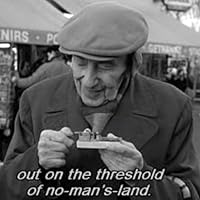
August 23, 2014
2025 Re-read: Maybe I a mere surface-cratcher, but this book just keeps revealing more of itself to me. Plus (bonus???) this time I felt personally implicated and haunted by it
---
Third time, first in over 10 years. I cannot believe that I rated this a "mere" 4 stars before (it was probably the fault of Ludvik's (Kundera's?) loathed age of callow youth, the age of the self puzzled by and obsessed with itself, the age of [pace Kundera] "lyrical" poetry).
This is indeed a masterpiece—of nuance and restraint, of deliberation and yet also, at times, of abandon—and, dare I say it?—of (perhaps) mediated confession. Kundera writes elsewhere (in ULB) that his characters are all his own unrealized potentialities, people who have journeyed across various border-lines that he himself has not); so, if this is a psychomachia, then in Kundera we have a fervent Communist who has forsaken (because it has forsaken him, forsaken us) communism, a believer who has forsaken God, and an artist of all that has been forsaken by humankind, by history, who sees what is beautiful in what is forsaken because it has been forsaken. Our forsaking it, surely, is what has rendered it beautiful—the locus of its beauty lies in its departure from our world, in its passage into the land of all that has been forgotten and abandoned, that land which shall one day claim us, too, and all that we have ever held dear or called our own....
Otherwise, I'm not even going to try to "review" this mysterious, captivating book just now
(but: such melancholy! What existential longing!
—punctuated, of course, by a whole other range of conflicting emotions—like life itself!)
Is it The Unbearable Lightness of Being's forerunner and postscript all in one, minus the philosophy but with an even greater attention to the beauty of the ephemeral (to the mortal, the sub-lunary, to all that is born & dies in some neglected corner somewhere), if that is at all possible...?
...Whatever it is, this book is just perfect.
& It is not yet through with me.... (to be cont'd)
and I felt happy inside these songs (inside the glass cabin of these songs) where sorrow is not lightness, laughter is not grimace, love is not laughable, and hatred is not timid, where people love with body and soul (yes, Lucie, with body and soul), where they dance in joy, jump into the Danube in despair, where love is still love and pain is pain, where values are not yet devastated; and it seemed to me that inside these songs I was at home, that I derive from them, and if I had betrayed this home, I had only made it all the more my home (because what voice is more plaintive than the voice of the home we have betrayed); but I was equally aware that this home was not of this world (though what kind of home was it if it wasn’t of this world?), that what we were singing and playing were only memories, recollections, an imaginary preservation of something that no longer was, and I felt the ground of this home sinking under my feet, felt myself falling, clarinet in mouth, falling down into the depths of years, the depths of centuries, into the fathomless depths, and I told myself with astonishment that my only home was this descent, this searching, eager fall, and I abandoned myself to it and to my sweet vertigo.
---
Third time, first in over 10 years. I cannot believe that I rated this a "mere" 4 stars before (it was probably the fault of Ludvik's (Kundera's?) loathed age of callow youth, the age of the self puzzled by and obsessed with itself, the age of [pace Kundera] "lyrical" poetry).
This is indeed a masterpiece—of nuance and restraint, of deliberation and yet also, at times, of abandon—and, dare I say it?—of (perhaps) mediated confession. Kundera writes elsewhere (in ULB) that his characters are all his own unrealized potentialities, people who have journeyed across various border-lines that he himself has not); so, if this is a psychomachia, then in Kundera we have a fervent Communist who has forsaken (because it has forsaken him, forsaken us) communism, a believer who has forsaken God, and an artist of all that has been forsaken by humankind, by history, who sees what is beautiful in what is forsaken because it has been forsaken. Our forsaking it, surely, is what has rendered it beautiful—the locus of its beauty lies in its departure from our world, in its passage into the land of all that has been forgotten and abandoned, that land which shall one day claim us, too, and all that we have ever held dear or called our own....
Otherwise, I'm not even going to try to "review" this mysterious, captivating book just now
(but: such melancholy! What existential longing!
—punctuated, of course, by a whole other range of conflicting emotions—like life itself!)
Is it The Unbearable Lightness of Being's forerunner and postscript all in one, minus the philosophy but with an even greater attention to the beauty of the ephemeral (to the mortal, the sub-lunary, to all that is born & dies in some neglected corner somewhere), if that is at all possible...?
...Whatever it is, this book is just perfect.
& It is not yet through with me.... (to be cont'd)

October 19, 2012
Let me be perfectly honest — I was a man of many faces
They were all real
I had several faces because I was young and didn't know who I was or wanted to be
She was constitutionally unable to look behind anything; she could only see the thing itself
Optimism is the opium of the people! A healthy atmosphere stinks of stupidity! Long live Trotsky!
A nihilist likes a good laugh, said one of them. He laughs at people who suffer
The only human bond we had was our uncertain future
Slowly I came to realize that there was no power capable of changing the image of my person lodged in the supreme court of human destinies
Letters written by parents are messages from a shore we are forsaking; all they can do is make us aware of how far we have strayed from the port we left, enveloped in the selfless devotion of our loved ones. Yes, their letters say, the port still exists, it's still there in all its comforting, pristine beauty; but the road back, the way back is lost
Nothing brings people together more quickly and easily than shared melancholy
It's not easy to live with people willing to send you to exile or death, it's not easy to become intimate with them, it's not easy to love them
All the basic situations in life occur only once
As it turned out, nothing was in my hands. Neither our estrangement nor our reunion was in my hands
So I hope that they were in the hands of time
In my view newspaper have one extraordinary attribute — they make no noise
Their tediousness is silent; they can be put aside, thrown into the wastebasket
The tediousness of radio lacks that extenuating attribute; it persecutes us in cafes, restaurants, trains, even during our visits to people who have become incapable of living without nonstop feeding of the ear
My mistrust is so entrenched that when someone starts listing his likes and dislikes I am unable to take it seriously, or to put it more precisely, I can accept it only as an indication of the person’s self-image
Once more I was amazed by the incredible human capacity for transforming reality into a likeness of desires or ideals
I longed for her to be gone; for her body to dematerialize, melt, turn into a stream and flow away, or evaporate and vanish out the window
You became bitter to the depth of your soul, convinced of the great injustice done you. That sense of injustice still determines every step you take
Other people are mere walking mirrors in which he is amazed to find his own emotions, his own worth
And this seeming unreality made me think that everything around me was not present but the past
My entire life, it seemed to me, had always been overpopulated by shadows
Where sorrow is not lightness, laughter is not grimace, love is not laughable
Where love is still love and pain is still pain, where values are not yet devastated
And it seemed to me that inside these songs I was at home
They were all real
I had several faces because I was young and didn't know who I was or wanted to be
She was constitutionally unable to look behind anything; she could only see the thing itself
Optimism is the opium of the people! A healthy atmosphere stinks of stupidity! Long live Trotsky!
A nihilist likes a good laugh, said one of them. He laughs at people who suffer
The only human bond we had was our uncertain future
Slowly I came to realize that there was no power capable of changing the image of my person lodged in the supreme court of human destinies
Letters written by parents are messages from a shore we are forsaking; all they can do is make us aware of how far we have strayed from the port we left, enveloped in the selfless devotion of our loved ones. Yes, their letters say, the port still exists, it's still there in all its comforting, pristine beauty; but the road back, the way back is lost
Nothing brings people together more quickly and easily than shared melancholy
It's not easy to live with people willing to send you to exile or death, it's not easy to become intimate with them, it's not easy to love them
All the basic situations in life occur only once
As it turned out, nothing was in my hands. Neither our estrangement nor our reunion was in my hands
So I hope that they were in the hands of time
In my view newspaper have one extraordinary attribute — they make no noise
Their tediousness is silent; they can be put aside, thrown into the wastebasket
The tediousness of radio lacks that extenuating attribute; it persecutes us in cafes, restaurants, trains, even during our visits to people who have become incapable of living without nonstop feeding of the ear
My mistrust is so entrenched that when someone starts listing his likes and dislikes I am unable to take it seriously, or to put it more precisely, I can accept it only as an indication of the person’s self-image
Once more I was amazed by the incredible human capacity for transforming reality into a likeness of desires or ideals
I longed for her to be gone; for her body to dematerialize, melt, turn into a stream and flow away, or evaporate and vanish out the window
You became bitter to the depth of your soul, convinced of the great injustice done you. That sense of injustice still determines every step you take
Other people are mere walking mirrors in which he is amazed to find his own emotions, his own worth
And this seeming unreality made me think that everything around me was not present but the past
My entire life, it seemed to me, had always been overpopulated by shadows
Where sorrow is not lightness, laughter is not grimace, love is not laughable
Where love is still love and pain is still pain, where values are not yet devastated
And it seemed to me that inside these songs I was at home

December 15, 2016
Μπορεί το πρωτόλειο έργο να είναι μεστό, σφιχτοδεμένο, λυρικό και ισοπεδωτικό, χωρίς άτσαλες μουτζαλιές, παθιασμένο, ανατρεπτικό, πολιτικό, ερωτικό, ανθρωπιστικό, πονεμένο, ευρύ; Διαβάστε το!

July 21, 2025
کوندرای عزیز
امیدوارم از اون بالا، صدای من رو بشنوی و روزگار من رو ببینی. همینجوری تمرکز کردن برام سخت هست. حالا تصور کن بخوام روی یه ترجمه بد متمرکز شم. خودت خیلی خوب میدونی که مترجم هم در برخی موارد مقصر نیست. روزگار امروز ما در این کشور، با دوران کمونیستی تو تفاوتی نمیکنه. ما هم با دیوارهای مجازی بلندی از دنیا جدا شدیم. منتها وضعیت ما کمی بدتره. در روزگار تو، کمونیست نمیخواست کسی رو به زور به مکان ناموجودی به نام بهشت بفرسته.
سرت رو درد نیارم میلان عزیز. این امتیاز قطعا برای نگارش تو نیست. هرچند توقع بیشتری از قلمت داشتم اما اجازه بده نیمه تمام رهاش کنم.
شاید یک روز، ترجمهای بهتر از نوشتههای تو نصیبم شه.
امیدوارم از اون بالا، صدای من رو بشنوی و روزگار من رو ببینی. همینجوری تمرکز کردن برام سخت هست. حالا تصور کن بخوام روی یه ترجمه بد متمرکز شم. خودت خیلی خوب میدونی که مترجم هم در برخی موارد مقصر نیست. روزگار امروز ما در این کشور، با دوران کمونیستی تو تفاوتی نمیکنه. ما هم با دیوارهای مجازی بلندی از دنیا جدا شدیم. منتها وضعیت ما کمی بدتره. در روزگار تو، کمونیست نمیخواست کسی رو به زور به مکان ناموجودی به نام بهشت بفرسته.
سرت رو درد نیارم میلان عزیز. این امتیاز قطعا برای نگارش تو نیست. هرچند توقع بیشتری از قلمت داشتم اما اجازه بده نیمه تمام رهاش کنم.
شاید یک روز، ترجمهای بهتر از نوشتههای تو نصیبم شه.

July 1, 2026
The joke on communism. An entertaining story from a politically difficult time, Czechoslovakia between the communist takeover in 1949 and the Prague spring. Ludvik is a young university assistant and active member of the communist party. To make a career, membership is indispensable. Alas, a humorous postcard written spontaneously in this humourless time messes up his life. When Marketa, a stout believer in the party, prefers a political education to a weekend with him, he lightheartedly jokes about her optimism and belief on this card. It gets in the wrong hands. He has to face a tribunal of his fellow students under the lead of his friend Zemanek which not only bans him from the communist party but also sacks him from his job. Tough years follow for Ludvik. He has to join the army and is sent to a work brigade in the coal mines together with others seen as enemies of the system.
The construction.The Joke already has the intertwining timelines and different viewpoints known from Kundera, used here to illuminate the communist system in Czechoslovakia from different sides. Ludvik is at the center of the narration. Today, he would be called a narcissist in the way he acts. Manipulating others for his goals, interpreting them only in relation to his wishes. But he's self-reflected and his insights are shared with the reader. In the here and now of the novel, twenty years after his ban, he works as a scientist dissatisfied with how his life played out. When by coincidence, he is interviewed by Helena, the wife of his accuser Zemanek, he tricks her into sleeping with him to get his revenge.
While the story of Ludvik covers half of the book, his viewpoint is balanced by a few other ones. Helena, a profiteer of the system who is too focused on herself and never questioned it. Jaroslaw, a former friend of Ludvik who is engaged in folklore and traditional values to the aid of the communist regime. In the first years, communists welcomed this support to gain popularity. Now, folklore is seen as old-fashioned and Jaroslaw and his traditional Ride of the Kings are pushed to the side. Kostka is another friend who is a devout christian and a devout communist. Not a combination those in power trust in.
The betrayal of youth. There's another topic which is less obvious but reappearing: Youth.
Kundera's worst aged book. A Goodreads friend shared his impression that Kundera's books didn't age well. I couldn't confirm this before. But I can understand this sentiment after reading The Joke. The hundred pages about Ludvik's time in the work battalion drag and lost relevance. And the more books I've read from Kundera, the more obvious it gets that he's always writing about himself and his central passion as an ageing man to bewitch younger women. Something I can sympathize with but which isn't a popular topic in a time where the old white man and his proclivities are looked down upon.
The construction.The Joke already has the intertwining timelines and different viewpoints known from Kundera, used here to illuminate the communist system in Czechoslovakia from different sides. Ludvik is at the center of the narration. Today, he would be called a narcissist in the way he acts. Manipulating others for his goals, interpreting them only in relation to his wishes. But he's self-reflected and his insights are shared with the reader. In the here and now of the novel, twenty years after his ban, he works as a scientist dissatisfied with how his life played out. When by coincidence, he is interviewed by Helena, the wife of his accuser Zemanek, he tricks her into sleeping with him to get his revenge.
While the story of Ludvik covers half of the book, his viewpoint is balanced by a few other ones. Helena, a profiteer of the system who is too focused on herself and never questioned it. Jaroslaw, a former friend of Ludvik who is engaged in folklore and traditional values to the aid of the communist regime. In the first years, communists welcomed this support to gain popularity. Now, folklore is seen as old-fashioned and Jaroslaw and his traditional Ride of the Kings are pushed to the side. Kostka is another friend who is a devout christian and a devout communist. Not a combination those in power trust in.
The betrayal of youth. There's another topic which is less obvious but reappearing: Youth.
"Junge Leute können nichts dafür, daß sie spielen; sie sind unfertig, werden aber in eine fertige Welt gestellt und müssen in ihr als fertige Menschen handeln. Sie benutzen daher sofort Formen, Vorlagen und Vorbilder, die ihnen gefallen, die gerade Mode sind, die ihnen gut stehen [...] Als ich im Sekretariat wegen der Ansichtskarte verhört wurde, war ich etwas über zwanzig, die mich verhörten, waren höchstens zwei Jahre älter. Auch sie waren in erster Linie junge Burschen, die ihre unfertigen Gesichter hinter der Maske versteckten, die ihnen am großartigsten schien, hinter der Maske des asketisch harten Revolutionärs."Ludvik's revenge on Zemanek fails because of youth and masks. Zemanek does everything to stay popular, changing his mask opportunistically to remain attractive to his students. He has a young student lover and wanted to leave Helena anyway. Ludvik helped him without knowing. The generation conflict of the righteousness of youth vs. failed hopes with demands for retribution is personified in this triangle. Interesting to see that someone close to 40 years is already old and worn for Kundera. Something which also comes up in Laughable Loves.
Kundera's worst aged book. A Goodreads friend shared his impression that Kundera's books didn't age well. I couldn't confirm this before. But I can understand this sentiment after reading The Joke. The hundred pages about Ludvik's time in the work battalion drag and lost relevance. And the more books I've read from Kundera, the more obvious it gets that he's always writing about himself and his central passion as an ageing man to bewitch younger women. Something I can sympathize with but which isn't a popular topic in a time where the old white man and his proclivities are looked down upon.

January 27, 2022
Un abisso di malinconia e nostalgia.

July 10, 2016
Hay escritores que ambicionan alcanzar la perfección formal y la excelencia gramática; en cambio, hay otros que buscan el impacto psicológico y la profundidad emocional. Finalmente hay quienes privilegian las ideas. Milan Kundera es de estos últimos, pues desde la publicación de "La broma" (su primera incursión en el campo de la novela) mostró una gran capacidad para enriquecer sus historias con interesantes reflexiones sobre conceptos filosóficos, psicológicos y sociales, siendo su principal aportación, la aguda perspicacia con la que abordaba el tema de las relaciones humanas. Esta prodigiosa habilidad para registrar los encuentros, desencuentros, choques y dependencias que inevitablemente se producen entre los seres humanos, le permitió crear obras literarias trascendentes y conmovedoras, muy representativas de su tiempo y su entorno.
Con "La broma" estamos frente a lo que los entendidos llaman novela coral; es decir, una historia contada por varios narradores, mismos que pueden ser personajes clave en el desarrollo de la trama. Este concepto había sido trabajado con anterioridad por autores como John Dos Passos y William Faulkner, dejando atrás la idea de aquel narrador omnisiciente “endiosado” que lo ve y lo sabe todo con extrema exactitud. En lugar de eso, la novela coral propone diferentes cronistas cuyo testimonio de primera mano, tendrá que ser necesariamente mundano e imperfecto, susceptible al apasionamiento y al error, pues como cualquier ser humano, contarán su propia versión de los hechos.
De modo que contamos con cuatro narradores de los cuales el principal es el joven Jahn Ludvik, protagonista y alter-ego del escritor. Cada uno de los seis capítulos que componen la novela es narrado individualmente, mientras que el último es compartido por tres de ellos. Esta dinámica desde un principio es fácil de asimilar, de modo que el lector no sufrirá demasiado para identificar a cada narrador. Es posible que en cada nuevo capitulo el lector tenga que consultar algo de lo leído anteriormente. Sin embargo, esto no implica que la lectura tenga que ser lenta y pesada. Kundera tiene esa rara cualidad de tratar los temas complejos y las situaciones difíciles, de una manera dinámica y asequible. Los diálogos son abundantes, claros y se encuentren inmersos en el texto, asemejando la plática informal de una persona a otra, en lugar de adoptar el rigor formal de un guión teatral. Además, la traducción de editorial Tusquets da la sensación de ser escrupulosamente atinada.
El argumento es el siguiente: un joven ve frustrado su proyecto de vida por culpa de la suspicacia y la cerrazón del régimen político que le corta las alas. Así, cuando el protagonista haya cumplido su castigo buscará una revancha. Con esto queda claro que la novela trata más sobre el rencor que sobre el heroísmo; las complejas y desacertadas relaciones de amistad, amor y odio que el personaje va construyendo durante su penoso peregrinaje, involucran todo un cúmulo de equivocaciones y oportunidades perdidas.
El autor no genera desperdicio alguno y por el contrario, en cada página nos obsequia testimonios, ideas filosóficas, pequeños ensayos y profundas descripciones de las pasiones, grandezas y miserias humanas de su tiempo. Encontraremos muchos testimonios de lo que significaba vivir en una dictadura socialista, con su policía encubierta, sus ceremonias civiles (no religiosas), su educación alienante, y el acoso constante contra cualquier señal de disidencia. La figura de Julius Fucik, un héroe de la segunda guerra, es enaltecida pero también usada como medio de propaganda para fines obscuros.
La historia cuenta con personajes particularmente interesantes como Lucie Sebetkova, cuya tierna y trágica psicología parece una revisión de Marianela, la heroína de Benito Pérez Galdós; su presencia conmueve en demasía. Otro personaje destacado es Jeroslav, un músico idealista que sucumbe ante el anacronismo y la irrealidad de su obra artística, a la que ha dedicado el esfuerzo de toda una vida. El punto álgido posiblemente sea la escena erótica entre Ludvik y Helena, escrita con un notable tratamiento Dostoievskiano, pues la bajeza de las intenciones del protagonista es confesada con el patetismo y la cruda sinceridad del mequetrefe de "Memorias del Subsuelo".
Me parece que el único obstáculo que podría evitar que los lectores del gran público se adentraran en la obra del escritor checo es el elemento político, pues todavía quedan personas que subestiman sus libros tachándolos de “novelas políticas”. Es verdad que Kundera vivió inmerso en aquello que en las épocas de la guerra fría se conocía como "la cortina de hierro", es decir, dentro de un régimen cerrado y autoritario. Al ser un disidente, el escritor sufrió la segregación, la persecución y la censura. Por tanto, sus historias tienen irremediablemente ese trasfondo político. Empero, el principal tema que desarrolla es el irregular, frágil y errático trato entre los seres humanos, tan capaces de amar u odiar con una intensidad casi espiritual o por el contrario, con una irracionalidad idiota.
En fin, son muchos los detalles a destacar de esta rica e interesante novela que tuve la suerte de disfrutar y que sin reparo posicionaré entre las mejor valoradas. Altamente recomendable.
Con "La broma" estamos frente a lo que los entendidos llaman novela coral; es decir, una historia contada por varios narradores, mismos que pueden ser personajes clave en el desarrollo de la trama. Este concepto había sido trabajado con anterioridad por autores como John Dos Passos y William Faulkner, dejando atrás la idea de aquel narrador omnisiciente “endiosado” que lo ve y lo sabe todo con extrema exactitud. En lugar de eso, la novela coral propone diferentes cronistas cuyo testimonio de primera mano, tendrá que ser necesariamente mundano e imperfecto, susceptible al apasionamiento y al error, pues como cualquier ser humano, contarán su propia versión de los hechos.
De modo que contamos con cuatro narradores de los cuales el principal es el joven Jahn Ludvik, protagonista y alter-ego del escritor. Cada uno de los seis capítulos que componen la novela es narrado individualmente, mientras que el último es compartido por tres de ellos. Esta dinámica desde un principio es fácil de asimilar, de modo que el lector no sufrirá demasiado para identificar a cada narrador. Es posible que en cada nuevo capitulo el lector tenga que consultar algo de lo leído anteriormente. Sin embargo, esto no implica que la lectura tenga que ser lenta y pesada. Kundera tiene esa rara cualidad de tratar los temas complejos y las situaciones difíciles, de una manera dinámica y asequible. Los diálogos son abundantes, claros y se encuentren inmersos en el texto, asemejando la plática informal de una persona a otra, en lugar de adoptar el rigor formal de un guión teatral. Además, la traducción de editorial Tusquets da la sensación de ser escrupulosamente atinada.
El argumento es el siguiente: un joven ve frustrado su proyecto de vida por culpa de la suspicacia y la cerrazón del régimen político que le corta las alas. Así, cuando el protagonista haya cumplido su castigo buscará una revancha. Con esto queda claro que la novela trata más sobre el rencor que sobre el heroísmo; las complejas y desacertadas relaciones de amistad, amor y odio que el personaje va construyendo durante su penoso peregrinaje, involucran todo un cúmulo de equivocaciones y oportunidades perdidas.
El autor no genera desperdicio alguno y por el contrario, en cada página nos obsequia testimonios, ideas filosóficas, pequeños ensayos y profundas descripciones de las pasiones, grandezas y miserias humanas de su tiempo. Encontraremos muchos testimonios de lo que significaba vivir en una dictadura socialista, con su policía encubierta, sus ceremonias civiles (no religiosas), su educación alienante, y el acoso constante contra cualquier señal de disidencia. La figura de Julius Fucik, un héroe de la segunda guerra, es enaltecida pero también usada como medio de propaganda para fines obscuros.
La historia cuenta con personajes particularmente interesantes como Lucie Sebetkova, cuya tierna y trágica psicología parece una revisión de Marianela, la heroína de Benito Pérez Galdós; su presencia conmueve en demasía. Otro personaje destacado es Jeroslav, un músico idealista que sucumbe ante el anacronismo y la irrealidad de su obra artística, a la que ha dedicado el esfuerzo de toda una vida. El punto álgido posiblemente sea la escena erótica entre Ludvik y Helena, escrita con un notable tratamiento Dostoievskiano, pues la bajeza de las intenciones del protagonista es confesada con el patetismo y la cruda sinceridad del mequetrefe de "Memorias del Subsuelo".
Me parece que el único obstáculo que podría evitar que los lectores del gran público se adentraran en la obra del escritor checo es el elemento político, pues todavía quedan personas que subestiman sus libros tachándolos de “novelas políticas”. Es verdad que Kundera vivió inmerso en aquello que en las épocas de la guerra fría se conocía como "la cortina de hierro", es decir, dentro de un régimen cerrado y autoritario. Al ser un disidente, el escritor sufrió la segregación, la persecución y la censura. Por tanto, sus historias tienen irremediablemente ese trasfondo político. Empero, el principal tema que desarrolla es el irregular, frágil y errático trato entre los seres humanos, tan capaces de amar u odiar con una intensidad casi espiritual o por el contrario, con una irracionalidad idiota.
En fin, son muchos los detalles a destacar de esta rica e interesante novela que tuve la suerte de disfrutar y que sin reparo posicionaré entre las mejor valoradas. Altamente recomendable.
Displaying 1 - 30 of 2,646 reviews