

What do you think?

Metamorphisis
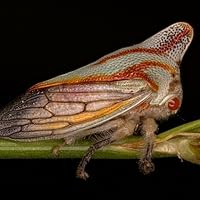
One morning, when Gregor Samsa woke from troubled dreams, he found himself transformed in his bed into a horrible vermin. He lay on his armour-like back, and if he lifted his head a little he could see his brown belly, slightly domed and divided by arches into stiff sections. The bedding was hardly able to cover it and seemed ready to slide off any moment. His many legs, pitifully thin compared with the size of the rest of him, waved about helplessly as he looked.
62 pages, Paperback
Published February 4, 2023
About the author
Franz Kafka
3,584 books41.3k followersFranz Kafka was a German-speaking writer from Prague whose work became one of the foundations of modern literature, even though he published only a small part of his writing during his lifetime. Born into a middle-class Jewish family in Prague, then part of the Austro-Hungarian Empire, Kafka grew up amid German, Czech, and Jewish cultural influences that shaped his sense of displacement and linguistic precision. His difficult relationship with his authoritarian father left a lasting mark, fostering feelings of guilt, anxiety, and inadequacy that became central themes in his fiction and personal writings.
Kafka studied law at the German University in Prague, earning a doctorate in 1906. He chose law for practical reasons rather than personal inclination, a compromise that troubled him throughout his life. After university, he worked for several insurance institutions, most notably the Workers Accident Insurance Institute for the Kingdom of Bohemia. His duties included assessing industrial accidents and drafting legal reports, work he carried out competently and responsibly. Nevertheless, Kafka regarded his professional life as an obstacle to his true vocation, and most of his writing was done at night or during periods of illness and leave. Kafka began publishing short prose pieces in his early adulthood, later collected in volumes such as Contemplation and A Country Doctor. These works attracted little attention at the time but already displayed the hallmarks of his mature style, including precise language, emotional restraint, and the application of calm logic to deeply unsettling situations. His major novels The Trial, The Castle, and Amerika were left unfinished and unpublished during his lifetime. They depict protagonists trapped within opaque systems of authority, facing accusations, rules, or hierarchies that remain unexplained and unreachable. Themes of alienation, guilt, bureaucracy, law, and punishment run throughout Kafka’s work. His characters often respond to absurd or terrifying circumstances with obedience or resignation, reflecting his own conflicted relationship with authority and obligation. Kafka’s prose avoids overt symbolism, yet his narratives function as powerful metaphors through structure, repetition, and tone. Ordinary environments gradually become nightmarish without losing their internal coherence. Kafka’s personal life was marked by emotional conflict, chronic self-doubt, and recurring illness. He formed intense but troubled romantic relationships, including engagements that he repeatedly broke off, fearing that marriage would interfere with his writing. His extensive correspondence and diaries reveal a relentless self-critic, deeply concerned with morality, spirituality, and the demands of artistic integrity. In his later years, Kafka’s health deteriorated due to tuberculosis, forcing him to withdraw from work and spend long periods in sanatoriums. Despite his illness, he continued writing when possible. He died young, leaving behind a large body of unpublished manuscripts. Before his death, he instructed his close friend Max Brod to destroy all of his remaining work. Brod ignored this request and instead edited and published Kafka’s novels, stories, and diaries, ensuring his posthumous reputation.
The publication of Kafka’s work after his death established him as one of the most influential writers of the twentieth century. The term Kafkaesque entered common usage to describe situations marked by oppressive bureaucracy, absurd logic, and existential anxiety. His writing has been interpreted through existential, religious, psychological, and political perspectives, though Kafka himself resisted definitive meanings. His enduring power lies in his ability to articulate modern anxiety with clarity and restraint.
Kafka studied law at the German University in Prague, earning a doctorate in 1906. He chose law for practical reasons rather than personal inclination, a compromise that troubled him throughout his life. After university, he worked for several insurance institutions, most notably the Workers Accident Insurance Institute for the Kingdom of Bohemia. His duties included assessing industrial accidents and drafting legal reports, work he carried out competently and responsibly. Nevertheless, Kafka regarded his professional life as an obstacle to his true vocation, and most of his writing was done at night or during periods of illness and leave. Kafka began publishing short prose pieces in his early adulthood, later collected in volumes such as Contemplation and A Country Doctor. These works attracted little attention at the time but already displayed the hallmarks of his mature style, including precise language, emotional restraint, and the application of calm logic to deeply unsettling situations. His major novels The Trial, The Castle, and Amerika were left unfinished and unpublished during his lifetime. They depict protagonists trapped within opaque systems of authority, facing accusations, rules, or hierarchies that remain unexplained and unreachable. Themes of alienation, guilt, bureaucracy, law, and punishment run throughout Kafka’s work. His characters often respond to absurd or terrifying circumstances with obedience or resignation, reflecting his own conflicted relationship with authority and obligation. Kafka’s prose avoids overt symbolism, yet his narratives function as powerful metaphors through structure, repetition, and tone. Ordinary environments gradually become nightmarish without losing their internal coherence. Kafka’s personal life was marked by emotional conflict, chronic self-doubt, and recurring illness. He formed intense but troubled romantic relationships, including engagements that he repeatedly broke off, fearing that marriage would interfere with his writing. His extensive correspondence and diaries reveal a relentless self-critic, deeply concerned with morality, spirituality, and the demands of artistic integrity. In his later years, Kafka’s health deteriorated due to tuberculosis, forcing him to withdraw from work and spend long periods in sanatoriums. Despite his illness, he continued writing when possible. He died young, leaving behind a large body of unpublished manuscripts. Before his death, he instructed his close friend Max Brod to destroy all of his remaining work. Brod ignored this request and instead edited and published Kafka’s novels, stories, and diaries, ensuring his posthumous reputation.
The publication of Kafka’s work after his death established him as one of the most influential writers of the twentieth century. The term Kafkaesque entered common usage to describe situations marked by oppressive bureaucracy, absurd logic, and existential anxiety. His writing has been interpreted through existential, religious, psychological, and political perspectives, though Kafka himself resisted definitive meanings. His enduring power lies in his ability to articulate modern anxiety with clarity and restraint.
Ratings & Reviews
Friends & Following
Create a free account to discover what your friends think of this book!
Community Reviews
Displaying 1 - 30 of 109 reviews

August 19, 2025
“Al oír estas palabras de la madre, comprendió Gregorio que la carencia de toda relación humana directa, unida a la monotonía de la existencia que llevaba entre los suyos, había debido trastornar su inteligencia en aquellos dos meses, pues, de otro modo, no podía explicarse que él hubiese deseado ver su habitación vacía.”
Hoy les traigo un clásico que ya estaba tardando demasiado en leer.
Es una delicia leer a este hombre a pesar de sus historias con ese tono tan apesadumbrado, marcadas siempre por su carácter atormentado tan característico del autor.
Ya sabemos de sobra lo que pasa aquí, y en esencia y de manera muy somera les haré un breve resumen ⤵️
Gregorio Samsa es un trabajador un poco insustancial, sin grandes aspiraciones, que transita por la vida principalmente para dar gran parte de sus ingresos a los padres con los que convive.
Cual es su sorpresa cuando una mañana al levantarse comprueba atónito que se ha transformado en un horrendo insecto similar a una cucaracha o un escarabajo, nunca se especifica en el texto de cuál se trata, pero ese es un aspecto secundario.
Aquí lo principal es la soledad y desesperación que impregnan cada página.
Conforme pasan los días aquello que lo hacía ser humano va dejándolo atrás al mismo ritmo que aumenta la desidia de la familia por intentar comprender la situación.
Es muy inquietante y desesperante ver como los días pasan y ser testigos de como el desdichado Gregorio acepta, sin más, su nueva naturaleza mientras la vida sigue pasando a su alrededor.
"La Metamorfosis" es una historia excéntrica y en apariencia cómica pero que encierra una historia tristísima que no dudaré en releer cada cierto tiempo y, por supuesto, no me cansaré de recomendarla 🪳🖤
Además, en la presente edición se incluyen dos historias cortas al finalizar el relato principal, que me han parecido muy buenas también, en especial la primera, y son ⤵️
▪️"Un artista del hambre."
Una historia oscura y triste sobre la decadencia de un hombre que se dedica profesionalmente a ser ayunador en un circo, y cómo poco a poco pasa de ser una atracción llamativa a ser ignorado por cada persona que pasa por allí.
▪️"Un artista del trapecio."
Historia muy breve de apenas tres o cuatro páginas sobre el aislamiento social, así como la obsesión y la insatisfacción humana. Con el arte como telón de fondo.
"Comprendió que no disponía de medio alguno para remediar tamaño absurdo, y volvió a pensar que no debía seguir en la cama y que lo más lógico era arriesgarlo todo, aunque sólo quedase una ínfima esperanza. Pero de inmediato recordó que, mejor que tomar decisiones extremas, era meditar serenamente.”
💫 Es una pena que mi edición no haya estado a la altura de este reconocido clásico de la literatura universal. Me llamó la atención su aspecto a libro antiguo y los detalles de la portada, pero no me pareció que estuviera bien traducido y me encontré con algunas erratas, así que me gustaría que me recomendaran una edición buena y si es con ilustraciones mejor.
Soy una gran amante de los libros ilustrados 😍
Se los agradecería enormemente.
Muchísimas gracias ❣️ 📚
¡Los leo! 👀⤵️
https://www.facebook.com/LaLocadelosL... 🖤💀📚
Hoy les traigo un clásico que ya estaba tardando demasiado en leer.
Es una delicia leer a este hombre a pesar de sus historias con ese tono tan apesadumbrado, marcadas siempre por su carácter atormentado tan característico del autor.
Ya sabemos de sobra lo que pasa aquí, y en esencia y de manera muy somera les haré un breve resumen ⤵️
Gregorio Samsa es un trabajador un poco insustancial, sin grandes aspiraciones, que transita por la vida principalmente para dar gran parte de sus ingresos a los padres con los que convive.
Cual es su sorpresa cuando una mañana al levantarse comprueba atónito que se ha transformado en un horrendo insecto similar a una cucaracha o un escarabajo, nunca se especifica en el texto de cuál se trata, pero ese es un aspecto secundario.
Aquí lo principal es la soledad y desesperación que impregnan cada página.
Conforme pasan los días aquello que lo hacía ser humano va dejándolo atrás al mismo ritmo que aumenta la desidia de la familia por intentar comprender la situación.
Es muy inquietante y desesperante ver como los días pasan y ser testigos de como el desdichado Gregorio acepta, sin más, su nueva naturaleza mientras la vida sigue pasando a su alrededor.
"La Metamorfosis" es una historia excéntrica y en apariencia cómica pero que encierra una historia tristísima que no dudaré en releer cada cierto tiempo y, por supuesto, no me cansaré de recomendarla 🪳🖤
Además, en la presente edición se incluyen dos historias cortas al finalizar el relato principal, que me han parecido muy buenas también, en especial la primera, y son ⤵️
▪️"Un artista del hambre."
Una historia oscura y triste sobre la decadencia de un hombre que se dedica profesionalmente a ser ayunador en un circo, y cómo poco a poco pasa de ser una atracción llamativa a ser ignorado por cada persona que pasa por allí.
▪️"Un artista del trapecio."
Historia muy breve de apenas tres o cuatro páginas sobre el aislamiento social, así como la obsesión y la insatisfacción humana. Con el arte como telón de fondo.
"Comprendió que no disponía de medio alguno para remediar tamaño absurdo, y volvió a pensar que no debía seguir en la cama y que lo más lógico era arriesgarlo todo, aunque sólo quedase una ínfima esperanza. Pero de inmediato recordó que, mejor que tomar decisiones extremas, era meditar serenamente.”
💫 Es una pena que mi edición no haya estado a la altura de este reconocido clásico de la literatura universal. Me llamó la atención su aspecto a libro antiguo y los detalles de la portada, pero no me pareció que estuviera bien traducido y me encontré con algunas erratas, así que me gustaría que me recomendaran una edición buena y si es con ilustraciones mejor.
Soy una gran amante de los libros ilustrados 😍
Se los agradecería enormemente.
Muchísimas gracias ❣️ 📚
¡Los leo! 👀⤵️
https://www.facebook.com/LaLocadelosL... 🖤💀📚

March 10, 2026
Trigger Alerts:
– Alienation
– Emotional neglect
– Psychological distress
– Family rejection
The Metamorphosis by Franz Kafka is a classic novella set in early 20th-century Central Europe, first published in 1915. The story begins with one of the most famous openings in literature: Gregor Samsa wakes up one morning to find he has transformed into a giant insect. From there the story becomes less about the transformation itself and more about how Gregor’s family reacts to him. As he becomes more helpless and isolated, the people who once depended on him slowly turn against him. It’s uncomfortable, strange, and honestly pretty bleak — but that’s also what makes it memorable. This is definitely one of those books where the meaning is more about themes than plot. It explores isolation, family obligation, and what happens when someone is no longer useful to the people around them.
– Alienation
– Emotional neglect
– Psychological distress
– Family rejection
The Metamorphosis by Franz Kafka is a classic novella set in early 20th-century Central Europe, first published in 1915. The story begins with one of the most famous openings in literature: Gregor Samsa wakes up one morning to find he has transformed into a giant insect. From there the story becomes less about the transformation itself and more about how Gregor’s family reacts to him. As he becomes more helpless and isolated, the people who once depended on him slowly turn against him. It’s uncomfortable, strange, and honestly pretty bleak — but that’s also what makes it memorable. This is definitely one of those books where the meaning is more about themes than plot. It explores isolation, family obligation, and what happens when someone is no longer useful to the people around them.

January 1, 2026
Creo entender su importancia pero no es para mí

July 2, 2024
El sentimiento de ser repugnante, cuando más allá de la situación sabes que el problema eres tú y acabas viendo una única solución: nadie puede soportar la carga que supones sobre sus hombros.
"Cuando se tiene que trabajar tanto como nosotros no se puede soportar en casa este eterno tormento"
"Cuando se tiene que trabajar tanto como nosotros no se puede soportar en casa este eterno tormento"
January 1, 2025
pues un librito para quedarte tiesa mirando a la nada y replanteándote todo. lo del tema de la identidad es fuerte, *literalmente* una sociedad que te deshumaniza y que te valora por la utilidad, pienso tanto en bartleby, pero que Kafka haya usado a la familia como símbolo del rechazo me parece un recurso aún más potente. estoy muy triste por Gregorio 💔
“y él, echado en su cuarto, en tinieblas, invisible para los demás, podía contemplar a toda su familia en torno a la mesa iluminada”
“y él, echado en su cuarto, en tinieblas, invisible para los demás, podía contemplar a toda su familia en torno a la mesa iluminada”
June 11, 2024
novela da super motza ta marrazkiak oso ondo daude :)
August 19, 2026
me encanta esta edición porque tanto el prólogo como el posfacio te hacen reflexionar (más aun) sobre la historia. los clásicos son clásicos por su inmortalidad. como dice en el posfacio, kafka vuelca sus preocupaciones y reflexiones en esta historia pero pasan a ser reflexiones compartidas por todo el q lo lea ahora y cuando lo escribió. q nos da importancia como seres humanos? q valor tenemos cuando nos quitan todo de un día para otro? corta pero te deja huella y creo q va a ser de esos libros q se quedarán conmigo siempre. q pena q él no pudiera ver el impacto de su obra en vida. perfecta si buscáis algo corto (y no sois demasiado aprensivas).

February 4, 2026
Pienso que esto no va de un hombre convertido en insecto, o sea sí… pero no. Siento que va de lo que pasa cuando dejas de ser útil. Kafka nunca explica por qué Gregorio cambia; la causa no importa. Presiento que lo que quiere que entendamos es que al no poder trabajar, su familia deja de verlo como persona. Gregorio no muere por ser un insecto, muere por el abandono, por la culpa y por sentirse un estorbo. Es un libro triste y cruel, porque muestra lo fácil que es dejar de importar cuando ya no produces… Me dio mucha lástima el Gregorio T-T

March 18, 2026
This was funny until it became claustrophobic and depressing. It's the epitome of work anxiety but the gist is: if you diverge too much from who you used to be, even the people who were supposed to love you the most, will likely stop and move on without you as if you've never existed. That's my devastating take, good night.

February 7, 2025
Too bizarre for my liking
November 27, 2025
when your family has so much beef with your state of being they throw an apple at you and let it rot while it’s lodged in your abdomen.
January 22, 2026
El enojo y la tristeza que me produjo leer esto. Kafka sabía cosas.

July 24, 2026
3.5 ⭐️
Llegué a este libro con expectativas muy altas por ser mi primer acercamiento a Kafka. Durante gran parte de la lectura me sentí desconectada; hubo momentos en los que simplemente no lograba entrar en la historia y eso me frustró. Esperaba entender más mientras leía, pero Kafka no escribe para dar respuestas fáciles.
Sin embargo, el libro cambió para mí cuando lo terminé y empecé a reflexionar sobre él. Comprendí que la transformación de Gregor no era el verdadero centro de la novela. Lo verdaderamente inquietante es la facilidad con la que una persona puede ser reducida a la utilidad que representa para los demás.
Gregor deja de ser visto como hijo o hermano para convertirse en una carga. Y esa idea me hizo preguntarme cuántas veces nosotros también valoramos a las personas por lo que hacen o producen, en lugar de por quienes son;
–(razón principal por la cual me siento identificada)–
No fue una lectura que disfrutara constantemente, pero sí una que me dejó pensando mucho después de cerrar el libro. Por eso, aunque mi experiencia durante la lectura no fue perfecta, me alegra haberla leído.
Llegué a este libro con expectativas muy altas por ser mi primer acercamiento a Kafka. Durante gran parte de la lectura me sentí desconectada; hubo momentos en los que simplemente no lograba entrar en la historia y eso me frustró. Esperaba entender más mientras leía, pero Kafka no escribe para dar respuestas fáciles.
Sin embargo, el libro cambió para mí cuando lo terminé y empecé a reflexionar sobre él. Comprendí que la transformación de Gregor no era el verdadero centro de la novela. Lo verdaderamente inquietante es la facilidad con la que una persona puede ser reducida a la utilidad que representa para los demás.
Gregor deja de ser visto como hijo o hermano para convertirse en una carga. Y esa idea me hizo preguntarme cuántas veces nosotros también valoramos a las personas por lo que hacen o producen, en lugar de por quienes son;
–(razón principal por la cual me siento identificada)–
No fue una lectura que disfrutara constantemente, pero sí una que me dejó pensando mucho después de cerrar el libro. Por eso, aunque mi experiencia durante la lectura no fue perfecta, me alegra haberla leído.

June 18, 2026
La mejor manera de descubrir los clásicos no es desde la obligación de un canon institucional o académico, sino desde la mera curiosidad y saboreándolo con paciencia, sin prisas y dejando que cada pasaje se vaya revelando lentamente.
No esperaba que La Metamorfosis se convirtiese en mi primera lectura de verano. Seamos honestos: no es un libro que veamos mucho en la playa o la piscina. Pero sí que es una novela de una fuerza emocional contundente y un personaje principal tan trágico como Gregor Samsa.
No voy a entrar en interpretaciones ni análisis porque no soy un experto en literatura y mucho menos en la obra de Kafka, pero un logro de la novela es capturar la despersonalización que conlleva ser un trabajador más, un número más que genera capital. Si yo fuera Gregor también me preocuparía por faltar al trabajo.
Un lujazo 📖❤️
No esperaba que La Metamorfosis se convirtiese en mi primera lectura de verano. Seamos honestos: no es un libro que veamos mucho en la playa o la piscina. Pero sí que es una novela de una fuerza emocional contundente y un personaje principal tan trágico como Gregor Samsa.
No voy a entrar en interpretaciones ni análisis porque no soy un experto en literatura y mucho menos en la obra de Kafka, pero un logro de la novela es capturar la despersonalización que conlleva ser un trabajador más, un número más que genera capital. Si yo fuera Gregor también me preocuparía por faltar al trabajo.
Un lujazo 📖❤️

August 23, 2025
Uno de mis libros favoritos 🥰.
Siempre que me ha sido posible, lo he incluido en el temario de Literatura Universal y a los chavales les suele sorprender.
Siempre que me ha sido posible, lo he incluido en el temario de Literatura Universal y a los chavales les suele sorprender.
August 17, 2026
Temática muy interesante y diferente. Me ha hecho sentir emociones que no he sentido con otros libros (agobio, asco, pena.. entre otros). Aunque corto, da para reflexionar.
July 31, 2026
i thought this was going to be just social commentary on human value as it pertains to work, nobody told me i was going to cry by the end of it! i don’t think anyone expects themselves to become the insect: a severe bout of depression, a tragic injury, old age. and certainly nobody expects to become the dusty burden with the apple rotting in its back. i’m actually sick, 5 stars

July 1, 2026
Obra maestra existencialista donde el valor del prota sólo se ve reflejado en lo que produce hasta que un día se ve incapacitado gravemente, mostrando lo irrelevante que es para su familia cuando está en ese estado. Se siente un vacío como si fueras tú el que sufre la transformación

Read
May 17, 2026Throughout the book, it's evident how Kafka explores the concept of value.
His work covers some of the many sources that one's value can stem from. Both within society and even the nucleus of people in your life, he covers how someone can be perceived only in terms of what they can offer. Whether one is seen by the power and influence they hold, the economic profit they bring, or their simple visual appeal, he goes over how shallow and fragile the connections in life can be.
His work covers some of the many sources that one's value can stem from. Both within society and even the nucleus of people in your life, he covers how someone can be perceived only in terms of what they can offer. Whether one is seen by the power and influence they hold, the economic profit they bring, or their simple visual appeal, he goes over how shallow and fragile the connections in life can be.
August 19, 2024
Al paso de la lectura podemos sentir las frustraciones, los miedos, el estrés y, finalmente, la libertad.
Resulta sumamente significativo que no solo es "la metamorfosis" de Gregorio, sino de su familia. Kafka nos explica el papel fundamental de Gregorio Samsa antes de la metamorfosis, sin embargo, después de esto, sus padres y hermana tienen que cambiar su estilo de vida y comienzan a trabajar, pero más allá de esto, Greta primeramente no abandona su calidez y es la que atiende y se preocupa por Gregorio, poco a poco comenzamos a ver como está tarea se le hace cada vez más pesada hasta que, cuando la aparición de Gregorio provoca un conflicto con unos inquilinos, Greta propone deshacerse de tal bicho puesto que solo genera desgracia, argumentando que ya no es más su hermano.
Finalmente, parece que con la muerte de Gregorio Samsa, la familia se quita un peso, pero Kafka nos lo relata de tal forma que parece que el culpable de todos los males era Gregorio antes y después de la metamorfosis. Nos narra un paisaje hermoso a través del recorrido en tranvía y las nuevas esperanzas de la familia ahora sin tenerse que preocupar por aquel mal que tenían viviendo en la casa.
La idea de cambiar de casa (la cual fue elegida por el propio Gregorio) nos invita a pensar en un intento por borrar todo recuerdo de que alguna vez tuvieron un hijo, un hermano.
Está situación se puede trasladar a la carga que genera tener un familiar enfermo, él cuál necesita de toda la atención e incluso, cambia la dinámica familiar. Se vuelve en ocasiones tan pesado que se llega a pensar (o a rogar) la posibilidad del descanso eterno de aquel enfermo para que deje de sufrir, cuando más bien, es uno el que ya se quiere liberar de dicha carga.
Gran texto, muy vigente.
Resulta sumamente significativo que no solo es "la metamorfosis" de Gregorio, sino de su familia. Kafka nos explica el papel fundamental de Gregorio Samsa antes de la metamorfosis, sin embargo, después de esto, sus padres y hermana tienen que cambiar su estilo de vida y comienzan a trabajar, pero más allá de esto, Greta primeramente no abandona su calidez y es la que atiende y se preocupa por Gregorio, poco a poco comenzamos a ver como está tarea se le hace cada vez más pesada hasta que, cuando la aparición de Gregorio provoca un conflicto con unos inquilinos, Greta propone deshacerse de tal bicho puesto que solo genera desgracia, argumentando que ya no es más su hermano.
Finalmente, parece que con la muerte de Gregorio Samsa, la familia se quita un peso, pero Kafka nos lo relata de tal forma que parece que el culpable de todos los males era Gregorio antes y después de la metamorfosis. Nos narra un paisaje hermoso a través del recorrido en tranvía y las nuevas esperanzas de la familia ahora sin tenerse que preocupar por aquel mal que tenían viviendo en la casa.
La idea de cambiar de casa (la cual fue elegida por el propio Gregorio) nos invita a pensar en un intento por borrar todo recuerdo de que alguna vez tuvieron un hijo, un hermano.
Está situación se puede trasladar a la carga que genera tener un familiar enfermo, él cuál necesita de toda la atención e incluso, cambia la dinámica familiar. Se vuelve en ocasiones tan pesado que se llega a pensar (o a rogar) la posibilidad del descanso eterno de aquel enfermo para que deje de sufrir, cuando más bien, es uno el que ya se quiere liberar de dicha carga.
Gran texto, muy vigente.
This entire review has been hidden because of spoilers.

August 6, 2023
Gregor s’est transformé en un insect. Comment sa famille va accepter ce changement. Comment lui va se comporter maintenant. Serait il toujours un membre de la famille comme avant ? La métamorphose est un livre d’imagination plein d’émotion. Sa fluidité est agréable. Kafka a résumé dans son livre l’aspect chaotique et malheureux de la vie. Je recommande de lire des éditions avec des analyses pour mieux apprécier La métamorphose . Exemple : le livre de poche suivi d’une étude de Vladimir Nabokov
February 11, 2024
Read on the train home after watching it performed in London.
I haven't actually read the original novella, so I didn't know quite what to expect beyond a man turning into a verminous monster.
I loved the performance and this script, however, and am keen to read the original text sometime soon and see if it carries the same themes: crushing capitalism, mental health, fragile masculinity and more.
I haven't actually read the original novella, so I didn't know quite what to expect beyond a man turning into a verminous monster.
I loved the performance and this script, however, and am keen to read the original text sometime soon and see if it carries the same themes: crushing capitalism, mental health, fragile masculinity and more.
January 4, 2026
Creo que no me gusto mucho porque no fui capaz de entenderlo, es raro de leer y de entender.
Supongo que Kafka llego a la conclusión de que solo te quieren por lo que aportas no como persona si no por dinero o cosas más materiales gg
Supongo que Kafka llego a la conclusión de que solo te quieren por lo que aportas no como persona si no por dinero o cosas más materiales gg
April 19, 2025
gregor deserved so much better :(
September 12, 2025
Aunque no ha acabado de encajar bien con lo que me esperaba, me ha parecido una historia curiosa e interesante

December 2, 2025
no me voló la cabeza como pensé que me iba a pasar pero me gustó 👍
February 10, 2025
Esta edición de la metamorfosis incluye además un par de relatos cortos, los cuales también cubriré en esta reseña.
Primero, hablemos de la novela corta, que es la protagonista de esta edición. La metamorfosis trata de un hombre llamado Gregorio Samsa, quien se transforma en un insecto gigante. La novela trata principalmente de lo que pasa después; es decir, cómo toma su familia esta noticia y cómo se adaptan (o no) tanto Gregorio como su familia a su nueva forma.
La historia me pareció bonita. Gregorio es un tipo agradable y me gustó cómo tomó su tragedia como algo inevitable, y la aceptó inmediatamente en lugar de pensar en cómo volver a su forma normal.
Me pareció que el tema principal de la historia es el de la discriminación y de cómo muchas veces no nos tomamos el tiempo de intentar comprender al prójimo, incluso cuando se trata de un ser querido.
Los personajes son soberbios. Ellos creen que entienden a la perfección las intenciones de Gregorio (quien, tras su transformación, pierde la capacidad de hablar) y nunca se lo cuestionan.
Los tres personajes: papá, mamá y hermana, representan cada uno un tipo de hipocresía. Los tres me parecieron detestables a su manera.
Es una historia triste, aunque los sentimientos de Gregorio son muy bonitos.
La segunda historia de este libro es "Un artista del hambre", que trata de un ayunador profesional. Nunca había escuchado de estas personas, si es que existieron.
La historia es algo ridícula y por lo mismo, divertida.
La tercera historia se llama "Un artista de trapecio", que trata sobre un hombre que decide vivir en su trapecio. La verdad, esta no la entendí bien, ni tampoco entendí si tenía algún mensaje o conclusión.
Le doy al libro en general 4.5 estrellas. Subiría a 5 si fuera solo "La metamorfosis", pero la historia del trapecista no me agradó, por lo que le bajo media estrella.
Primero, hablemos de la novela corta, que es la protagonista de esta edición. La metamorfosis trata de un hombre llamado Gregorio Samsa, quien se transforma en un insecto gigante. La novela trata principalmente de lo que pasa después; es decir, cómo toma su familia esta noticia y cómo se adaptan (o no) tanto Gregorio como su familia a su nueva forma.
La historia me pareció bonita. Gregorio es un tipo agradable y me gustó cómo tomó su tragedia como algo inevitable, y la aceptó inmediatamente en lugar de pensar en cómo volver a su forma normal.
Me pareció que el tema principal de la historia es el de la discriminación y de cómo muchas veces no nos tomamos el tiempo de intentar comprender al prójimo, incluso cuando se trata de un ser querido.
Los personajes son soberbios. Ellos creen que entienden a la perfección las intenciones de Gregorio (quien, tras su transformación, pierde la capacidad de hablar) y nunca se lo cuestionan.
Los tres personajes: papá, mamá y hermana, representan cada uno un tipo de hipocresía. Los tres me parecieron detestables a su manera.
Es una historia triste, aunque los sentimientos de Gregorio son muy bonitos.
La segunda historia de este libro es "Un artista del hambre", que trata de un ayunador profesional. Nunca había escuchado de estas personas, si es que existieron.
La historia es algo ridícula y por lo mismo, divertida.
La tercera historia se llama "Un artista de trapecio", que trata sobre un hombre que decide vivir en su trapecio. La verdad, esta no la entendí bien, ni tampoco entendí si tenía algún mensaje o conclusión.
Le doy al libro en general 4.5 estrellas. Subiría a 5 si fuera solo "La metamorfosis", pero la historia del trapecista no me agradó, por lo que le bajo media estrella.

October 13, 2025
Libro que me hicieron leer en el colegio pero que ahora, que pude entenderlo en su profundidad, tanto explícita como entre líneas, me gustó
(Regalo que me hicieron de amigo secreto en diciembre del año pasado en mi ex pega :B vuelen alto viejos tiempos)
Es cuático pensar en esta historia sobre como se suele dar el abandono, en primer lugar hacia o desde la familia, cuando uno (o alguien) esta en problemas o se vuelve una carga, o simplemente deja de aportar, comienza a ser tratado en menos... y no siempre de forma externa, uno mismo también...
Y eso da a lo segundo, que uno mismo se considere una carga y se socave mental y animicamente, pensando si los demás estarían mejor sin uno...
Esa pérdida de la humanidad, en primer lugar desde uno hacia uno mismo, y luego desde los demás hacia uno, basados en la idea de querer aportar, y si no sumas no eres nada, se expresa rayando en la literalidad en esta historia, incomodando como un espejo y dando para reflexionar sobre ello y sobre nuestras propias ideas y posturas hacia situaciones así
Historia que en primera plana puede parecer aburrido, ya que no pasa mucho, pero que por dentro, bajo la superficie, pasa de todo... 5 ⭐️
(Regalo que me hicieron de amigo secreto en diciembre del año pasado en mi ex pega :B vuelen alto viejos tiempos)
Es cuático pensar en esta historia sobre como se suele dar el abandono, en primer lugar hacia o desde la familia, cuando uno (o alguien) esta en problemas o se vuelve una carga, o simplemente deja de aportar, comienza a ser tratado en menos... y no siempre de forma externa, uno mismo también...
Y eso da a lo segundo, que uno mismo se considere una carga y se socave mental y animicamente, pensando si los demás estarían mejor sin uno...
Esa pérdida de la humanidad, en primer lugar desde uno hacia uno mismo, y luego desde los demás hacia uno, basados en la idea de querer aportar, y si no sumas no eres nada, se expresa rayando en la literalidad en esta historia, incomodando como un espejo y dando para reflexionar sobre ello y sobre nuestras propias ideas y posturas hacia situaciones así
Historia que en primera plana puede parecer aburrido, ya que no pasa mucho, pero que por dentro, bajo la superficie, pasa de todo... 5 ⭐️

May 26, 2026
Mi chiamo Franz ma potete chiamarmi Franz. Sono un ragazzo timido, un po’ introverso. Me ne sto sulle mie e odio mescolarmi alla massa. Preferisco starmene in disparte in classe, ai giardini, alle feste. Non sono un tipo da gara di rutti dopo una bella bevuta di birra o un bel confronto tra amici tra chi piscia più lontano.
Mi piace scrivere.
Con mio padre non parlo tanto. Anzi, non parlo proprio. Con lui ho un rapporto un po’ difficile, direi di amore/odio. Credo rientri nella sfera sessuale, quella roba di cui si sente tanto parlare di quel tale Sigmund. Pulsioni e tensioni sessuali represse che provocano danni un po’ dappertutto. Mi hanno parlato di questo Freud. Un giorno dovrò incontrarlo per confrontarmi e valutare il suo lavoro.
Adoro le donne e mi piace il sesso. Più idealizzato che consumato. La carne mi sa di sporco. Il mio corpo mi sa di sporco e il mio aspetto lo sento inadeguato, contorto, opprimente. Uno sbaglio della natura.
Leggo tanto, di tutto. Mi piace chiudermi nel silenzio della mia stanza e circondarmi di libri. E viene spontaneo iniziare a scrivere qualcosa di mio. Sento che ho qualcosa da raccontare. Ho tali sconvolgimenti dentro che son sicuro potrebbero interessare a qualche lettore se messi su carta, ma non sono certo che la gente sia pronta ad affrontare i temi che danzano nella mia testa. Mi piacerebbe divenire qualcuno di importante, qualcuno di cui la gente si possa ricordare e i cui libri siano conservati nella parte migliore delle librerie. Mi piacerebbe far impazzire i letterati, vederli spaccarsi il capello in quattro sui miei testi, osannare le mie pagine, discutere di me e delle mie idee trasformate in racconti e libri.
Però adesso devo andare. Ho conosciuto una ragazza l’altro giorno, mi piace molto. Chissà se potrò leggerle qualcosa di mio. Un primo incontro, una cosa fugace. Voglio tornare al più presto al mio scrittoio. Ho in mente un racconto un po’ strano, chissà se riuscirò a metterlo giù come l’ho immaginato. Una cosa mai vista prima. Ho già il titolo pronto. Lo chiamerò La Metamorfosi.
Mi piace scrivere.
Con mio padre non parlo tanto. Anzi, non parlo proprio. Con lui ho un rapporto un po’ difficile, direi di amore/odio. Credo rientri nella sfera sessuale, quella roba di cui si sente tanto parlare di quel tale Sigmund. Pulsioni e tensioni sessuali represse che provocano danni un po’ dappertutto. Mi hanno parlato di questo Freud. Un giorno dovrò incontrarlo per confrontarmi e valutare il suo lavoro.
Adoro le donne e mi piace il sesso. Più idealizzato che consumato. La carne mi sa di sporco. Il mio corpo mi sa di sporco e il mio aspetto lo sento inadeguato, contorto, opprimente. Uno sbaglio della natura.
Leggo tanto, di tutto. Mi piace chiudermi nel silenzio della mia stanza e circondarmi di libri. E viene spontaneo iniziare a scrivere qualcosa di mio. Sento che ho qualcosa da raccontare. Ho tali sconvolgimenti dentro che son sicuro potrebbero interessare a qualche lettore se messi su carta, ma non sono certo che la gente sia pronta ad affrontare i temi che danzano nella mia testa. Mi piacerebbe divenire qualcuno di importante, qualcuno di cui la gente si possa ricordare e i cui libri siano conservati nella parte migliore delle librerie. Mi piacerebbe far impazzire i letterati, vederli spaccarsi il capello in quattro sui miei testi, osannare le mie pagine, discutere di me e delle mie idee trasformate in racconti e libri.
Però adesso devo andare. Ho conosciuto una ragazza l’altro giorno, mi piace molto. Chissà se potrò leggerle qualcosa di mio. Un primo incontro, una cosa fugace. Voglio tornare al più presto al mio scrittoio. Ho in mente un racconto un po’ strano, chissà se riuscirò a metterlo giù come l’ho immaginato. Una cosa mai vista prima. Ho già il titolo pronto. Lo chiamerò La Metamorfosi.
Displaying 1 - 30 of 109 reviews